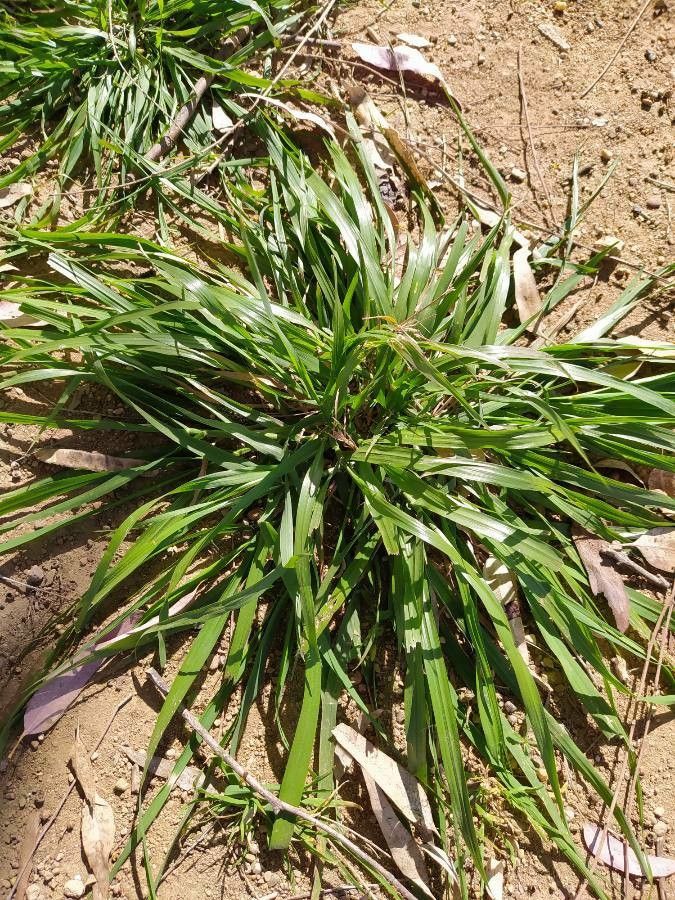
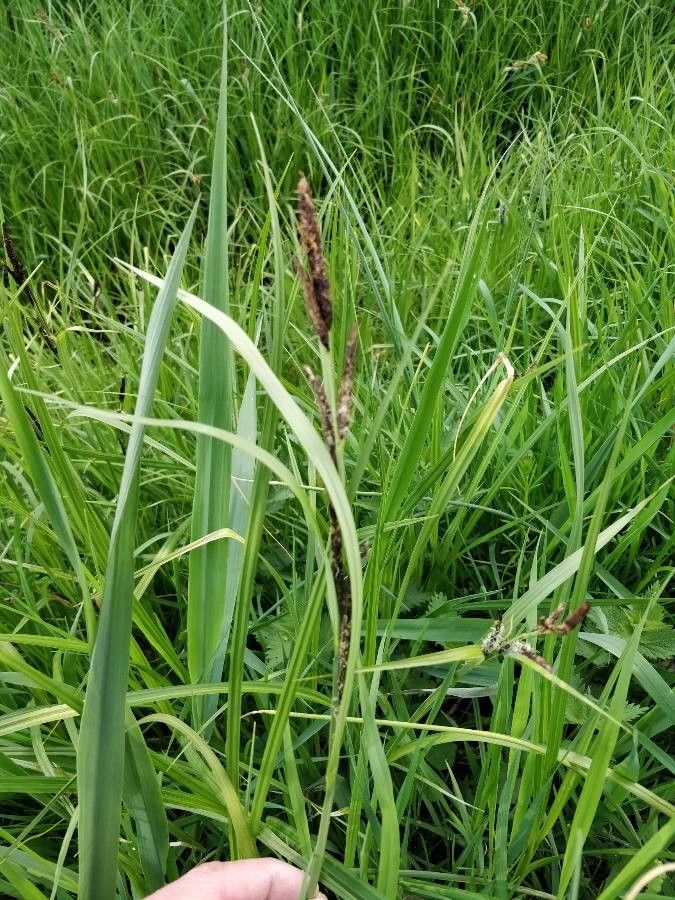
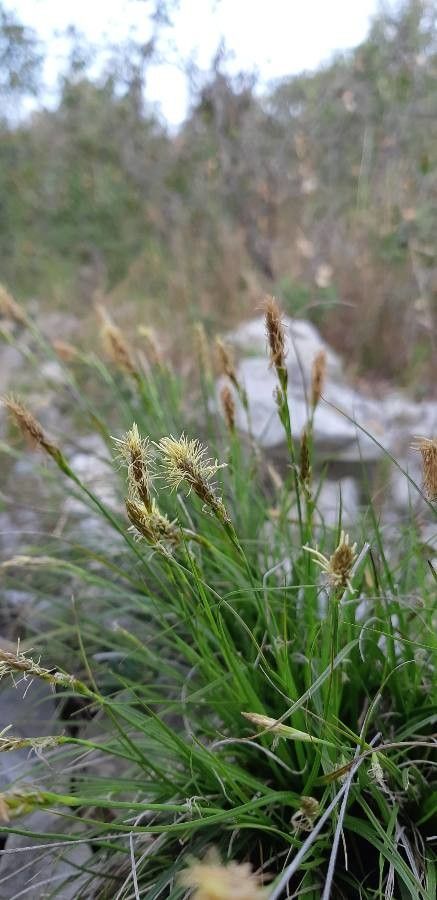
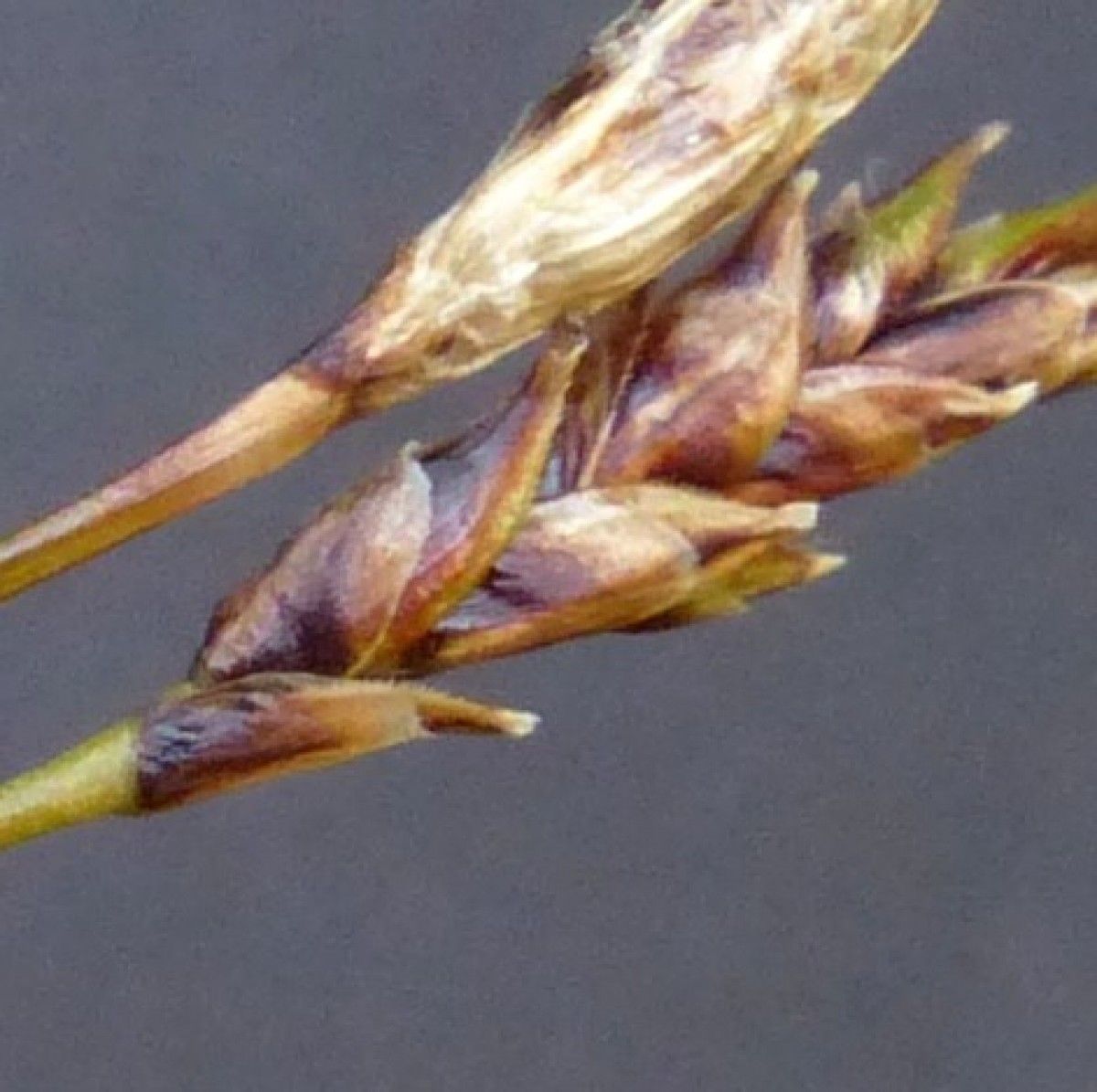
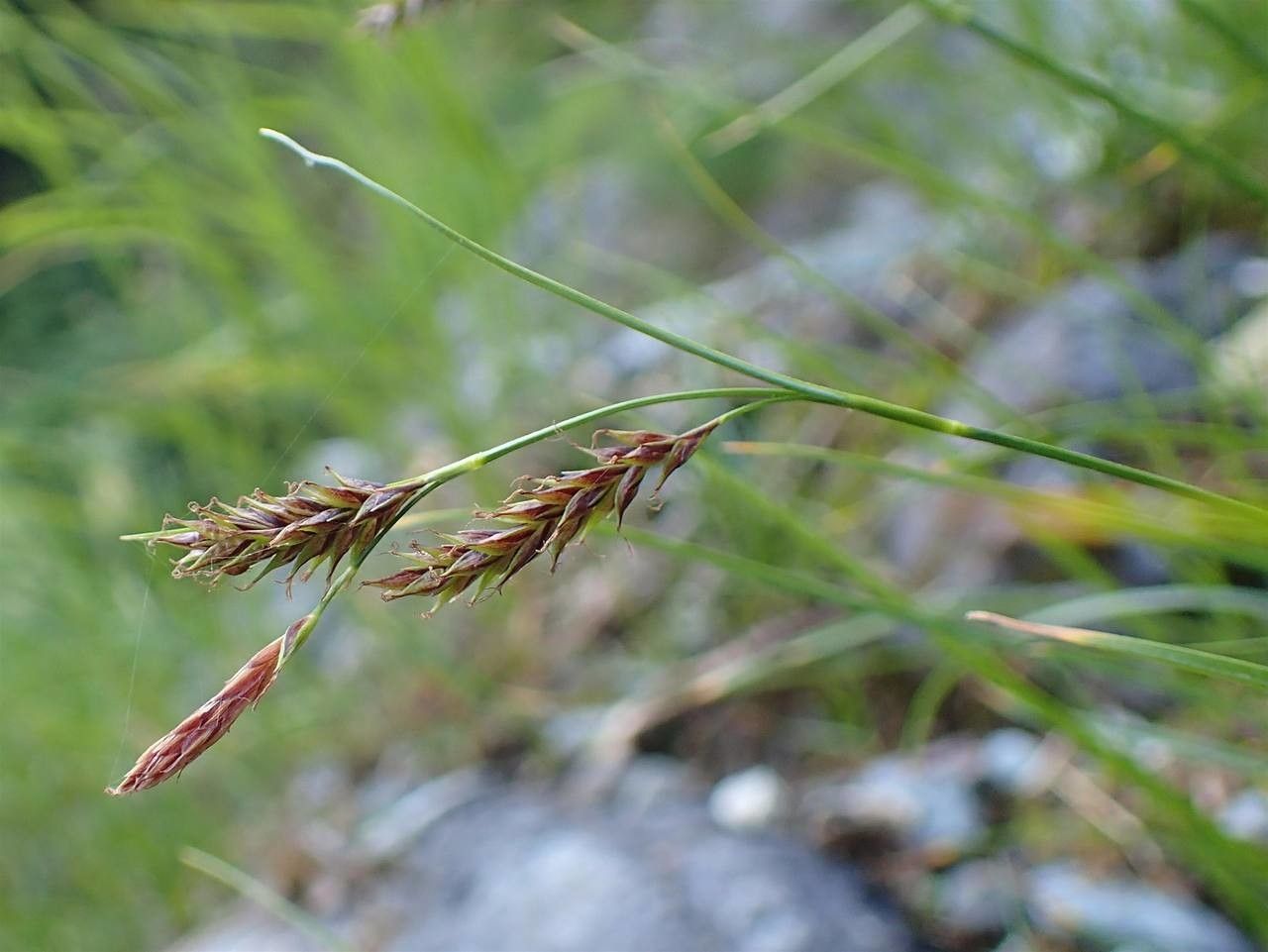
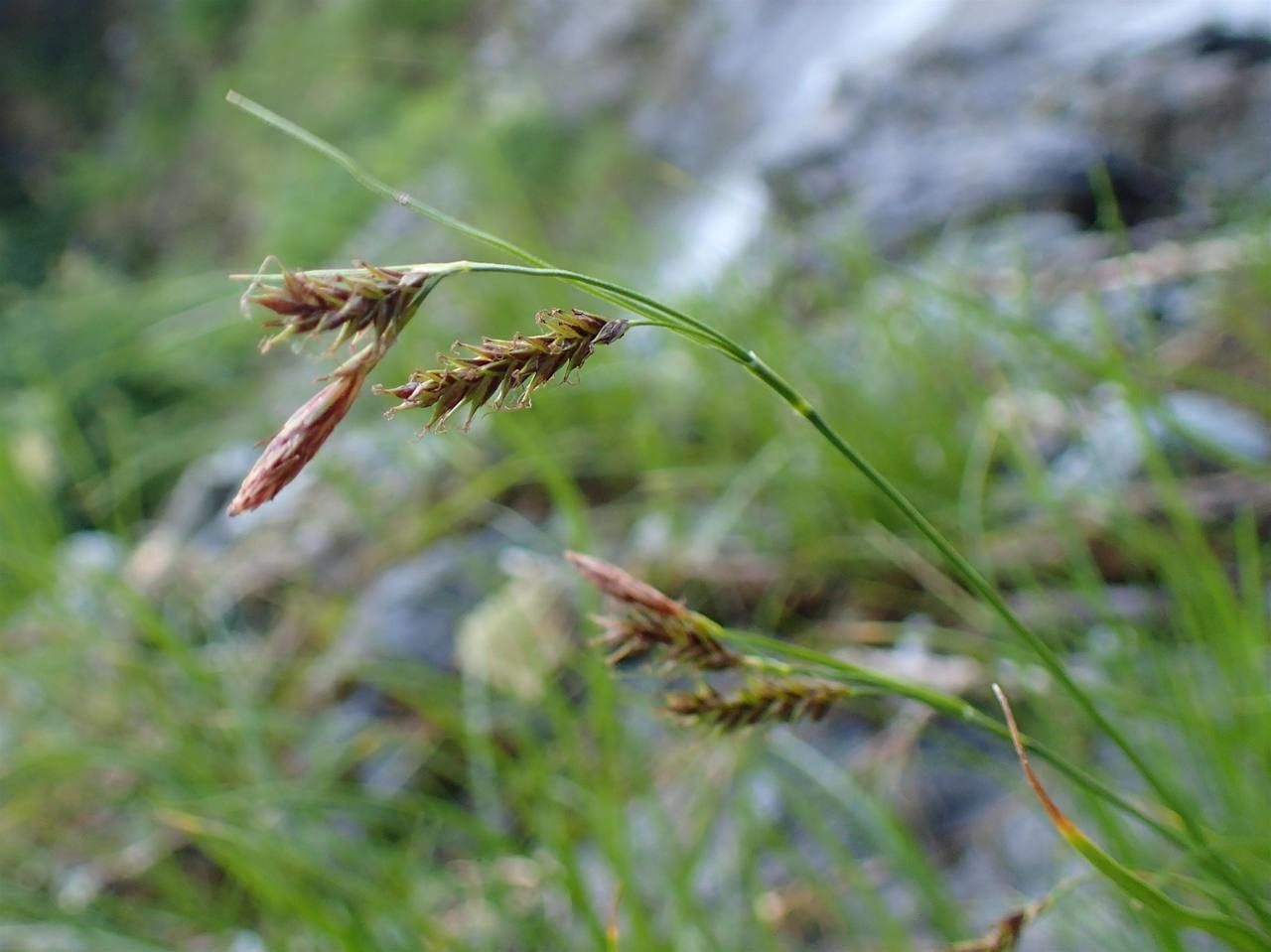
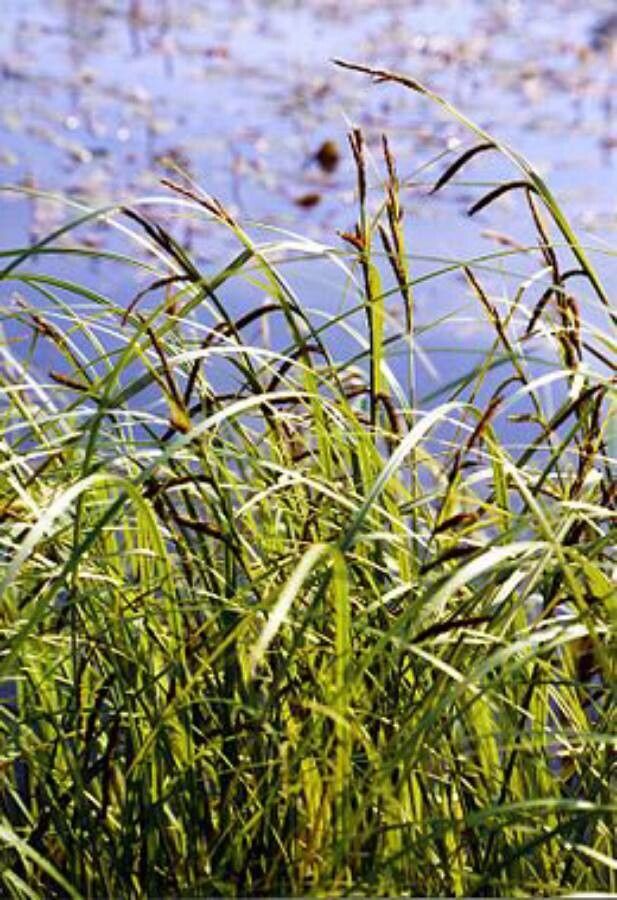
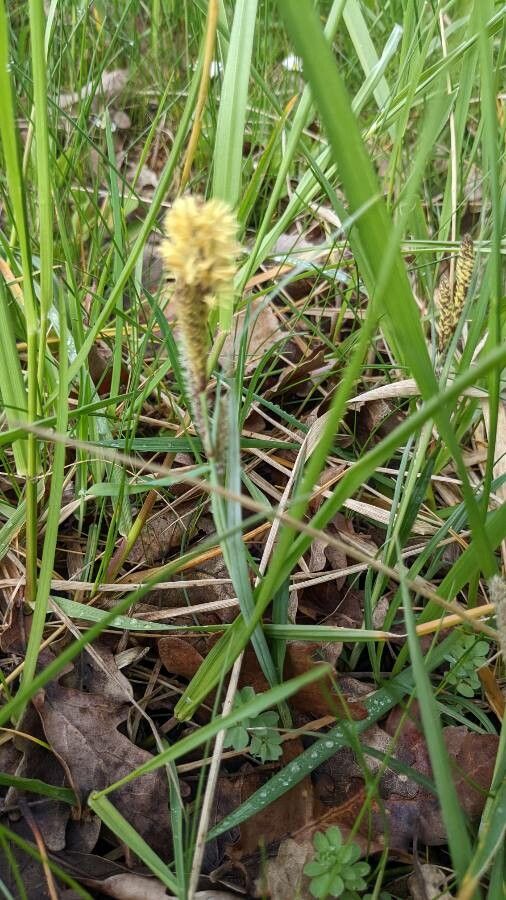
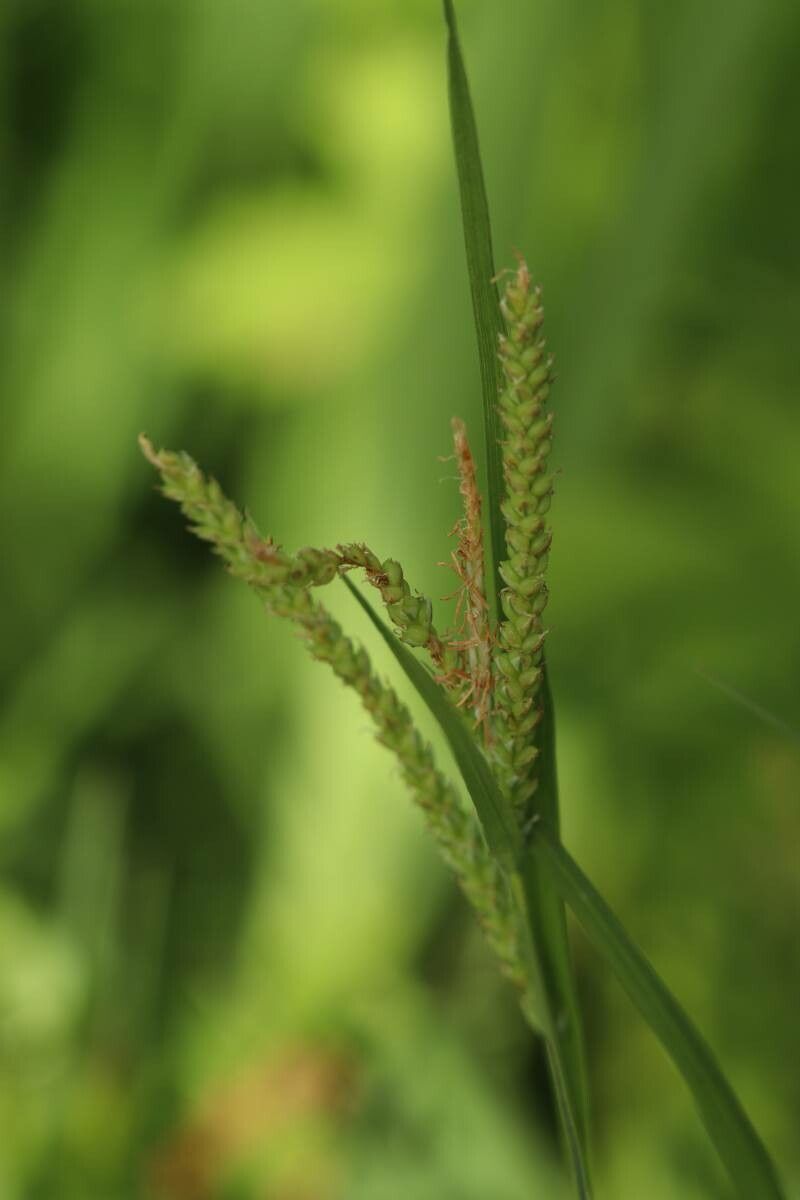
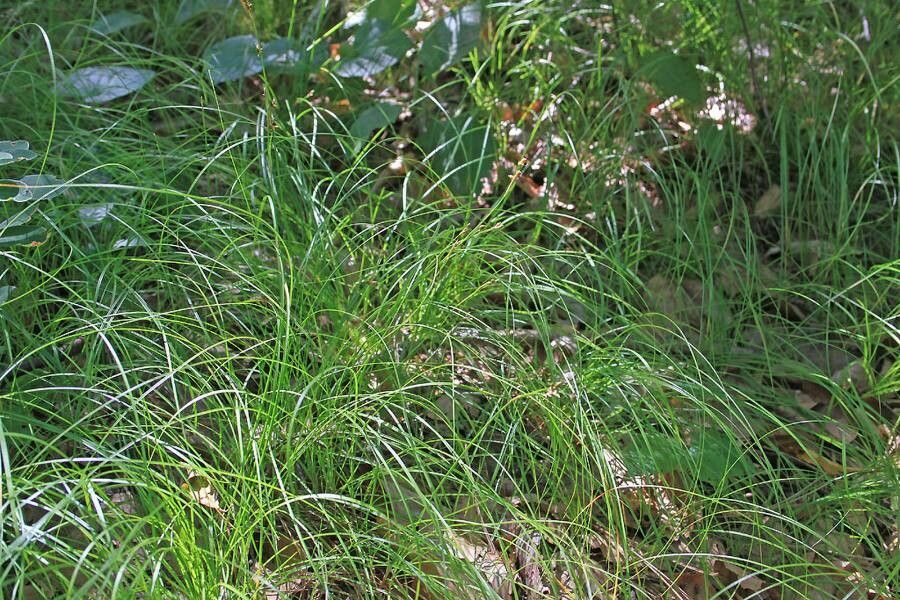
Carex ferruginea, the rusty sedge or rust-coloured sedge, is a species of flowering plant in the family Cyperaceae. It is native to the Alps, the southern Carpathians, and the western Balkan Peninsula, and has been introduced to the U.S. state of New Jersey. It is a glacial relict species.
Alpine tufted sedge is resistant to diseases and generally does not tend to get sick. In terms of care, this plant is fairly low-maintenance. Planted outdoors it needs only light watering, and larger plants typically do not require pruning. Smaller plants, however, should be pruned after they finish blooming. Alpine tufted sedget is appropriate for anyone with an outdoor area, such as a garden or a deck, and does not need much gardening experience.
How to keep Carex Ferruginea.
Light
Alpine tufted sedge is a sun-loving, perennial herbaceous plant that comes from open habitats and is commonly found in meadows and grasslands. It prefers full sun but can tolerate partial sun conditions.
Fertilizer
Alpine tufted sedge needs extra nutrients to encourage healthy new growth. In spring, applying compost around the plant's base can supply the nutrients it requires. Fertilizing supports vigorous growth and improves the plant's resistance to diseases and pests.
Botanical profile.
- Plant Type
- Grass
- Life Cycle
- Perennial
- Genus
- Carex
- Family
- Cyperaceae
- Hardiness Zone
- 4-9
- Mature Height
- 20 cm to 40 cm
- Mature Spread
- 15 cm to 30 cm
- Leaf Color
- Dark Green
- Leaf Type
- Evergreen
- Flower Size
- 0.20 cm to 0.25 cm
- Bloom Time
- Late spring, Early summer
- Planting Time
- Spring, Summer, Autumn
- Harvest Time
- Mid summer, Late summer
Other names.
Reader questions.
What are the sunlight requirements for Rusty Sedge (Carex ferruginea)?
Rusty Sedge (Carex ferruginea) thrives in various sunlight conditions. For plants to reach their full potential, they need 'Full sun,' meaning they should receive above 6 hours of sunlight daily. However, they can also grow well in 'Partial sun,' which entails about 3-6 hours of sunlight daily. It's important to observe how sunlight moves through your garden throughout the day. Selecting planting spots that offer the right mix of light and shade ensures the plants' well-being, as too much or too little light can affect their growth and health.
What is the botanical name of Rusty sedge?
The botanical name of Rusty sedge is Carex ferruginea. It is a species distinguished by its unique characteristics and is known by its common name 'Rusty sedge'.