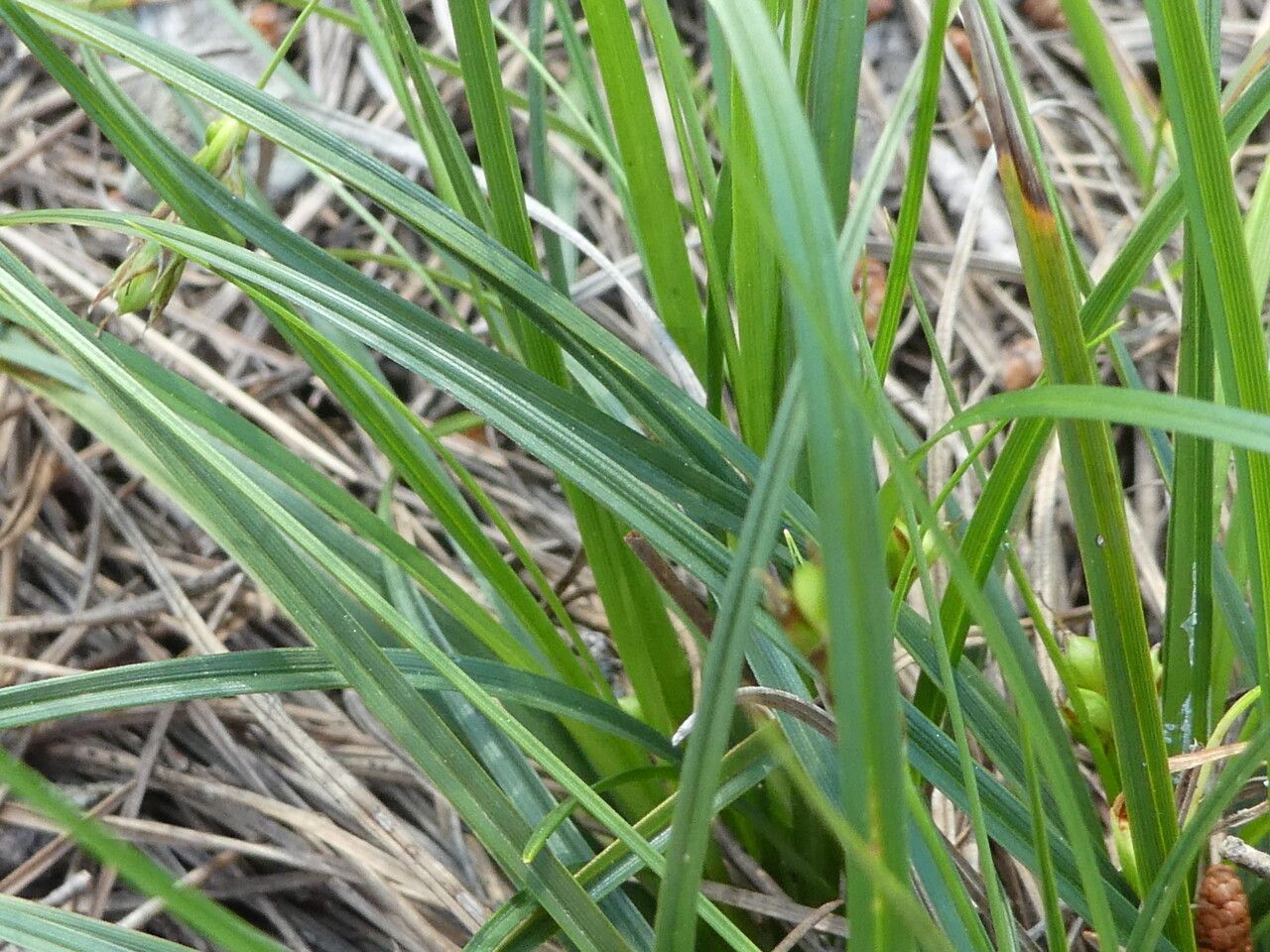
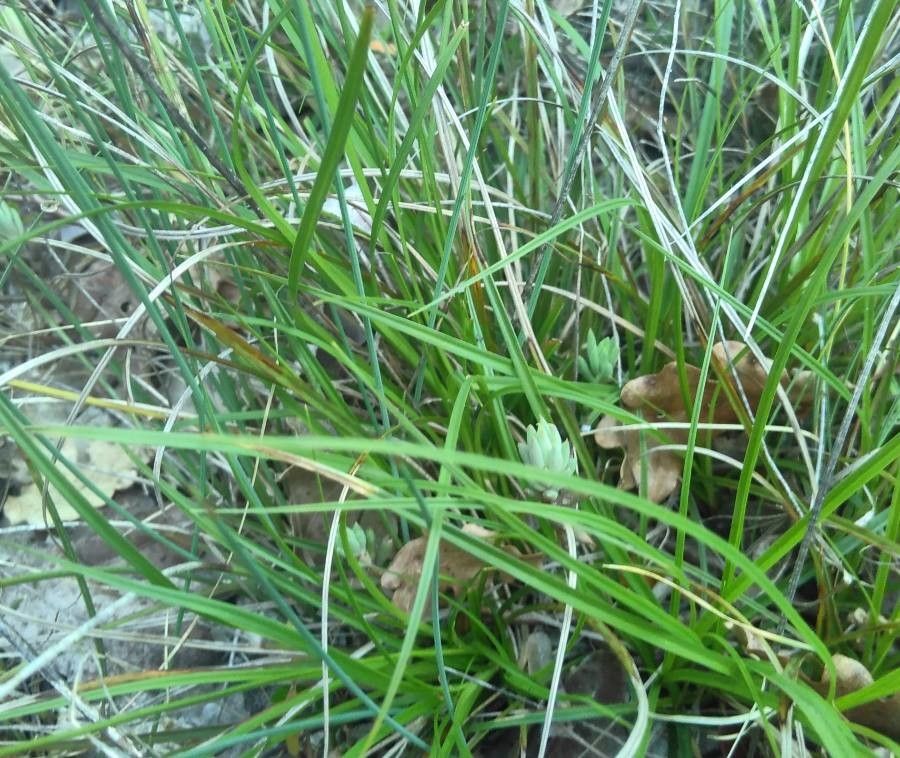
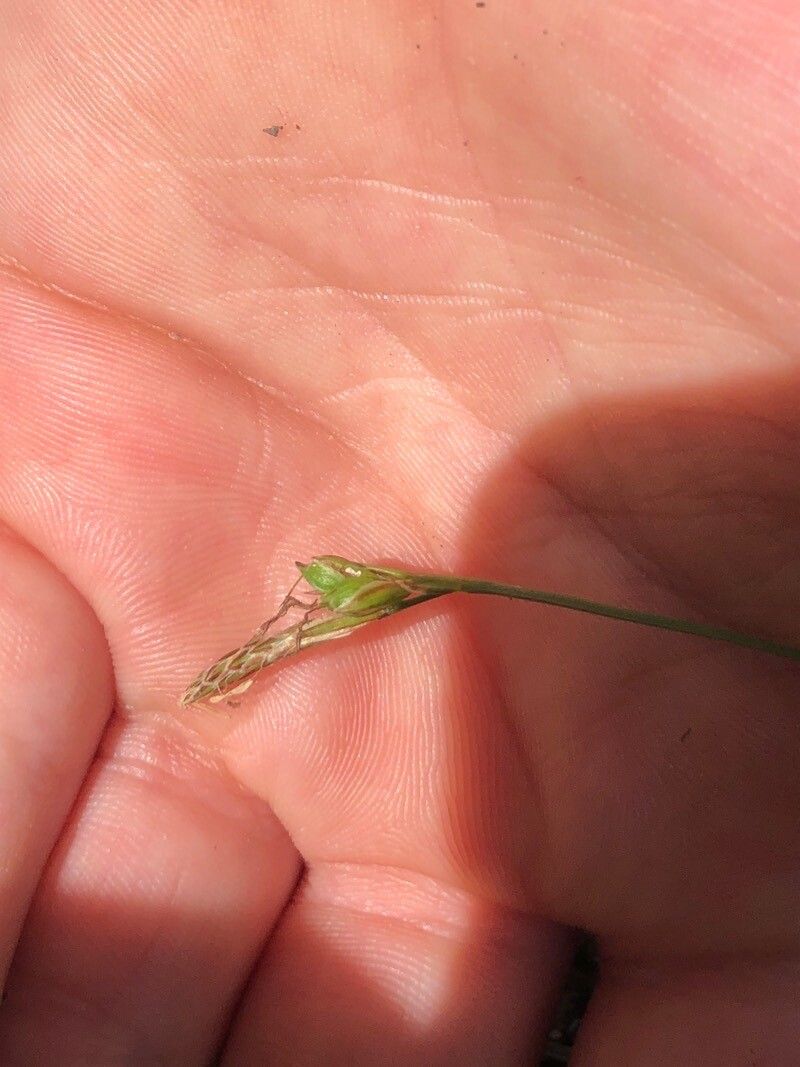
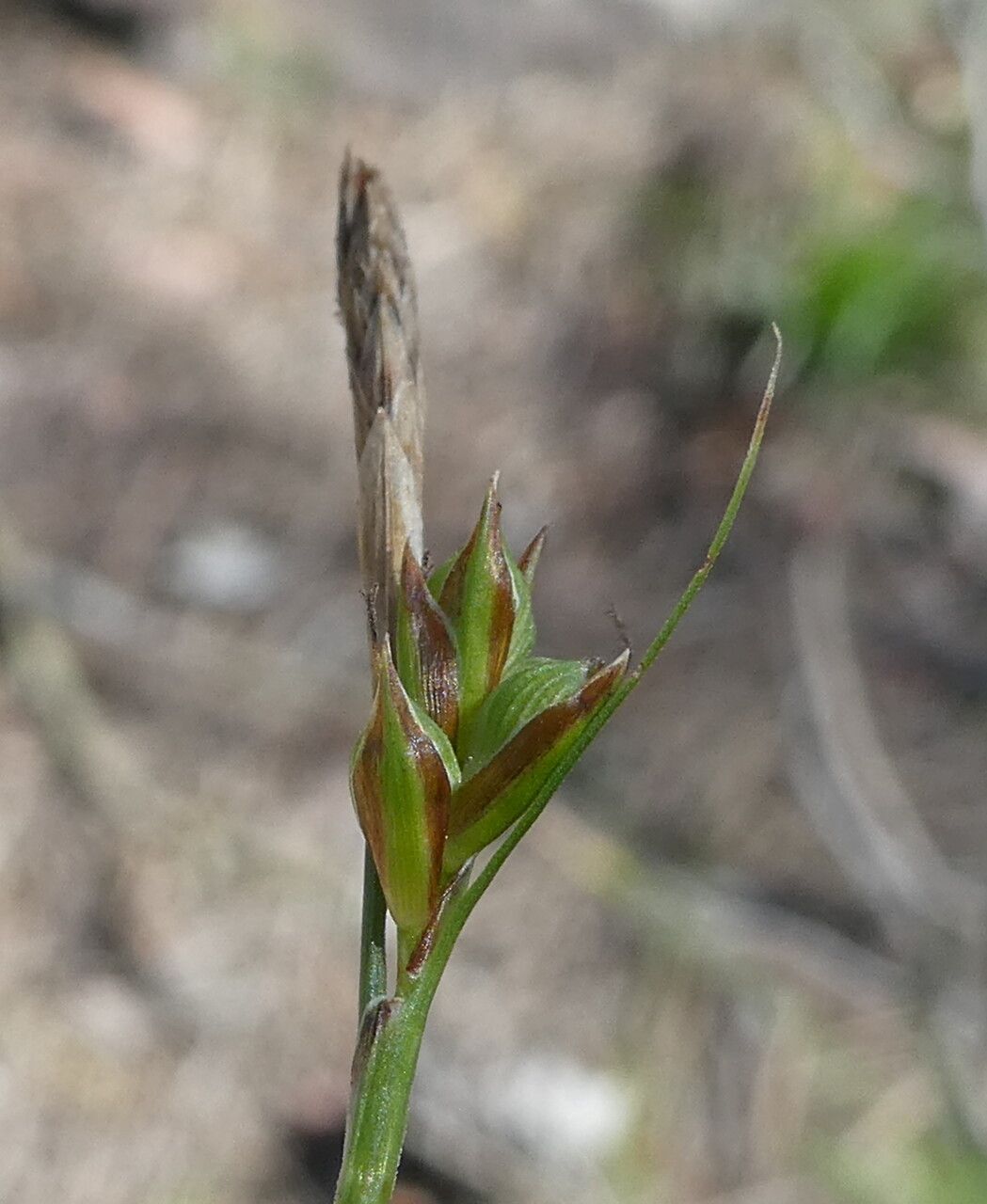
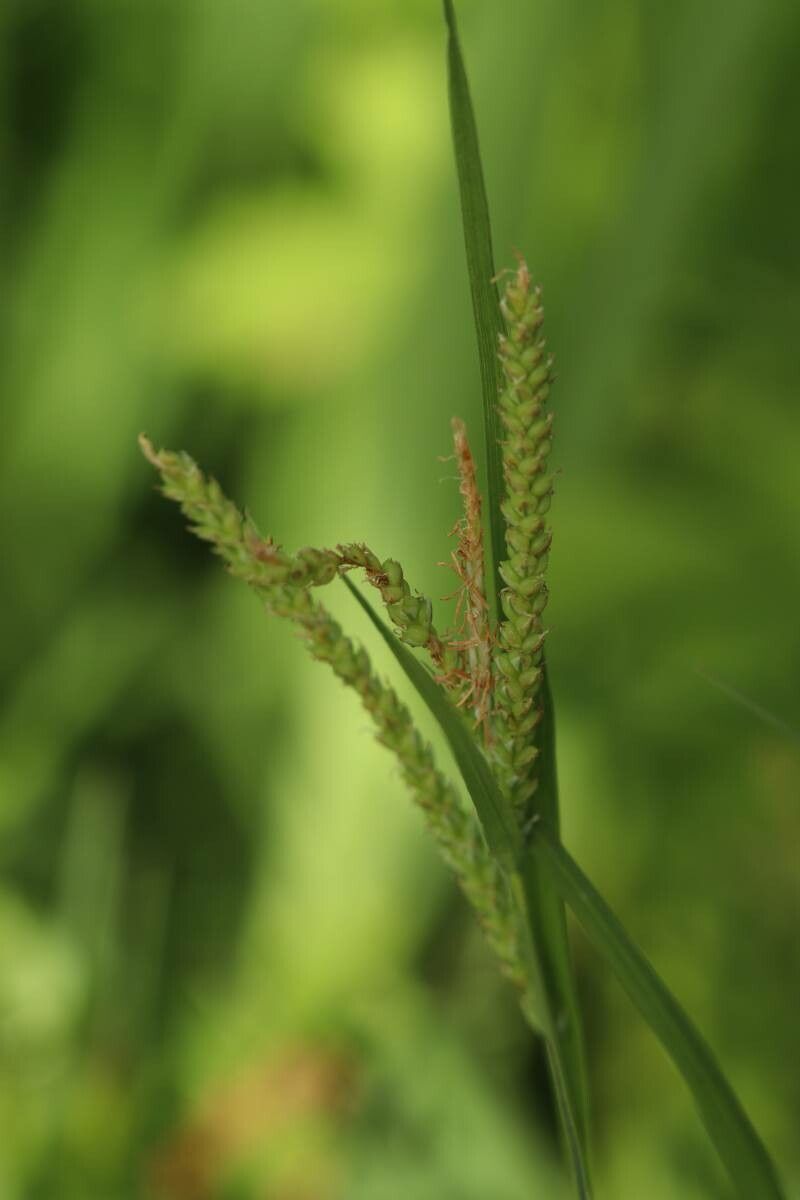
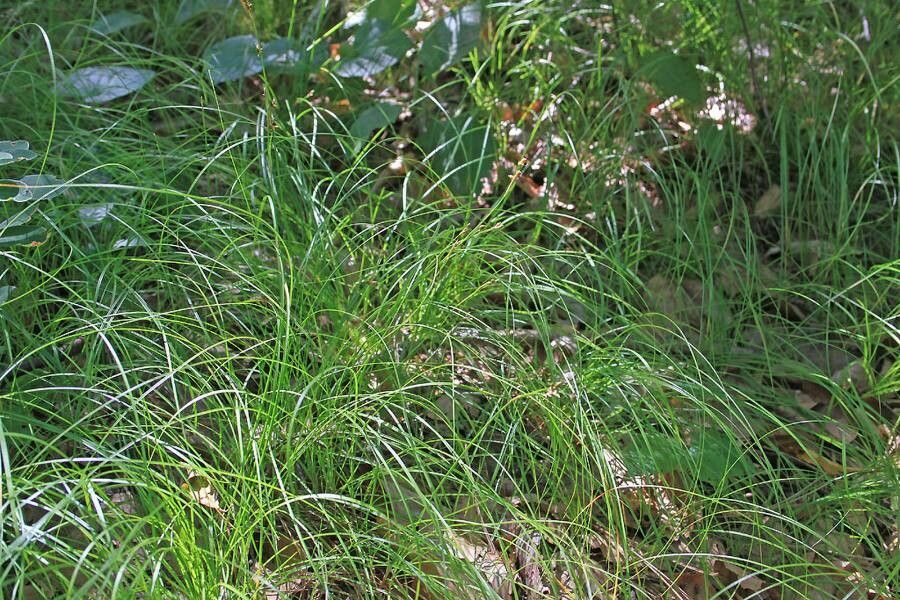
Carex atrata subsp. atrata shows strong disease resistance and is typically not susceptible to illnesses. Regarding maintenance, this plant is fairly low-maintenance. When grown outdoors it needs only light watering, and larger specimens usually do not require pruning. Smaller plants, however, should be trimmed after they finish blooming. Carex atrata subsp. atratat is well suited for anyone with an outdoor area, such as a garden or deck, and does not demand extensive gardening experience.
How to keep Carex Distachya.
Light
Carex atrata subsp. atrata occurs naturally in habitats like forest understories or rocky sites that are naturally shaded. It prefers partial sun but can tolerate both full sun and full shade, showing its adaptability and hardiness.
Fertilizer
Carex atrata subsp. atrata requires extra nutrients to promote healthy new growth. In spring, applying compost around the plant’s base can effectively supply the nutrition it needs. Fertilizing supports vigorous growth and helps the plant resist diseases and pests.
Botanical profile.
- Plant Type
- Grass
- Life Cycle
- Perennial
- Genus
- Carex
- Family
- Cyperaceae
- Hardiness Zone
- 3-7
- Mature Height
- 20 cm to 61 cm
- Mature Spread
- 15 cm to 30 cm
- Leaf Color
- Green, Dark Green
- Leaf Type
- Deciduous
- Flower Color
- Green, Brown
- Flower Size
- 0.25 cm to 0.51 cm
- Bloom Time
- Late spring, Early summer
- Planting Time
- Spring, Summer, Autumn
- Harvest Time
- Mid summer, Late summer
- Native Area
- Turkey, Sweden, India, Austria, Slovakia, Montenegro, Slovenia, Croatia, Russia, Iraq, Germany, Iceland, Koppen, Romania, France, Czech Republic, Bulgaria, Armenia, Poland, Greece, Ukraine, Serbia, China, Norway, Italy, Spain, Switzerland, Denmark, Myanmar, Japan, Finland, Bhutan, Iran, Albania, United Kingdom