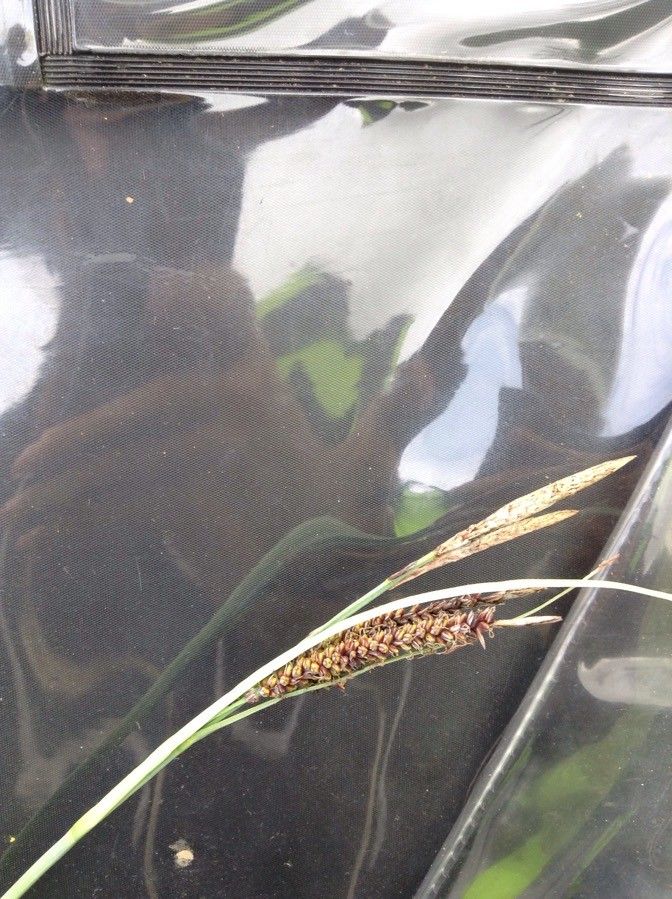
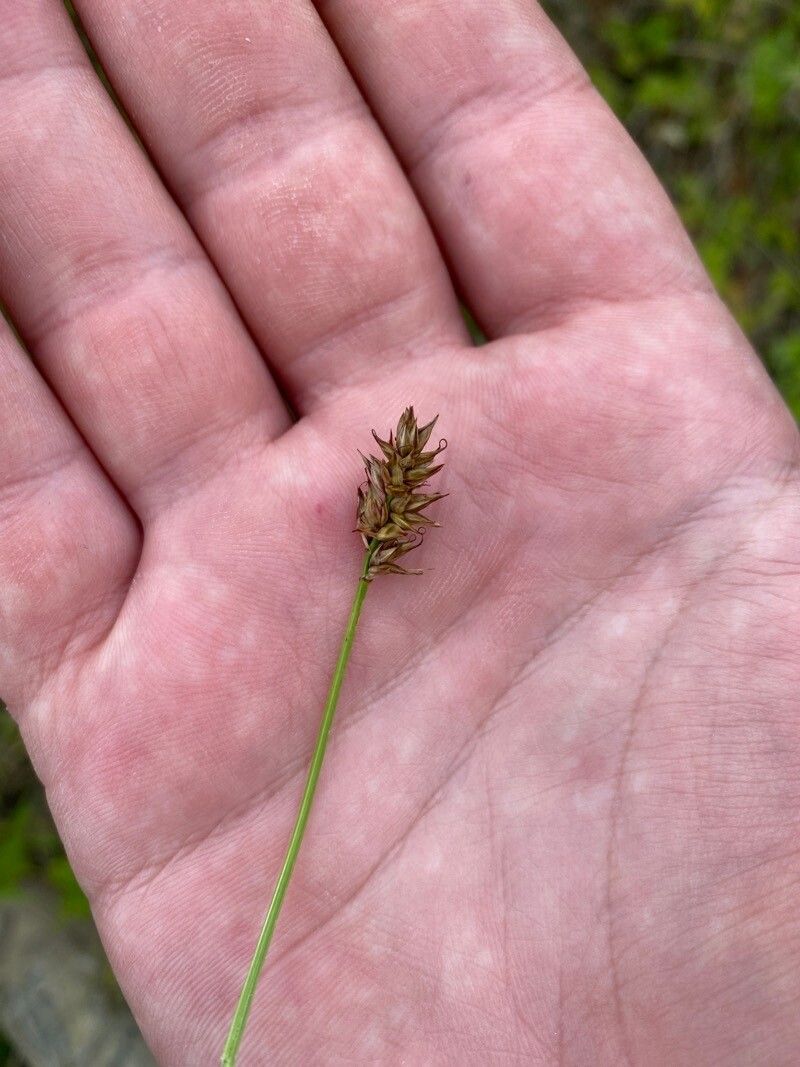
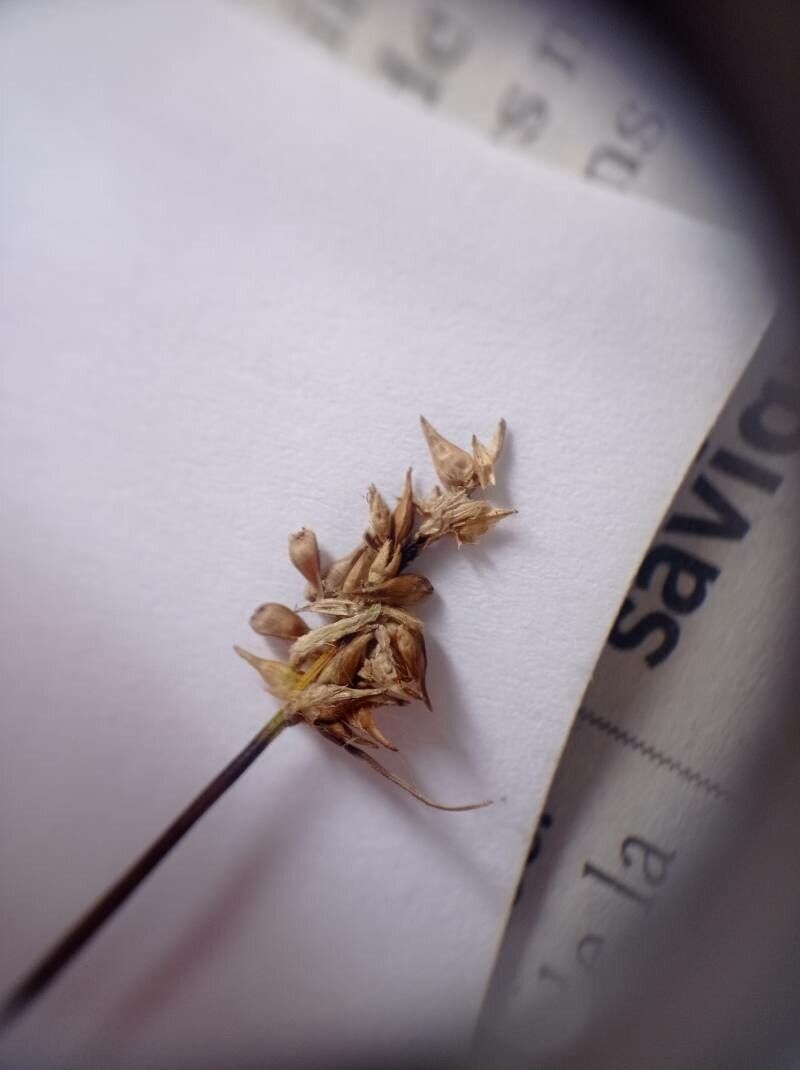
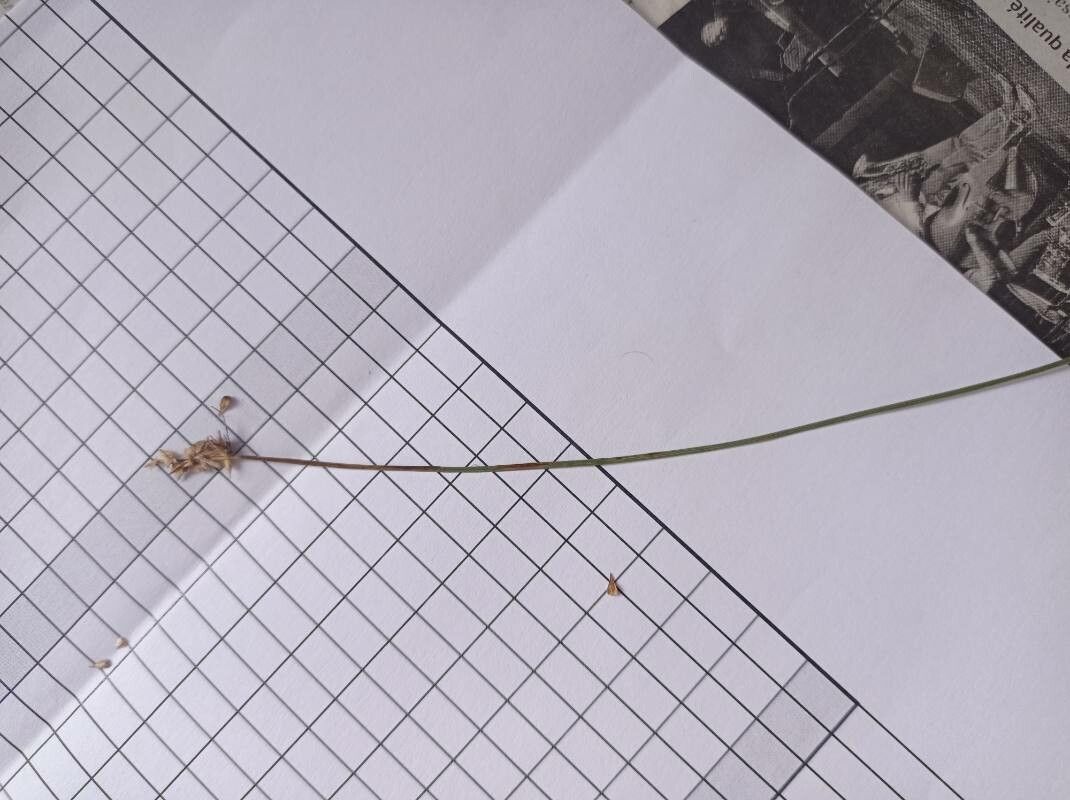
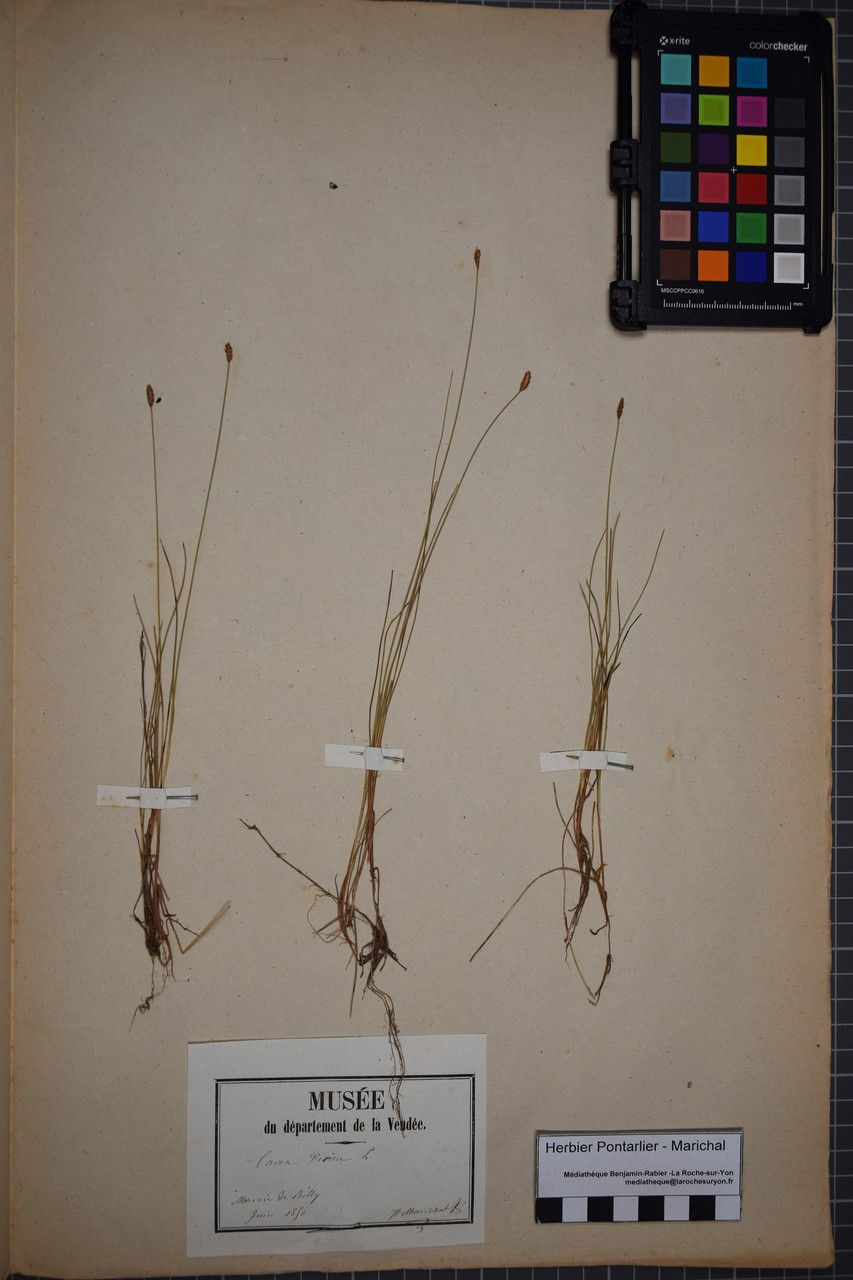
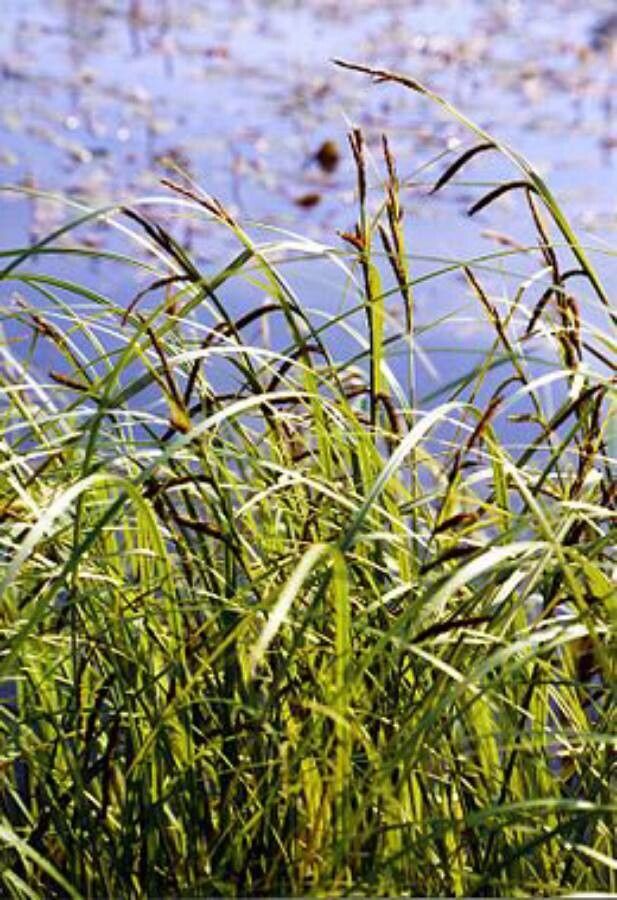
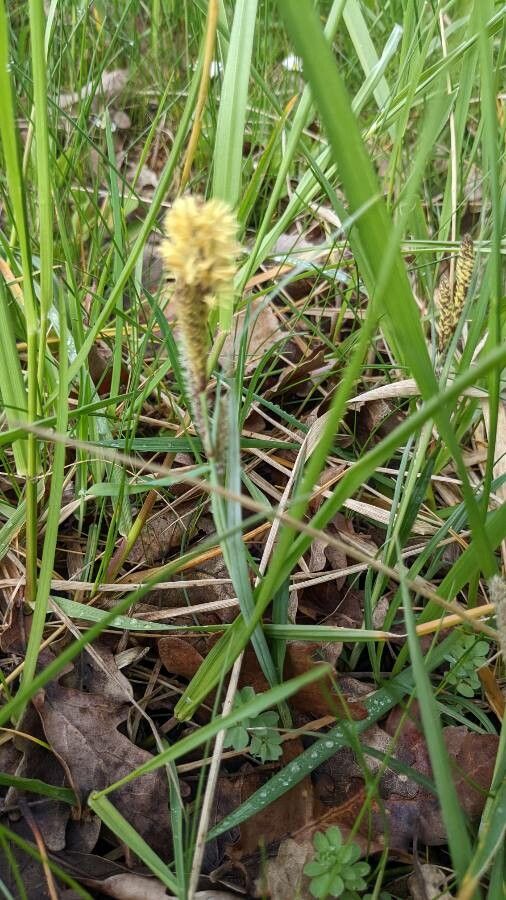
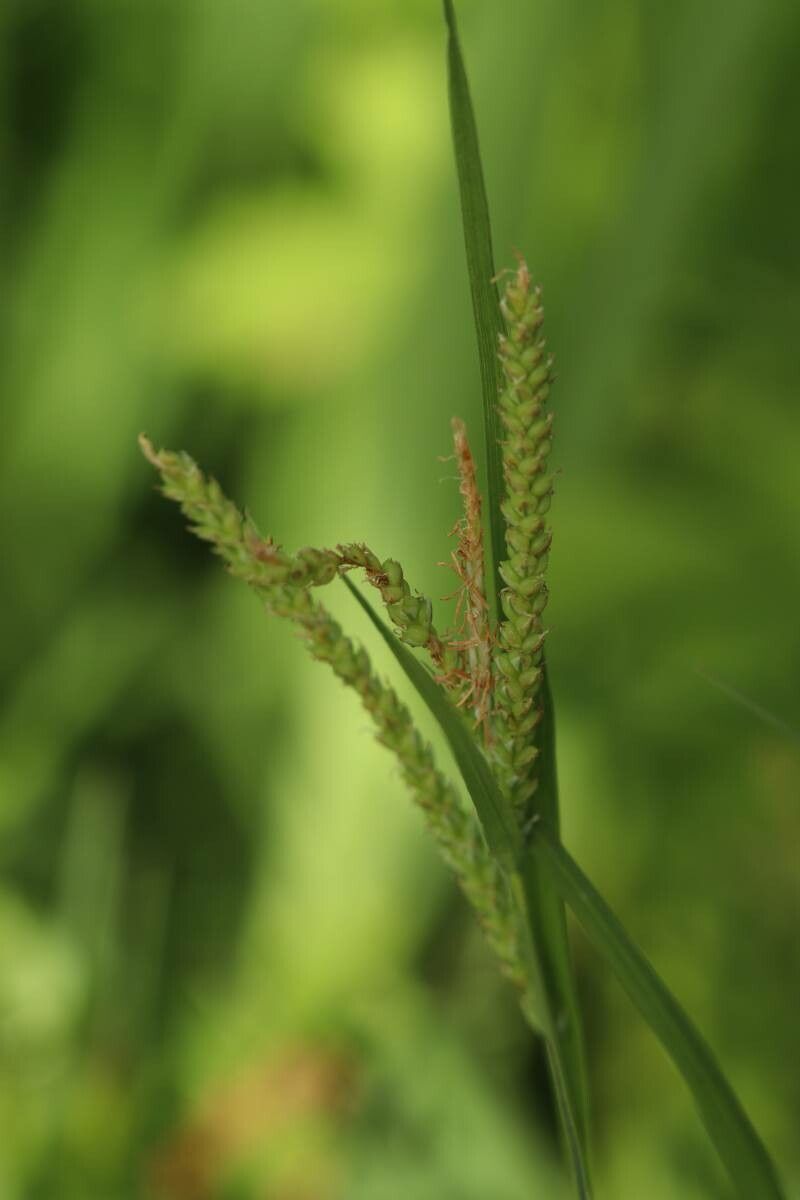
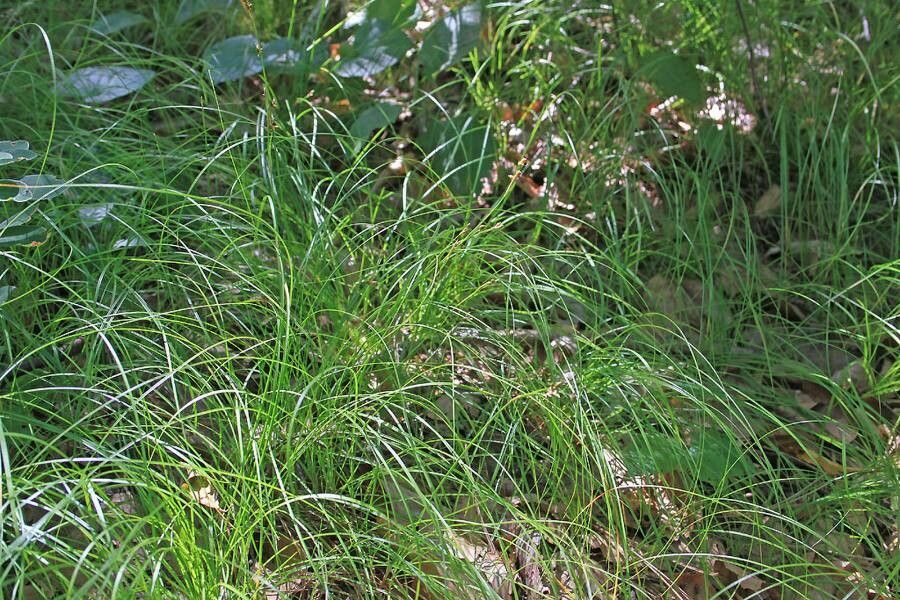
Carex dioica, the dioecious sedge (a name it shares with Carex sterilis), is a species of flowering plant in the genus Carex, native to Iceland, the Faroes, Svalbard, nearly all of Europe, western Siberia, and the Altai. It prefers to live in calcareous fens.
Dioecious sedge shows strong resistance to disease and is typically not susceptible to illnesses. Regarding care, this species is fairly low-maintenance. When grown outdoors it needs only light watering, and larger specimens usually do not require pruning. Smaller specimens, however, should be trimmed after they finish flowering. Dioecious sedge is appropriate for anyone who has an outdoor area, such as a garden or deck, and does not demand extensive gardening experience.
How to keep Carex Dioica.
Light
The dioecious sedge originates from settings like forest understories or rocky regions, where it is accustomed to natural shading. This plant mostly thrives in partial sunlight, however, its resilient and adaptable characteristics enable it to adjust to either full sunlight or complete shade.
Temperature
Dioecious sedge is able to thrive under a large variety of temperature circumstances, although varying combinations of heat and water conditions may still restrict its spread. The plant flourishes optimally in summer heat accompanied by sufficient rain or irrigation. Lengthy spells of overcast and wet weather, along with extended periods of elevated temperatures, could enhance the chances of Dioecious sedge perishing. During the winter, appropriate protection from cold temperatures can elevate the survival prospects of the plant.
Fertilizer
Extra nutrients are necessary for the healthy regrowth of the dioecious sedge. Applying compost around the plant's base during the spring can meet its nutritional needs effectively. The act of fertilizing assists in encouraging robust growth and aids the plant in warding off diseases and infestations.
Pruning
The dioecious sedge has a slender, clump-forming growth habit. To enhance its ornamental value, it's recommended to remove dead foliage by pruning it annually in early spring. This encourages new growth. When pruning, use sharp shears to make clean cuts, and be careful not to over-prune. This will help maintain the plant's aesthetic appeal while controlling its spread.
Botanical profile.
- Plant Type
- Grass
- Life Cycle
- Perennial
- Genus
- Carex
- Family
- Cyperaceae
- Hardiness Zone
- 3-7
- Mature Height
- 10 cm to 30 cm
- Mature Spread
- 5 cm to 15 cm
- Leaf Color
- Green
- Leaf Type
- Deciduous
- Flower Size
- 0.20 cm to 0.25 cm
- Bloom Time
- Early spring, Mid spring
- Planting Time
- Spring, Summer
- Harvest Time
- Late spring, Early summer
- Native Area
- Sweden, Austria, Czech Republic, Slovakia, Armenia, Poland, Croatia, Slovenia, Belarus, Ukraine, Serbia, Russia, Lithuania, Norway, Germany, Italy, Switzerland, Denmark, Iceland, Estonia, Finland, France, Ireland, United Kingdom, Romania, Latvia, Netherlands
Other names.
Reader questions.
What are the sunlight requirements for Dioecious sedge?
Dioecious sedge (Carex dioica) thrives in varying degrees of sunlight, catering to different garden spots. For full sun exposure, it needs above 6 hours of sunlight, suitable for those areas in your garden that bask in the light most of the day. For partial sun, about 3-6 hours of sunlight is sufficient, accommodating spots that enjoy a balanced mix of sunlight and shade. It's important to observe how sunlight dances through your garden over the day to find the perfect spots that provide the essential balance of light and shade to ensure the health and happiness of your plants.
What is the botanic name of Dioecious sedge?
The botanic name of Dioecious sedge is Carex dioica. This classification helps in accurately identifying the plant within the scientific community and for those interested in botany.
What are the essential characteristics of Dioecious sedge?
Dioecious sedge does not have specific essential characteristics listed in the provided information. For detailed characteristics, exploring botanic literature or databases might provide the necessary details about its growth habits, habitat preferences, and care requirements.
What are the symptoms of Dioecious sedge?
There are no symptoms associated with Dioecious sedge provided in the information. If you're looking for information on common diseases or pests that affect this plant, consulting a gardening expert or plant pathology resource might be beneficial.