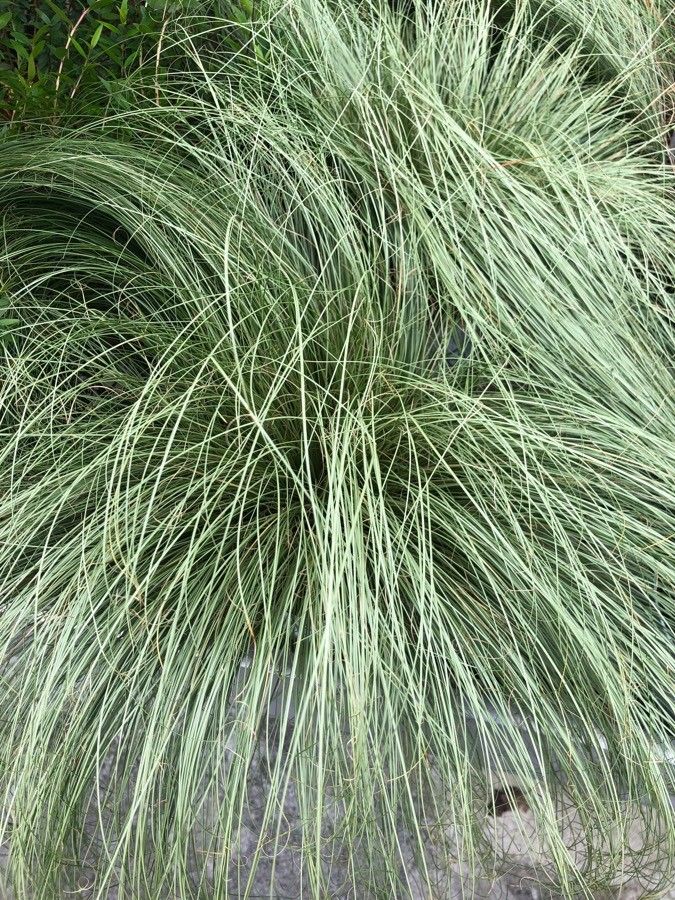
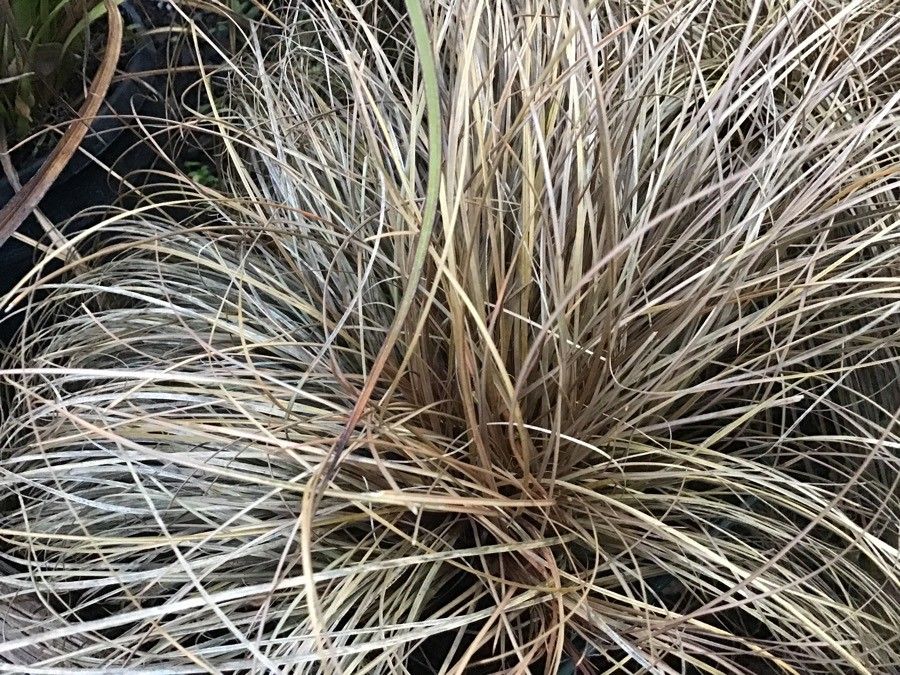
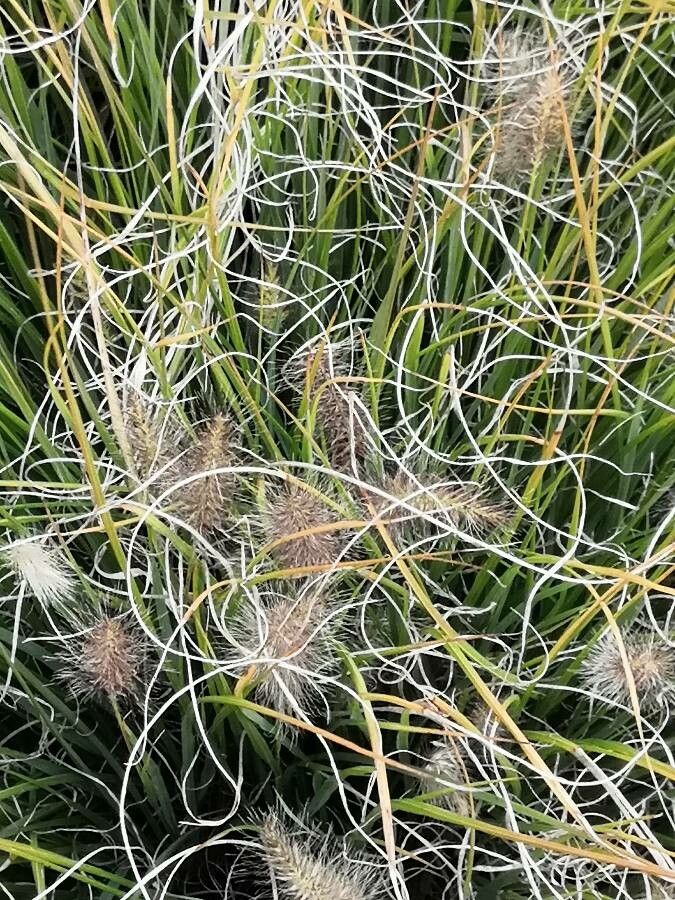
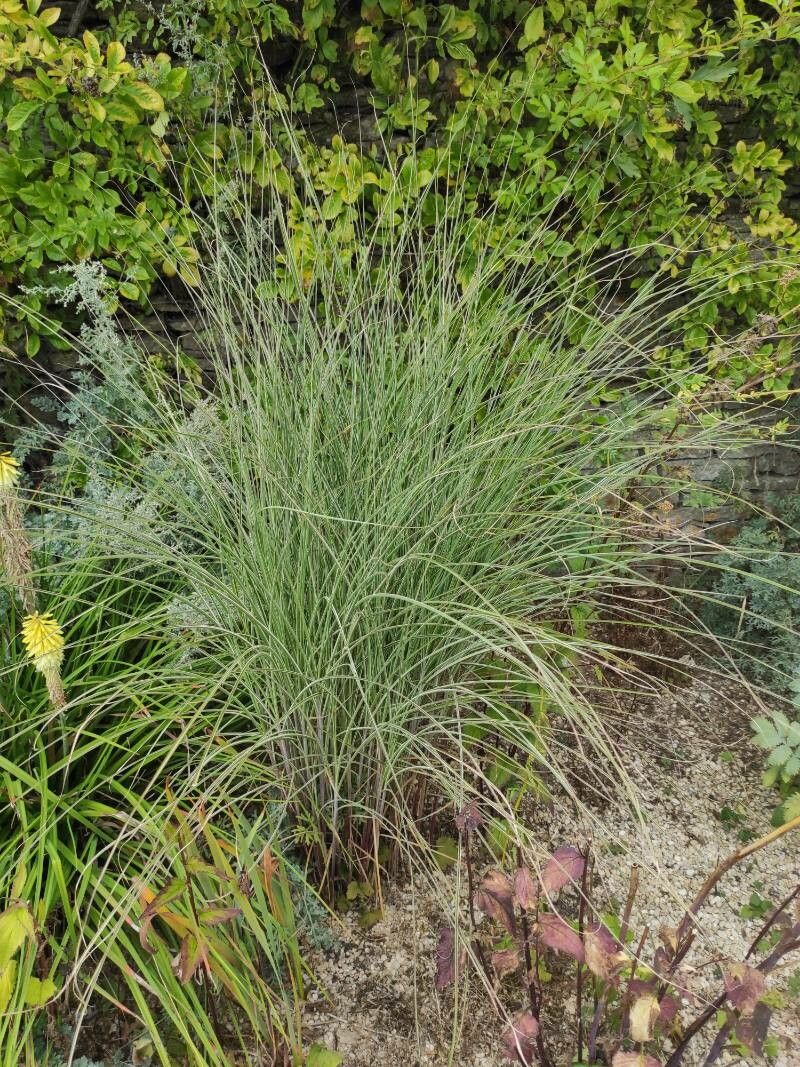
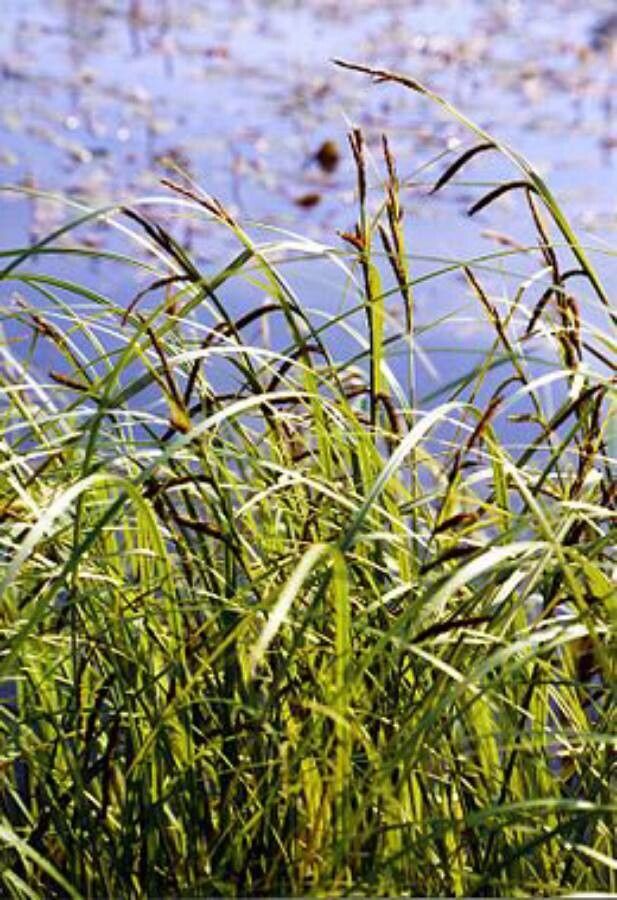
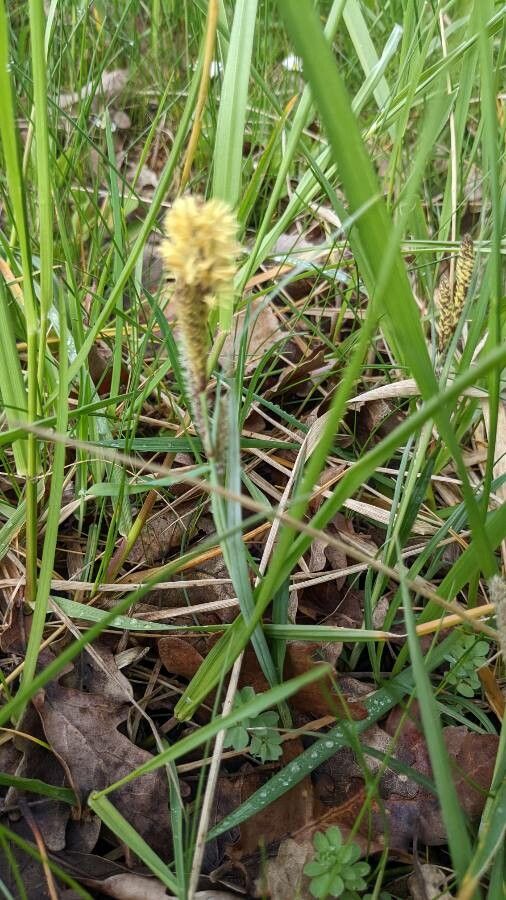
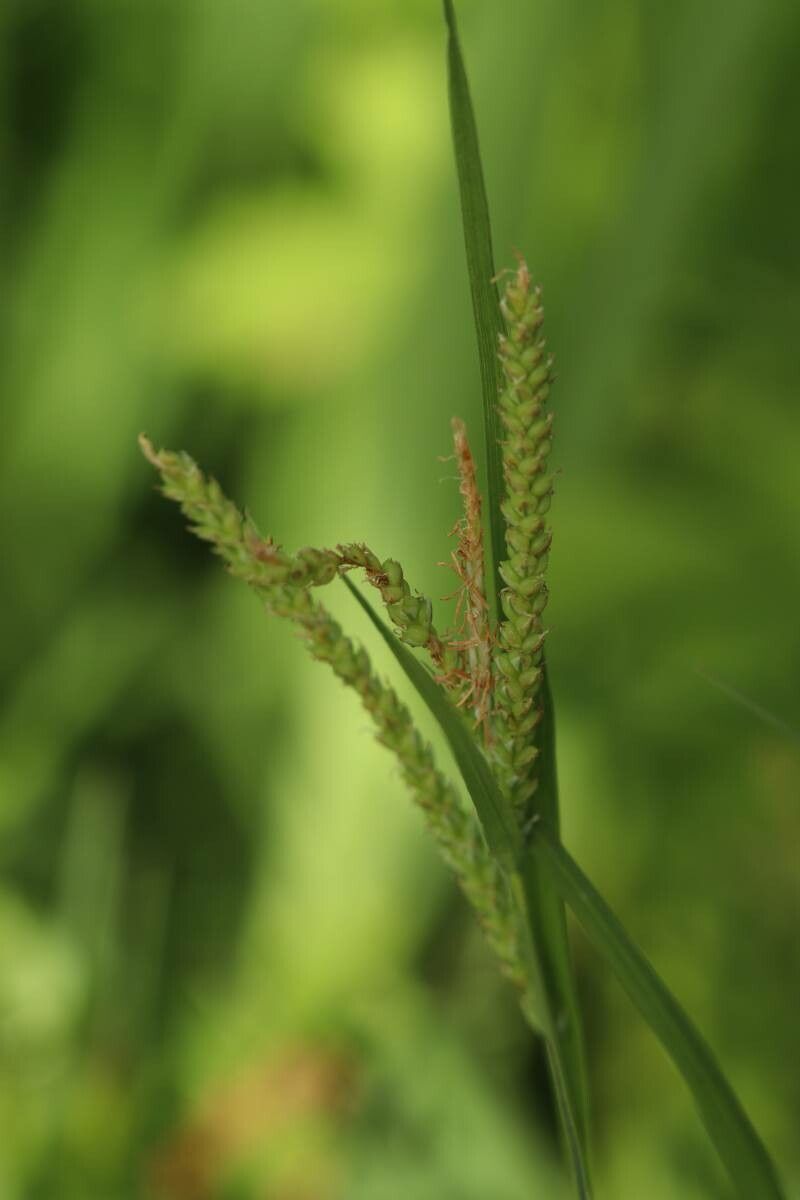
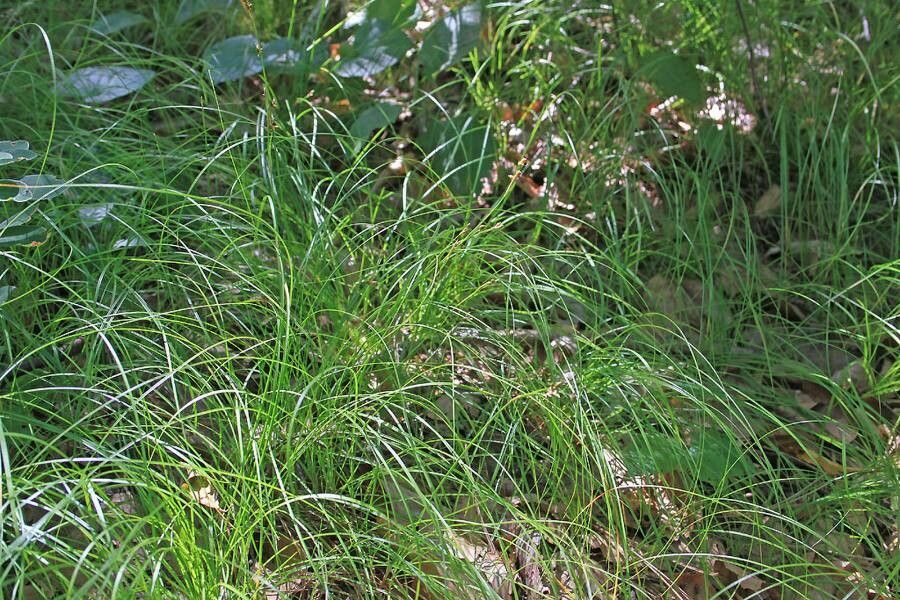
Carex comans, commonly known as New Zealand hair sedge, is a perennial, grass-like plant that belongs to the Cyperaceae family. Native to New Zealand, it has gained popularity as an ornamental plant in gardens and landscapes worldwide.
The plant features narrow, arching leaves that are either green or bronze, reaching up to 30 cm in length. In late spring or early summer, it produces small flowers on spikes that emerge from the foliage, followed by small brown seed heads.
Carex comans thrives in moist soil but can tolerate dry conditions once established. It grows best in full sun but can also endure partial shade.
In 1754, Lin Nai established the genus known as "true sedge." This plant is a significant component of China's flora and is the dominant grass species in the lowest layer of many forests. In some areas, true sedge makes up most of the lower vegetation. FUN FACT · FROM THE LIBRARY
This low-maintenance plant is often used as ground cover or for edging along paths and borders, thanks to its attractive foliage and its ability to form dense clumps over time.
Overall, Carex comans is an excellent choice for gardeners seeking an easy-to-grow ornamental grass with year-round appeal.
New England hair sedge is fairly disease-resistant and is generally not prone to illnesses. However, it can be affected by pests and diseases present in its environment. Such infections are usually not severe. For care, this plant requires moderate maintenance. It should be pruned regularly to maintain a neat appearance and healthy growth. Fertilizing can also help encourage flowering. New England hair sedge is well suited for anyone with an outdoor area, such as a garden or patio, and does not demand extensive care experience. It may need more attention when grown indoors.
How to keep Carex Comans.
Light
New England hair sedge is a sun-loving, perennial herbaceous plant native to open habitats and commonly found in meadows and grasslands. It prefers full sun but can also tolerate partial sun.
Water
Originating from New Zealand's grasslands, New England hair sedge flourishes in moderately moist, well-drained conditions. It has a moderate tolerance for drought, needing watering every 1-2 weeks while allowing the soil to dry slightly between waterings. Rainwater is beneficial to New England hair sedge, reducing the need for additional watering during wet seasons.
Temperature
New England hair sedge can tolerate a wide range of temperatures, though its range may still be restricted by particular combinations of moisture and heat. It grows best in warm summer conditions with sufficient rainfall or watering. Extended periods of cloudy, rainy weather or prolonged high temperatures can raise the chance of New England hair sedge dying. In winter, providing proper protection from cold can increase the plant's survival.
Fertilizer
One fertilizer application in spring is generally enough for New England hair sedge, though repeated feedings can maximize growth. Apply every month to month and a half. Fertilization improves leaf appearance and function, encouraging even color and a healthy texture. It also promotes root development and nutrient uptake for long-term plant health.
Pruning
New England hair sedge benefits from early spring pruning to remove dead leaves and encourage fresh growth. Trimming the plants down to ground level in late spring helps maintain a tidy appearance and stimulates vigorous regrowth. Overall, minimal pruning that targets only dead stems can improve the plant's health, air circulation, and aesthetic appeal.
Pot & Repot
When repotting New England hair sedge, select a pot 1–2 inches (2.5–5.1 cm) larger that has ample drainage. Use a well-draining potting mix. Repot in spring or fall, making sure the root ball sits slightly below the rim of the flower pot. Thoroughly water after repotting and place it in a warm spot with indirect sunlight.
Botanical profile.
- Plant Type
- Herb
- Life Cycle
- Perennial
- Genus
- Carex
- Family
- Cyperaceae
- Hardiness Zone
- 7-10
- Mature Height
- 30 cm to 61 cm
- Mature Spread
- 30 cm to 61 cm
- Leaf Color
- Red, Brown, Green, Silver
- Leaf Type
- Evergreen
- Flower Color
- Brown
- Bloom Time
- Mid spring, Late spring
- Planting Time
- Spring, Summer, Autumn
- Harvest Time
- Early summer, Mid summer
- Native Area
- New Zealand
Other names.
Reader questions.
How should I water my New England hair sedge?
Most people choose to grow New England hair sedge as a lawn, and there are certain guidelines for watering this type of grass. One option is to use a hose with a spray nozzle attachment. However, the preferred method is to install a sprinkler system. For even better results, consider using a sprinkler system with a timer to ensure proper watering at the appropriate times. When watering, it is recommended to use cool or room temperature water. Additionally, it is beneficial to water in the morning so that the soil can absorb the water while allowing excess moisture to evaporate with the help of sunlight.
Why should I put fertilizer on my New England hair sedge?
The New England hair sedge relies heavily on its leaves for structure, and fertilization plays a crucial role in maintaining their appearance and function. Proper fertilization ensures that the leaves of the sedge have consistent color and a healthy texture. Furthermore, fertilization supports the growth of new roots and helps maintain the existing root system beneath the soil. This means that fertilization not only keeps the plant healthy in the present, but also improves its ability to absorb nutrients from the soil in the future.
What are the sunlight requirements for New England hair sedge?
New England hair sedge, a perennial herbaceous plant thriving in meadows and grasslands, prefers full sun but can also tolerate partial sun conditions. Full sun signifies that the plant requires above 6 hours of sunlight per day, while partial sun means it should receive about 3-6 hours of sunlight daily. This plant's happiness hinges on finding locations within your garden that offer an ideal balance of light and shade, closely observing how sunlight moves through the area to ensure optimal growth.
What is the common name of Carex comans?
The common name of Carex comans is New England hair sedge.
What should I do if I give my New England hair sedge too much or too little water?
If you accidentally overwater your New England hair sedge, there are steps you can take to restore its health. One effective approach is to aerate your lawn, which will address any compacted soil that may hinder water drainage. Additionally, you should consider dethatching your New England hair sedge in such situations. On the other hand, if you underwater your New England hair sedge, the solution is different. In these cases, allow the lawn to grow slightly longer before mowing and increase the amount of water you provide.
When should I fertilize my New England hair sedge?
If you grow your New England hair sedge outdoors, it will send new growth in early spring. This is a sign that it's time to fertilize. Usually, a single application of fertilizer in spring is enough. However, if you want maximum growth, you can fertilize multiple times from spring to early summer. In this case, feed the plant once every month to a month and a half.
How can artificial lighting be used for indoor plants like New England hair sedge?
For indoor plants, especially in scenarios where natural light is insufficient, artificial lighting is crucial for their growth. LED lights are often recommended due to their ability to be tailored to the specific light wavelengths needed by plants. Full sun plants would need an intensity of 30-50W/sq ft, whereas partial sun plants require 20-30W/sq ft. The artificial light source should be placed 12-36 inches above the plant, mimicking natural sunlight as closely as possible, with an exposure duration of 8-12 hours daily to ensure your New England hair sedge thrives indoors.
What are the botanical characteristics of New England hair sedge?
The botanic name for New England hair sedge is Carex comans. Specific botanical characteristics, such as appearance, growth habits, or distinctive features, have not been provided.
How frequently should I water my New England hair sedge plant?
The frequency of watering for your New England hair sedge depends on where you live, the climate conditions, and the season. In cooler, northern regions, watering once every 1-2 weeks is sufficient. In warmer, southern regions, watering once a week is typically needed. However, if there is regular rainfall, you can adjust your watering schedule accordingly. Keep in mind that relying solely on rainfall is not enough to keep your lawn alive. During the summer, this grass usually goes into a dormant period, but it still needs water to prevent drying out, though not for new growth.
When should I not put fertilizer on my New England hair sedge?
During the late fall and winter, your New England hair sedge goes into a dormant phase and does not grow. To take care of it during this time, avoid fertilizing. In the spring and summer, you can fertilize multiple times, but as summer approaches, reduce the fertilization rate because the growth rate of your New England hair sedge will slow down. It is not a good idea to fertilize when the weather is very hot or the soil is extremely dry, as this can stress the plant and cause it to perish sooner.
What are the signs of light deficiency in New England hair sedge?
New England hair sedge may exhibit various symptoms when subjected to insufficient lighting, including smaller new leaves, leggy or sparse growth, faster leaf drop, slower or halted growth, paler new leaves, chlorosis (leaves turning yellow), sunscald, leaf curling, wilting, and leaf scorching. These signs indicate that the plant is not receiving the optimal amount of sunlight needed for healthy growth and photosynthesis.
How much water does my New England hair sedge require?
Watering New England hair sedge is a simple task. Regardless of whether you live in the north or south, it is recommended to give the grass about one inch of water when watering. However, during the summer when the grass goes dormant, it is best to provide light but appropriate waterings to protect it from the sun. The amount of water needed depends on the size of the area covered by the grass. For larger areas, more water is required compared to smaller lawns.