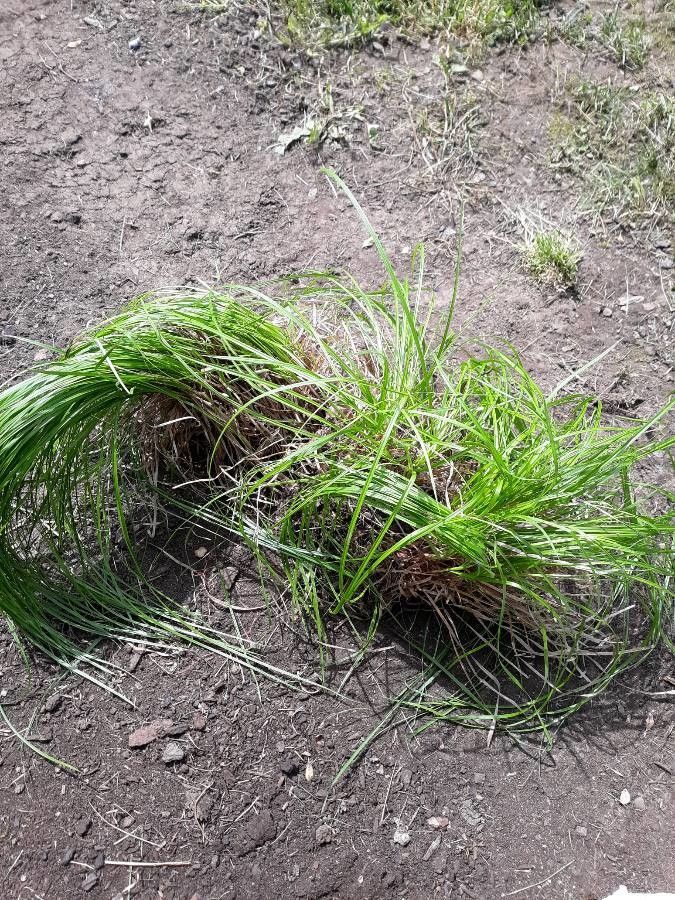
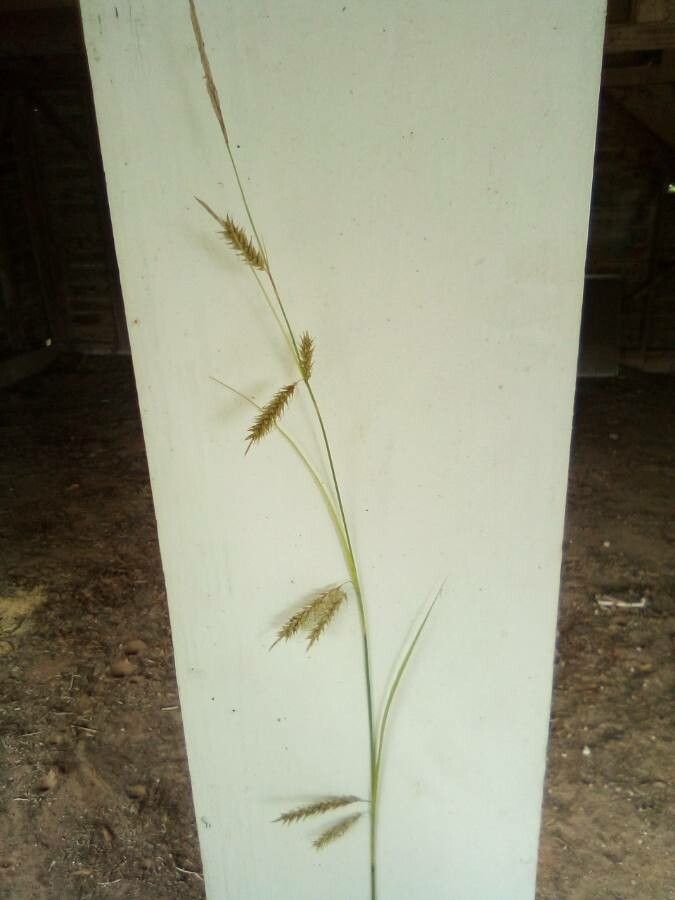
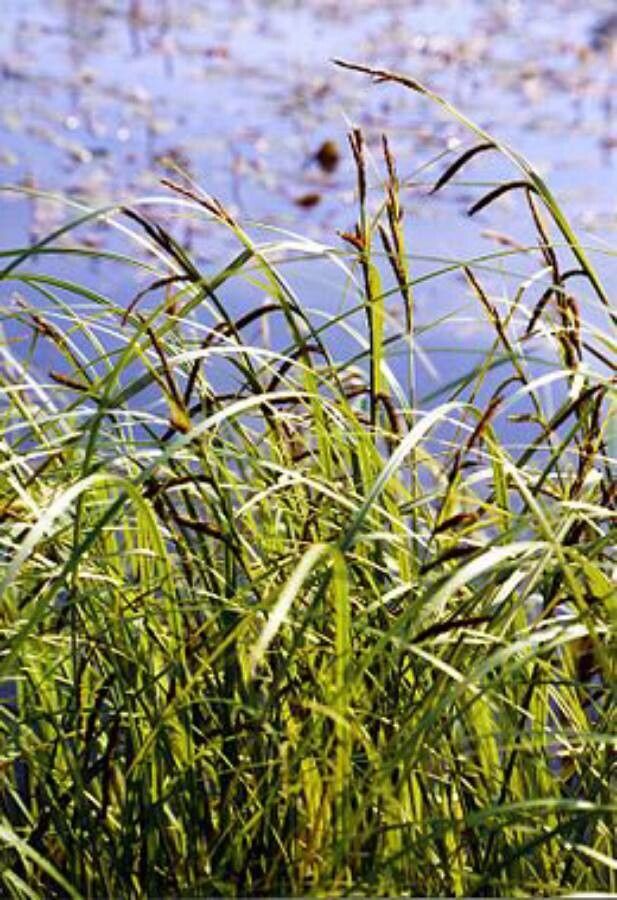
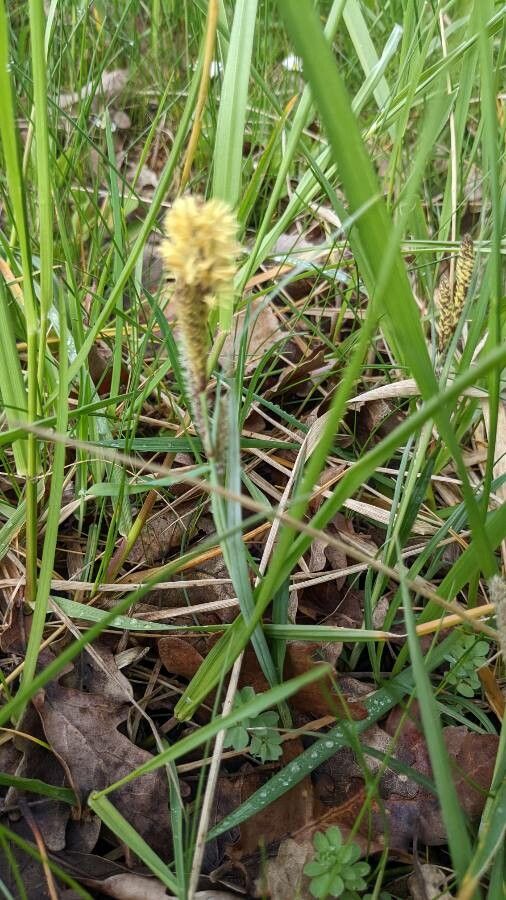
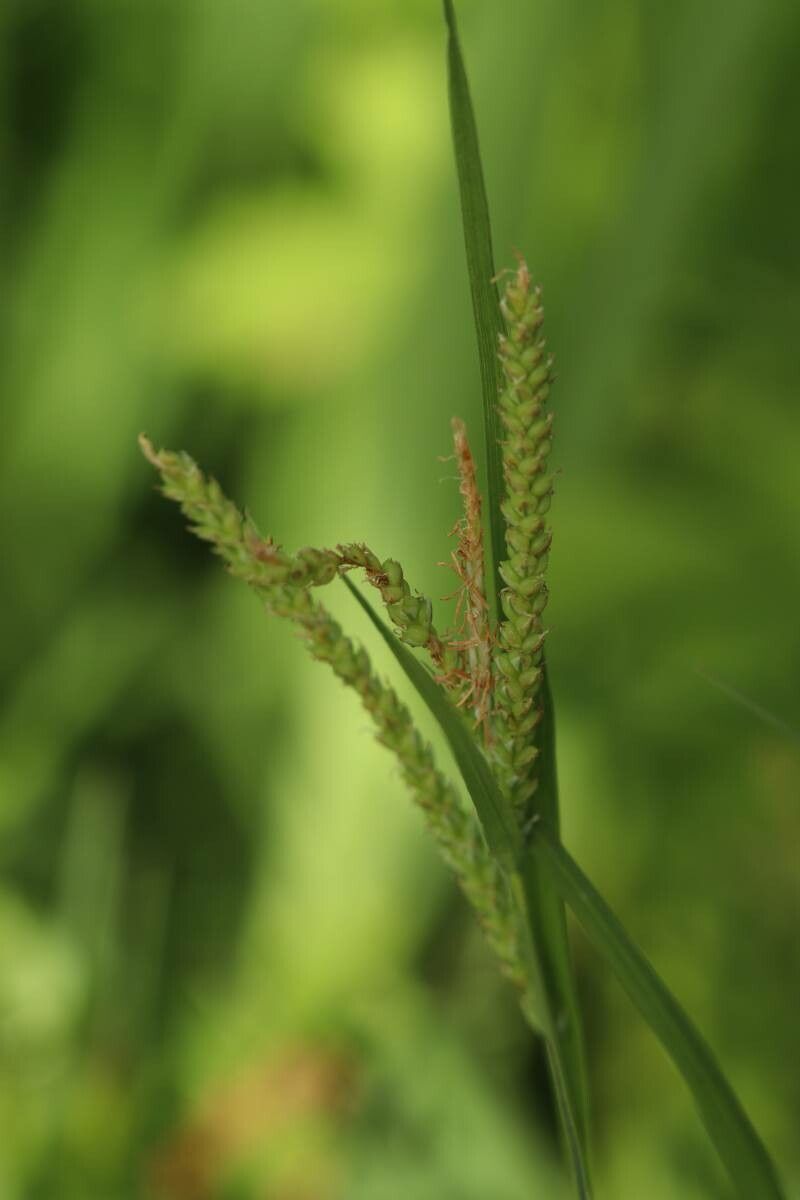
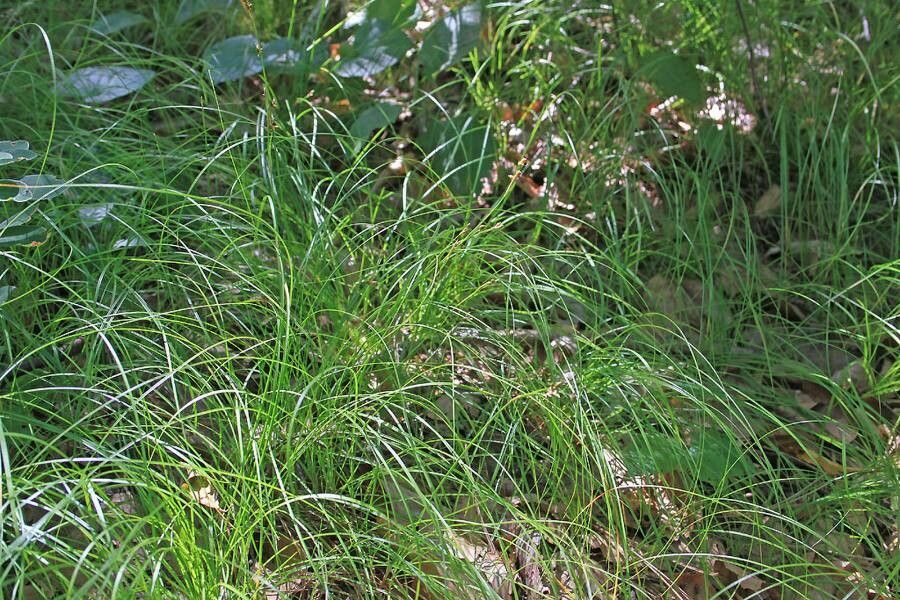
Carex cherokeensis, commonly called Cherokee sedge, is a species of flowering plant in the sedge family (Cyperaceae). It is native to the United States where it is found in the Southeast. Its natural habitat is in high-nutrient, often calcareous soil, in bottomland forests, mesic forests, and wet meadows.Carex cherokeensis is a rhizomatous perennial graminoid. It has drooping spikes which are 8–9 mm thick. Its perigynium beaks are papery and fragile. It produces fruits in late spring and early summer.
Cherokee sedge is resistant to disease and generally not susceptible to illnesses. As for care, this plant is fairly low-maintenance. When grown outdoors it needs little watering, and larger specimens typically don’t require pruning. Smaller plants, however, should be trimmed after flowering. Cherokee sedge is appropriate for anyone with an outdoor area, such as a garden or deck, and does not demand much gardening experience.
How to keep Carex Cherokeensis.
Light
Cherokee sedge thrives in moderate sunlight but can tolerate stronger light. Its original habitat had features that reflect this adaptable nature. The plant keeps healthy and continues to grow under various light levels. Excessive or insufficient light can affect its vigor and may cause changes in its growth.
Water
Cherokee sedge thrives in humid, moist environments, where it efficiently retains water. To keep it looking lush, water it weekly. While it is commonly found outdoors, it flourishes during rainy seasons and is tolerant of temperature fluctuations.
Temperature
Cherokee sedge naturally occurs in locations with temperatures ranging from 50 to 95 °F (10 to 35 ℃). Its preferred temperature falls within that span. Seasonal adjustments should be made only when necessary, assessing the plant’s sensitivity in its current environment.
Fertilizer
Cherokee sedge needs extra nutrients to encourage healthy new growth. In spring, spreading compost around the plant’s base will effectively supply the required nourishment. Fertilizing helps maintain vigorous growth and improves the plant’s resistance to diseases and pests.
Pruning
Cherokee sedge benefits from annual pruning, ideally in early spring before new growth begins. By removing dead or damaged leaves, you can maintain its shape and promote the plant's health. This also helps control its spread and rejuvenates the plant. With regular care, Cherokee sedge will develop dense and attractive foliage, making it an excellent choice for low-maintenance ground cover.
Botanical profile.
- Plant Type
- Grass
- Life Cycle
- Perennial
- Genus
- Carex
- Family
- Cyperaceae
- Hardiness Zone
- 6-9
- Mature Height
- 30 cm to 61 cm
- Mature Spread
- 30 cm to 46 cm
- Leaf Color
- Green, Blue
- Leaf Type
- Evergreen
- Flower Color
- Yellow, Green, Brown
- Flower Size
- 2.54 cm
- Bloom Time
- Mid spring, Late spring
- Planting Time
- Spring, Summer
- Harvest Time
- Early summer, Mid summer
Other names.
Reader questions.
What are the sunlight requirements for plants?
Plants generally require varying amounts of sunlight to thrive, categorized into partial sun and full sun. Partial sun refers to about 3-6 hours of sunlight, while full sun means receiving above 6 hours of sunlight per day. It's vital to observe how sunlight moves through your garden, selecting spots that offer a balance of light and shade to ensure the health and happiness of your plants.
What is the native environment temperature range for Cherokee sedge?
Cherokee sedge, or Carex cherokeensis, thrives in environments where temperatures range between 50 to 95°F (10 to 35°C). This range represents the optimal temperature preference for the plant. Seasonal adjustments to the plant's environment should only be made when necessary, with careful consideration of the plant's sensitivity in its current setting.
How does Cherokee sedge adapt to different light conditions?
Cherokee sedge is adaptable and flourishes in moderate sunlight but can also withstand more intense light. Its adaptability is reflective of its native habitat's conditions, showing resilience in various light exposures. However, both overexposure and low exposure to light may impact the plant's vitality and growth, indicating the need for a balanced light environment for optimal health.
Does Cherokee sedge require special frost protection measures during winter?
Cherokee sedge possesses strong cold resistance, and under normal winter conditions, it usually does not require special frost protection measures. However, if winter temperatures are expected to drop below -25°C, it becomes important to provide cold protection to the plant. This can include covering the plant with soil, straw, or similar materials. Additionally, it is recommended to water the plant abundantly before the first freeze in autumn to ensure the soil remains moist and enters a frozen state, which helps prevent drought and water scarcity during winter and early spring.
What solutions exist for indoor plants with inadequate lighting?
For indoor plants struggling with insufficient natural sunlight, especially during winter or in less sunny spaces, artificial lighting serves as a crucial solution. It's important to select the right type of artificial light, like LED lights, which can be customized to provide specific wavelengths needed by plants. Full sun plants require 30-50W/sq ft of artificial light, partial sun plants need 20-30W/sq ft, and full shade plants need 10-20W/sq ft. Position the light source 12-36 inches above the plant to mimic natural sunlight, and ensure plants receive 8-12 hours of light per day to promote healthy growth.
How does Cherokee sedge react to low temperatures?
Cherokee sedge is cold-tolerant, preferring temperatures above 10°C. During winter, it is advisable to keep the temperature above -15°C. When temperatures fall below -25°C, Cherokee sedge might not show immediate changes during the winter, but there can be a noticeable decrease in sprouting or even a failure to sprout during the spring. The solution for this issue is to remove any parts of the plant that have failed to sprout in the spring.
What are common symptoms of light deficiency in Cherokee sedge?
When Cherokee sedge is grown indoors with insufficient light, several symptoms may emerge, including smaller new leaves, leggy or sparse growth, faster leaf drop, delayed or halted growth, and leaves with lighter color or irregular patterns indicating a lack of chlorophyll. Additionally, excessive sunlight can lead to chlorosis, sunscald, leaf curling, wilting, and leaf scorching, which negatively affect the plant's health and ability to photosynthesize.
What are the effects of high temperatures on Cherokee sedge and how can they be mitigated?
During the summer, Cherokee sedge should be kept below 35°C to maintain its health. If temperatures exceed 38°C, the leaves may lighten in color, become prone to curling, suffer sunburn, and in severe cases, the entire plant may wilt and dry out. To mitigate these issues, sunburned and dried parts of the plant should be trimmed away. Moving the plant to a location that provides shade during the midday and afternoon sun or using a shade cloth can offer necessary protection. Additionally, watering the plant in the morning and evening helps keep the soil moist and supports the plant's wellbeing during high temperatures.
How can light deficiencies in Cherokee sedge be addressed?
To address light deficiencies in Cherokee sedge, gradually increase its exposure to sunlight, moving the plant to sunnier spots each week until it receives the optimal 3-6 hours of direct sunlight daily. For large or immovable indoor plants, consider using artificial lighting, such as desk or ceiling lamps for at least 8 hours daily, or invest in professional plant grow lights. Outdoors, introduce plants to sunnier locations progressively to avoid sunburn. Note that damaged parts of a plant may not recover, but new growth will be healthy post-adjustment. Reducing obstructions and transplanting smaller plants during their dormant periods can also improve light exposure.