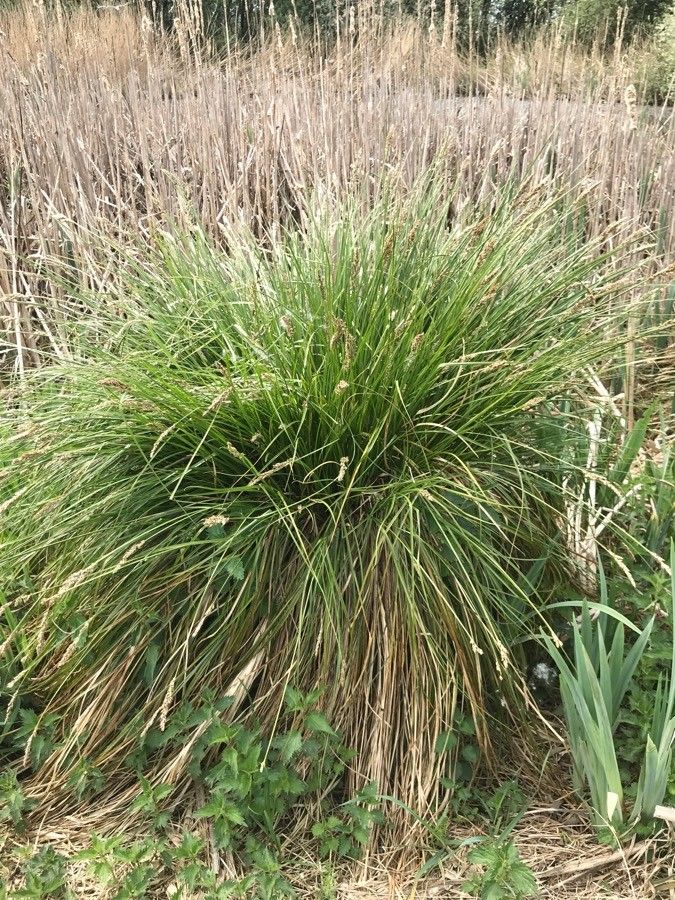
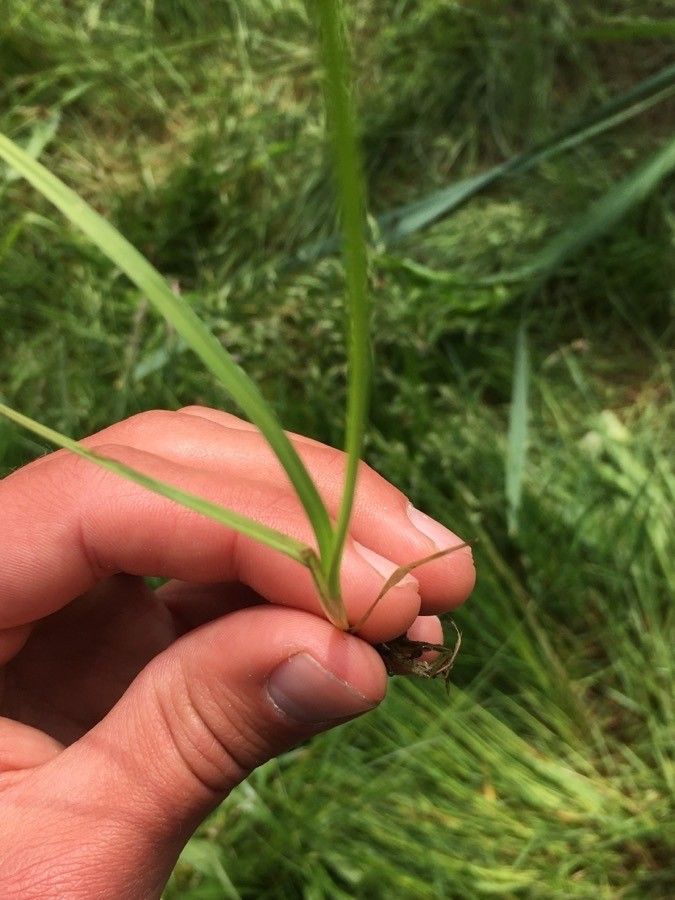
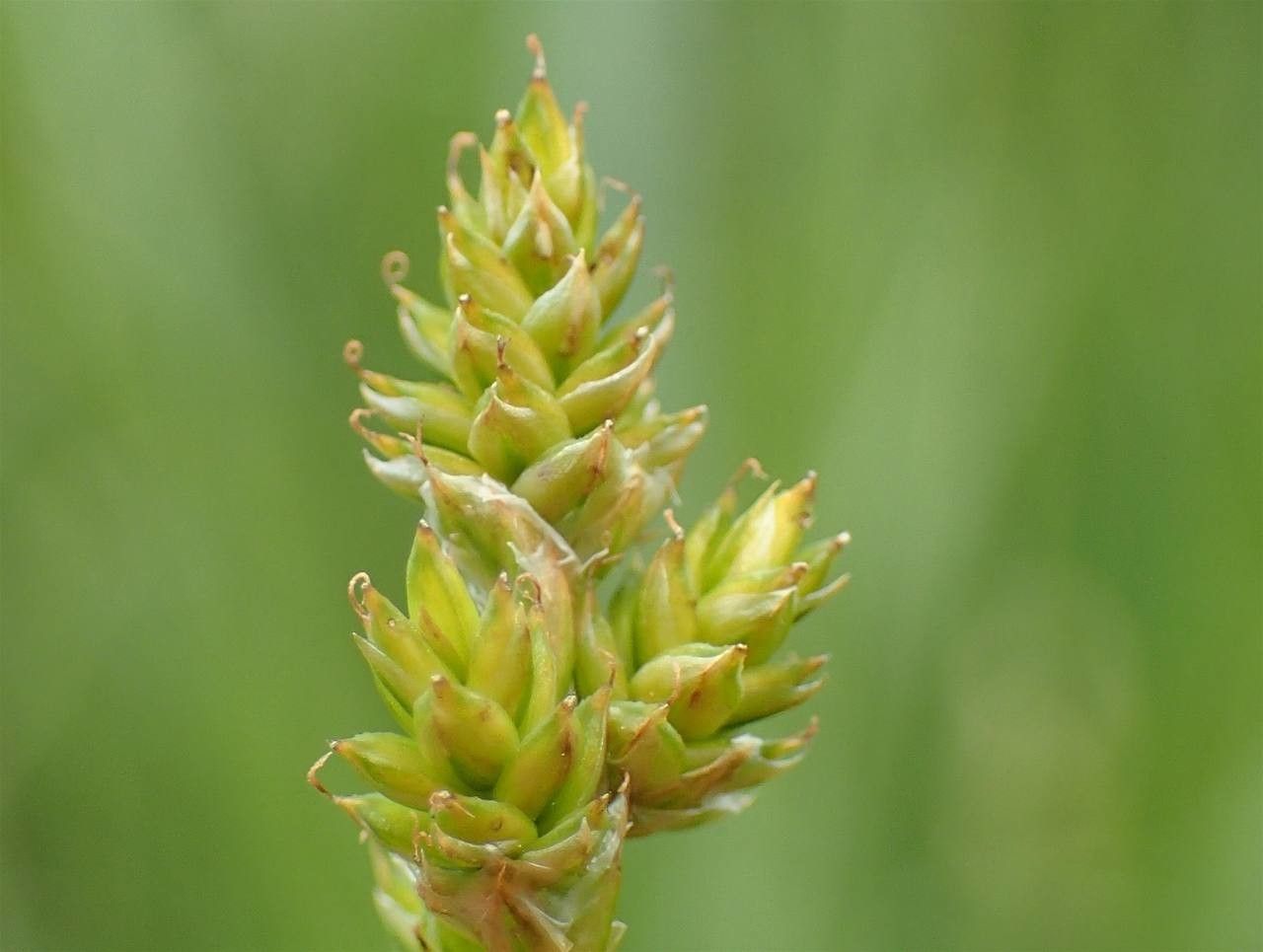
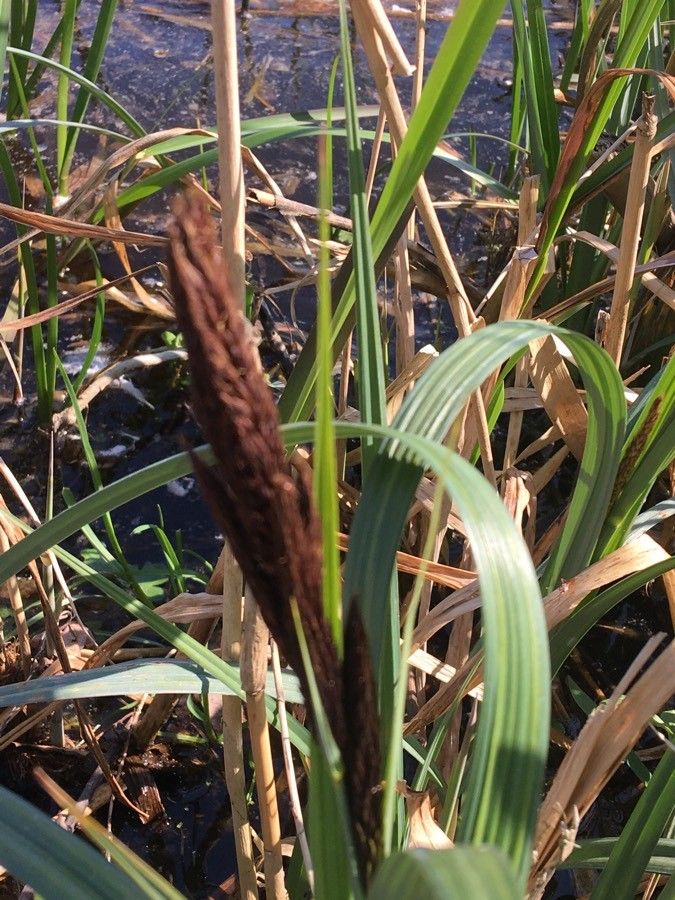
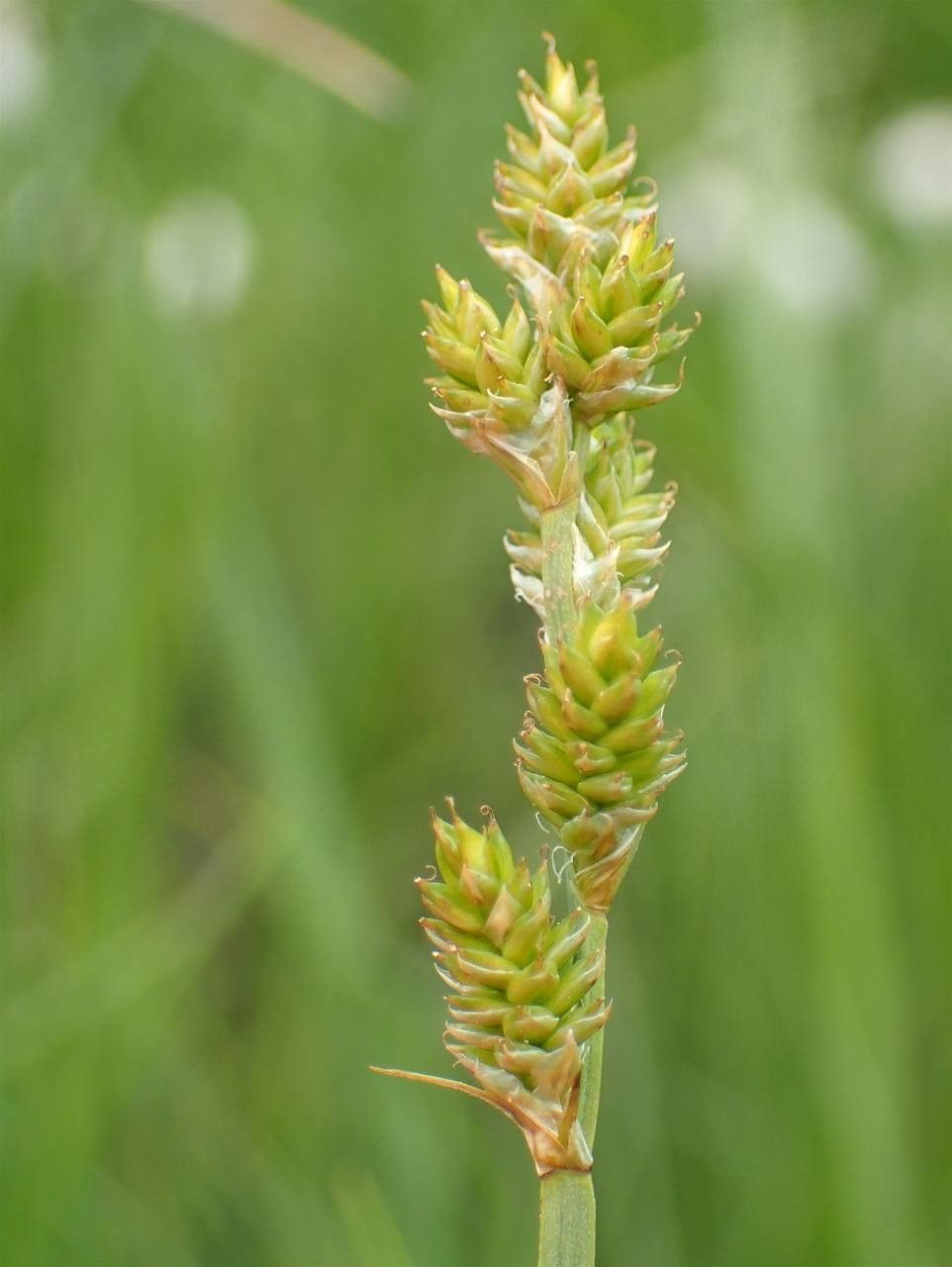
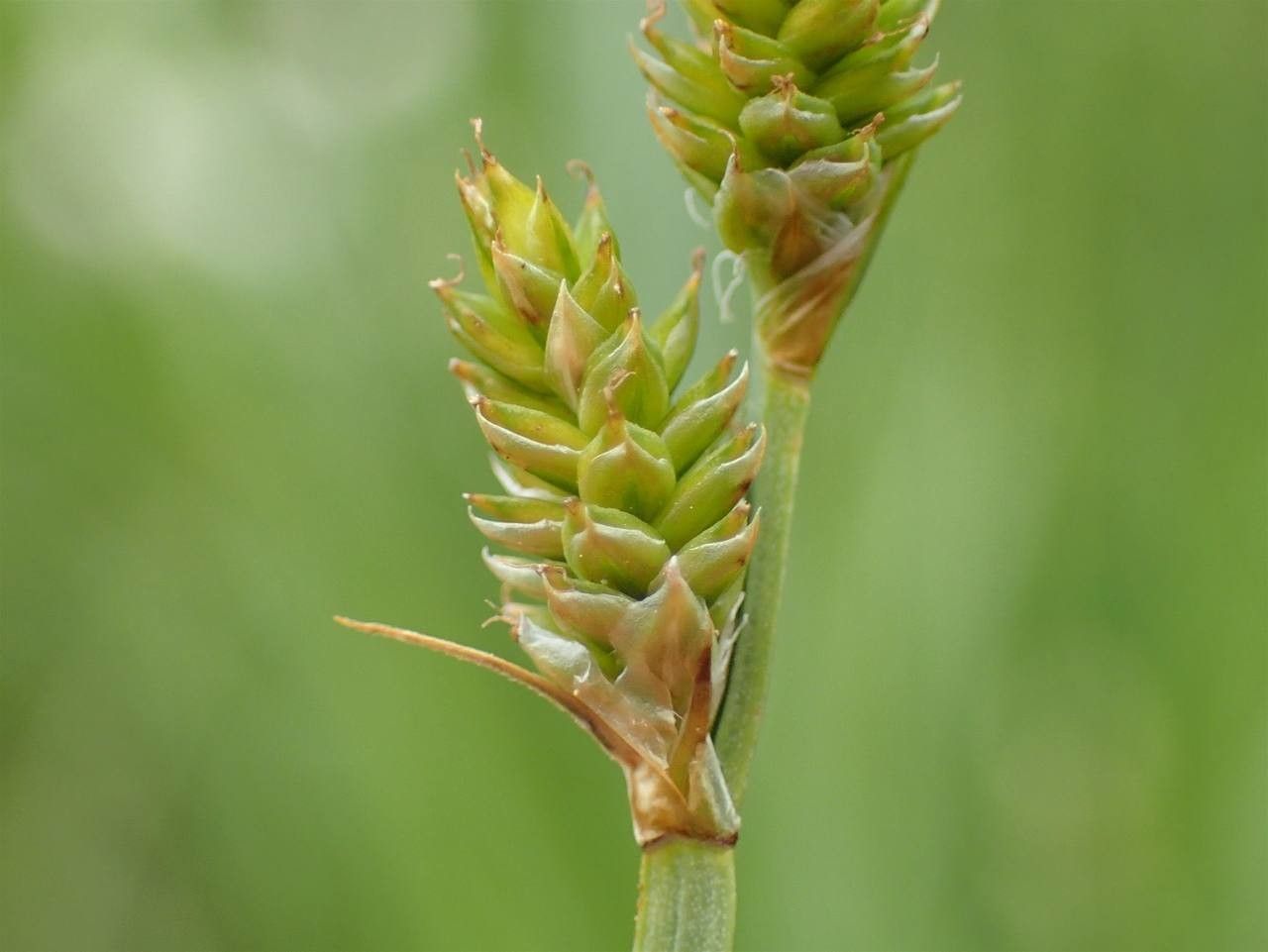
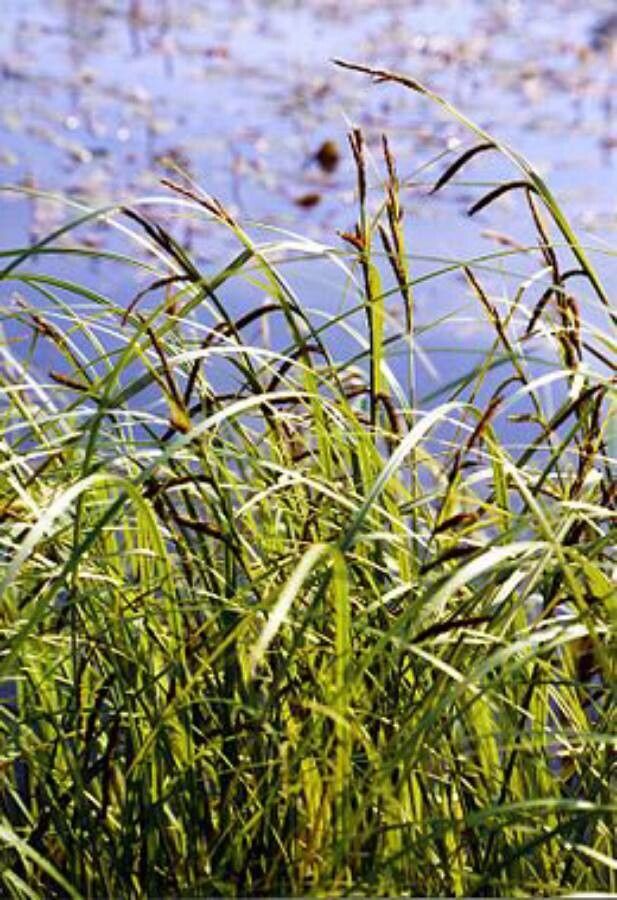
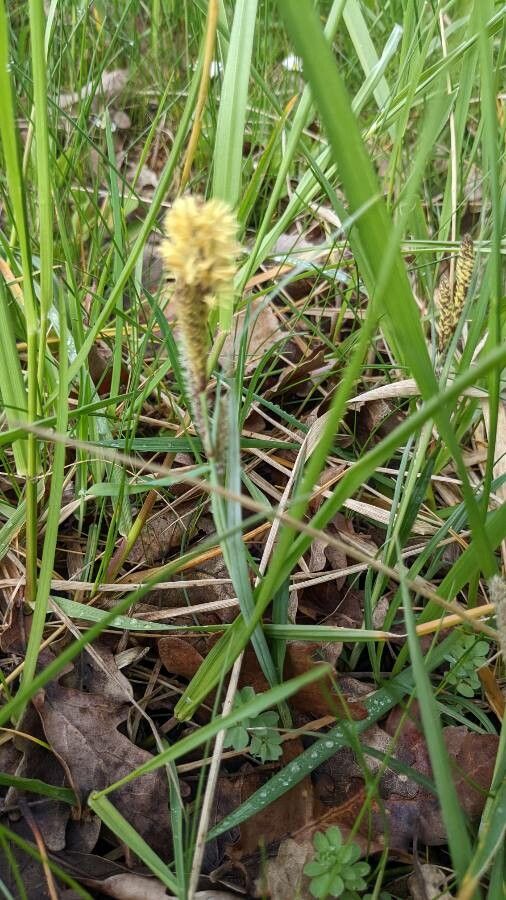
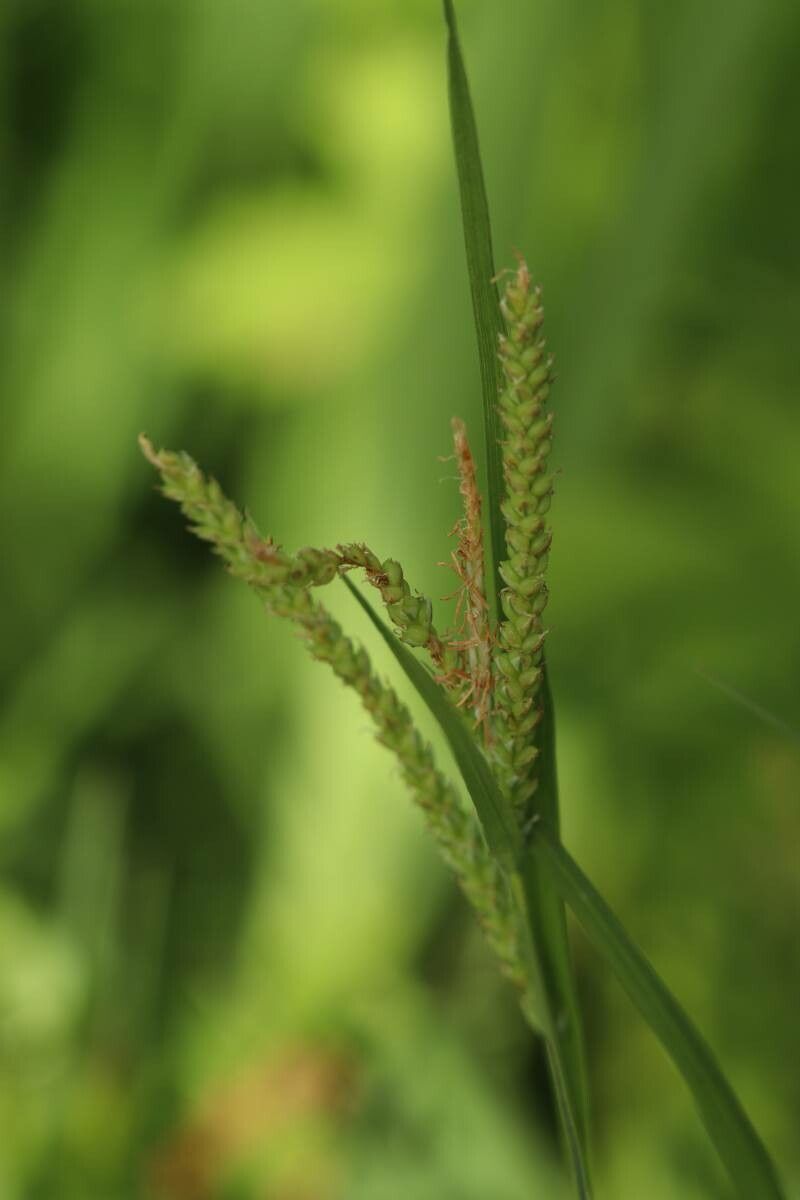
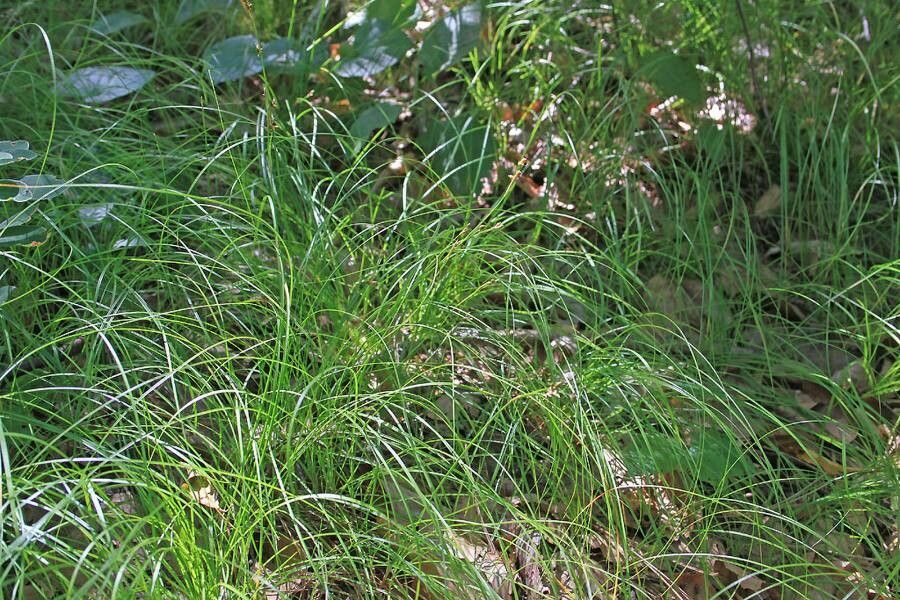
Carex canescens L. (syn. C. cinerea Poll.; C. curta Gooden.) is a perennial species of plants in the family Cyperaceae growing in damp forests and wetlands. It is widespread across much of Europe, Asia, Australia, New Guinea, North America, Greenland and southern South America. SubspeciesCarex canescens subsp. canescens – Europe, Asia, Australia, North America, New Guinea Carex canescens subsp. disjuncta (Fernald) Toivonen – eastern Canada, eastern United States Carex canescens var. robustior Blytt ex Andersson – Argentina, Chile, Falkland Islands
Grassland sedge is resistant to disease and is typically not prone to infections. In terms of care, this plant is fairly low-maintenance. When grown outdoors it needs only light watering, and larger plants usually do not require pruning. Smaller plants, however, should be trimmed after they have finished blooming. Grassland sedge is suitable for anyone with outdoor space, such as a garden or a deck, and does not demand extensive gardening experience.
How to keep Carex Canescens.
Light
Grassland sedge prefers sunny conditions and does best in open, unshaded areas. It can tolerate gentler light and even grow in shaded spots. However, too much or too little light can create adverse conditions and harm the plant's health.
Water
Silvery sedge thrives in moist, temperate environments where it enjoys consistent moisture and moderate humidity. To meet its needs, water it weekly, ensuring it doesn't become over-saturated, and provide outdoor conditions to benefit from natural rainfall. As an herbaceous perennial, its growth and watering requirements change with the seasons and temperature fluctuations.
Temperature
Grassland sedge is a plant whose native habitat favors temperatures between 41 and 95 °F (5 to 35 °C). Because it prefers moderate temperatures, seasonal adjustments may be required to maintain optimal conditions.
Fertilizer
Grassland sedge needs extra nutrients to encourage healthy new growth. In spring, putting compost around the base of the plant will effectively supply the nutrition it requires. Fertilizing supports robust growth and helps the plant withstand diseases and pests.
Pruning
The silvery sedge is a plant with slender, gray-green leaves that thrives in wet areas. Pruning in early spring helps encourage new growth by removing dead leaves, which improves air circulation and promotes the plant's overall vigor for a healthier landscape. When pruning, it's important to avoid cutting into the central clump to maintain the plant's health.
Pot & Repot
When repotting Grassland sedge, choose a pot 1-2 inches (2.5–5.1 cm) larger with adequate drainage. Use a well-draining potting mix. Repot in spring or fall, making sure the root ball sits slightly below the rim of the flower pot. Water thoroughly after repotting and place the pot in a warm spot with indirect sunlight.
Botanical profile.
- Plant Type
- Grass
- Life Cycle
- Perennial
- Genus
- Carex
- Family
- Cyperaceae
- Hardiness Zone
- 4-9
- Mature Height
- 49 cm
- Mature Spread
- 76 cm
- Leaf Color
- Green
- Leaf Type
- Evergreen
- Flower Color
- Brown, Yellow, Green
- Flower Size
- 0.20 cm to 0.25 cm
- Bloom Time
- Mid spring, Late spring
- Planting Time
- Spring, Autumn
- Harvest Time
- Early summer, Mid summer
Other names.
Reader questions.
What should I do if I give my Silvery sedge plant too much or too little water?
Proper watering is crucial for the health and performance of this beautiful ornamental grass. When planted in the ground, any watering issues can be resolved. However, in a container, too much or too little water can quickly kill Silvery sedge. Insufficient water can cause the grass to stop growing and exhibit drooping leaves, weakened seed head production, and browning. On the other hand, overwatering leads to yellow leaves with brown tips. If you suspect improper watering, the first step is to identify whether the problem is over or under watering. Stop watering if the grass is receiving too much water, as heavy soils may take weeks to dry. Once you see signs of new growth, assess the soil moisture to determine if more water is necessary. In the case of under watering, simply give the grass a deep drink and observe if it perks up. It's important to note that a long, deep watering is always better than frequent shallow waterings. This encourages the growth of deep roots, making the grass more resistant to drought and less susceptible to watering-related issues.
What are the sunlight requirements for Silvery sedge?
Silvery sedge thrives best when exposed to full sun for more than 6 hours a day but can also tolerate partial sun to full shade, receiving about 3-6 hours of sunlight. Its native habitat is generally open and sunlit, suggesting that abundant sunshine is crucial for its optimal growth, though it can survive in lower light conditions. It's important to observe the movement of sunlight in your garden to find spots with the perfect balance of light and shade, ensuring the plant's happiness and health.
What is the botanical name of Silvery sedge?
The botanical name of Silvery sedge is Carex canescens.
How much water does my Silvery sedge need?
The watering needs of Silvery sedge vary depending on where it is planted. Generally, watering this grass every week is recommended. However, it may require once or twice a week watering in hot climates during the summer. In moderate climates, watering once every seven days or more may be sufficient. Grass in containers generally needs more frequent watering than grasses in the ground. The location also plays a role, as shaded grasses require less frequent watering than in-ground grasses. Silvery sedge should only be watered when the soil is dry. To determine if the soil is dry, you can press your finger a couple of inches into the soil or weigh the grass with a portable scale if it is in a pot. When the roots lack sufficient water, the grass blades may appear folded and thinner than usual. Despite its drought tolerance, regular and deep waterings will result in beautiful color. While Silvery sedge is drought resistant, it still needs care and attention. Watering frequency should be higher when it is first planted to help establish deep roots. For potted Silvery sedge, the soil may dry out quickly, especially if the pot is exposed to hot, direct sun. Testing the soil every 3 to 4 days and watering when dry is recommended. In-ground Silvery sedge generally requires less watering, but this depends on the type of soil. Clay soil can retain moisture below the surface even if it feels dry on top, while sandy soil that drains quickly may require more frequent watering.
How can artificial lighting support plant growth indoors?
Indoor plants, including Silvery sedge, require adequate lighting for optimal growth, especially when natural sunlight is insufficient, like in winter or less sunny spaces. Artificial lights, particularly LED lights, can be customized to provide the specific wavelengths of light plants need, supporting their faster, healthier growth. For full sun plants, 30-50W/sq ft of artificial light is recommended, 20-30W/sq ft for partial sun plants, and 10-20W/sq ft for full shade plants. The light source should be placed 12-36 inches above the plant to mimic natural sunlight, and most plants need 8-12 hours of light per day.
What should I watch out for when I water my Silvery sedge in different seasons, climates, or during different times of growth?
To determine if you are watering your grass enough, pay attention to the rate at which it is growing. For example, silvery sedge tends to double in size over the course of a year during the hottest months. If the weather is hot and the grass isn't growing vigorously, it may be necessary to adjust your watering schedule. In winter, watering once a month might be sufficient, but it's still important to check the soil for moisture. During the warmest months when the grass is actively growing, it will require more water than usual. However, during winter and cooler months, the water needs will decrease significantly. The key thing to remember with silvery sedge is that the soil should always be allowed to completely dry out before watering again.
What are the symptoms of light deficiency in Silvery sedge?
Symptoms of light deficiency in Silvery sedge include smaller new leaves, leggy or sparse growth, faster leaf drop, slower or halted growth, lighter-colored new leaves indicating a lack of chlorophyll and essential nutrients. Excessive sunlight can lead to chlorosis, where leaves turn yellow due to chlorophyll breakdown, sunscald with pale or necrotic areas on plant tissue, leaf curling as a defense mechanism to minimize water loss, wilting due to increased transpiration and difficulty maintaining hydration, and leaf scorching with brown, dry, and crispy edges on leaves.
How can I address sunlight-related issues for Silvery sedge?
To address sunlight-related issues for Silvery sedge, gradually move plants to a location with at least 6 hours of direct sunlight for indoor or if large and not easily movable, consider using artificial light for at least 8 hours daily. For outdoor plants, avoid sudden changes in light intensity to prevent sunburn. Minimize obstructions to sunlight by pruning obstructive trees or transplanting smaller plants to sunnier locations with good drainage during their dormant period. Note that parts of the plant affected by insufficient sun may not recover, but new growth will be healthy after increasing light exposure.