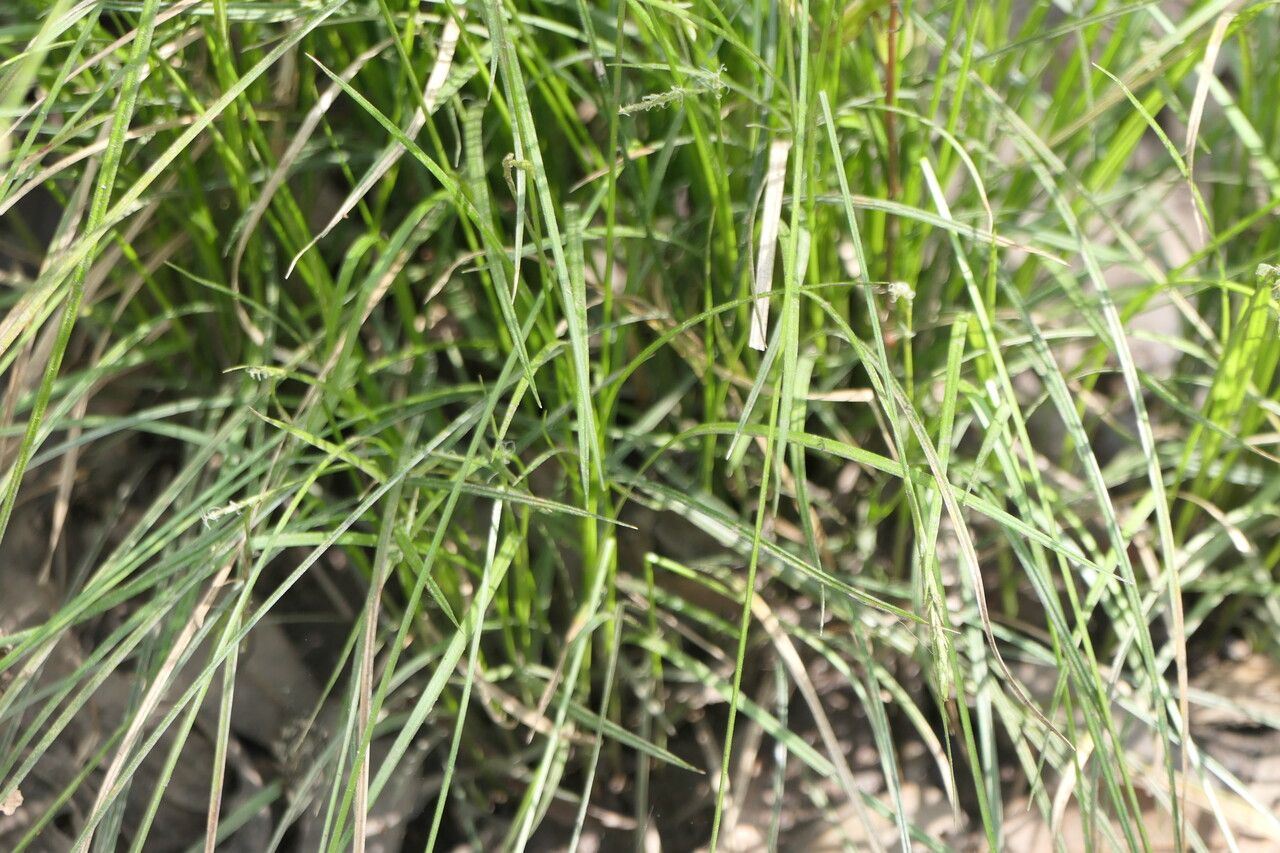
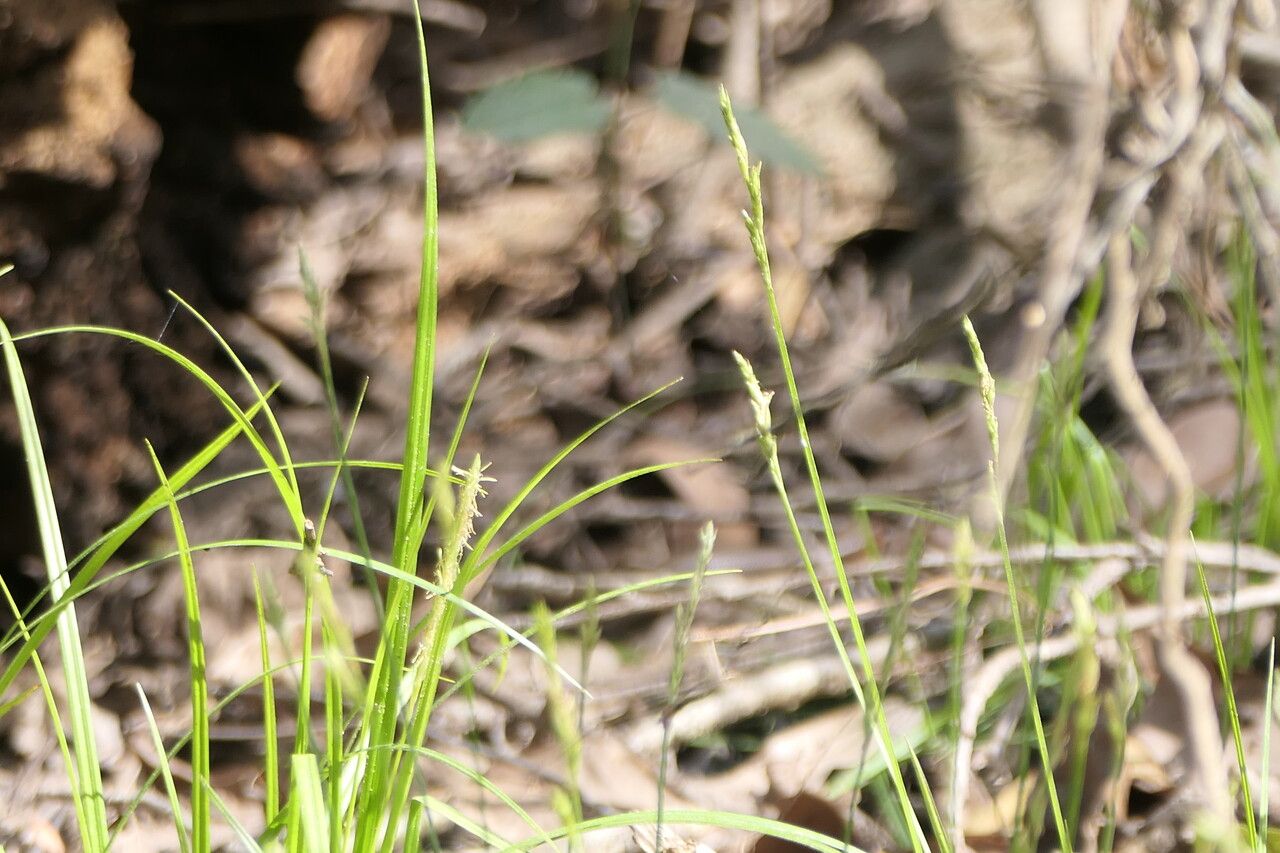
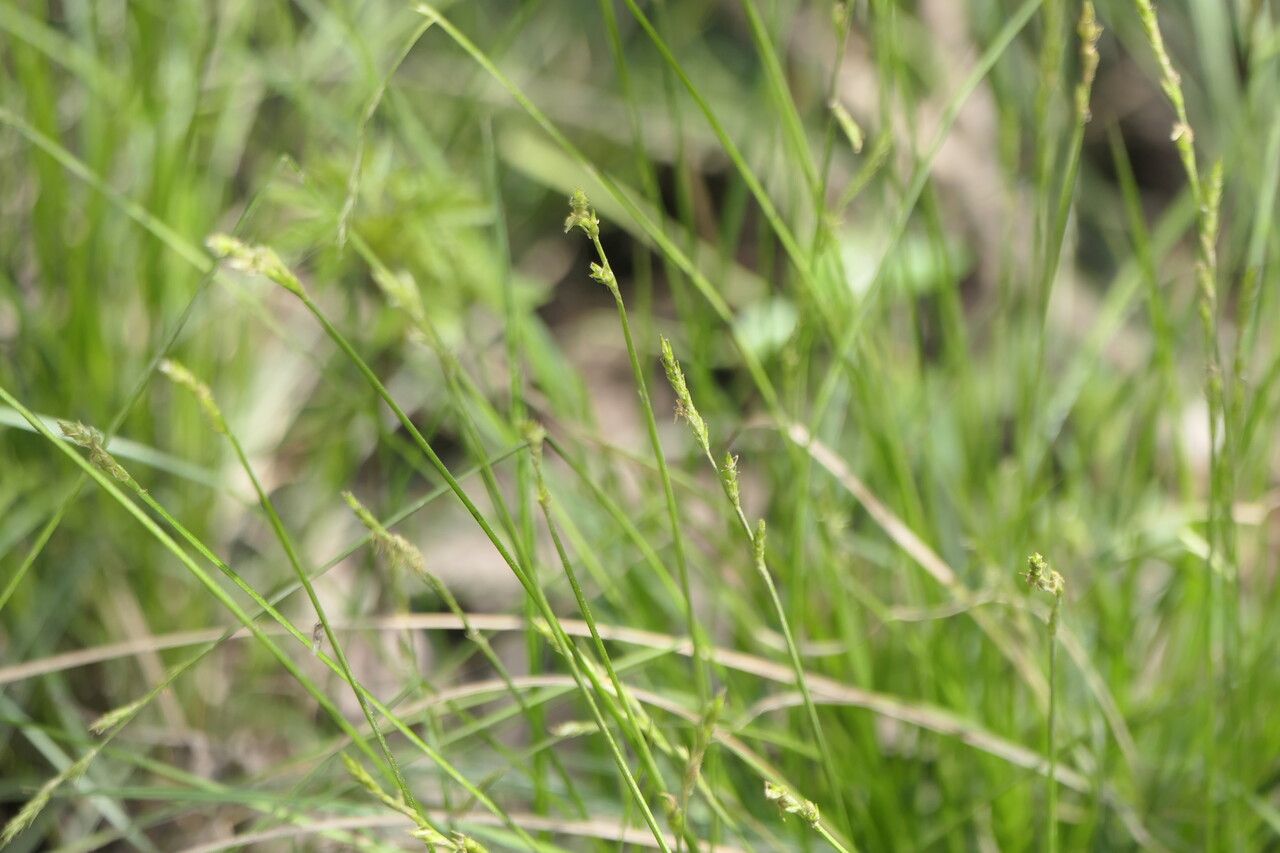
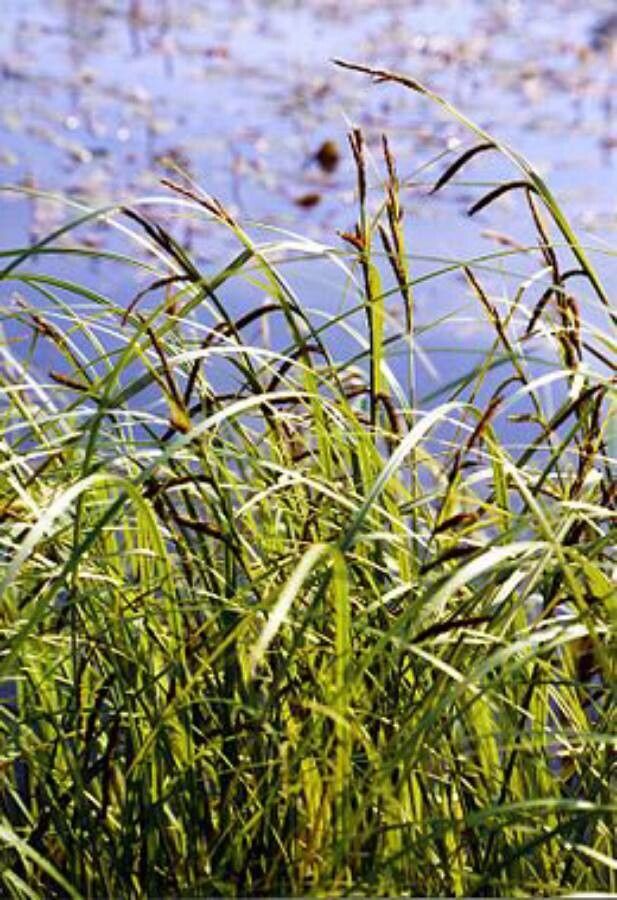
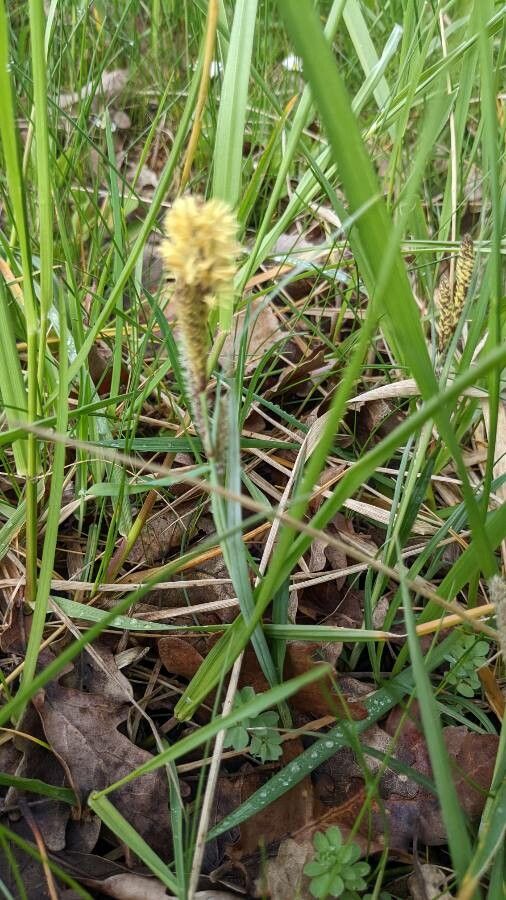
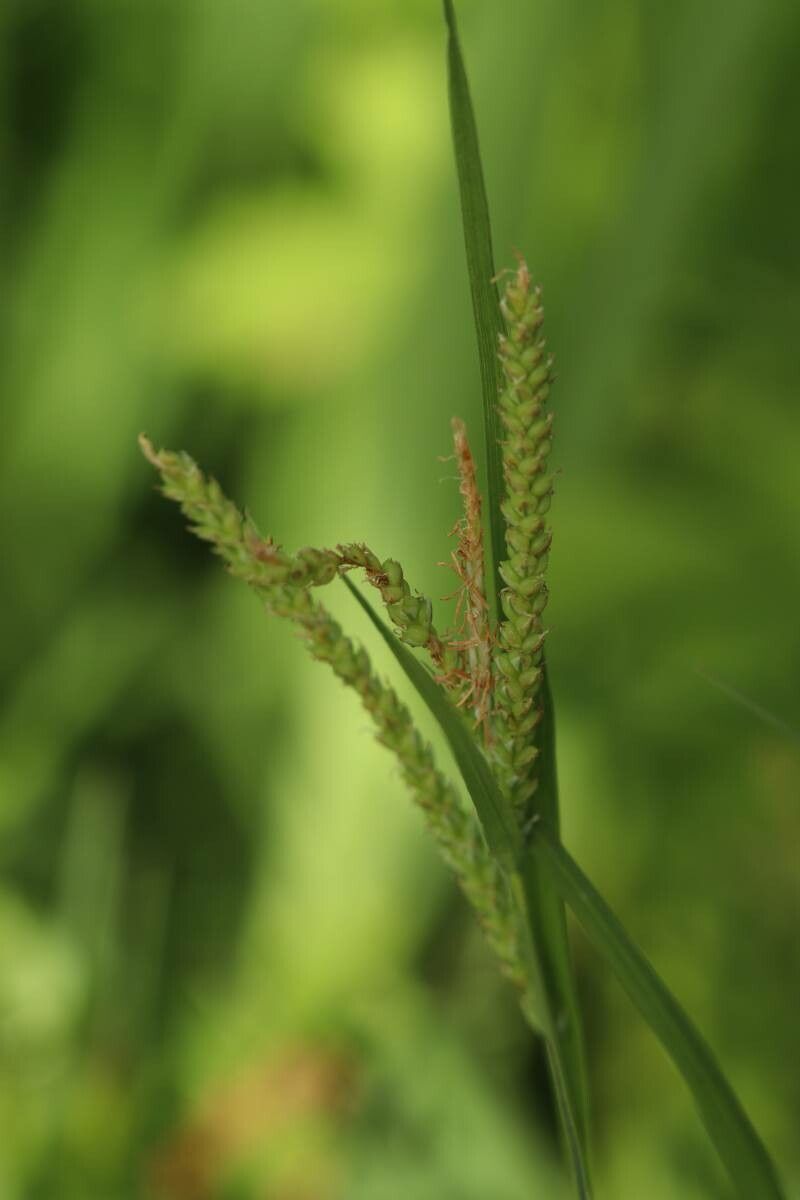
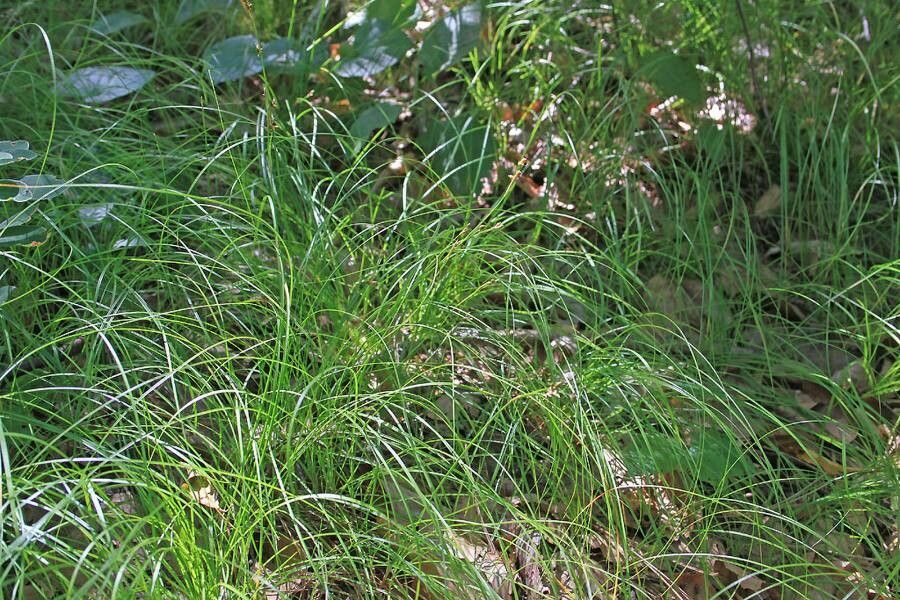
Carex bromoides, known as brome-like sedge, brome-sedge, and dropseed of the woods, is a species of sedge in the genus Carex. It is native to North America.
The Brome-like sedge is highly resistant to disease and is generally not susceptible to illnesses. As for care, this plant is fairly low-maintenance. When grown outdoors it needs little watering, and larger specimens usually do not require pruning. Smaller plants, however, should be pruned after they finish blooming. Brome-like sedge is suitable for anyone with an outdoor area, like a garden or deck, and does not demand much gardening experience.
How to keep Carex Bromoides.
Light
For optimal growth, brome-like sedge needs a moderate amount of sunlight. This requirement comes from its native habitat, which is partially lit. Both too much and too little light can adversely affect brome-like sedge, potentially harming the plant's overall health and development.
Temperature
Brome-like sedge is a plant that prospers in temperate climates, favoring temperatures between 41 and 89.6°F (5 to 32℃). It is usually found in native habitats that meet these conditions. Temperature adjustments should be considered according to seasonal variations within this range.
Fertilizer
Brome-like sedge needs extra nutrients to encourage healthy new growth. In spring, putting compost around the base of the plant will effectively supply the nutrition it requires. Fertilizing supports vigorous growth and helps the plant resist diseases and pests.
Pruning
Brome-like sedge grows in clumps and has narrow leaves. To promote new growth and keep its shape, prune the plant in early spring by removing any dead foliage. Be careful to avoid heavy pruning, as it can cause stress to the plant. Regular trimming throughout the seasons improves air circulation and overall health. For the best results, use clean, sharp tools.
Botanical profile.
- Plant Type
- Grass
- Life Cycle
- Perennial
- Genus
- Carex
- Family
- Cyperaceae
- Hardiness Zone
- 4-8
- Mature Height
- 23 cm to 30 cm
- Mature Spread
- 37 cm to 52 cm
- Leaf Color
- Light Green
- Leaf Type
- Evergreen
- Flower Color
- White, Yellow, Brown
- Flower Size
- 2.03 cm to 6.35 cm
- Bloom Time
- Mid spring, Late spring
- Planting Time
- Spring, Summer, Autumn
- Harvest Time
- Early summer, Mid summer
Other names.
Reader questions.
What are the sunlight requirements for Brome-like sedge (Carex bromoides)?
Brome-like sedge requires moderate exposure to sunlight, thriving in about 3-6 hours of sunlight per day, which reflects its adaptability to both full sunlight and partial shade conditions. This requirement is rooted in its native semi-lit habitats, emphasizing the plant's need for a balanced light environment. Over-exposure to sunlight as well as under-exposure can negatively impact the plant's health and growth, indicating the necessity for gardeners to monitor and adjust the plant's exposure to sunlight carefully. Key to ensuring the plant's well-being is the observance of how sunlight moves through the garden, selecting planting spots that offer an optimal mix of light and shade.
What is Brome-like sedge and what temperatures does it prefer?
Brome-like sedge, botanically known as Carex bromoides, is a plant that prefers temperate climates. It thrives in a temperature range of 41 to 89.6°F (5 to 32°C), often found in its native environments that provide such conditions. While it demonstrates strong cold resistance, allowing it to survive without special frost protection in winter, temperature adjustments might be necessary based on seasonal changes to stay within its preferred range.
How do artificial lighting conditions affect the growth of Brome-like sedge?
Indoor Brome-like sedge plants benefit significantly from adequate artificial lighting, especially when natural sunlight is insufficient, such as in winter or less sunny spaces. Artificial lighting, including LED lights, is essential for simulating the plant's natural conditions, promoting healthier and faster growth. For effective growth under artificial lights, it's important to choose the right type of light, adjust the light's distance to 12-36 inches above the plant, and ensure the plants receive 8-12 hours of light daily—mimicking natural daylight hours. The specific wattage requirements for different plant types (30-50W/sq ft for full sun plants, 20-30W/sq ft for partial sun plants, and 10-20W/sq ft for full shade plants) further underscore the importance of tailored light conditions for plant health.
How can Brome-like sedge be protected during extremely cold winters?
Although Brome-like sedge can resist cold temperatures, special protection is required if winter temperatures are expected to drop below -30°C. Protecting the plant can be done by covering it with insulating materials such as soil or straw. Additionally, it's beneficial to water the plant abundantly before the first freeze in autumn. This ensures the soil remains moist and enters a frozen state, which helps prevent drought and water scarcity for the plant during the winter and early spring.
What are the symptoms of insufficient or excessive sunlight exposure in Brome-like sedge?
Brome-like sedge exhibits various symptoms when subjected to inappropriate light levels, including small or lighter-colored new leaves, leggy or sparse growth, faster leaf drop, slower or halted growth, and certain symptoms of excessive light such as chlorosis, sunscald, leaf curling, wilting, and leaf scorching. These symptoms highlight the plant's struggle with either inadequate or too much sunlight, manifesting in physical alterations that can negatively affect its overall health and appearance. Addressing these symptoms early by adjusting the plant's exposure to sunlight, or implementing artificial lighting solutions, can help mitigate the adverse effects and promote healthy growth.
What are the signs of Brome-like sedge being affected by low temperatures, and how can it be treated?
Brome-like sedge is cold-tolerant, thriving best when temperatures are above 5°C, and should remain above -25°C during winter. If temperatures fall below -30°C, there may not be noticeable changes during winter, but a decrease in sprouting or lack of sprouting may occur in spring. If this happens, any parts of the plant that have failed to sprout should be removed as part of the treatment process.
What are the solutions for managing Brome-like sedge's exposure to sunlight?
Managing Brome-like sedge's exposure to sunlight involves several strategies aimed at optimizing light conditions for both indoor and outdoor plants, and even those planted in the ground. Indoor solutions include gradually shifting the plants to sunnier spots or using artificial light sources such as desk lamps or professional plant grow lights. For outdoor plants, a gradual move to sunnier locations helps them adapt without the risk of sunburn. Ground plants benefit from reducing obstructions like pruning nearby trees or transplanting to sunnier spots during the plant's dormant period. These steps, tailored to different growing environments, ensure that Brome-like sedge receives the ideal amount of sunlight for thriving, taking into account the potential need to adjust for changing seasons or varying indoor light conditions.
What are the effects of high temperatures on Brome-like sedge, and what solutions are available?
In the summer, it's crucial to ensure Brome-like sedge doesn't exceed temperatures of 32°C. When temperatures rise above 35°C, the plant's leaves may lighten in color, become prone to curling, and susceptible to sunburn. In severe cases, the entire plant may wilt and become dry. To mitigate these issues, sunburned and dried-up parts should be trimmed away. Moving the plant to a shaded area, especially during midday and afternoon sun, or using a shade cloth, can provide protection. Additionally, watering the plant in the morning and evening helps keep the soil moist and the plant healthy.