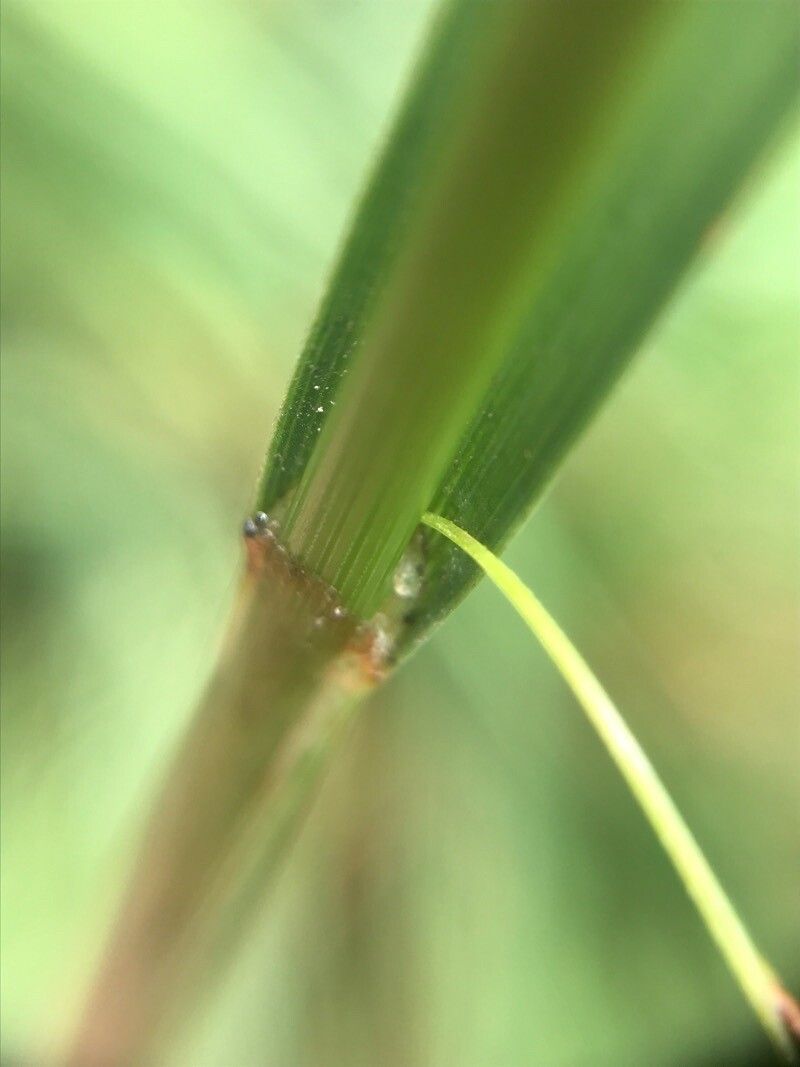
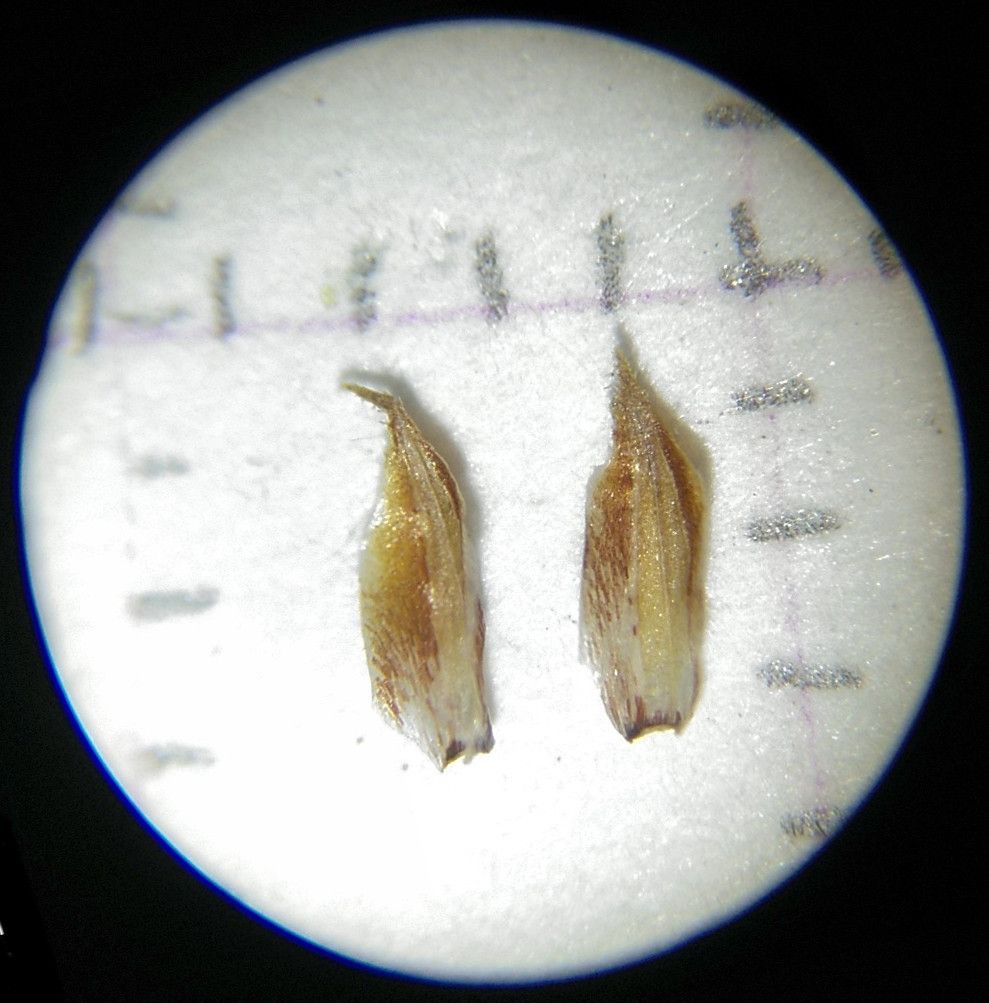
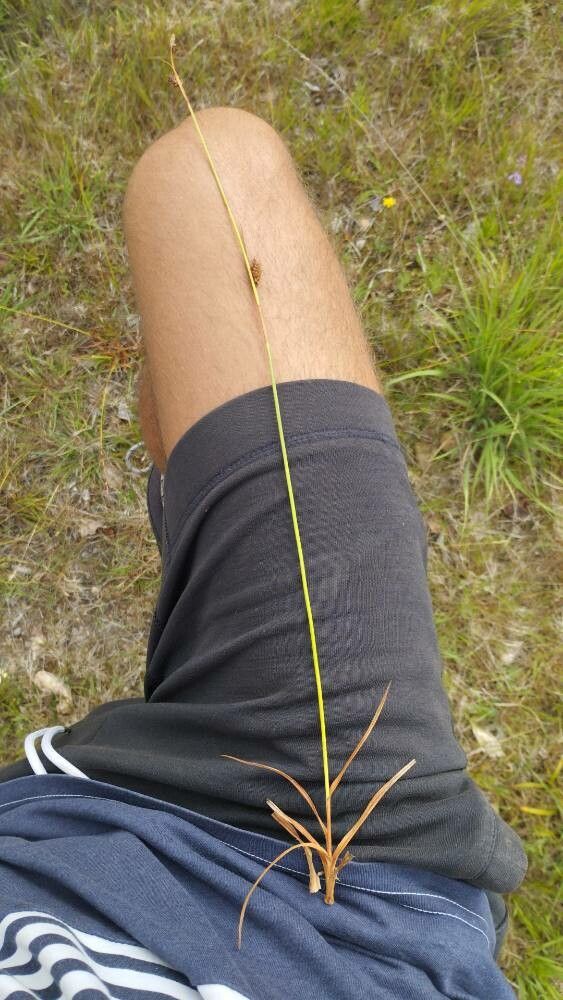
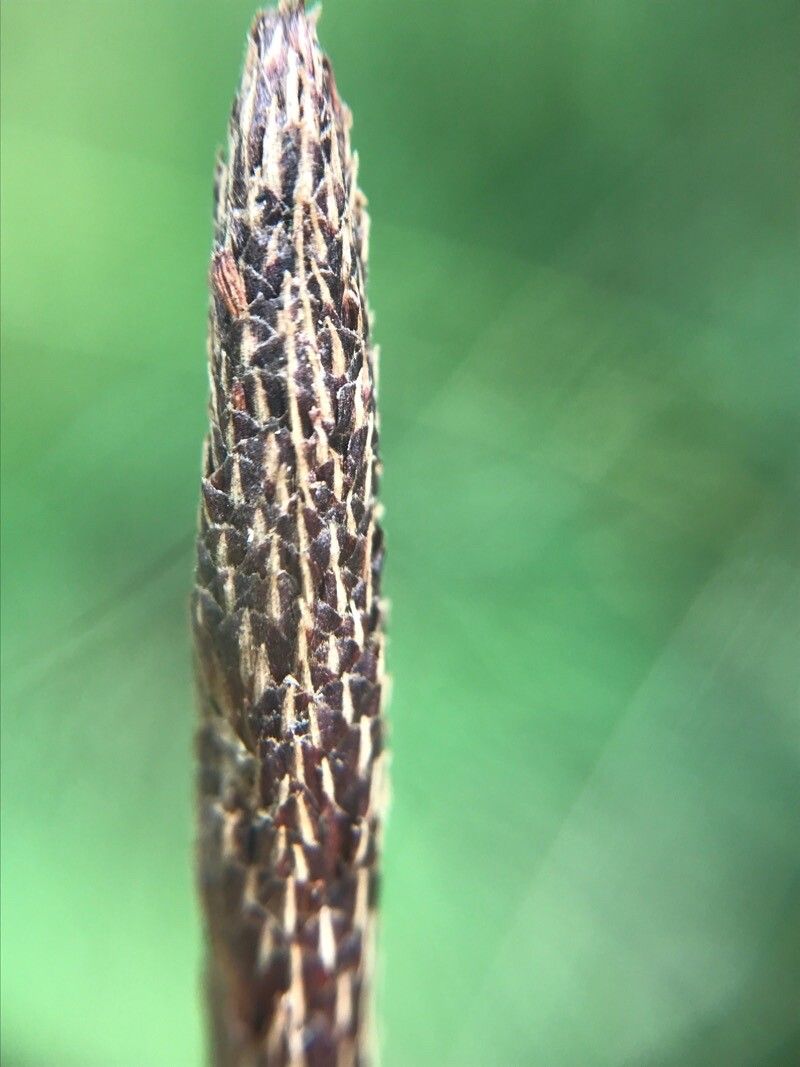
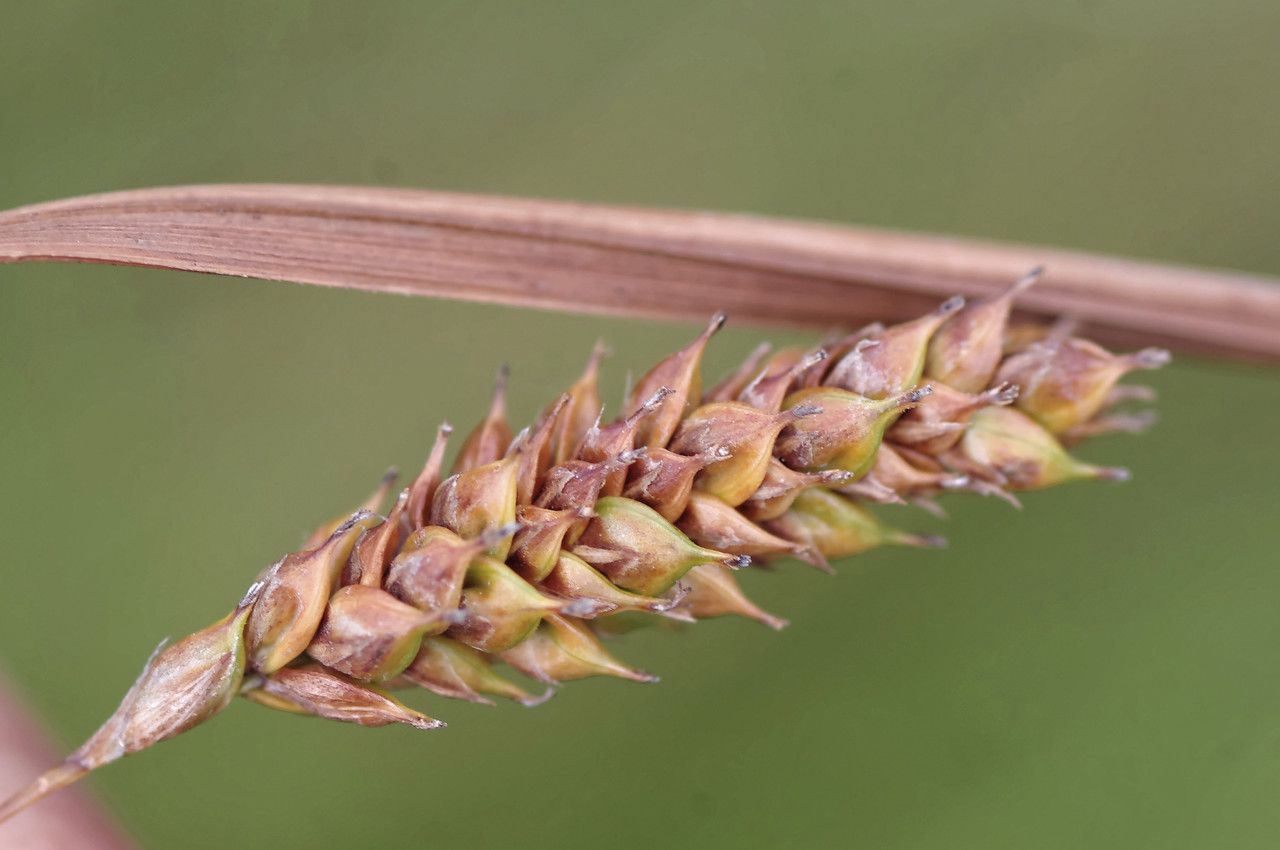
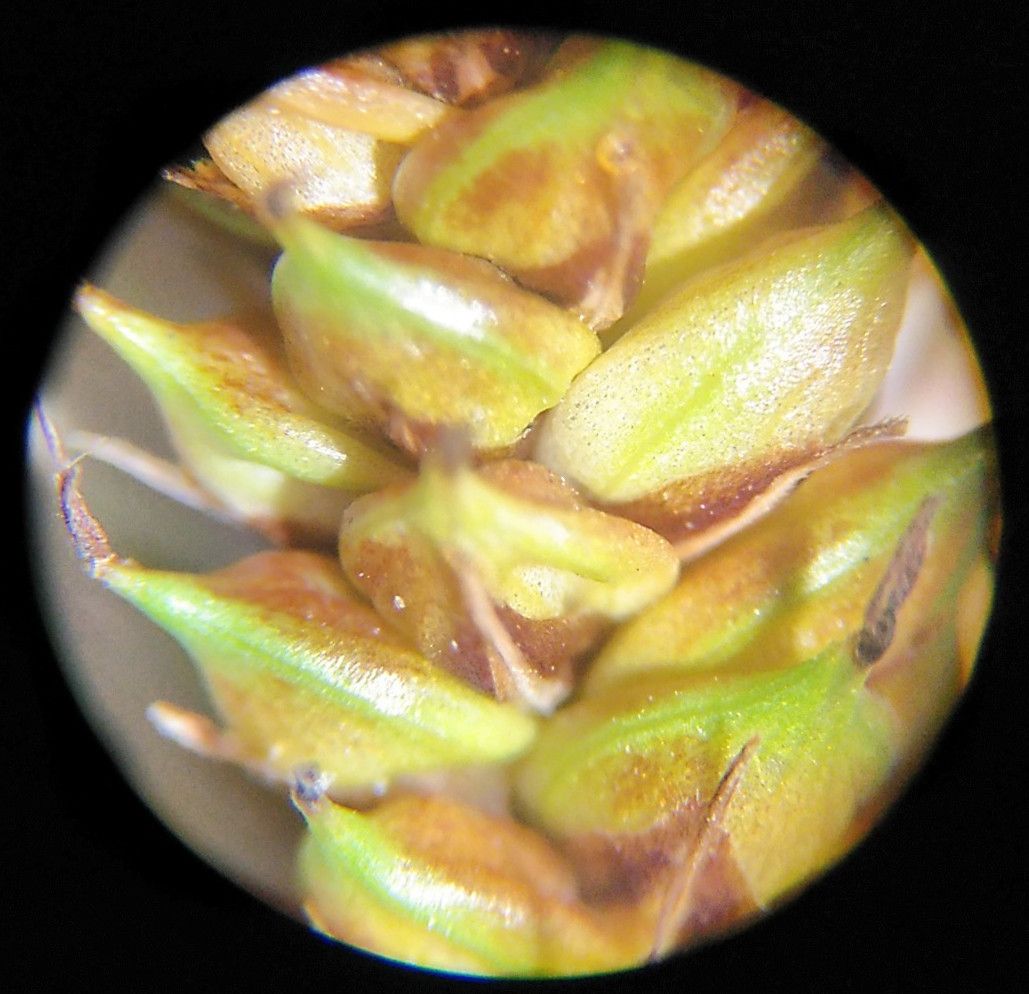
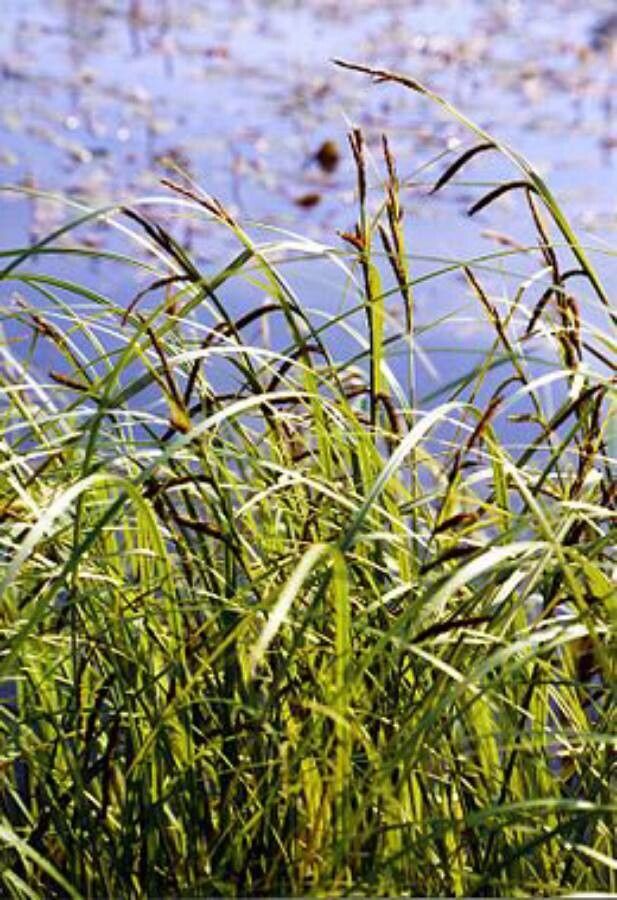
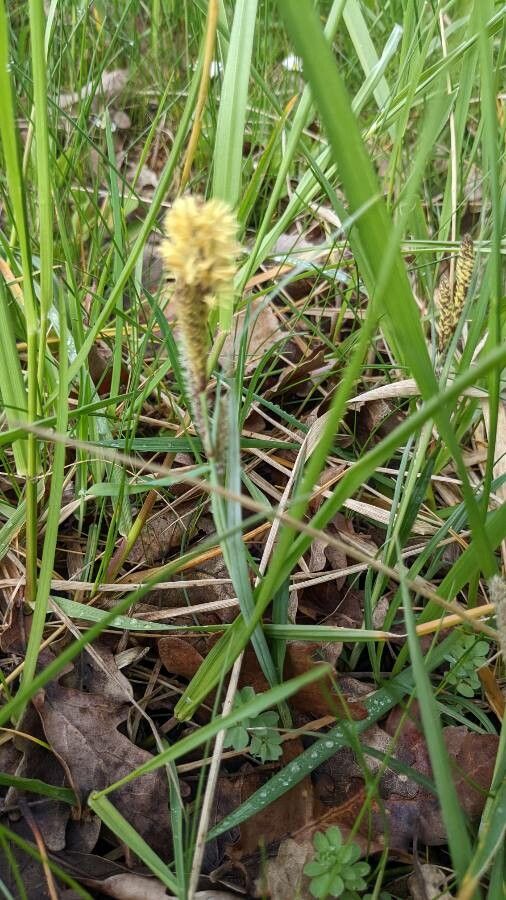
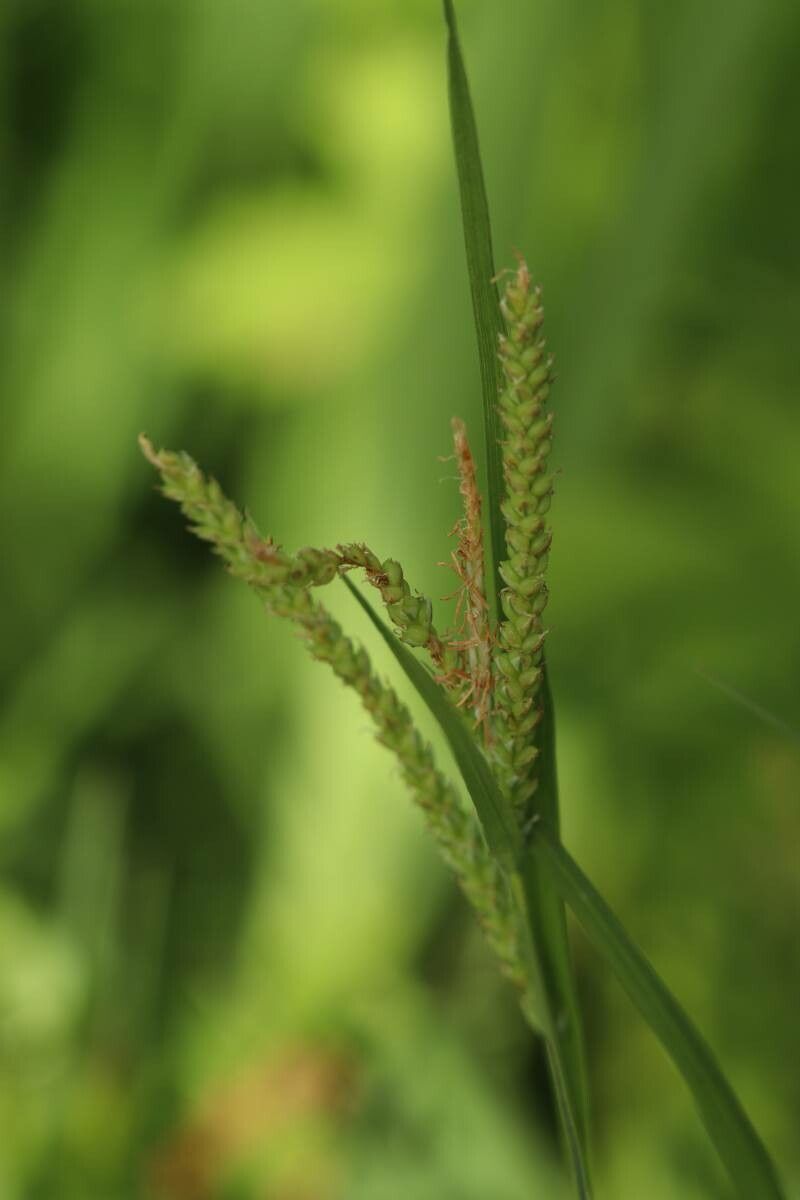
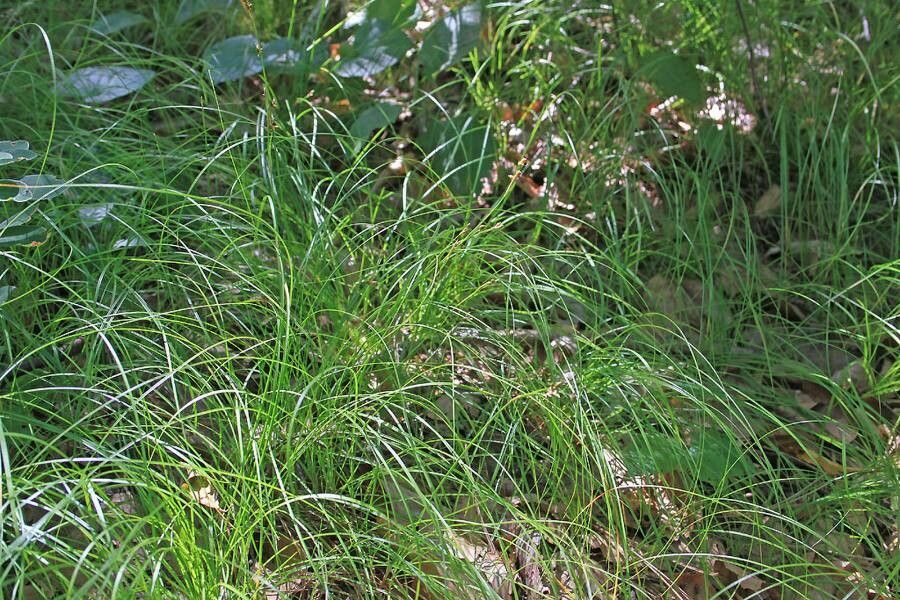
Carex binervis, the green-ribbed sedge, is a European species of sedge with an Atlantic distribution. It is found from Fennoscandia to the Iberian Peninsula, and occurs in heaths, moorland and other damp, acidic environments. It typically grows to a height of 15–120 cm (6–50 in), and has inflorescences comprising one male and several female spikes, each up to 45 mm (1.8 in) long. The utricles have two conspicuous green veins, which give rise to both the scientific name and the common name of the species. In the vegetative state, it closely resembles C. bigelowii, a species that usually grows at higher altitude. C. binervis was first described by James Edward Smith in 1800, and is classified in Carex sect. Spirostachyae; several hybrids with other Carex species are known.
Green-ribbed sedge is resistant to disease and is usually not vulnerable to illnesses. In terms of care, the plant is fairly low-maintenance. When grown outdoors it needs only minimal watering, and larger plants generally do not require pruning. Smaller plants, however, should be pruned after they have finished blooming. Green-ribbed sedget is appropriate for anyone with an outdoor area, such as a garden or deck, and does not demand much care experience.
How to keep Carex Binervis.
Light
Green-ribbed sedge naturally occurs in habitats like forest understories and rocky sites, where it is found in natural shade. It prefers partial sun but can tolerate full sun or full shade, indicating it is adaptable and hardy.
Temperature
Green-ribbed sedge can tolerate a wide range of temperatures, but its distribution may still be restricted by specific combinations of moisture and heat. It performs best in warm summer conditions with sufficient rainfall or watering. Long periods of cloudy, rainy weather, as well as extended high temperatures, can raise the chance of the plant dying. In winter, adequate protection from cold can increase its survival rate.
Fertilizer
Green-ribbed sedge needs extra nutrients to encourage healthy new growth. In spring, applying compost around the base of the plant will effectively supply the nutrition it requires. Fertilizing supports vigorous growth and helps the plant resist diseases and pests.
Pruning
Green-ribbed sedge is a tufted perennial plant characterized by its green-ribbed stems and rough leaves. To promote healthy growth and prevent diseases, prune the plant in early spring by trimming back any dead foliage. Thinning the plant encourages better air circulation, reduces pest problems, and helps maintain the desired size and shape, ensuring a vigorous presence in your garden.
Botanical profile.
- Plant Type
- Grass
- Life Cycle
- Perennial
- Genus
- Carex
- Family
- Cyperaceae
- Hardiness Zone
- 5-9
- Mature Height
- 30 cm to 91 cm
- Mature Spread
- 20 cm to 40 cm
- Leaf Color
- Dark Green
- Leaf Type
- Semi-evergreen
- Flower Size
- 0.20 cm to 0.51 cm
- Bloom Time
- Late spring, Early summer
- Planting Time
- Spring, Summer, Autumn
- Harvest Time
- Mid summer, Late summer
- Native Area
- Norway, Germany, Spain, France, Ireland, United Kingdom, Belgium, Portugal
Other names.