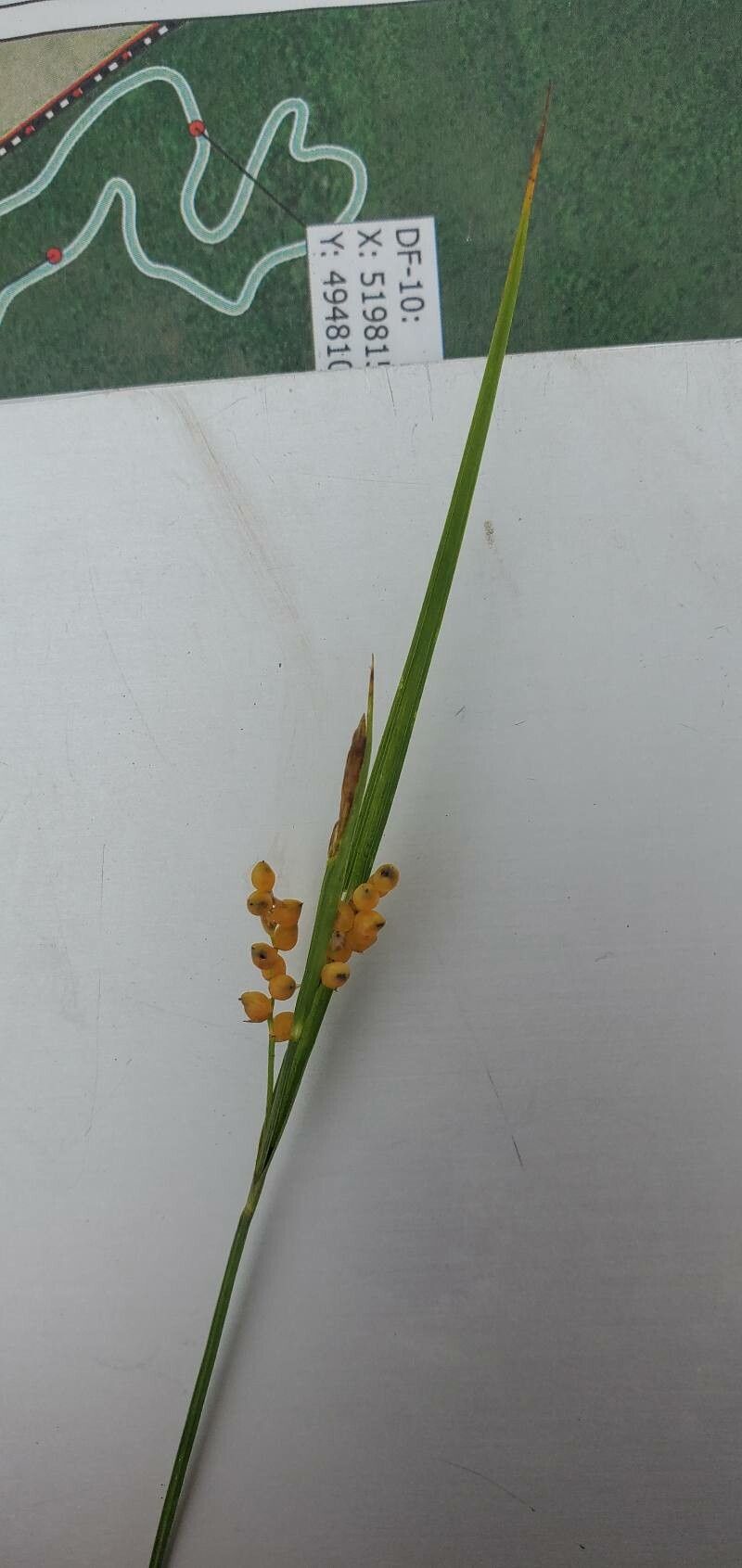
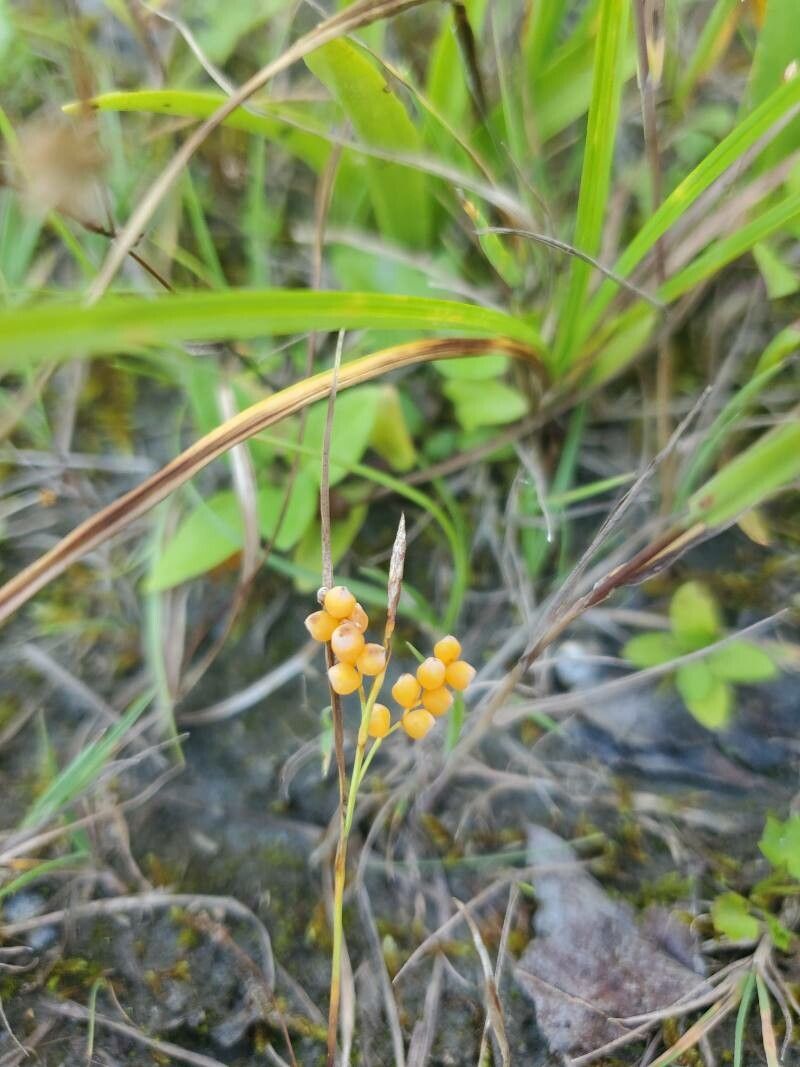
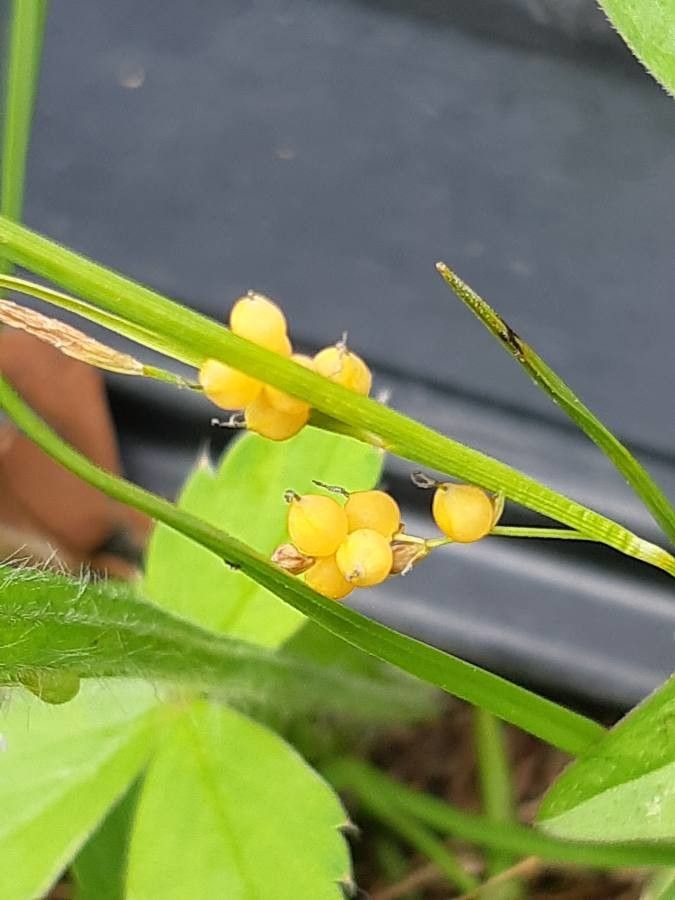
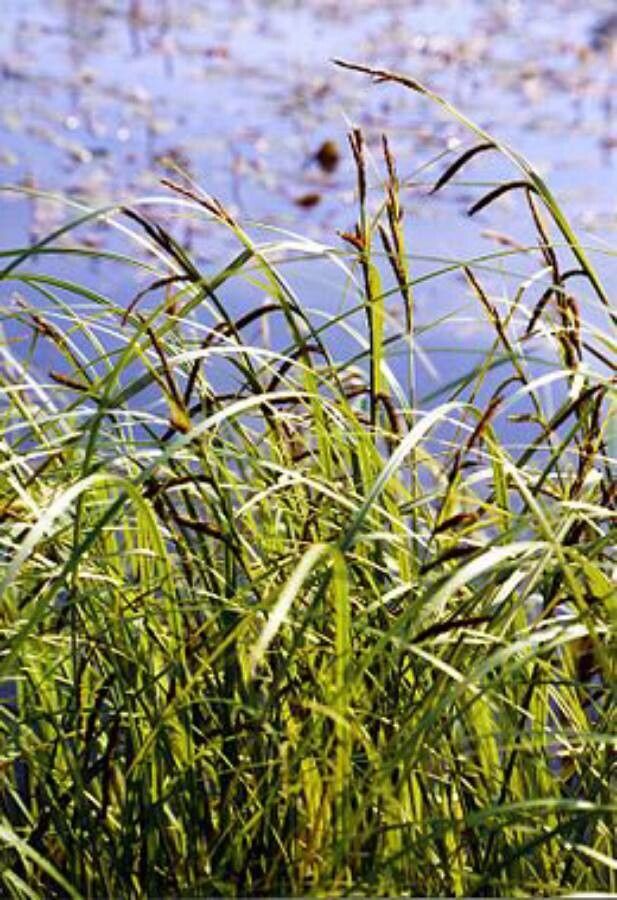
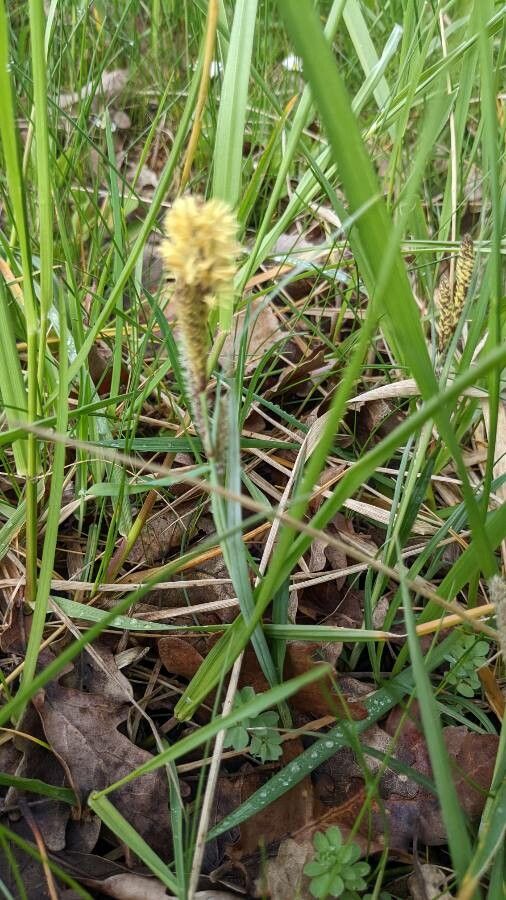
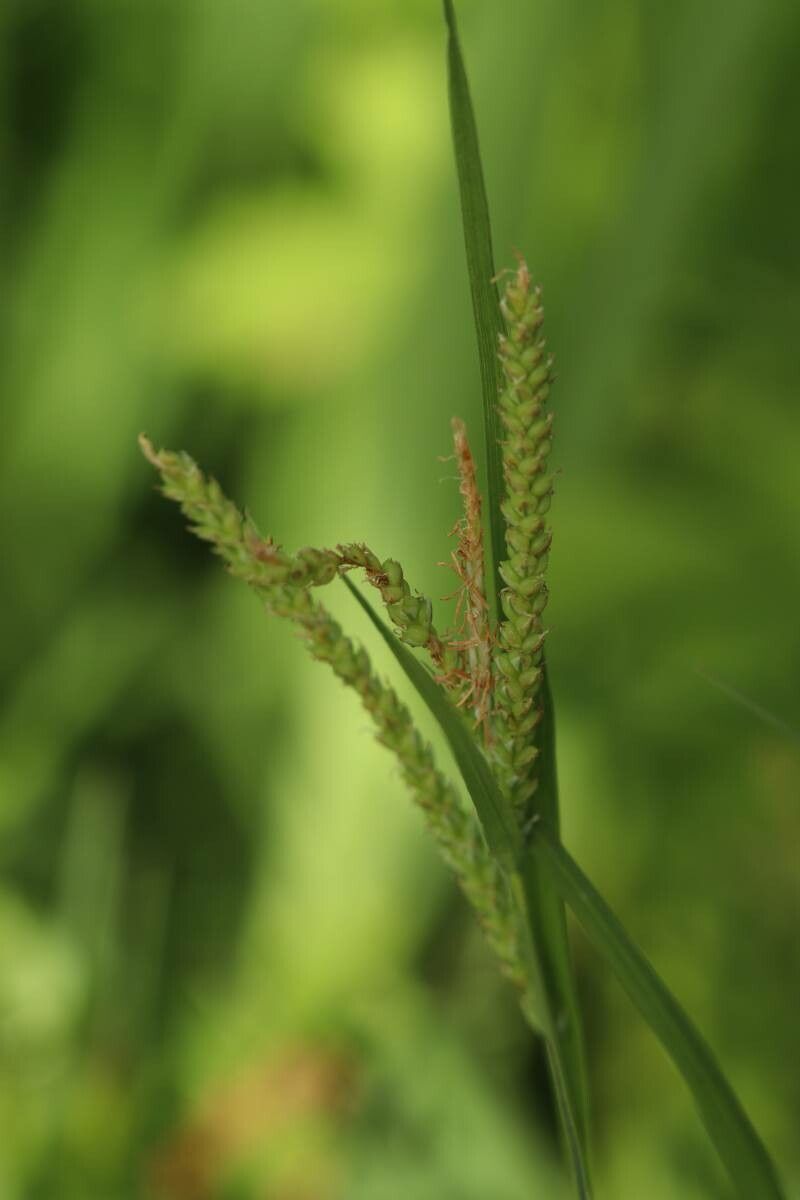
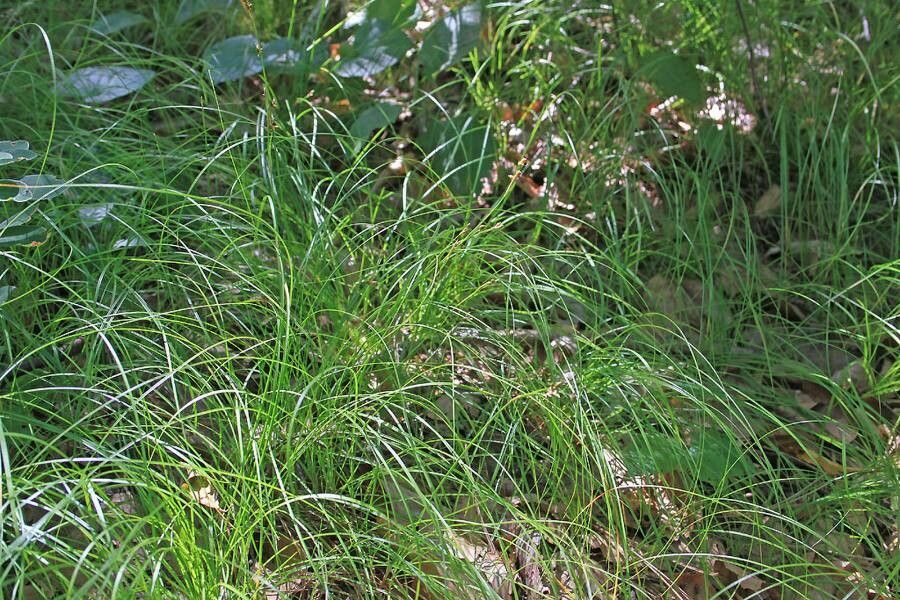
Carex aurea is a species of sedge known by the common name golden sedge. It is native to much of North America, including most of Canada and the western, upper Midwest, and northeastern United States. It grows in wet habitat, often on soils of a basic pH.
Golden sedge is fairly resistant to disease and typically does not suffer from many illnesses. Still, it can be affected by pests and diseases present in its environment. When infections do occur, they are generally mild. Regarding maintenance, this plant needs a moderate amount of care. Regular pruning is necessary to keep it looking good and to support healthy growth. Applying fertilizer can also encourage it to flower. Golden sedge is a good choice for anyone who has outdoor areas like a garden or patio and does not demand extensive gardening experience. It may need extra attention if grown indoors.
How to keep Carex Aurea.
Light
Golden sedge grows best with moderate sunlight, which is necessary for healthy development. Its native habitat indicates it is adapted to filtered or scattered light typical of wooded areas. Although it can tolerate a range of light conditions, both too much and too little light can prevent it from achieving optimal growth.
Water
Golden sedge thrives in moist environments, demonstrating a high tolerance for humidity and needing to be watered once a week. It has adapted to changes in water levels and can handle occasional overwatering. Its growth is vigorous during periods of heavy rainfall, which enhances its ability to efficiently absorb water.
Temperature
Golden sedge is native to temperate regions where temperatures range from 32 to 77°F (0 to 25℃). It does best in these cooler conditions and can have difficulty in extreme heat. To help golden sedge cope with seasonal shifts, you can alter watering routines or move it to a shadier location during hotter periods.
Fertilizer
Typically, a single spring application of fertilizer is enough for Golden sedge, though repeated feedings can enhance growth. Feed every one to one-and-a-half months. Fertilization improves leaf appearance and function, helping maintain even color and a healthy texture. It also encourages root development and nutrient uptake for the plant's long-term health.
Pruning
Golden sedge thrives in wetland areas and benefits from pruning done between early and late spring. Key techniques include removing dead foliage and trimming overgrown stems to improve air circulation and encourage growth. Pruning during the plant's dormant period minimizes stress, helping to maintain both its health and appearance.
Botanical profile.
- Plant Type
- Herb
- Life Cycle
- Perennial
- Genus
- Carex
- Family
- Cyperaceae
- Hardiness Zone
- 3
- Mature Height
- 10 cm to 40 cm
- Mature Spread
- 15 cm to 30 cm
- Leaf Color
- Green
- Leaf Type
- Evergreen
- Flower Size
- 0.20 cm to 0.25 cm
- Bloom Time
- Mid spring, Late spring
- Planting Time
- Spring, Summer, Autumn
- Harvest Time
- Summer
Other names.
Reader questions.
What are the sunlight requirements for Golden Sedge?
Golden Sedge requires partial sun, with about 3-6 hours of sunlight daily. It's important to observe the movement of sunlight through your garden to find the ideal spots that offer a balance of light and shade, ensuring the plant's well-being. The warning to watch how sunlight affects your garden emphasizes the need for careful placement to provide the perfect conditions for your plants.
What is the indigenous climate for Golden Sedge?
Golden sedge is native to temperate climates, thriving best where temperatures range from 32 to 77°F (0 to 25°C). It is well-adapted to cooler conditions and may find it challenging to grow in areas with heat extremes. Adjustments in watering practices or relocating the plant to shadier spots during hotter seasons can help it cope with varying temperatures.
What are the essentials for growing Golden Sedge?
Golden Sedge thrives under moderate solar exposure, which is crucial for its growth. Originating from wooded areas, it's accustomed to scattered light. While it can tolerate various lighting conditions, both excessive and insufficient light can impede its optimal growth. For indoor plants, utilizing artificial lighting can be beneficial, especially in locations with less natural sunlight. LED lights are recommended for indoor plant lighting as they can be adjusted to meet specific plant needs, with varying requirements for full sun, partial sun, and full shade plants regarding wattage per square foot and the distance and duration of artificial light exposure.
Does Golden Sedge require special care in winter?
Golden sedge is highly tolerant of cold temperatures and doesn't need additional frost protection measures during winter. However, to prepare it for the colder months, it's advisable to water the plant generously before the first freeze in autumn. This ensures that the soil remains moist and enters a frozen state, helping to prevent drought and water scarcity for the plant during winter and early spring.
What are important symptoms to look out for in Golden Sedge due to inappropriate lighting?
Golden Sedge may exhibit several symptoms if it does not receive adequate light. Indoors, insufficient light can lead to smaller leaves, leggy growth, and a tendency to drop older leaves early. The plant may also experience slower or halted growth, develop lighter-colored new leaves, and suffer from chlorosis (yellowing leaves) due to excessive sunlight. Other symptoms include sunscald, leaf curling, wilting, and leaf scorching, each indicating varying degrees of stress from improper lighting. These symptoms help in diagnosing the plant's state and determining necessary adjustments in light exposure.
How does Golden Sedge respond to low temperature conditions?
Golden sedge exhibits extreme cold tolerance, but it's important to keep winter temperatures above -35°C to prevent adverse effects. Although the plant may not show noticeable changes during winter, temperatures dropping below this threshold could result in decreased sprouting or failure to sprout in spring. Removing parts that fail to sprout in spring can help manage this issue.
How can you address lighting issues for Golden Sedge?
To address lighting issues for Golden Sedge, gradually adapting the plant to changing light conditions is key. For indoor plants, you can shift them to sunnier spots weekly or use artificial lighting, such as desk, ceiling, or professional grow lights, for at least 8 hours daily. Outdoors, moving plants gradually to sunnier locations helps prevent sunburn. Reducing obstructions that block sunlight and transplanting during the dormant period can also aid in providing better light exposure. It's important to note that while parts of the plant affected by insufficient sunlight may not recover, new growth should be healthy with proper light adjustments.
What should be done if Golden Sedge is exposed to high temperatures?
Golden sedge struggles with high temperatures, particularly when they exceed 25°C, leading to halted growth and increased susceptibility to rot. To counteract heat stress, sunburned and dried-up parts of the plant should be trimmed away. Moving the plant to a shadier location or using a shade cloth can provide protection from the midday and afternoon sun. Ensuring the soil stays moist with morning and evening watering can also mitigate the effects of high temperatures.