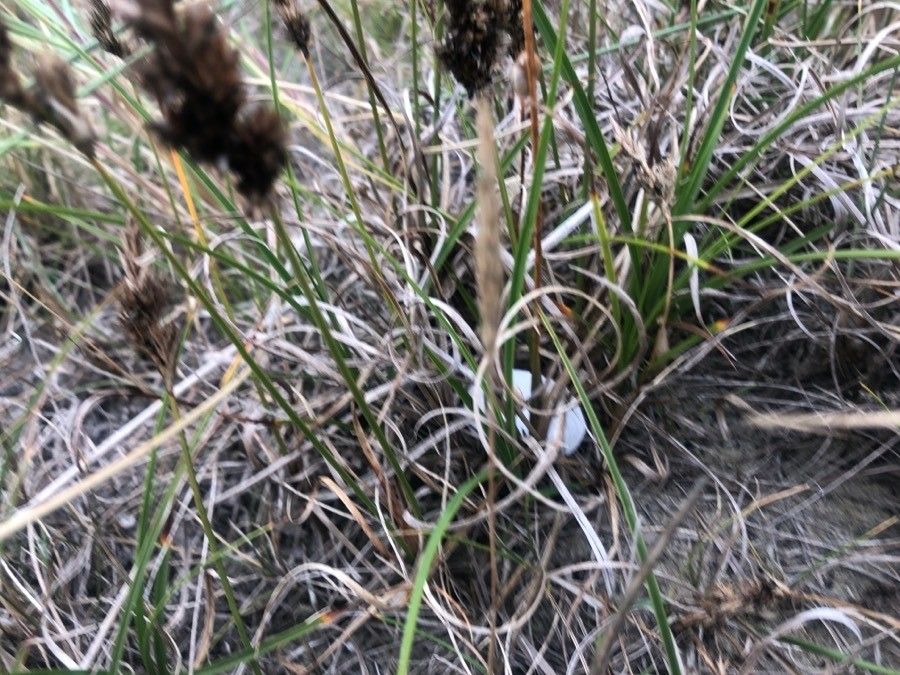
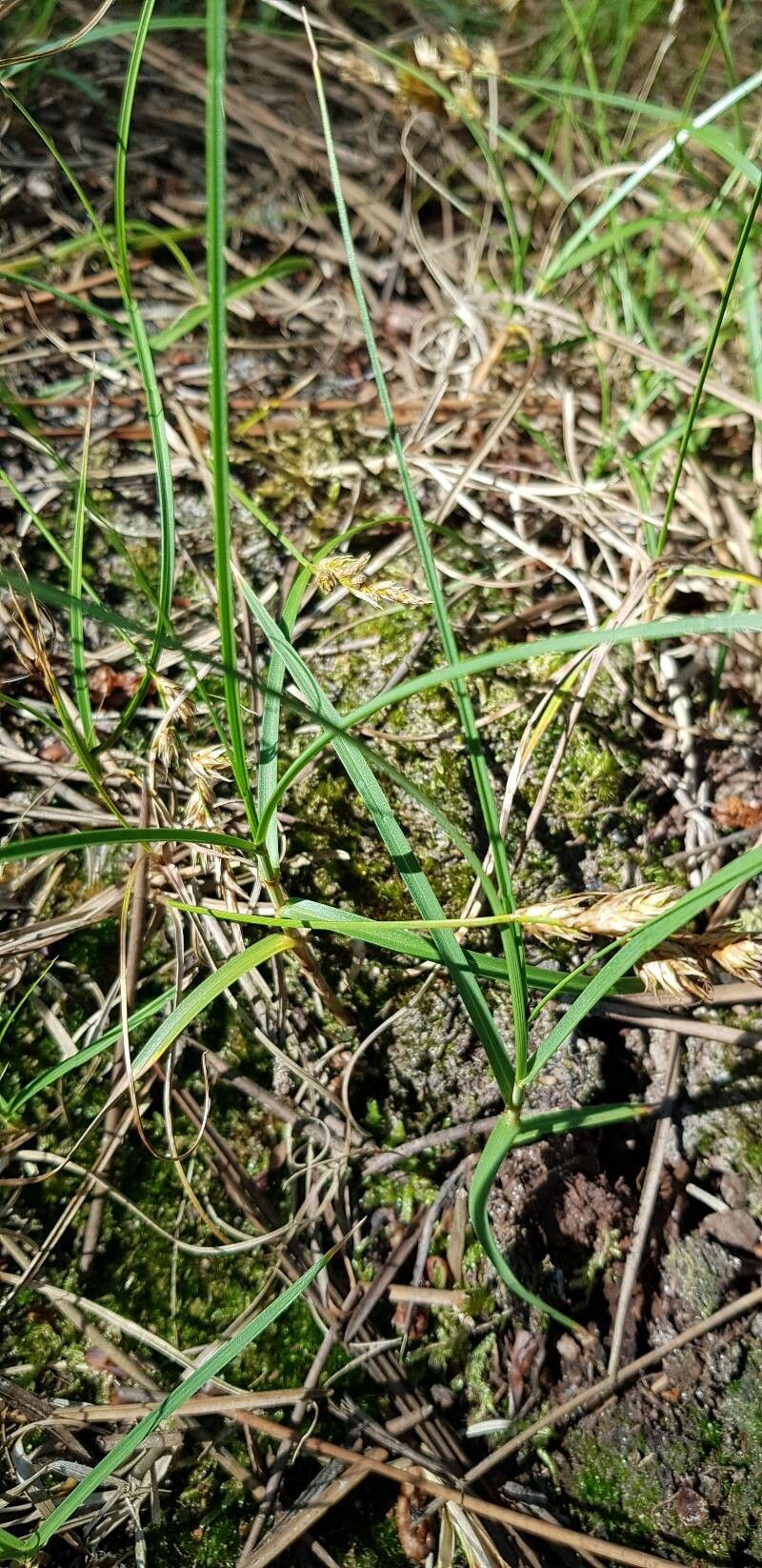
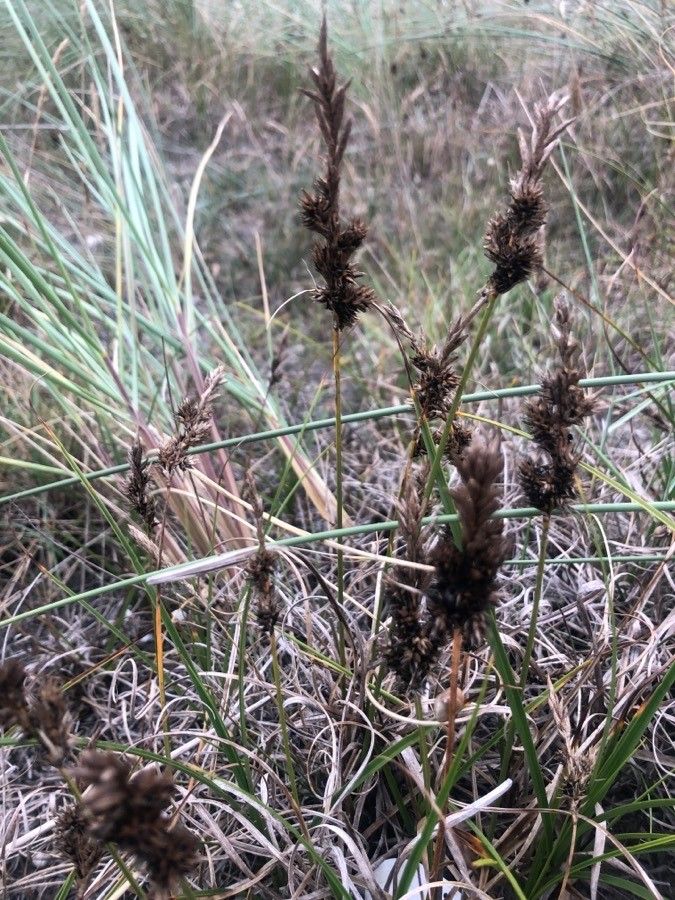
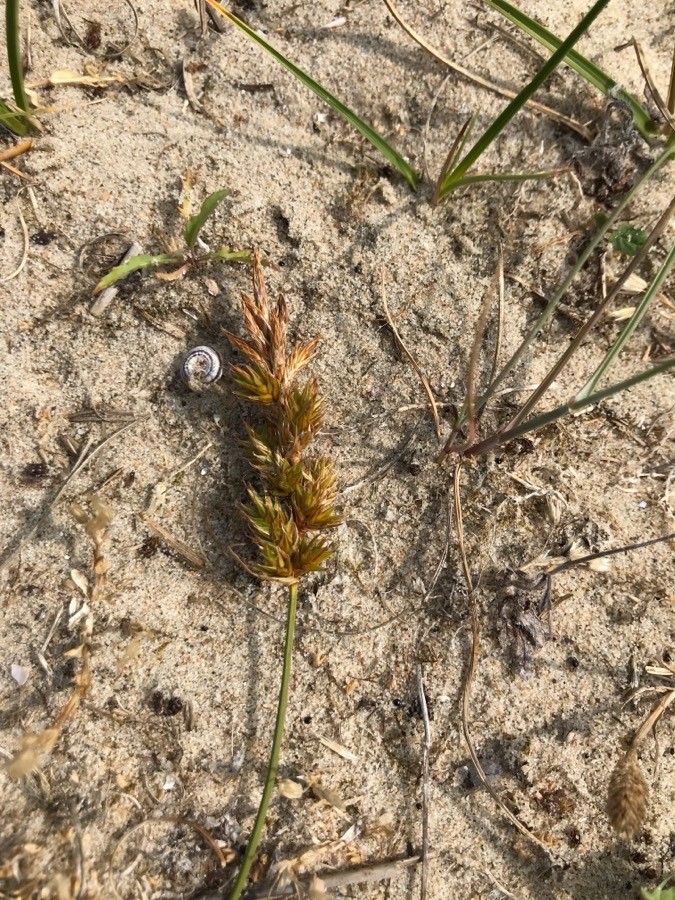
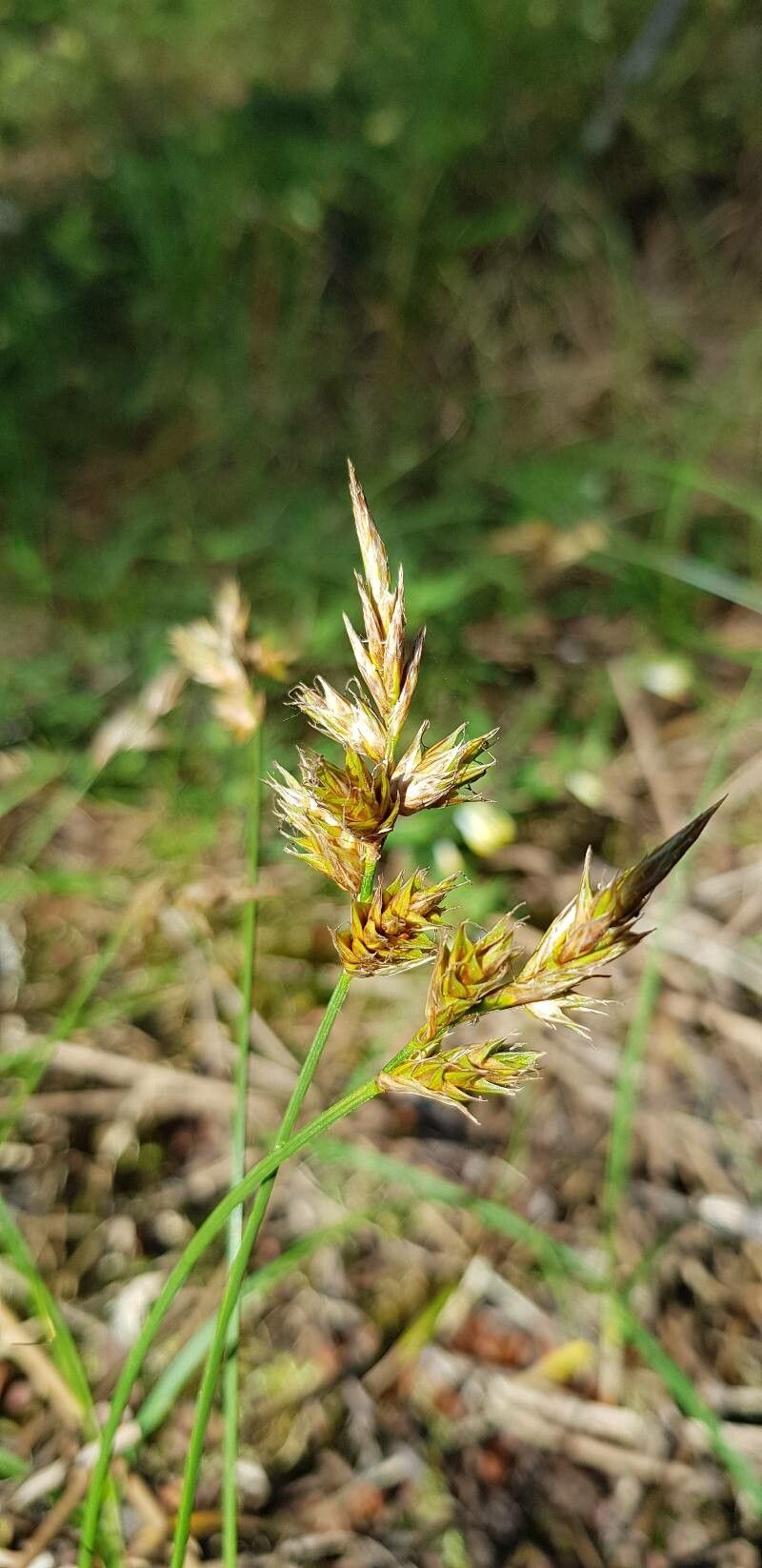
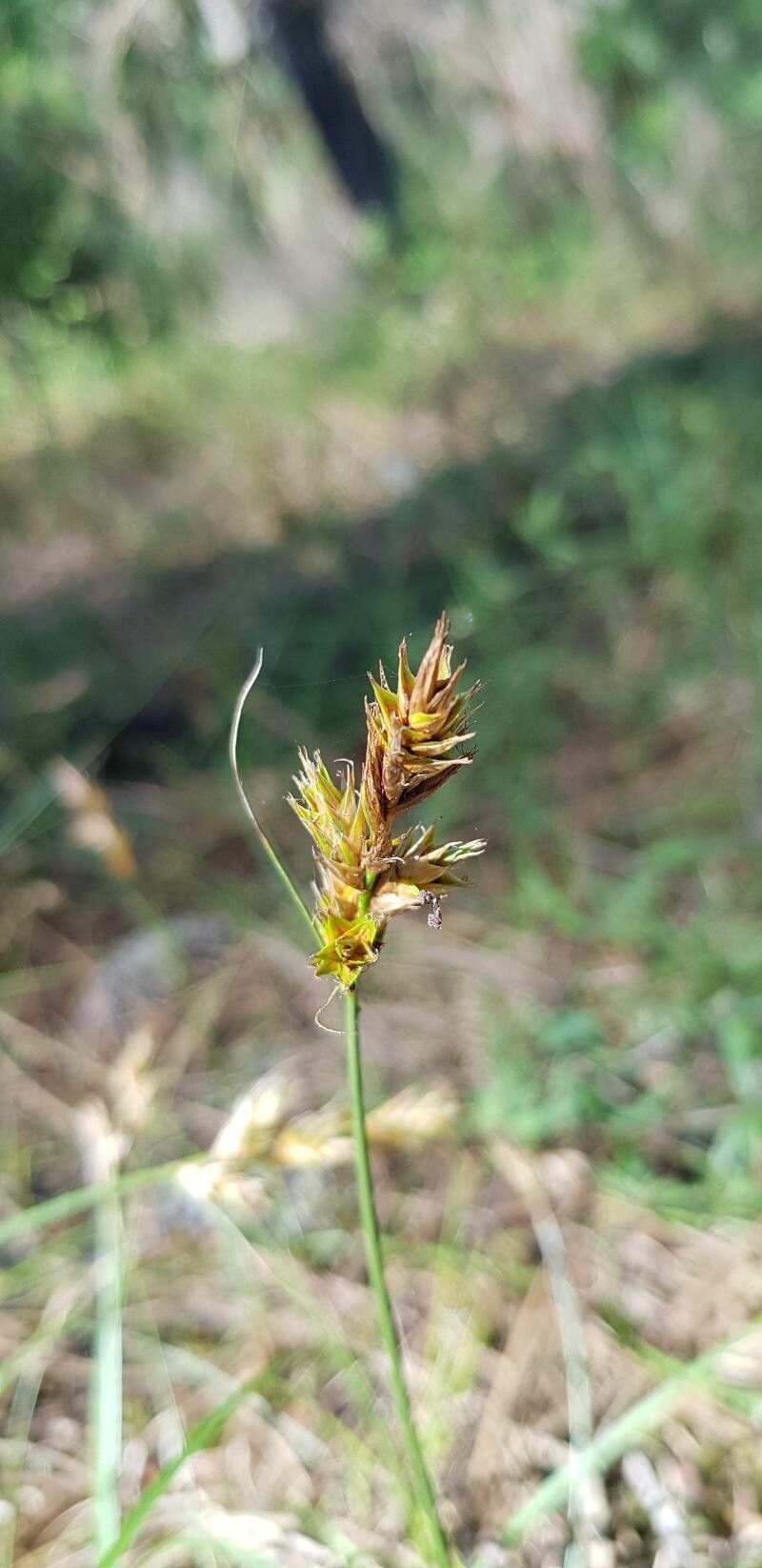
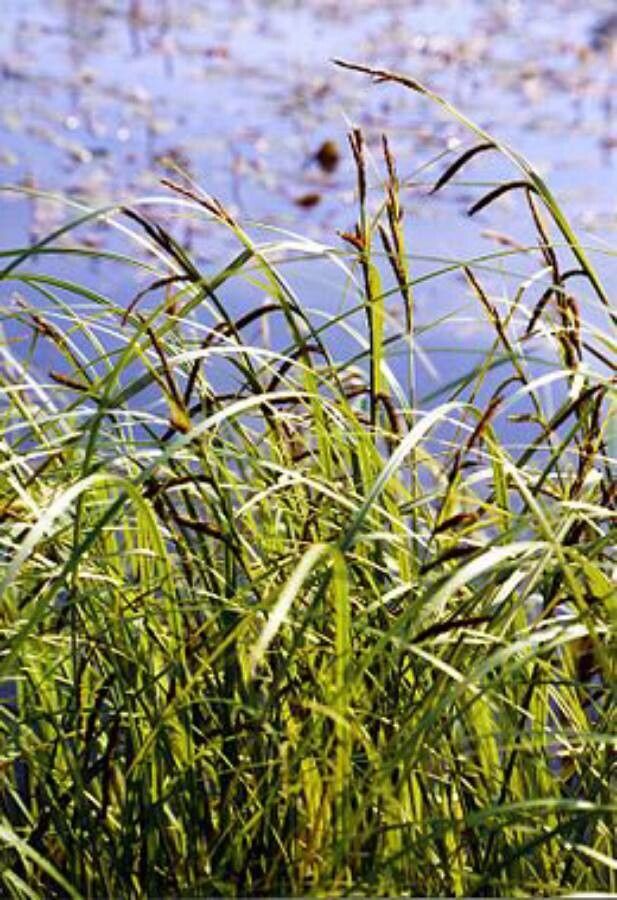
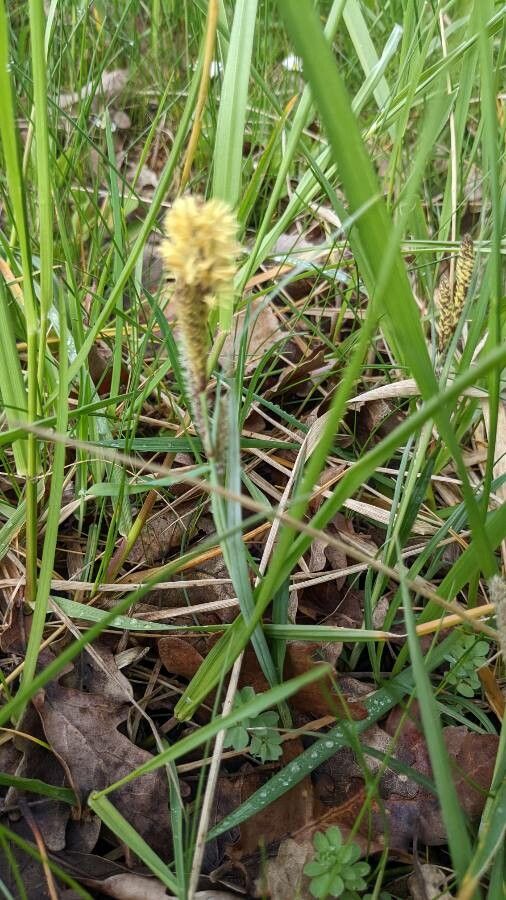
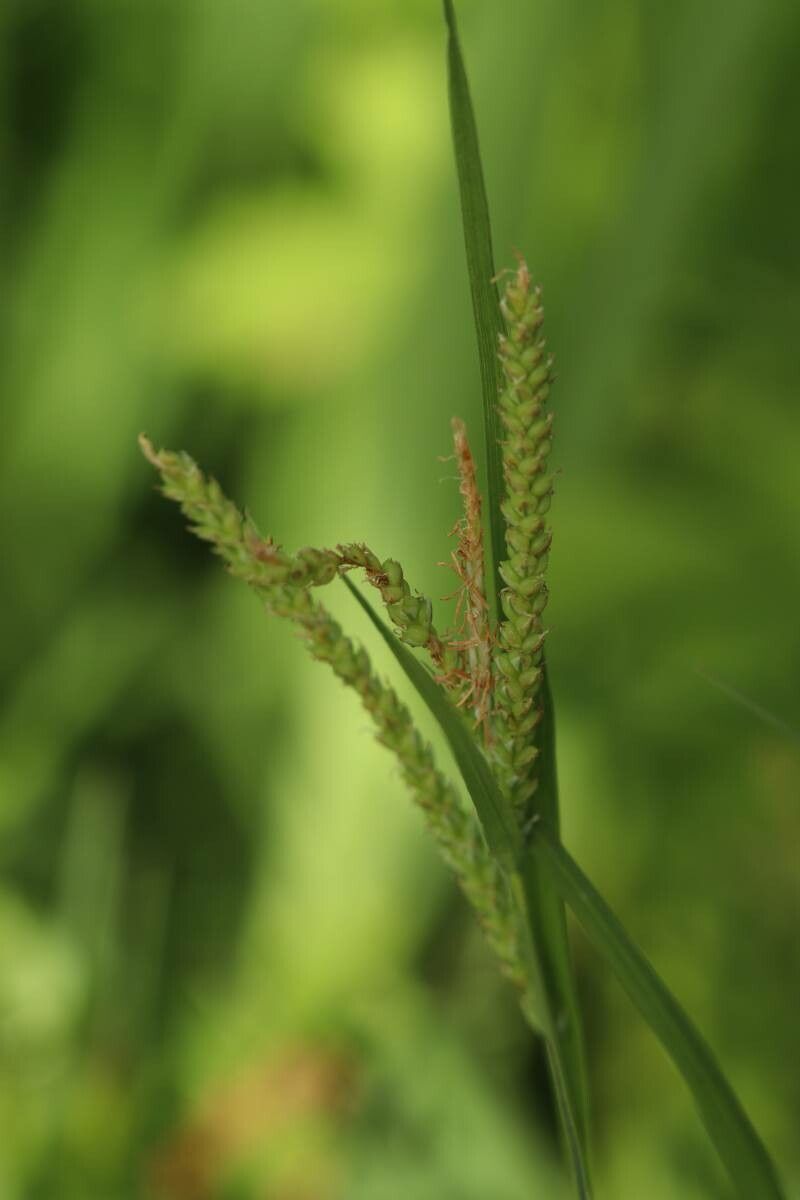
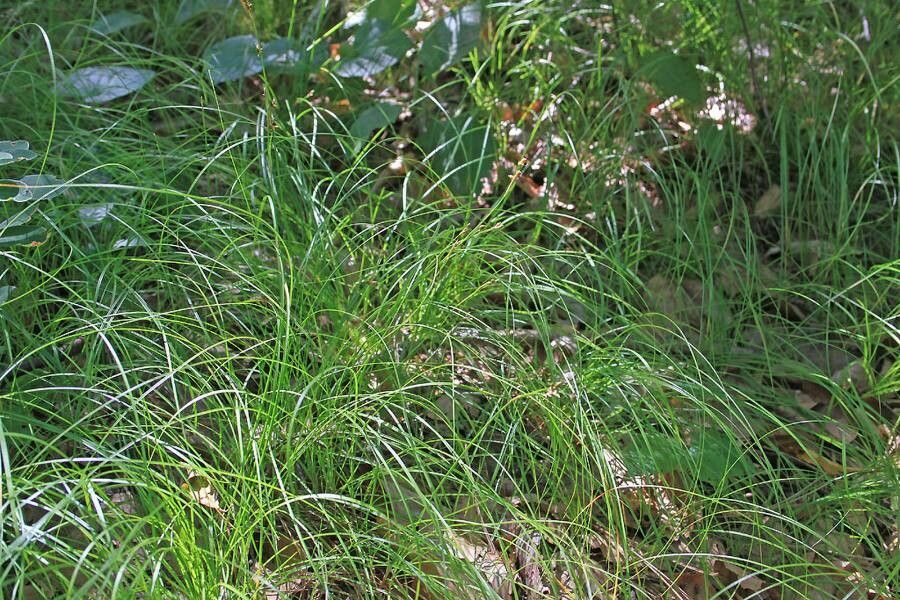
Carex arenaria, commonly known as sand sedge or sand reed, is a perennial, grass-like plant belonging to the Cyperaceae family. Native to Europe and Asia, it thrives in sandy habitats such as dunes, heaths, and coastal areas.
This plant features a clumping growth habit with narrow, green leaves. During the summer months, it produces small flowers on spikes held above the foliage, which are later followed by small, brown seed capsules.
Carex arenaria plays a crucial role in stabilizing sandy soils with its extensive root system, which helps prevent erosion caused by wind and water. Additionally, it provides habitat for various insects and birds.
In 1754, Lin Nai established the genus known as "true sedge." This plant is a significant component of China's flora and is the dominant grass species in the lowest layer of many forests. In some areas, true sedge makes up most of the lower vegetation. FUN FACT · FROM THE LIBRARY
When cultivating Carex arenaria, it is best to plant it in well-drained soils with full sun exposure, although it can tolerate some shade. It requires moderate watering during its growing season but is drought-tolerant once established.
Overall, Carex arenaria is a hardy and beneficial plant for stabilizing sandy habitats, while also offering aesthetic value through its attractive foliage and flowers.
Vernal sedge is resistant to disease and is generally unlikely to suffer from illnesses. Carewise, this plant is fairly low-maintenance. When grown outdoors it needs only minimal watering, and larger plants typically do not need pruning. Smaller plants, however, should be pruned after they have finished blooming. Vernal sedget is appropriate for anyone who has an outdoor area, such as a garden or a deck, and it does not demand much gardening experience.
How to keep Carex Arenaria.
Light
Vernal sedge is a sun-loving perennial herb that comes from open habitats and commonly grows in meadows and grasslands. It prefers full sun but can also tolerate partial sun.
Water
Sand sedge is well-suited for coastal sand dunes, where it thrives in well-drained sandy soils that provide a balance between moisture retention and drought tolerance. To mimic its natural habitat, it should be watered weekly. This makes it ideal for outdoor growth, while also helping to prevent root rot during wetter seasons.
Temperature
Vernal sedge can tolerate a wide range of temperatures, but its distribution may still be restricted by different combinations of moisture and heat. It performs best in warm summer conditions with sufficient rainfall or watering. Extended periods of cloudy, rainy weather or prolonged high temperatures can raise the chance of Vernal sedge dying. In winter, proper protection from the cold can increase the plant’s survival rate.
Fertilizer
Vernal sedge needs extra nutrients to encourage healthy new growth. In spring, applying compost around the base of the plant can effectively supply the nutrition it requires. Fertilizing supports vigorous growth and helps the plant resist diseases and pests.
Pruning
Sand sedge is a robust ground-cover grass ideal for coastal areas. For optimal growth and to maintain its shape, it is best to prune it in early spring. To ensure good air circulation and overall health, regularly remove any dead foliage. Always use clean, sharp tools for this task to prevent the spread of disease.
Botanical profile.
- Plant Type
- Grass
- Life Cycle
- Perennial
- Genus
- Carex
- Family
- Cyperaceae
- Hardiness Zone
- 4-9
- Mature Height
- 20 cm to 40 cm
- Mature Spread
- 15 cm to 30 cm
- Leaf Color
- Green
- Leaf Type
- Evergreen
- Flower Color
- Tan
- Flower Size
- 0.20 cm to 0.51 cm
- Bloom Time
- Early spring, Mid spring
- Planting Time
- Spring, Summer, Autumn
- Harvest Time
- Late spring, Early summer
- Native Area
- Turkey, Austria, Czech Republic, Slovakia, Montenegro, Bulgaria, Armenia, Poland, Greece, Croatia, Slovenia, Belarus, Ukraine, Serbia, Russia, Lithuania, Hungary, Germany, Italy, Kazakhstan, Spain, Switzerland, Mongolia, France, Albania, Romania, Latvia, Belgium, Turkmenistan, Netherlands
Other names.
Reader questions.
What should I do if I give my Sand sedge plant too much or too little water?
Proper watering is essential for the health and performance of this beautiful ornamental grass. In the ground, watering issues can be resolved, but in a container, overwatering or underwatering will quickly kill the Sand sedge. When the Sand sedge doesn't receive the right amount of water, it may stop growing. Overwatering will cause yellow leaves with brown tips, while underwatering can result in drooping leaves, weak seed head production, and browned leaves. If you suspect your Sand sedge has been watered improperly, first determine if it's receiving too much or too little water. If it's getting too much, stop watering immediately. It may take some time for heavy soils to dry out, so be patient. Once new growth appears, test the soil for moisture and determine if more water is needed. If your Sand sedge is not getting enough water, simply give it a deep drink and see if it improves. Keep in mind that a long, deep watering is better than frequent shallow waterings. This promotes deep root growth, making the grass more resistant to drought and watering-related issues.
Why should I add fertilizer to my Sand sedge?
Fertilizing Sand sedge is essential for its overall health. By providing extra nutrients, you not only promote healthy new growth but also support the well-being of existing growth. Additionally, an adequate nutrient supply boosts the plant's ability to resist diseases and pests.
What are the sunlight requirements for Sand sedge?
Sand sedge (Carex arenaria) thrives in full sunlight, requiring more than 6 hours of sunlight daily for healthy growth. It is native to regions that enjoy a significant amount of sun exposure and does not cope well with shade. If the plant receives inadequate light, it may exhibit poor growth, while too much sunlight could lead to leaf scorch. However, it's crucial to find a balance to prevent any negative effects on the plant's health. Additionally, for indoor plants where natural sunlight is insufficient, especially during winter or in areas that do not receive enough sunlight, artificial lights such as LEDs can be used to provide the necessary wavelengths of light. The amount of artificial light required varies depending on whether the plant is full sun, partial sun, or full shade, with guidelines suggesting 30-50W/sq ft for full sun plants, 20-30W/sq ft for partial sun plants, and 10-20W/sq ft for full shade plants.
How often do I need to water my Sand sedge?
The watering needs of Sand sedge vary depending on its location. In general, watering this grass once a week is recommended. In hot climates, watering once or twice a week in the summer may be necessary. In moderate climates, watering every seven days or more may be enough. Grass in containers usually requires more frequent watering than grass in the ground. However, the location also matters as Sand sedge can thrive in full sun or part shade. Shaded grasses need less frequent watering compared to those in the ground. Only water Sand sedge when the soil is dry. To determine if the soil is dry, you can press your finger a few inches into the soil. For potted grass, you can use a portable scale to weigh the grass or simply feel the pot to check for lack of water. Insufficient water may cause the blades to appear folded along their centers and thinner than usual. Despite its drought tolerance, regular deep waterings will result in a beautiful color. In the wild, Sand sedge grows in open scrubland and endures extreme heat, bright sun, and intermittent rain. While this grass is drought-resistant, it still requires care and attention. Gardeners agree that consistent watering is beneficial for Sand sedge, even though it can handle harsh, dry conditions. When first planted, Sand sedge needs more frequent watering until it develops deep roots. For potted Sand sedge, the soil tends to dry out quickly, especially if the pot is exposed to hot, direct sunlight for most of the day. Test the soil every 3 to 4 days and only water when it feels dry. Sand sedge planted in the ground generally requires less watering, but it depends on the type of soil. Heavy clay soil holds water for a longer time and may feel dry on the surface while still retaining moisture below. Sandy soils that drain quickly will need more frequent watering.
When should I fertilize my Sand sedge?
To ensure the survival of Sand sedge in the garden, it is important to know the right time to fertilize. Unlike other plants, Sand sedge doesn't need extra nutrients when it is dying back. While you can use diluted fertilizer at the beginning of the growing season, it is not advised. Instead, it is recommended to apply mulch or compost around the base of the plant.
How do I adapt my Sand sedge to its light environment?
Adapting your Sand sedge to its light environment involves a gradual process to ensure it receives at least 6 hours of direct sunlight daily for optimal growth. For indoor plants, especially those that are large or not easily movable, one can gradually move the plant to sunnier locations each week or utilize artificial lighting solutions like desk or ceiling lamps for at least 8 hours a day. Artificial grow lights designed for plants can also provide ample light. For outdoor plants, it's essential to gradually adjust them to sunnier spots to avoid sunburn, starting with a location that mirrors their current light exposure and then slowly moving them to brighter areas. If sunlight is obstructed, consider pruning trees or transplanting smaller plants during their dormant period to locations with better sunlight exposure and drainage to ensure healthy growth and development.
What do I need to watch out for when watering my Sand sedge at different times of the year, in different weather conditions, or during different stages of growth?
To determine if you are watering your grasses enough, consider their rate of growth. Sand sedge has been observed to double in size within a year during the hottest months. If the weather is hot but the grass is not growing vigorously, you may need to adjust your watering schedule. In winter, you can likely get away with watering just once a month, but still check the soil for moisture. During the warmest months when the grass is actively growing, it will require more water than usual. However, in winter and cooler months, the water needs will be significantly reduced. Keep in mind that with Sand sedge, it is crucial to allow the soil to dry out completely before adding water.
When is it not a good idea to add fertilizer to my Sand sedge?
If you're not using packaged fertilizers, you don't need to worry about when to stop feeding Sand sedge. Just apply a layer of compost or mulch in the spring, and that will be sufficient to keep Sand sedge happy all year. Don't stress about mulching or composting in the winter, as the plant is dormant then.
What are the signs of incorrect lighting for Sand sedge?
Signs of incorrect lighting for Sand sedge include smaller new leaves, leggy or sparse growth, faster leaf drop, slower or no new growth, lighter-colored new leaves, chlorosis (leaves turning yellow), sunscald, leaf curling, wilting, and leaf scorching. These symptoms indicate either too little or too much light exposure. For example, insufficient sunlight can lead to weaker, less vibrant plants with poor growth patterns, while too much sunlight can cause damage to the plant's leaves or stems, resulting in symptoms like curling leaves, sunscald, and leaf scorching.
What kind of fertilizer does my Sand sedge plant need?
Instead of rushing to the garden center to buy fertilizer for sand sedge, you can simply put down a layer of compost in the spring. This will provide the necessary nutrients for the plant. Additionally, annual mulching with bark will also help keep the plant well-nourished and happy.
How should I add fertilizer to my Sand sedge?
When using mulch or compost for Sand sedge, the steps are the same. Start by applying a layer of the chosen material, ensuring it covers the base of the plant. If you prefer to use both mediums, reduce the amount of compost. Additionally, adding a layer of mulch has two benefits: it helps the soil retain moisture and provides nutrients for your plant.
What will happen if I fertilize my Sand sedge too much?
If you don't use liquid or granulated plant food, you don't need to worry about over-fertilizing Sand sedge. However, if you are adding fertilizer to the soil, be cautious of root burn. Excessive nitrogen and other nutrients in the soil can burn the delicate roots, leading to the plant's decline.