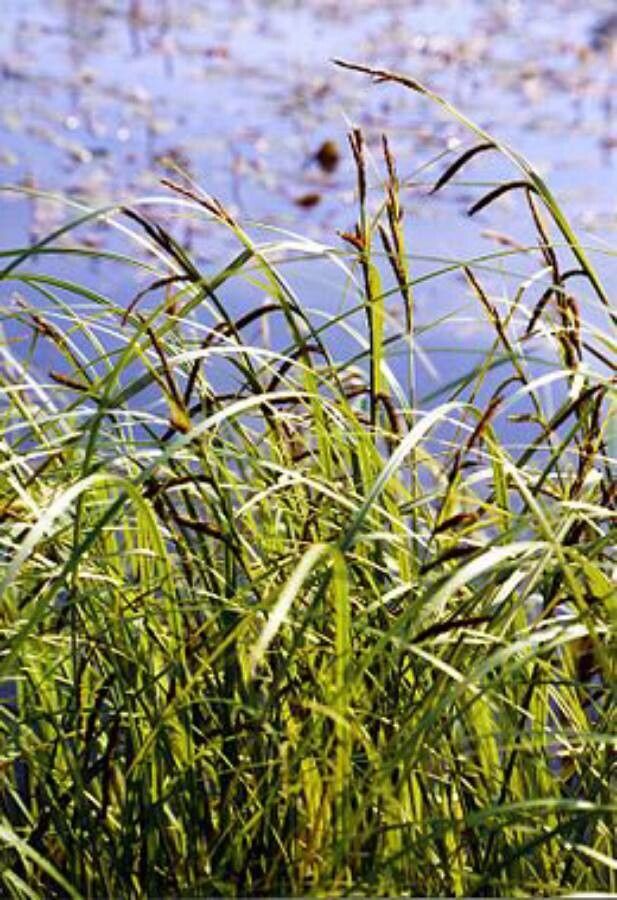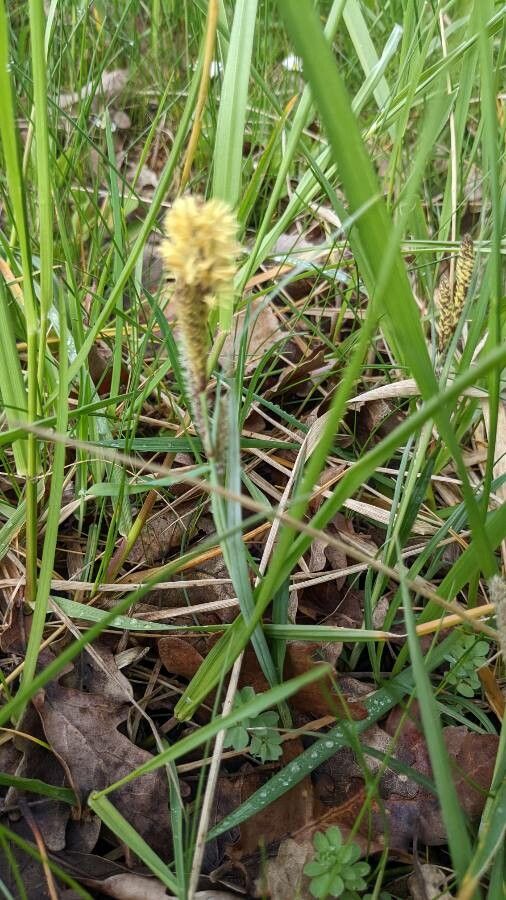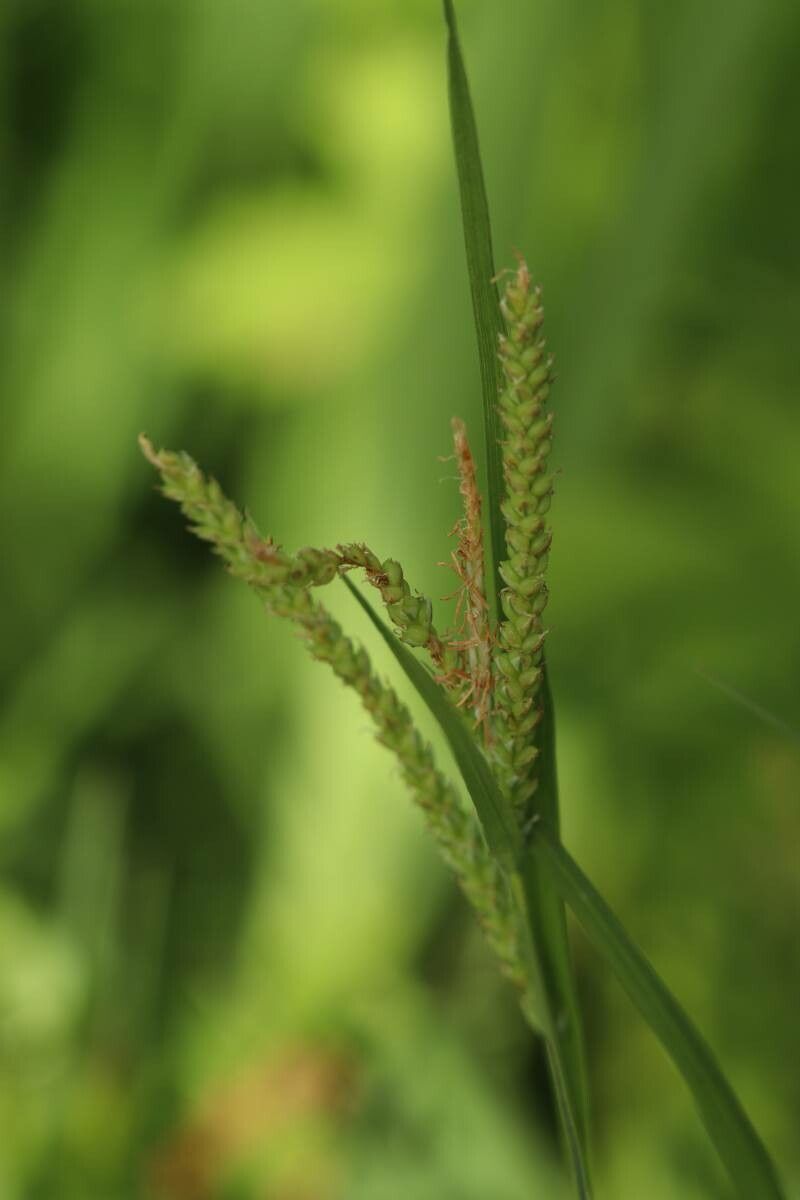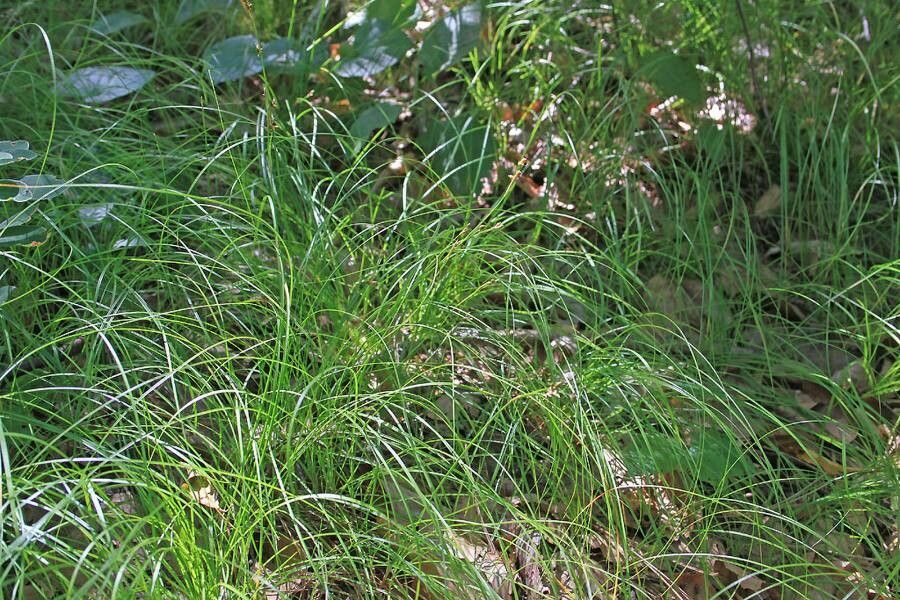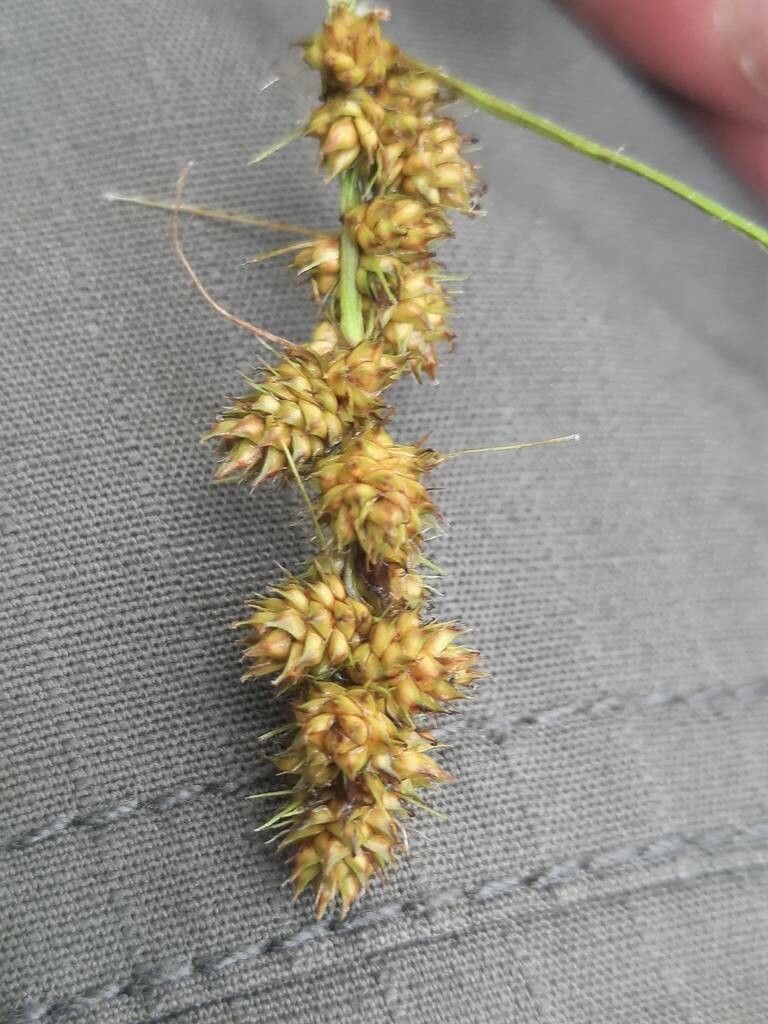
Carex annectens, sometimes called yellow-fruited fox sedge, is a species of sedge native to most of the eastern United States and southeastern Canada. It is common in prairies and high-water table fallow fields. In the Chicago area, its coefficient of conservatism is 3, and in Michigan, it is only 1, indicating its relatively low fidelity to high quality habitats.
Yellowfruit sedge is well resistant to diseases and is generally unlikely to get sick. As for care, this plant is fairly low-maintenance. When grown outdoors it needs only light watering, and larger plants usually do not require pruning. Smaller plants, however, should be pruned after they have finished blooming. Yellowfruit sedge is appropriate for anyone with an outdoor area, such as a garden or a deck, and does not demand much experience in plant care.
How to keep Carex Annectens.
Light
Yellowfruit sedge is a perennial herbaceous plant that prefers sunny locations and originates from open habitats, commonly growing in meadows and grasslands. It favors full sun but can also tolerate partial sun.
Water
Yellowfruit sedge, which originates from moist meadows, thrives in wetland-like conditions. It requires consistent moisture without becoming waterlogged, needing to be watered weekly. As an outdoor plant, its growth depends on the availability of water, which affects its ability to form vigorous clusters and adapt to seasonal changes.
Temperature
Yellowfruit sedge can tolerate a wide range of temperatures, but its distribution may still be restricted by particular combinations of moisture and heat. It grows best in warm summer conditions with sufficient rainfall or irrigation. Extended periods of cloudy, rainy weather or sustained high temperatures increase the chance of Yellowfruit sedge dying. In winter, protecting it from cold can raise its survival rate.
Fertilizer
Yellowfruit sedge necessitates supplementary nourishment to foster robust new development. In the springtime, situating some compost around the plant's base can successfully supply the essential nutrients it requires. The act of fertilizing assists in bolstering vigorous growth and aids the plant in warding off diseases and pests.
Pruning
To encourage growth and maintain the shape of yellowfruit sedge, prune it in early spring. Trim away any dead foliage to enhance air circulation and reduce the risk of disease. Removing flower spikes can also lead to healthier leaves. Pruning in early spring aligns with the plant's natural growth cycle, ensuring optimal recovery and aesthetics. For best practices, refer to reputable horticultural sources.
Botanical profile.
- Plant Type
- Grass
- Life Cycle
- Perennial
- Genus
- Carex
- Family
- Cyperaceae
- Hardiness Zone
- 4-9
- Mature Height
- 30 cm to 91 cm
- Mature Spread
- 30 cm to 61 cm
- Leaf Color
- Green, Dark Green
- Leaf Type
- Evergreen
- Flower Color
- White, Yellow, Green, Brown
- Flower Size
- 0.20 cm to 0.51 cm
- Bloom Time
- Late spring, Early summer
- Planting Time
- Spring, Summer, Autumn
- Harvest Time
- Mid summer, Late summer