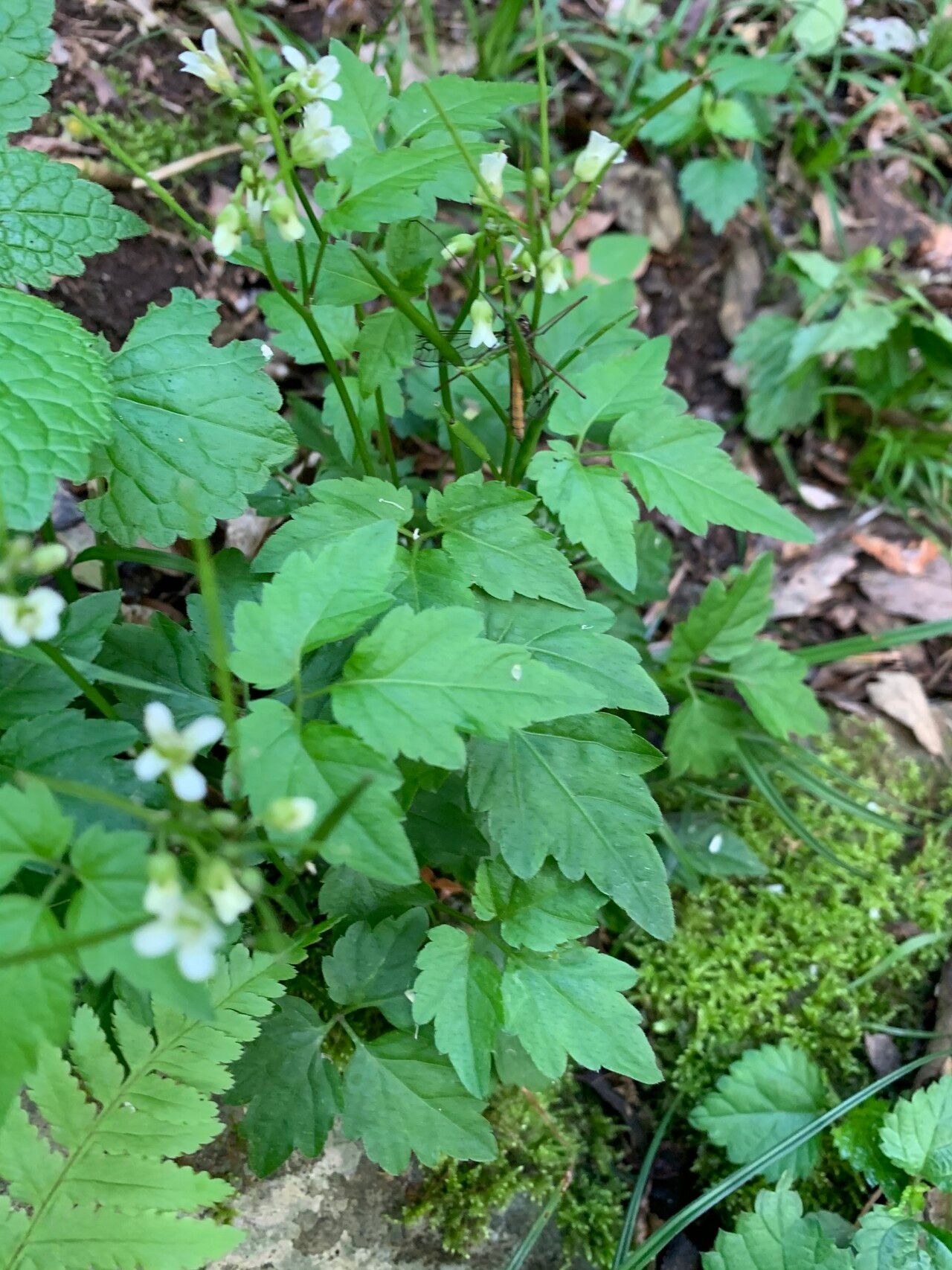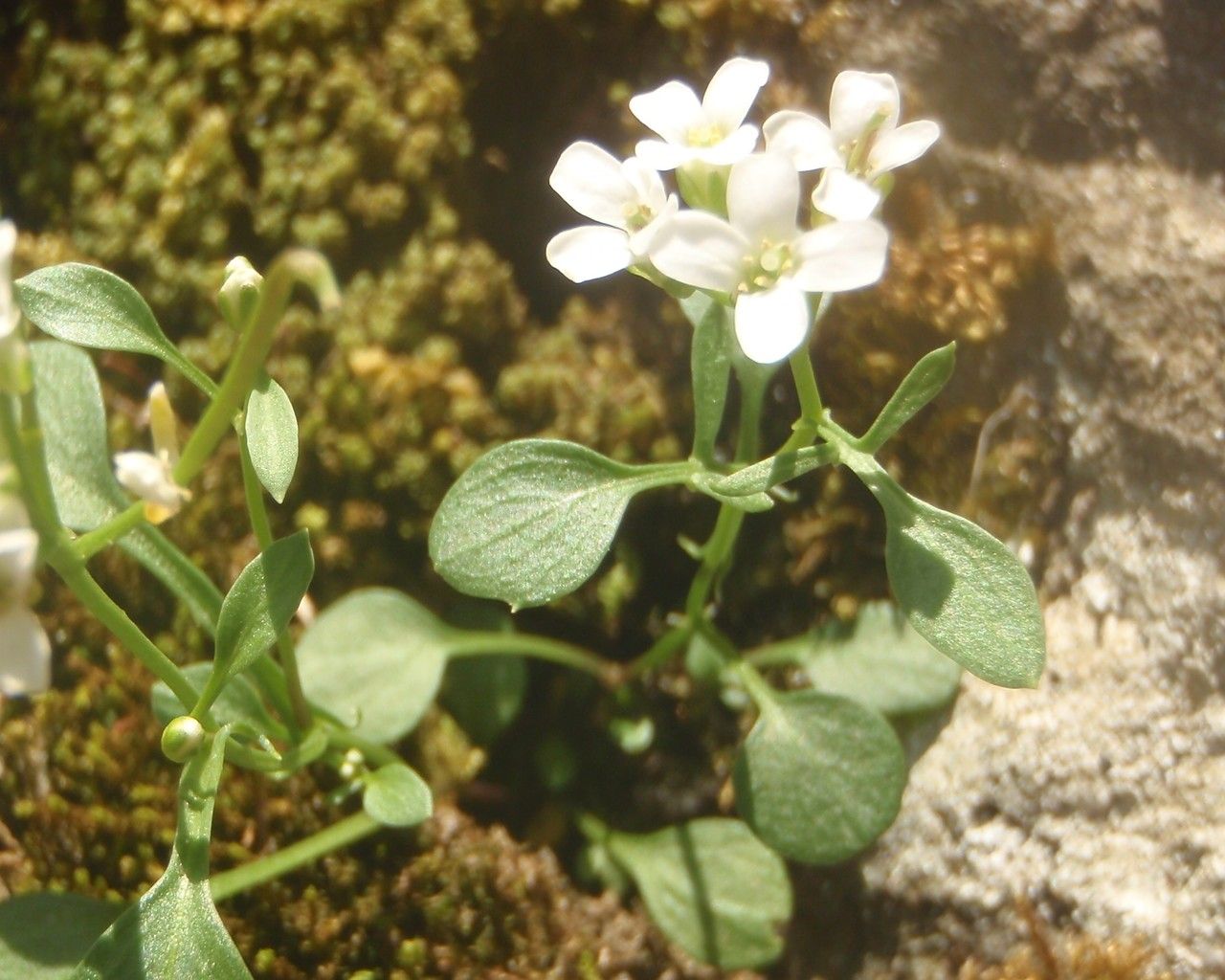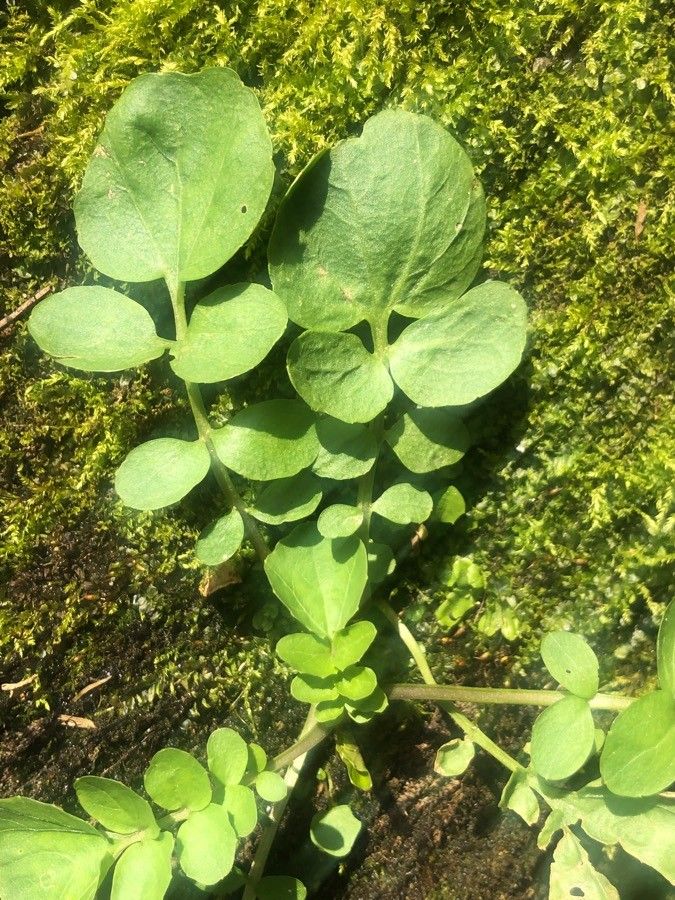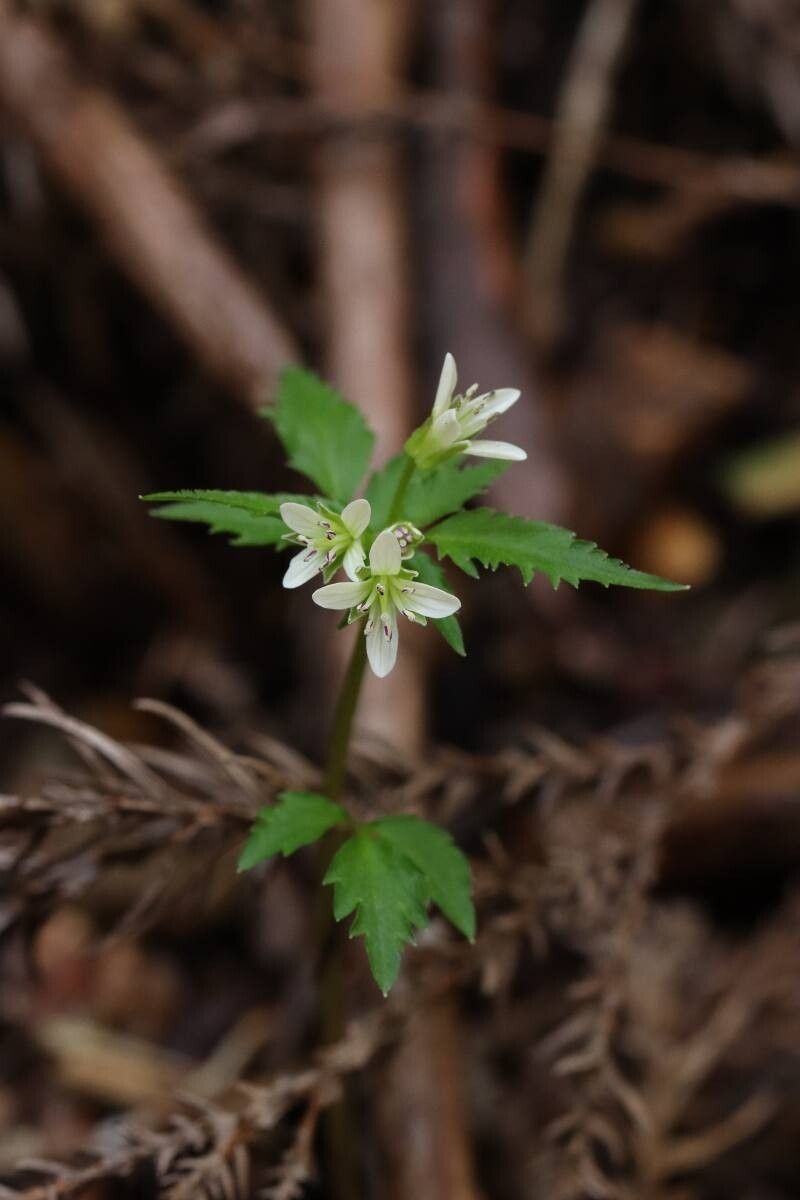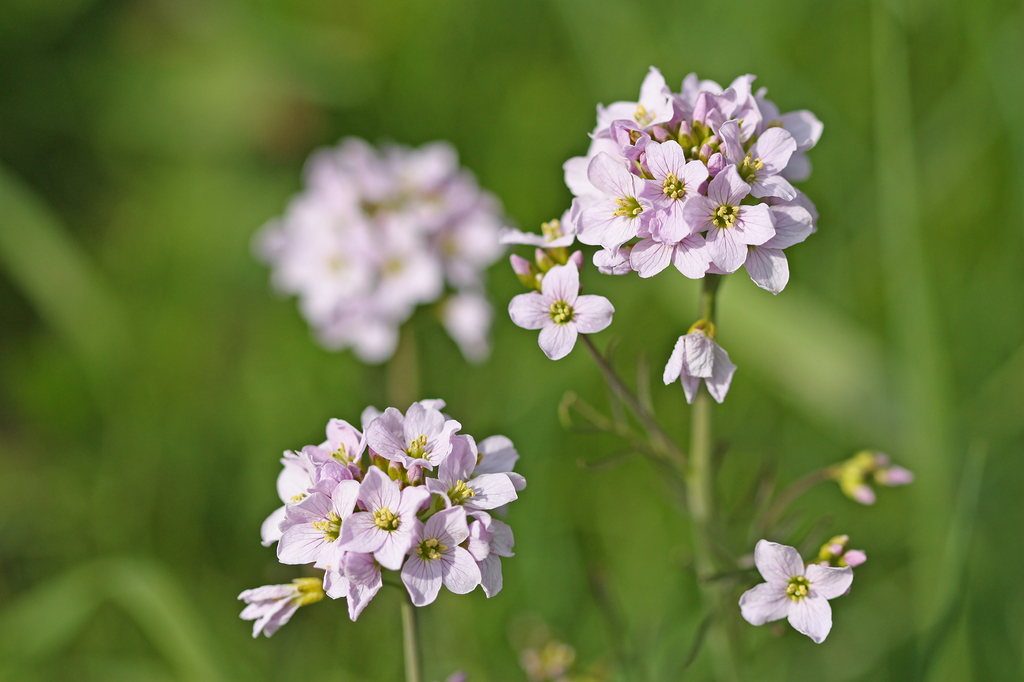
Cardamine pratensis, commonly known as cuckooflower or lady's smock, is a perennial herbaceous plant that belongs to the Brassicaceae family. Native to Europe and Asia, this plant thrives in damp meadows, marshes, and along riverbanks.
The plant can grow up to 50 cm tall and features a basal rosette of leaves that are pinnately divided into small leaflets. Its stem supports small white or pink flowers, each with four petals arranged in a cross shape. These flowers typically bloom from April to June.
Cuckooflower serves as an important food source for many insects, including butterflies and bees. Traditionally, it has also been used for its diuretic properties in medicinal practices.
The cuckooflower is surrounded by a lot of superstition. People believed that it brought bad luck, including causing thunderstorms and lightning, so it was never brought inside the house. Additionally, it was thought that the cuckooflower attracted adders. FUN FACT · FROM THE LIBRARY
In various cultures, the plant is associated with love and fertility, likely due to its delicate appearance and sweet fragrance.
Overall, Cardamine pratensis is an attractive wildflower that enhances the beauty of wetland habitats while providing ecological benefits as a food source for pollinators.
Cuckooflower, also known as Cuckoo bittercress (Cardamine pratensis), typically appears in the spring at the same time the cuckoo bird begins to call. This timing is believed to be the origin of its common name. Additionally, the plant is often found covered in a frothy substance produced by froghoppers, which resembles cuckoo spit. This resemblance is another possible explanation for its name.
Botanical profile.
- Plant Type
- Herb
- Life Cycle
- Perennial
- Genus
- Cardamine
- Family
- Brassicaceae
- Hardiness Zone
- 4-8
- Mature Height
- 40 cm to 61 cm
- Mature Spread
- 30 cm
- Leaf Color
- Green
- Leaf Type
- Deciduous
- Flower Color
- White
- Flower Size
- 1.02 cm to 2.03 cm
- Bloom Time
- Mid spring, Late spring
- Planting Time
- Spring, Autumn
- Harvest Time
- Late spring, Early summer
- Native Area
- Western Asia