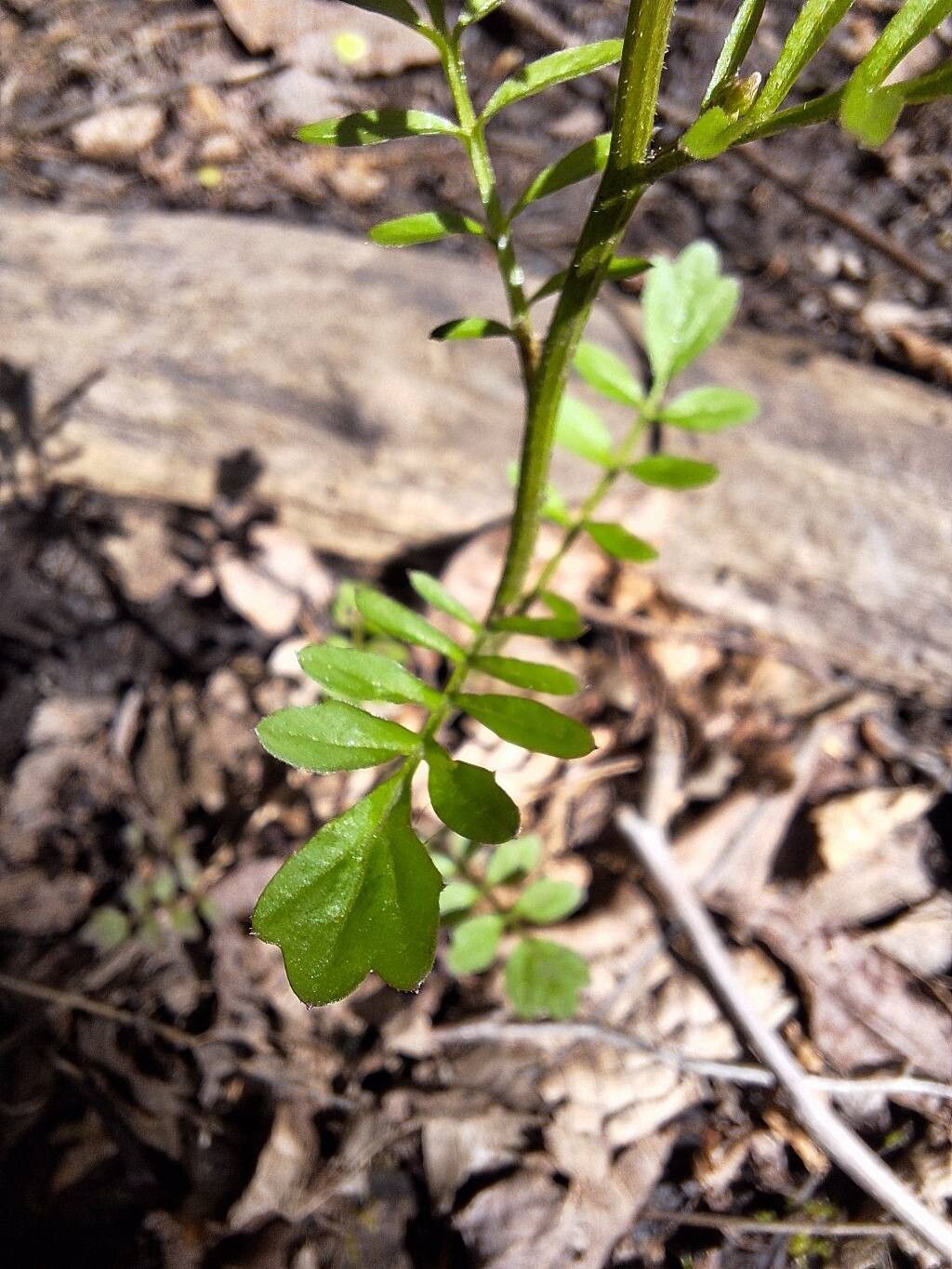
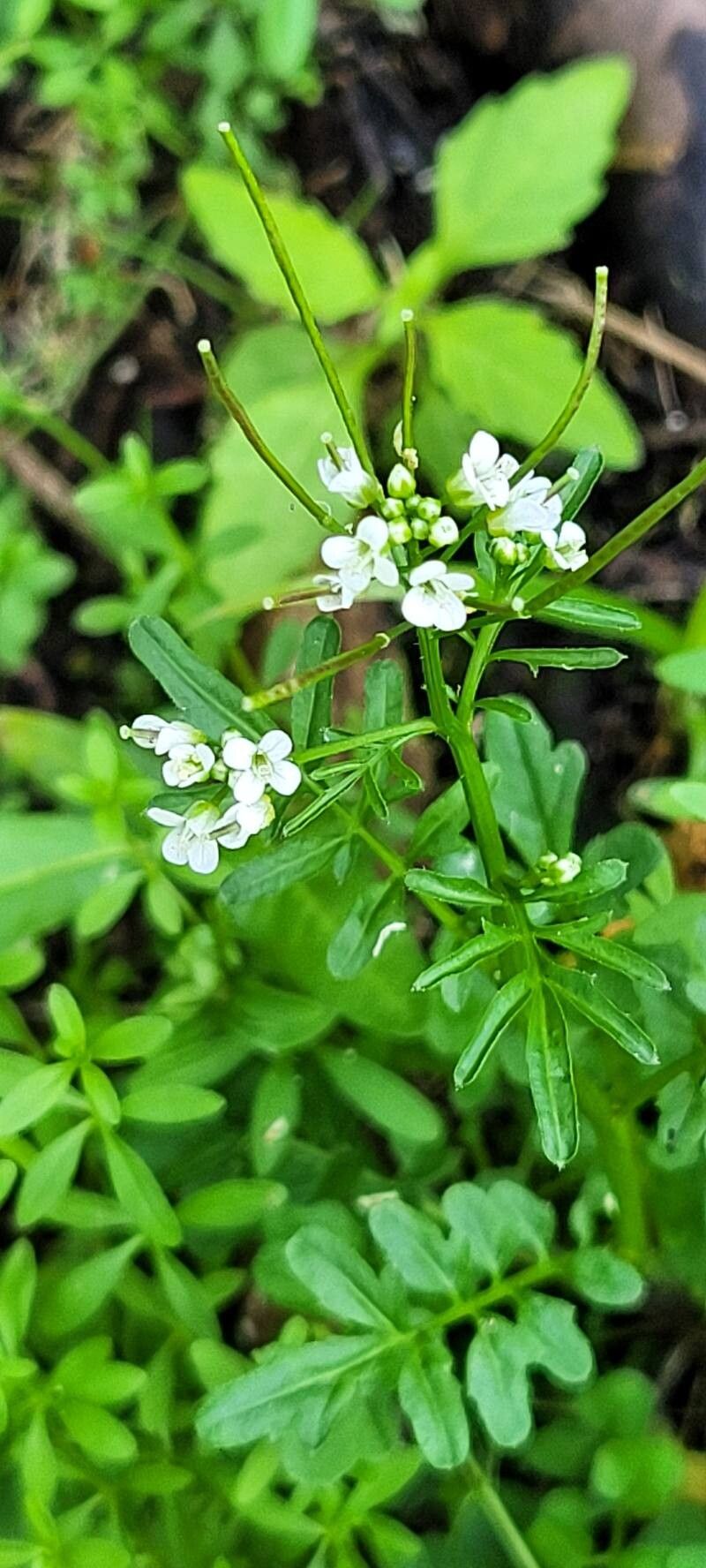
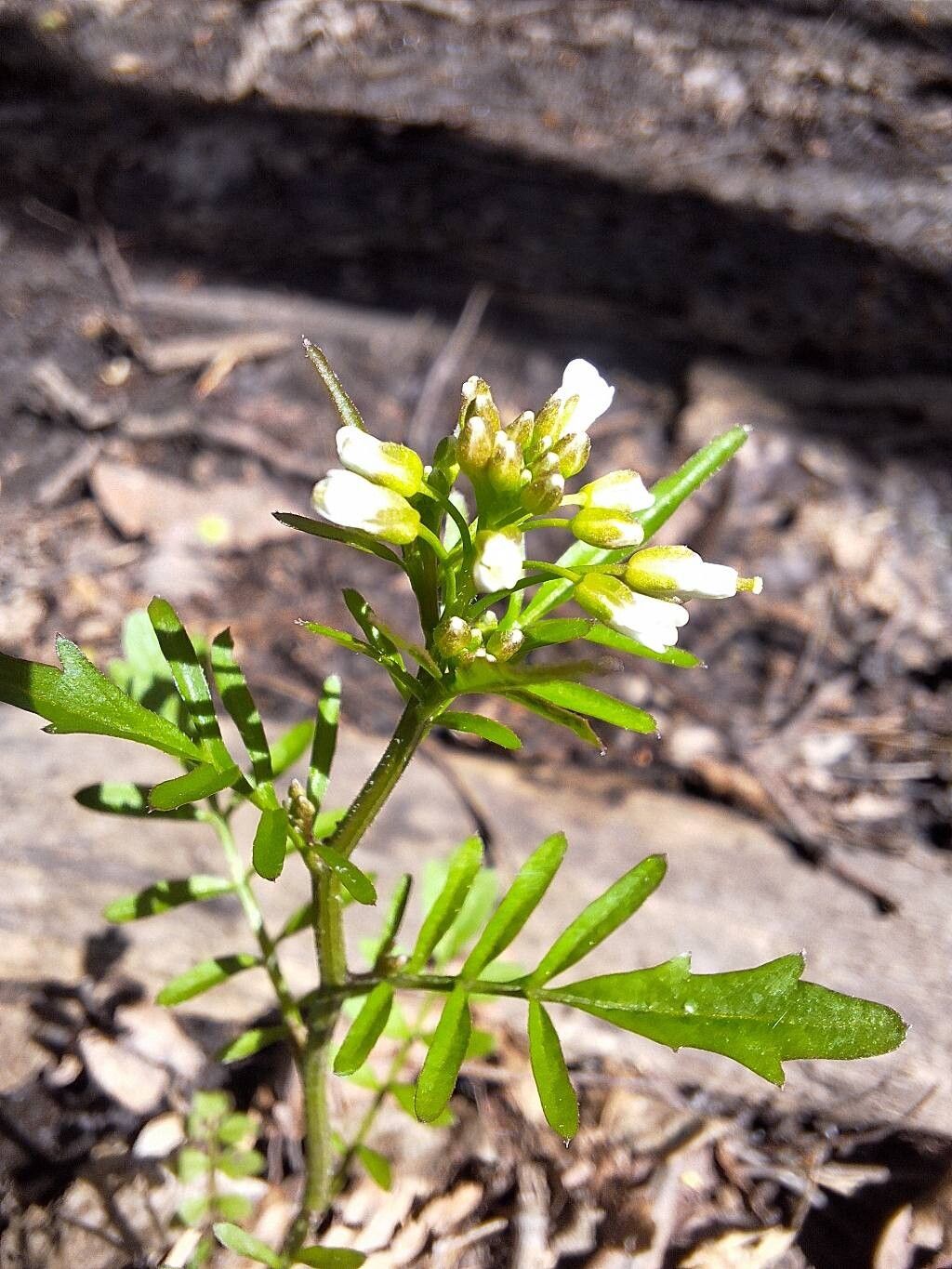
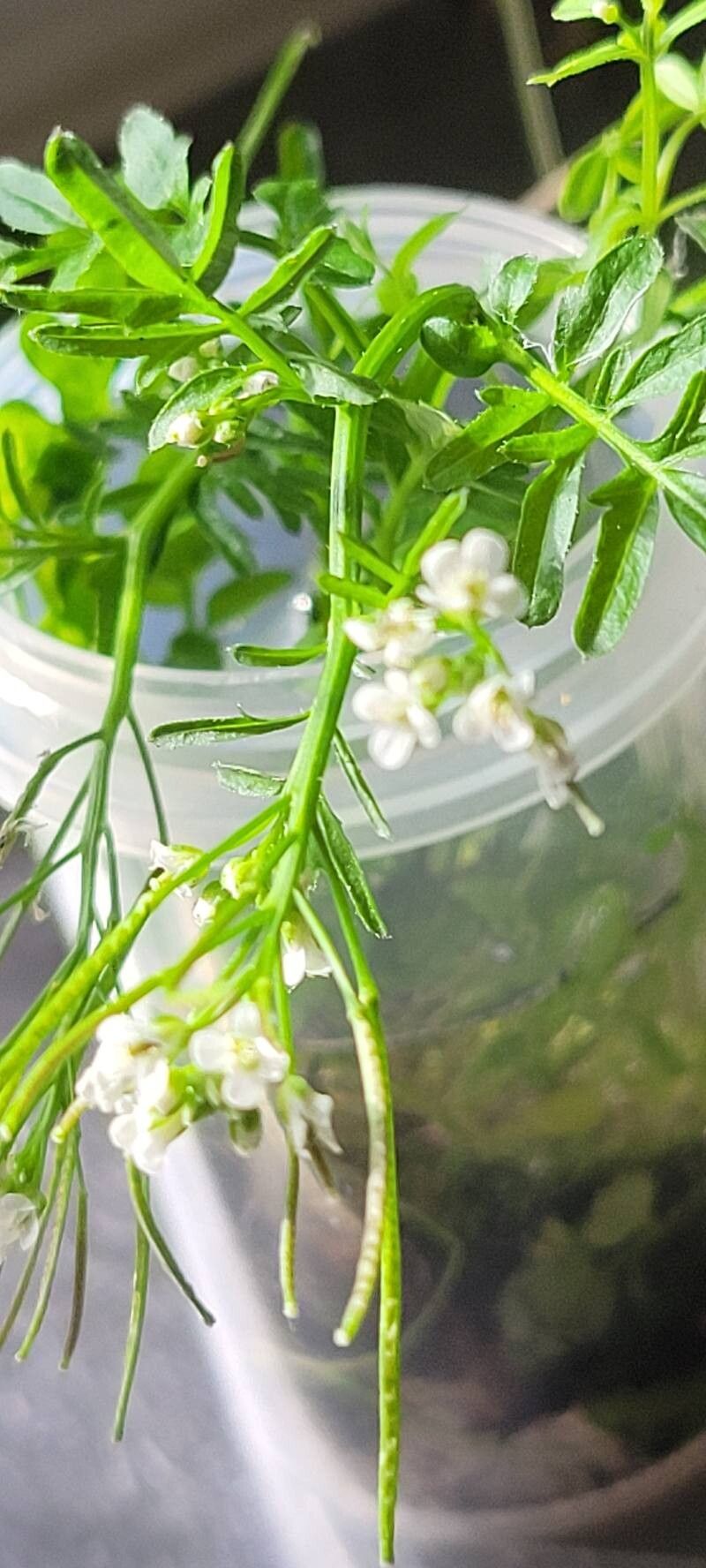
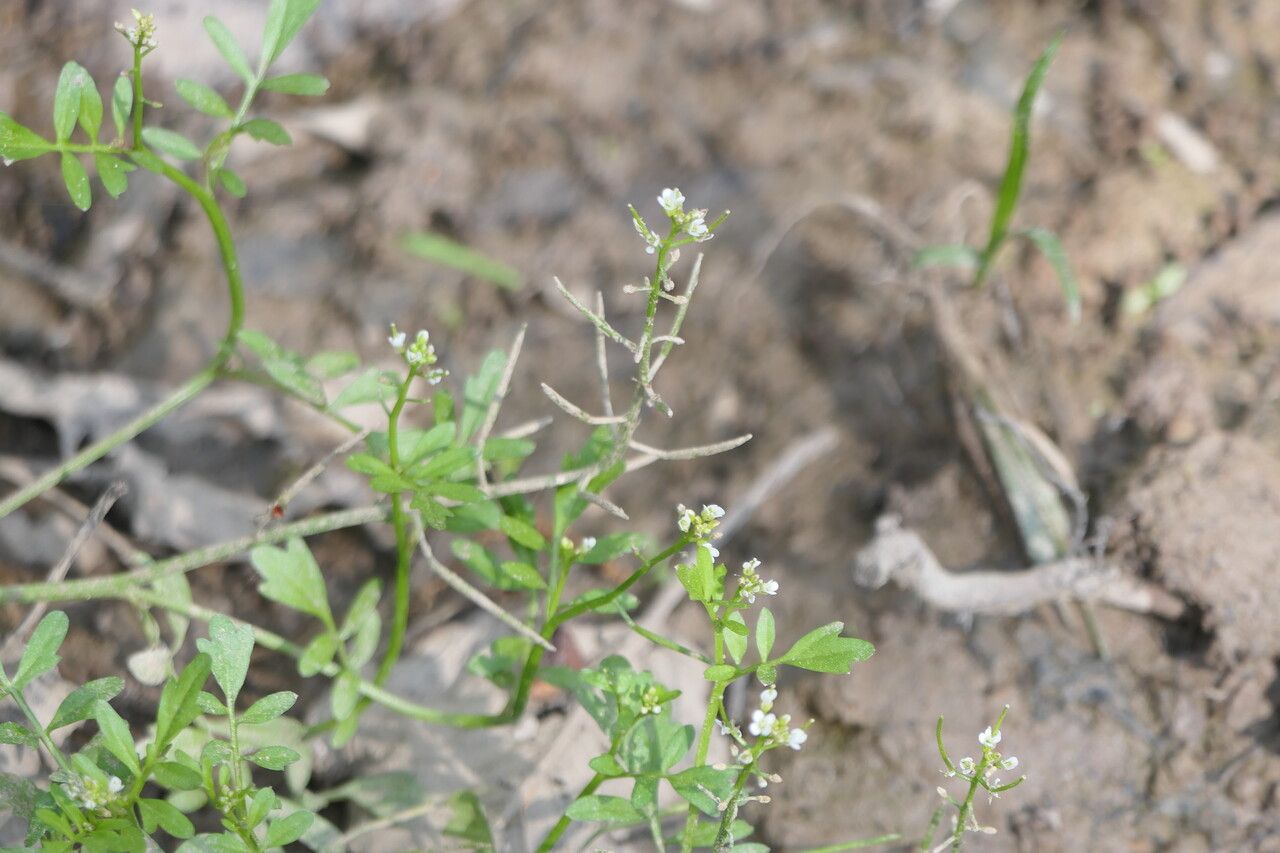
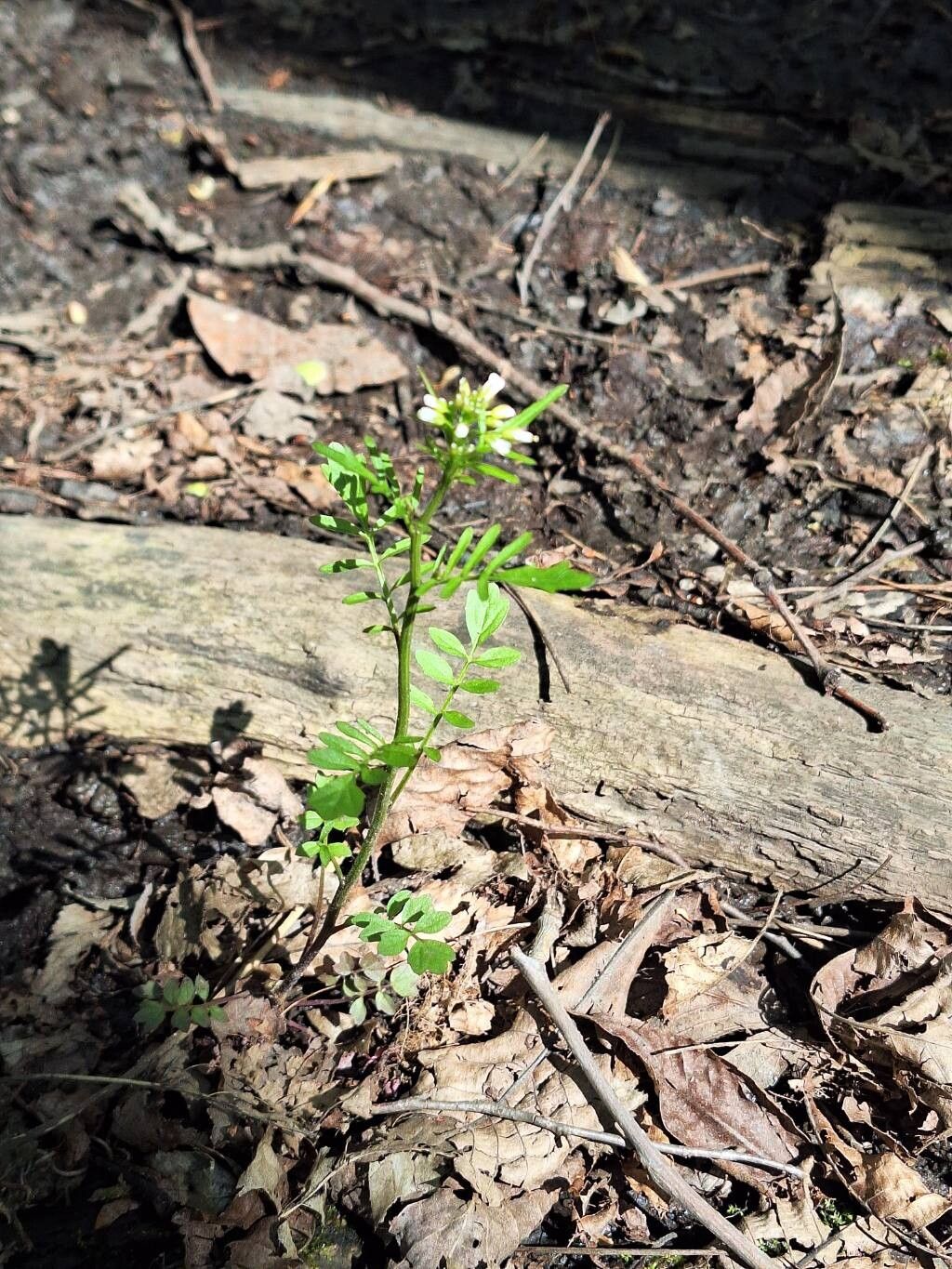
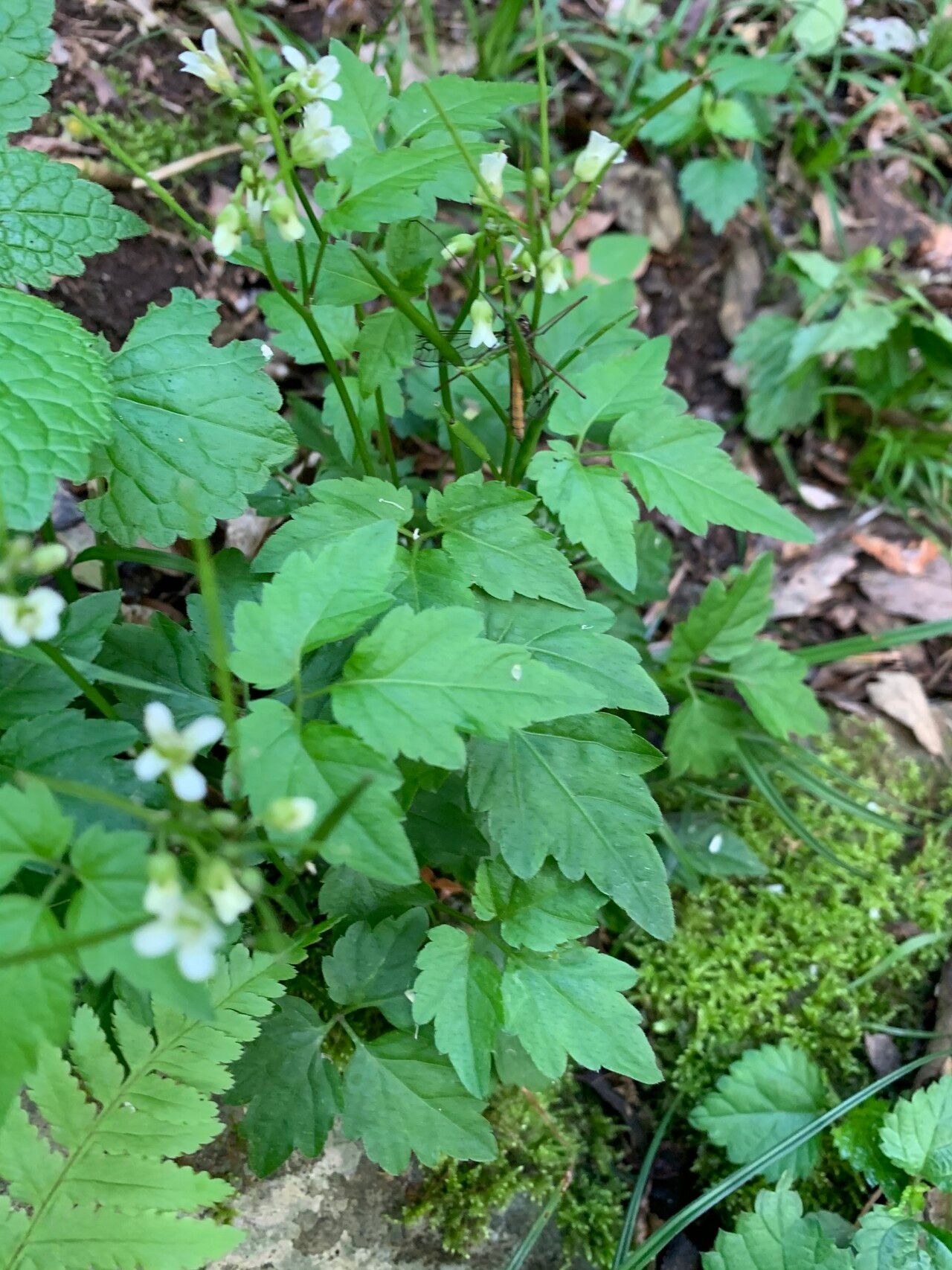
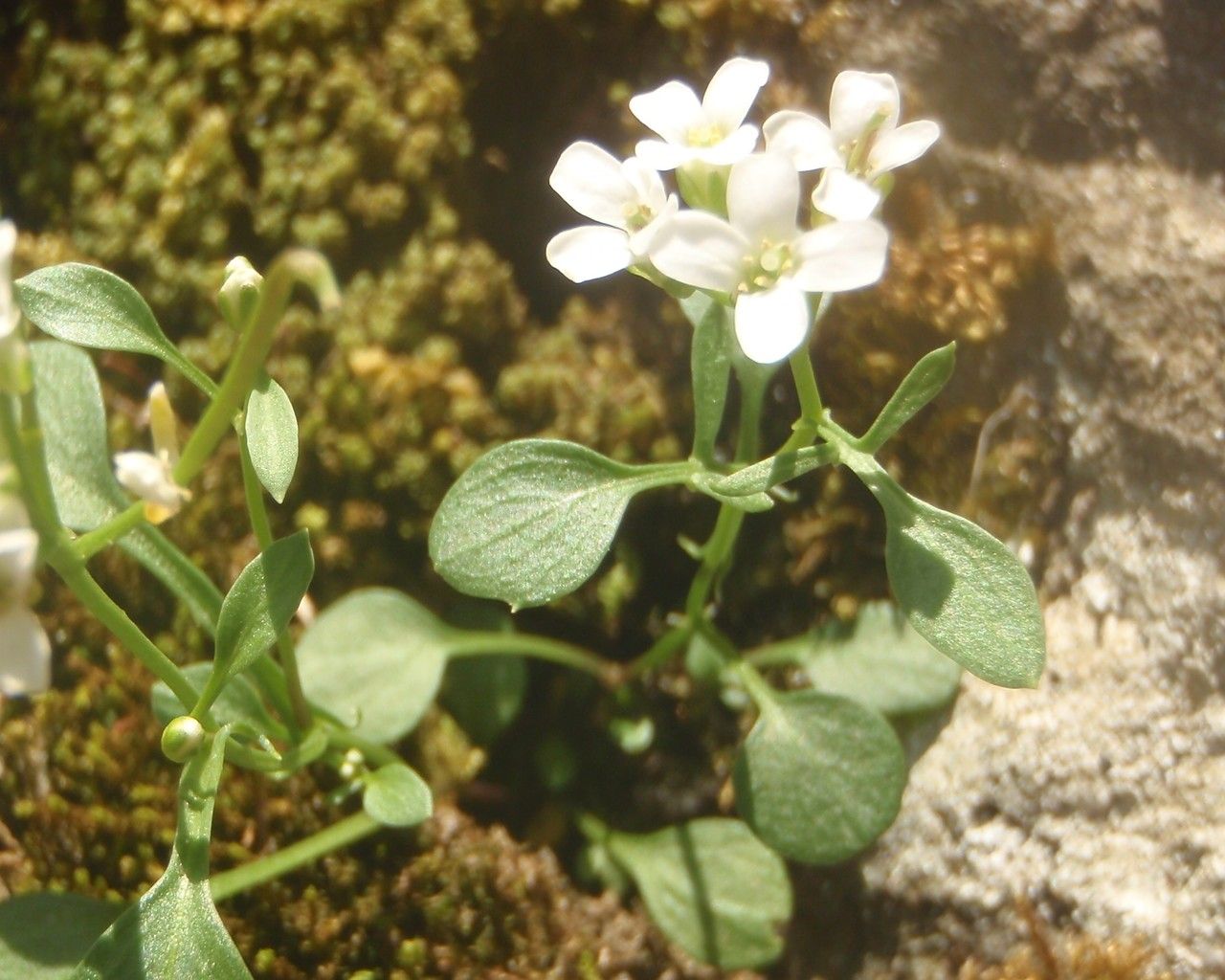
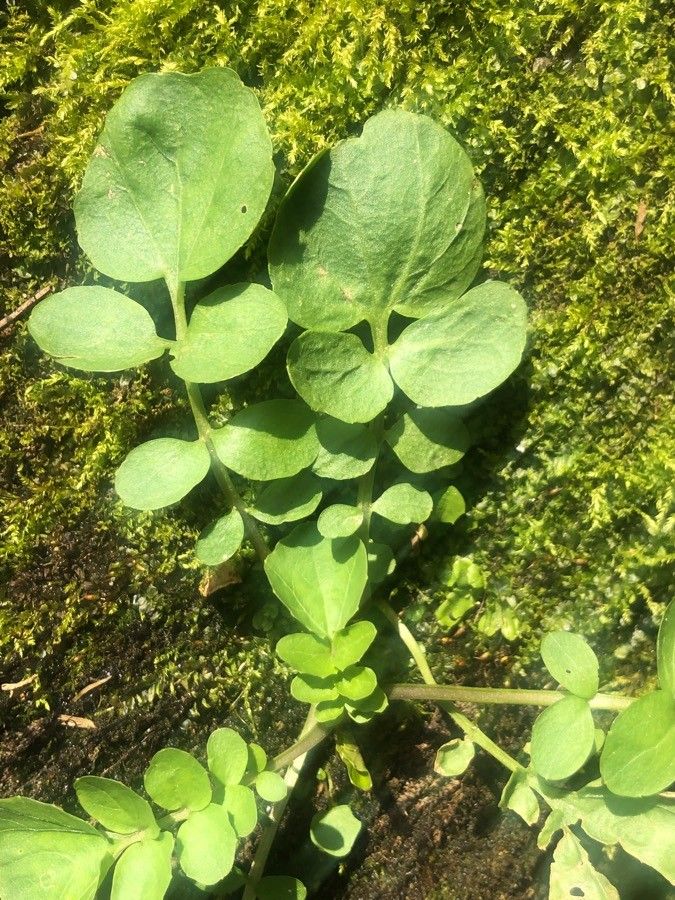
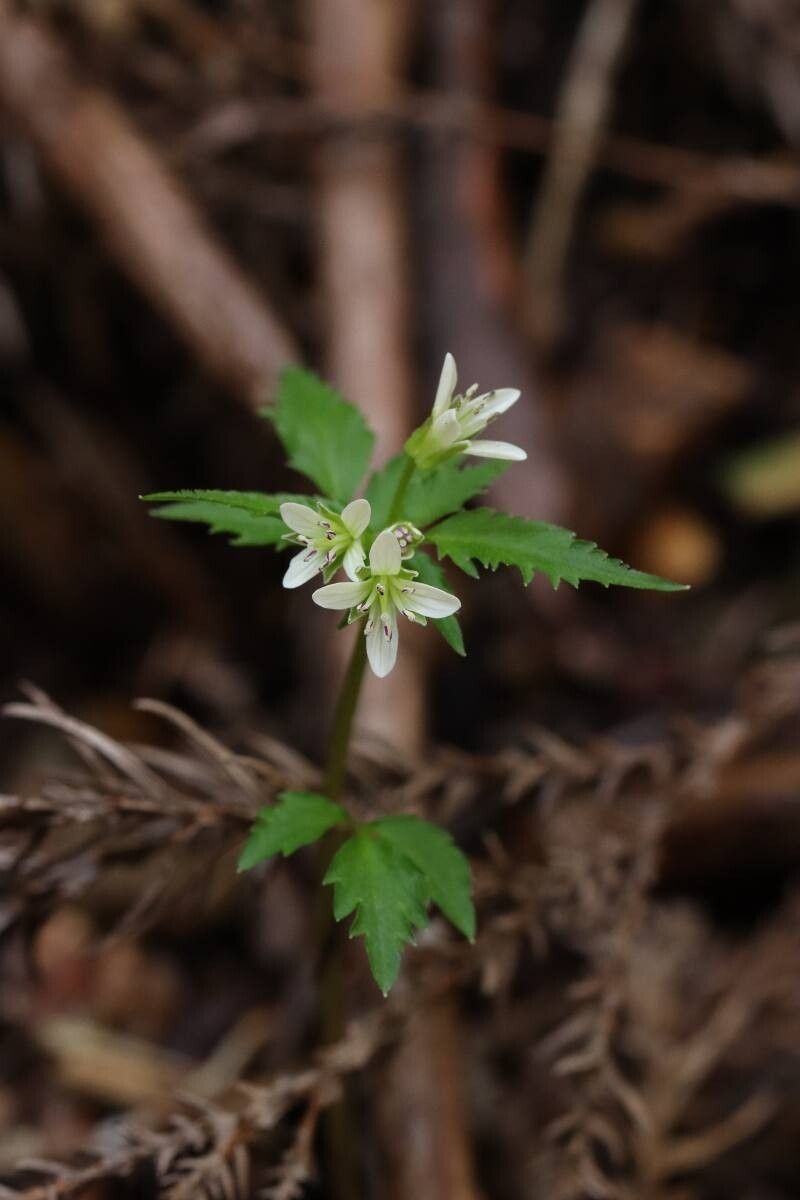
Cardamine pensylvanica is a species of Cardamine known by the common name Pennsylvania bittercress. It is native to most of Canada and the United States from coast to coast.
Pennsylvania bittercress is largely disease-resistant and typically not prone to illnesses. However, it can be affected by pests and diseases present in its environment. These outbreaks are normally not severe. In terms of care, the plant needs a moderate level of maintenance. Regular pruning is necessary to maintain a neat appearance and support healthy growth. Fertilizing can also help encourage flowering. Pennsylvania bittercress is well suited to people with outdoor spaces like a garden or patio and does not require extensive gardening experience. It may need greater attention when grown indoors.
How to keep Cardamine Pensylvanica.
Light
Pennsylvania bittercress grows best with moderate sunlight rather than full exposure. Coming from habitats with dappled light, it can tolerate the absence of direct sun, though its growth and vigor may decrease slightly. Excessive light can harm the plant, causing deterioration and reduced health.
Water
Pennsylvania bittercress thrives in moist environments and prefers consistent hydration, although it can tolerate moderate drought. To mimic its natural habitat, it is essential to water it weekly. As an herbaceous plant, Pennsylvania bittercress adapts well to container gardening, where maintaining soil moisture is crucial.
Temperature
Pennsylvania bittercress is a resilient plant that does best in temperatures between 68 and 95 °F (20 and 35 °C). It comes from temperate regions, but with appropriate care it can readily adjust to warmer or cooler conditions.
Fertilizer
Pennsylvania bittercress does well with regular, light applications of fertilizer to encourage healthy leaf growth. You should feed Pennsylvania bittercress roughly once a month during the summer. Nitrogen is essential for foliage, and providing nitrogen-rich sources helps Pennsylvania bittercress thrive.
Pruning
Prune Pennsylvania bittercress from early to late spring. Start by removing damaged leaves and thinning out crowded stems to improve air circulation and reduce the risk of mildew. Also, cut back any spent flowers to extend the blooming period. Regular pruning helps maintain the plant's health and beauty. For specific care tips related to your region, consider consulting horticultural guides.
Botanical profile.
- Plant Type
- Herb
- Life Cycle
- Annual, Biennial, Perennial
- Genus
- Cardamine
- Family
- Brassicaceae
- Hardiness Zone
- 4-8
- Mature Height
- 15 cm to 46 cm
- Mature Spread
- 91 cm
- Leaf Color
- Green, Dark Green
- Leaf Type
- Deciduous
- Flower Color
- White
- Flower Size
- 0.76 cm
- Bloom Time
- Spring
- Planting Time
- Spring
- Harvest Time
- Late spring, Early summer, Mid summer
- Native Area
- Bahamas
Other names.
Reader questions.
What are the sunlight requirements for Pennsylvania bittercress?
Pennsylvania bittercress needs partial sun, about 3-6 hours of sunlight daily. It's essential to observe how sunlight moves through your garden to find the perfect balance for your plants. Although the plant comes from environments that offer scattered light and can survive without direct sunlight, its growth and vitality might slightly decline without it. Excessive light could harm the plant, causing degradation and loss of health.
What is the optimal temperature range for Pennsylvania bittercress?
Pennsylvania bittercress thrives optimally in temperatures between 68 to 95 °F (20 to 35 ℃). It is a hardy plant that originates from temperate climates but can adapt to different temperatures with appropriate care. Despite its strong cold resistance, ensuring it is not exposed to temperatures below -30°C without protection is important. To safeguard against cold damage, you can cover the plant with soil or straw as winter approaches and water it abundantly before the first freeze, maintaining soil moisture into the cold months.
How important is artificial lighting for indoor Pennsylvania bittercress plants?
Artificial lighting is crucial for the optimal growth of indoor Pennsylvania bittercress plants, especially when natural sunlight is insufficient, such as in winter or less sunny spaces. Using the right type of artificial light, like LED lights, which can be customized to provide the specific wavelengths of light that your plants need, is important. The correct amount of light—30-50W/sq ft for full sun plants, 20-30W/sq ft for partial sun plants, and 10-20W/sq ft for full shade plants—is essential. The lights should be placed 12-36 inches above the plant and turned on for 8-12 hours per day to mimic natural daylight hours.
How does Pennsylvania bittercress react to low temperatures?
Pennsylvania bittercress is cold-tolerant, preferring temperatures to remain above 20°C. However, during winter, it can survive just fine above 0°C. If temperatures dip below -30°C, you might not notice immediate damage, but the plant could exhibit reduced or no sprouting by spring. To manage this, in spring, clear away any parts of the plant that haven't sprouted.
What are the symptoms of insufficient light for indoor Pennsylvania bittercress?
Symptoms of insufficient light in Pennsylvania bittercress include smaller new leaves, leggy or sparse growth, faster leaf drop, slower or no new growth, lighter-colored new leaves, and conditions such as chlorosis, sunscald, leaf curling, wilting, and leaf scorching. These signs indicate that the plant is struggling due to inadequate light exposure, leading to a decrease in vitality and health.
What should I do if Pennsylvania bittercress is exposed to high temperatures?
In the summer, it's crucial to keep Pennsylvania bittercress in temperatures below 35°C. Exposure to temperatures above 38°C can cause the leaves to lighten, curl, and become prone to sunburn, potentially leading to the plant wilting and drying out. To mitigate heat damage, remove any sunburned or dry parts of the plant. Relocate the plant to a shaded area or use a shade cloth to protect it from the harsh midday and afternoon sun. Additionally, ensure the soil remains moist by watering in the morning and evening.
How can I ensure my Pennsylvania bittercress receives adequate light?
To ensure your Pennsylvania bittercress receives adequate light, gradually move indoor plants to sunnier spots each week until they get 3-6 hours of direct sunlight daily. For large or immovable plants, consider using artificial lights for at least 8 hours daily, or invest in grow lights. Outdoors, gradually adapt your plants to sunlight by moving them to a sunnier location each week, avoiding sudden changes to prevent sunburn. Minimize obstructions like overhanging branches by pruning and consider transplanting smaller plants to sunnier locations during their dormant period for better growth and health.