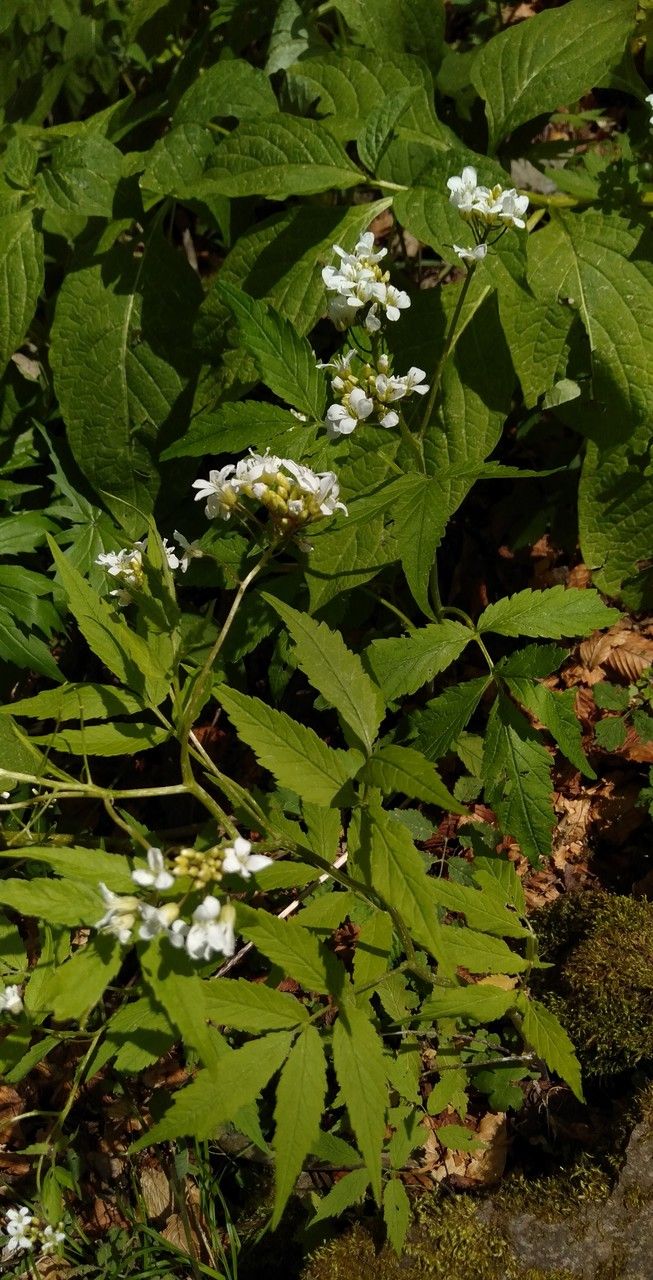
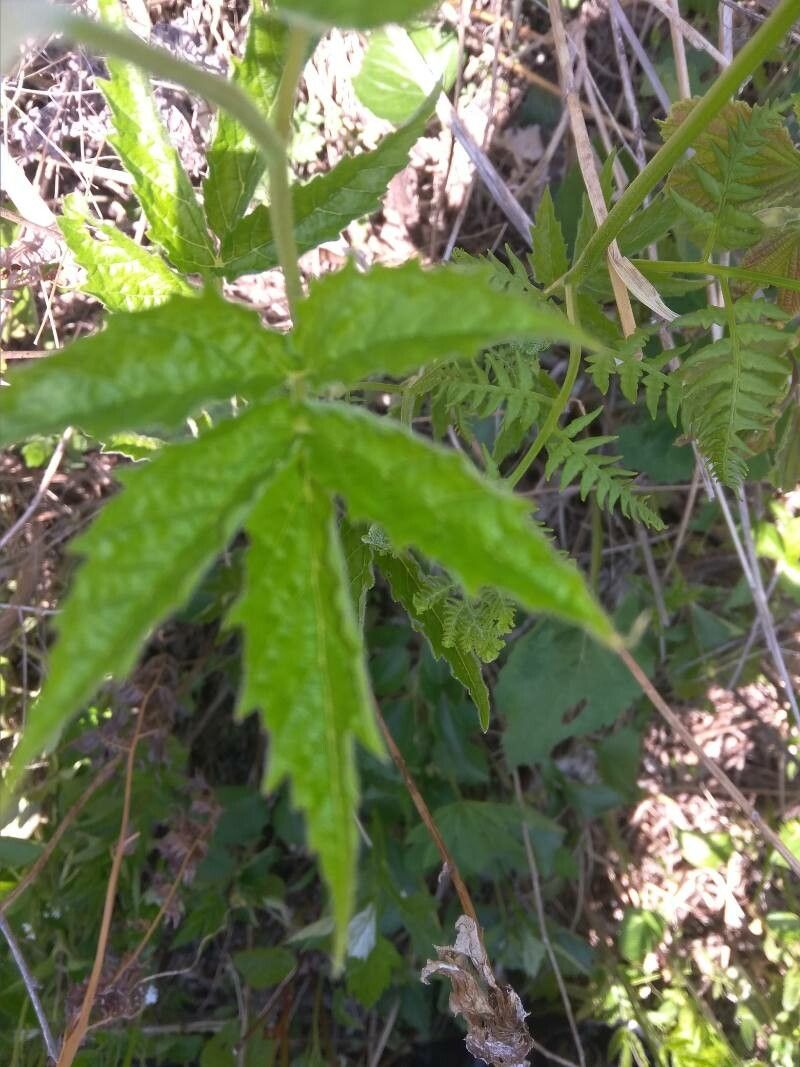
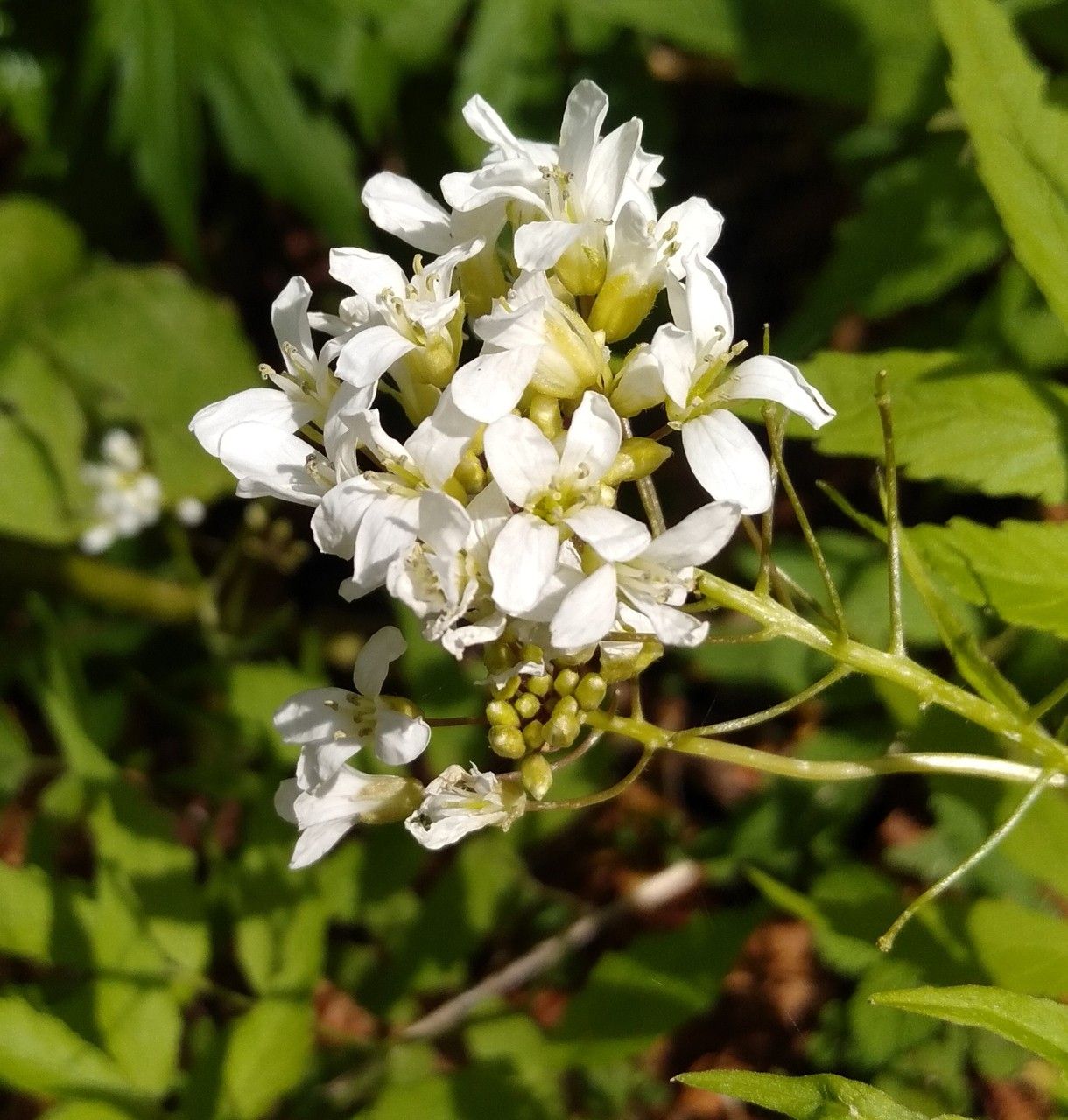
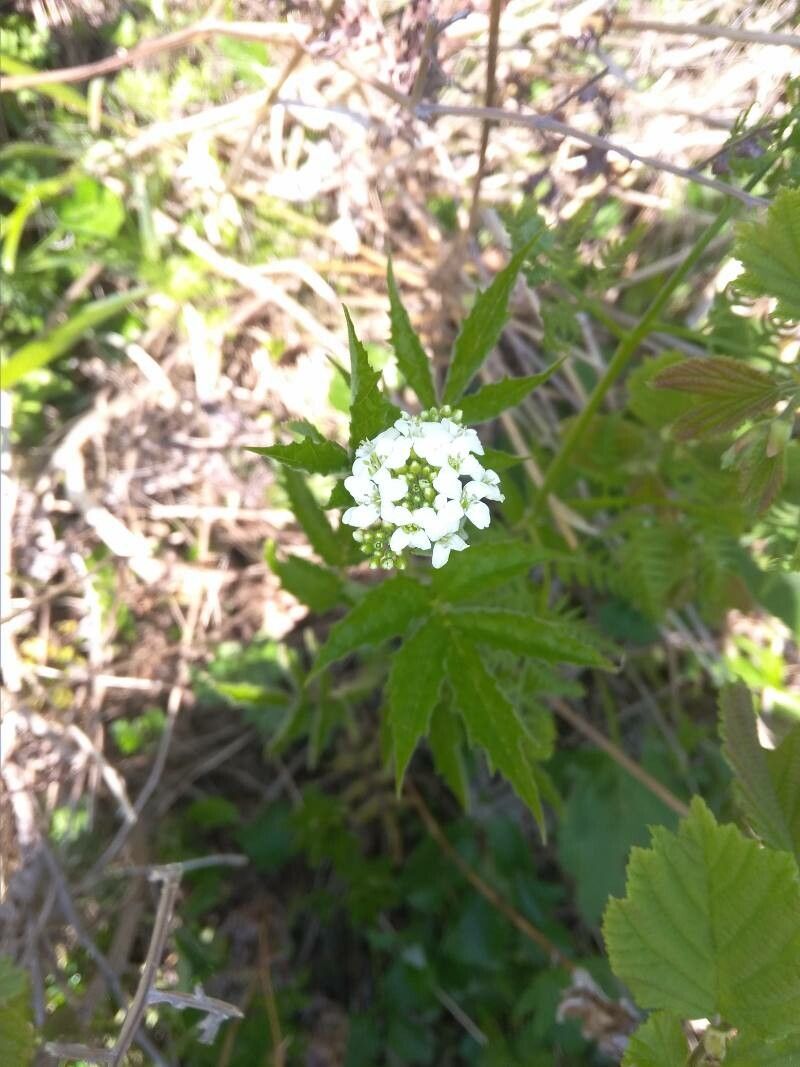
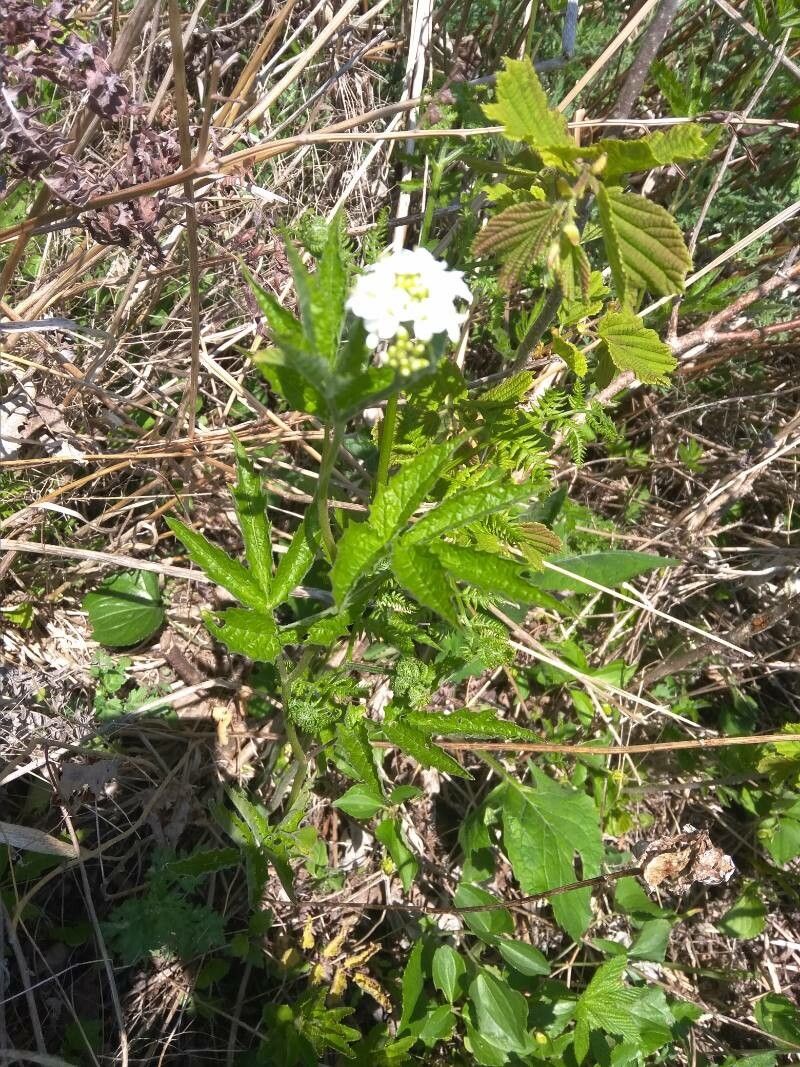
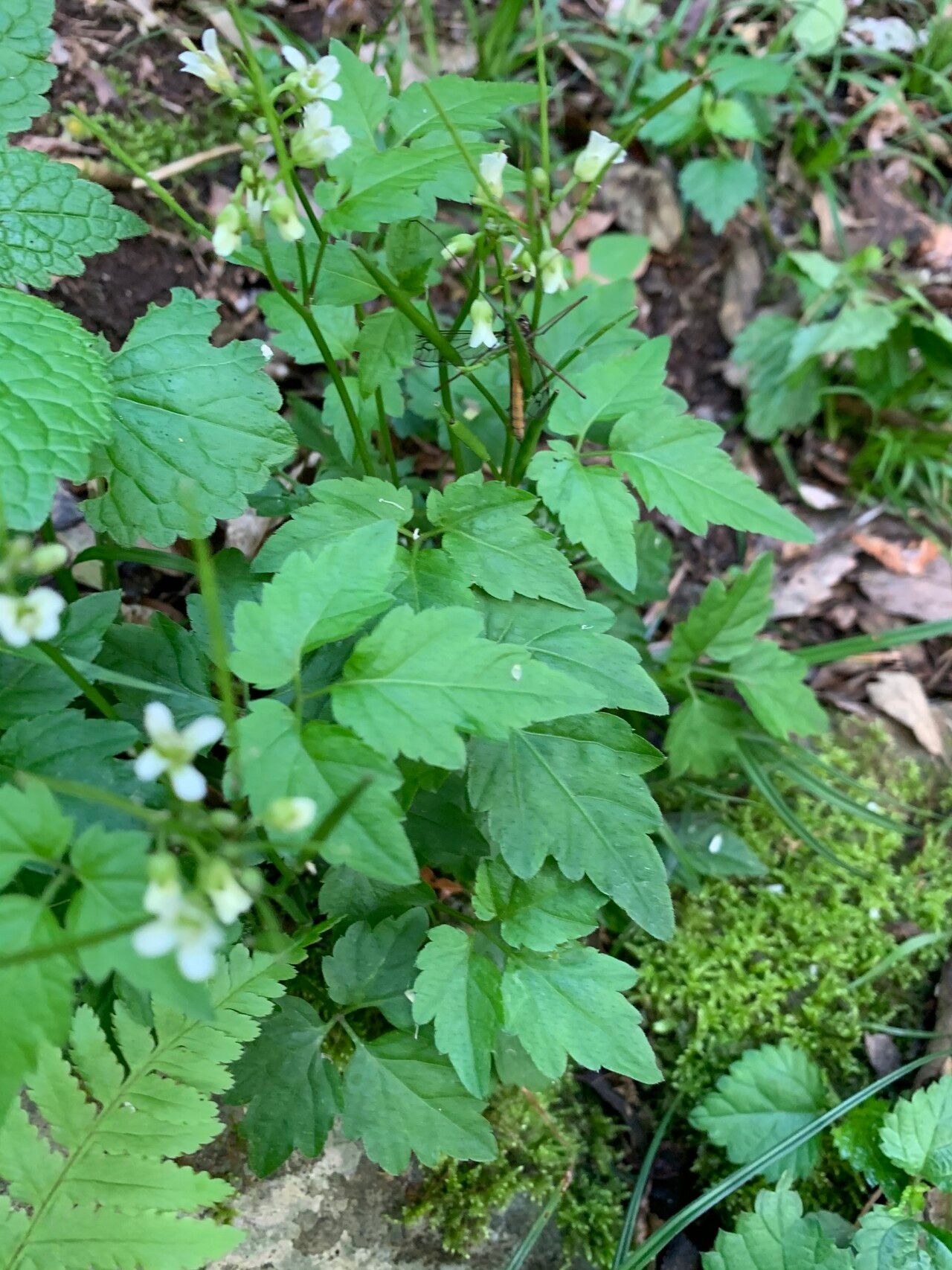
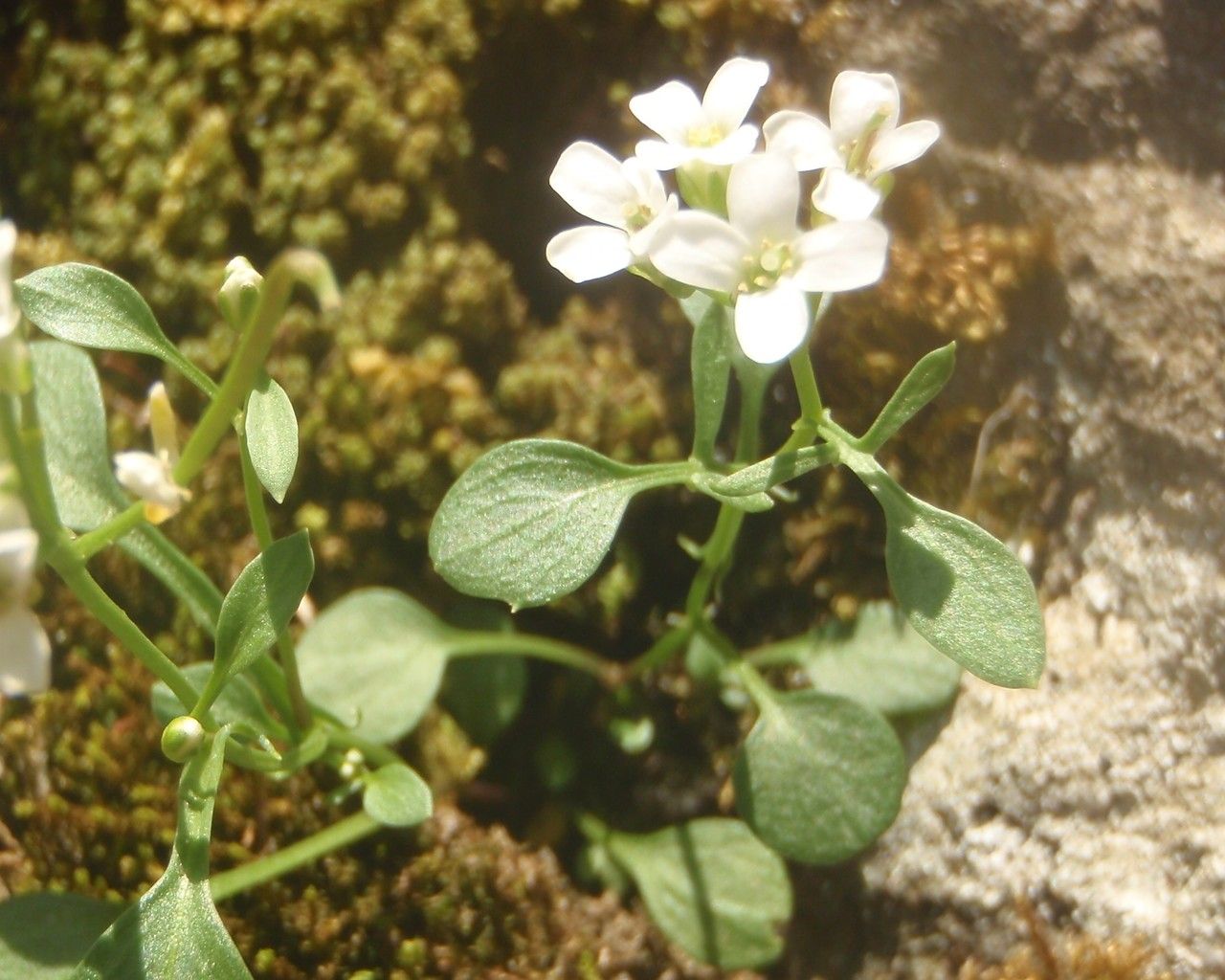
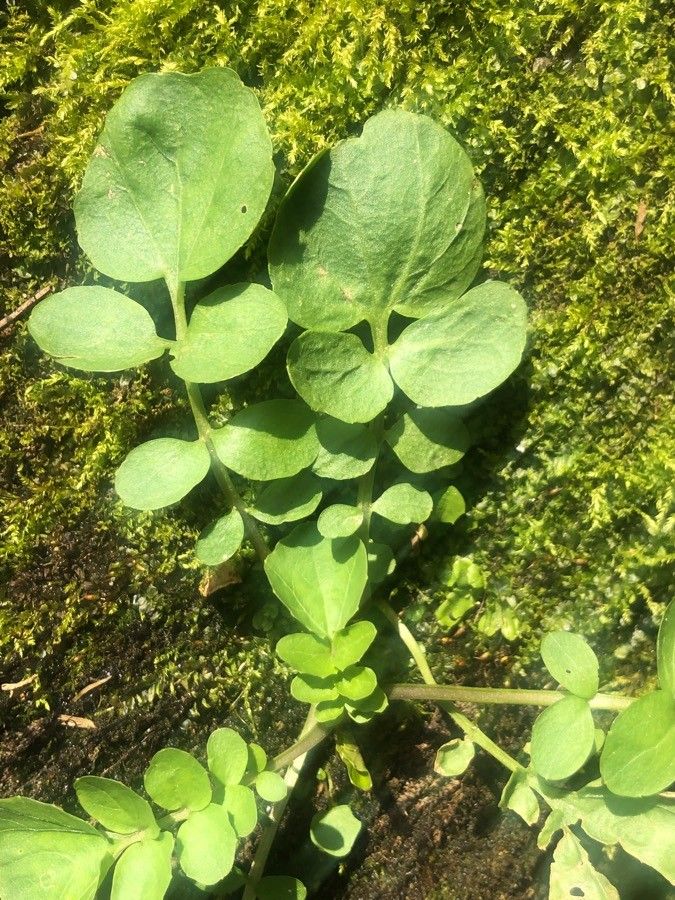
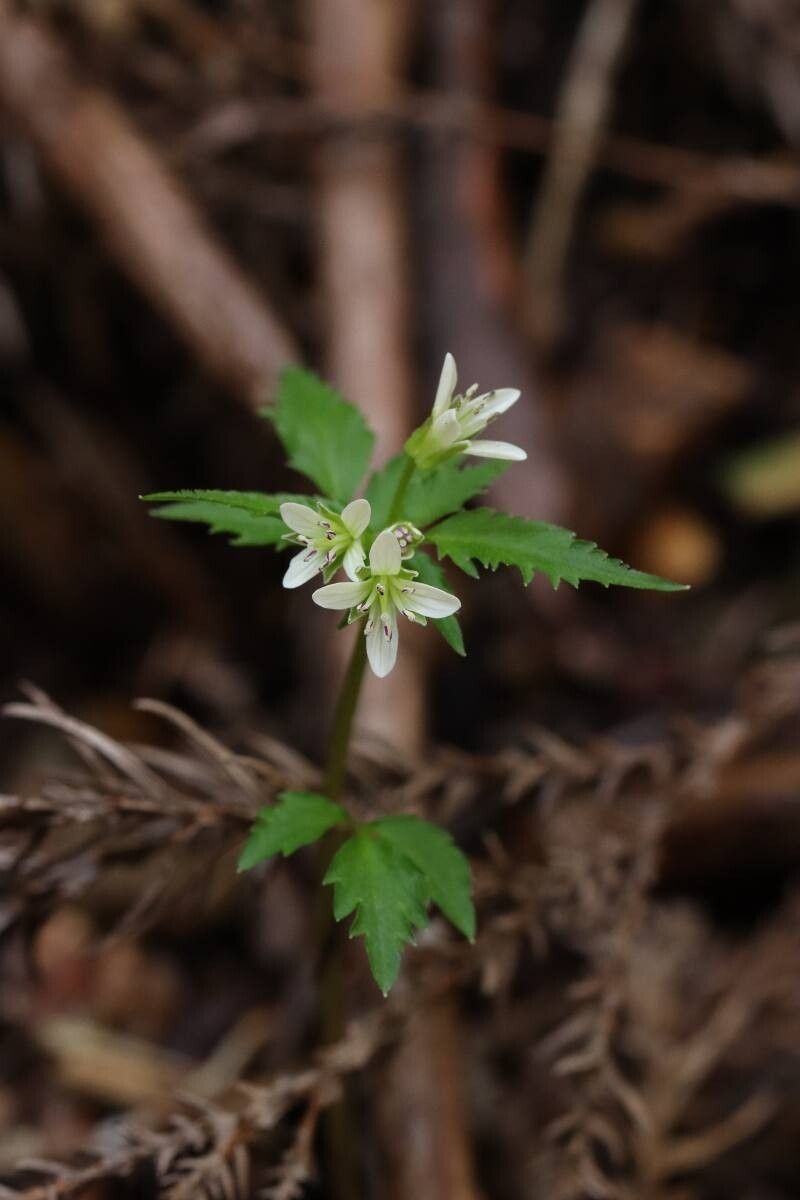
Korean bittercress is quite resistant to disease and is usually not prone to illnesses. However, it can be affected by pests and diseases present in its surroundings. These outbreaks are typically not severe. Regarding care, this plant needs moderate maintenance. It should be pruned regularly to maintain a neat appearance and healthy growth. Fertilizing can also help encourage flowering. Korean bittercress is suitable for anyone with outdoor space, such as a garden or patio, and does not demand extensive plant-care experience. It may need more attention when grown indoors.
How to keep Cardamine Leucantha.
Light
Korean bittercress does best when it receives the sun’s full spectrum, which is necessary for strong, healthy growth. Too little light inhibits development, while too much sunlight can lead to wilting. Originating from habitats with abundant sun, each stage of its growth benefits from ample solar exposure.
Water
Korean bittercress flourishes in moist environments and requires consistent watering without becoming waterlogged. Generally, watering once a week is sufficient. This plant can be grown outdoors or in containers, which allows for better control over its hydration. Such adaptability is essential during its active growing phases.
Temperature
Korean bittercress naturally does well in conditions between 41 and 89.6°F (5 to 32℃), which reflects its origins in temperate areas. During different seasons, the plant may need adjustments to handle temperature fluctuations and preserve healthy growth.
Fertilizer
Generally, one fertilizer application in spring is enough for Korean bittercress, though repeated feedings can maximize growth. Apply fertilizer every month to every month and a half. Fertilizing improves the appearance and function of the leaves, encouraging uniform color and a healthy texture. It also promotes root development and nutrient uptake, supporting the plant’s long-term health.
Pruning
To maintain the health and appearance of Korean bittercress, regular pruning from early to late spring is beneficial. Focus on removing any dead or damaged stems and shaping the plant as needed. Make cuts just above healthy buds to encourage new growth, improve air circulation, and reduce the risk of disease. Always use sharp, sterilized tools to promote optimal plant health.
Botanical profile.
- Plant Type
- Herb
- Life Cycle
- Perennial
- Genus
- Cardamine
- Family
- Brassicaceae
- Hardiness Zone
- 4-8
- Mature Height
- 30 cm to 76 cm
- Mature Spread
- 20 cm to 30 cm
- Leaf Color
- Green
- Leaf Type
- Deciduous
- Flower Color
- White
- Flower Size
- 0.76 cm to 1.27 cm
- Bloom Time
- Mid spring, Late spring
- Planting Time
- Spring
- Harvest Time
- Early summer, Mid summer
- Native Area
- Russia, Japan, Mongolia, Koppen, South Korea, China
Other names.
Reader questions.
What are the sunlight requirements for Korean bittercress?
Korean bittercress thrives in conditions where it can be exposed to full sunlight for more than six hours a day. Optimal growth and health depend on ample exposure to the sun's rays, as too little light can hinder growth and too much can cause damage. It's important to observe how sunlight moves through your garden to find spots that offer a balanced environment of light and shade, ensuring the plants' well-being. Originating from habitats with abundant sunlight, Korean bittercress requires full sun exposure at every growth stage for healthy development.
What temperatures are suitable for Korean bittercress?
Korean bittercress thrives in environments that have temperatures ranging from 41 to 89.6°F (5 to 32°C), which mirrors its temperate region origins. The plant has strong cold resistance, but still requires some care with temperature fluctuations across different seasons. When winter temperatures are expected to drop below -30°C, it's important to take measures to protect the plant from frost by covering it with soil or straw, and ensure the soil remains moist before the first freeze in autumn to prevent drought and water scarcity during the colder months.
What should I do if my indoor Korean bittercress isn't getting enough natural sunlight?
If your indoor Korean bittercress isn't receiving sufficient natural sunlight, especially during winter or in less sunny spaces, utilizing artificial lighting can be an effective solution. Artificial lights, particularly LED lights that can be adjusted to provide specific wavelengths, help promote faster and healthier plant growth. Full sun plants require 30-50W/sq ft of artificial light, partial sun plants need 20-30W/sq ft, and full shade plants need 10-20W/sq ft. Place the light source about 12-36 inches above the plant to mimic natural sunlight and adjust the duration to match the length of natural daylight hours, usually 8-12 hours per day.
How does Korean bittercress respond to low temperatures?
Korean bittercress is notably cold-tolerant, favoring temperatures above 5°C. In winter, it should ideally be kept above -25°C. Exposing the plant to temperatures below -30°C might not cause immediately noticeable changes during the winter; however, come spring, there could be a decrease in sprouting or a complete absence of new growth. To manage this, remove any parts of the plant that fail to sprout in spring.
What are the signs that my Korean bittercress is not getting enough light?
When Korean bittercress isn't getting enough light, several symptoms may appear: new leaves may grow smaller, growth can become leggy or sparse, and there might be faster leaf drop and slower or halted new growth. Insufficient sunlight also causes leaves to develop lighter colors or irregular patterns, indicating a lack of chlorophyll. If the plant receives too much light, symptoms like chlorosis (leaves turning yellow), sunscald, leaf curling, wilting, and leaf scorching can occur, damaging the plant’s health.
What should I do if Korean bittercress experiences high temperatures?
During the summer, it's crucial to ensure that Korean bittercress does not endure temperatures above 32°C. Exposure to temperatures beyond 35°C may lead to the leaves becoming lighter, curling, getting sunburned, and, in severe cases, the entire plant could wilt and dry out. To address this, trim away sunburned or dried-up parts of the plant. Relocating the plant to a shaded area during the midday and afternoon sun, or utilizing shade cloth for protection is beneficial. Additionally, watering the plant in the morning and evening will help keep the soil sufficiently moist.
How can I address insufficient sunlight exposure for my Korean bittercress?
To address insufficient sunlight for Korean bittercress, gradually move your plants to sunnier locations, ensuring at least 6 hours of direct sunlight daily. For indoor plants, consider using artificial light if moving them is not feasible, keeping a lamp on for at least 8 hours a day or investing in professional grow lights. Outdoors, avoid sudden changes in light intensity to prevent sunburn; gradually acclimate plants to brighter spots. Removing obstructions and, for small plants, considering transplanting during the dormant period are also effective strategies. Remember, affected parts may not recover, but new growth will be healthy after light exposure is increased.