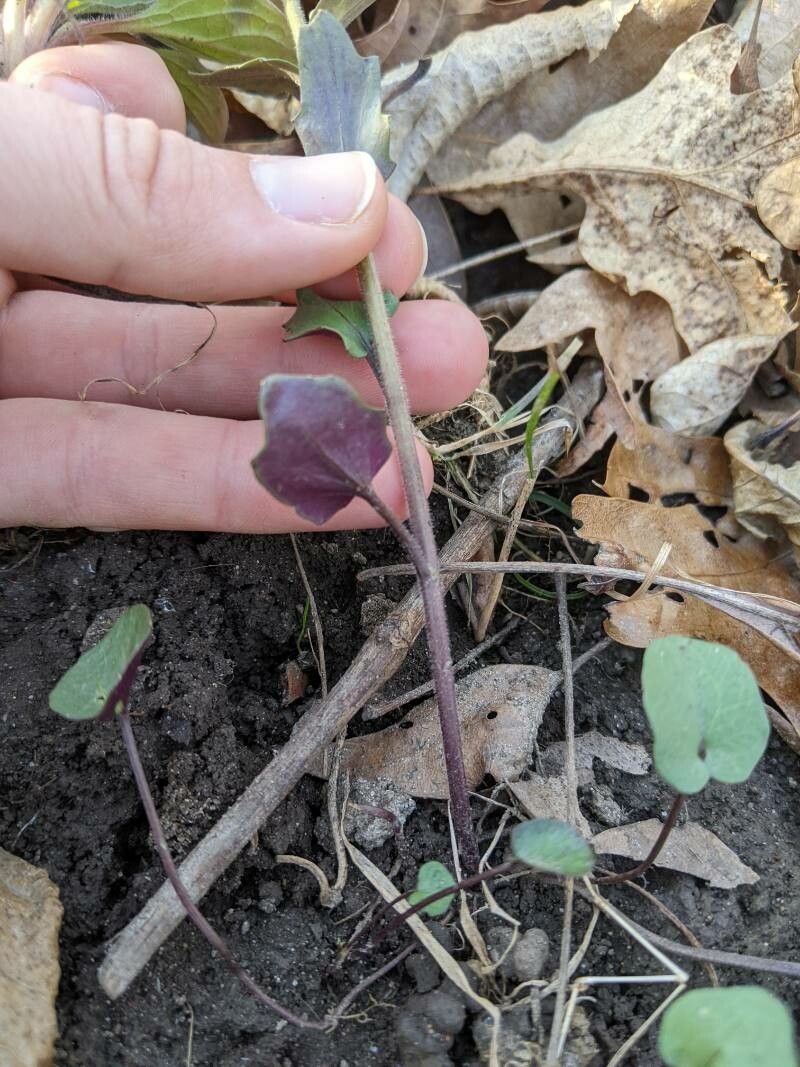
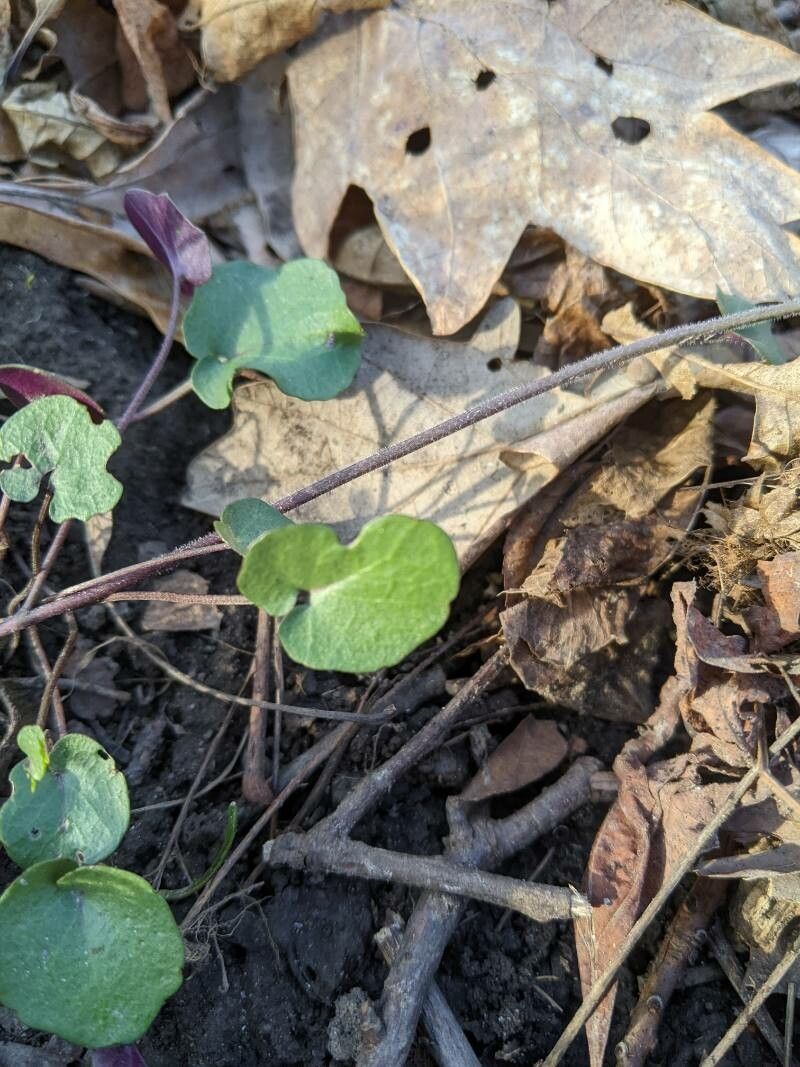
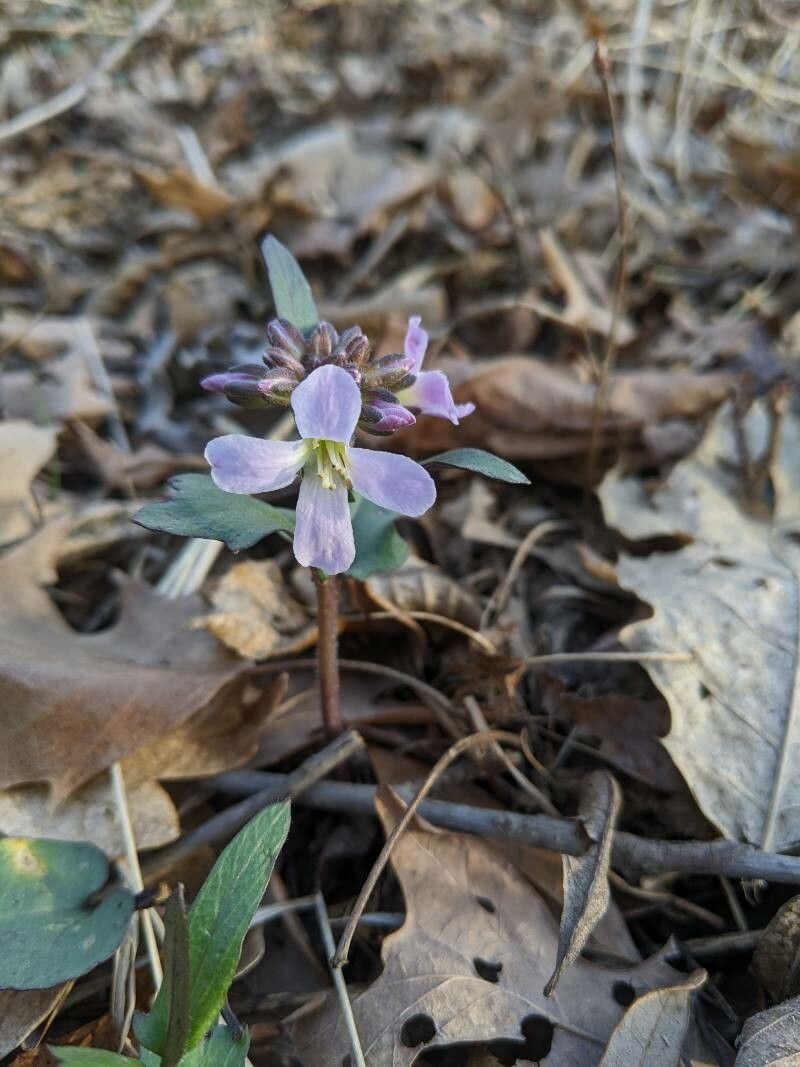
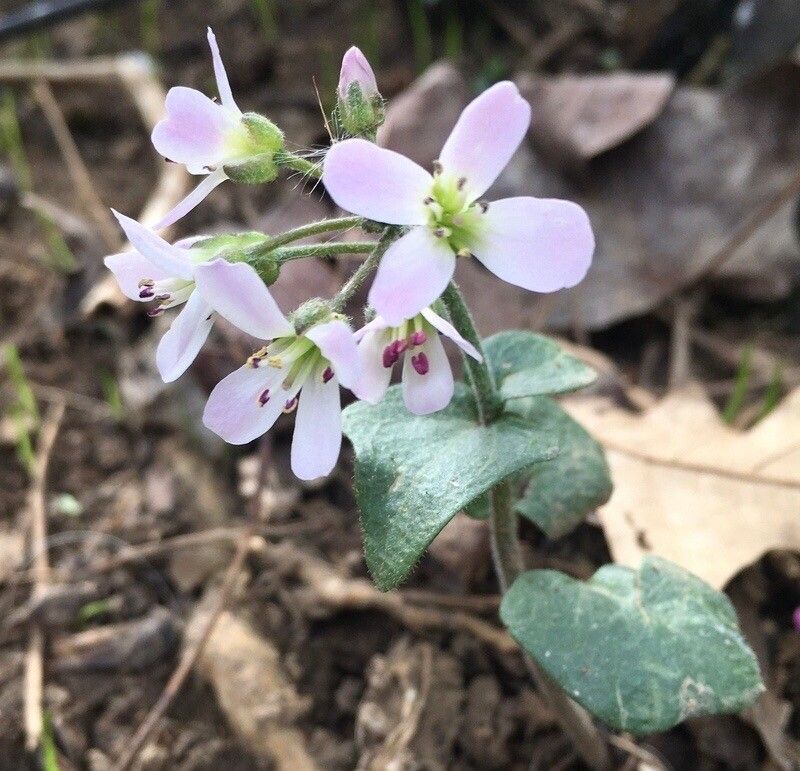
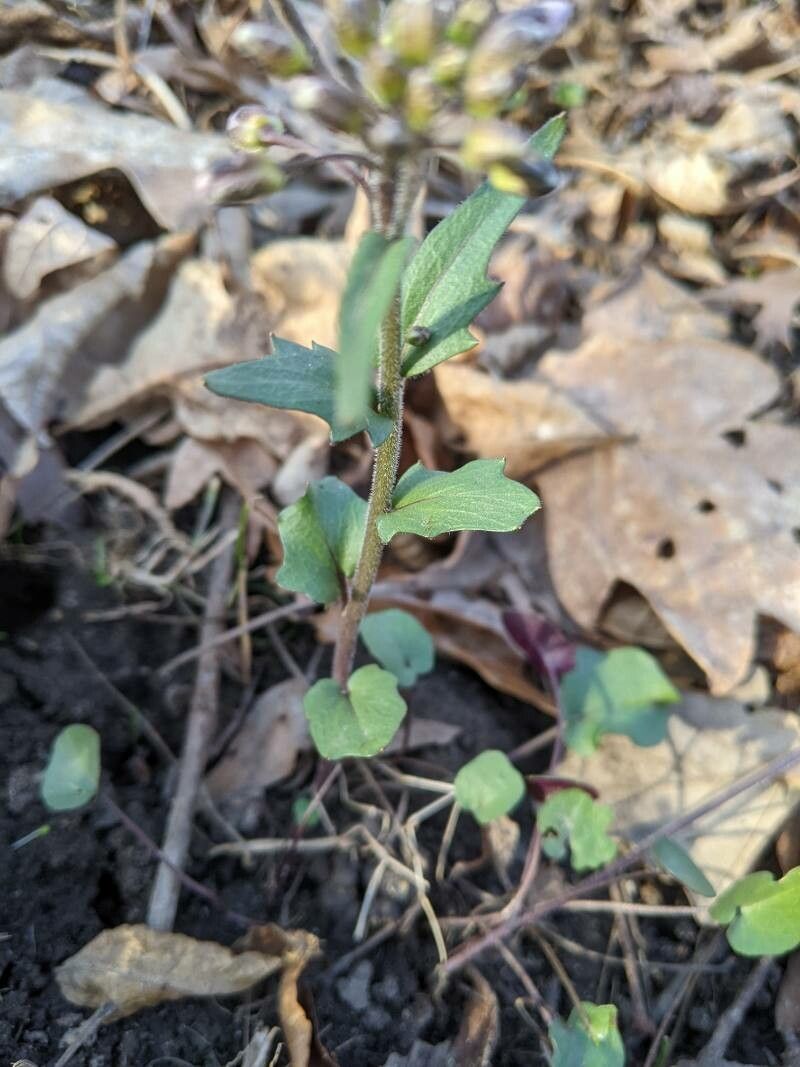
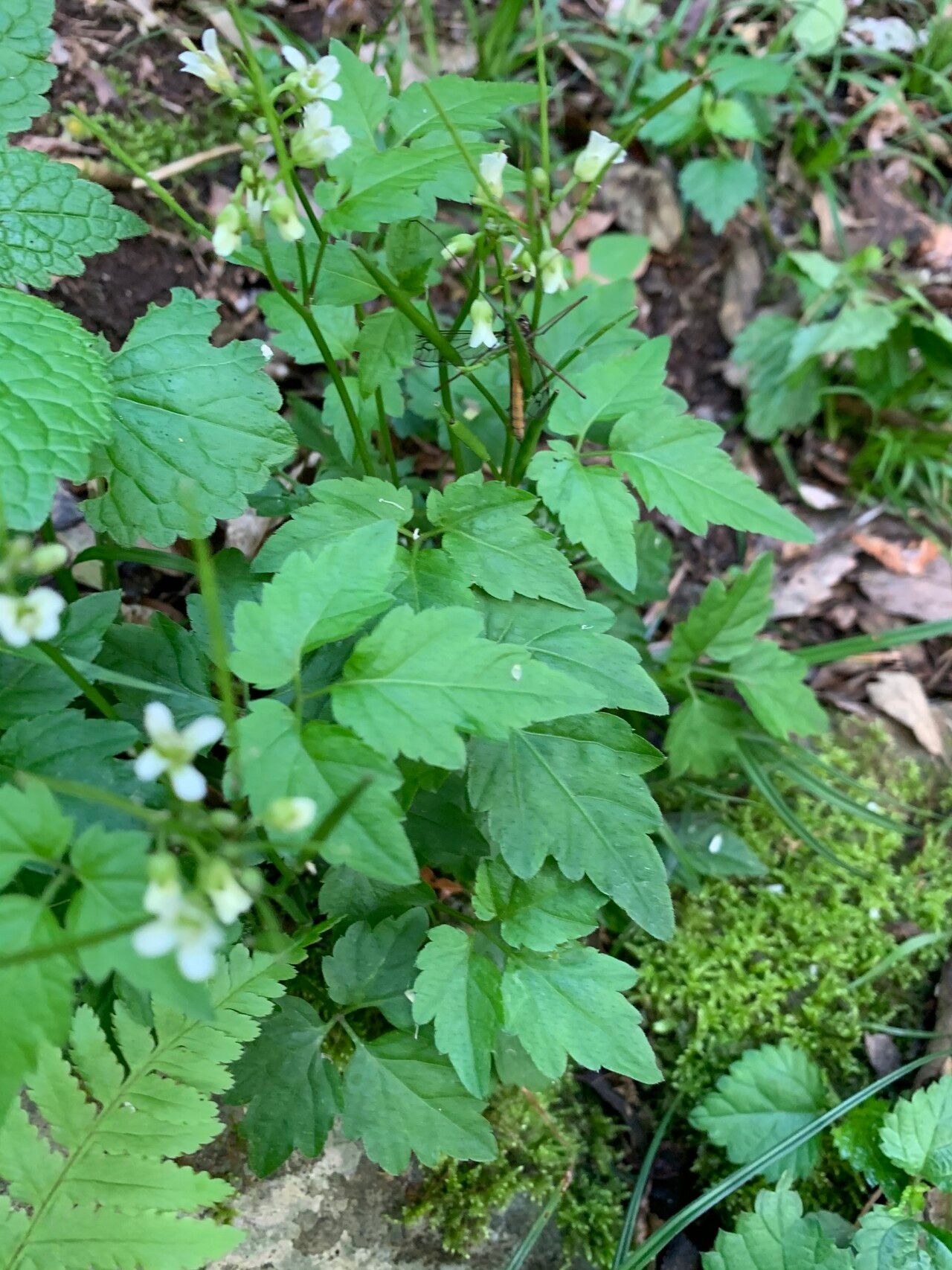
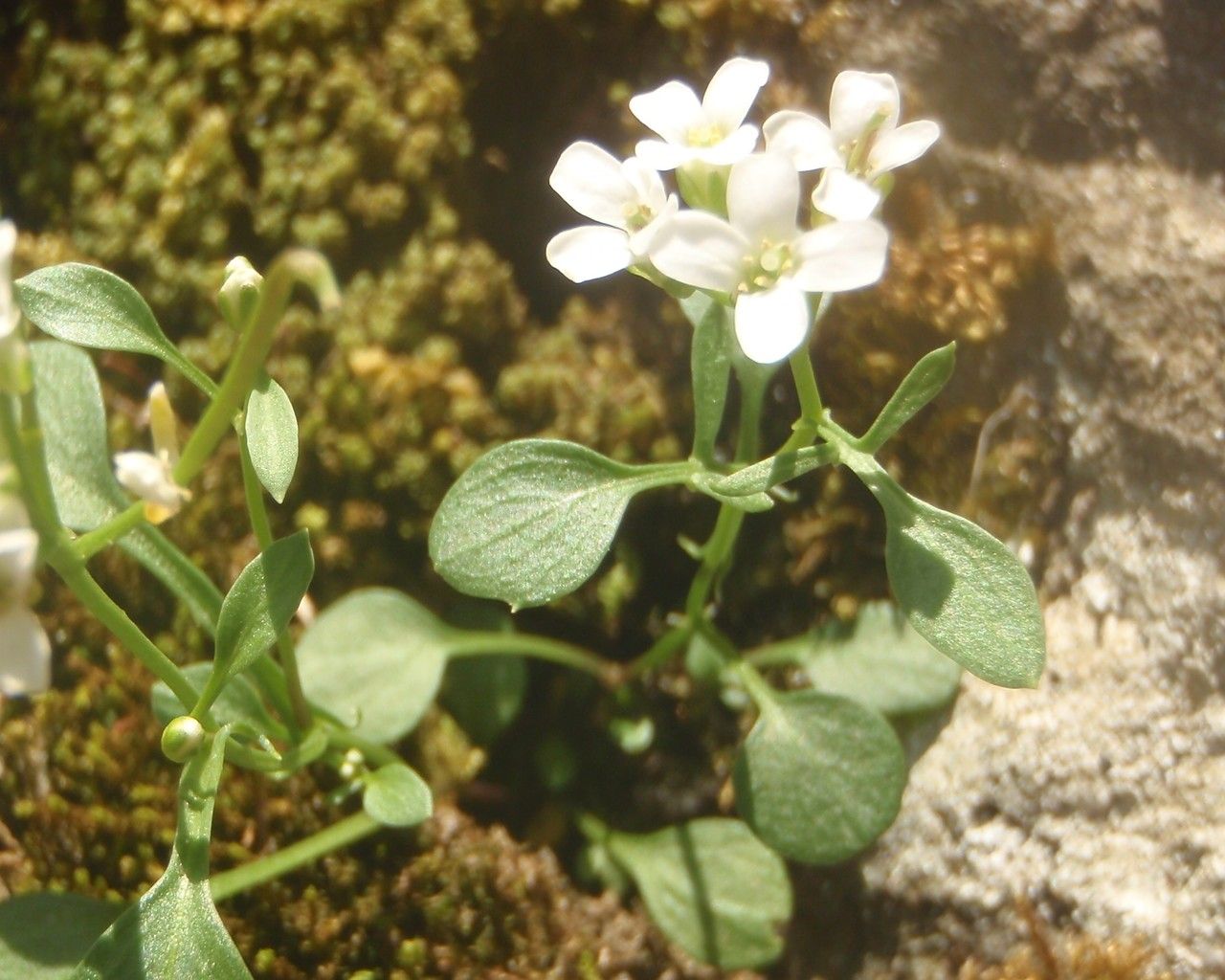
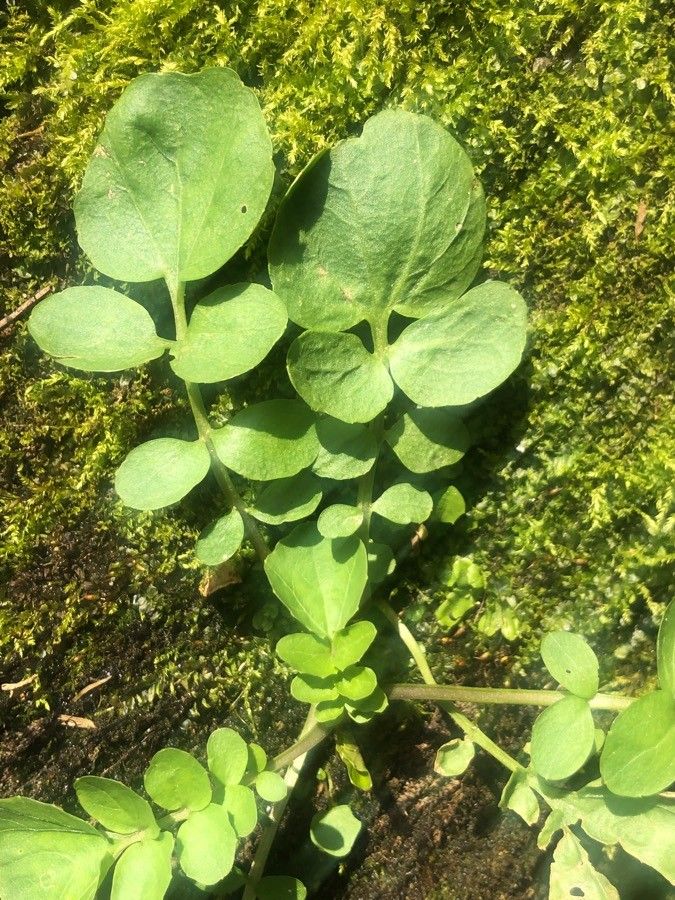
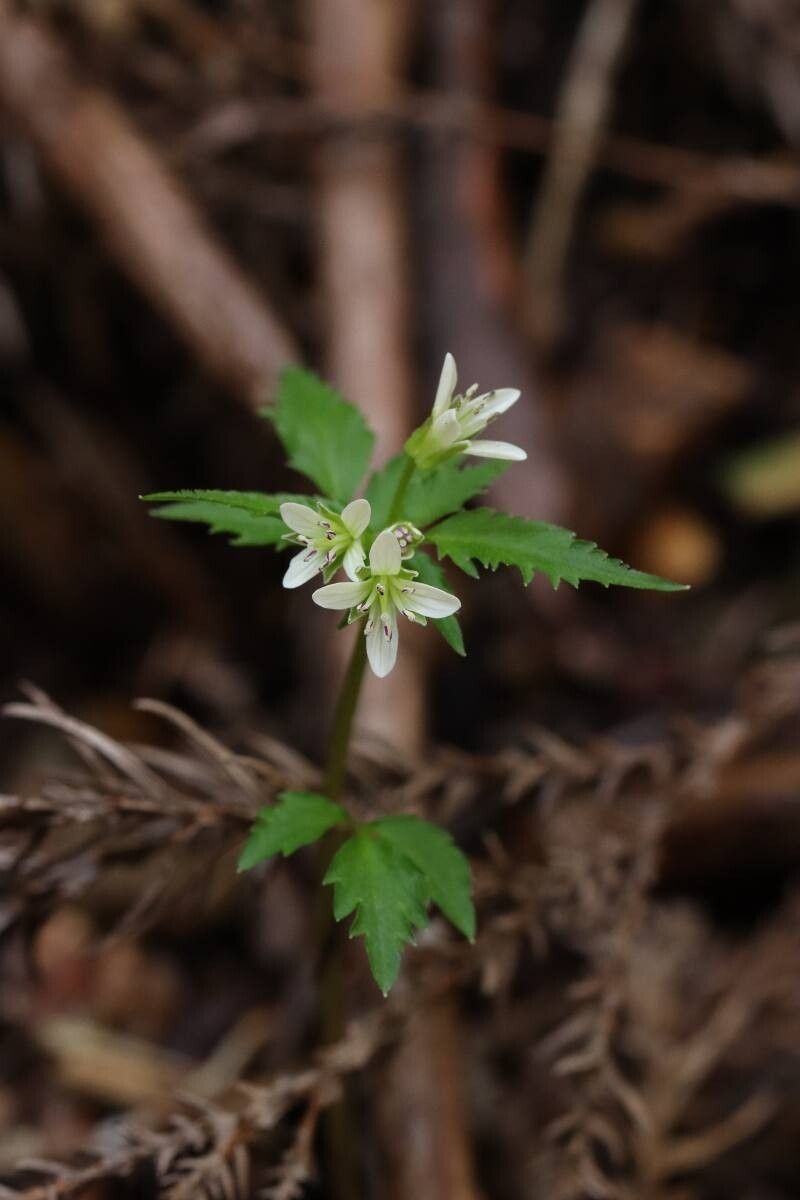
Cardamine douglassii, the limestone bittercress or purple cress, is a perennial forb that produces white to pink or purple flowers in early spring. It is native to Ontario, Canada, as well as the eastern and central United States.
Limestone bittercress is fairly disease-resistant and typically not prone to disease. However, it can be vulnerable to pests and diseases present in its environment; such infections are generally mild. In terms of care, this plant requires moderate maintenance. It should be pruned regularly to maintain a neat appearance and healthy growth. Fertilizing can also help encourage flowering. Limestone bittercress is appropriate for anyone with outdoor space, such as a garden or patio, and does not demand extensive gardening experience. It may require more care if grown indoors.
How to keep Cardamine Douglassii.
Water
Limestone bittercress thrives in moist woodlands and prefers consistent hydration, though it can tolerate short periods of dryness. To maintain optimal moisture levels, water it weekly, ensuring the soil remains damp but not waterlogged. As an herbaceous perennial, this plant needs careful moisture management during the growing season to support its lush foliage and vibrant flowers.
Temperature
Limestone bittercress naturally occurs in environments with temperatures from 50 to 89.6 °F (10 to 32 ℃). It flourishes in moderate climates, and adjustments should be made accordingly, especially during extreme seasons.
Fertilizer
One fertilizer application in spring is generally sufficient for Limestone bittercress, although repeated feedings can maximize growth. Apply fertilizer once every month to a month and a half. Fertilization improves the leaves' appearance and function, encouraging even color and a healthy texture. It also promotes root development and nutrient uptake for the plant's long-term health.
Pruning
Limestone bittercress, with its delicate white to pink flowers, thrives in moist, shady areas. To prevent legginess and promote compact growth, prune it from early to late spring after it has flowered. Regular pruning also improves air circulation and encourages vigorous blooming in future seasons. For more detailed care instructions, consult reliable horticultural resources.
Botanical profile.
- Plant Type
- Herb
- Life Cycle
- Perennial
- Genus
- Cardamine
- Family
- Brassicaceae
- Hardiness Zone
- 6-8
- Mature Height
- 30 cm
- Mature Spread
- 10 cm to 20 cm
- Leaf Color
- Green, Blue
- Leaf Type
- Deciduous
- Flower Color
- Pink, Lavender
- Flower Size
- 2.54 cm
- Bloom Time
- Late winter, Early spring, Mid spring
- Planting Time
- Spring, Summer
- Harvest Time
- Late spring, Early summer, Mid summer
Other names.
Reader questions.
What are the sunlight requirements for Limestone bittercress?
Limestone bittercress needs about 3-6 hours of sunlight daily. It's crucial to observe the movement of sunlight through your garden to find the ideal balance of light and shade for these plants. They favor semi-exposed conditions, avoiding full exposure to sunrays, and can survive without sunlight, though not optimally. Even variations in light exposure during different growth stages don't significantly impact this species.
What is the ideal temperature range for growing Limestone bittercress?
Limestone bittercress, or Cardamine douglassii, thrives best in a temperature range of 50 to 89.6 °F (10 to 32 °C). It is well-suited to moderate climates and can usually withstand cold without special frost protection. However, care should be taken to adjust its environment during extreme seasons to maintain optimal growth conditions.
How can artificial lighting benefit Limestone bittercress indoors?
Artificial lighting is essential for Limestone bittercress when it grows indoors, especially in conditions of insufficient natural sunlight, like during winter or in less sunny spaces. Artificial lights, especially LED lights, can be customized to provide specific wavelengths needed for optimal growth. The general guidance is to provide 30-50W/sq ft for full sun plants, 20-30W/sq ft for partial sun plants, and 10-20W/sq ft for full shade plants. Place the light source 12-36 inches above the plant and ensure it receives 8-12 hours of light per day to mimic natural sunlight conditions.
How should Limestone bittercress be protected during extreme cold conditions?
While Limestone bittercress possesses strong cold resistance, it is still important to protect it when winter temperatures drop below -25°C (-13°F). Protection can be provided by covering the plant with insulating materials such as soil or straw. Additionally, watering the plant abundantly before the first freeze of autumn is recommended to ensure the soil remains moist and enters a frozen state. This care helps prevent the plant from experiencing drought and water scarcity during winter and early spring.
What are the symptoms of inadequate light exposure in Limestone bittercress?
When Limestone bittercress is grown indoors under insufficient light, it may exhibit symptoms such as smaller new leaves, leggy or sparse growth, early leaf drop to conserve resources, slower or halted growth, lighter-colored or irregularly patterned new leaves indicating a lack of chlorophyll, chlorosis or yellowing of leaves due to chlorophyll breakdown, sunscald from intense light exposure damaging plant tissues, leaf curling as a defense mechanism against excessive sunlight, wilting from increased water loss, and leaf scorching characterized by brown, dry edges on leaves.
What should be done if Limestone bittercress experiences low temperatures during winter?
Limestone bittercress is cold-tolerant and prefers temperatures above 10°C (50°F). If winter temperatures fall below -15°C (5°F), special attention should be paid. In cases where the temperature plunges below -25°C (-13°F), the plant might not show immediate damage but can experience decreased or even failed sprouting in spring. In spring, it's advisable to remove any parts of the plant that have failed to sprout to encourage new growth.
How can I address the symptoms of inadequate light for my Limestone bittercress?
To optimize growth for Limestone bittercress facing inadequate light, gradually shift them to sunnier spots each week until they receive the required 3-6 hours of sunlight daily. For indoor plants that are large or not easily movable, consider using artificial light, keeping a lamp on for at least 8 hours daily or investing in plant grow lights. For outdoor plants, it's crucial to avoid sudden changes in light intensity to prevent sunburn. Minimize obstructions by pruning or transplanting smaller plants to sunnier locations. Note that parts of the plant affected by insufficient sunlight may not recover, but new growth should be healthy after increasing light exposure.
How to care for Limestone bittercress in high temperature conditions?
During the summer, it's important to ensure Limestone bittercress does not remain in temperatures exceeding 32°C (89.6°F). Exposure to temperatures above 35°C (95°F) can result in the leaves becoming lighter in color, prone to curling, and susceptible to sunburn. In severe cases, the entire plant may wilt and dry out. To mitigate these issues, trim away any sunburned and dried parts of the plant, move it to a shaded location or use a shade cloth to protect it from midday and afternoon sun. Watering the plant in the morning and evening to keep the soil moist is also beneficial.