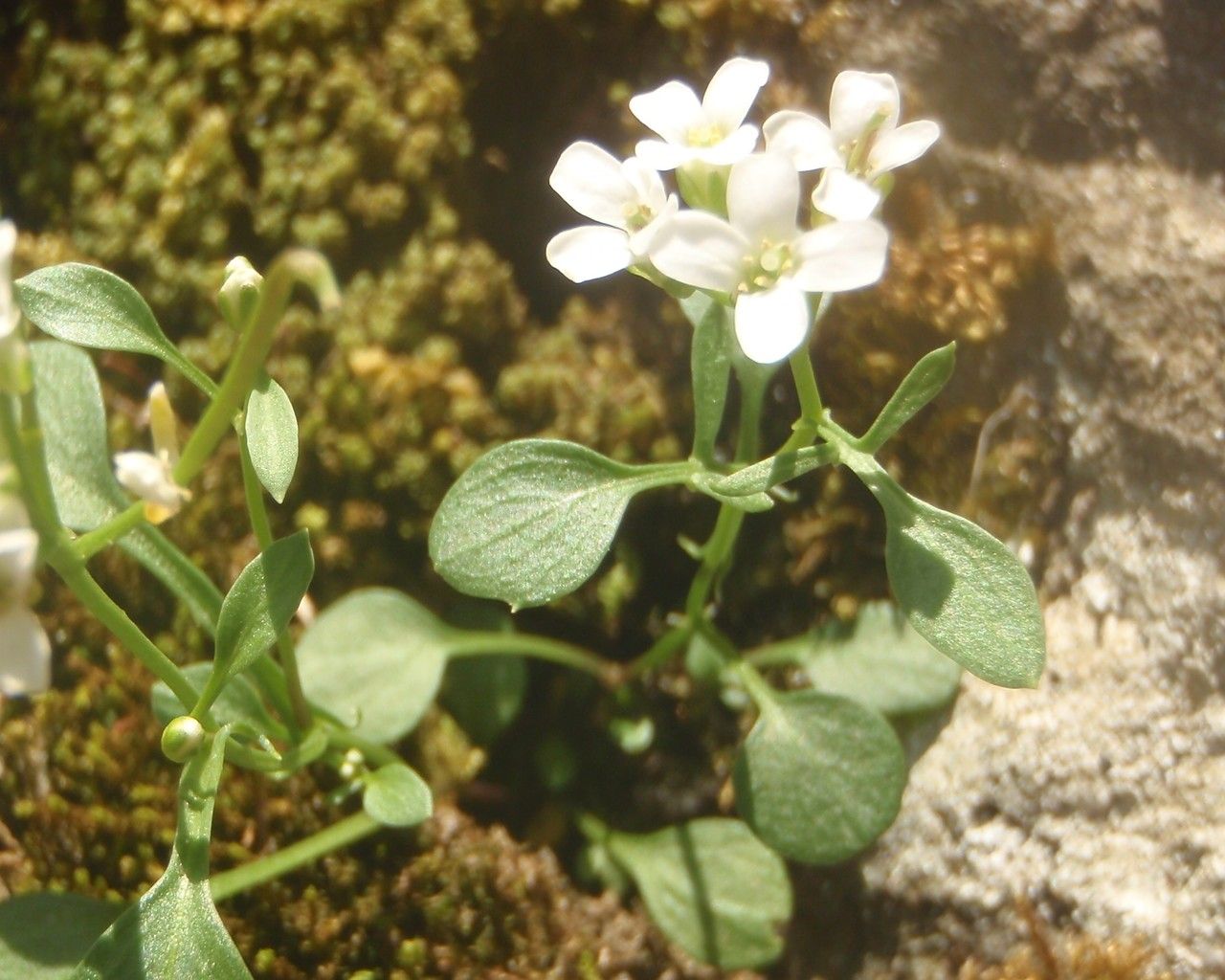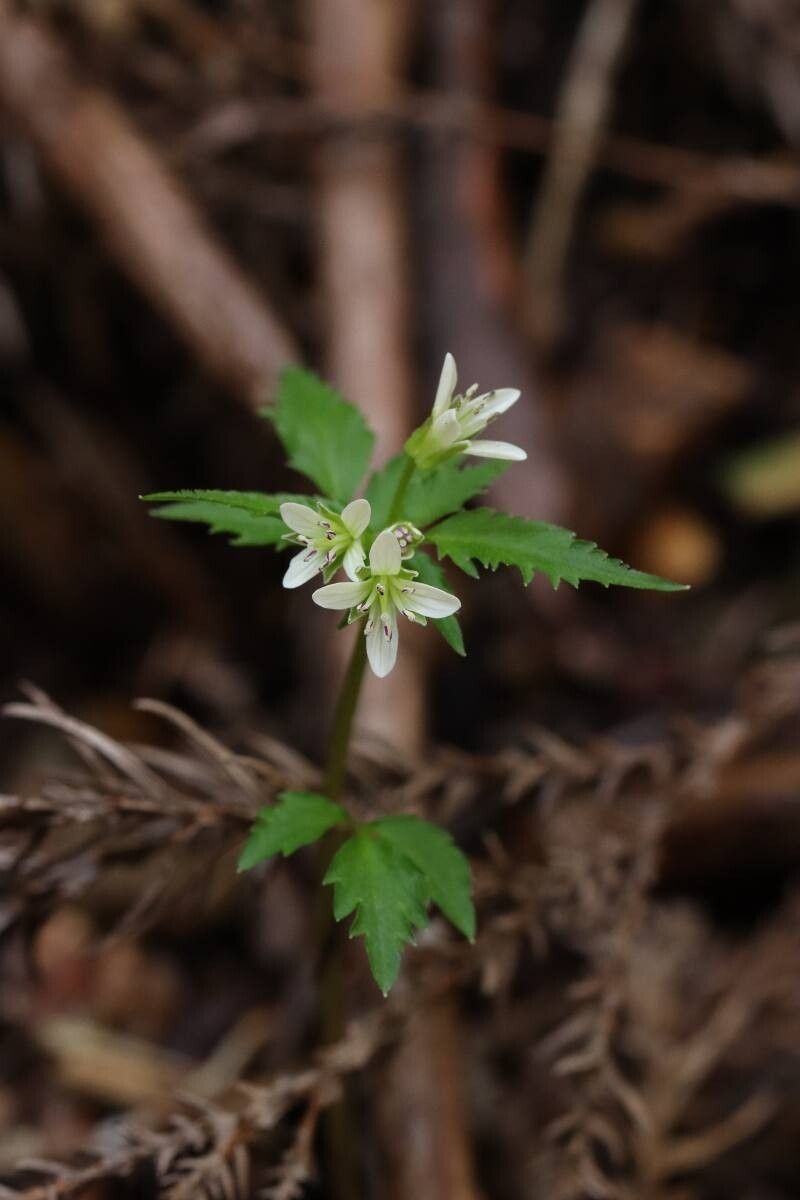
Cardamine californica, or milkmaids, is a flowering plant in the family Brassicaceae, native to western North America from Washington to California and Baja California. It is common in a variety of habitats including shady slopes, open woodlands, chaparral and grasslands in the winter and early spring. In the San Francisco Bay Area, it is one of the first wildflowers to bloom, with blossoms from January to May.
Milkmaids has good resistance to disease and is generally not prone to illnesses. However, it can be vulnerable to pests and diseases present in its surroundings. Such infections are usually not severe. In terms of care, this plant needs moderate maintenance. It should be pruned regularly to maintain a neat appearance and encourage healthy growth. Fertilizing can also help promote flowering. Milkmaids is appropriate for anyone with outdoor space, like a garden or patio, and does not require extensive care experience. It may need more attention when grown indoors.
How to keep Cardamine Californica.
Light
Milkmaids does well in areas with moderate sunlight, though it can tolerate fairly shaded locations. During its growth phases, the plant is not overly reliant on sunlight for development. Coming from habitats with variable light conditions, it can be harmed by very intense light or by severely low light.
Water
Milkmaids, native to California's moist habitats, thrive with regular moisture. To support their growth and prevent waterlogging, it's best to water them weekly. This watering schedule mimics their natural environment and meets their hydration needs during their active growing season. Providing consistent moisture is essential for maintaining their vigor and overall health.
Temperature
Milkmaids is native to regions where temperatures typically range from 50 to 95 °F (10 to 35 ℃). It grows best under these conditions and is less vigorous in colder climates. To keep it at peak health, maintain consistent temperatures throughout seasonal changes.
Fertilizer
For Milkmaids, the optimal time to apply fertilizer is early spring while the flowers are forming. The proper fertilizer promotes stronger blooms and helps Milkmaids produce attractive flowers. Fertilizing at that time ensures high-quality flowers throughout the season and supplies energy for dormant growth phases.
Pruning
Milkmaids benefit from spring pruning, which removes dead stems and thins overcrowded areas. This process improves air circulation and promotes healthy growth. Pruning after the flowers have bloomed also enhances future flowering, which is crucial for maintaining the vitality and visual appeal of milkmaids.
Botanical profile.
- Plant Type
- Herb
- Life Cycle
- Perennial
- Genus
- Cardamine
- Family
- Brassicaceae
- Hardiness Zone
- 6-9
- Mature Height
- 30 cm
- Mature Spread
- 20 cm
- Leaf Color
- Green
- Leaf Type
- Deciduous
- Flower Color
- White, Pink
- Flower Size
- 1.27 cm
- Bloom Time
- Late winter, Early spring, Mid spring
- Planting Time
- Spring
- Harvest Time
- Late spring, Early summer, Mid summer
- Native Area
- Mexico
Other names.
Reader questions.
What are the sunlight requirements for Milkmaids?
Milkmaids, also known by its botanical name Cardamine californica, thrives under moderate sunlight but can also endure fairly shaded areas. The plant prefers partial sun, defined as about 3-6 hours of sunlight daily, and can survive in full shade, which is less than 3 hours of direct sunlight. It's critical to monitor how sunlight moves through your garden to ensure your plants receive the ideal balance of light and shade for optimal growth. Insufficient or excessive sunlight exposure can negatively impact Milkmaids, originating from environments with fluctuating light conditions.
What are the ideal temperature conditions for growing Milkmaids (Cardamine californica)?
Milkmaids, known scientifically as Cardamine californica, thrives in environments where the temperature usually ranges between 50 to 95°F (10 to 35°C). These conditions are optimal for the plant's vitality, promoting its best health. Even though Milkmaids have a strong resistance to cold, maintaining temperature consistency through the changing seasons is crucial. In colder climates where temperatures can drop below -25°C, it's important to protect the plant from frost by covering it with soil or straw. Additionally, watering the plant abundantly before the first freeze in autumn helps keep the soil moist, preventing drought and water scarcity during the winter and early spring.
How can artificial lighting benefit indoor Milkmaids plants?
For indoor Milkmaids plants that lack sufficient natural sunlight, especially during winter or in less sunny locations, artificial lighting serves as an essential growth aid. LED lights are recommended for their ability to emulate specific light wavelengths needed by plants. Depending on the plant's sunlight needs, the required artificial light intensity varies: 30-50W/sq ft for full sun plants, 20-30W/sq ft for partial sun, and 10-20W/sq ft for full shade plants. The optimal placement for these lights is 12-36 inches above the plant, mimicking natural sunlight conditions for about 8-12 hours a day.
How does Milkmaids react to low temperatures, and what should be done in spring if it fails to sprout?
Milkmaids is cold-tolerant, performing best when the temperature remains above 10°C (-15°C during winter). However, it experiences stress when temperatures plummet below -25°C. Such extreme cold may not cause noticeable changes during the winter but could lead to a decrease in sprouting or a complete lack of sprouting in the spring. If this occurs, it is recommended to remove any parts of the plant that have failed to sprout as a solution to encourage new growth.
What are the symptoms of light deficiency in Milkmaids?
When Milkmaids do not receive adequate light, several symptoms may manifest. These include the development of smaller new leaves, a leggy or sparse growth appearance due to increased spacing between leaves or stems, early leaf drop to conserve resources, a halt in new growth indicating a survival mode due to poor lighting, and lighter-colored or chlorotic leaves. Excessive sunlight exposure can cause chlorosis, sunscald with pale or necrotic spots on leaves or stems, leaf curling as a defense against sunlight, wilting from increased water loss, and leaf scorching characterized by brown, crispy leaf edges.
What are the effects of high temperatures on Milkmaids and how can they be mitigated?
When exposed to high temperatures, particularly above 35°C, Milkmaids can suffer from various stress symptoms. If the temperature soars beyond 38°C, the plant's leaves may lighten in color, curl, become prone to sunburn, and the entire plant might wilt or dry out in severe cases. To mitigate these effects, it's advisable to trim away the sunburned and dried-up parts of the plant. Relocating the plant to a shaded area or using a shade cloth to protect it from the midday and afternoon sun can also help. Ensuring the soil remains moist by watering the plant in the morning and evening is beneficial in managing stress due to high temperatures.
How to manage insufficient or excessive sunlight exposure for Milkmaids?
To address insufficient sunlight, gradually acclimatizing your Milkmaids to more sunlight is crucial. For indoor plants, moving them to gradually sunnier spots weekly until they receive 3-6 hours of sunlight or using artificial lighting, such as keeping a lamp on for at least 8 hours daily, can help. Outdoors, gradually relocating your plants to sunnier locations each week is advised to prevent sunburn. In case of obstructions blocking sunlight, pruning or transplanting to areas with better sunlight and drainage during the plant's dormant period can improve light exposure. It’s important to note that while parts of the plant affected by poor light may not recover, new growth will be healthy with proper light management.