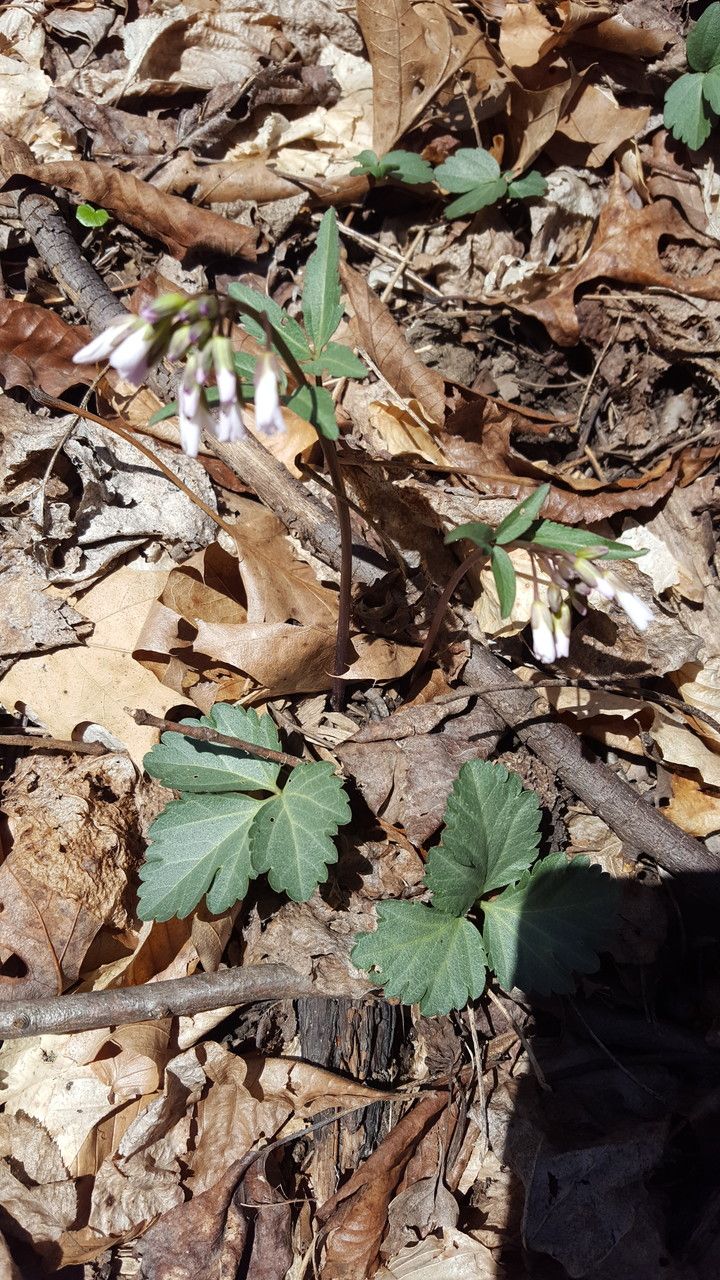
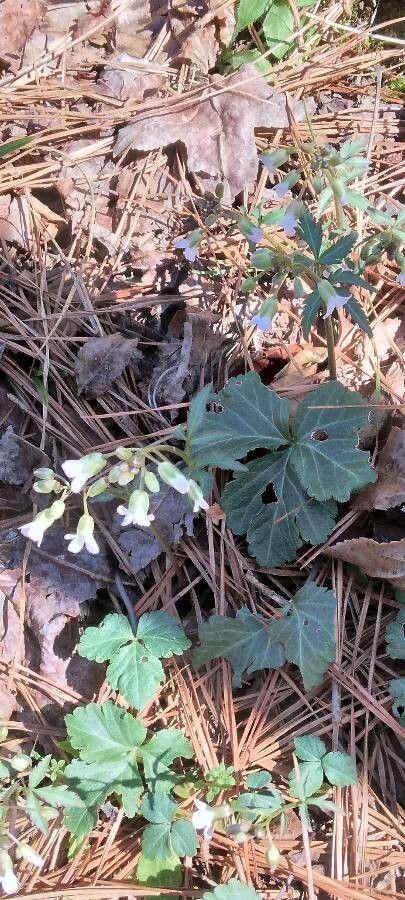
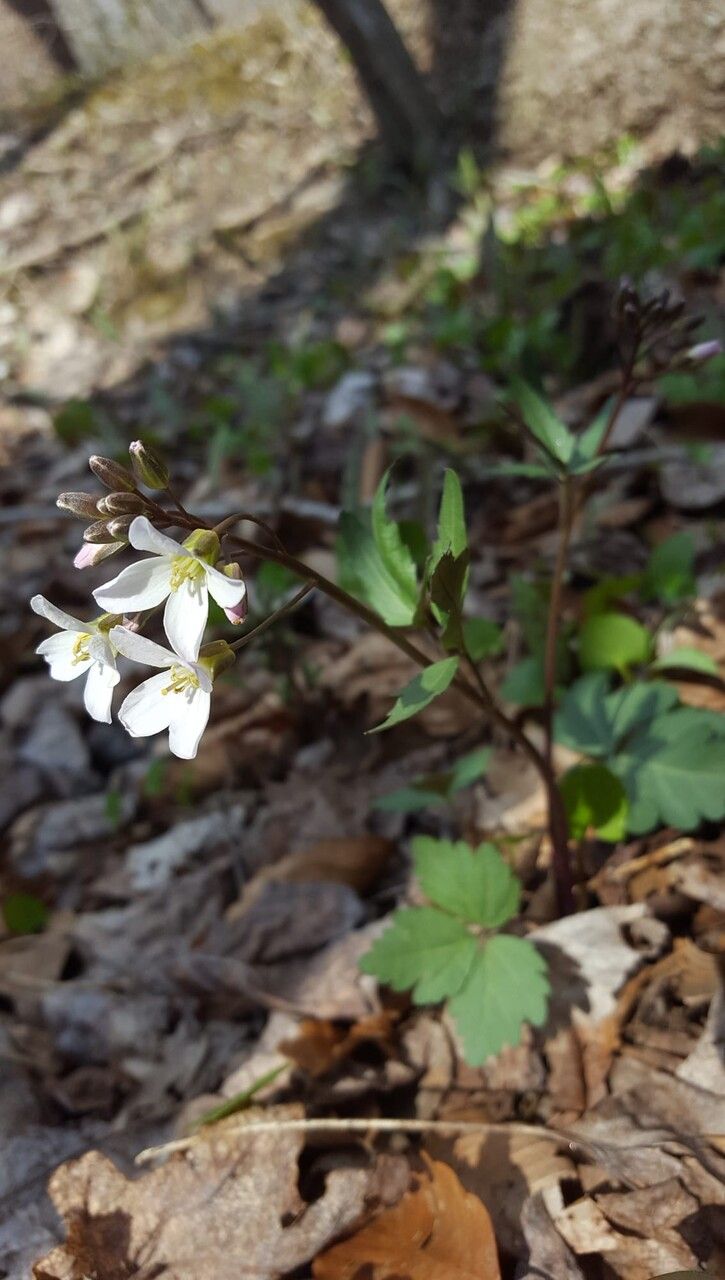
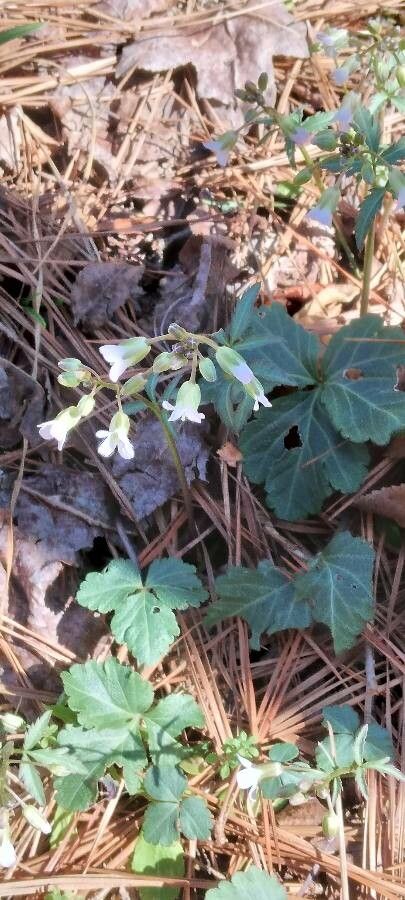
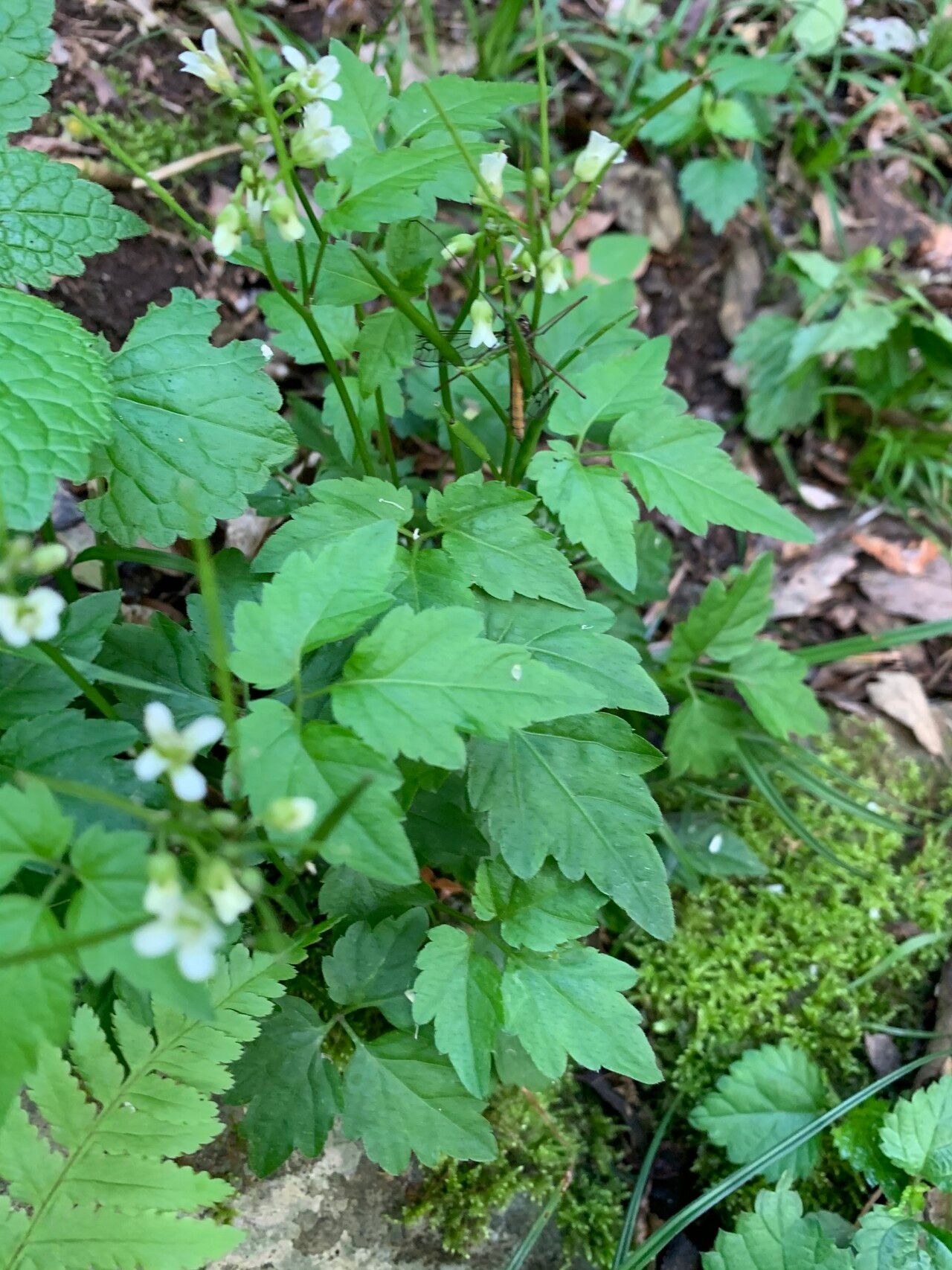
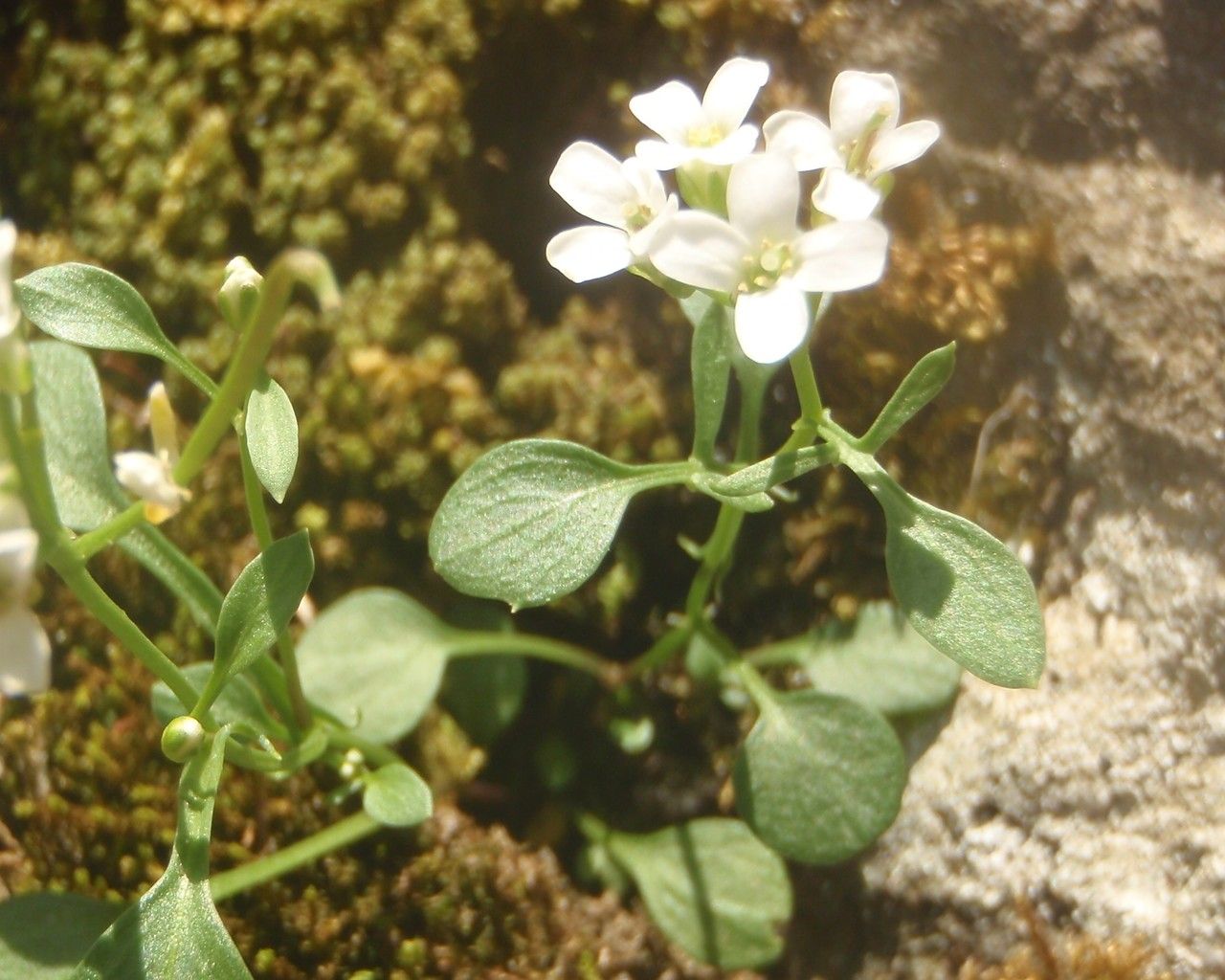
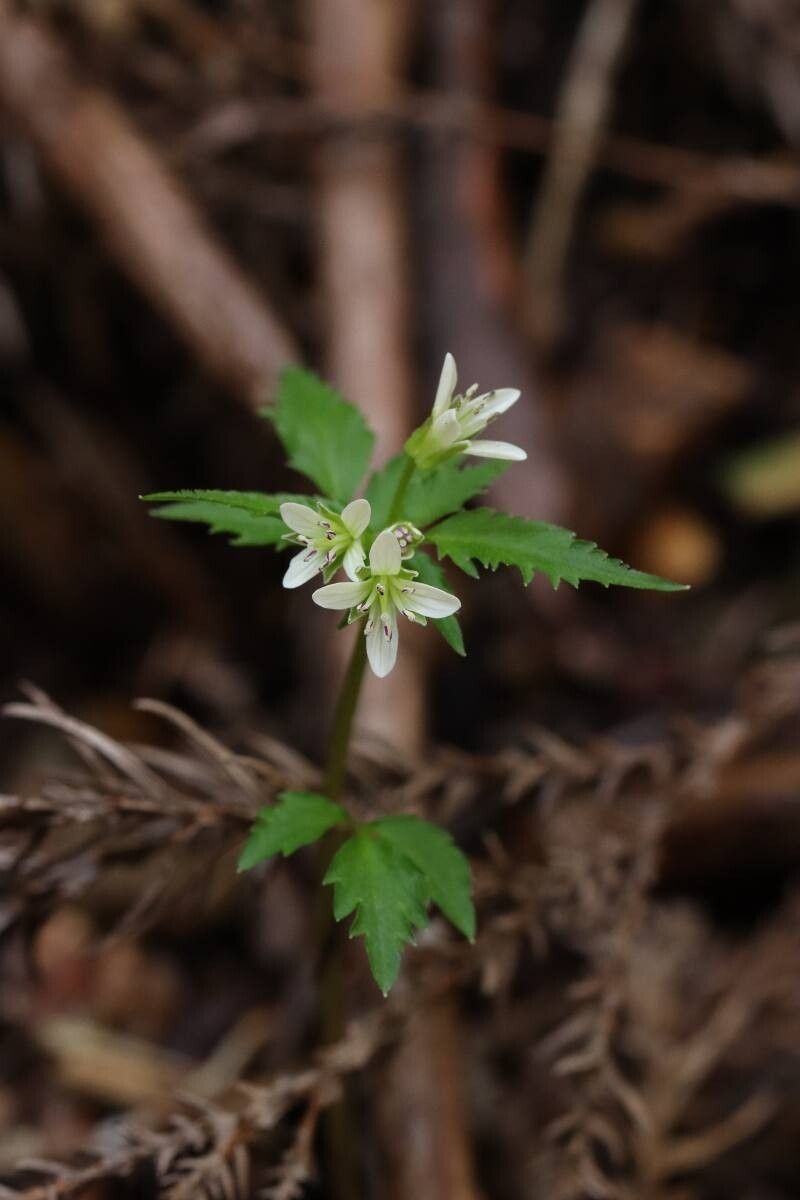
Cardamine angustata (known by the common name slender toothwort) is a perennial forb native to the eastern United States, that produces white to pink or purple flowers in early spring.
Slender toothwort is fairly resistant to disease and generally not highly vulnerable. Still, it can be affected by pests and diseases present in its environment, though such problems are usually mild. Carewise, the plant needs moderate maintenance. It should be pruned regularly to maintain appearance and healthy growth, and fertilizing can help encourage flowering. Slender toothwort is well suited for anyone with outdoor space like a garden or patio and does not demand extensive care experience. It may need more attention when grown indoors.
How to keep Cardamine Angustata.
Light
Slender toothwort does well with moderate sunlight but is also capable of growing in fairly shady conditions. Sunlight promotes healthy growth, though it is not necessary during every stage of development. Having come from areas with a range of light levels, it tolerates significant shade. Still, both too much and too little light can adversely affect its growth.
Water
Slender toothwort originates from moist woodlands, where it thrives in consistently damp soil. To maintain its health, it requires weekly watering. As an outdoor plant, it benefits from receiving dappled rainfall under the canopy of trees. This natural setting helps regulate its water intake and supports its growth cycles.
Temperature
Slender toothwort is native to temperate regions and prefers temperatures of 41 to 89.6 °F (5 to 32 ℃). To ensure optimal growth, it's advisable to adjust the temperature according to seasonal changes.
Fertilizer
One spring fertilizer application is generally sufficient for Slender toothwort, although repeated feedings can maximize growth. Fertilize at intervals of one to one and a half months. Fertilization improves the leaves' appearance and function, helping maintain even color and a healthy texture. It also encourages root development and better nutrient uptake, supporting long-term plant health.
Pruning
Slender toothwort displays delicate flowers in shades ranging from white to pale pink. To keep the plant healthy, prune it in early to late spring after it has finished blooming. Trim away any dead or damaged stems to promote better growth. Light pruning helps maintain the plant's shape and vigor, improving air circulation. In general, heavy pruning is not needed for this species.
Botanical profile.
- Plant Type
- Herb
- Life Cycle
- Perennial
- Genus
- Cardamine
- Family
- Brassicaceae
- Hardiness Zone
- 5-8
- Mature Height
- 11 cm to 30 cm
- Mature Spread
- 20 cm to 30 cm
- Leaf Color
- Green, Dark Green
- Leaf Type
- Semi-evergreen
- Flower Color
- White, Pink
- Flower Size
- 1.27 cm to 2.03 cm
- Bloom Time
- Early spring, Mid spring
- Planting Time
- Spring, Summer
- Harvest Time
- Late spring, Early summer
Other names.
Reader questions.
What are the sunlight requirements for Slender toothwort?
Slender toothwort thrives under moderate sun exposure and can adapt well to shady environments. It requires about 3-6 hours of sunlight for partial sun conditions and less than 3 hours for full shade. Sunlight is instrumental in its development, and although it isn't vital at every growth phase, originating from varied light conditions means it can handle a good deal of shade. Nonetheless, both over and underexposure to light can adversely affect its growth. It's essential to observe the movement of sunlight in your garden to find the ideal balance of light and shade that will ensure the plant's health.
What is the preferred temperature range for Slender toothwort?
Slender toothwort, also known by its botanical name Cardamine angustata, thrives in temperate climates with a preferred temperature range of 41 to 89.6 °F (5 to 32 °C). To ensure optimal growth, it is suggested to adjust the temperature based on seasonal changes. This plant exhibits strong cold resistance, hence special frost protection measures are not usually required. However, in winter, if temperatures are expected to drop below -25°C, it's important to provide cold protection by covering the plant with soil or straw and ensuring the soil is moist before the first freeze in autumn to prevent drought and water scarcity during winter and early spring.
How does artificial lighting benefit indoor Slender toothwort plants?
Indoor Slender toothwort plants benefit significantly from artificial lighting, especially when natural sunlight is inadequate, such as during winter or in less sunny indoor spaces. Artificial lights, specifically LED lights, can be tailored to provide the exact wavelengths needed for the plant's growth. For full sun plants, 30-50W/sq ft of artificial light is recommended, partial sun plants require 20-30W/sq ft, and full shade plants do well with 10-20W/sq ft. The light source should be placed 12-36 inches above the plant to mimic natural sunlight. Also, maintaining the duration of artificial lighting to mimic natural daylight hours, usually 8-12 hours per day, promotes healthier, faster growth.
How does Slender toothwort react to low temperatures?
Slender toothwort is quite cold-tolerant and performs best when temperatures stay above 5°C during winter. It should ideally be kept above -20°C. When temperatures fall below -25°C, there might not be noticeable changes during the winter, but the plant may experience a decrease in sprouting, or there might be no sprouting at all come springtime. The recommended solution for any parts of the plant that fail to sprout in spring is simply to remove them.
What are common symptoms of light deficiency in Slender toothwort?
Light deficiency in Slender toothwort can manifest through various symptoms, including smaller new leaves, leggy or sparse growth, early leaf drop, slower or halted new growth, pale new leaves indicating insufficient chlorophyll and nutrients, chlorosis leading to yellowing leaves due to sunlight overexposure, sunscald identified by pale, bleached, or necrotic patches on the plant, leaf curling as a protection against excessive light, wilt from rapid water loss, and leaf scorching marked by brown, dry edges on leaves. These symptoms indicate either too much or too little exposure to light affects the plant's health.
What should I do if Slender toothwort is exposed to high temperatures?
In the summer, it's crucial to keep Slender toothwort below 32°C. Exposing the plant to temperatures exceeding 35°C may lead to lighter colored leaves, curling, susceptibility to sunburn, and in severe cases, wilting and drying of the entire plant. If any of these symptoms occur, trim away the sunburned and dried parts of the plant. Move it to a location with shade from the midday and afternoon sun or use a shade cloth. Additionally, watering the plant in the morning and evening helps keep the soil moist and supports the plant's health.
How can lighting conditions be optimized for Slender toothwort?
To optimize lighting conditions for Slender toothwort, gradually adapt the plant to changing light conditions by moving it to sunnier spots each week, aiming for 3-6 hours of direct sunlight daily. For indoor plants that are large or not easily movable, consider using artificial light, keeping a desk or ceiling lamp on for at least 8 hours daily, or invest in professional plant grow lights. For outdoor plants, a gradual transition to sunnier locations helps prevent sunburn. Additionally, minimize obstructions like branches from trees to allow more sunlight through, or consider transplanting smaller plants during their dormant period to a location with better sunlight and drainage. It's important to note that some parts of the plant might not recover from insufficient sunlight, but new growth will be healthy post-adjustment.