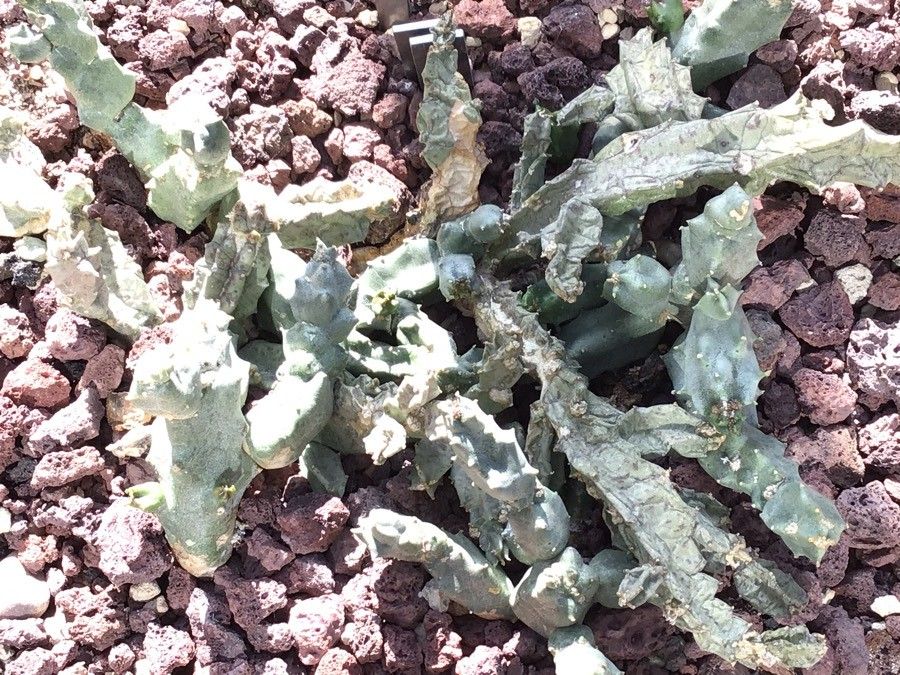
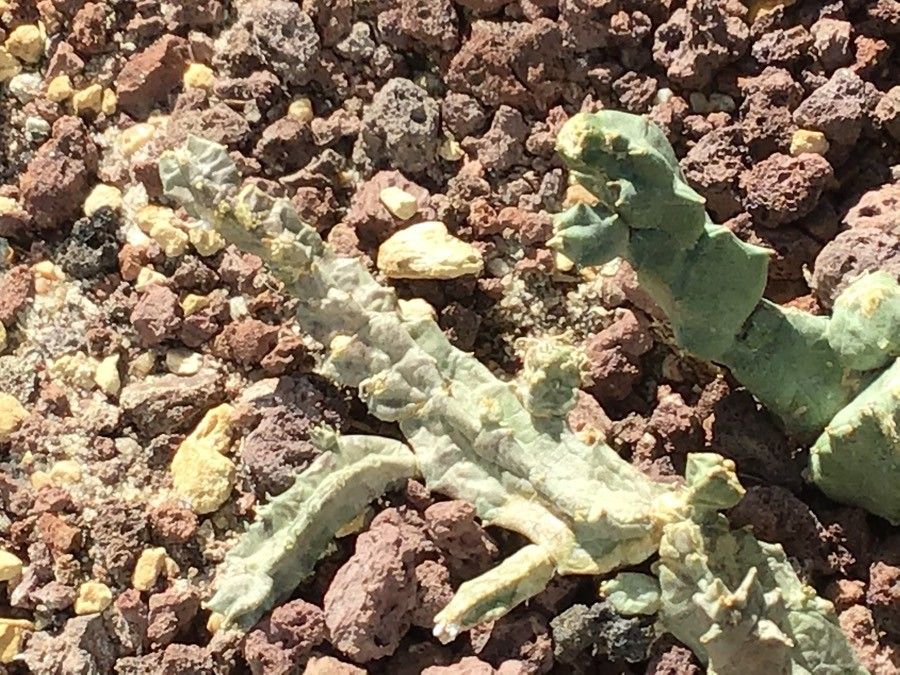
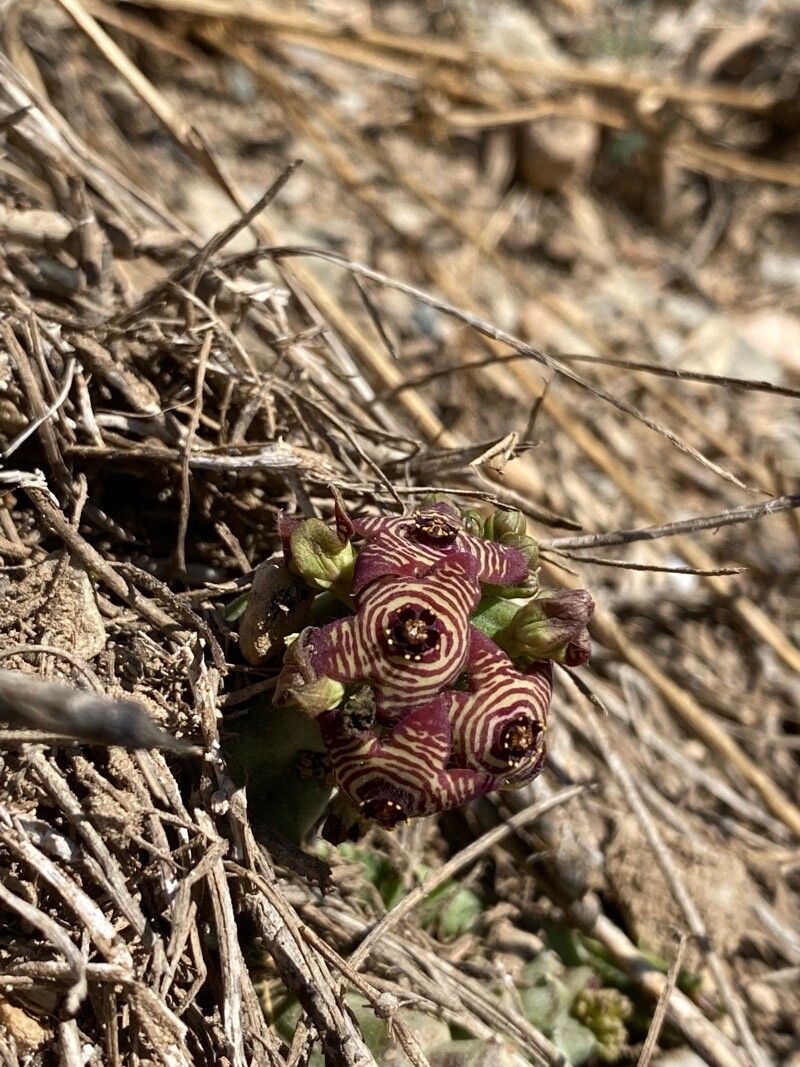
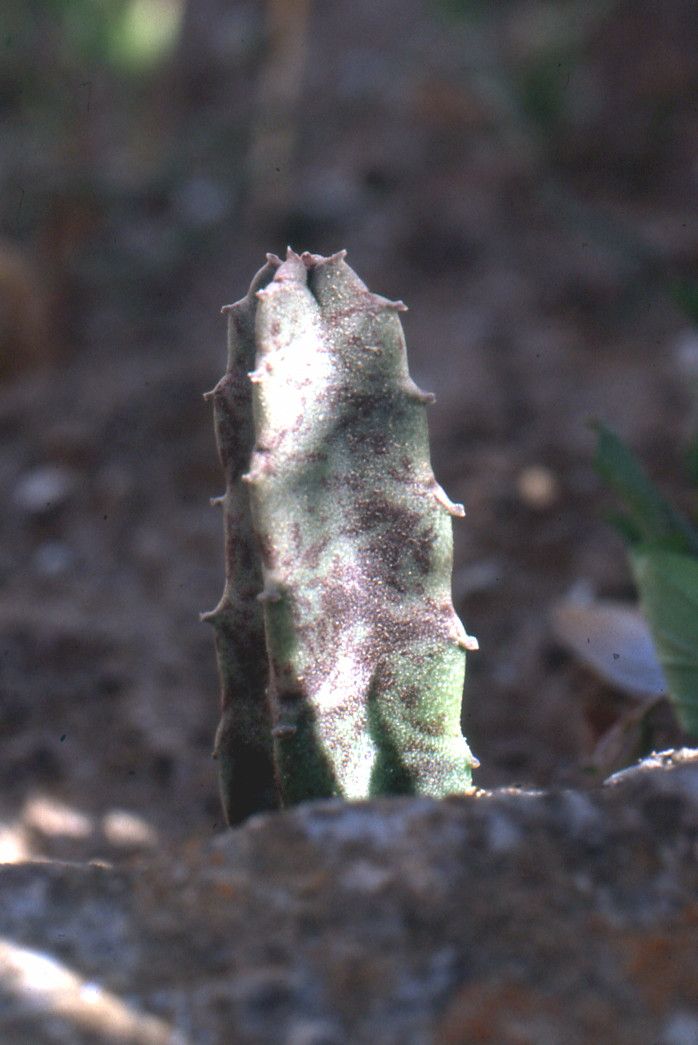
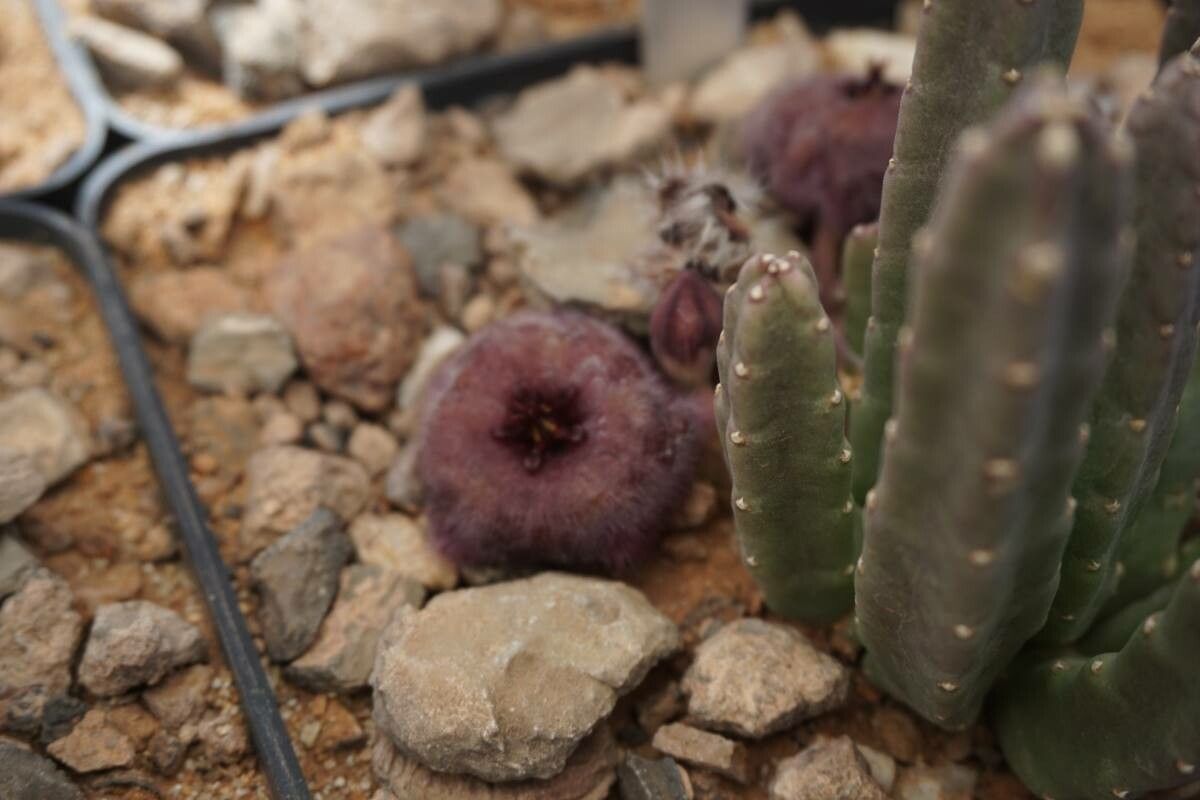
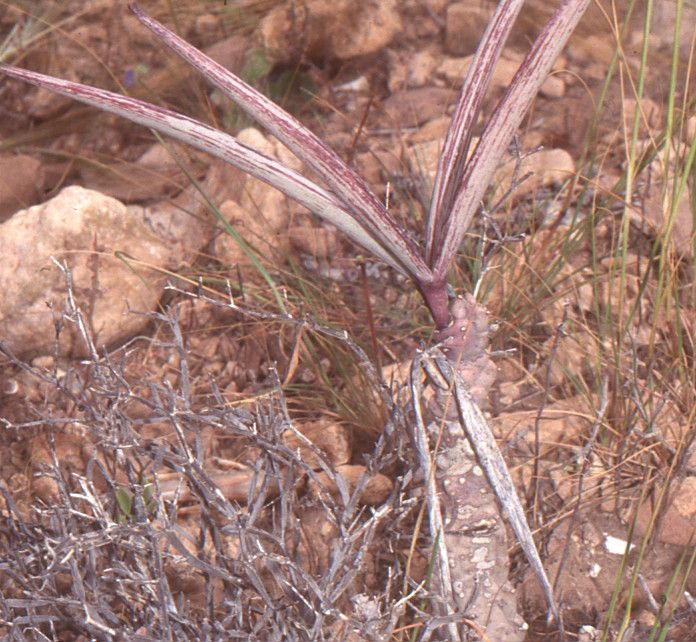
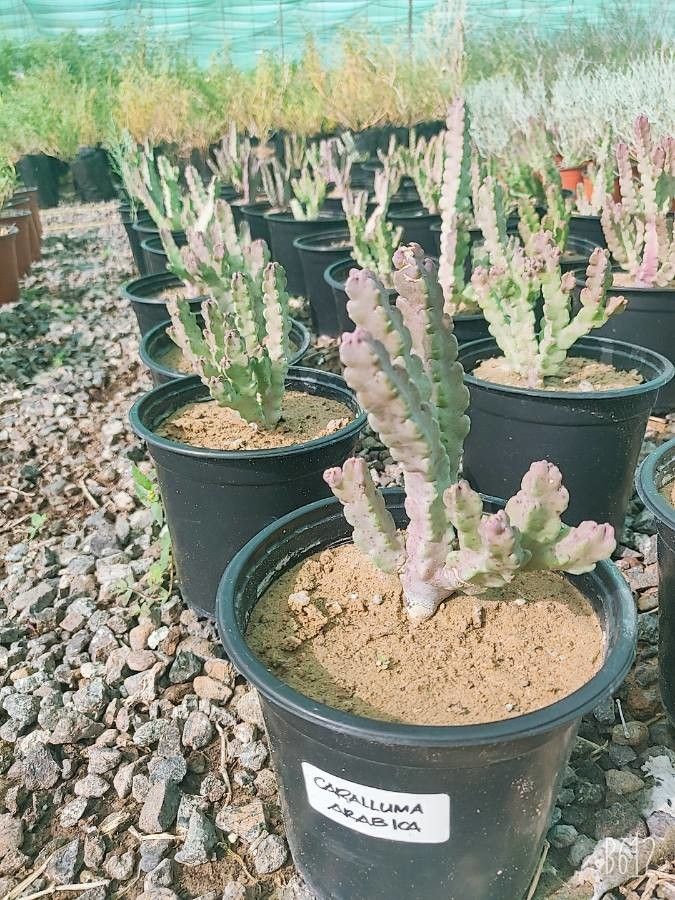
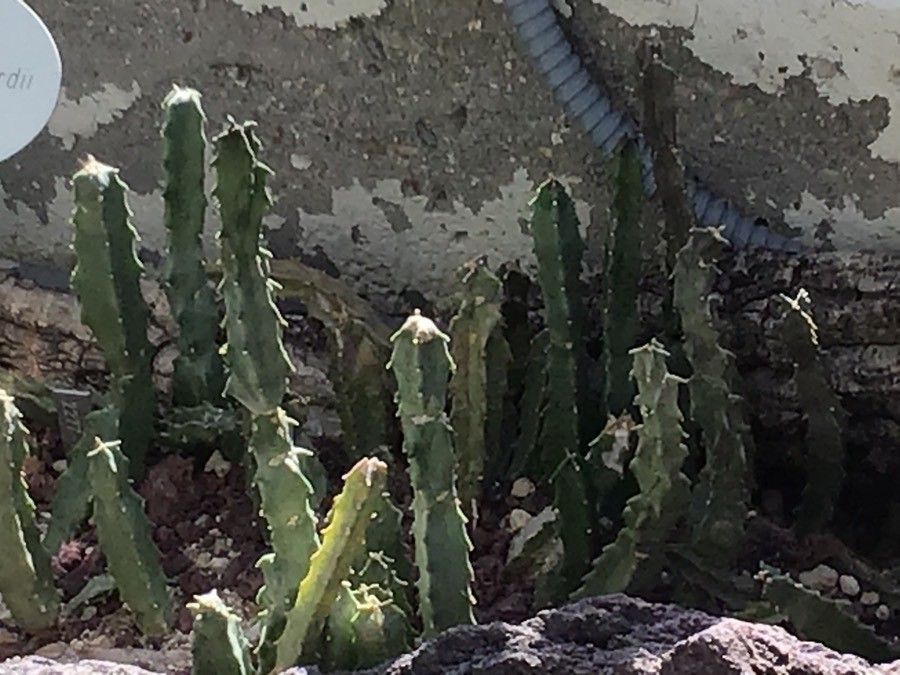
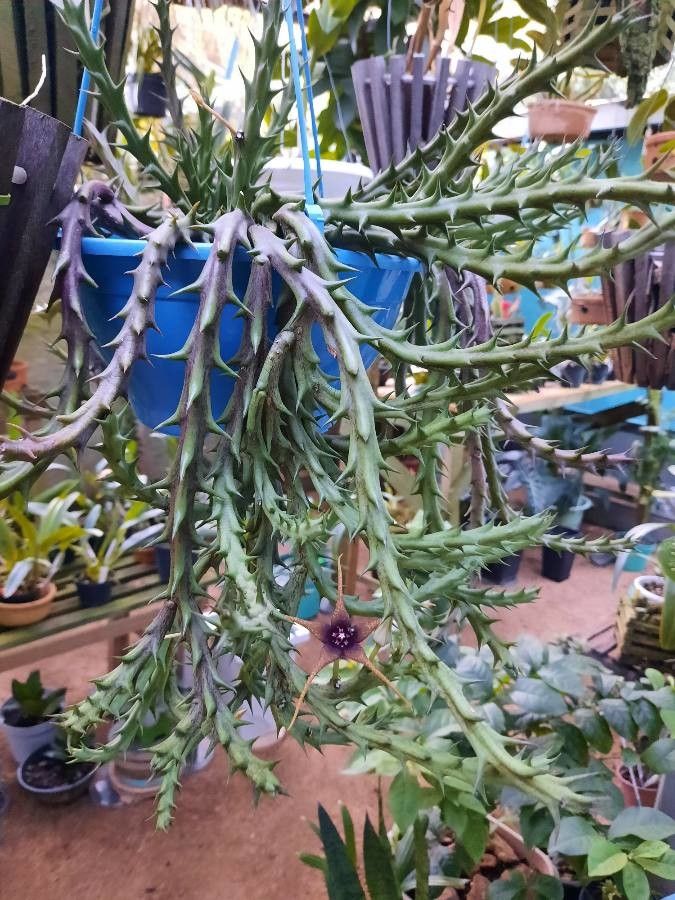
European caralluma has moderate disease resistance and is more sensitive to humidity and excessive watering. It is also more prone to disease when kept in low light and overwatered. In terms of care, European caralluma tolerates drought and can endure long stretches without water. It needs little fertilizer and only occasional pruning. This makes it appropriate for people at any experience level, especially those who want to spend less time on plant care and who may sometimes be away from home for long periods. It is a good option for anyone who does not wish to invest a lot of time in care but still wants an easy-to-maintain plant.
How to keep Caralluma Europaea.
Light
Originating in arid regions, European caralluma performs best in full sun, its native habitat marked by intense sunlight and very little shade. It can also tolerate partial sun, giving it some flexibility in its growth.
Temperature
European caralluma performs best in warm conditions and needs higher temperatures during the growing season to support growth and metabolism. It favors abundant sunlight, proper moisture, and good air circulation. However, it can be damaged by very low temperatures and too much watering. Likewise, it’s important to avoid excessively high heat and overly dry conditions.
Fertilizer
For European caralluma, light applications of fertilizer once or twice a year during the growing season are adequate. Do not fertilize in winter or summer when the plant is dormant. Cut back on fertilizer for repotted plants and wait a couple of months after repotting before applying fertilizer. Fertilizing promotes healthy growth and encourages flowering.
Botanical profile.
- Plant Type
- Vine, Herb, Succulent
- Life Cycle
- Perennial
- Genus
- Caralluma
- Family
- Apocynaceae
- Hardiness Zone
- 9-11
- Mature Height
- 30 cm to 61 cm
- Mature Spread
- 20 cm to 40 cm
- Leaf Color
- Green
- Leaf Type
- Semi-evergreen
- Flower Color
- White, Pink
- Flower Size
- 2.03 cm to 3.05 cm
- Bloom Time
- Summer, Early fall
- Planting Time
- Spring, Summer
- Harvest Time
- Late summer, Fall
- Native Area
- Libya, Egypt, Tunisia, Italy, Spain, Algeria, Morocco