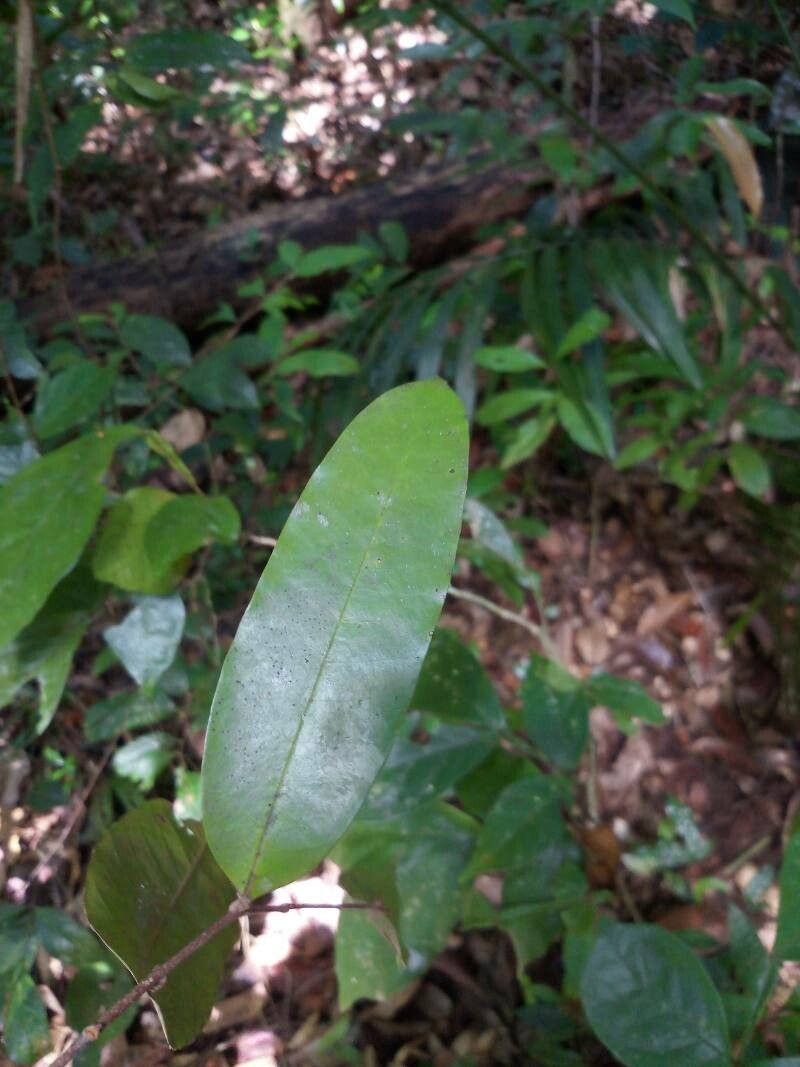
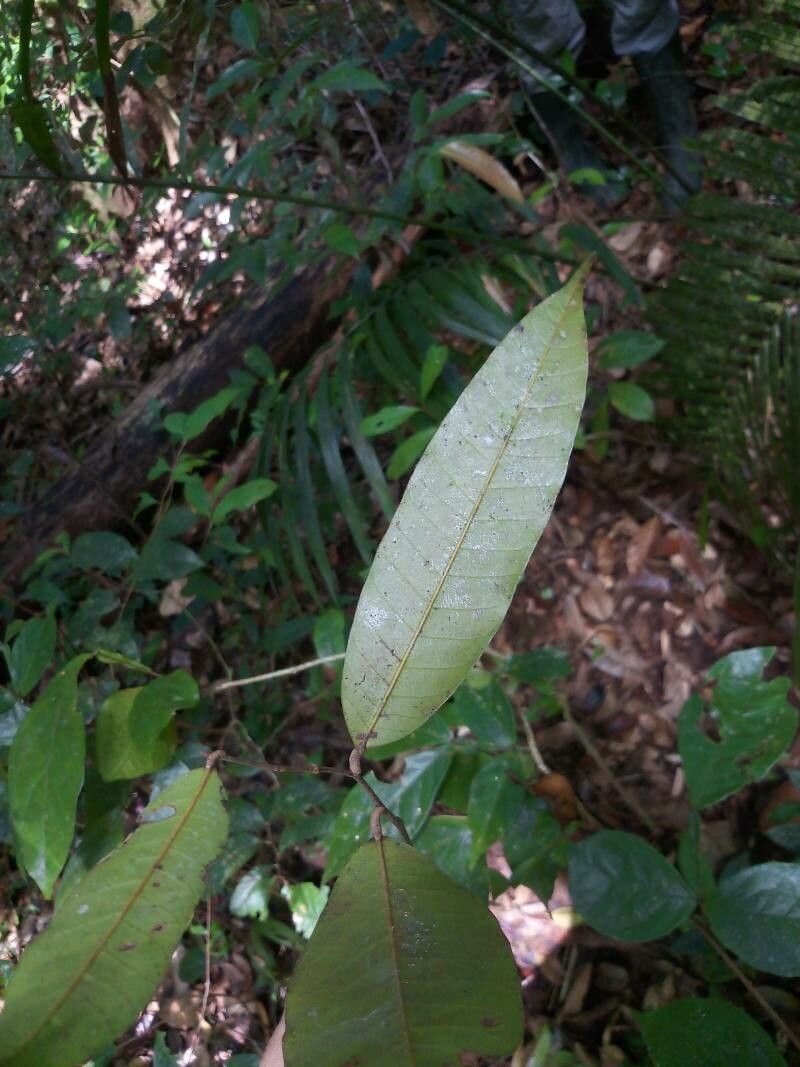
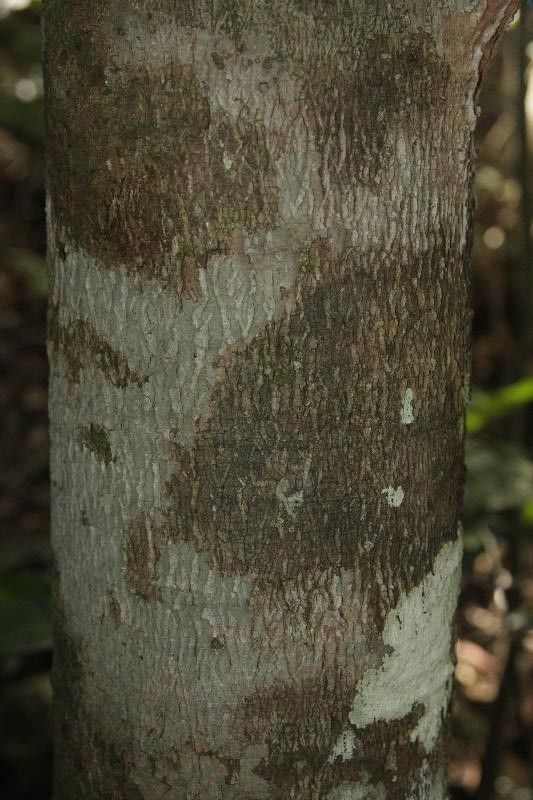
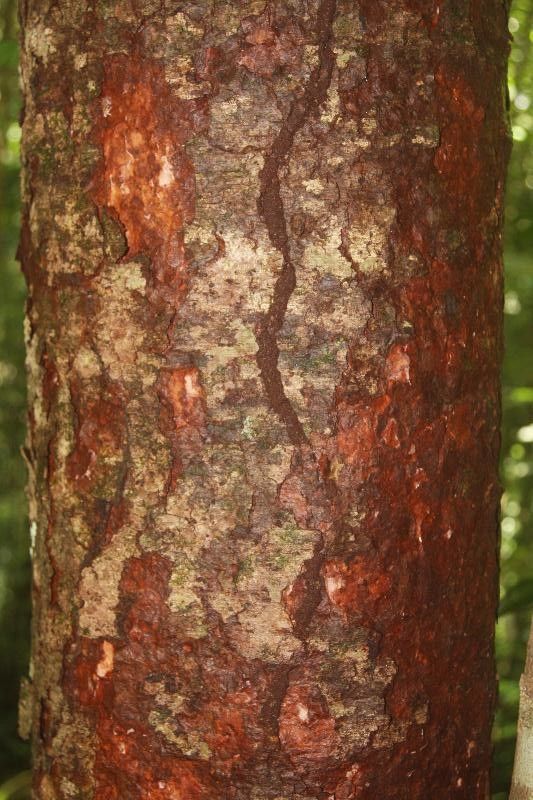
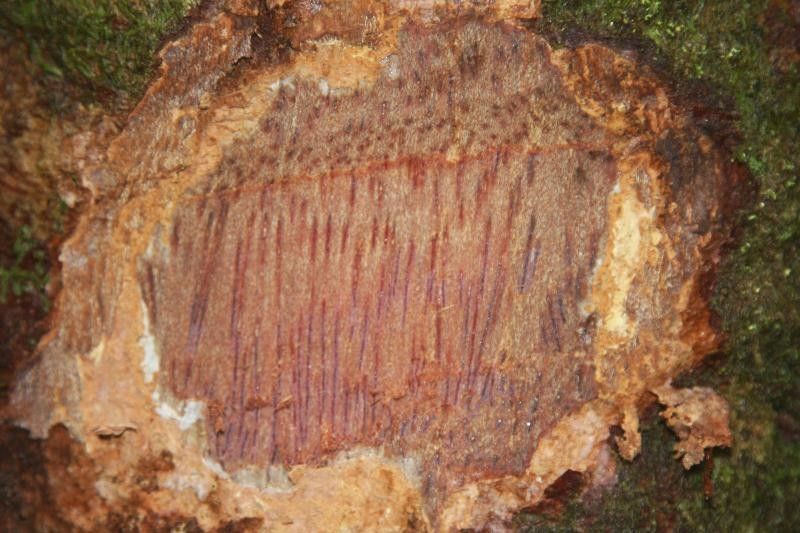
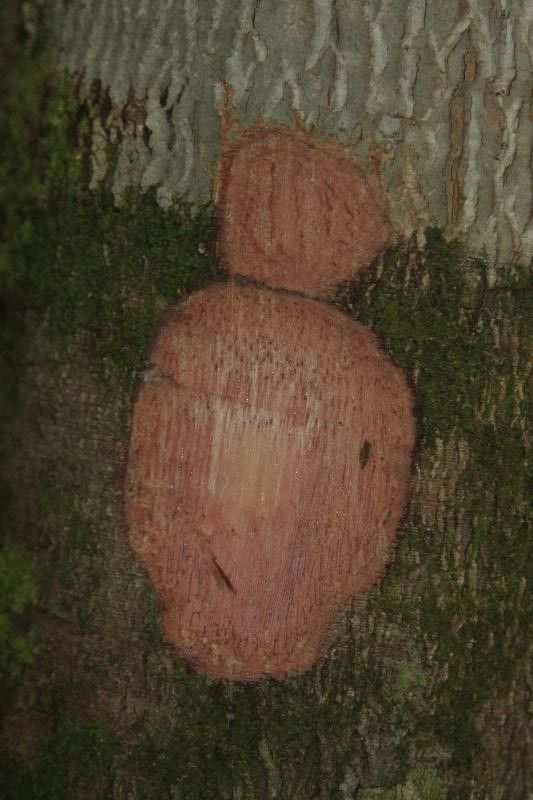
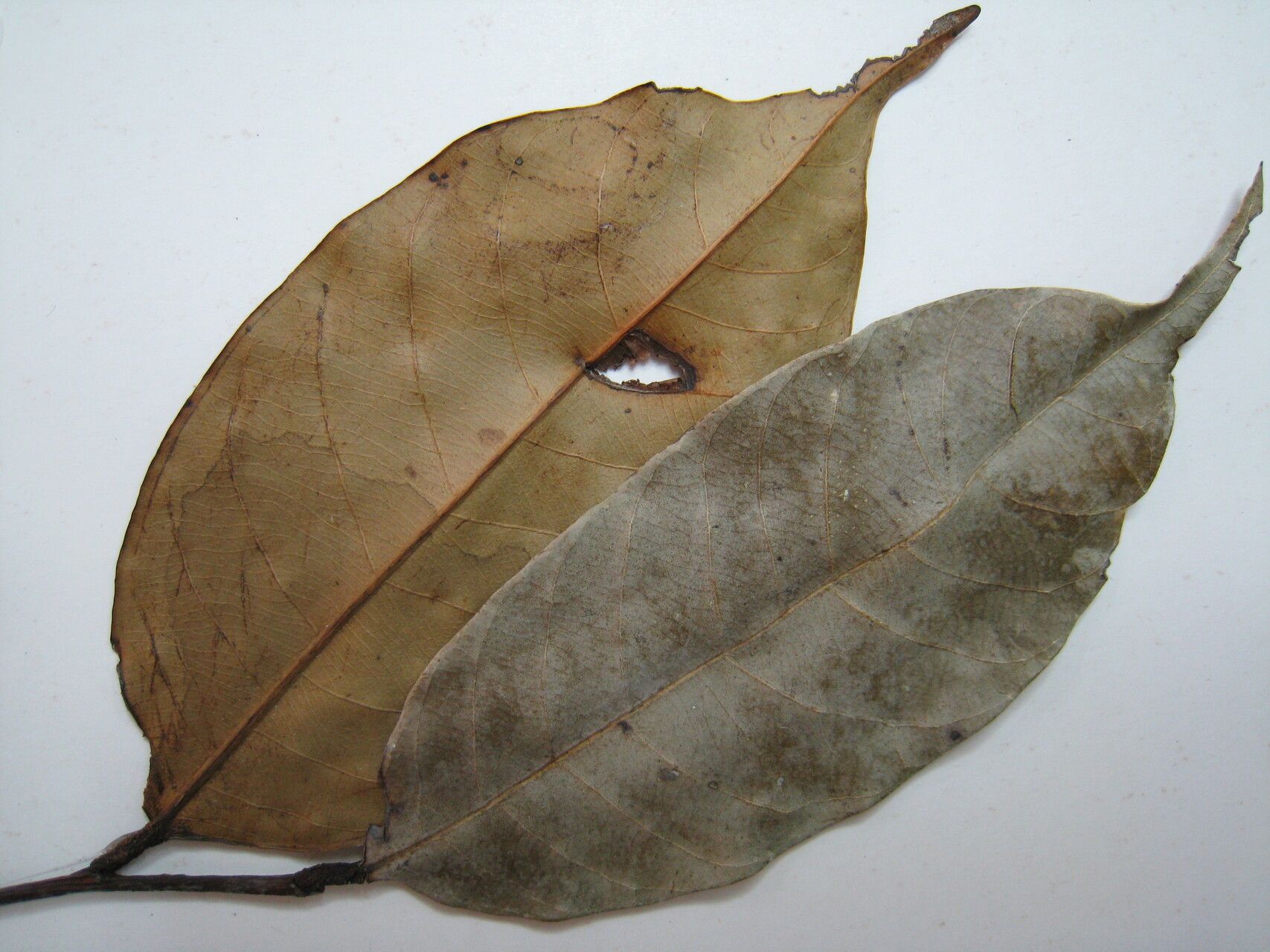
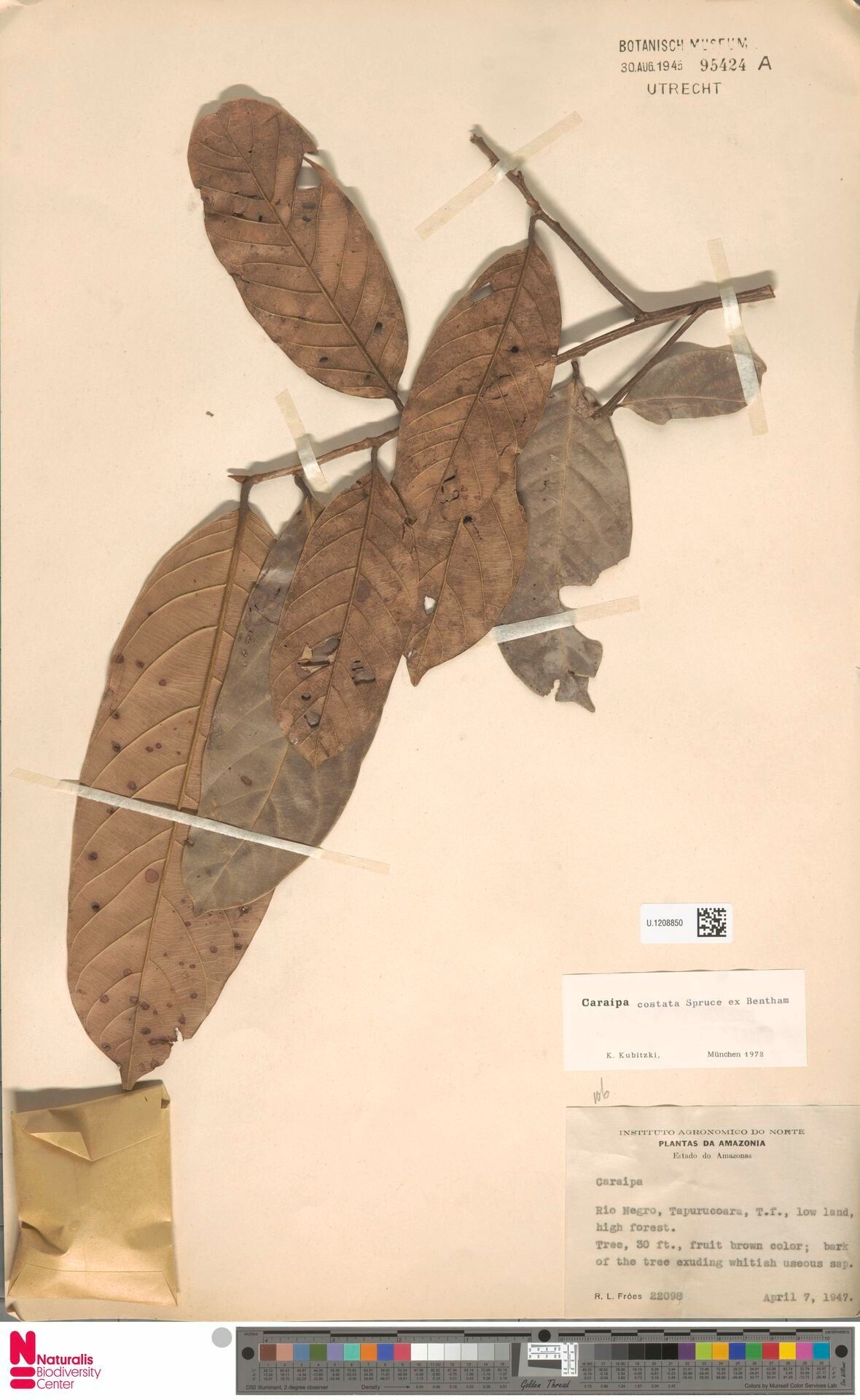
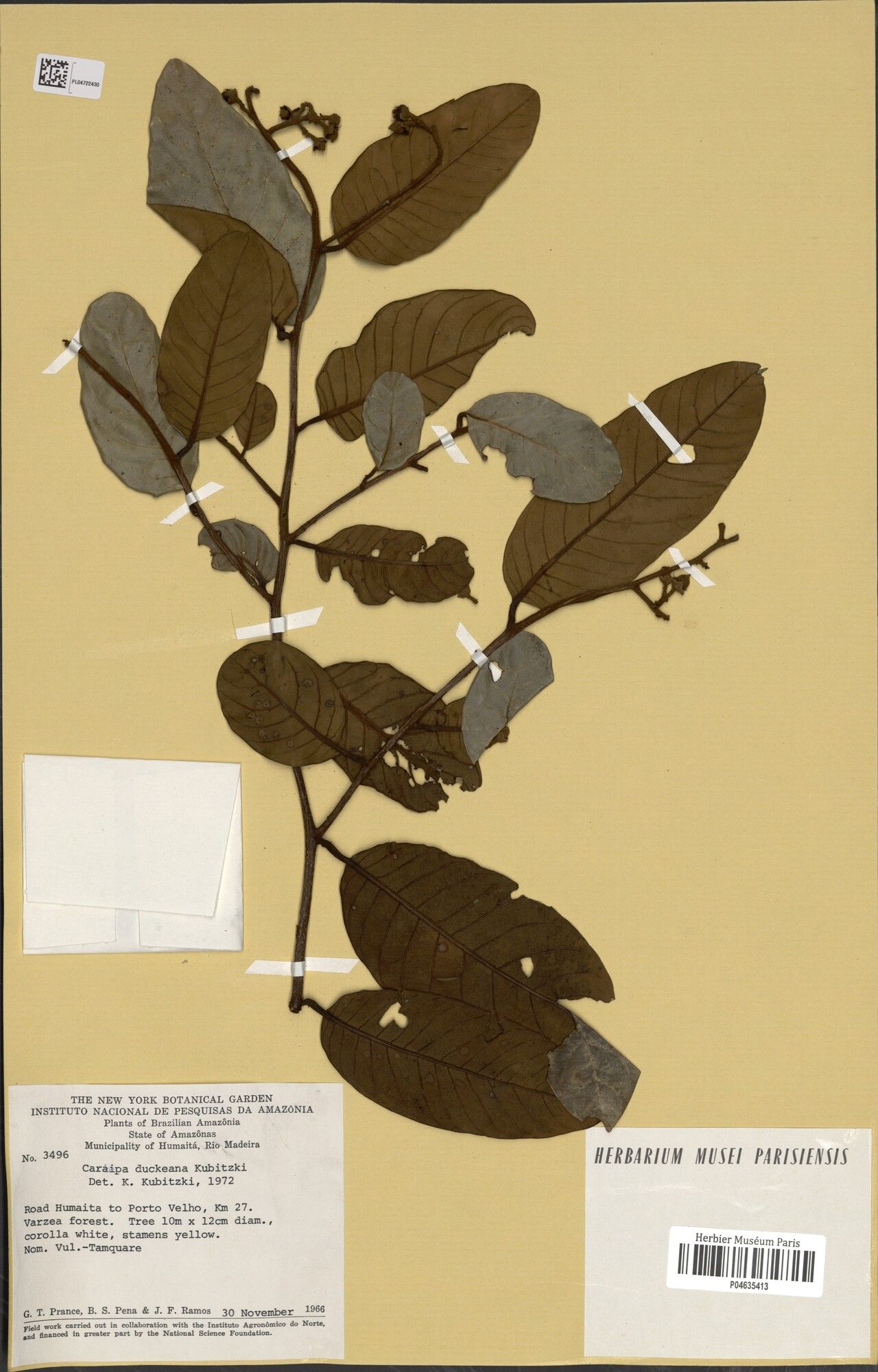
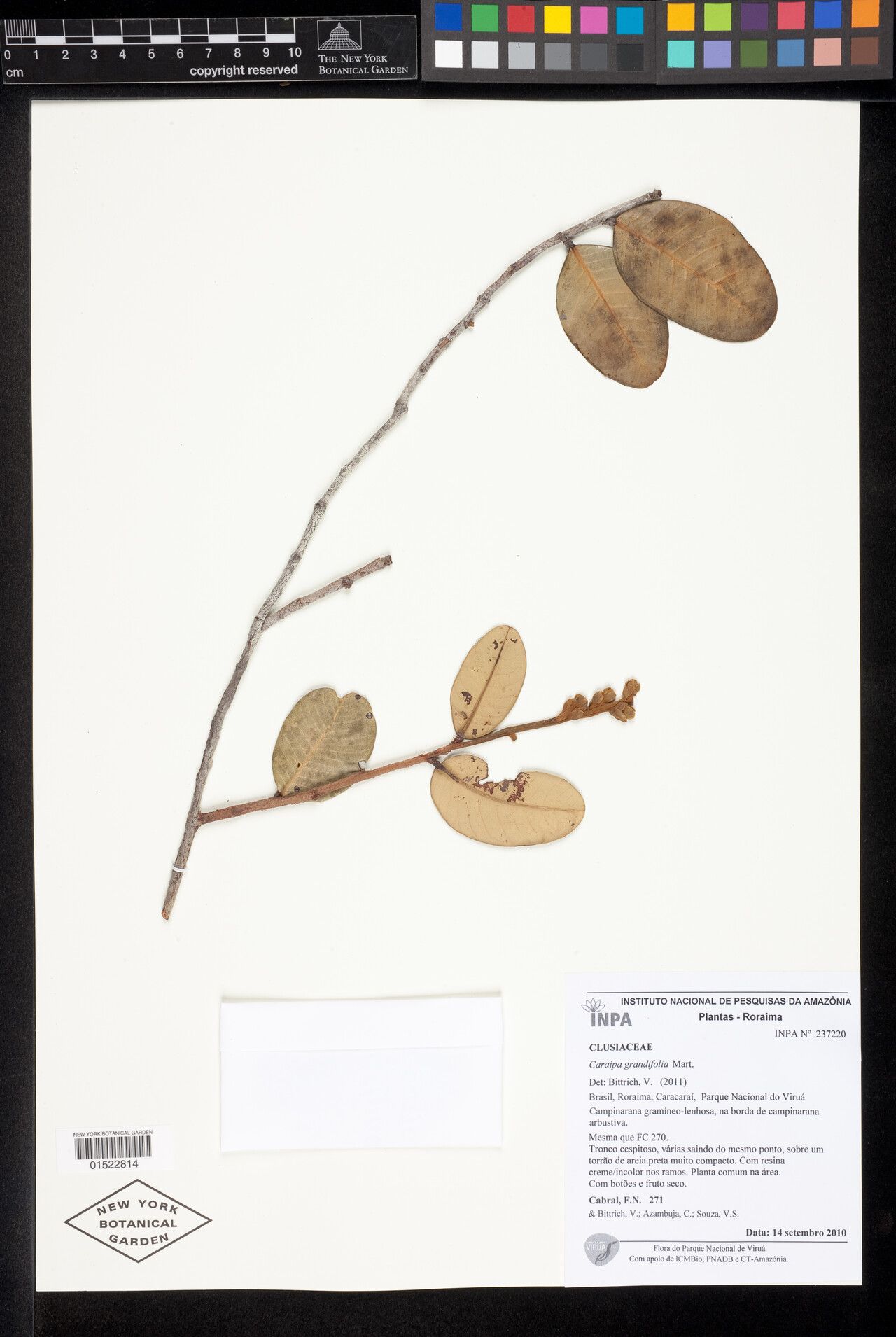
Caraipa densifolia exhibits strong resistance to diseases and is generally unlikely to be affected by them. In terms of maintenance, this plant is fairly low-maintenance. When grown outdoors it needs only minimal watering, and larger specimens usually do not require pruning. Smaller plants, however, should be pruned after they have finished blooming. Caraipa densifoliat is appropriate for anyone with an outdoor area, such as a garden or deck, and does not demand extensive care experience.
How to keep Caraipa Densifolia.
Light
Caraipa densifolia comes from open habitats, such as sunny meadows and forest margins, which supply plenty of light. It does best in Full Sun but can also tolerate Partial Sun, adjusting well to different sunlight levels.
Water
Caraipa densifolia adapts well to conditions where the soil is well-drained and can tolerate moderate drought. This reflects its ability to handle periods of limited moisture. It is best to water this plant every 2-3 weeks, allowing the soil to dry out slightly between waterings. To further support its water requirements, try to align its growing season with the local rainfall cycles.
Temperature
Caraipa densifolia comes from tropical areas, where the climate is generally warm and humid. Consequently, it is well suited to high heat and humidity. It is sensitive to abrupt temperature shifts and favors a consistent thermal environment, so avoid sudden temperature changes indoors. It typically cannot tolerate cold and needs warmer conditions to grow. If the surrounding temperature falls too low, growth may halt or the plant could die.
Fertilizer
Fertilization is essential to the care of Caraipa densifolia. Regular feeding throughout the growing season maintains the energy required for its showy leaves and supports overall growth. Neglecting fertilization can lead to unhealthy foliage, reduced ornamental appeal, and stunted or weak growth that is more likely to break.
Pruning
Caraipa densifolia has dense foliage and benefits from being pruned between early and late winter. To improve air circulation and increase light penetration, remove any dead branches and shape the plant for visual appeal. Avoid heavy pruning, as this can cause stress to the plant. Always use clean, sharp tools to prevent disease and encourage healthy growth.
Botanical profile.
- Plant Type
- Tree
- Life Cycle
- Perennial
- Genus
- Caraipa
- Family
- Calophyllaceae
- Hardiness Zone
- 10-12
- Mature Height
- 14.94 m to 24.99 m
- Mature Spread
- 4.88 m to 7.92 m
- Leaf Color
- Dark Green
- Leaf Type
- Evergreen
- Flower Color
- White
- Flower Size
- 1.02 cm to 1.52 cm
- Bloom Time
- Summer
- Planting Time
- Spring, Autumn
- Harvest Time
- Late summer, Early fall, Mid fall
Reader questions.
What are the sunlight requirements for Caraipa densifolia?
Caraipa densifolia, also known by its botanical name, Caraipa densifolia, thrives in environments that provide ample sunlight, characteristic of its native open environments such as sunny meadows and forest edges. It requires full sun, defined as above 6 hours of direct sunlight per day, but can also tolerate partial sun, which amounts to about 3-6 hours of sunlight daily. When choosing a location for your Caraipa densifolia, it’s important to observe how sunlight moves through your garden throughout the day to find spots that offer the right balance of light and shade, ensuring the plant's well-being.
What artificial lighting requirements do indoor Caraipa densifolia plants have?
Indoor Caraipa densifolia plants require adequate lighting to ensure optimal growth, especially when natural sunlight is insufficient, like in winter or less sunny spaces. Artificial lights, such as LED lights, are recommended because they can be configured to emit specific wavelengths essential for the plant's growth. For plants that naturally require full sun, 30-50W per square foot is necessary; for partial sun plants, 20-30W per square foot; and for full shade plants, 10-20W per square foot. The artificial light source should be placed 12-36 inches above the plant to mimic natural sunlight conditions, and the duration of exposure should be about 8-12 hours per day, simulating natural daylight hours.
What are the symptoms of insufficient light in Caraipa densifolia?
Caraipa densifolia shows several symptoms when it receives insufficient light, despite its ability to thrive in full sunlight. These symptoms include smaller new leaves, leggy or sparse growth, faster leaf drop, slower or halted growth, lighter-colored new leaves, chlorosis (leaves turning yellow due to the breakdown of chlorophyll), sunscald (damage from intense sunlight exposure), leaf curling as a defense against excessive sunlight, wilting from increased water loss, and leaf scorching characterized by brown, dry edges on leaves. These symptoms indicate that the plant is not receiving the optimal light conditions for its growth and health.
How can I address light deficiency issues in Caraipa densifolia?
To address light deficiency in Caraipa densifolia, gradually increase its exposure to sunlight. If the plant is indoors and large or not easily moved, consider supplementing with artificial light, keeping a desk or ceiling lamp on for at least 8 hours daily or investing in professional plant grow lights. For outdoor plants, avoid drastic changes in sunlight exposure to prevent sunburn, gradually moving them to sunnier locations over several weeks. If obstructions like trees block sunlight, consider pruning to improve light access. For smaller plants that can be moved, transplant them during their dormant period to a sunnier location with good drainage. Remember, while parts of the plant that have suffered due to low light may not recover, new growth should be healthy with improved light conditions.