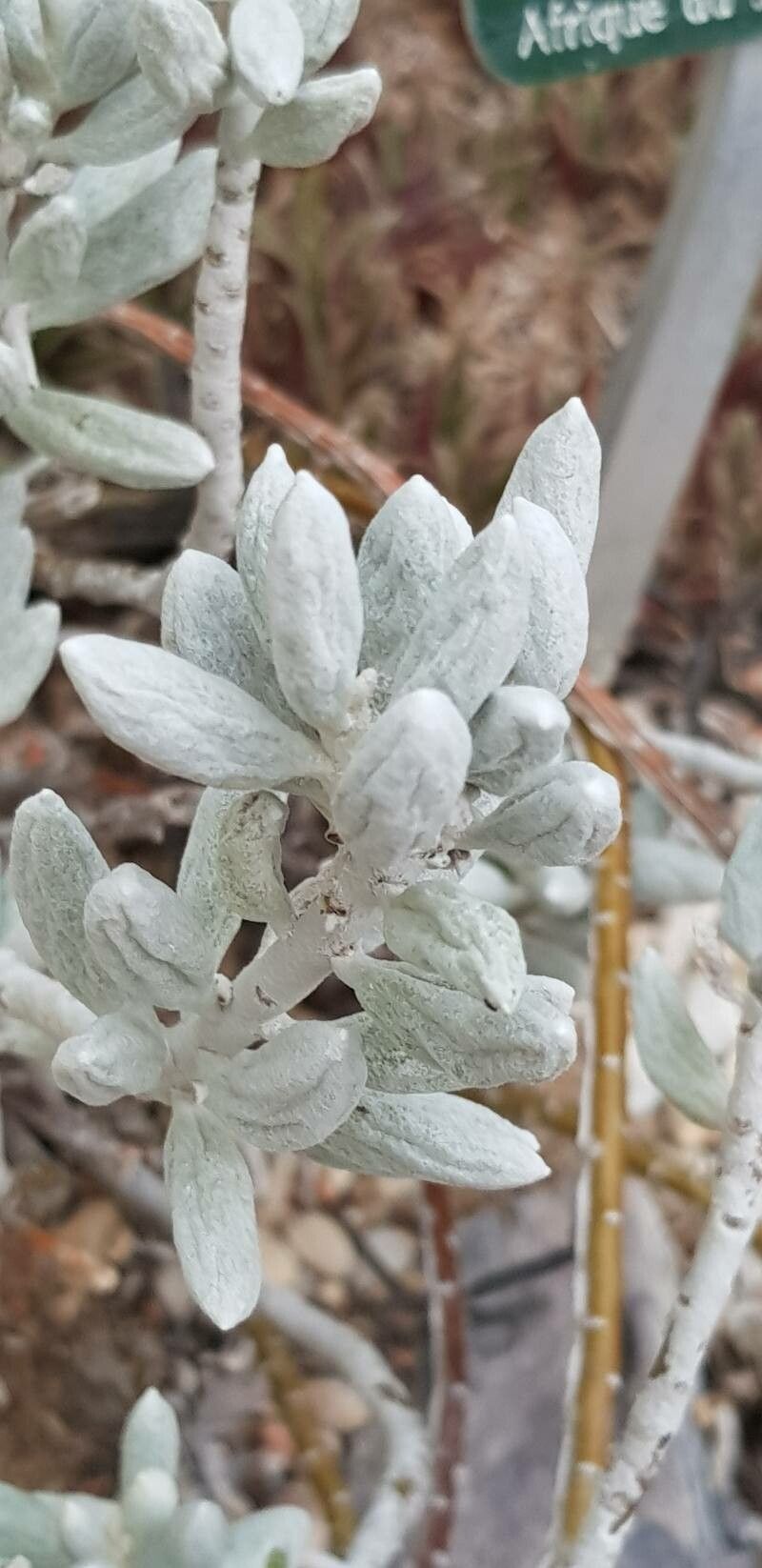
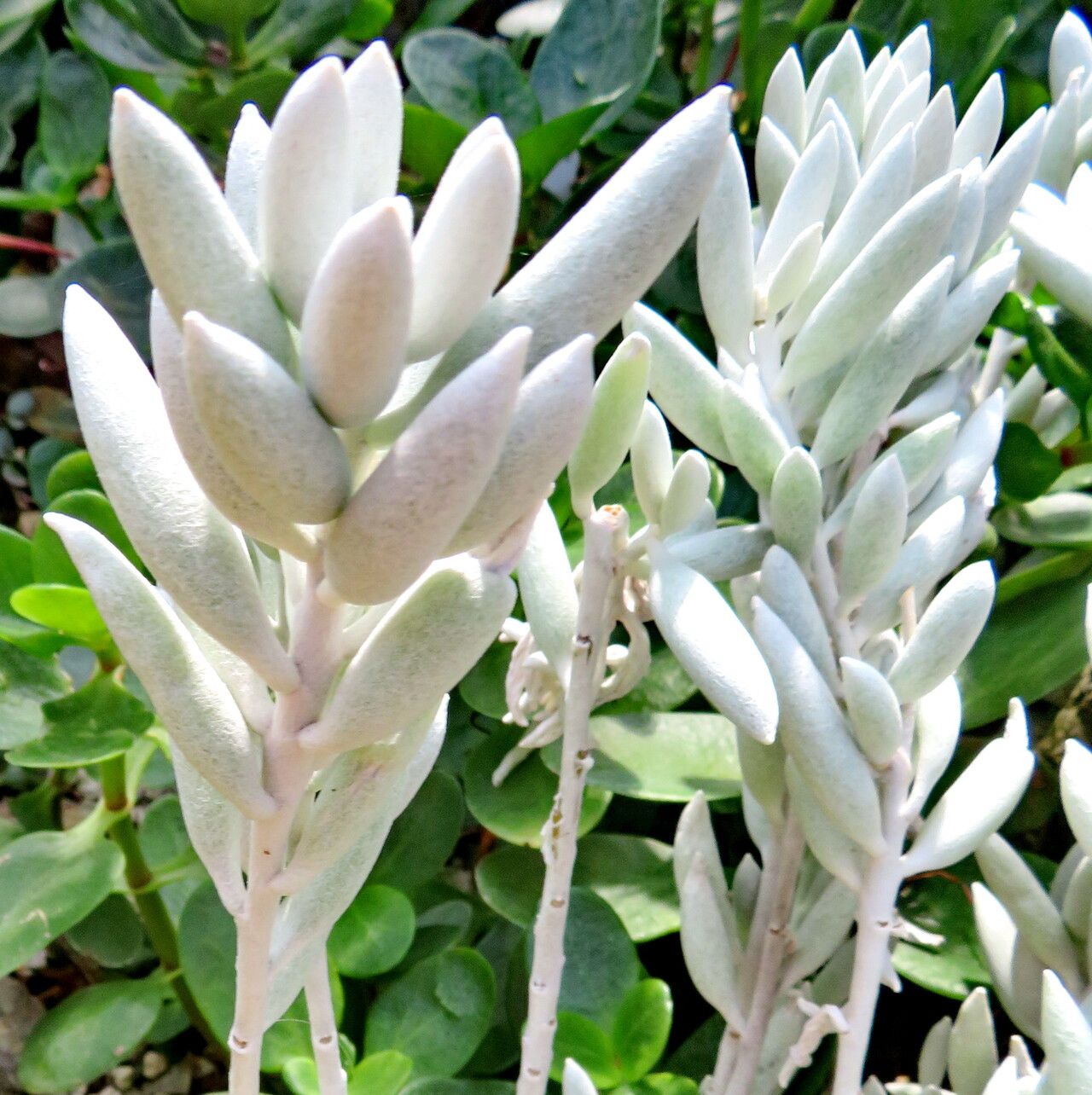
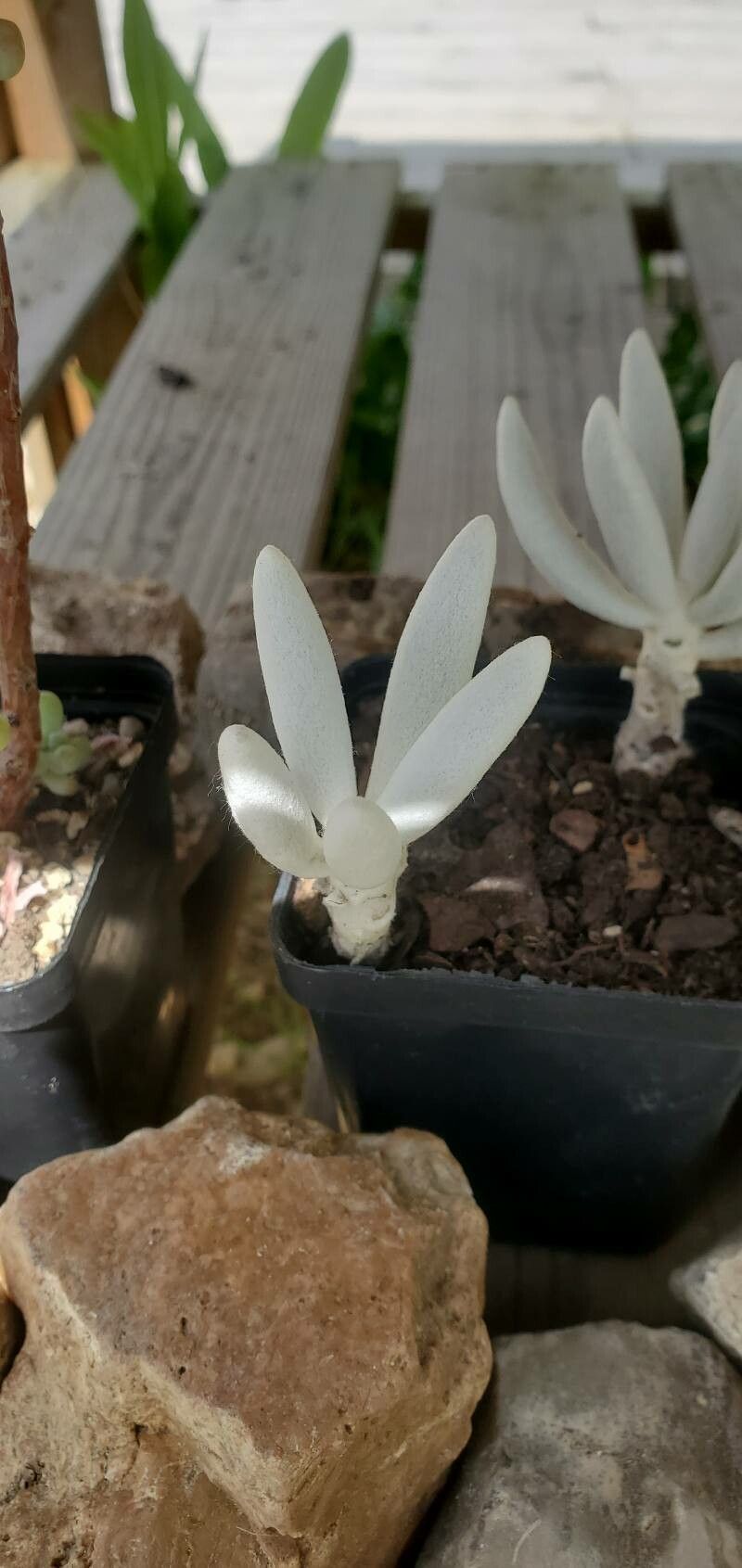
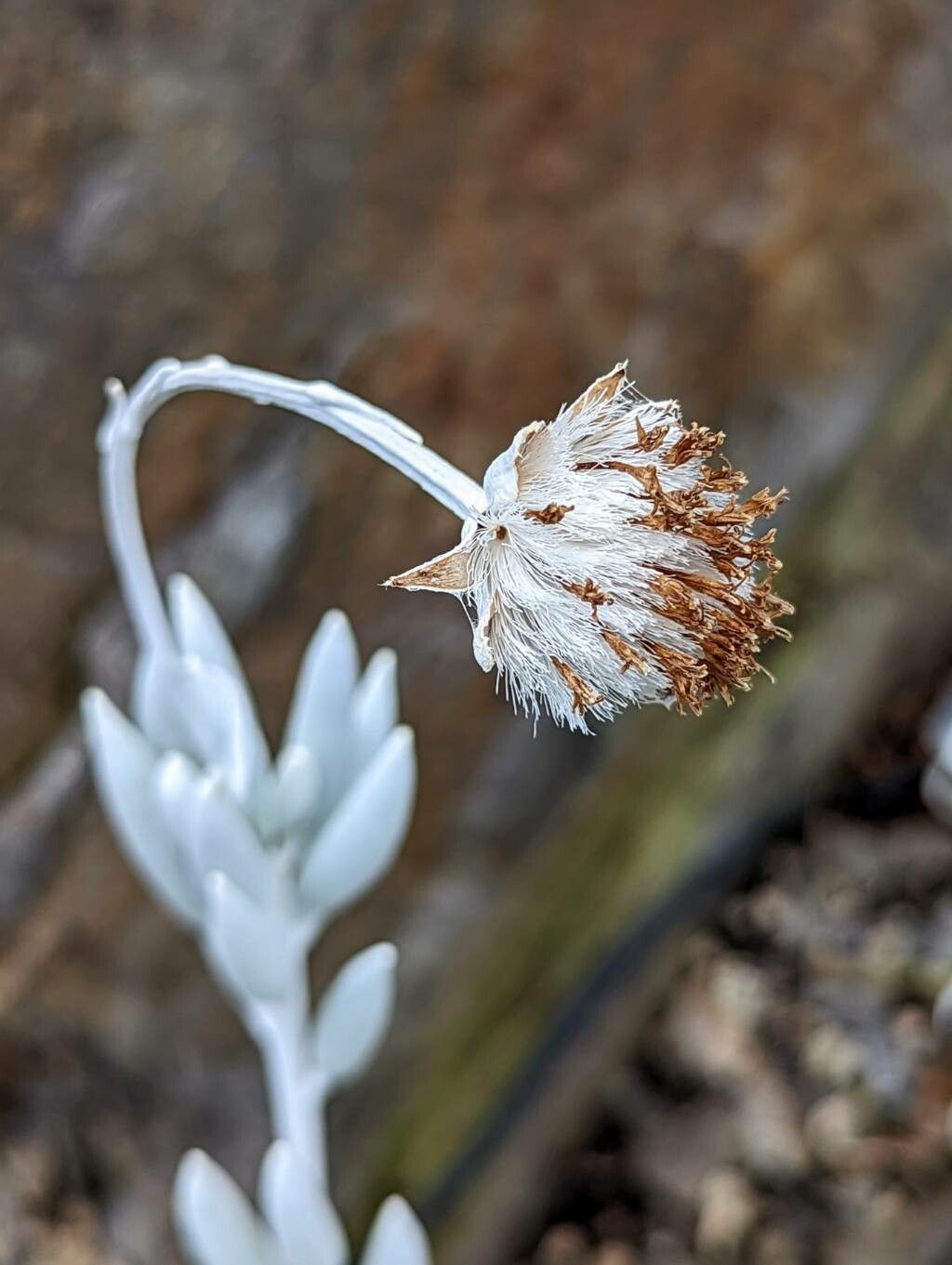
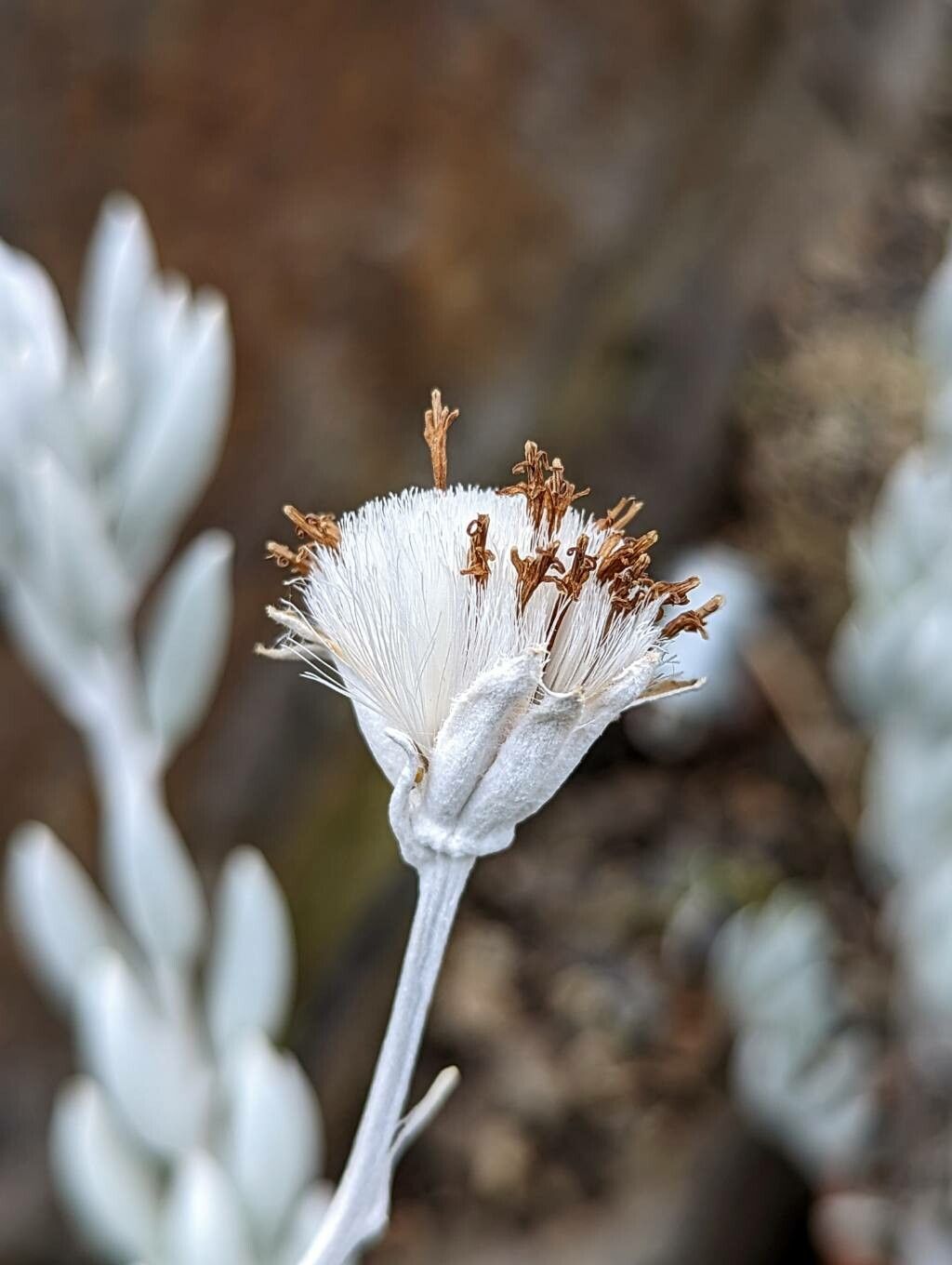
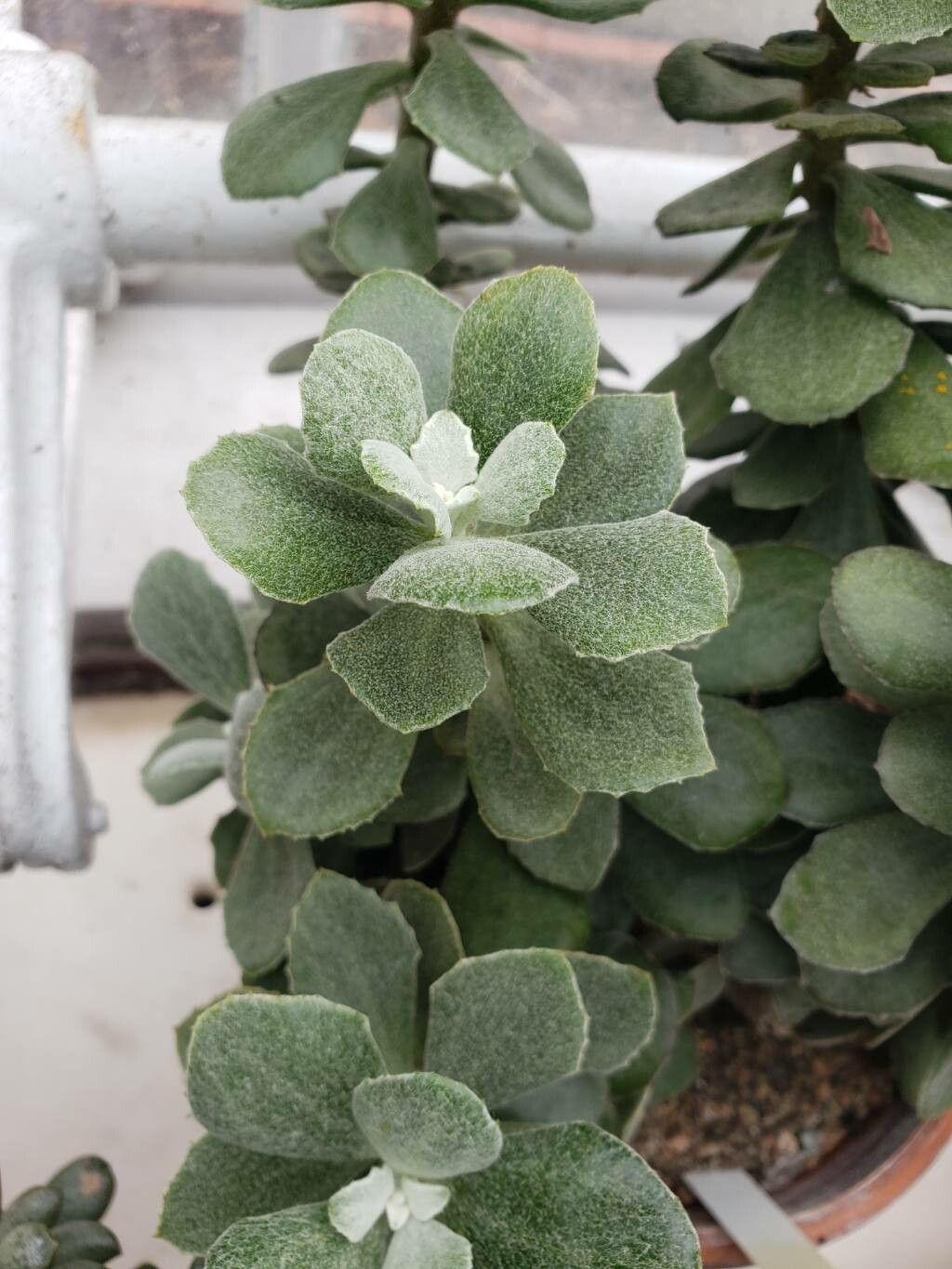
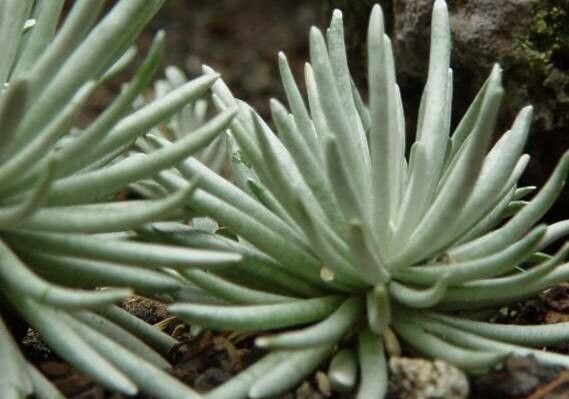
The Cocoon Plant (Senecio haworthii, Caputia tomentosa), also known as the Wooly Senecio or the Ashweed, is native to South Africa and is a perennial dwarf shrub of the Asteraceae family. Fine white hairs cover the surfaces of the cylindrical cacti-like succulent leaves, making them stand out among other green succulents. Despite the fact that it is not as prevalent as some other succulent species, it is a favorite of many people. The Cocoon plant is distinguished by its cocoon-like cylindrical white hairs or felted leaves. The shrub is a dwarf perennial that may reach a height of one foot. It may have a spread of roughly 2 feet in breadth. These plants grow at an altitude of little more than a mile in their natural environment.
How to keep Caputia Tomentosa.
Water
The Cocoon plant, like many succulents, is drought resistant, which means it can go for lengthy periods of time without watering, making it the ideal plant for individuals who struggle to keep up with a watering schedule. With that considered, overwatering is one of the most prevalent causes of succulent death.
Temperature
The wooly senecio must be maintained in an area with low humidity levels. This plant is also not cold-resistant and cannot withstand temperatures below freezing for more than an hour. The cocoon plant should not be grown in temperatures below 30° F (-1.1° C). If the weather in your location routinely exceeds these temperatures, you should grow your cocoon succulents inside.
Fertilizer
Use a succulent fertilizer once a year, but only gently, since frequent and heavy feedings may create lanky growth.
Pruning
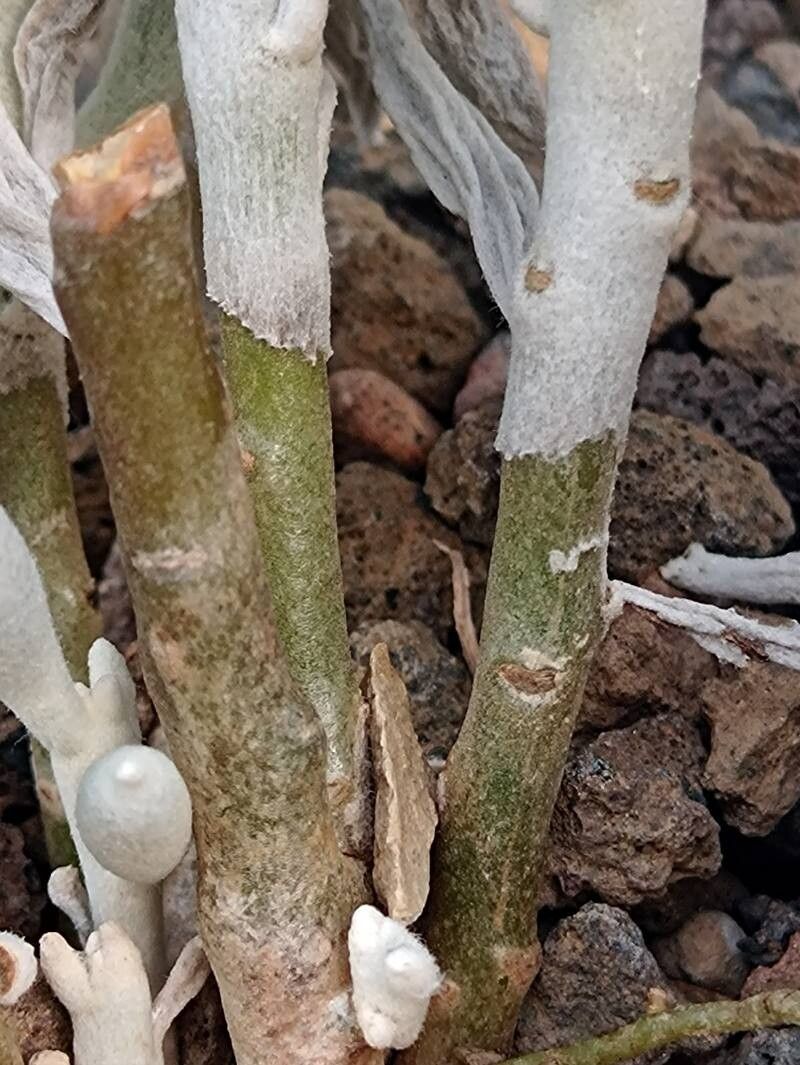
Senecio plants need little care. They may, however, become floppy, particularly the tall types. Pruning should be done in the early spring. Trim the stem to where it is solid. Keep the stem cuttings to root and grow new house plants.
Toxicity
All Senecio plants are toxic. Ingestion can cause fatal liver disease in animals when eaten in large quantities over a long period of time. Wear gloves when working with the plants; the sap can cause severe irritation. Be careful when planting Senecio species if you have children, pets, or livestock.
Further reading →
The toxicity and danger assessments provided are for reference only. We do not assure their accuracy, so it's crucial not to depend on them. Seek professional advice when necessary for accurate guidance.
Botanical profile.
- Plant Type
- Perennial succulent
- Genus
- Caputia
- Family
- Asteraceae
- Hardiness Zone
- 9-11
Other names.