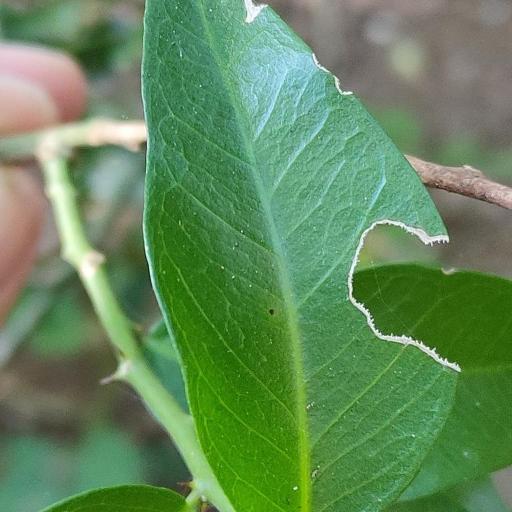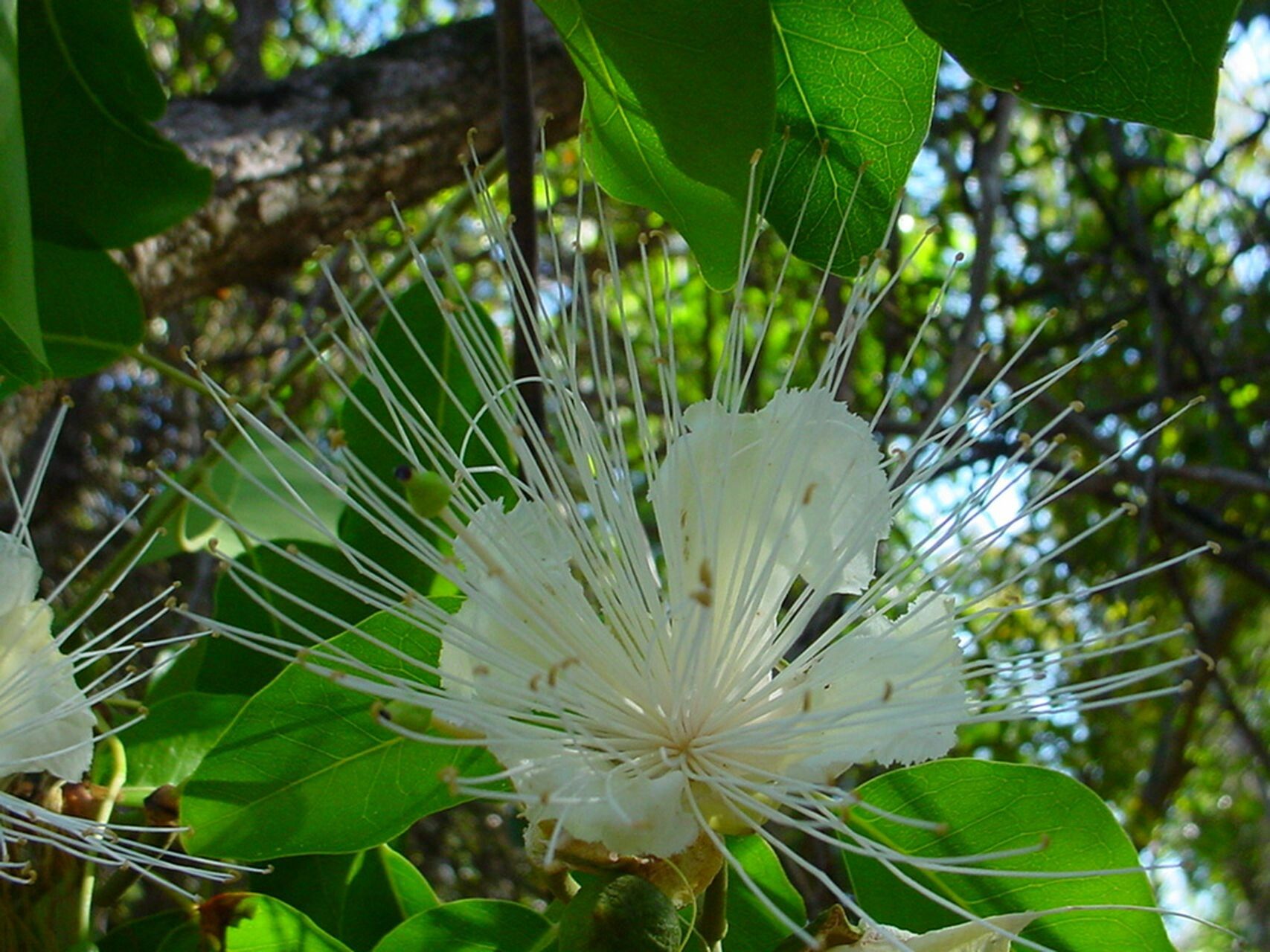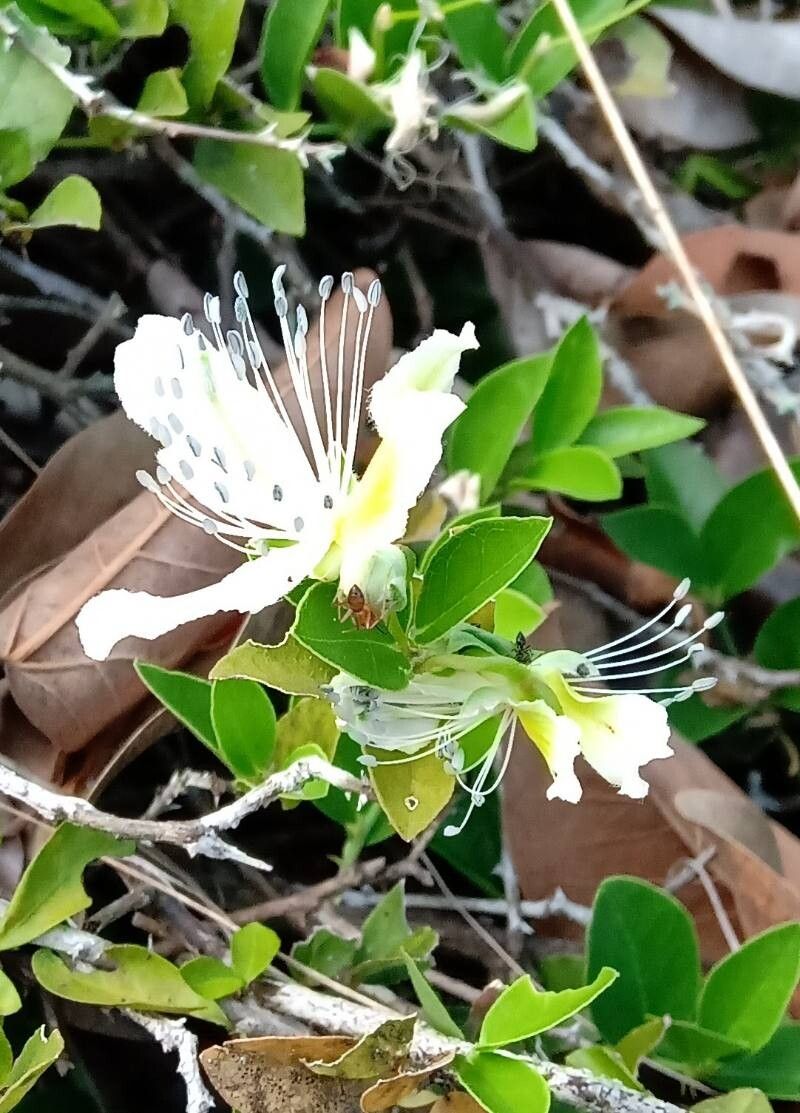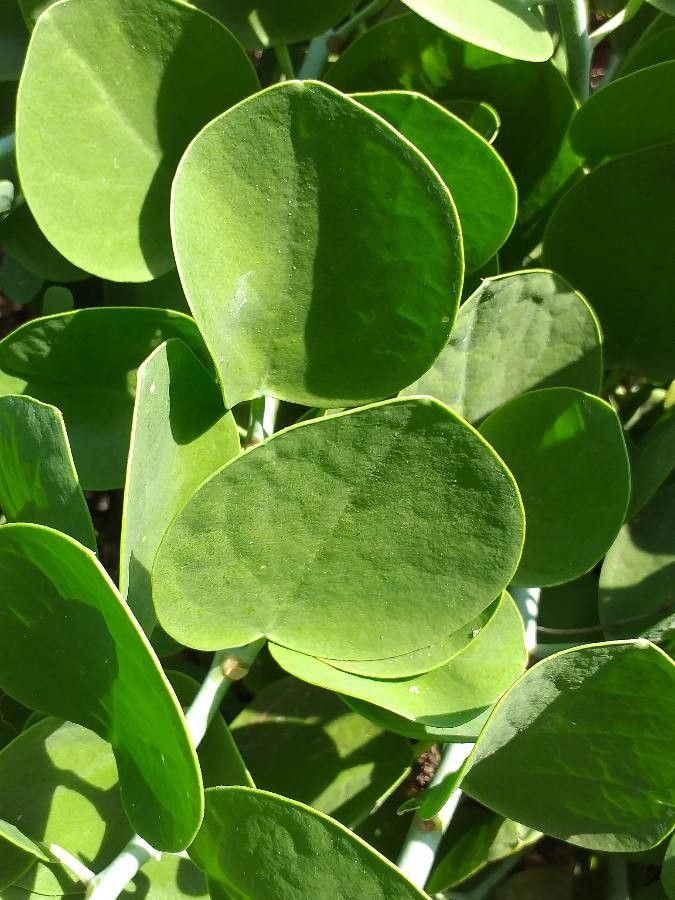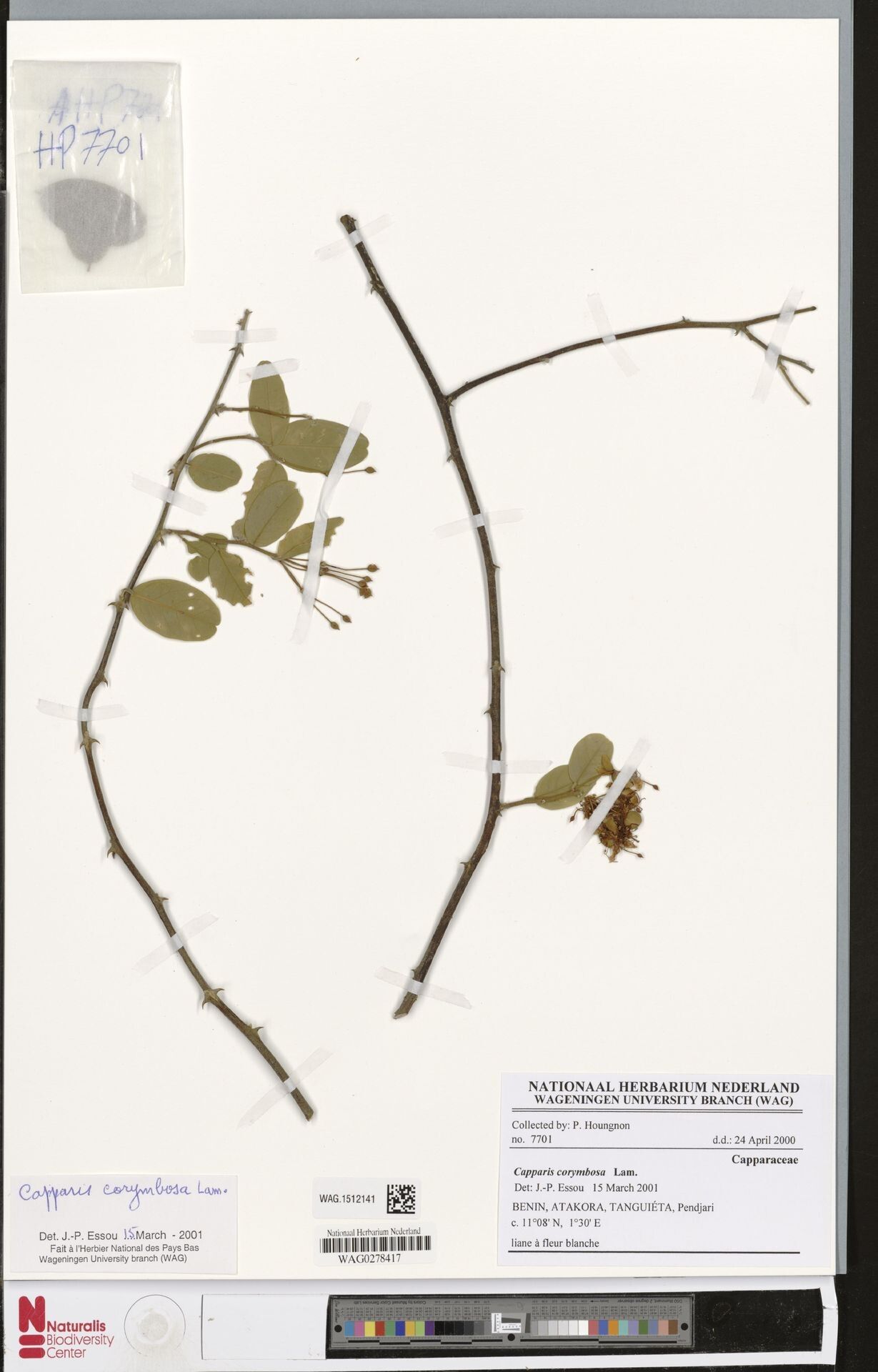
African caper shows good resistance to disease and is generally not susceptible to illnesses. Regarding care, this plant is fairly low-maintenance. When grown outdoors it needs only light watering, and larger plants usually do not require pruning. Smaller plants, however, should be trimmed after they have finished blooming. The African caper is suitable for anyone with outdoor space, such as a garden or deck, and does not demand a lot of gardening experience.
How to keep Capparis Corymbosa.
Light
The African caper originates from open surroundings like sunlit meadows and the boundaries of forests, where it gets plenty of light. Although it flourishes best in Full Sun, it can still tolerate Partial Sun, demonstrating its adaptability to various sunlight conditions.
Temperature
The African caper is native to tropical areas, which generally have a hot and moist climate. Therefore, it is naturally suited to environments with high heat and humidity levels. It doesn't fare well with abrupt changes in temperature and prefers a consistent temperature setting. Thus, it's crucial to prevent any indoor temperature variations. This plant generally doesn't withstand low temperatures and needs warmer conditions to thrive. If the ambient temperature falls excessively, the plant's growth could halt, or it might even perish.
Fertilizer
The best period to provide nutrients to an African caper is during the beginning of spring as it exits its dormant state. This growth enhancement leads to improved flower development. Supplying it with nutrients strengthens the plant's leaves, stems, and branches, supports the growth of large, bright, and enduring flowers. It also helps in moving nutrients from the roots to the flowers, leading to an increase in the overall health of the plant and its ability to resist disease.
Botanical profile.
- Plant Type
- Shrub
- Life Cycle
- Perennial
- Hardiness Zone
- 10-12
- Mature Height
- 2.13 m to 3.96 m
- Mature Spread
- 2.13 m to 3.05 m
- Leaf Color
- Green, Dark Green
- Leaf Type
- Deciduous
- Flower Color
- White
- Flower Size
- 5.08 cm to 6.35 cm
- Bloom Time
- Late spring, Summer, Early fall
- Planting Time
- Spring, Summer, Autumn
- Harvest Time
- Late summer, Fall
- Native Area
- Burkina Faso, Somalia, Angola, Namibia, Eritrea, Yemen, Kenya, Niger, Uganda, Tanzania, Zimbabwe, Mali, Benin, Cameroon, Mozambique, Ghana, Ethiopia, Botswana, Central African Republic, Saudi Arabia, Malawi, South Africa, Zambia, Sudan, Mauritania, Guinea, Chad, Togo, Senegal, Eswatini, Côte d'Ivoire, Gambia, Congo (DRC)