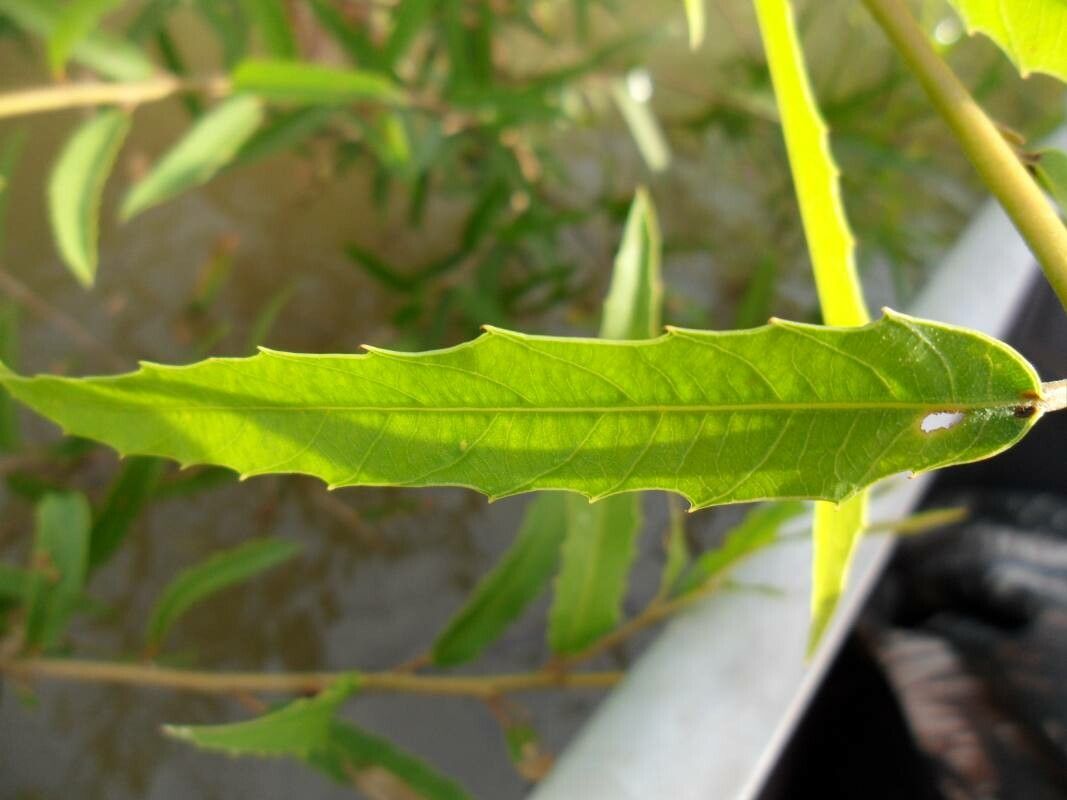
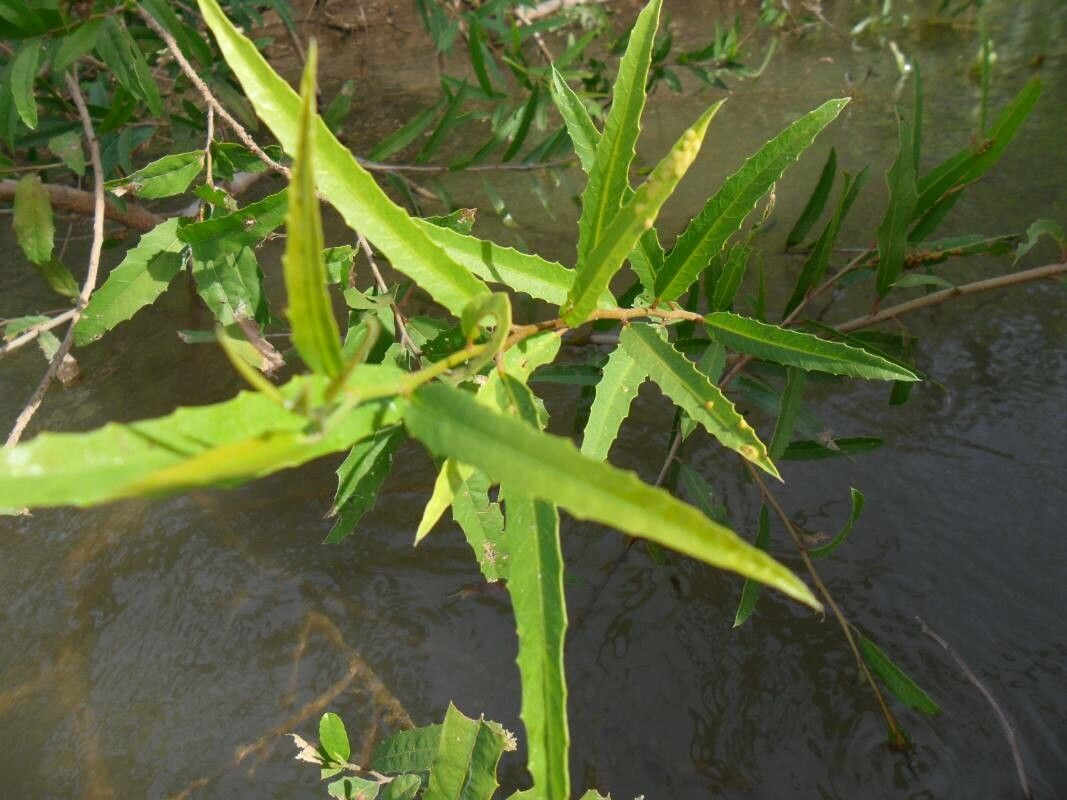
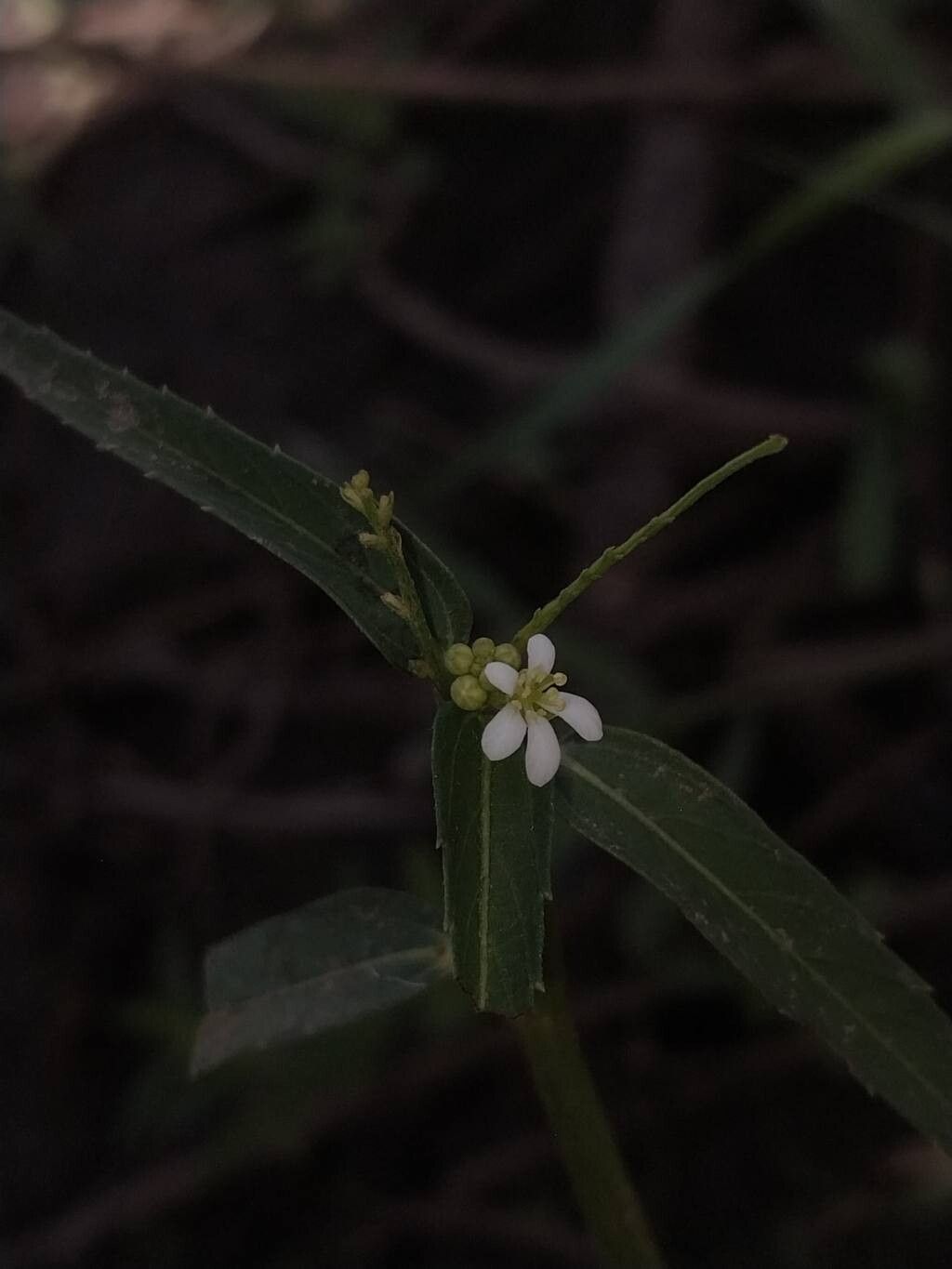
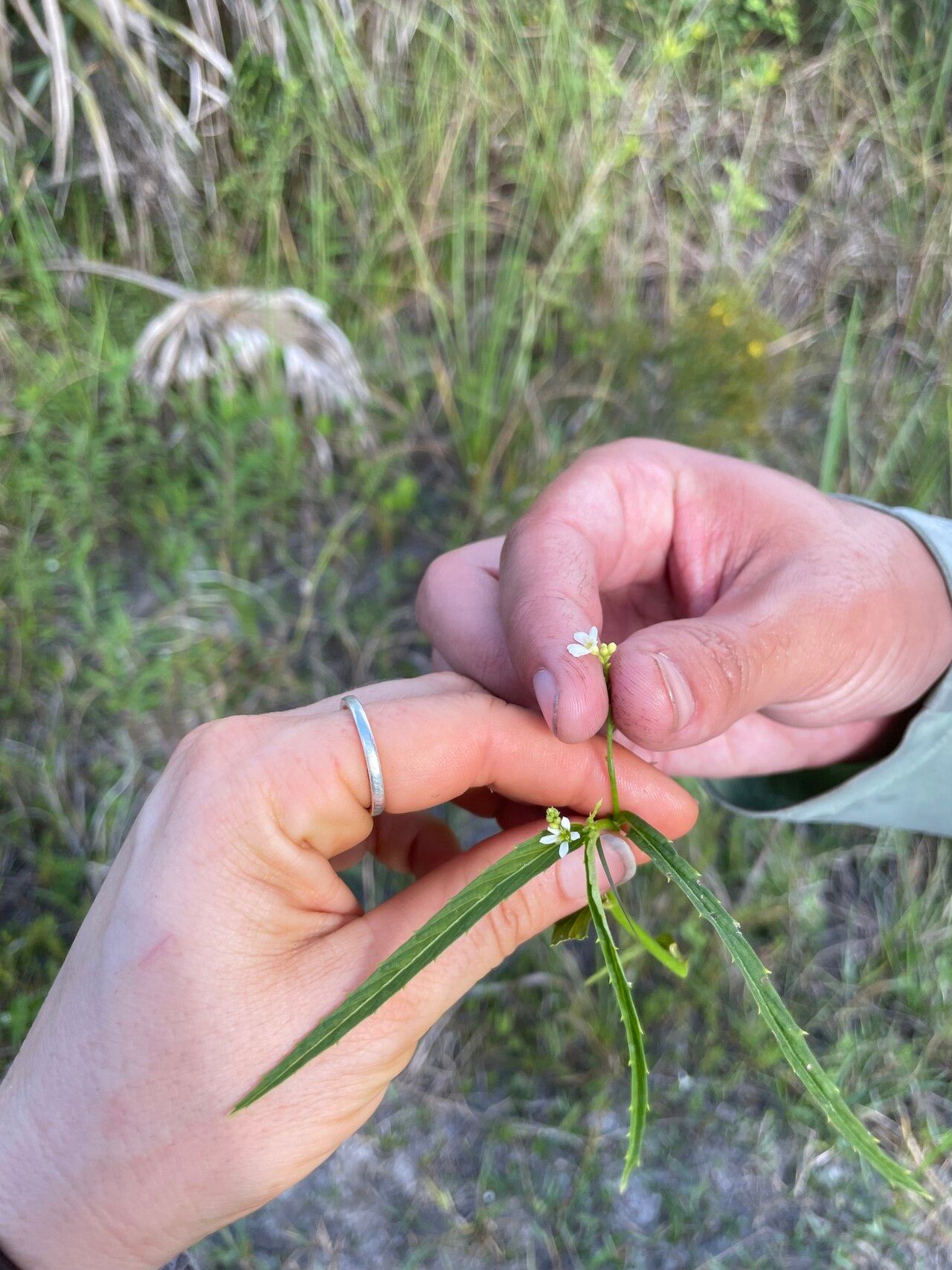
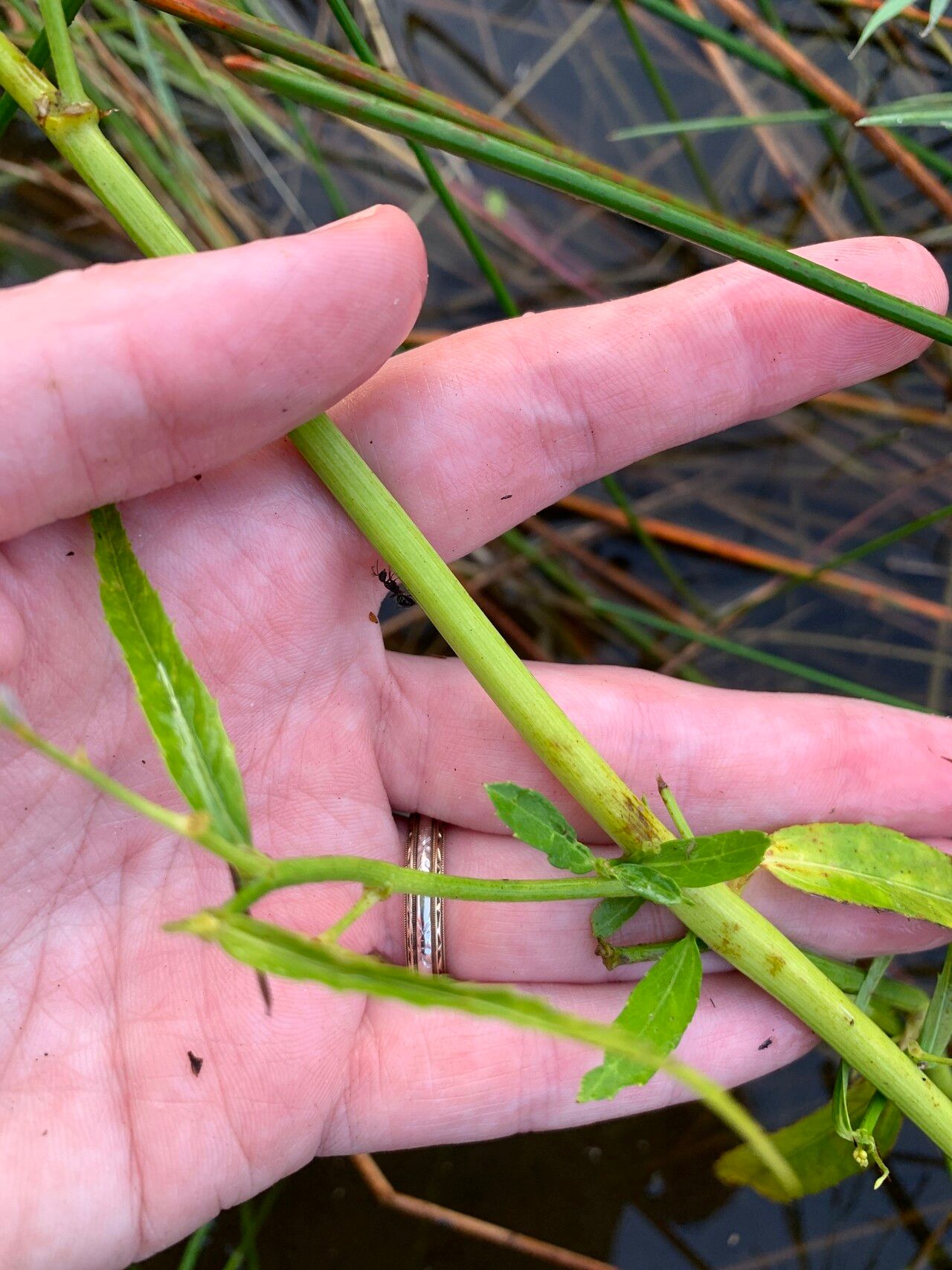
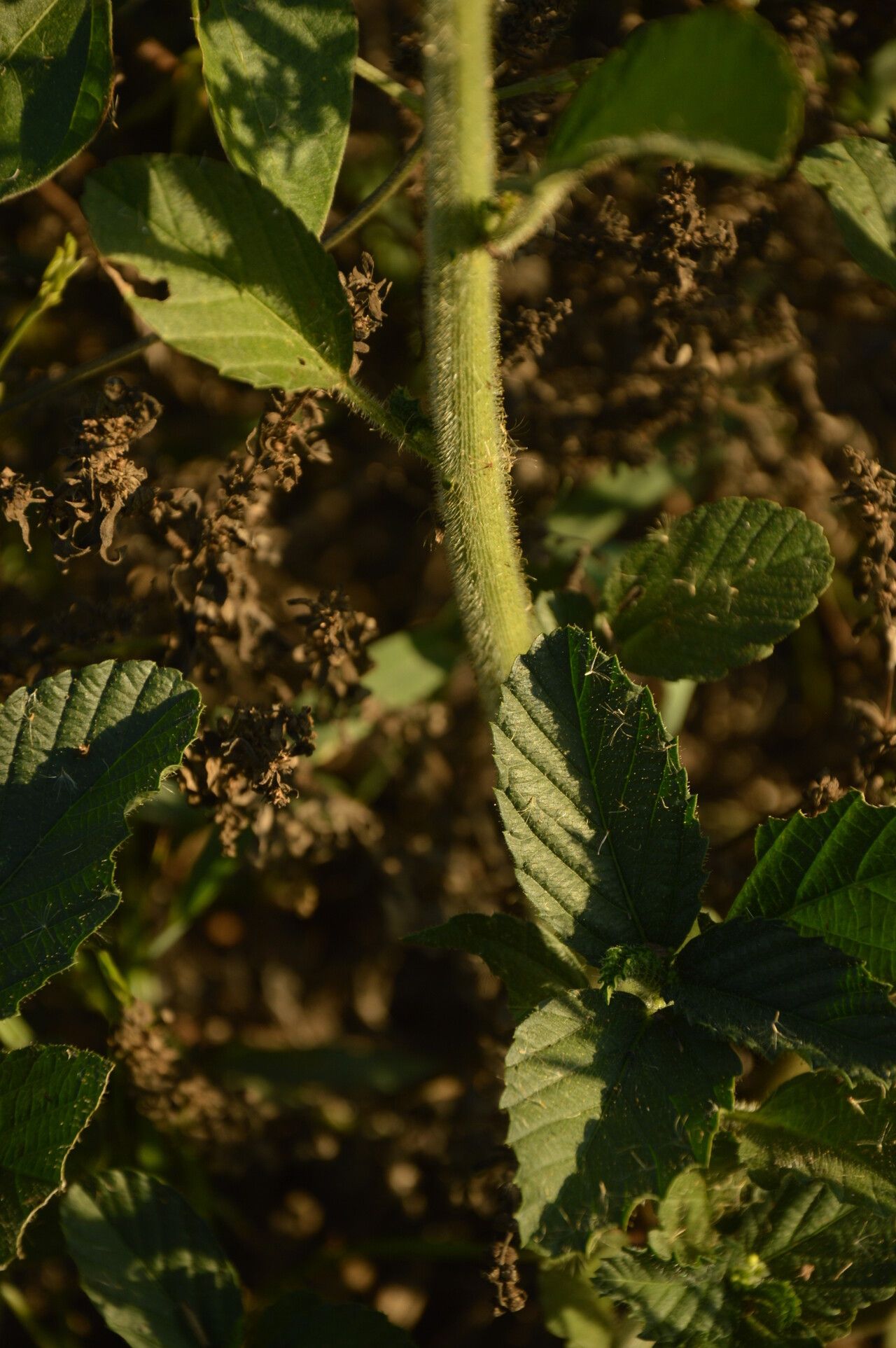
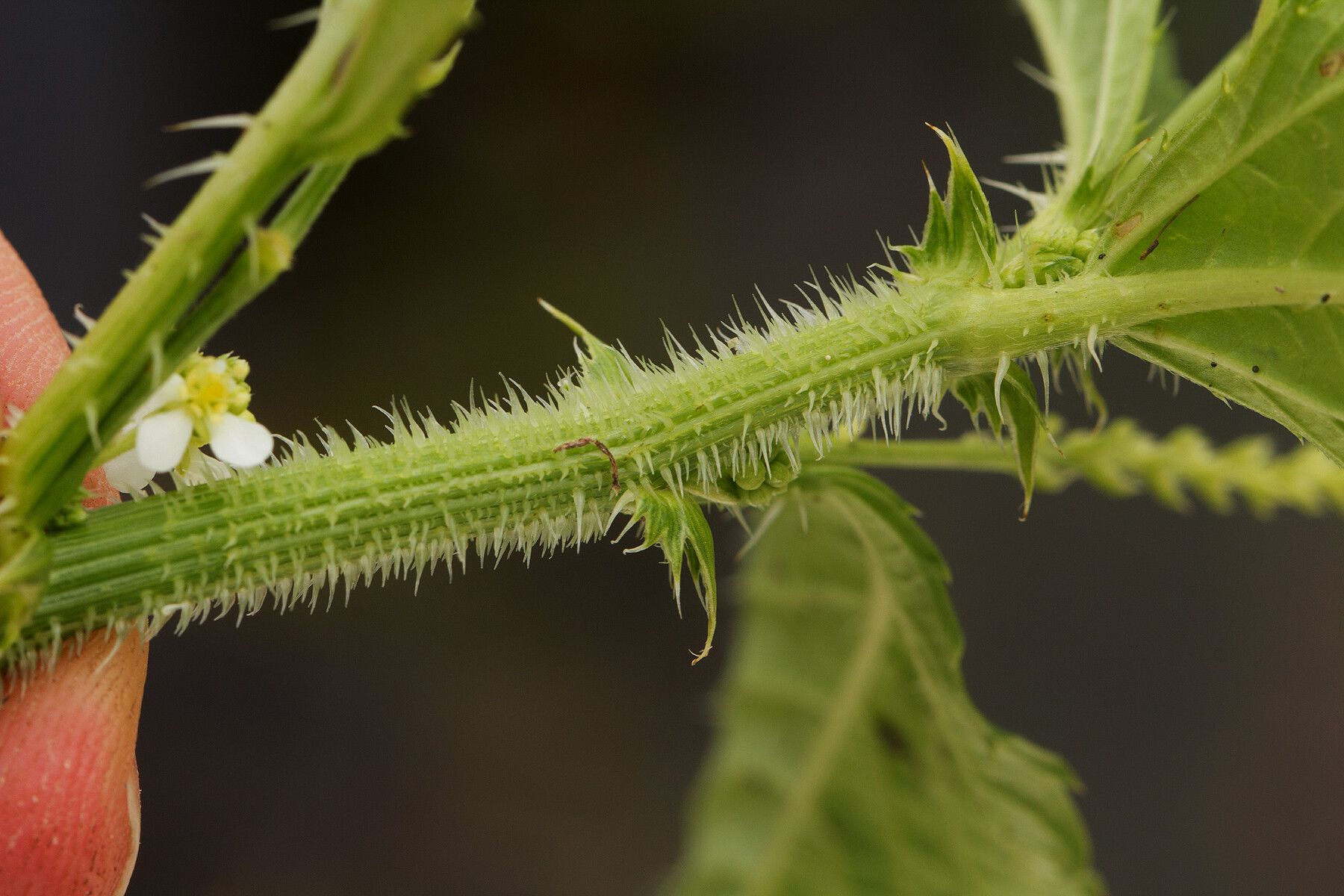
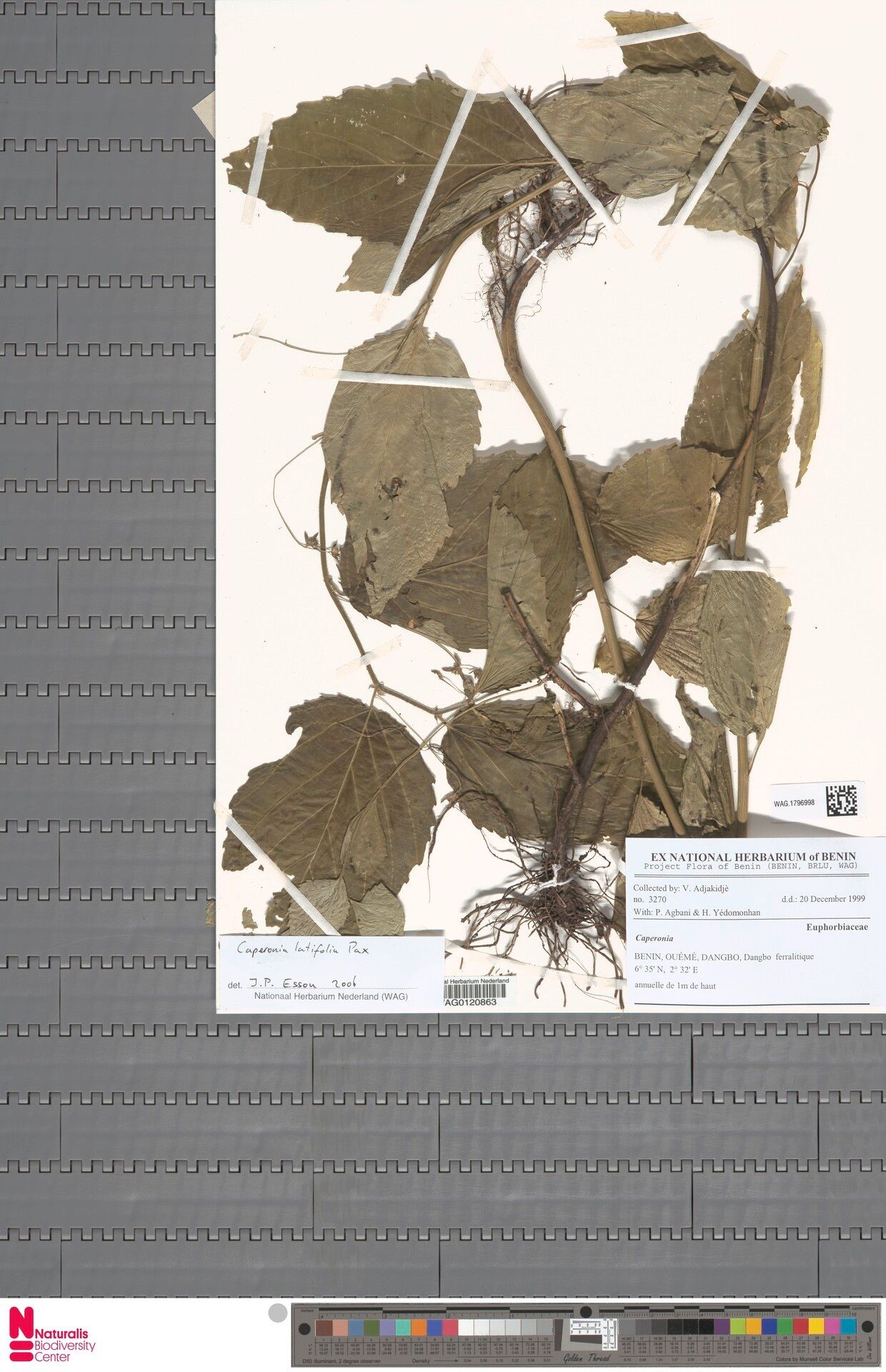
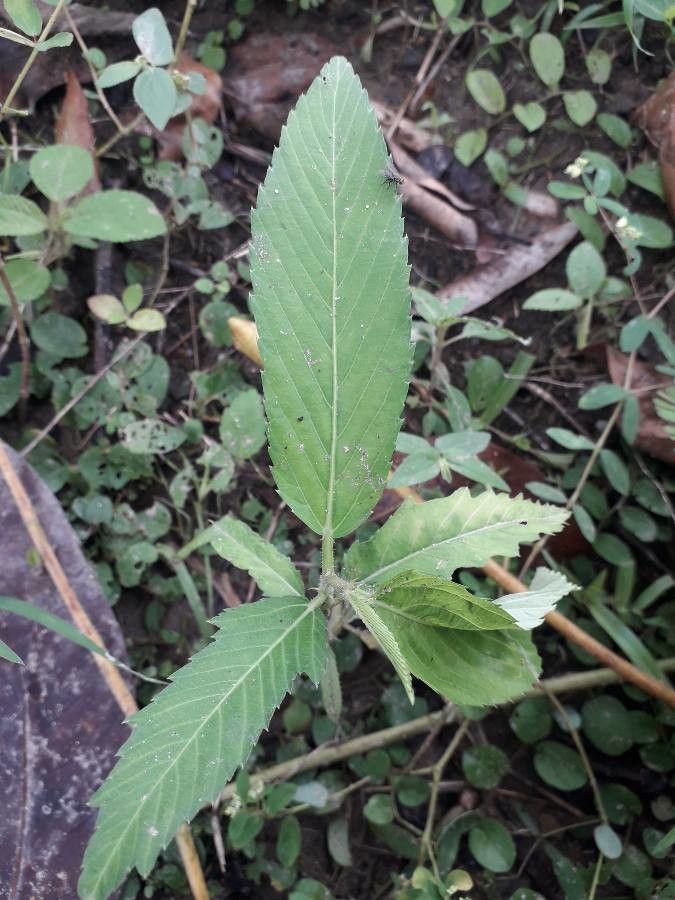
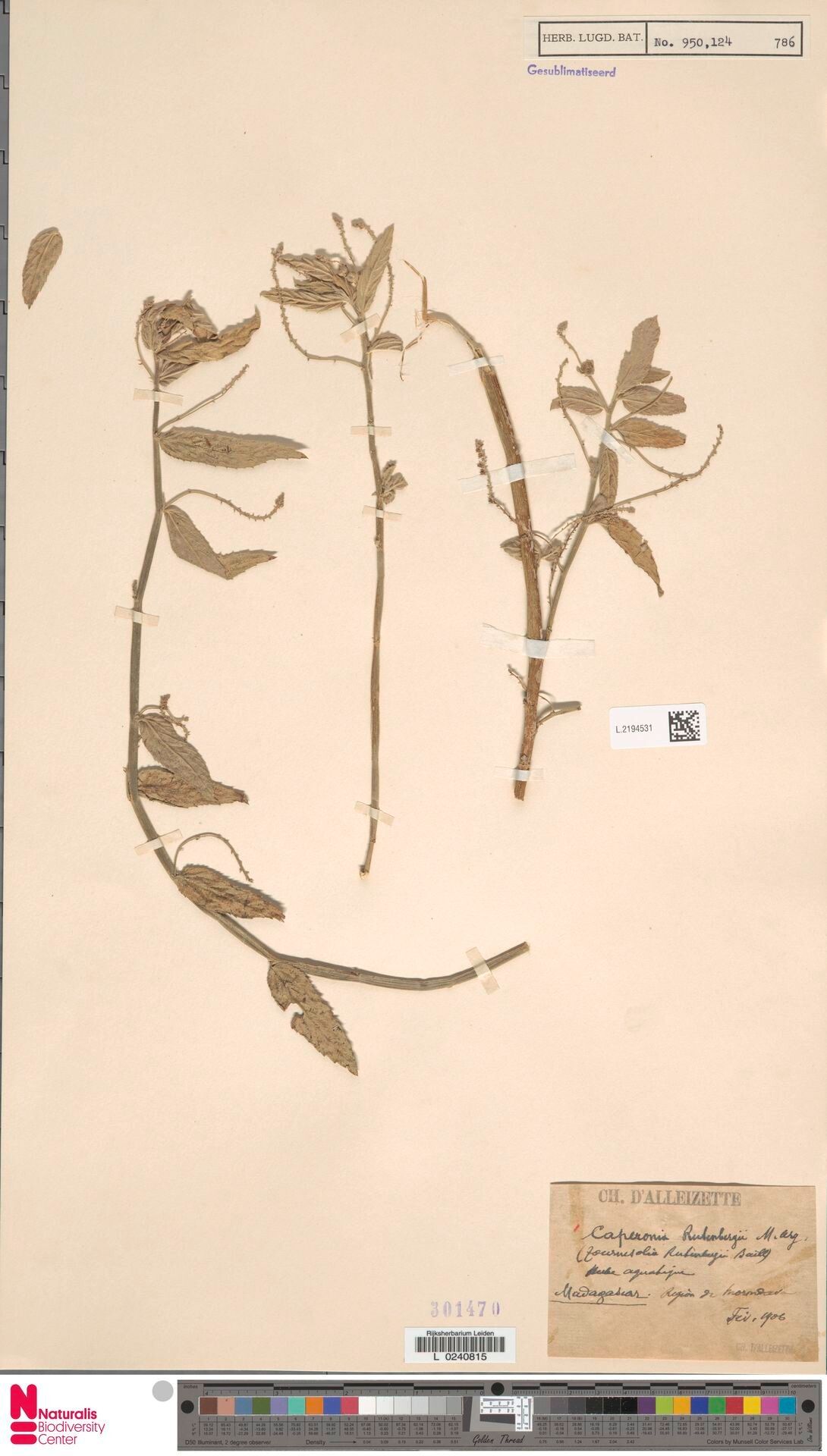
Chestnut-leaf false croton has strong disease resistance and is generally not prone to illnesses. However, it can be vulnerable to pests and diseases present in its environment. Such infections are typically mild. Regarding care, this plant needs moderate maintenance. It should be pruned regularly to preserve a tidy appearance and healthy growth. Applying fertilizer can also help encourage flowering. Chestnut-leaf false croton is suitable for anyone with outdoor space, like a garden or patio, and does not demand extensive care experience. It may need more attention when cultivated indoors.
How to keep Caperonia Castaneifolia.
Light
The Chestnut-leaf false croton is a perennial herbaceous plant that loves the sun and comes from open environments, typically flourishing in meadows and grasslands. While it favors full sunlight, it can also withstand conditions of partial sunshine.
Temperature
The Chestnut-leaf false croton hails from tropical zones, where the weather is generally hot and moist. Consequently, it is well-suited to high heat and humidity levels. It is not fond of swift changes in temperature and prefers a consistent thermal setting, hence the need to prevent indoor temperature swings. Typically, it doesn't endure cold conditions and needs elevated temperatures to grow. A steep plunge in temperature can hinder its growth or potentially cause its death.
Fertilizer
The Chestnut-leaf false croton needs the highest amount of fertilizer during its phase of active growth, predominantly in the spring, summer, and early fall. Fertilization is crucial as it supplements vital nutrients that might be deficient in the soil, encouraging healthy root and stem growth, along with appealing foliage, a defining attribute of this specific plant.
Botanical profile.
- Plant Type
- Herb, Shrub
- Life Cycle
- Perennial
- Hardiness Zone
- 9-11
- Mature Height
- 30 cm to 91 cm
- Mature Spread
- 20 cm to 49 cm
- Leaf Color
- Green, Dark Green
- Leaf Type
- Deciduous
- Flower Size
- 0.25 cm to 0.51 cm
- Bloom Time
- Summer, Early fall, Mid fall
- Planting Time
- Spring, Summer
- Harvest Time
- Late summer, Fall, Early winter
- Native Area
- Colombia, Belize, Cuba, Honduras, Mexico, Bolivia, Venezuela, Peru, Guyana, Brazil, Nicaragua, Ecuador, Costa Rica, Panama, Jamaica
Other names.