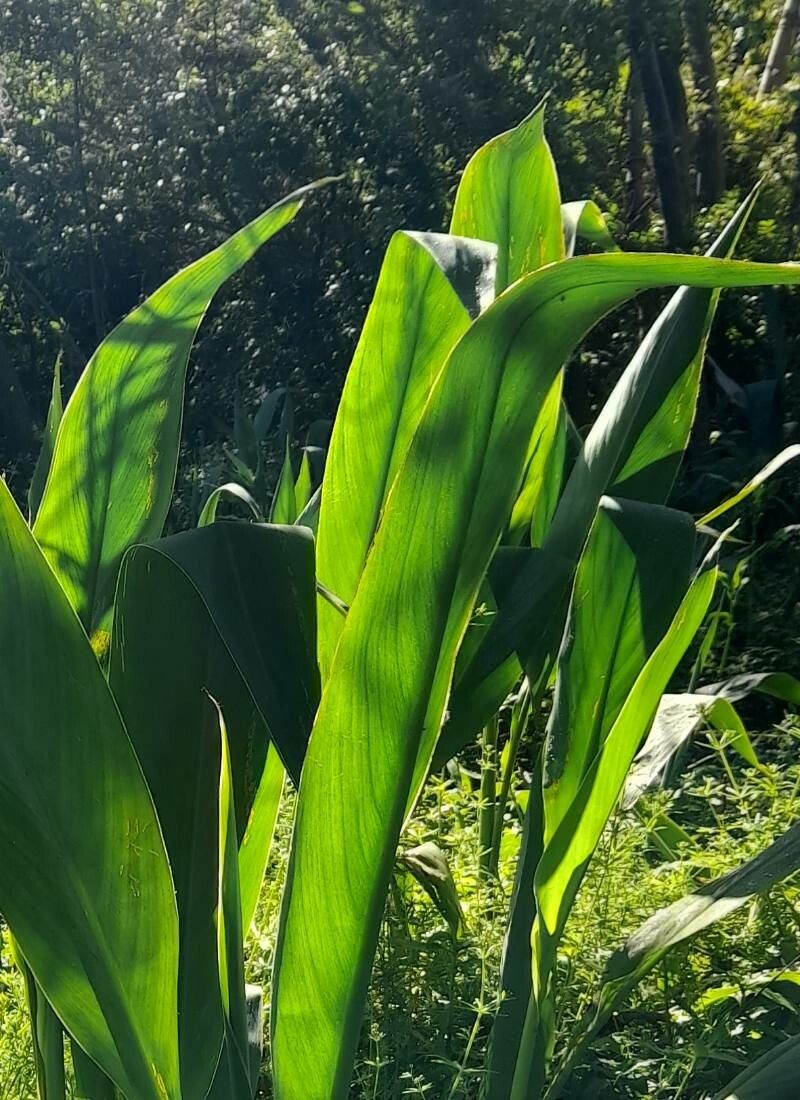
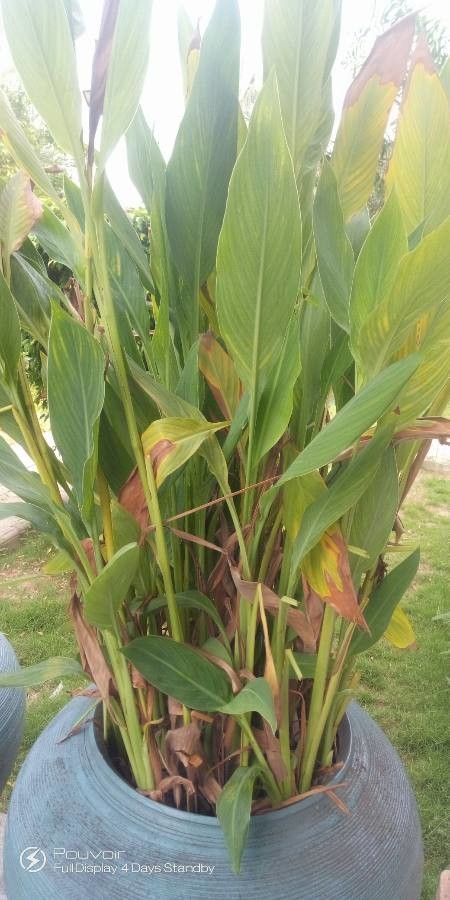
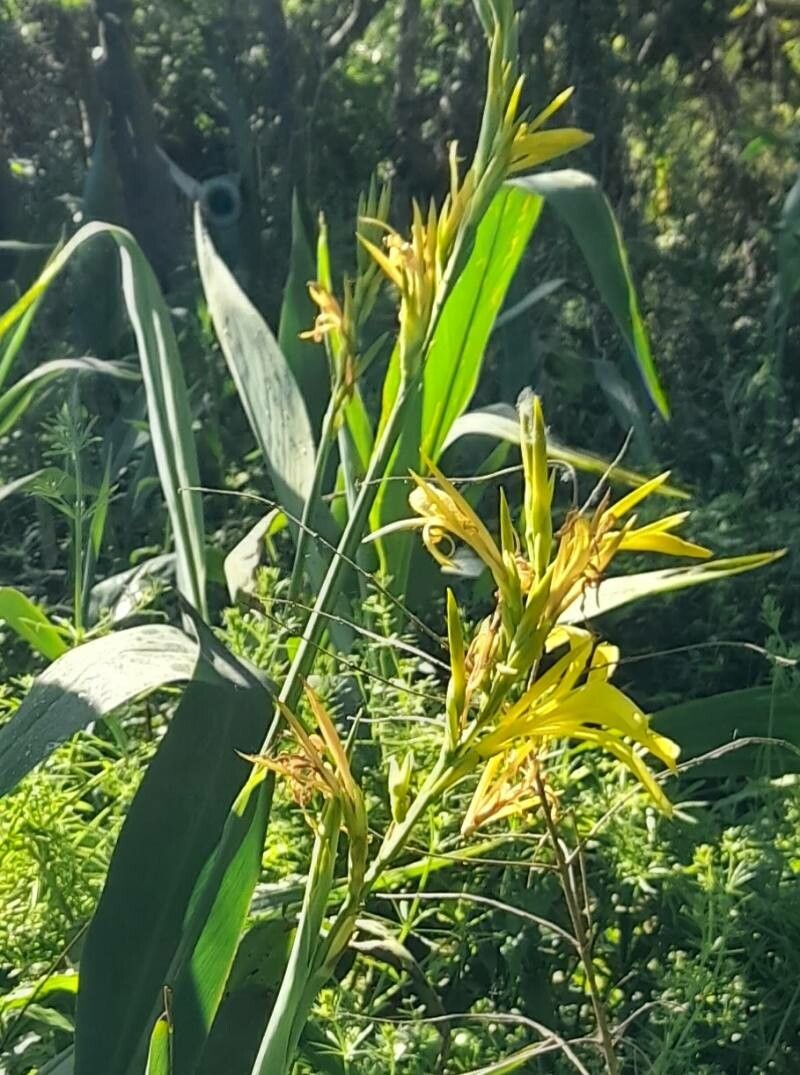
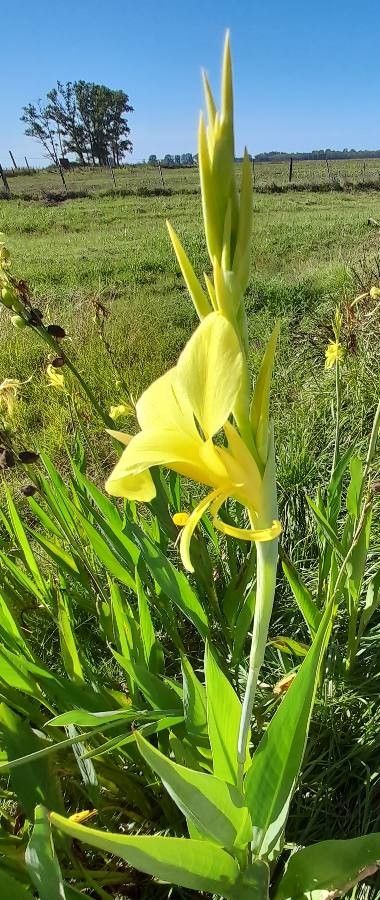
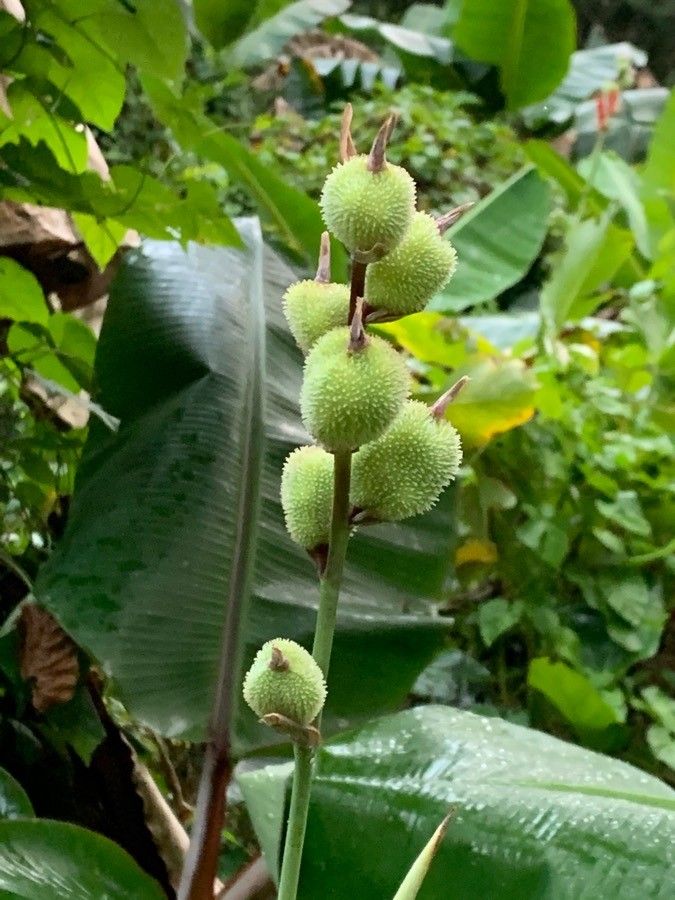
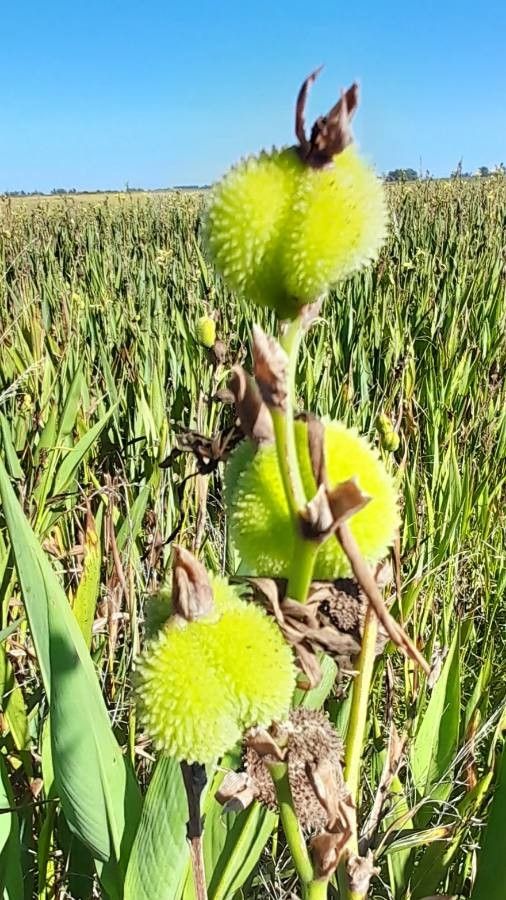
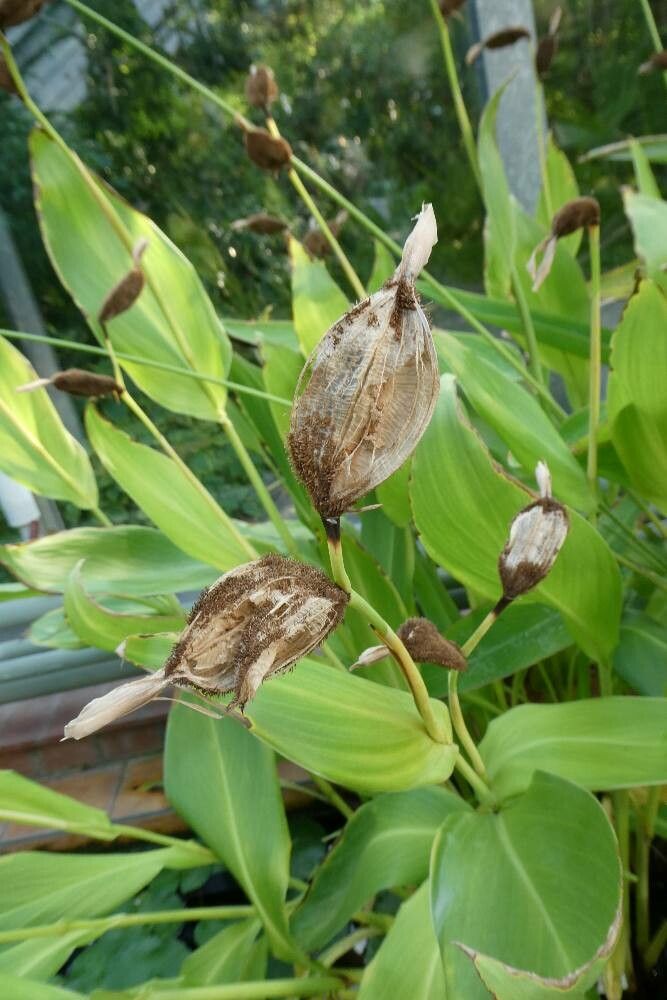
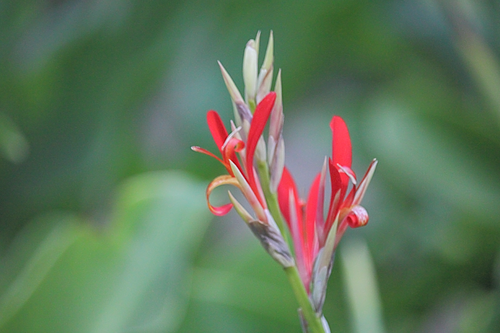
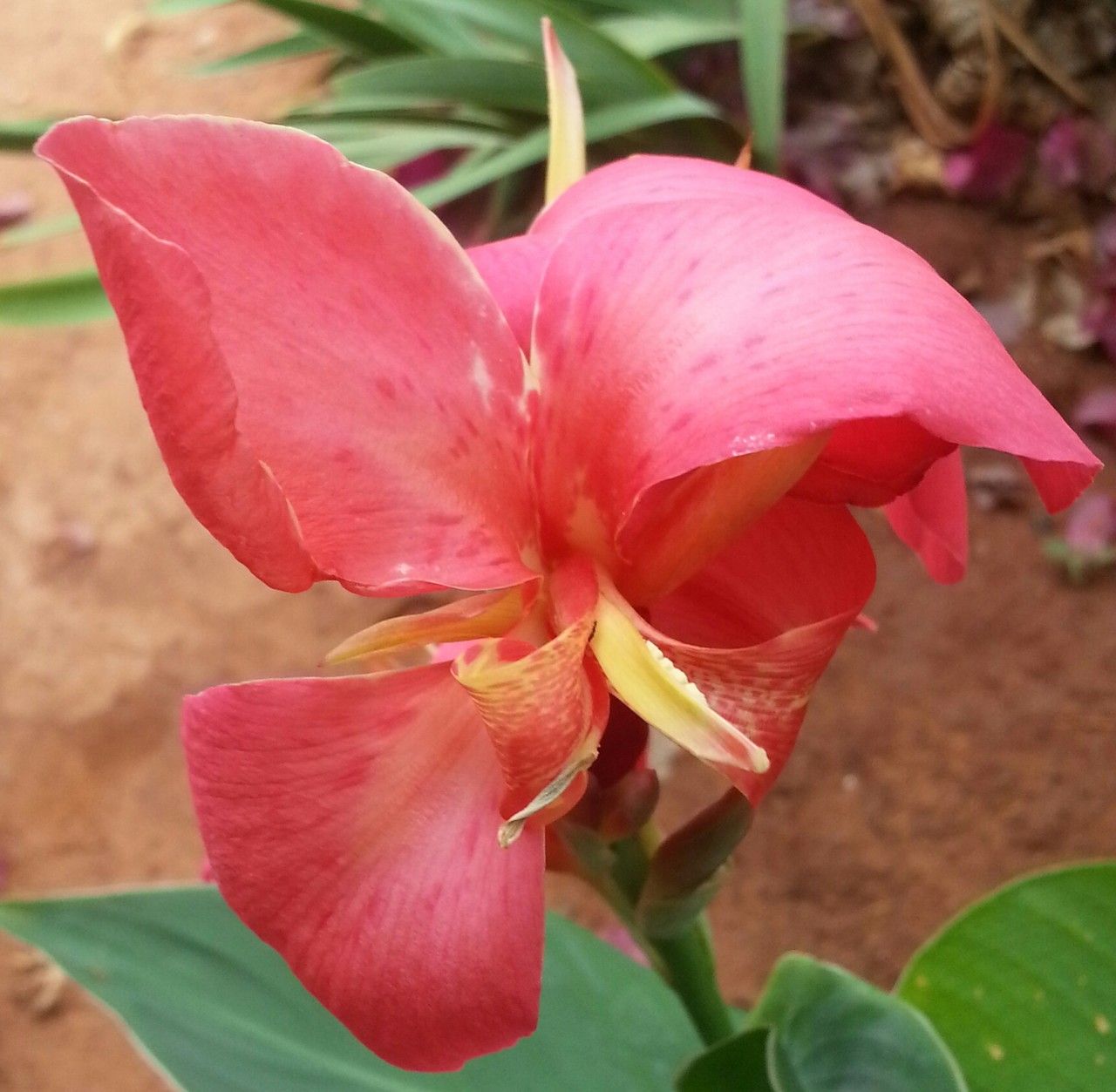
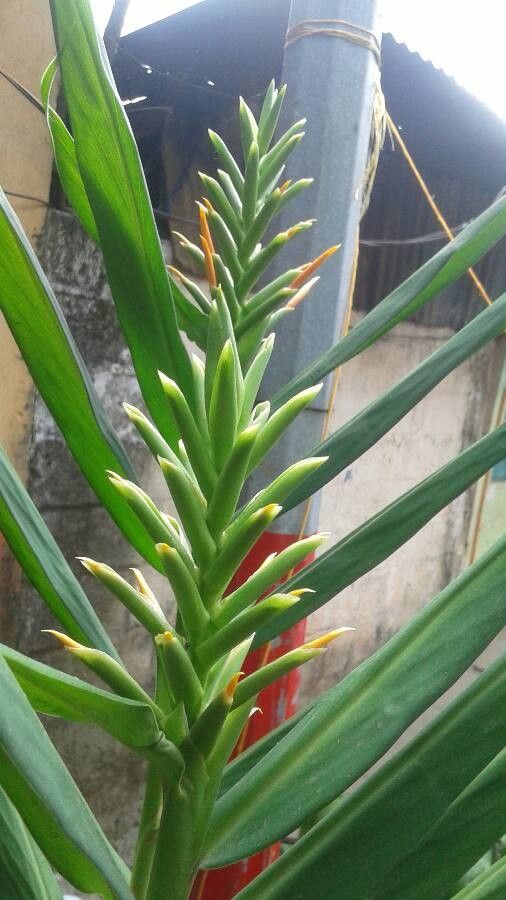
Canna glauca is a species of the Canna genus, a member of the family Cannaceae. It is commonly known as water canna or Louisiana canna. It is native to the wetlands of tropical America and was introduced to England in 1730. It is also reportedly naturalized in Sri Lanka, Thailand, Vietnam, Java and the Philippines.
Maraca amarilla is fairly resistant to diseases and generally does not tend to get sick. However, it can be affected by pests and diseases present in its surroundings. These problems are usually mild. For care, this plant requires moderate maintenance. It should be pruned regularly to keep a good appearance and support healthy growth. Fertilizing can also help encourage flowering. Maraca amarilla is suitable for anyone with outdoor space, such as a garden or patio, and does not need a lot of care experience. It may demand more attention when grown indoors.
How to keep Canna Glauca.
Light
Maraca amarilla prospera en lugares donde los rayos del sol están presentes durante gran parte del día. También puede tolerar áreas con menos luz solar, aunque su mejor desarrollo se observa en lugares con sol continuo. Tanto la sobreexposición como la falta de sol pueden obstaculizar su crecimiento normal. Procedente de un entorno con abundante luz solar, la cantidad de sol influye de forma significativa en su salud.
Water
The Maraca amarilla thrives in tropical wetlands that have high humidity and consistent moisture. It prefers moist, well-draining soil and should be watered twice a week. As an aquatic plant grown outdoors, it benefits from natural rainfall during the growing season to support optimal growth.
Humidity
This plant will thrive in moderate humidity, which is probably the level in your home. However, misting it a few times a week can be very beneficial. Make sure the room has good ventilation.
Temperature
Maraca amarilla naturally thrives in temperatures from 59 to 95 °F (15 to 35 ℃). It prefers warmth and can withstand high heat. Seasonal temperature adjustments are recommended when temperatures drop below 59 °F.
Fertilizer
The best time to fertilize a Maraca amarilla is in early spring, when it is coming out of dormancy and starting active growth. Fertilization supplies essential nutrients for healthy development. Although Maraca amarilla has relatively low fertilizer requirements, annual feeding can improve its survival and encourage better, longer-lasting flowers.
Pruning
To help your maraca amarilla flourish, consider strategic pruning in early spring or late winter. Start by removing dead stems and thinning out crowded areas to improve air circulation and minimize the risk of disease. Cut back the old flowering stems to encourage new blooms, which will enhance the plant's vitality and visual appeal.
Pot & Repot
For the maraca amarilla to thrive when planted in pots, it needs excellent drainage.
Botanical profile.
- Plant Type
- Herb
- Life Cycle
- Perennial
- Genus
- Canna
- Family
- Cannaceae
- Hardiness Zone
- 7-10
- Mature Height
- 1.52 m
- Mature Spread
- 61 cm to 91 cm
- Leaf Color
- Green
- Leaf Type
- Evergreen
- Flower Color
- Yellow, Orange
- Flower Size
- 7.62 cm to 15.24 cm
- Bloom Time
- Summer, Fall
- Planting Time
- Spring, Autumn
- Harvest Time
- Late summer, Fall, Early winter
- Native Area
- Honduras, Mexico, Guatemala, Peru, Panama, Jamaica, Colombia, Cuba, Bolivia, Venezuela, Guyana, El Salvador, Nicaragua, Brazil, Ecuador, Costa Rica
Other names.
Reader questions.
How should I water my Yellow Maraca plant?
To properly water the Maraca amarilla, it is recommended to use filtered water at room temperature. Tap water can contain harmful particles, so filtering it is ideal. The water should also be at room temperature or slightly warmer because the plant is used to a warm environment and cold water can be a shock. Avoid overhead watering as it can cause issues with the foliage. Instead, directly apply filtered water to the soil until it is completely soaked. This helps moisten the roots and supports their spread through the soil to gather nutrients.
Why do I have to feed my yellow Maraca plant?
Fertilization is important for the Maraca amarilla because it provides nutrients for growth. However, the plant's fertilization needs are generally low and it can survive without it. Annual fertilization is beneficial though, as it helps the plant stay alive and produce better, longer-lasting flowers. Those looking to enhance the appearance of their Maraca amarilla should consider annual fertilization.
What are the sunlight requirements for Maraca Amarilla (Canna glauca)?
Maraca Amarilla requires full sun or partial sun to thrive optimally. Full sun means the plant should receive above 6 hours of sunlight per day, while partial sun refers to about 3-6 hours of sunlight per day. It's essential to observe how sunlight moves through your garden to find the perfect balance for your plant, ensuring it gets enough light without the adverse effects of too much direct sunlight.
What is the ideal temperature range for growing Maraca amarilla?
Maraca amarilla thrives in environments where the temperatures range from 59 to 95 °F (15 to 35 °C). It is a plant that loves warmth and can tolerate high temperatures well. However, when temperatures start to dip below 59 °F, it's advisable to adjust the environment to protect the plant from colder conditions. Despite its strong cold resistance, additional precautions should be considered if temperatures are expected to fall below -15°C, by employing frost protection measures such as covering the plant with soil or straw.
What should I do if I give too much or too little water to my Maraca amarilla?
Both overwatering and underwatering can harm the health of your Maraca amarilla. However, overwatering is a more common problem. When this plant gets too much water, the stems and leaves may wilt and turn yellow. Overwatering for a long time can also lead to root rot, mold, and mildew, which can be fatal for your plant. Underwatering is less likely to happen, as the Maraca amarilla can tolerate drought well. But it's still possible, and if it occurs, you'll notice that the leaves become brittle and brown. It's important to recognize the signs of overwatering early on. Some diseases caused by overwatering, like root rot, might not be fixable if you delay too long. If you see early signs of overwatering, reduce your watering right away. You should also check the soil's quality where your Maraca amarilla is growing. If it drains poorly, replace it with a loose, well-draining potting mix. On the other hand, if you notice signs of underwatering, simply water the plant more regularly until those signs improve.
When should I fertilize my yellow Maraca plant?
The best time to fertilize a Maraca amarilla is in the late winter to early spring when it is transitioning from dormancy to active growth. Fertilizing at this time helps promote healthy growth for the season. Although it's generally best to fertilize in early spring, it's also okay to fertilize in the fall. However, it's not recommended to fertilize during summer or winter.
How does sunlight affect Maraca Amarilla's growth?
Sunlight significantly influences the health and growth of Maraca Amarilla. It thrives best in spaces with prevalent sunlight throughout the day but can also manage in areas with less sunshine. However, the best growth is observed under consistent sunlight. Insufficient or excessive sunlight can hinder its normal growth patterns. When dealing with indoor plants, artificial lighting may be necessary, especially in less sunny spaces or during winter, to promote healthy growth. LED lights are recommended, with specific wattages based on the plant's sunlight needs to mimic natural sunlight effectively.
How should I care for Maraca amarilla in winter?
Maraca amarilla is notably resistant to cold, and special frost protection measures aren't generally necessary. However, in anticipation of winter temperatures that drop below -15°C, it’s crucial to provide protection to avoid damage. Pre-winter preparation should include abundant watering of the plant so that the soil remains moist and enters into a frozen state smoothly. This pre-emptive step helps prevent drought and water scarcity for Maraca amarilla during the challenging winter months and into early spring.
How frequently should I water my Maraca amarilla?
If your Maraca amarilla plant is in a pot, you can check if it needs water by putting your finger in the soil. If the top two to three inches of soil are dry, it's time to water it. If you have the plant planted outdoors in the ground, you can use the same method. When the top few inches are dry, it's time to water. Usually, during spring and early fall, watering once a week is enough. However, during hot weather, you might need to water twice or more per week. Keep in mind that mature Maraca amarilla plants can tolerate drought well.
When is it not a good idea to fertilize my Maraca amarilla?
To avoid overfertilization and complications, it is best to only fertilize your Maraca amarilla during the late winter and early spring. This plant has low fertilization needs, so one annual feeding is sufficient. It is important to refrain from fertilizing throughout the spring, summer, and fall to prevent overfertilization. However, if you missed fertilizing in the spring, you can still feed the plant in the fall. Additionally, there is no need to fertilize during the winter as the Maraca amarilla goes into a dormant growth phase and does not produce new growth.
What are the symptoms of incorrect sunlight exposure for Maraca Amarilla?
Incorrect sunlight exposure can lead to several symptoms, including smaller new leaves, leggy or sparse growth, faster leaf drop, slower or halted growth, lighter-colored new leaves, chlorosis, sunscald, leaf curling, wilting, and leaf scorching. These symptoms indicate either too much or too little exposure to sunlight. For optimal health, Maraca Amarilla should be gradually moved to locations with adequate sunlight, avoiding sudden changes in light intensity that could harm the plant.
What are the signs of Maraca amarilla suffering from low temperatures, and what should I do?
When the temperature falls below -15°C, Maraca amarilla may not show immediate signs of distress during winter, but come spring, there could be a noticeable decrease in sprouting or even lack thereof. The plant is cold-tolerant and generally thrives best at temperatures above 15°C. During cold winters, it is essential to keep it above -10°C. If parts of the plant have failed to sprout by spring, those parts should be removed to help the plant recover and grow.