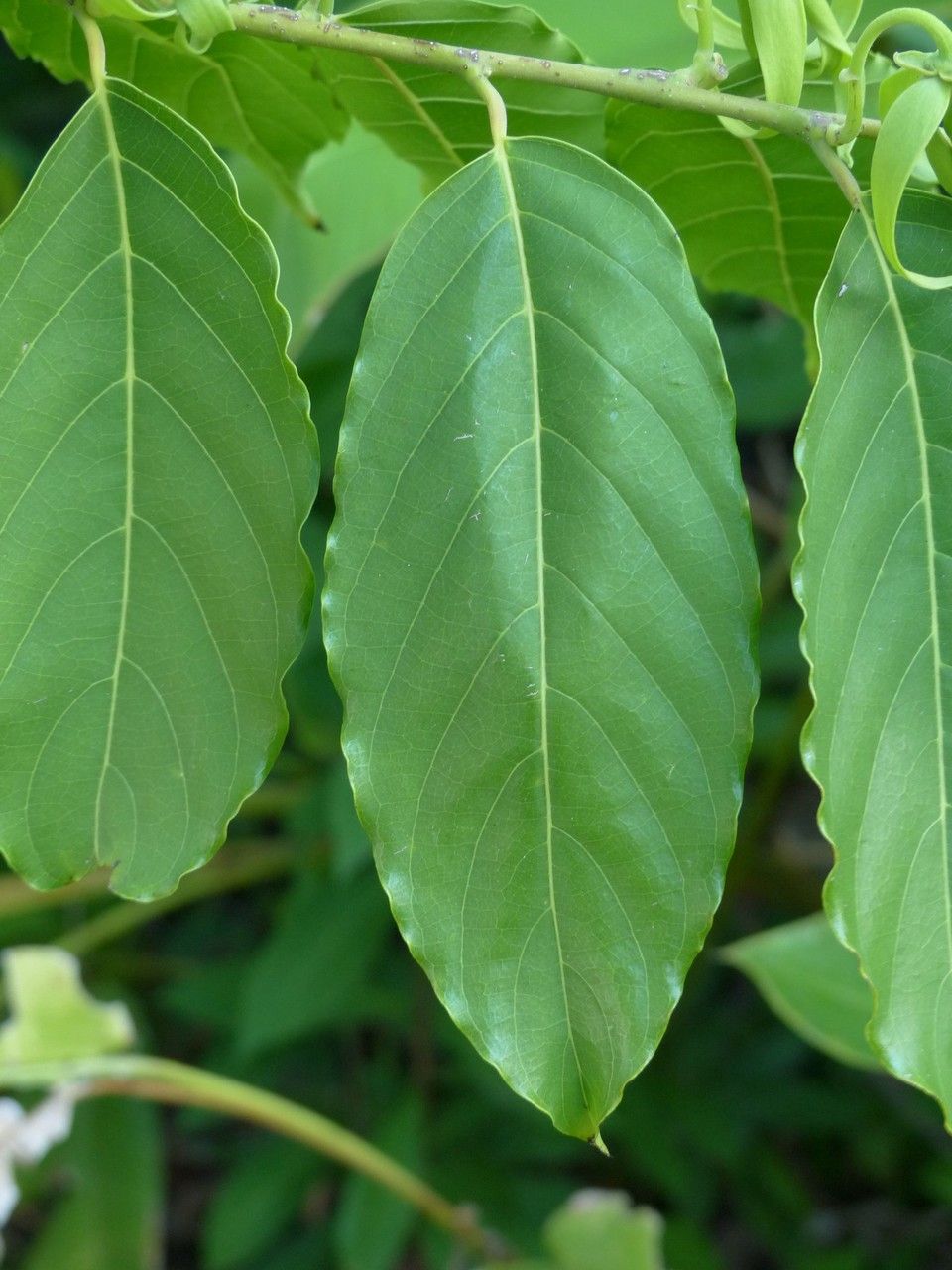
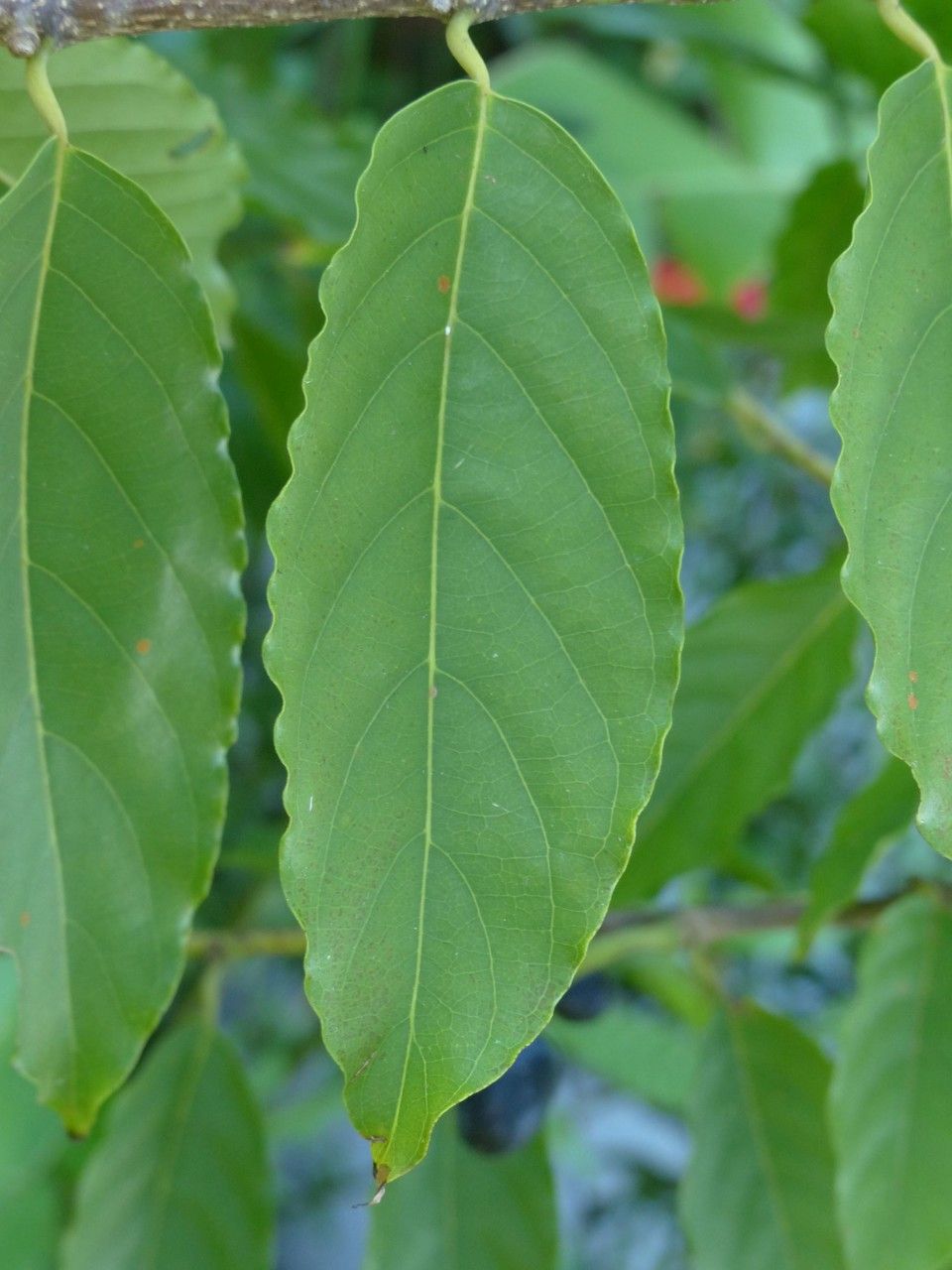
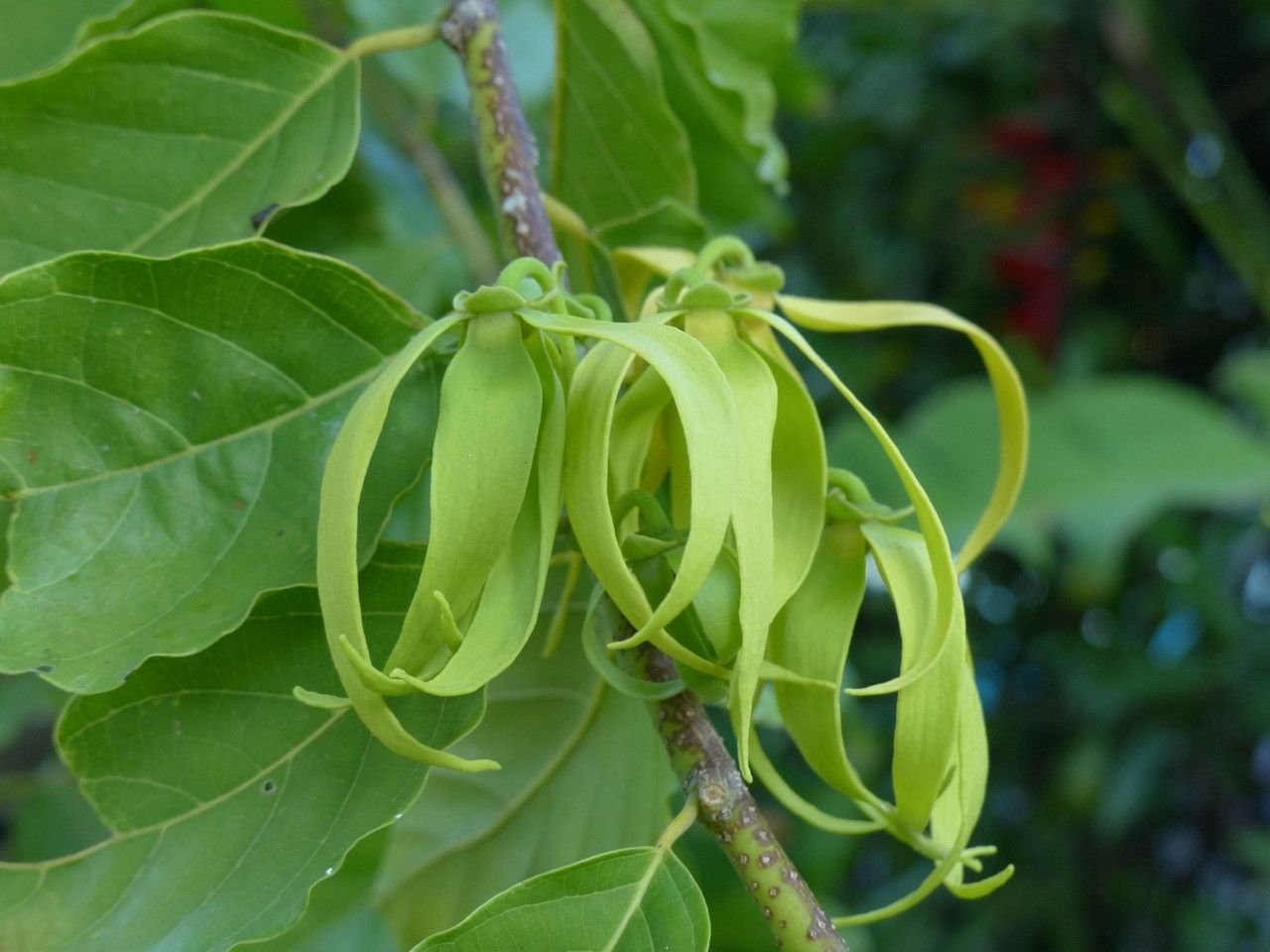
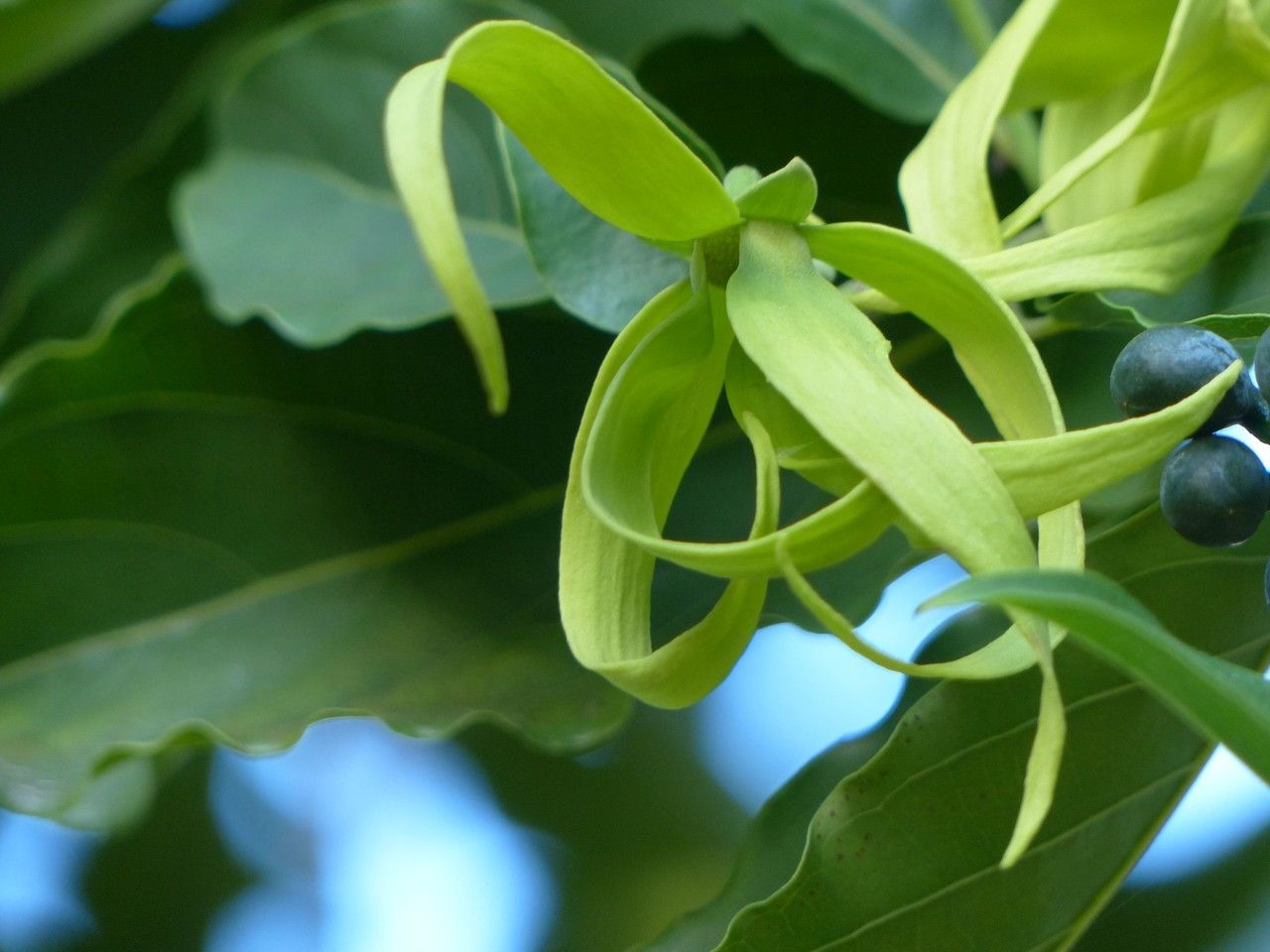
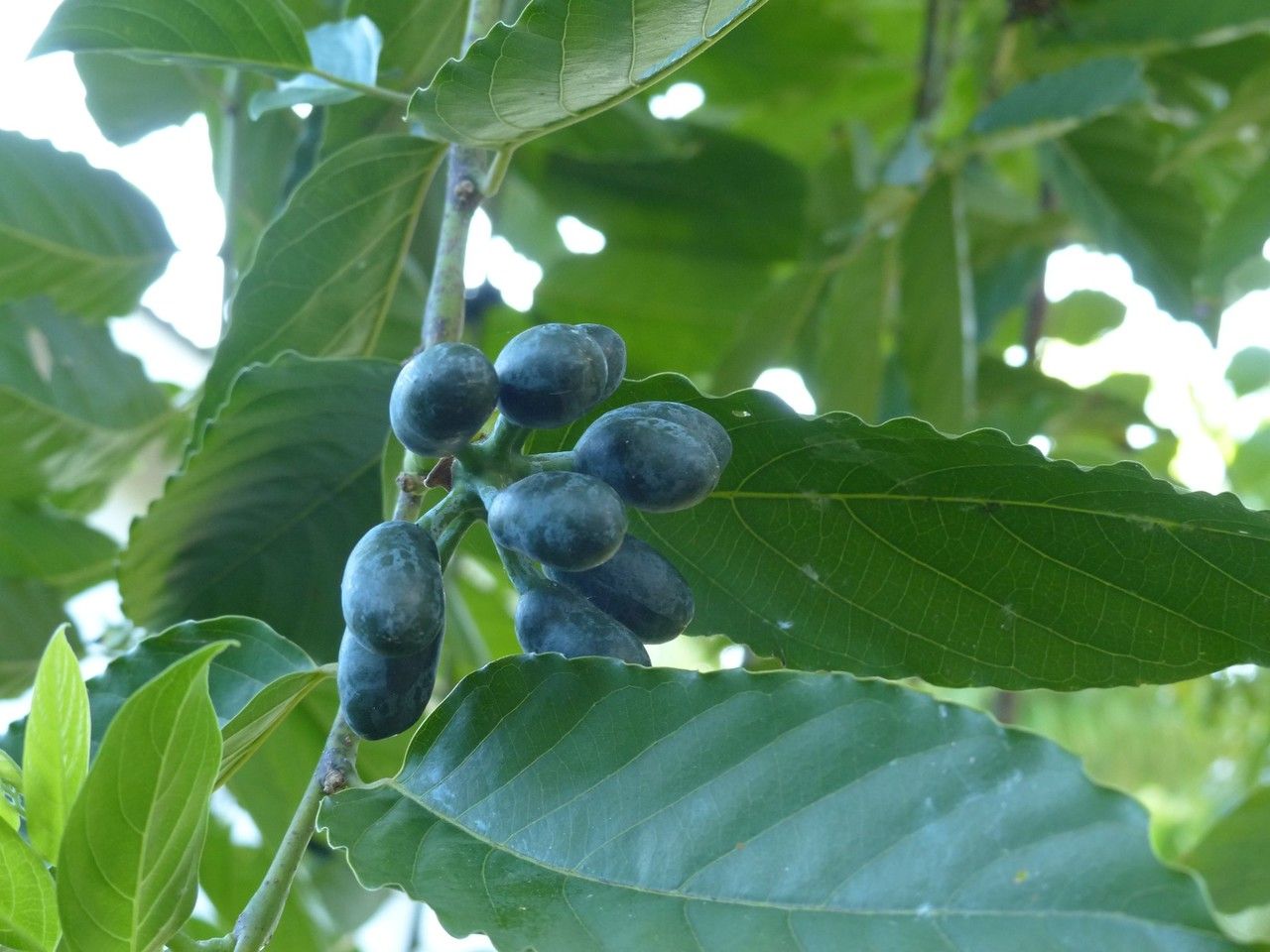
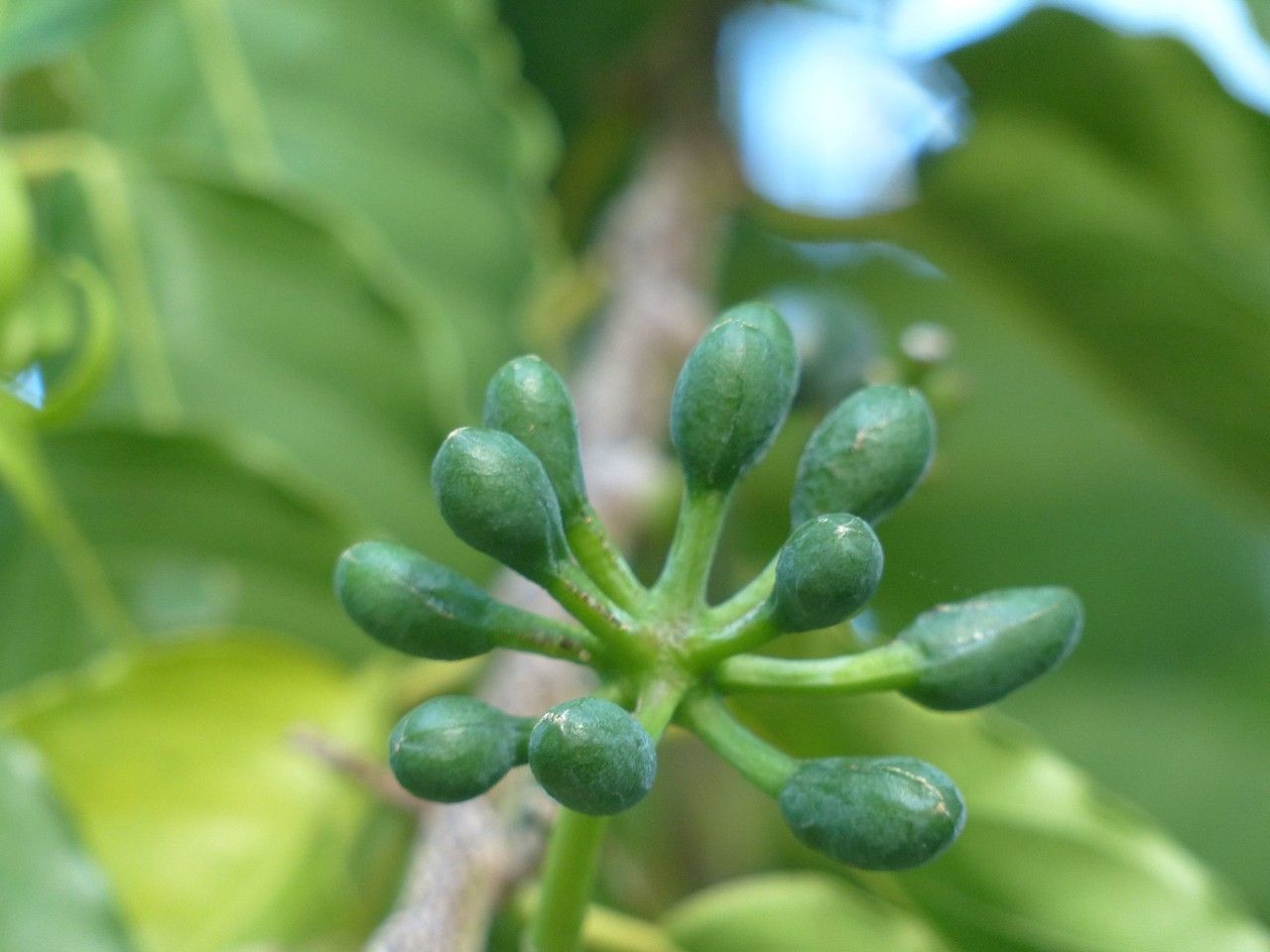
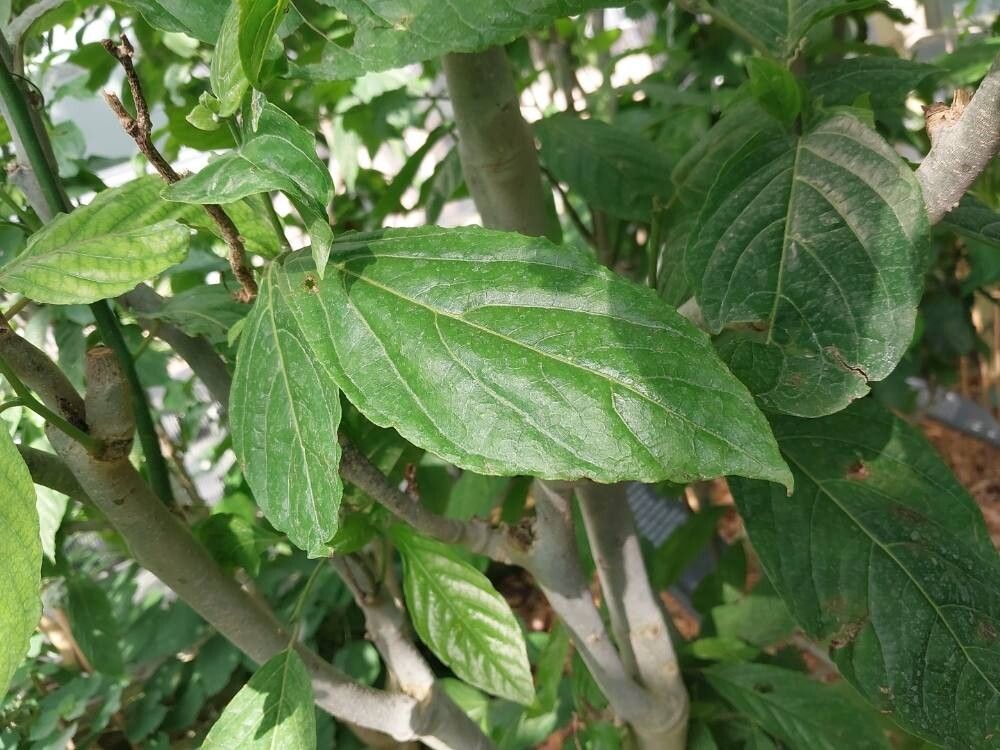
Cananga odorata, commonly known as the ylang-ylang tree, is a tropical evergreen native to Southeast Asia. It is widely cultivated for its fragrant flowers, which are used in perfumes and aromatherapy. The tree can grow up to 20 meters tall and features glossy, dark green leaves that are oval-shaped. The flowers of the Cananga odorata are yellow-green and emit a sweet, floral fragrance often described as exotic or sensual. They bloom throughout the year, with a peak season in the summer months.
The essential oil extracted from these flowers has been used for centuries for its therapeutic properties, such as reducing stress and anxiety, promoting relaxation, and improving mood swings. Additionally, it has antiseptic properties, making it useful for treating skin conditions like acne and eczema.
The ylang-ylang plant thrives in warm temperatures with high humidity but can tolerate some drought conditions once established. It grows best in well-drained soil rich in organic matter.
Overall, Cananga odorata is a beautiful tropical plant with numerous uses beyond its aesthetic appeal. Its essential oils, renowned for promoting relaxation and emotional well-being, also offer antiseptic benefits for skin conditions such as acne and eczema.
Ylang ylang has strong disease resistance and is generally not susceptible to diseases. In terms of care, this plant is fairly low maintenance. When planted outdoors, it requires little watering, and larger specimens usually do not need pruning. However, smaller plants should be pruned after they have bloomed. Ylang ylangt is suitable for anyone with an outdoor space, such as a garden or deck, and does not require a lot of care experience.
How to keep Cananga Odorata.
Light
Ylang ylang thrives with plenty of sunlight for vigorous growth, though it can tolerate a certain amount of shade. Coming from a place where it regularly receives abundant sun, exposure to either too much or too little light can negatively affect its health.
Water
Ylang ylang thrives in humid, tropical climates with moderate humidity and consistent moisture. To mimic its natural habitat, water the plant every 2-3 weeks. When cultivated outdoors, ylang ylang benefits from rainwater during its growing season, which encourages lush foliage and fragrant blooms.
Humidity
This plant will thrive in moderate humidity, which is probably the level in your home. However, misting it a few times a week can be very beneficial. Make sure the room has good ventilation.
Temperature
Ylang ylang naturally tolerates temperatures of about 68 to 100.4 °F (20 to 38 ℃), which is its preferred native range. In colder areas, it may require a warm indoor environment. Seasonal adjustments to preserve this temperature range are recommended.
Fertilizer
The best time to fertilize a Ylang ylang is in early spring, when it comes out of dormancy. Doing this stimulates overall growth and the development of flowers. Fertilizing improves the foliage, stems, and branches, and encourages flowers that are large, vibrant, and long-lasting. It helps move nutrients from the roots to the blooms and enhances the plant’s health and resistance to disease.
Pruning
Ylang ylang plants, known for their fragrant yellow flowers, benefit from pruning between early and late winter. During this time, concentrate on removing dead wood and shaping any overgrown branches to improve airflow. Making clean cuts helps prevent infections, enhances blooming, and promotes the plant's overall health and balanced structure.
Botanical profile.
- Plant Type
- Tree, Shrub
- Life Cycle
- Perennial
- Genus
- Cananga
- Family
- Annonaceae
- Hardiness Zone
- 10-12
- Mature Height
- 11.89 m
- Mature Spread
- 3.05 m
- Leaf Color
- Green, Blue
- Leaf Type
- Evergreen, Semi-evergreen
- Flower Color
- Yellow
- Flower Size
- 5.08 cm to 6.35 cm
- Bloom Time
- All year round
- Planting Time
- Spring
- Harvest Time
- All year round
- Native Area
- Sri Lanka, Solomon Islands, India, Malaysia, Indonesia, Cambodia, Vietnam, Myanmar, Papua New Guinea, Philippines, Laos, Thailand
Other names.
Reader questions.
How should I water my Ylang ylang plant?
Your Ylang ylang doesn't have specific requirements for how you water it, so you can use any common watering tool. This includes watering cans, hoses, or even cups. When watering, it's best to apply the water directly to the soil to make sure all areas get moistened evenly and provide enough water to the root system. Using filtered water is recommended because tap water may have harmful particles. It's also better to use water that is at or slightly above room temperature to avoid shocking the Ylang ylang. However, this plant usually responds well to any kind of water you give it.
What are the sunlight requirements for Ylang ylang plants?
Ylang ylang plants thrive with substantial exposure to sunlight, requiring more than 6 hours of sunlight daily for full sun exposure, and can also grow in conditions of partial sun, which means about 3-6 hours of sunlight. However, they can tolerate some degree of shade as well. It's essential to observe how sunlight moves through your garden to ensure that you allocate the ideal balance of light and shade, optimizing the plants' health and growth.
What is the optimal temperature range for Ylang Ylang?
The optimal temperature range for Ylang Ylang (Cananga odorata) is between 68 to 100.4 °F (20 to 38 °C). This range reflects its native environment conditions, where it thrives best. In colder climates, it's important to provide a warm indoor atmosphere, especially during the autumn and winter months, to maintain these temperature preferences. Keeping the plant above 20°C during winter is advised, as temperatures nearing 5°C can be harmful.
What should I do if I give too much or too little water to my Ylang ylang plant?
Outdoor plants, especially new ones or seedlings, are prone to lack of watering. It's important to water them enough for the first few months until they establish their roots. After that, they can rely on rain most of the time. If your Ylang ylang is planted in pots, overwatering is more likely. If you accidentally overwater it, you should stop watering right away. Remove the plant from the pot and check the roots for any signs of root rot. If there is no root rot, you can put the plant back in the pot. If there is root rot, trim the affected roots and consider applying a fungicide. Repot the Ylang ylang in well-draining soil. On the other hand, underwatering is easy to fix. If the plant's leaves droop, dry out, and fall off, it's a sign of underwatering. Water the plant more frequently, and the leaves will quickly recover. Adjust your watering frequency as soon as you notice underwatering.
How do artificial lights support Ylang ylang's growth indoors?
Indoor Ylang ylang plants often need additional lighting to support their growth, especially when natural sunlight is insufficient, such as during the winter or in less sunny areas. Artificial lights, like LED lights, can be customized to provide specific wavelengths needed for the plant's growth, with full sun plants requiring 30-50W/sq ft, partial sun plants 20-30W/sq ft, and full shade plants 10-20W/sq ft. The artificial light source should be placed 12-36 inches above the plant and kept on for 8-12 hours per day to mimic natural daylight conditions effectively.
What should I do with my Ylang Ylang plant in autumn and winter?
In the colder months, including autumn and winter, it is recommended to bring your outdoor-grown Ylang Ylang plants indoors to protect them from cold temperatures. Place the plant near a bright window to ensure it receives ample sunlight but keep it at a suitable distance from heaters to avoid dry air, which could cause harm. Ensuring the indoor temperature remains above 20°C during winter is beneficial for the plant's growth, as Ylang Ylang does not tolerate cold well.
How often should I give water to my Ylang ylang plant?
Most outdoor plants can grow properly with just rainfall, but if your area doesn't get enough rain, you'll need to water your plants adequately. During the spring and fall, watering every 2 weeks should be enough. In the summer, you'll need to water more frequently. In the winter, when plants grow slower and need less water, you can cut back on watering. You may not need to water at all during the winter. However, if your Ylang ylang plant is young or newly planted, you should water it more often to help it establish and grow into a strong and drought-tolerant plant. For potted Ylang ylang plants, there are two main approaches to determining how often to water them. The first approach is to follow a set watering schedule, such as watering once a week or every other week. However, this approach may not consider the specific growing conditions of your Ylang ylang plant. Another option is to monitor the moisture in the soil. It's generally best to wait until the top two to four inches of soil, about ⅓ to ½ depth of the pots, have completely dried out before watering again. Keep in mind that during the summer, your Ylang ylang plant will need more water than usual and may require more frequent watering.
What are the common symptoms of inadequate light in Ylang ylang?
When Ylang ylang plants are exposed to insufficient light, they may exhibit several symptoms including smaller new leaves, leggy or sparse growth, premature leaf drop, slower or ceased growth, lighter-colored new leaves, and specific conditions like chlorosis, sunscald, leaf curling, wilting, and leaf scorching. Each of these symptoms indicates a different aspect of how light deficiency or overexposure affects the plant's health.
How does low temperature affect Ylang Ylang and what are the solutions?
Ylang Ylang prefers warm temperatures and does not tolerate low temperatures well. It thrives best when the temperature is consistently above 20°C. Exposure to temperatures below this can lead to the leaves lightening in color, and when the temperature falls below 1°C, frost damage can cause the leaves to turn brown or black with symptoms such as wilting and drooping. The solution to frost damage includes trimming off the affected parts and moving the plant to a warmer indoor environment. Positioning the plant near a south-facing window while avoiding proximity to heaters or air conditioning vents can help preserve the necessary warmth and humidity.
How often should I water my Ylang ylang plant?
To water your Ylang ylang effectively, you don't always need to use a lot of water. If only a few inches of soil have dried since the last watering, you can support healthy growth by giving it about five to ten ounces of water each time. You can also determine how much water to use by checking the soil moisture. Keep track of how many inches of soil have dried out between waterings. To ensure your Ylang ylang gets enough moisture, water the plant until all the dry soil layers from the last watering are moistened. If more than half of the soil has dried out, you should give more water than usual. In these cases, continue watering until excess water drains from the pot's holes. If your Ylang ylang is planted in an area with plenty of outdoor rainfall, it may not need additional watering. When the plant is young or newly established, make sure it receives 1-2 inches of rain per week. As it grows and becomes established, it can rely on rainwater alone. However, if there is no rainfall at all for 2-3 weeks, especially during hot weather, it's a good idea to give your Ylang ylang a thorough watering to prevent stress.
What are the recommended solutions for Ylang ylang experiencing light deficiency?
For Ylang ylang plants suffering from light deficiency, it's advisable to gradually increase their exposure to sunlight by moving them to sunnier spots weekly until they achieve at least 6 hours of direct sunlight daily. Indoors, consider using artificial light, such as desk or ceiling lamps for at least 8 hours daily, or invest in professional grow lights for sufficient illumination. For outdoor plants, gradual relocation to better-lit areas is key to preventing sunburn. Minimizing obstructions by pruning trees or relocating plants to sunnier locations can also help maximize sunlight exposure. It's crucial to undertake these steps during the plant's dormant period for minimal stress.
What are the effects of high temperature on Ylang Ylang and how can they be mitigated?
Ylang Ylang plants should ideally be kept below 38°C during the hotter months to avoid heat stress. Temperatures exceeding 43°C can lead to lighter leaf coloration and increase the plant's susceptibility to sunburn. To mitigate the effects of high temperatures, it is recommended to trim away sunburned or dried-up parts of the plant, move it to a shaded location to protect it from the midday and afternoon sun, and ensure the soil is kept moist by watering the plant in the morning and evening.