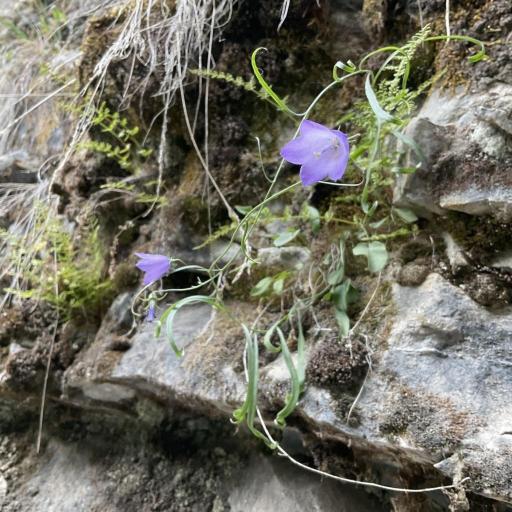
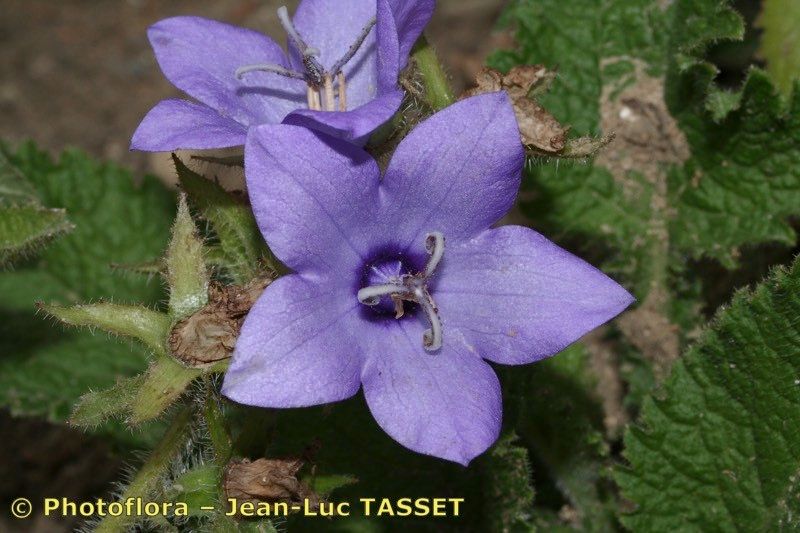
Campanula thyrsoides, commonly known as the clustered bellflower, is a herbaceous perennial plant that belongs to the Campanulaceae family. Native to Europe and Asia, it has also been introduced to North America as an ornamental plant.
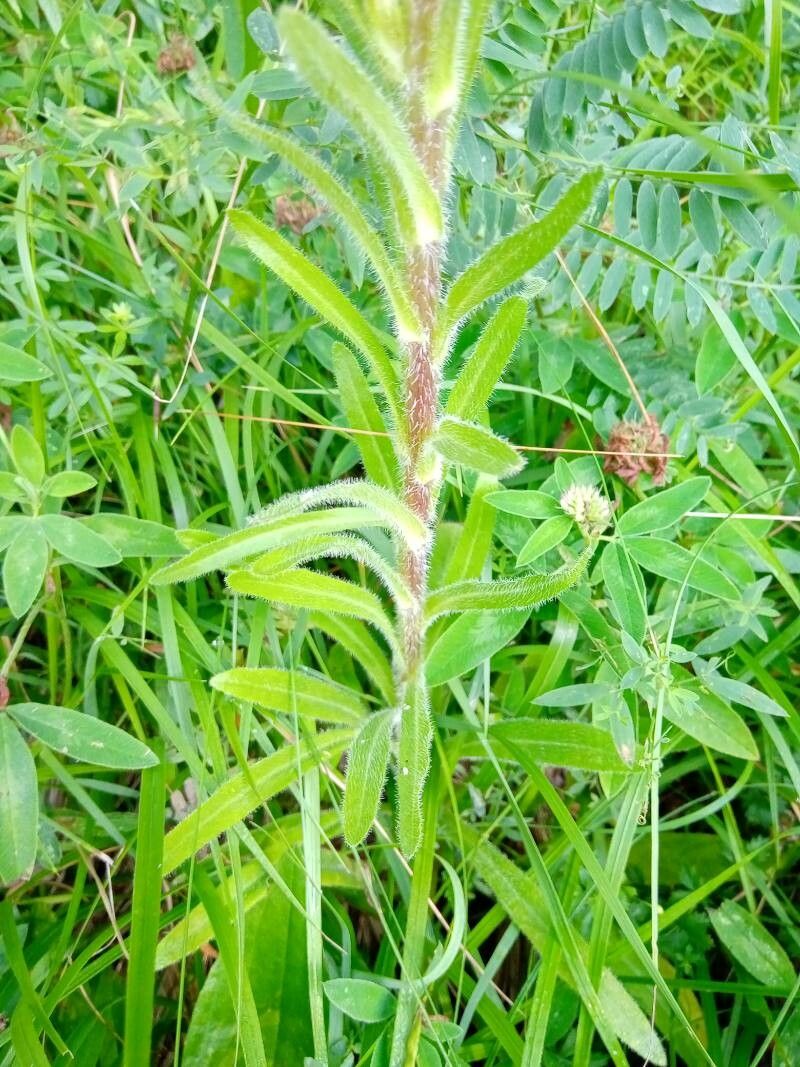
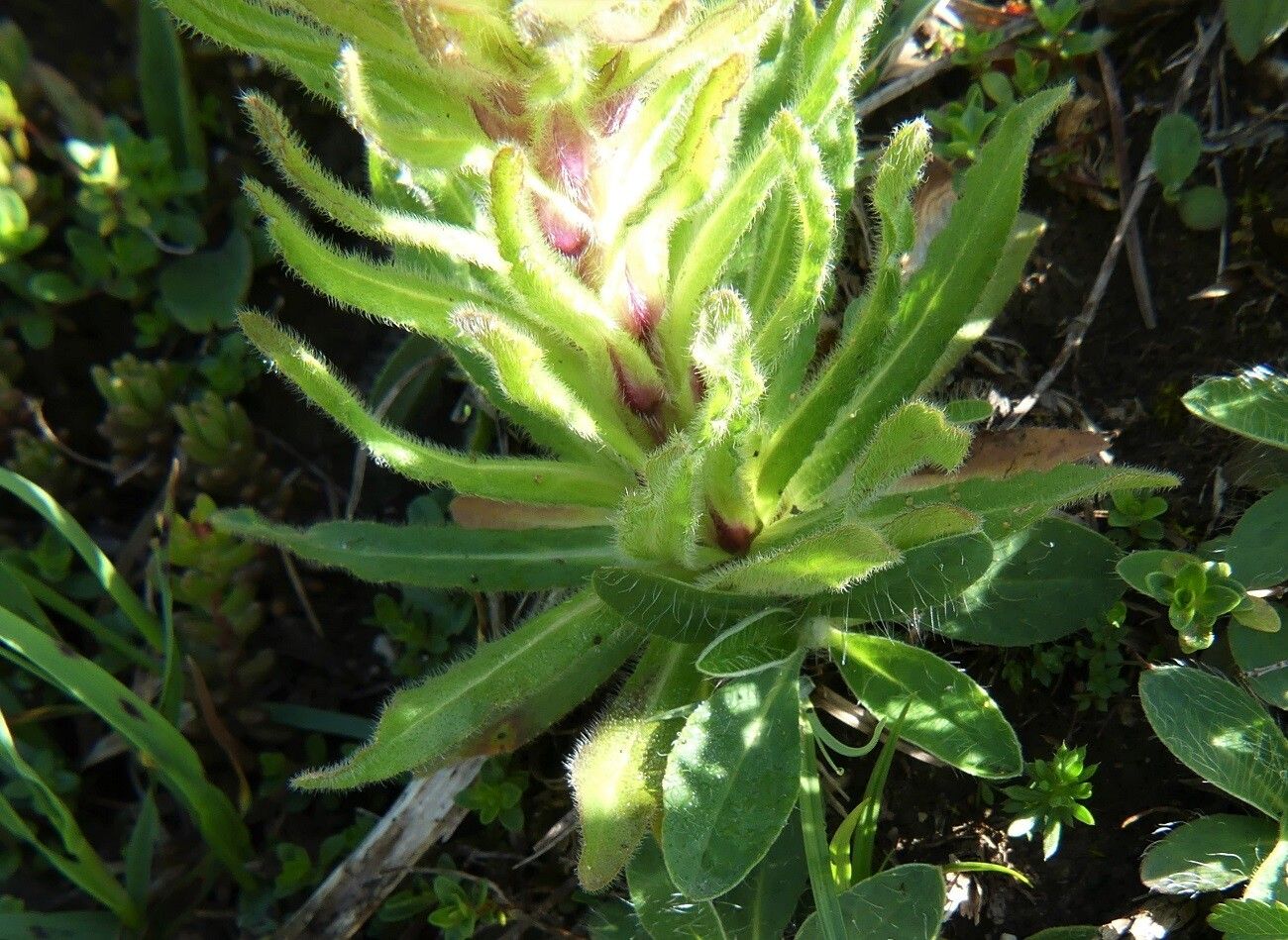
The clustered bellflower can grow up to 60 cm tall and features a clump-forming habit with basal rosettes of lance-shaped leaves that can reach up to 15 cm in length. The stems are erect, branching, and covered with small hairs.
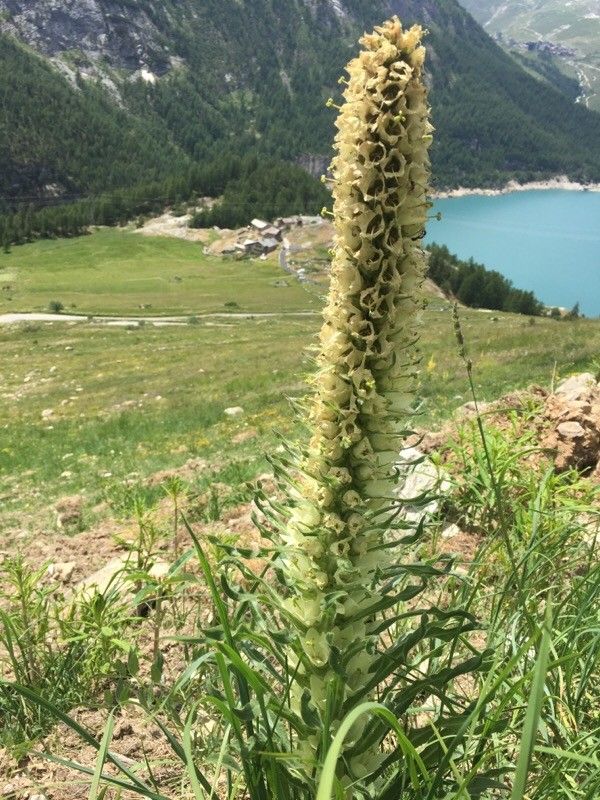
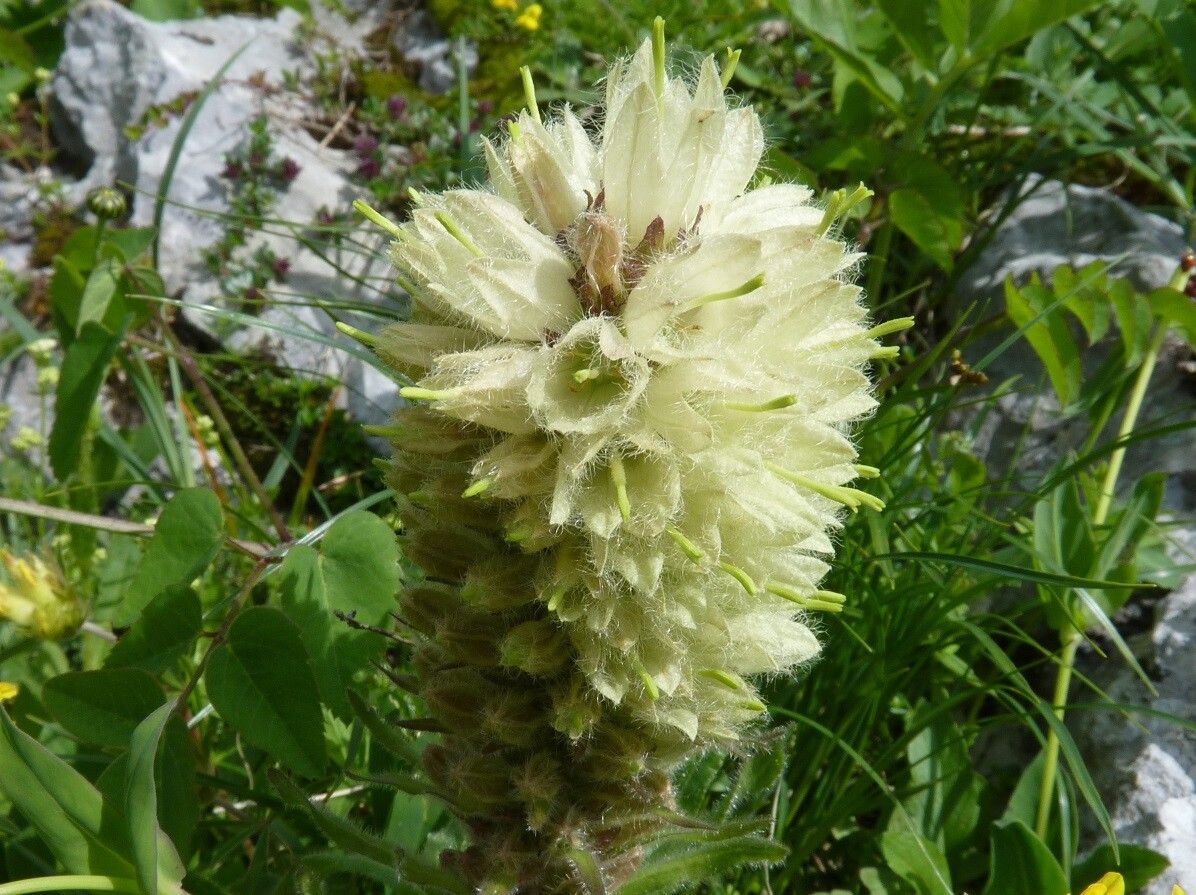
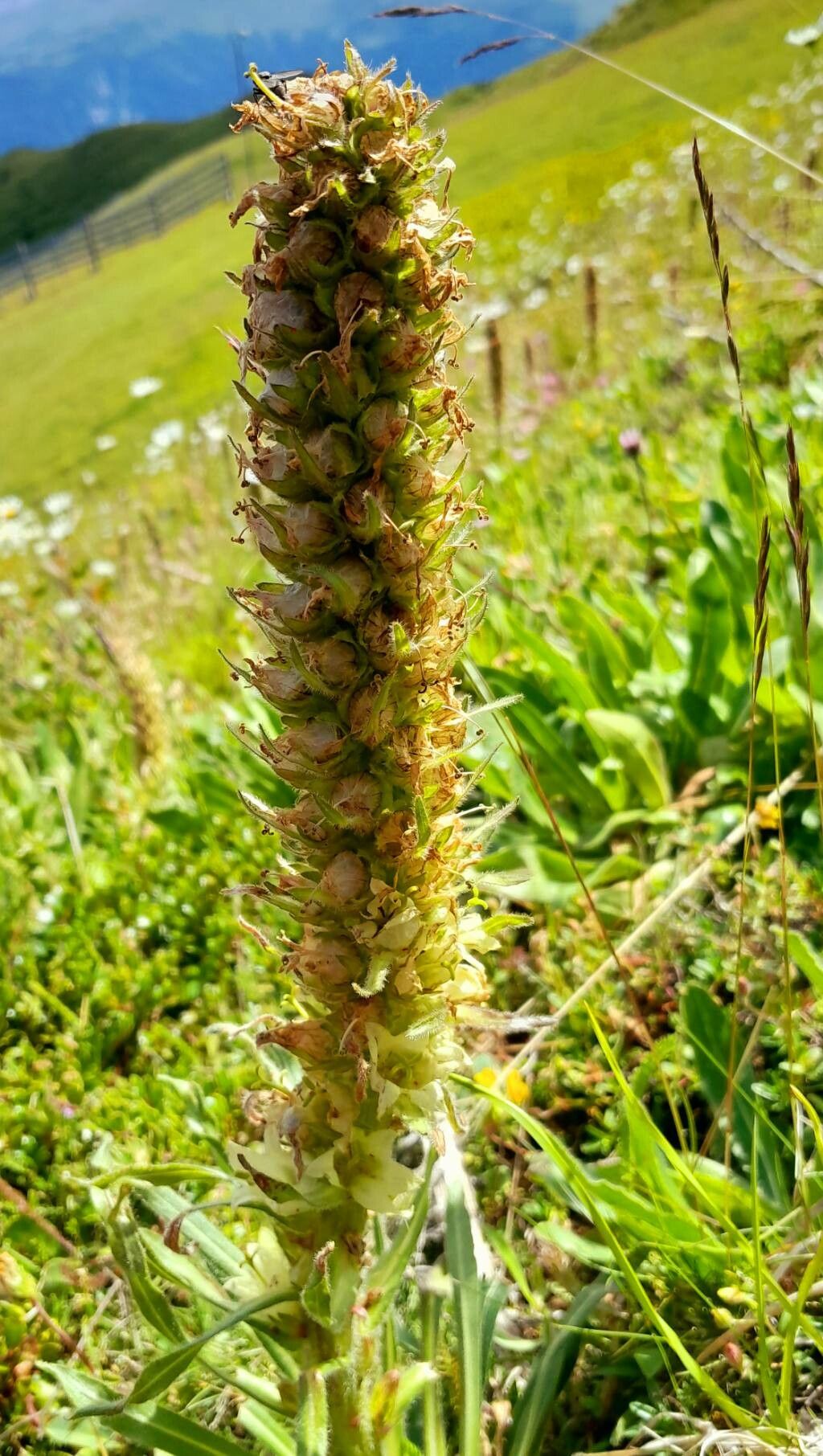
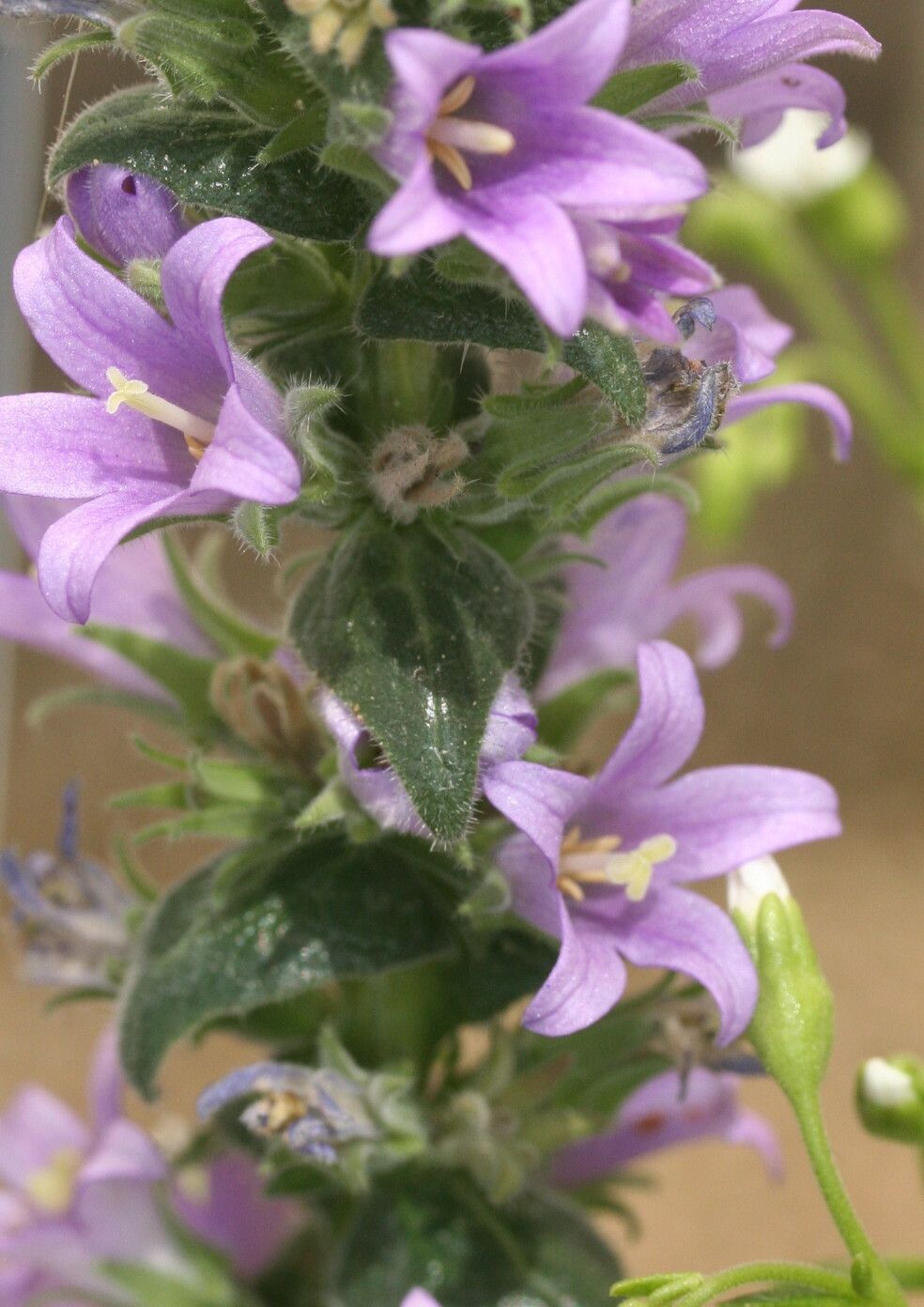
The flowers of Campanula thyrsoides are arranged in dense clusters at the top of each stem. They have a bell-shaped structure with five petals that range in color from white or pale blue to lavender or pinkish-purple. The blooms appear from late spring through summer.
This plant prefers well-drained soil in full sun or partial shade but can tolerate some drought once established. It is commonly used as an ornamental plant for borders, rock gardens, or containers due to its attractive foliage and showy flowers.
Overall, Campanula thyrsoides is an easy-to-grow perennial that adds beauty and charm wherever it's planted, while also attracting pollinators like bees and butterflies to your garden!
Botanical profile.
- Plant Type
- Herb
- Life Cycle
- Biennial, Perennial, Annual
- Genus
- Campanula
- Family
- Campanulaceae
- Hardiness Zone
- 4-8
- Mature Height
- 30 cm to 49 cm
- Mature Spread
- 30 cm
- Leaf Color
- Green
- Leaf Type
- Deciduous
- Flower Color
- Yellow
- Flower Size
- 2.54 cm to 5.08 cm
- Bloom Time
- Early summer, Mid summer
- Planting Time
- Spring, Autumn
- Harvest Time
- Late summer, Early fall
Other names.