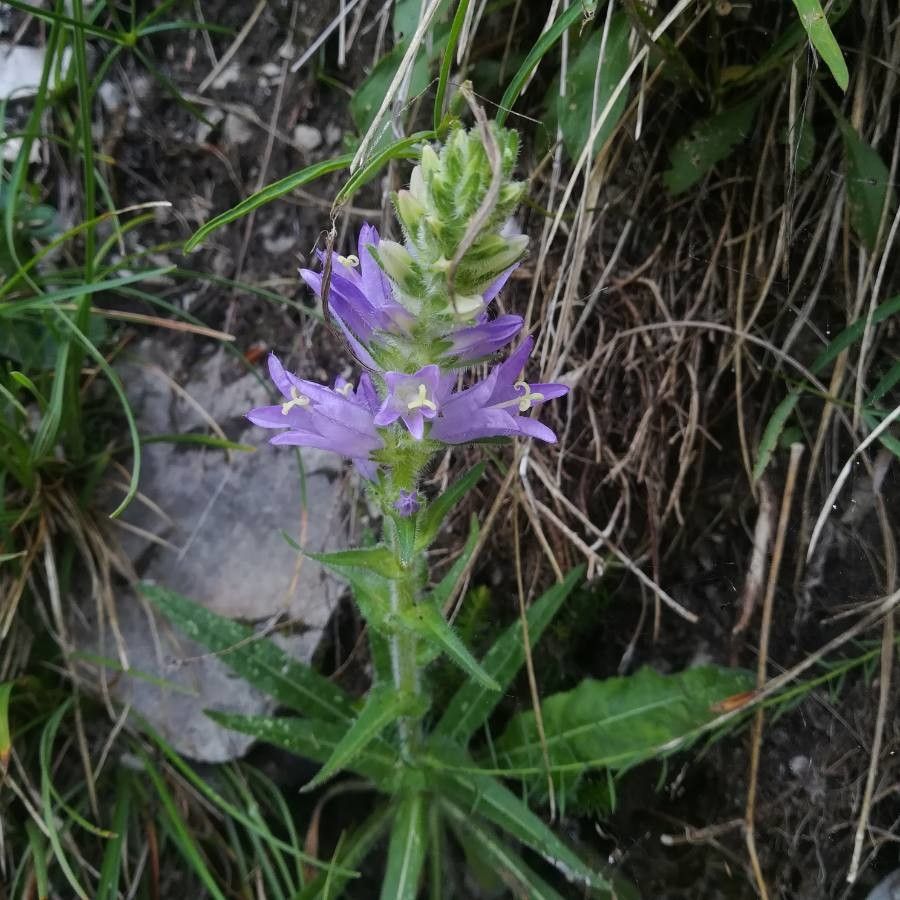
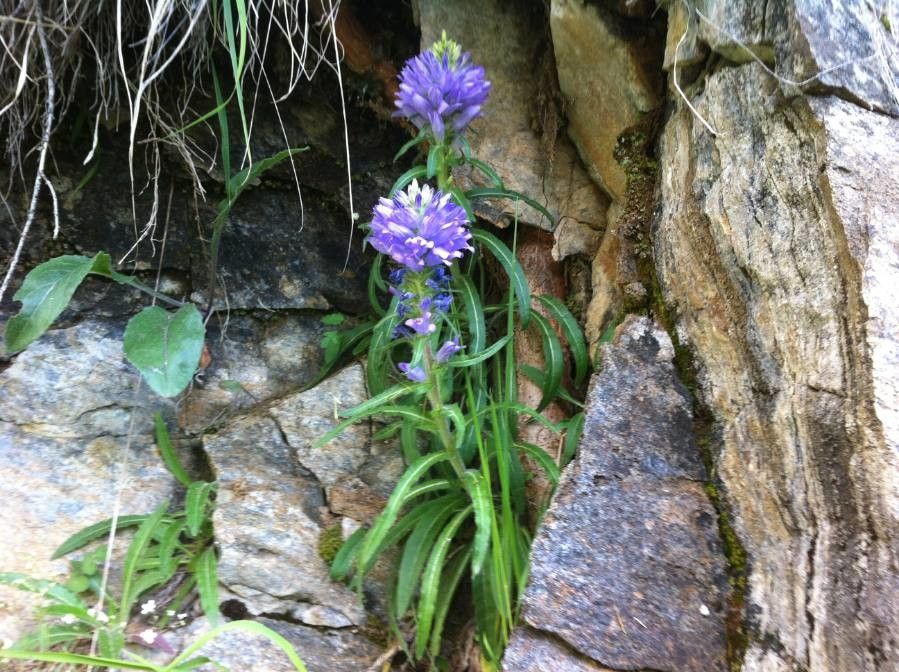
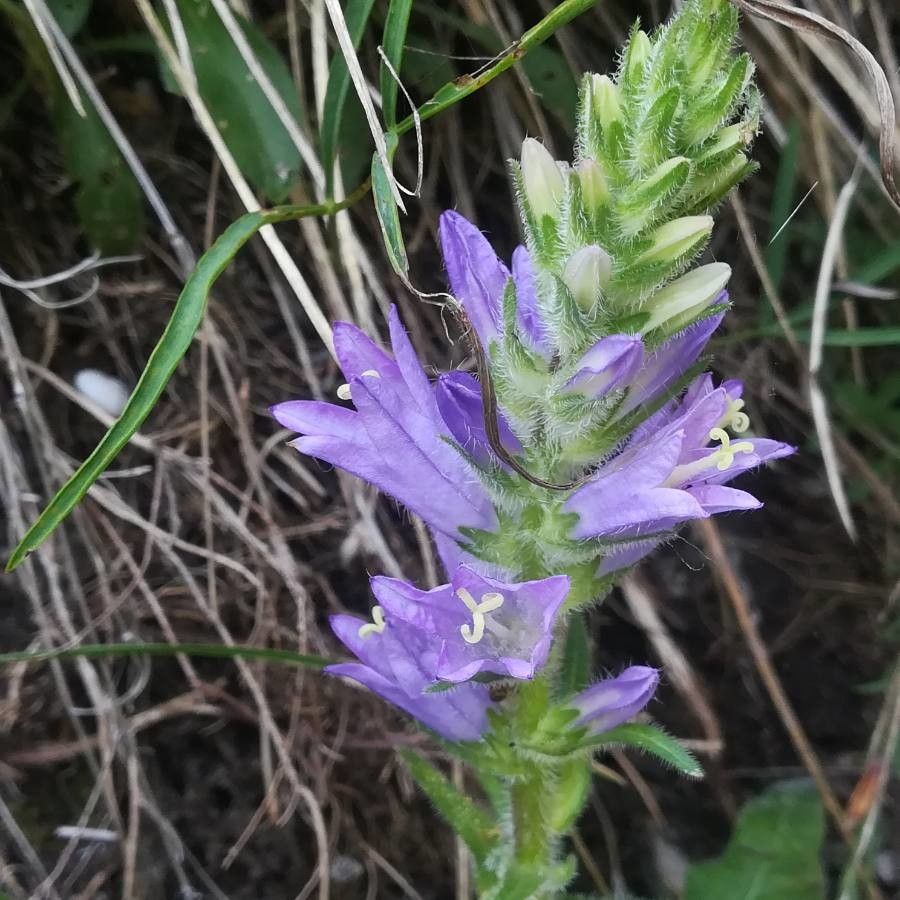
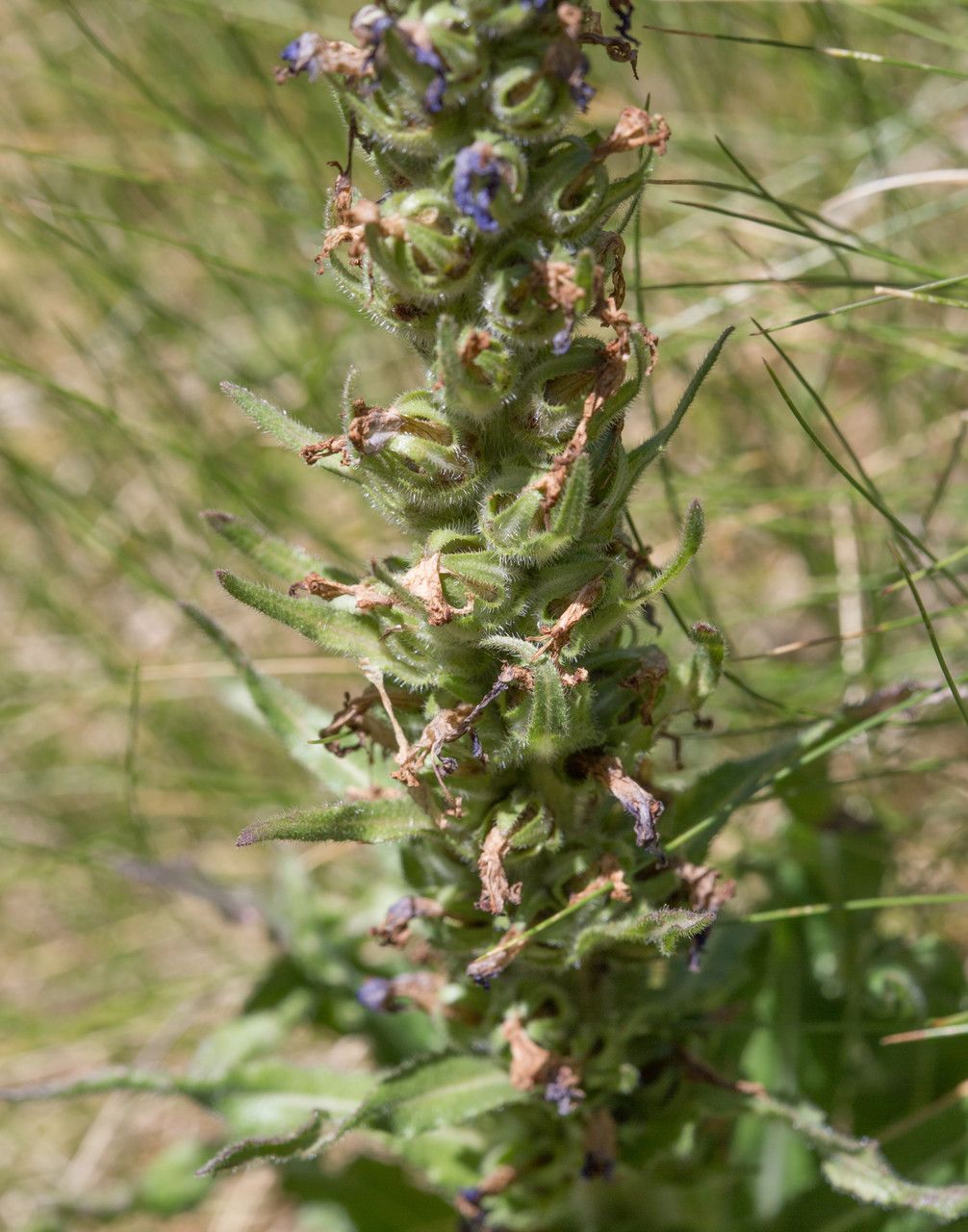
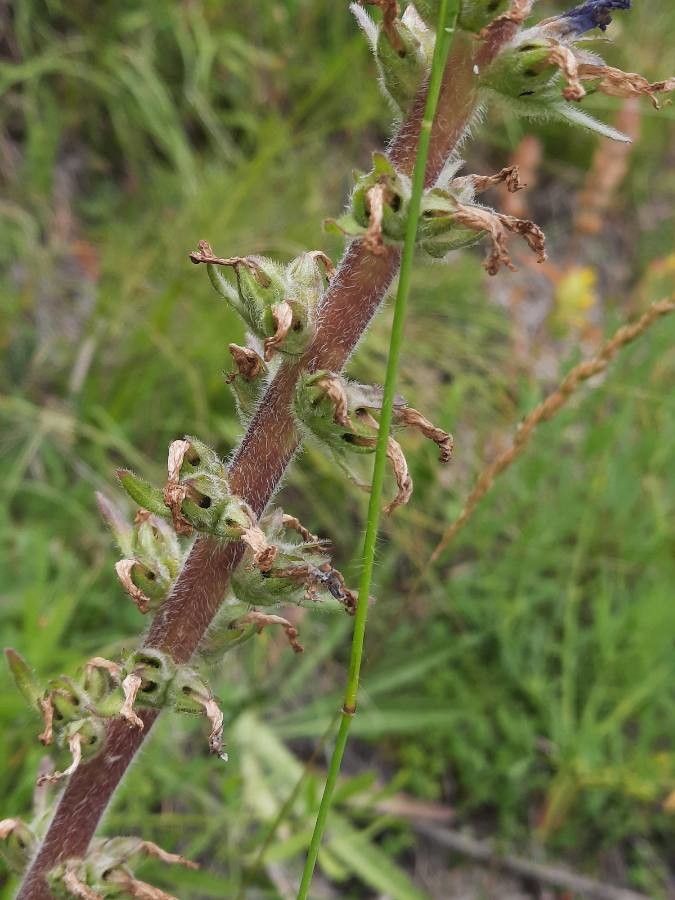
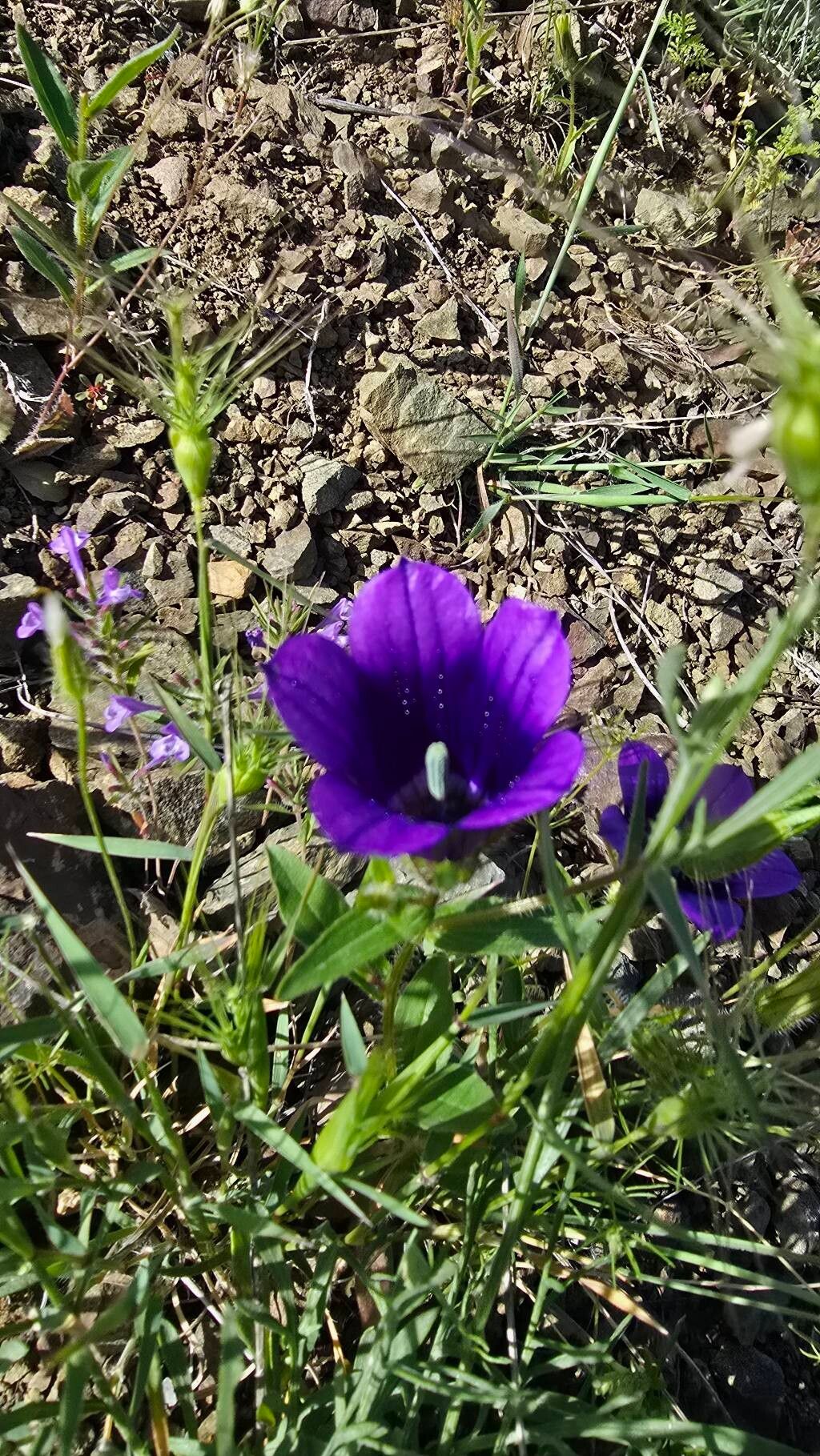
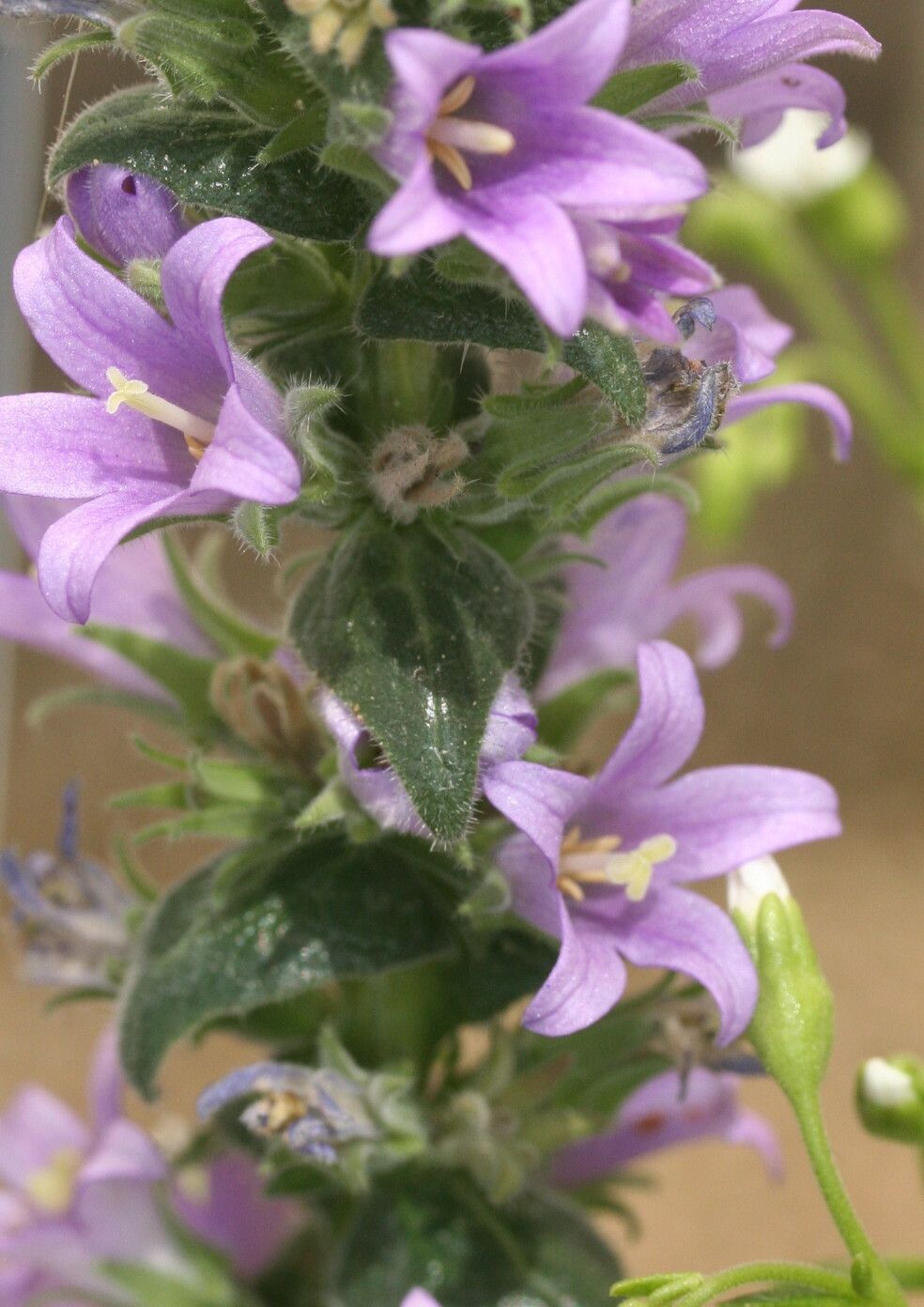
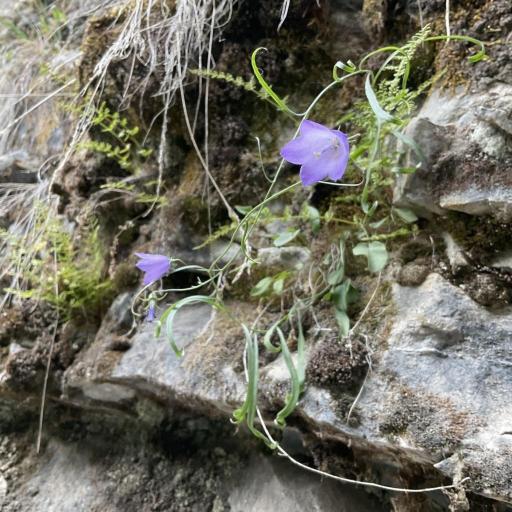
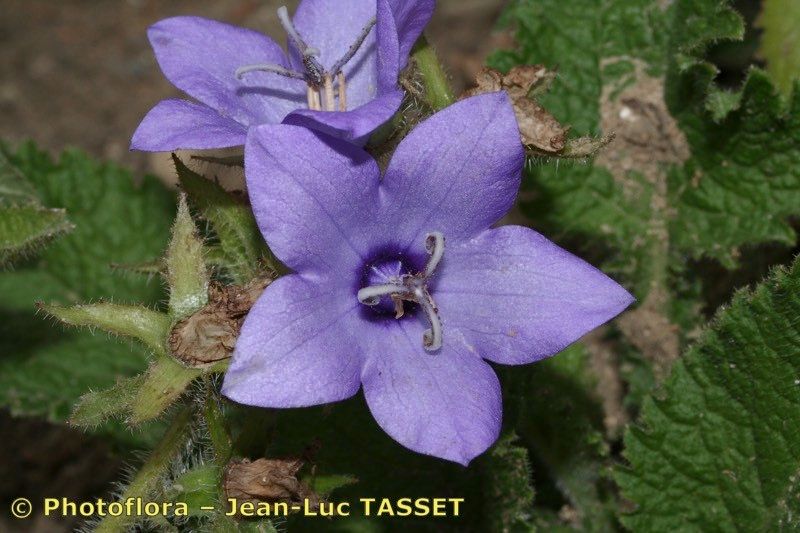
Campanula spicata, common name the spiked bellflower, is a herbaceous biennial or perennial plant of the genus Campanula belonging to the family Campanulaceae.
Spiked bellflower has strong resistance to disease and typically does not suffer from illnesses. Still, it can be affected by pests and diseases present in its environment. Such infections tend to be mild. Regarding care, this plant needs a moderate level of maintenance. Regular pruning is required to preserve an attractive appearance and support healthy growth. Applying fertilizer can also encourage flowering. Spiked bellflower is appropriate for anyone with outdoor space, like a garden or patio, and does not demand extensive gardening experience. It may need more attention when cultivated indoors.
How to keep Campanula Spicata.
Light
Spiked bellflower comes from bright, open habitats and performs best in full sun. It will tolerate some partial shade but favors direct sunlight for optimal growth. This plant, which can be annual or biennial, is recognized for its sun-loving habit.
Water
The spiked bellflower flourishes in moderate climates with consistent moisture, preferring soil that remains evenly moist. To keep the plant hydrated, water it weekly. As a herbaceous perennial, it benefits from mulching during the growing season to help retain moisture, which is essential for its lush foliage and vibrant flowers.
Temperature
Spiked bellflower can tolerate a broad range of temperatures, but its distribution may still be restricted by different combinations of moisture and heat. It grows best in warm summer climates with adequate rainfall or watering. Extended stretches of overcast, wet weather, as well as long periods of high heat, can raise the chance of the plant dying. In winter, adequate protection from the cold can increase its survival rate.
Fertilizer
Spiked bellflower requires regular fertilization to promote flowering but doesn't tolerate excessive amounts. It needs light doses of fertilizer applied frequently throughout its entire life cycle, especially during the peak period of active growth and while it is flowering. You will feed your Spiked bellflower until it stops blooming.
Pruning
The spiked bellflower is known for its tall spikes of bell-shaped flowers and benefits from pruning in both early and late spring. To promote growth, increase airflow, and prevent disease, remove spent blooms and dead stems regularly. Consistent pruning enhances flowering and vigor, making it an appealing choice for any garden. Remember to always use clean tools during the pruning process.
Botanical profile.
- Plant Type
- Herb
- Life Cycle
- Biennial, Perennial
- Genus
- Campanula
- Family
- Campanulaceae
- Hardiness Zone
- 4-8
- Mature Height
- 15 cm to 76 cm
- Mature Spread
- 20 cm to 30 cm
- Leaf Color
- Green
- Leaf Type
- Semi-evergreen
- Flower Color
- Blue, Purple
- Flower Size
- 1.52 cm to 2.54 cm
- Bloom Time
- Early summer, Mid summer
- Planting Time
- Spring, Summer, Autumn
- Harvest Time
- Late summer, Early fall
- Native Area
- Austria, Switzerland, Montenegro, Slovenia, France
Other names.
Reader questions.
What are the sunlight requirements for the Spiked Bellflower?
The Spiked Bellflower (Campanula spicata) thrives in spaces that provide the right balance of sunlight and shade. It requires full sun, which means it needs more than 6 hours of sunlight daily, to flourish. However, it can also tolerate partial sun, meaning about 3-6 hours of sunlight a day. It's advisable to observe how sunlight moves through your garden to find spots that meet these conditions, ensuring the plants 'happiness and growth.
What is the Spiked Bellflower?
The Spiked Bellflower, known botanically as Campanula spicata, is a plant species recognized by its distinctive characteristics. Unfortunately, detailed information about its essentials, such as care instructions, habitat preferences, and common uses, along with symptoms of diseases or pests that might affect it, was not provided. For more in-depth details on Spiked Bellflower, consulting a botanical reference or gardening resource would be beneficial.
Is there any specific warning regarding the sunlight for planting Spiked Bellflower?
Yes, when planting the Spiked Bellflower, it's important to be mindful of its sunlight needs. The warning to consider is to watch how sunlight gracefully moves through your garden. This observation will help you choose spots that provide the perfect balance of light and shade required for your Spiked Bellflower, ensuring their maximum happiness and health.