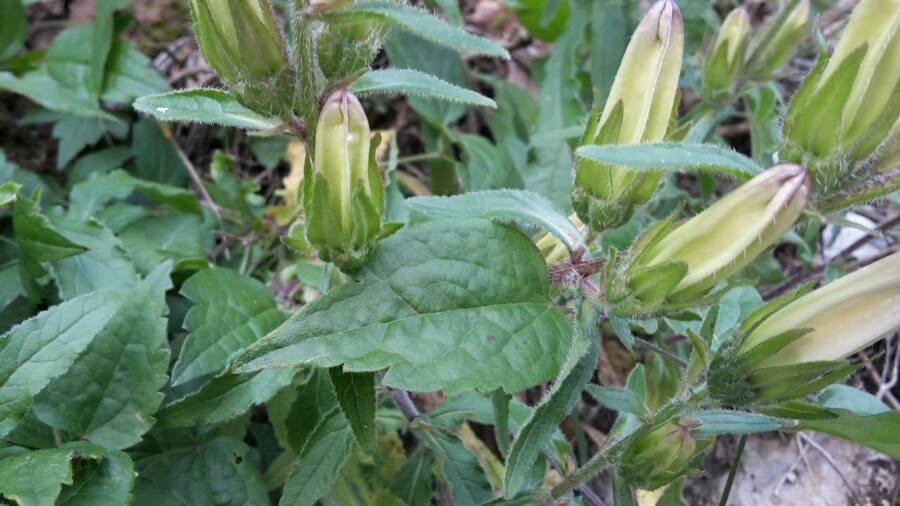
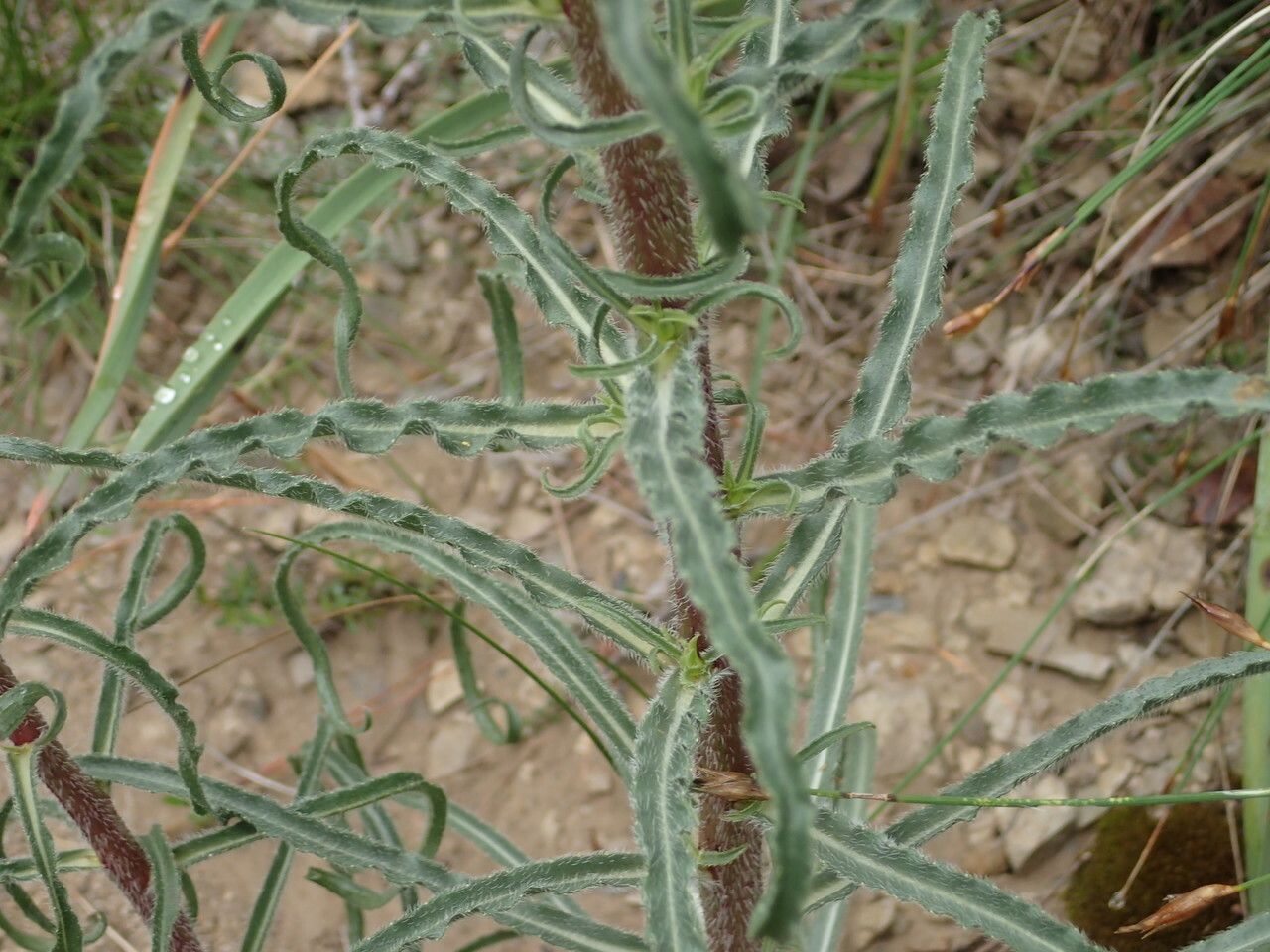
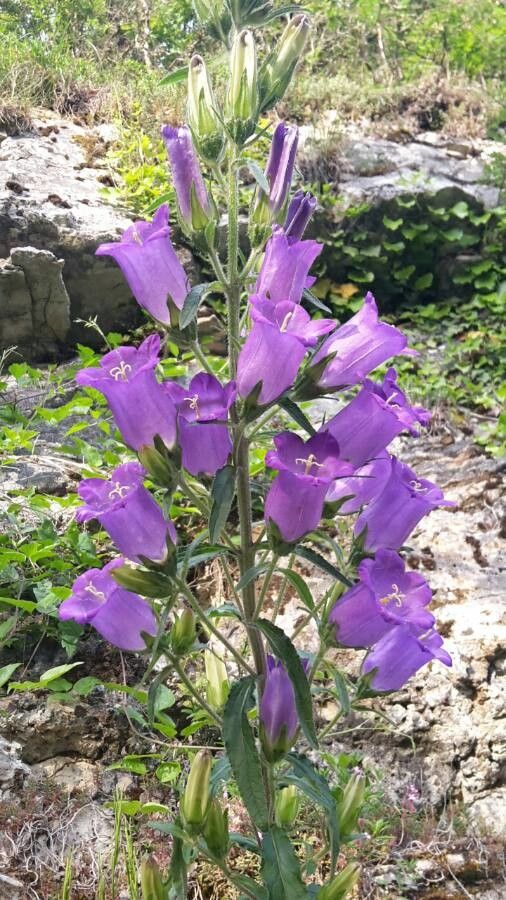
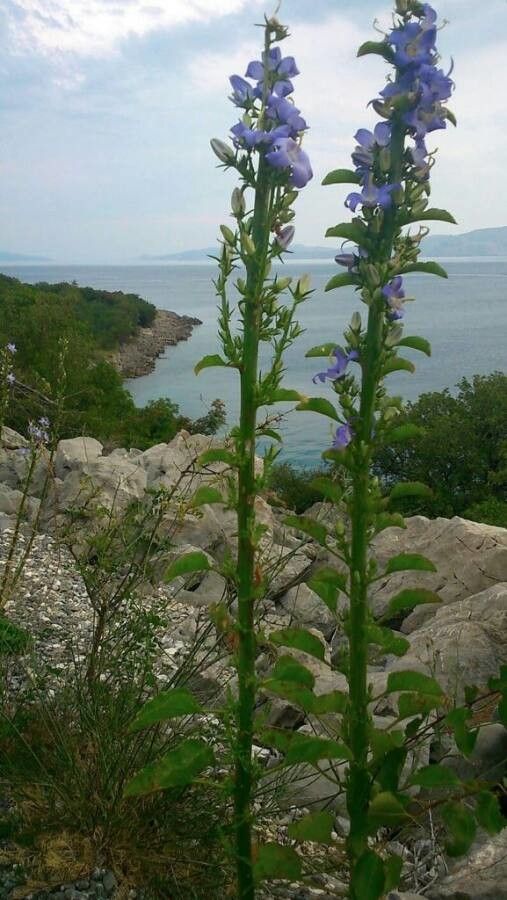
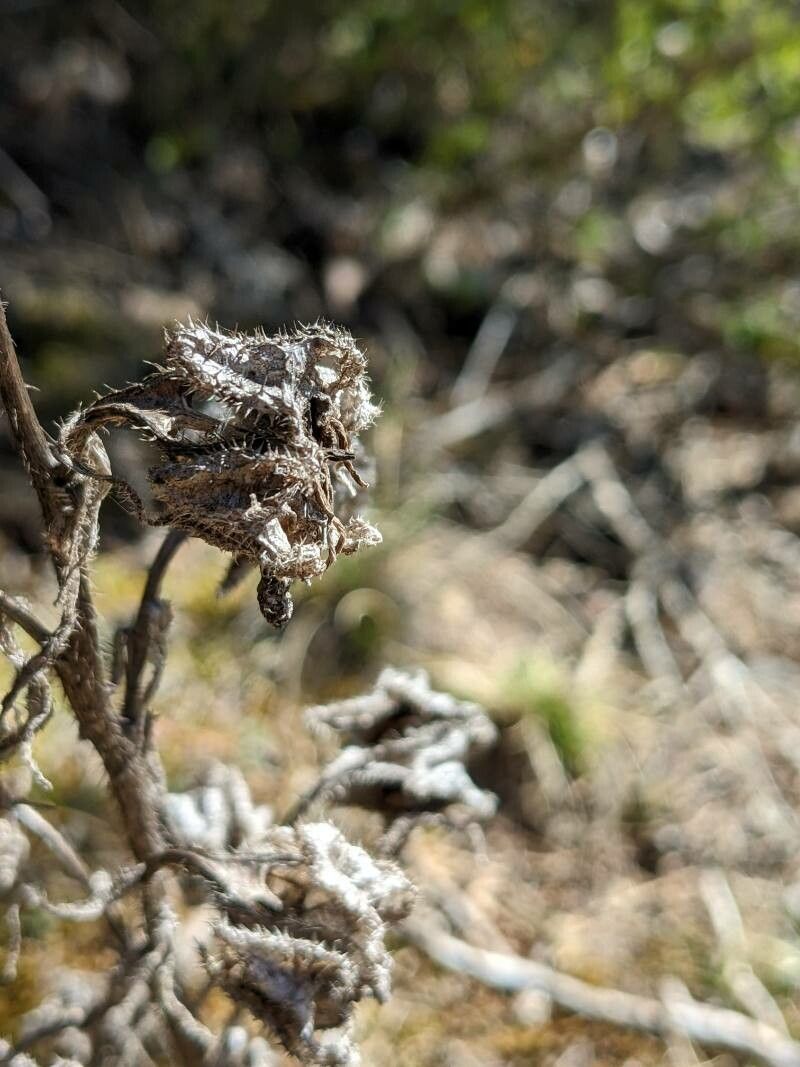
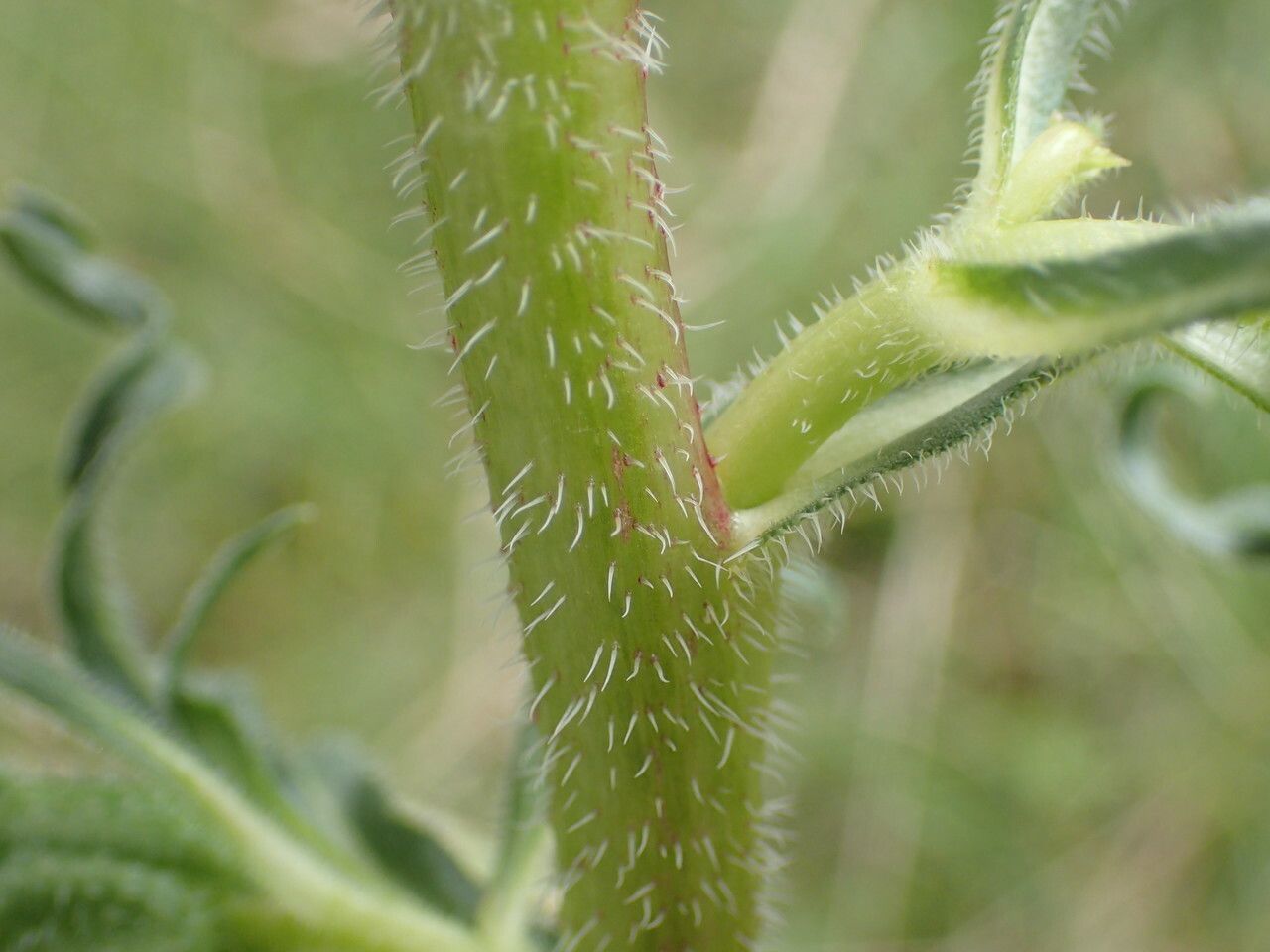
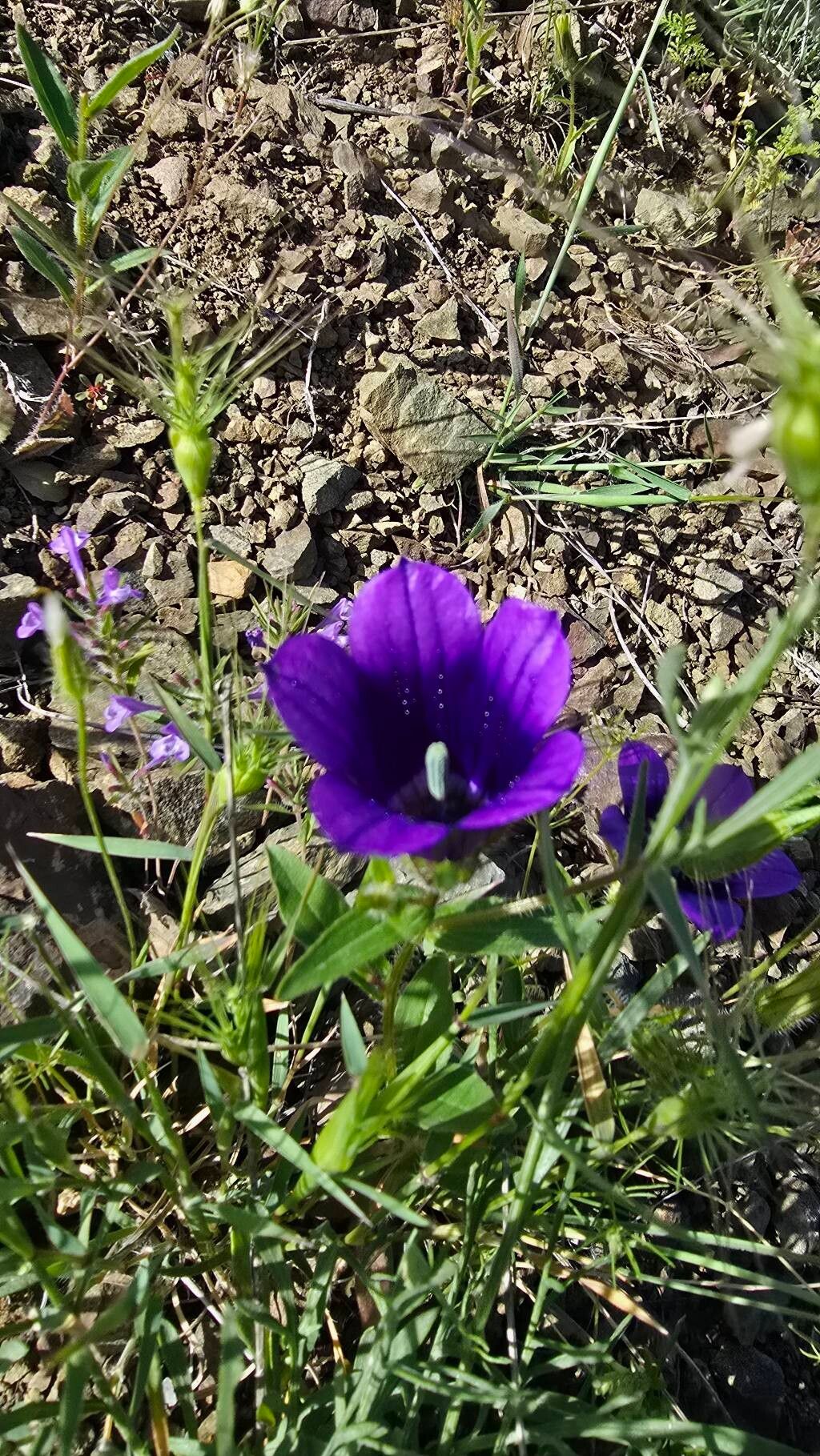
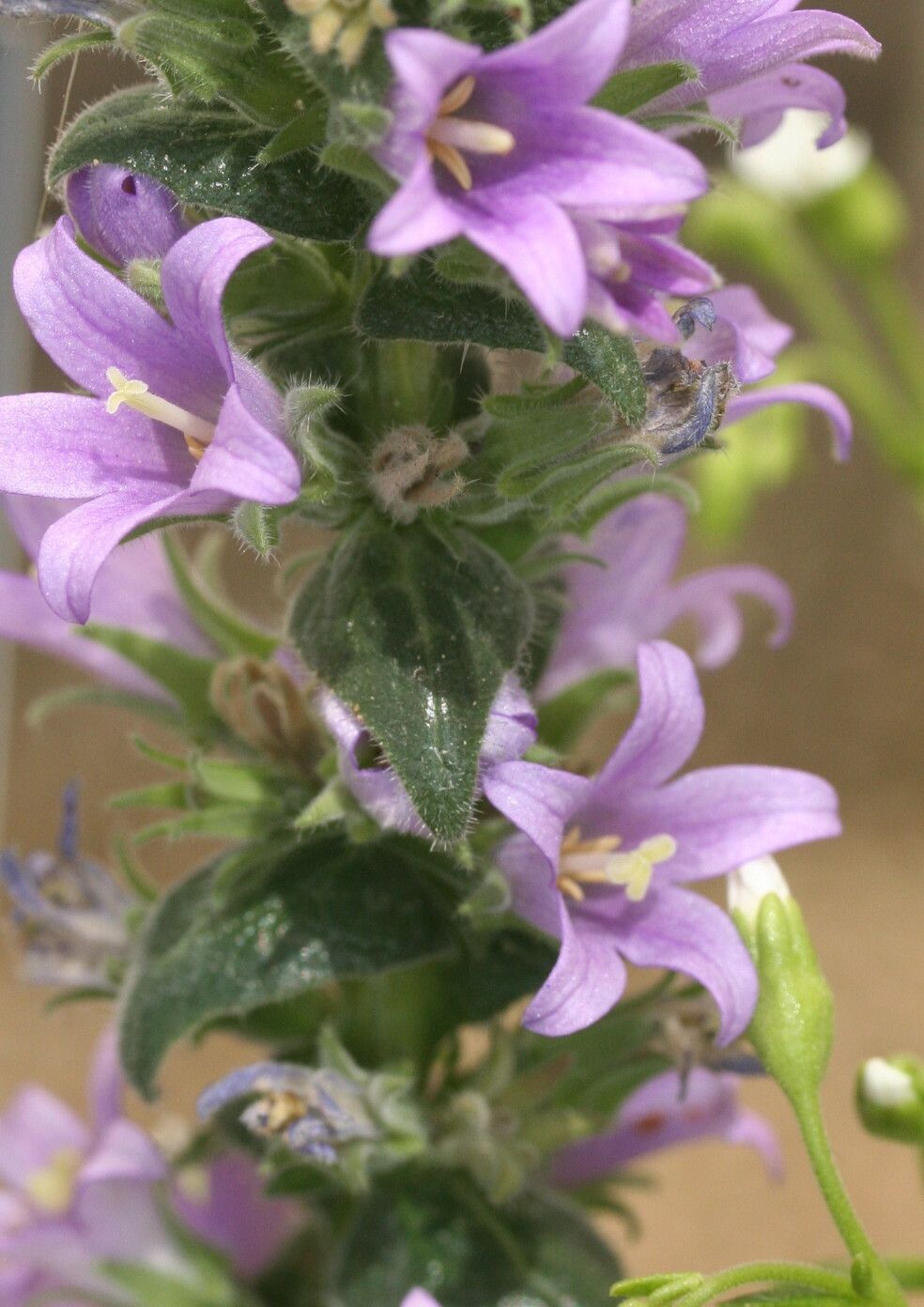
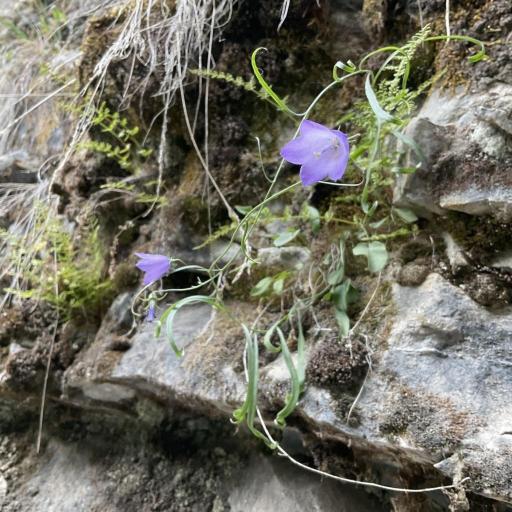
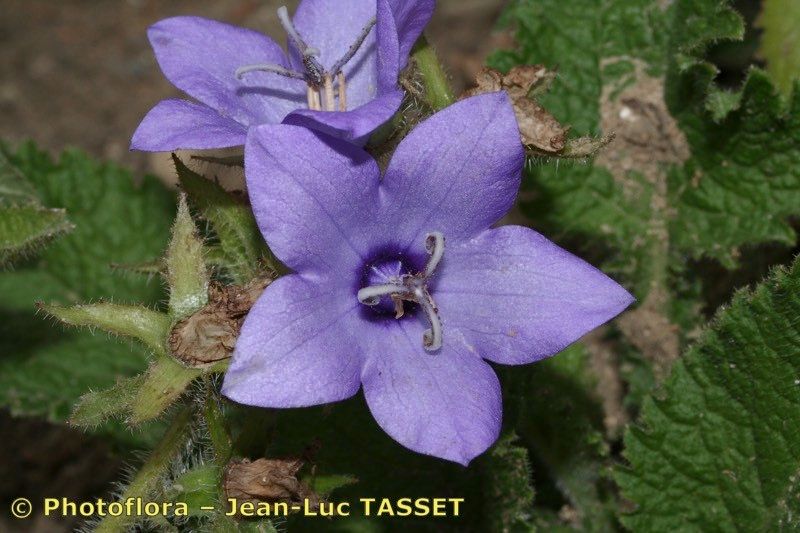
Campanula speciosa, commonly known as the showy bellflower, is a perennial flowering plant belonging to the Campanulaceae family. Native to the Caucasus region of Eurasia, it thrives in rocky areas and meadows. The plant typically reaches up to 60 cm in height and forms clumps with basal rosettes of dark green leaves that are ovate or lanceolate in shape.
The showy bellflower produces large, attractive, bell-shaped flowers with five petals. These flowers, in shades of blue-violet or pink-purple, bloom from late spring through summer. They are held on long stems above the foliage, making them a captivating addition to any garden.
Campanula speciosa prefers well-drained soil and flourishes in full sun or partial shade. It is relatively easy to grow from seed or by dividing established clumps.
The plant also has several medicinal uses. Traditionally, it has been used to treat respiratory ailments such as coughs, bronchitis, and asthma due to its expectorant properties.
Overall, Campanula speciosa is a beautiful flowering perennial that adds color and interest to any garden. Its medicinal properties make it a valuable addition for those interested in herbal remedies.
Dane's-blood bellflower has strong resistance to diseases and is generally unlikely to get sick. Still, it can be affected by pests and diseases found in its environment. Such infections are typically mild. As for care, this plant needs a moderate amount of attention. Regular pruning is necessary to keep a tidy appearance and support healthy growth. Applying fertilizer can also encourage blooming. Dane's-blood bellflower is appropriate for anyone with outdoor space, like a garden or patio, and does not demand extensive experience in plant care. It may need extra attention if kept indoors.
How to keep Campanula Speciosa.
Light
Dane's-blood bellflower is native to habitats such as forest understories or rocky areas, where it is naturally shaded. It favors partial sun but can adapt to full sun or full shade, showing its versatile, hardy nature.
Water
The Dane's-blood bellflower thrives when provided with moderate moisture and is best watered once a week. It grows well outdoors, especially when it receives natural rainfall. To ensure healthy root development and prevent waterlogging, make sure the plant is in well-draining soil.
Temperature
Dane's-blood bellflower can adapt to a wide range of temperatures, but its distribution may still be constrained by different combinations of moisture and heat. It does best in warm summer climates with sufficient rainfall or watering. Extended stretches of cloudy, rainy weather and prolonged high temperatures can raise the likelihood of Dane's-blood bellflower dying. In winter, proper protection from cold can improve the plant's survival rate.
Fertilizer
Early spring, as the Dane's-blood bellflower is coming out of dormancy and beginning active growth, is the best time to fertilize it. Fertilizing supplies the essential nutrients needed for healthy growth. Although this bellflower has relatively low fertilizer requirements, applying fertilizer annually can improve its survival and produce better, longer-lasting flowers.
Pruning
The Dane's-blood bellflower is admired for its vibrant blooms. To maintain its beauty and health, it's important to prune it between early and late spring, before new growth begins. Start by removing dead stems and trimming back overgrown branches. This will promote better flowering, help prevent disease, and ensure a healthy, visually appealing garden display.
Botanical profile.
- Plant Type
- Herb
- Life Cycle
- Perennial
- Genus
- Campanula
- Family
- Campanulaceae
- Hardiness Zone
- 5-8
- Mature Height
- 49 cm
- Mature Spread
- 20 cm to 30 cm
- Leaf Color
- Green, Dark Green
- Leaf Type
- Deciduous
- Flower Color
- Purple, Lavender
- Flower Size
- 3.05 cm to 5.08 cm
- Bloom Time
- Late spring, Early summer, Mid summer
- Planting Time
- Spring, Summer, Autumn
- Harvest Time
- Late summer, Early fall, Mid fall
- Native Area
- Spain, France
Other names.
Reader questions.
How should I water my Dane's-blood bellflower plant?
1. Use filtered water at room temperature
What are the sunlight requirements for Dane's-blood bellflower?
Dane's-blood bellflower, botanically known as Campanula speciosa, thrives in conditions depending on the amount of sunlight it receives. For optimal growth, it requires 'Full sun,' which means the plant should be in direct sunlight for above 6 hours a day. Alternatively, it can also grow under 'Partial sun' conditions, where it would need about 3-6 hours of sunlight daily. It's important to observe the way sunlight moves through your garden to find spots that offer a good balance of light and shade, ensuring the plant's health and happiness.
What is the botanical name of Dane's-blood bellflower?
The botanical name of Dane's-blood bellflower is Campanula speciosa. This plant is known for its unique characteristics and is recognized by its botanical identifier, distinguishing it from other species within the Campanula genus.
What do I do if I give too much or too little water to my Dane's-blood bellflower?
Both overwatering and underwatering can harm the health of your Dane's-blood bellflower, but overwatering is more common. Too much water can cause wilting, yellowing leaves, and even diseases like root rot, mold, and mildew that can kill the plant. Underwatering is less likely, but it can still happen, resulting in brittle, brown leaves. To care for your Dane's-blood bellflower, it's important to spot signs of overwatering early. If you notice these signs, reduce watering immediately and check the soil for proper drainage. If your plant is not getting enough water, simply increase your watering schedule until the signs subside.
How frequently should I water my Dane's-blood bellflower?
If your Dane's-blood bellflower is in a pot, the best way to determine if it needs water is by sticking your finger in the soil. If the top two to three inches of soil are dry, it's time to water it. If you have the bellflower planted outside in the ground, you can use the same method to check the soil. Once the top few inches are dry, it's time to water. Typically, during the spring and early fall, watering once a week is sufficient. However, during very hot weather, you may need to water twice a week or more. It's important to note that mature bellflowers that are well-established can handle drought quite well.
How much water does my Dane's-blood bellflower require?
To properly water your Dane's-blood bellflower, be generous with the amount of water you give. Wait until the top two to three inches of soil are dry before watering. It's important to thoroughly water the plant by soaking the soil entirely. Make sure the water is enough to cause excess water to flow out of the drainage holes in the pot. If you don't see any excess water draining, it means you might have underwatered the plant. However, avoid letting water accumulate in the soil as it can be harmful. On the other hand, if water is not draining properly, it may indicate poor soil drainage, which is not good for the health of the plant. If the plant is outdoors, about 1 inch of rain per week should be sufficient.
When should I water my Dane's-blood bellflower during different stages of its growth?
The water needs of the Dane's-blood bellflower can vary depending on its growth stages. In the first few years or after transplanting, it requires more water to support root development and future growth. As the plant matures, it will require less water. During the bloom period, additional water may be necessary due to the increased moisture requirements for flower development.
How should I water my Dane's-blood bellflower in different seasons?
The Dane's-blood bellflower has its highest water needs during the hottest months of the year. In the summer, you may need to water this plant more than once per week, depending on how quickly the soil dries out. However, during the winter, the plant enters a dormant phase and requires much less water. In fact, you may not need to water it at all during this time. If you choose to water during winter, do so only about once per month. Overwatering during this period increases the risk of disease for your Dane's-blood bellflower.
What's the difference between watering my Dane's-blood bellflower inside and outside?
The Dane's-blood bellflower is commonly grown indoors by gardeners who do not live in temperate and tropical regions. It's important to keep in mind that soil in a container can dry out faster than ground soil. Additionally, if you have drying elements like air conditioning units, your Dane's-blood bellflower may need more frequent watering compared to if it were planted outside. In that case, you may not need to water it much, especially if you receive regular rainfall. On the other hand, if you grow this plant indoors, you'll need to water it more often since you can't rely on rainwater to soak the soil.