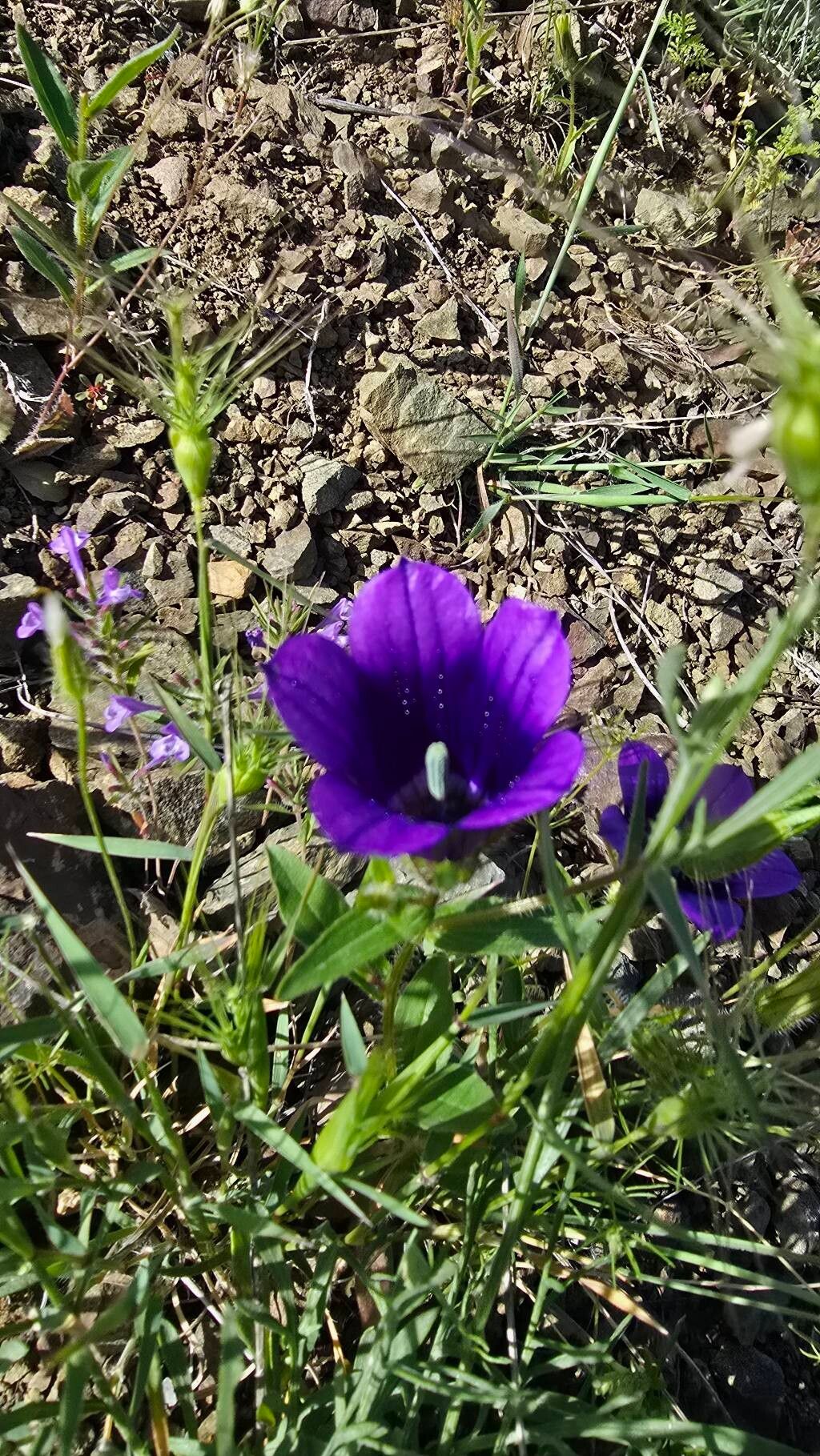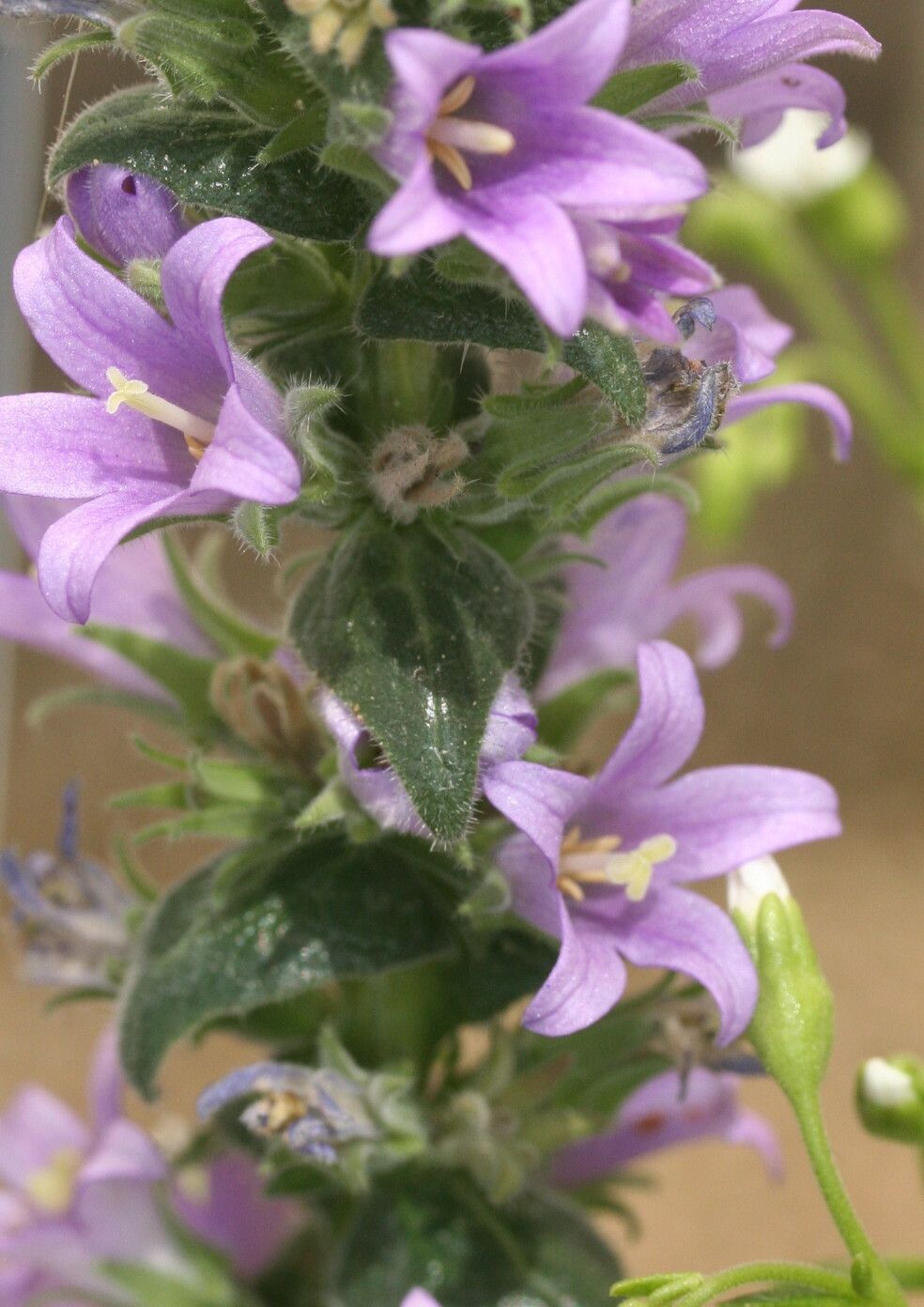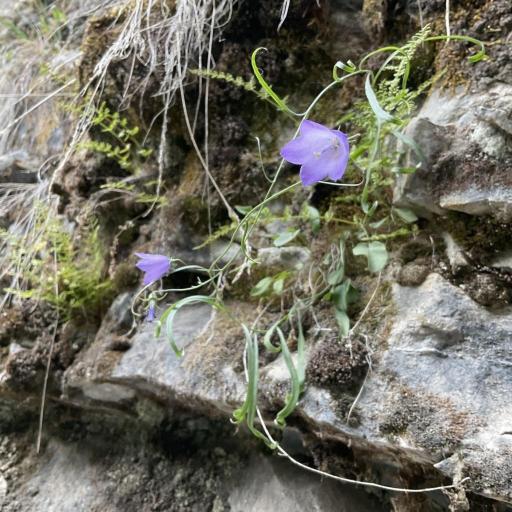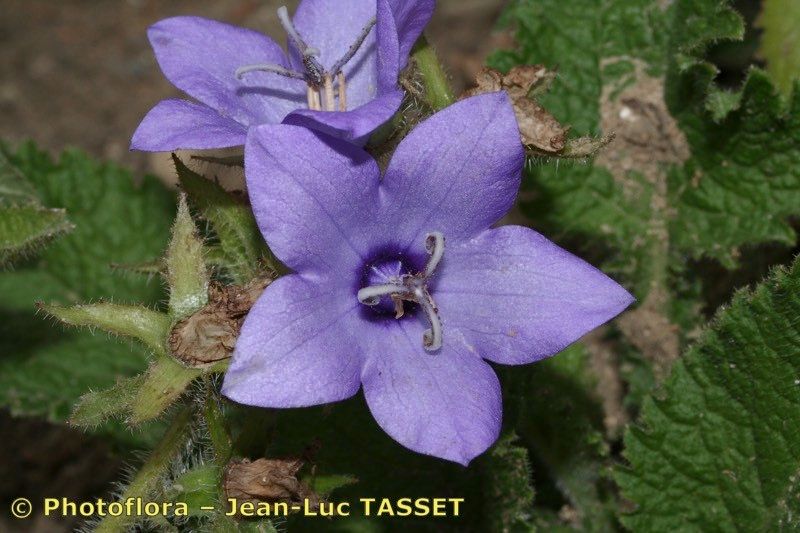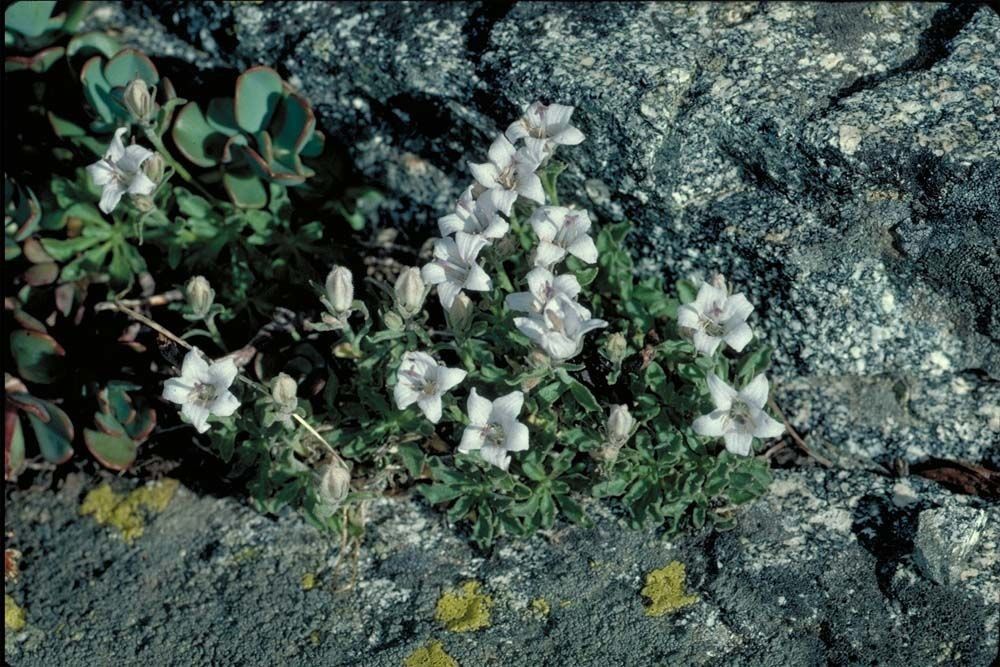
Campanula shetleri is a rare species of bellflower known by the common name Castle Crags bellflower. The plant is named for Castle Crags, a mountain formation in its limited native range, within the Shasta-Trinity National Forest.It is endemic to California, where it is known from fewer than ten occurrences in the southern reaches of the Cascade Range near the border between Siskiyou and Shasta Counties.
How to keep Campanula Shetleri.
Water
The Castle Crags bellflower flourishes in warm climates, producing vibrant, bell-shaped flowers when provided with plenty of water. For optimal growth, water the plant twice a week, making sure the soil remains slightly moist but not waterlogged or dry.
Pruning
The Castle Crags Bellflower is known for its delicate, bell-shaped flowers. To keep these plants healthy and promote growth, it's important to prune them early in the spring to remove any dead stems. Regularly cutting back the spent blooms encourages continuous flowering. Every few years, a rejuvenation pruning can help revitalize older plants. It's crucial to use clean shears for all pruning activities, as this prevents disease and enhances the plant's overall health and appearance.
Botanical profile.
- Plant Type
- Herb
- Genus
- Campanula
- Family
- Campanulaceae
Other names.
Reader questions.
What are the sunlight requirements for Castle crags bellflower?
Castle crags bellflower, also known by its botanical name, Campanula shetleri, thrives in varying degrees of sunlight. For plants labeled 'Full sun', they require above 6 hours of sunlight daily to flourish. Those designated for 'Partial sun' are best suited to about 3-6 hours of sunlight each day. It's important to observe the movement of sunlight through your garden to find the ideal spots that provide a harmonious balance of light and shade, ensuring your plants grow healthy and happy.
What is the Castle Crags Bellflower?
The Castle Crags Bellflower, known botanically as Campanula shetleri, is a plant without specified essentials or symptoms detailed in the provided data. Its unique designation comes from its name, suggesting it might have a connection to Castle Crags, either in its native habitat or in the inspiration for its name.