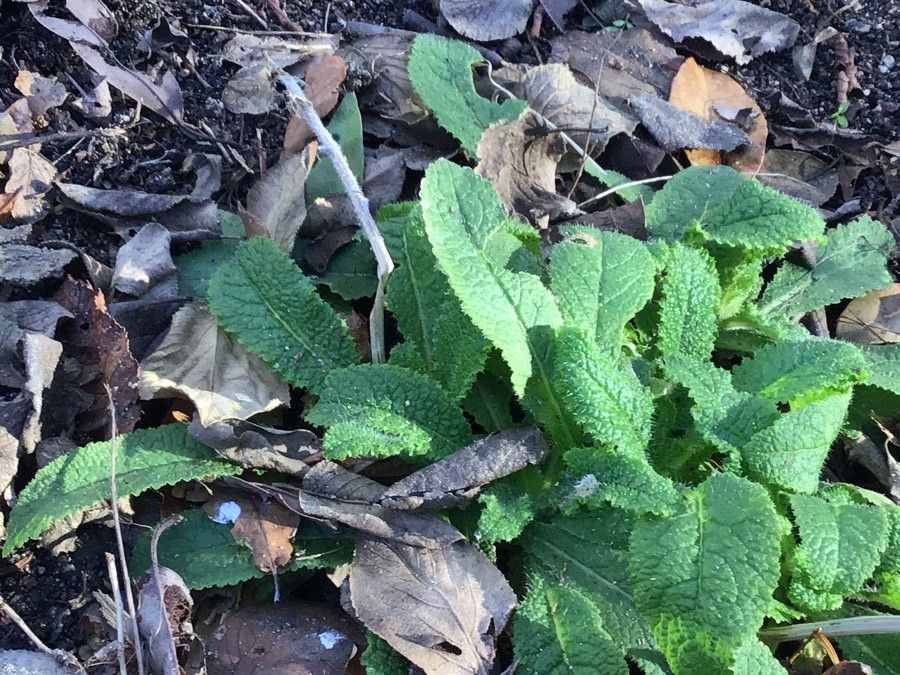
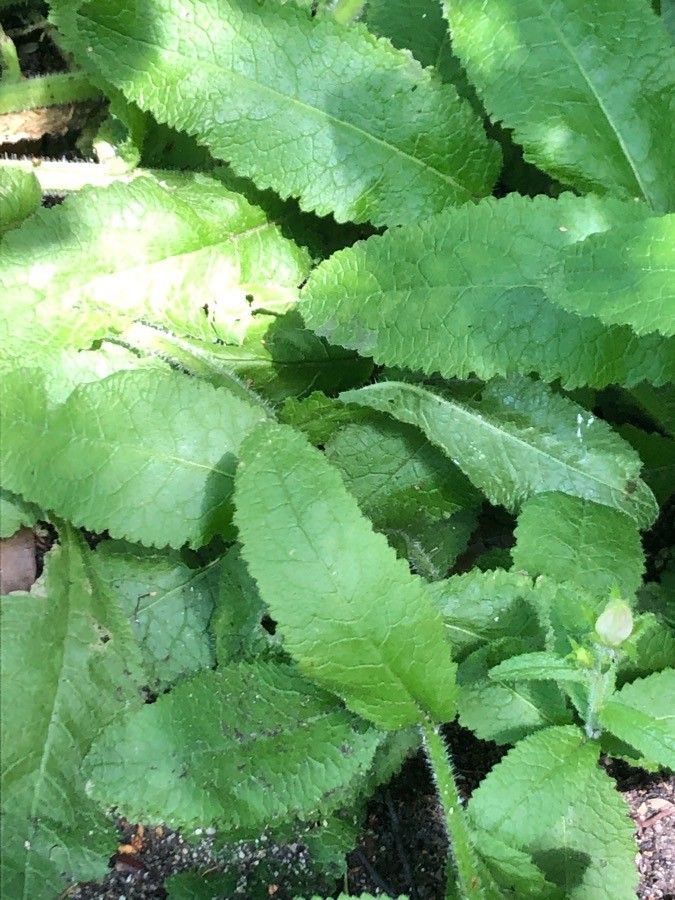
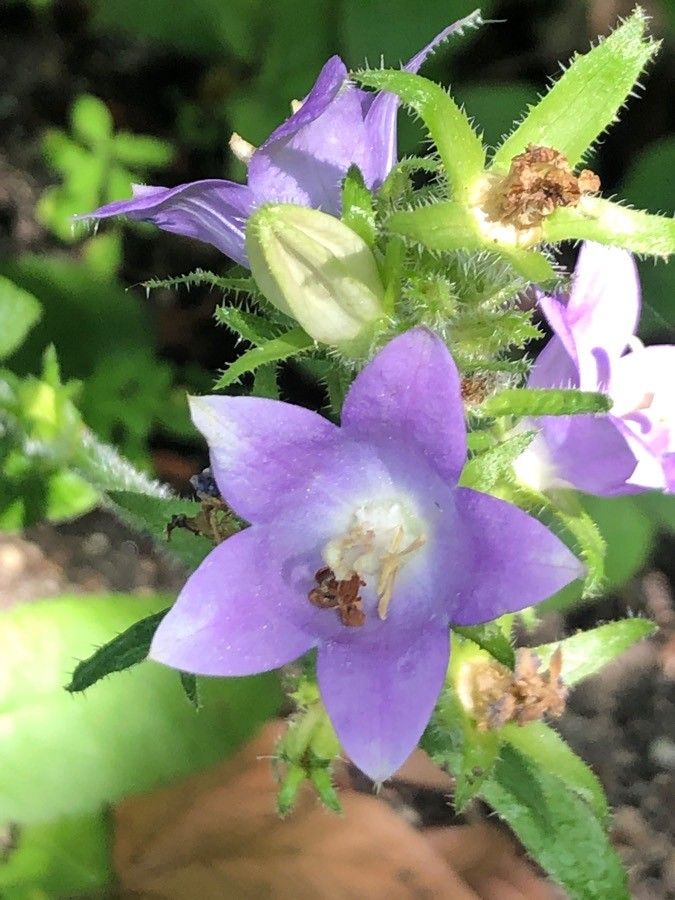
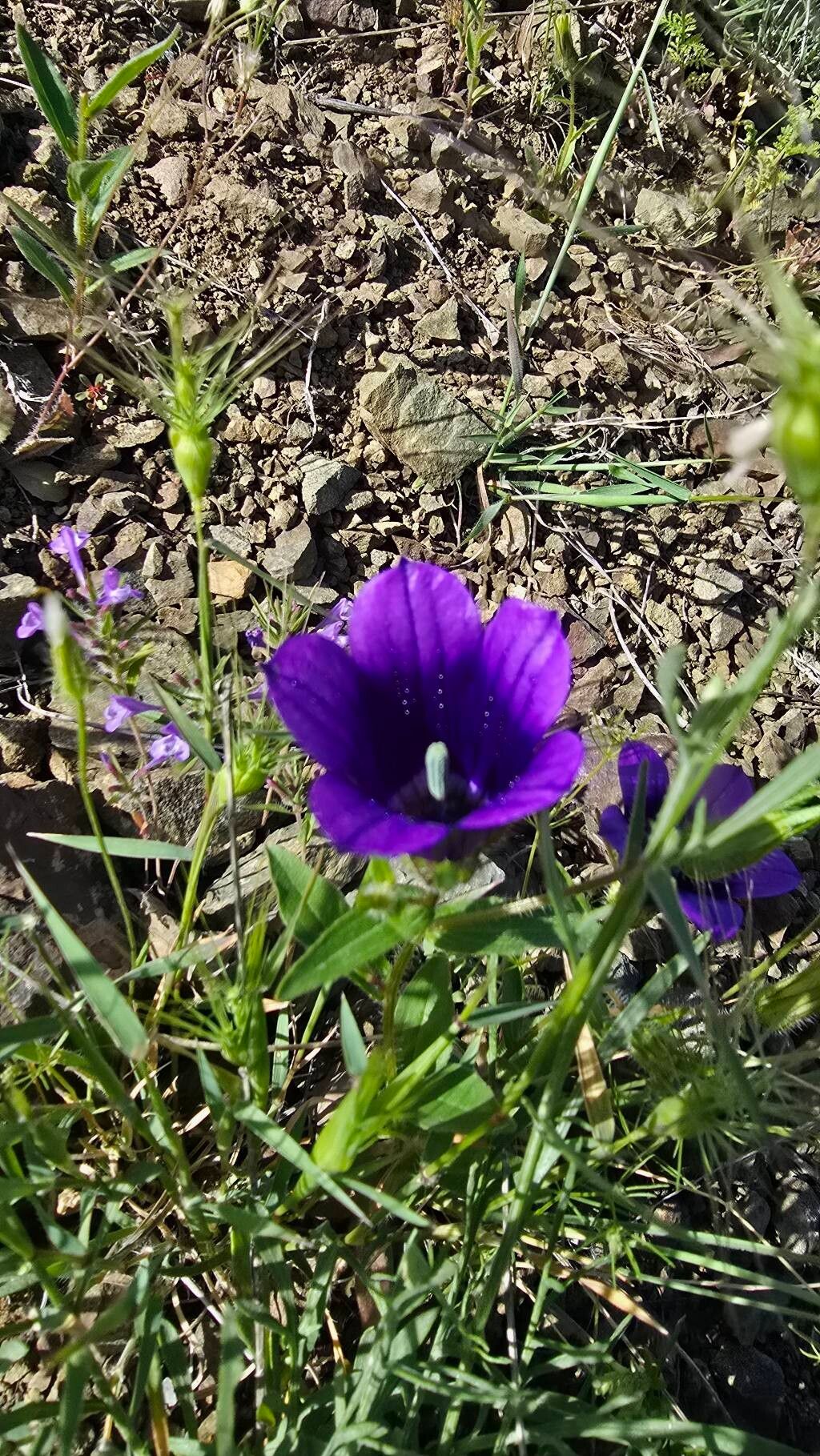
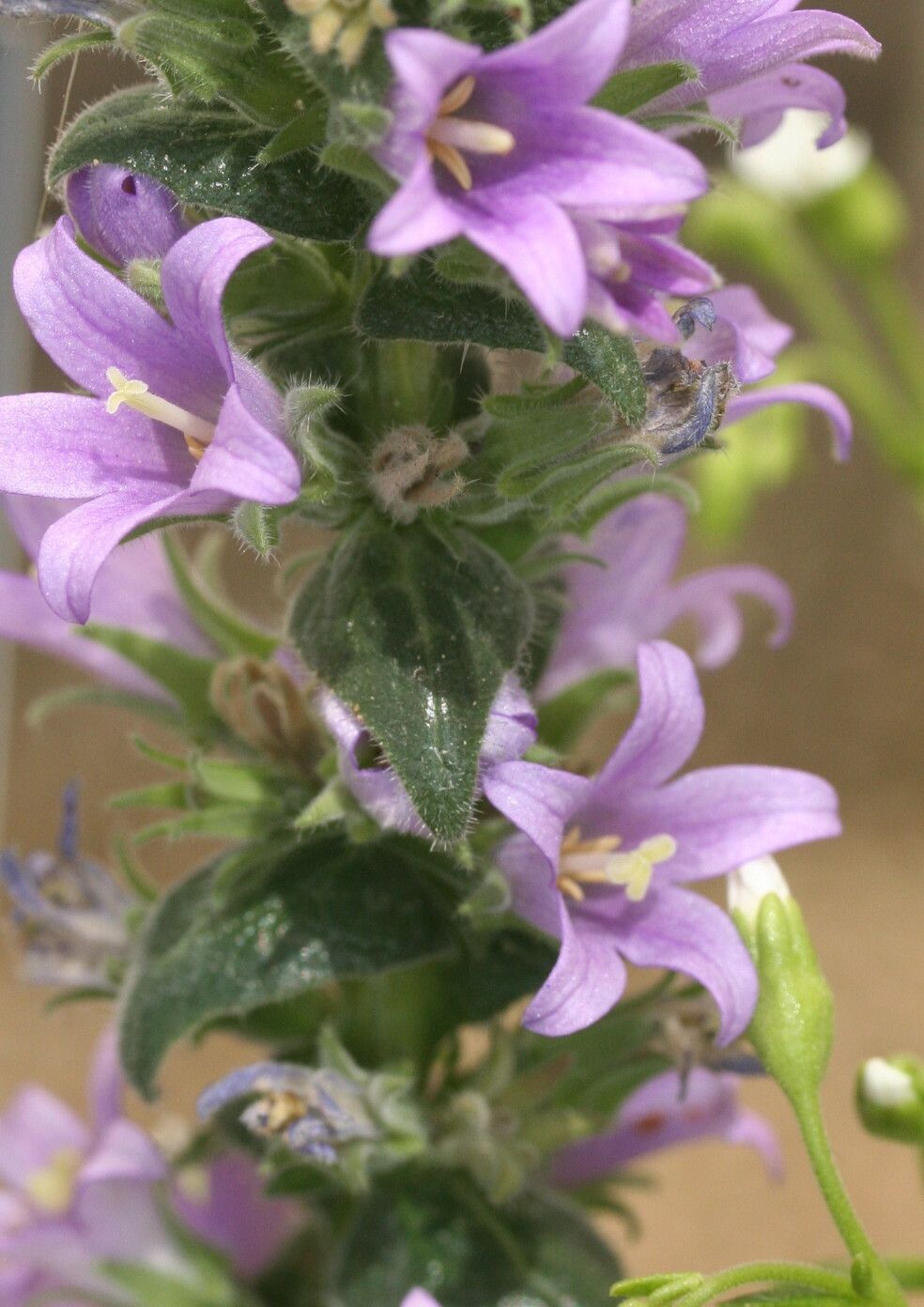
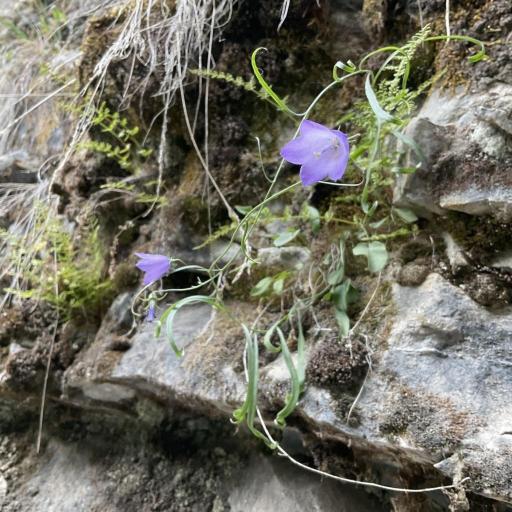
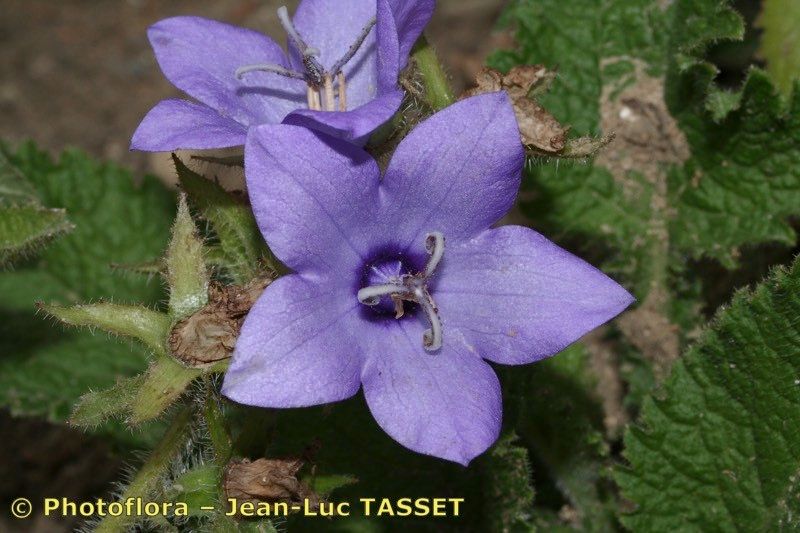
Campanula primulifolia is a plant species of the genus Campanula. It is native to Portugal and Spain.
The Spanish bellflower has good disease resistance and is generally unlikely to suffer from illnesses. Nevertheless, it can be affected by pests and diseases present in its environment. Such infections are generally not severe. For care, this plant needs moderate maintenance. It should be pruned regularly to keep a neat appearance and support healthy growth. Fertilizing can also aid in encouraging blooms. The Spanish bellflower is appropriate for anyone with outdoor space, like a garden or patio, and does not demand extensive care experience. It may need more attention when grown indoors.
How to keep Campanula Primulifolia.
Light
The Spanish bellflower naturally occurs in places like forest understories and rocky habitats, where it grows in natural shade. It prefers partial sun but can tolerate full sun or deep shade, showing its adaptable, hardy character.
Water
The Spanish bellflower, which originates from moist environments, needs consistent moisture without becoming waterlogged. To achieve this balance, watering it weekly is ideal. As an herbaceous perennial, it thrives outdoors and benefits from natural rainfall. However, in areas with unpredictable precipitation, additional watering is necessary to ensure optimal growth.
Temperature
Spanish bellflower can tolerate a wide range of temperatures, but its distribution may still be restricted by different combinations of moisture and heat. It performs best in warm summer climates with sufficient rainfall or irrigation. Extended periods of cloudy, rainy weather, as well as prolonged high temperatures, can raise the chance of the Spanish bellflower dying. In winter, appropriate protection from cold can increase the plant's survival rate.
Fertilizer
A single spring application of fertilizer is generally enough for Spanish bellflower, although repeated feedings can help maximize growth. Apply fertilizer roughly once a month to once every six weeks. Fertilizing improves leaf appearance and function, helping maintain even color and a healthy texture. It also encourages root development and nutrient uptake, supporting the plant’s long-term health.
Pruning
The Spanish bellflower features bell-shaped flowers and lance-shaped leaves. To encourage growth and blooming, it's best to prune them from early to late spring. Be sure to remove any dead stems and thin out crowded areas to improve air circulation. Making clean cuts helps prevent disease, while proper timing ensures the plant remains healthy and extends its blooming period.
Botanical profile.
- Plant Type
- Herb
- Life Cycle
- Perennial
- Genus
- Campanula
- Family
- Campanulaceae
- Hardiness Zone
- 5-9
- Mature Height
- 30 cm to 61 cm
- Mature Spread
- 20 cm to 30 cm
- Leaf Color
- Green, Dark Green
- Leaf Type
- Deciduous
- Flower Color
- Lavender
- Flower Size
- 2.03 cm to 3.05 cm
- Bloom Time
- Summer
- Planting Time
- Spring, Summer
- Harvest Time
- Late summer, Early fall, Mid fall