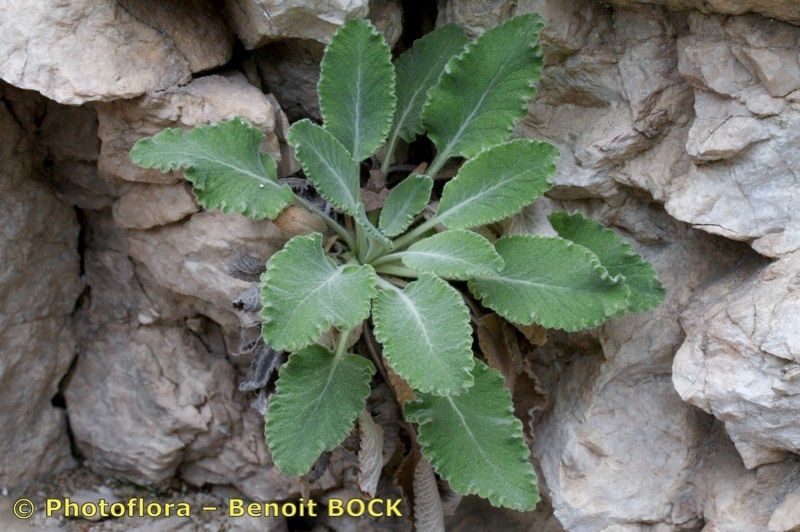
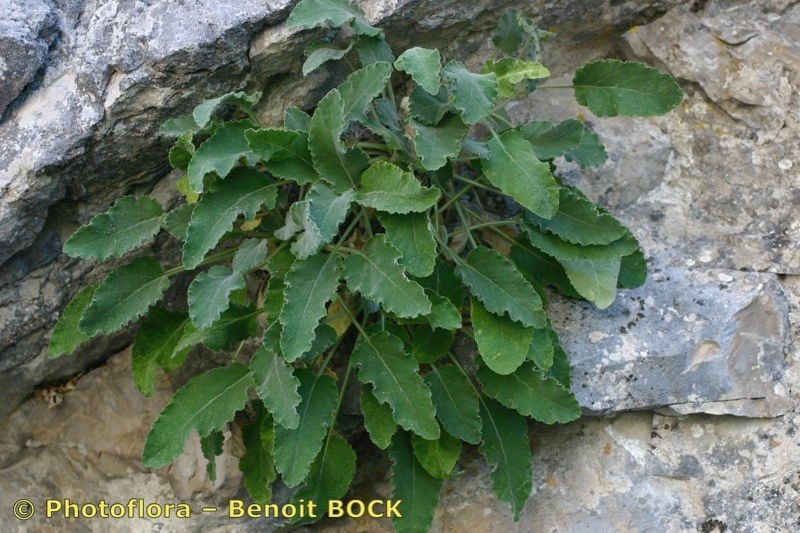
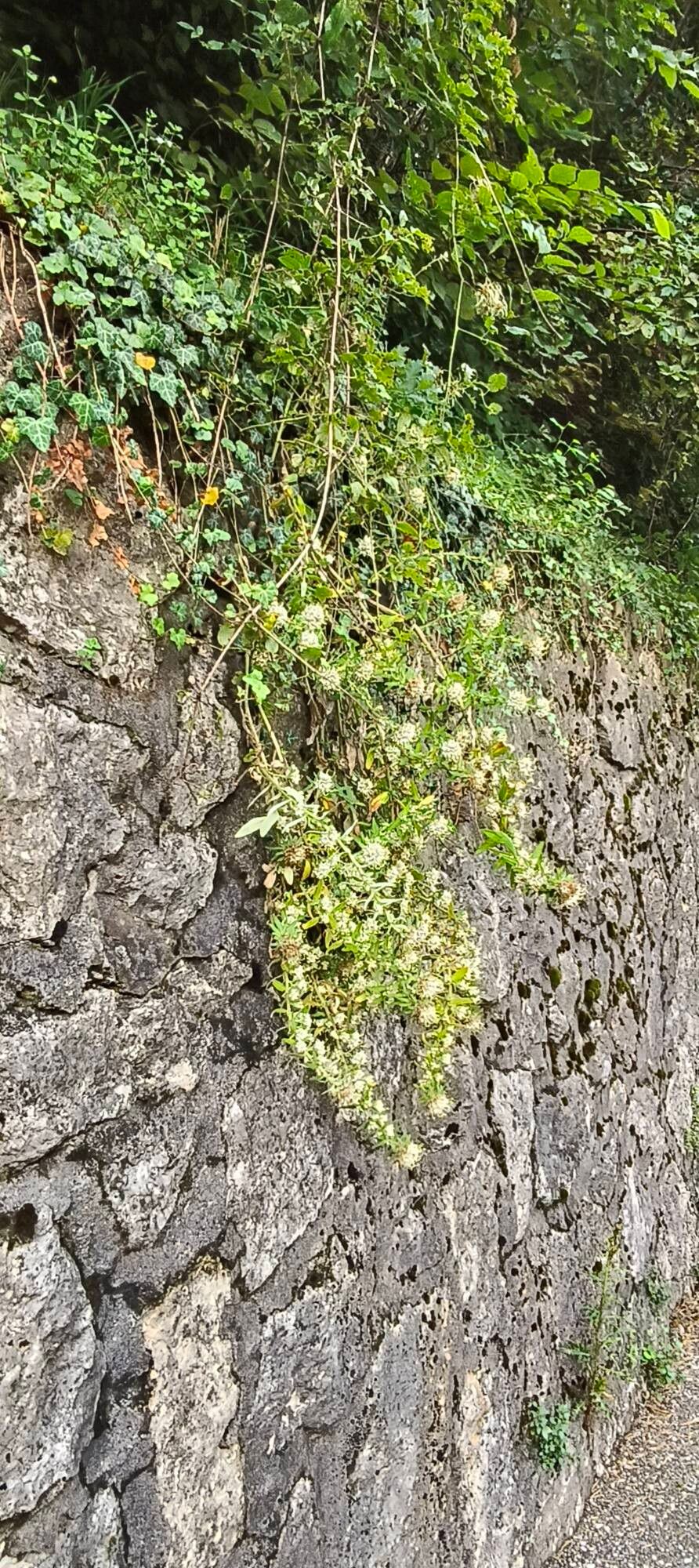
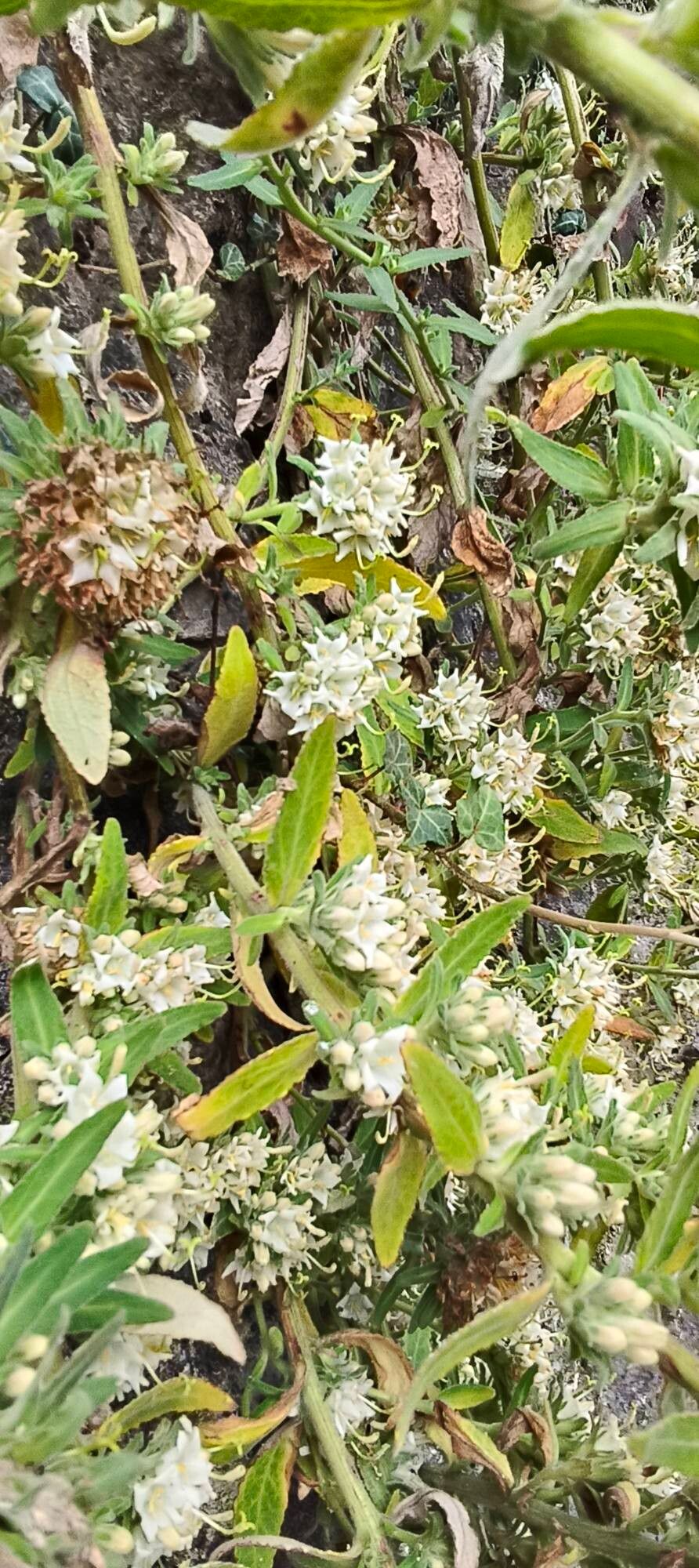
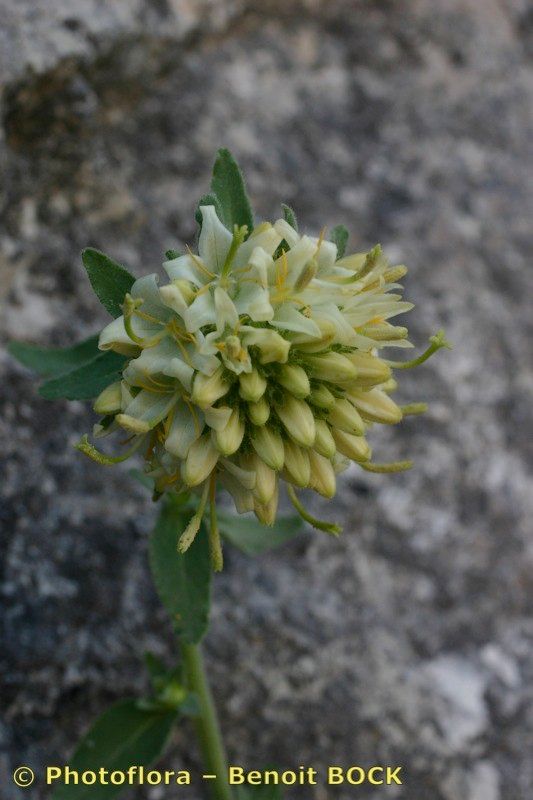
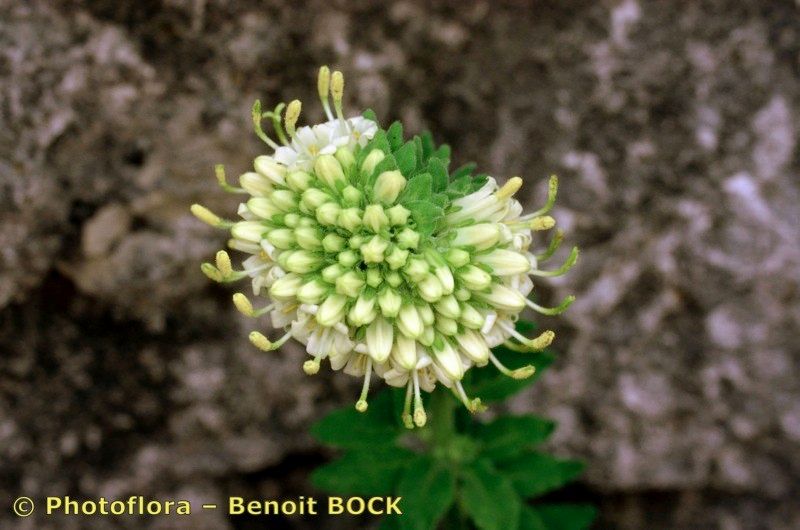
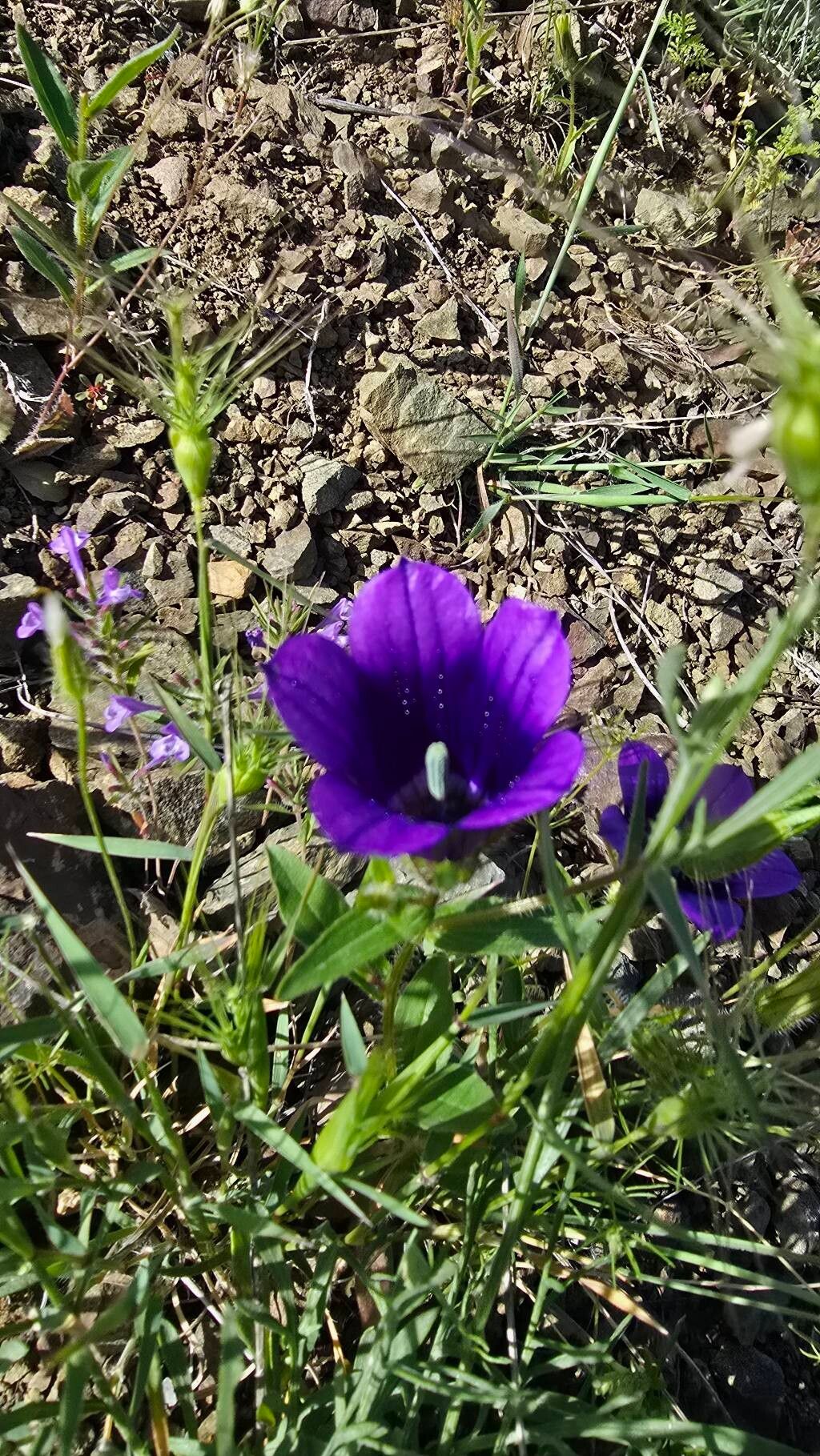
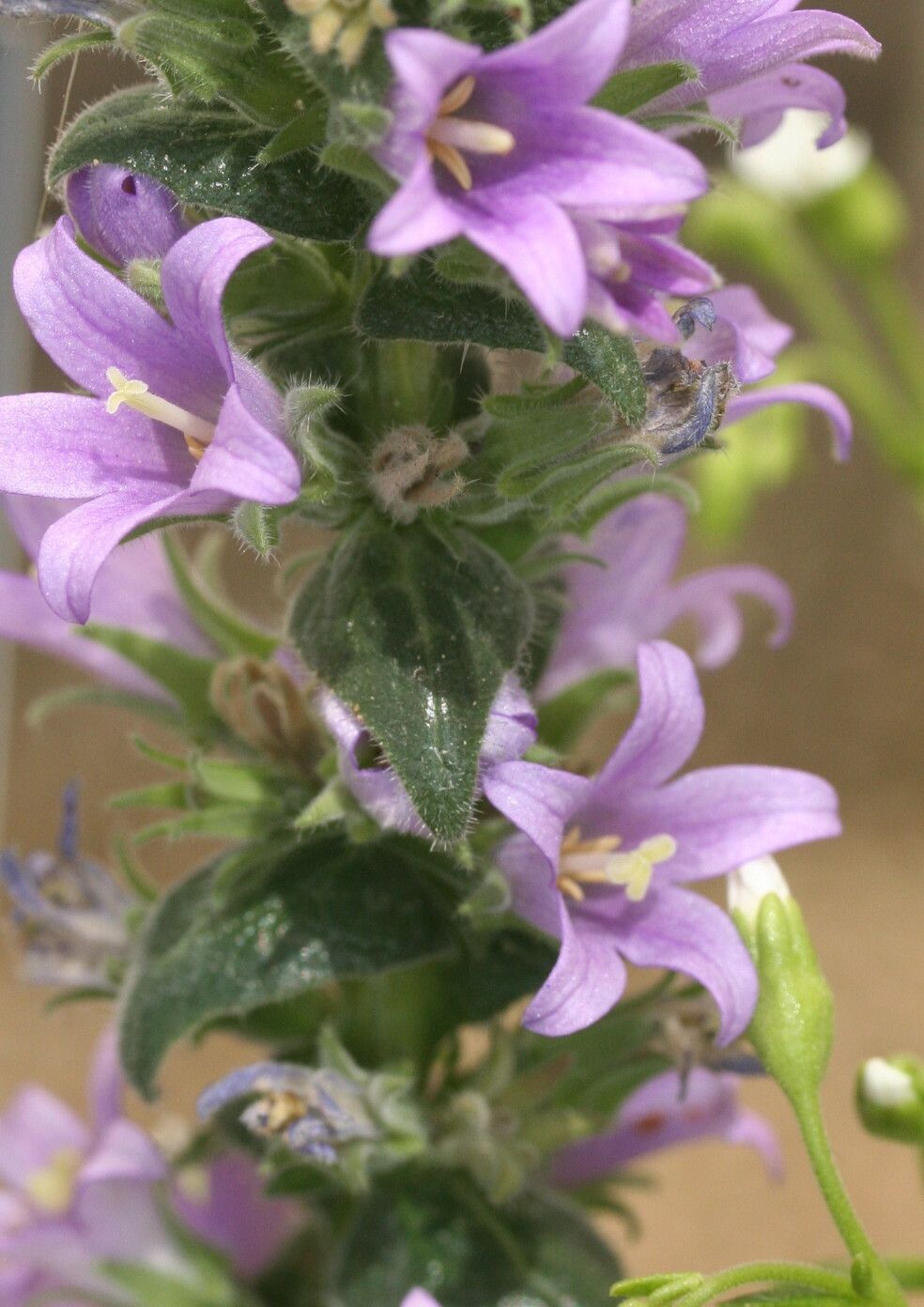
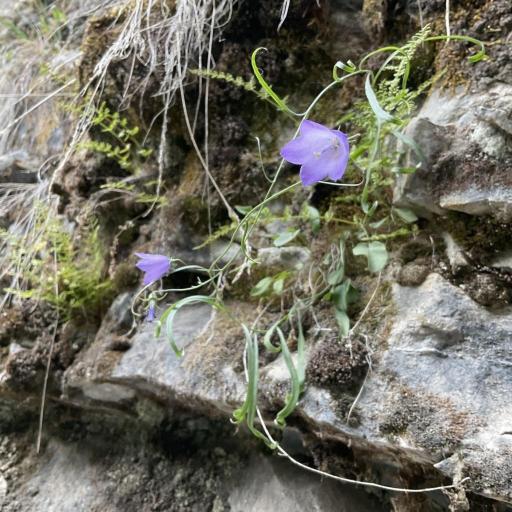
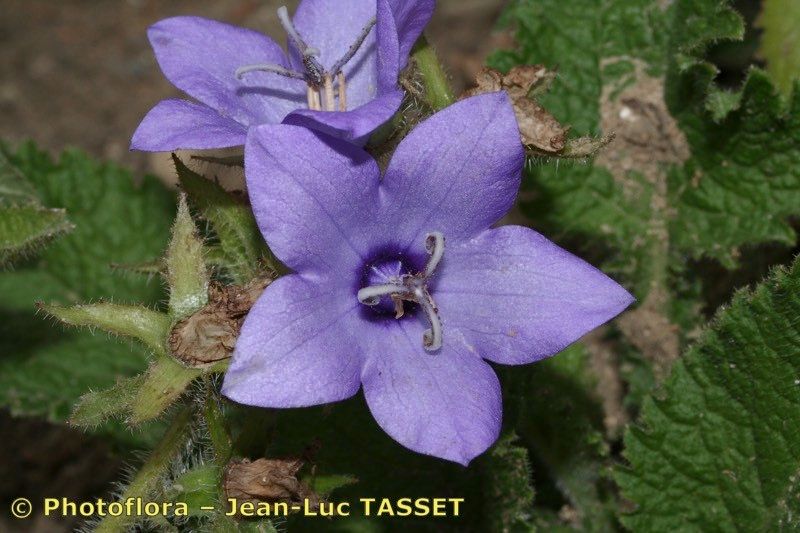
The European bellflower is fairly disease-resistant and is typically not prone to ailments. However, it can be affected by pests and diseases present in its surroundings. Such infections are generally mild. In terms of care, the plant requires moderate maintenance. Regular pruning is needed to maintain a tidy appearance and support healthy growth. Fertilizing can also encourage flowering. The European bellflower is suitable for anyone with outdoor space, such as a garden or patio, and does not demand extensive care experience. It may need more attention when grown indoors.
How to keep Campanula Petraea.
Light
The European bellflower is a sun-loving perennial herbaceous species that comes from open habitats and is often found growing in meadows and grasslands. It prefers full sun but can also tolerate partial sun conditions.
Temperature
European bellflower originates from habitats with temperatures between 59 and 95°F (15 to 35°C). It favors this moderate warmth, which is typical of its native surroundings. In colder seasons, consider relocating it to maintain its optimal temperature.
Fertilizer
The ideal time to fertilize a European bellflower is in early spring, when it is coming out of dormancy and beginning active growth. Fertilizing supplies essential nutrients for healthy development. Although European bellflower has relatively low fertilizer needs, an annual application can improve its survival and encourage better, longer-lasting flowers.
Botanical profile.
- Plant Type
- Herb
- Life Cycle
- Perennial
- Genus
- Campanula
- Family
- Campanulaceae
- Hardiness Zone
- 8-9
- Mature Height
- 61 cm to 91 cm
- Mature Spread
- 30 cm to 46 cm
- Leaf Color
- Green, Dark Green
- Leaf Type
- Deciduous
- Flower Color
- Lavender
- Flower Size
- 1.02 cm to 2.03 cm
- Bloom Time
- Summer
- Planting Time
- Spring, Summer, Autumn
- Harvest Time
- Late summer, Early fall, Mid fall
- Native Area
- Turkey, Austria, Czech Republic, Slovakia, Montenegro, Bulgaria, Armenia, Poland, Greece, Croatia, Slovenia, Belarus, Ukraine, Serbia, Russia, Lithuania, Hungary, Germany, Italy, Kazakhstan, Switzerland, Iran, Albania, Azerbaijan, Romania, France
Other names.