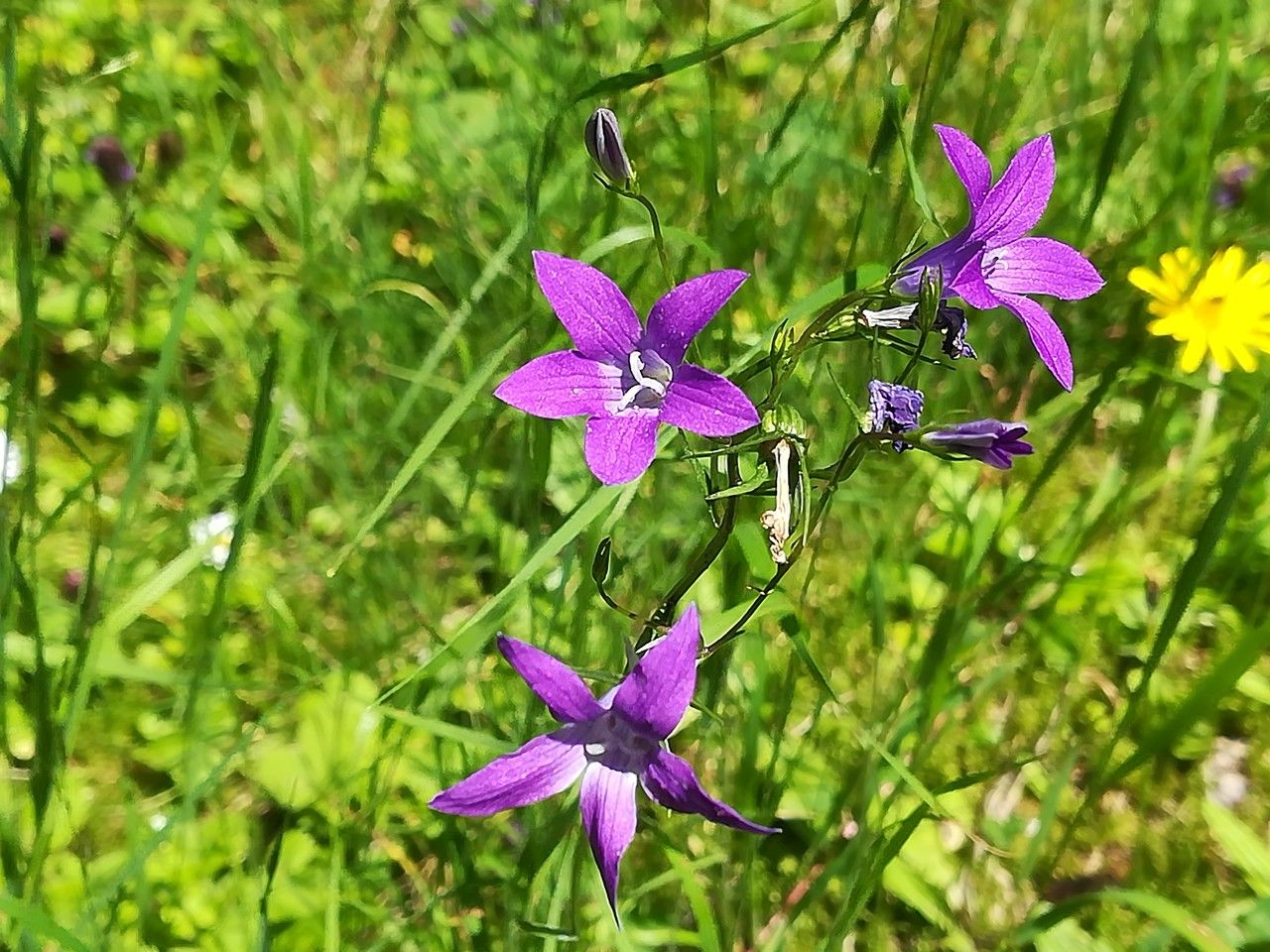
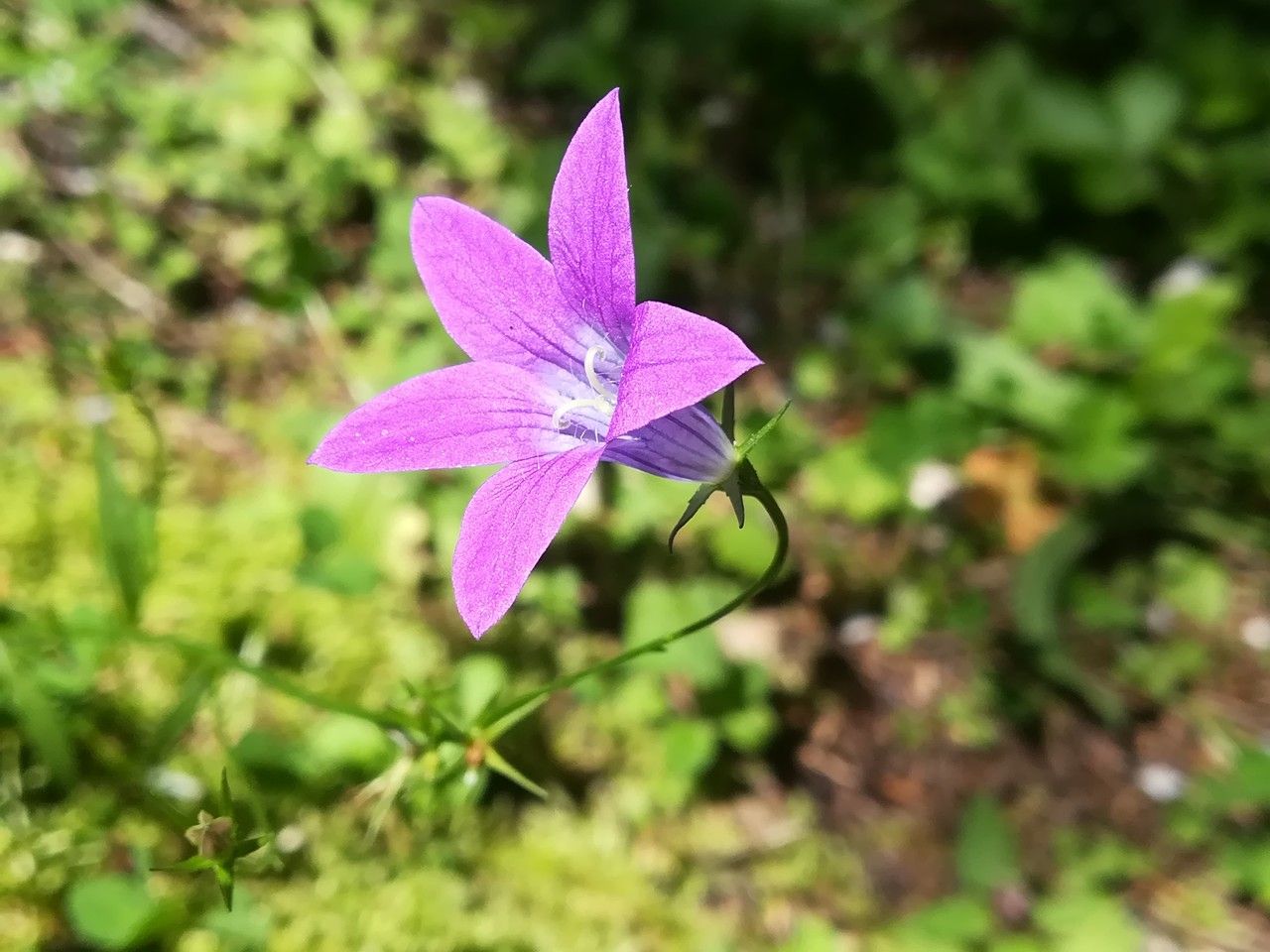
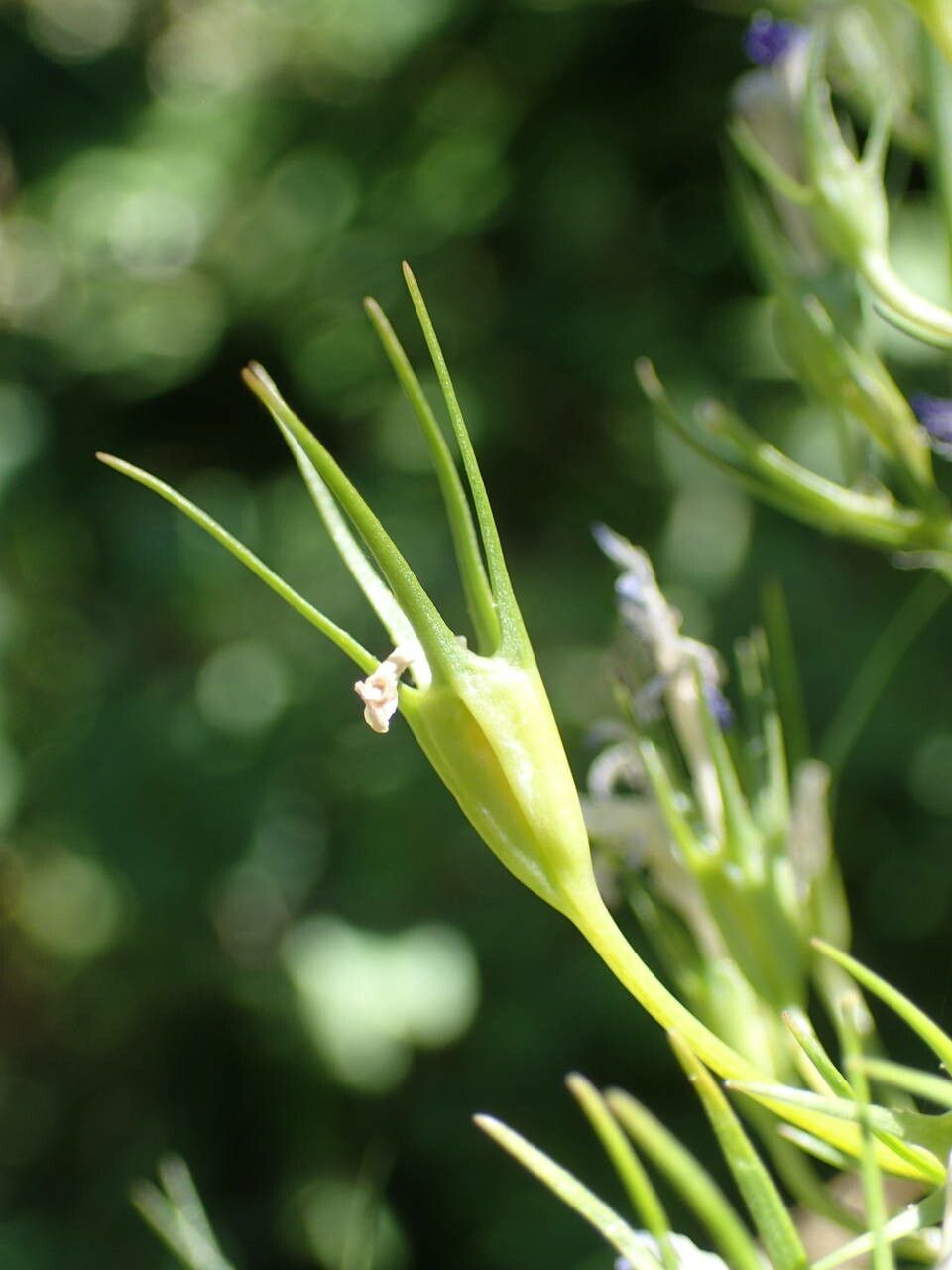
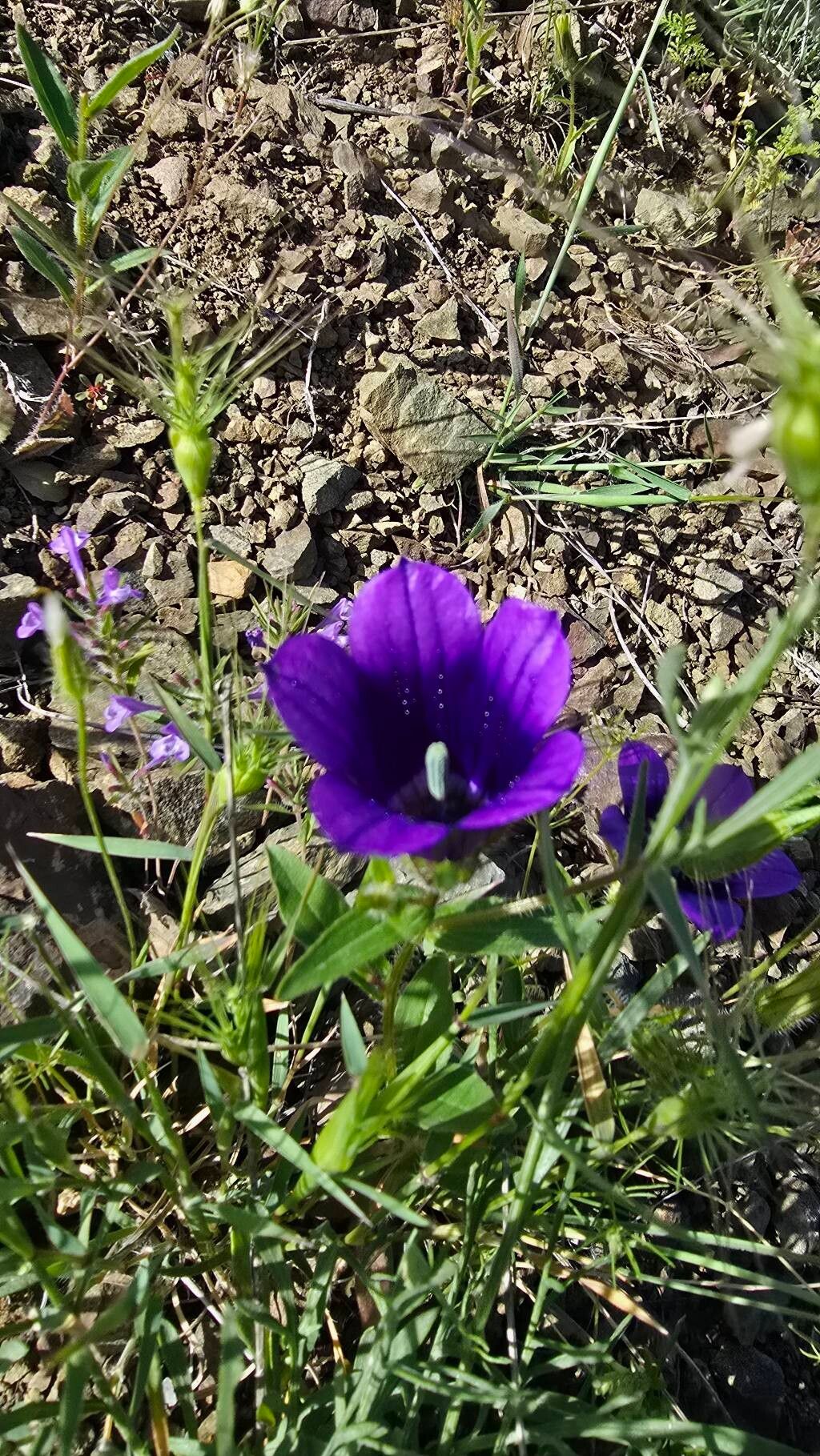
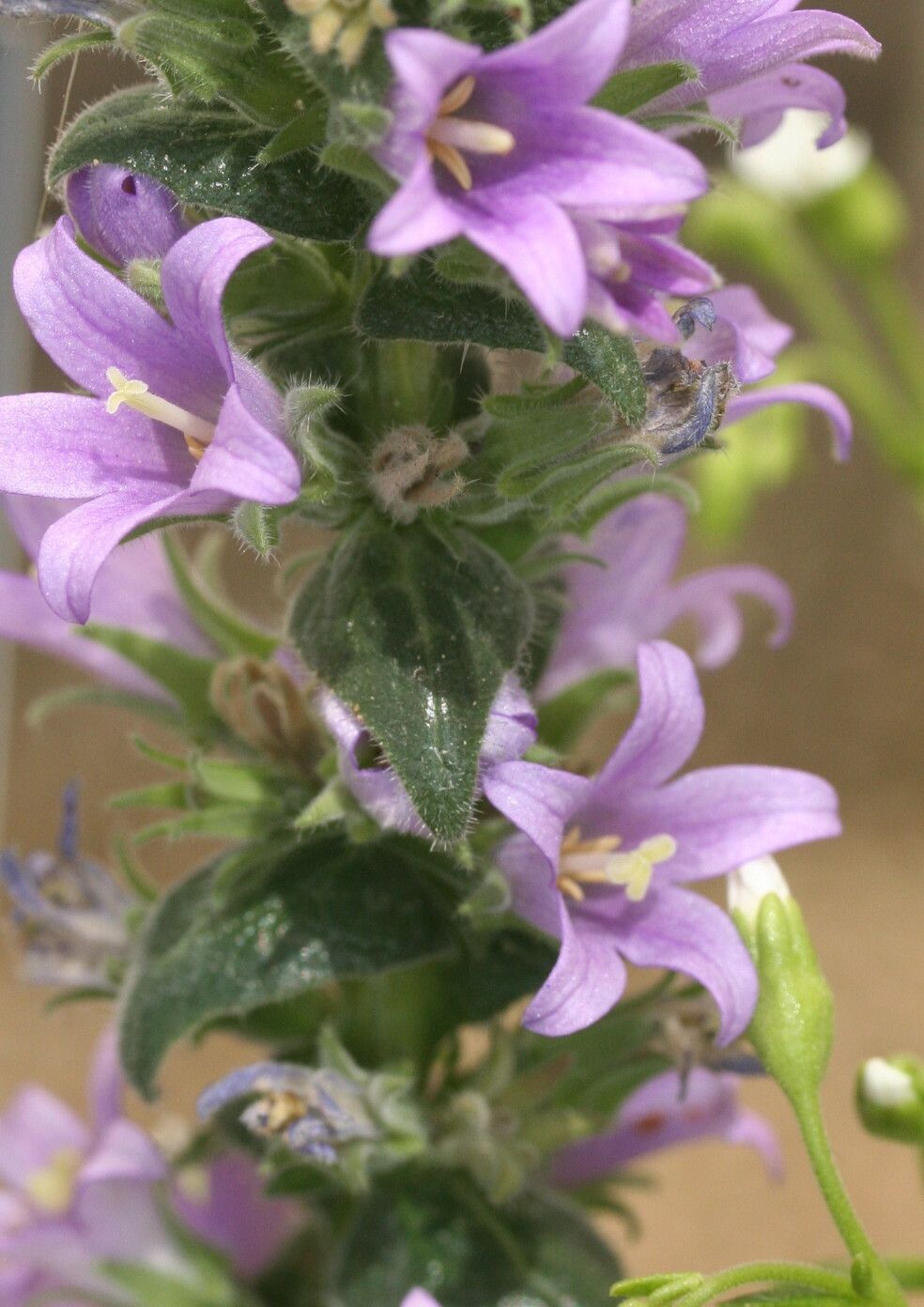
Campanula patula or spreading bellflower is a plant species of the genus Campanula. It can grow to more than half a meter high. This delicate bellflower bears lateral branches of pale blue or white flowers that are upright and funnel shaped. The leaves are narrow and pointed. Branches are often supported by the surrounding vegetation, so the plants can appear prostrate. The main difference between this and other bellflowers is that the petals in the bell are spread out and more pointed and this gives this species its common name.
Spreading bellflower has strong resistance to disease and typically does not develop illnesses easily. Still, it can be affected by pests and diseases present in its environment. These problems are generally mild. As for maintenance, this plant needs a moderate amount of care. It should be pruned regularly to preserve an attractive appearance and encourage healthy growth. Applying fertilizer can also support better flowering. Spreading bellflower is appropriate for anyone with outdoor areas like a garden or patio and does not demand extensive gardening experience. It may need increased attention if cultivated indoors.
How to keep Campanula Patula.
Light
The spreading bellflower does best in plentiful sunlight but can adjust to partially shaded situations. The environmental conditions in its native habitat have made it suited to abundant sun exposure. Although it tolerates suboptimal light, too little or too much sunlight can hinder its healthy growth.
Water
The spreading bellflower thrives in environments with consistent moisture but avoids areas that are waterlogged. Adapted to moderate climates, it can tolerate drought but prefers consistent hydration. For optimal growth, water the spreading bellflower once a week, mainly when it is outdoors, relying on seasonal rains during critical growth periods.
Temperature
Spreading bellflower is a plant native to areas where temperatures range from 68 to 95 °F (20 to 35 ℃). It does best in warmer climates. If temperatures go outside this range, especially in colder months, adjustments may be necessary to keep the plant healthy.
Fertilizer
The best time to fertilize a Spreading bellflower is in early spring, as it is coming out of dormancy and beginning active growth. Fertilization supplies essential nutrients for healthy development. Although Spreading bellflower has relatively modest fertilizer needs, applying fertilizer annually can improve its survival and encourage better, longer-lasting blooms.
Pruning
Spreading bellflower, known for its delicate purple-blue flowers, benefits from pruning in early to late spring. To encourage growth and improve air circulation, remove dead stems and any overcrowded shoots. Be sure to use clean, sharp tools for precise cuts, which will help maintain the plant's health and support extended blooming.
Toxicity
Campanula patula has no toxic effects reported.
Further reading →
The toxicity and danger assessments provided are for reference only. We do not assure their accuracy, so it's crucial not to depend on them. Seek professional advice when necessary for accurate guidance.
Botanical profile.
- Plant Type
- Herb
- Life Cycle
- Perennial, Biennial, Annual
- Genus
- Campanula
- Family
- Campanulaceae
- Hardiness Zone
- 4-8
- Mature Height
- 25 cm to 76 cm
- Mature Spread
- 10 cm to 49 cm
- Leaf Color
- Light Green, Green
- Leaf Type
- Semi-evergreen
- Flower Color
- Purple, Lavender
- Flower Size
- 2.03 cm to 2.54 cm
- Bloom Time
- Early summer, Mid summer
- Planting Time
- Spring, Summer
- Harvest Time
- Mid summer
Other names.
Reader questions.
How can I water my Spreading bellflower plants in the best way?
To ensure the health of the Spreading bellflower, it is recommended to water it with filtered water at room temperature. Tap water may contain harmful particles, so filtered water is preferred. It is important to use room temperature or slightly warmer water because the Spreading bellflower is accustomed to warm environments and cold water can be a shock to its system. Avoid overhead watering as it can lead to problems with the foliage. Instead, pour the filtered room temperature water directly onto the soil until it is completely soaked. This helps moisten the roots and supports their spreading and nutrient collection in the soil.
Why is it necessary to fertilize my Spreading bellflower?
Fertilization is important for the Spreading bellflower because it provides essential nutrients for its growth. While the plant's overall fertilization needs are low and it can survive without it, annual fertilization can greatly benefit the plant. It helps keep the plant alive and may improve the quality and durability of its flowers. Therefore, those who want their Spreading bellflower to thrive should ensure they fertilize it annually.
What are the sunlight requirements for Spreading Bellflower?
The Spreading Bellflower requires full sun, which means it needs above 6 hours of sunlight daily, but it can also survive in partial sun, receiving about 3-6 hours of sunlight. It's important to observe how sunlight moves through your garden to ensure the perfect balance of light and shade for your plants, thereby ensuring their happiness and healthy growth.
What is the ideal temperature range for spreading bellflower?
The ideal temperature range for spreading bellflower (Campanula patula) is between 68 to 95°F (20 to 35°C). It is a plant that thrives in warmer climates and has strong cold resistance, making it adaptable to various environments. However, adjustments may need to be made to care for the plant outside of this temperature range, especially during colder months to ensure its health.
What should I do if I give my Spreading bellflower too much or too little water?
Overwatering is a more common issue that can harm your Spreading bellflower. When the plant gets too much water, its stems and leaves may wilt and turn yellow. This can also lead to diseases like root rot, mold, and mildew, which can be fatal. Underwatering is less common, as the plant can tolerate drought. However, when it happens, the leaves may become brittle and brown. It's important to identify signs of overwatering early to prevent irreparable damage. Reduce watering if you notice these signs and check the soil's drainage. If it drains poorly, replace it with a loose, well-draining potting mix. If your Spreading bellflower lacks water, simply increase your watering until the signs improve.
What is the ideal time to add fertilizer to my Spreading bellflower?
Fertilize your Spreading bellflower in late winter to early spring for optimal results. This is when the plant is coming out of dormancy and starting to actively grow. Fertilizing at this time gives it a strong start for the season. While early spring is the best time to fertilize, fertilizing in the fall is also possible. However, avoid fertilizing in summer and winter, as it is not beneficial for the plant.
Can Spreading Bellflower grow in artificial lighting?
Yes, Spreading Bellflower can grow under artificial lighting, which is especially helpful when natural sunlight is insufficient, such as during winter or in less sunny spaces. LED lights are recommended because they can be customized to provide specific wavelengths of light that plants need. Full sun plants require 30-50W/sq ft, partial sun plants require 20-30W/sq ft, and full shade plants need 10-20W/sq ft of artificial light. The light source should be placed 12-36 inches above the plant, and most plants need 8-12 hours of light per day.
Does spreading bellflower require special frost protection measures?
Spreading bellflower generally does not require special frost protection measures due to its strong cold resistance. However, if winter temperatures are expected to drop below -30°C, it is important to provide protection against the cold. This protection can be provided by covering the plant with soil or straw and ensuring the soil around the plant is moist before the first freeze in autumn. These steps help prevent drought and water scarcity for the plant during winter and early spring.
How often do I need to water my Spreading bellflower?
If your Spreading bellflower is in a pot, the most precise way to determine if it needs water is by checking the soil. Stick your finger into the soil and if the top two to three inches are dry, it's time to water the plant. For outdoor Spreading bellflowers planted in the ground, you can use a similar method to test the soil. Again, if the top few inches of soil have dried out, it's time to water. Typically, during the spring and early fall, you will need to water this plant about once a week. However, during extremely hot weather, you may need to increase watering to twice or more per week. It's worth noting that mature, well-established Spreading bellflowers have a remarkable ability to withstand drought.
When is it not a good idea to fertilize my Spreading bellflower?
To avoid overfertilizing your Spreading bellflower and causing complications, it is best to only fertilize during late winter and early spring. This plant has low fertilization needs and a single feeding during this time is sufficient. If you happen to miss fertilizing in spring, it is acceptable to feed the plant in fall. However, it is important to refrain from fertilizing throughout the rest of the growing season, including winter when the plant is in a dormant phase and not experiencing new growth.
What are the symptoms of inadequate lighting for Spreading Bellflower?
Symptoms of inadequate lighting for Spreading Bellflower include small leaves, leggy or sparse growth, faster leaf drop, slower or no new growth, lighter-colored new leaves, chlorosis, sunscald, leaf curling, wilting, and leaf scorching. Each of these symptoms indicates that the plant needs adjustments in lighting to ensure its health and growth.
What should I do if the spreading bellflower experiences temperatures below -30°C?
If spreading bellflower experiences temperatures below -30°C, there may not be noticeable changes during winter, but there could be a decrease in sprouting or even no sprouting during springtime. In such cases, it is recommended to remove any parts of the plant that have failed to sprout in spring as part of its care.