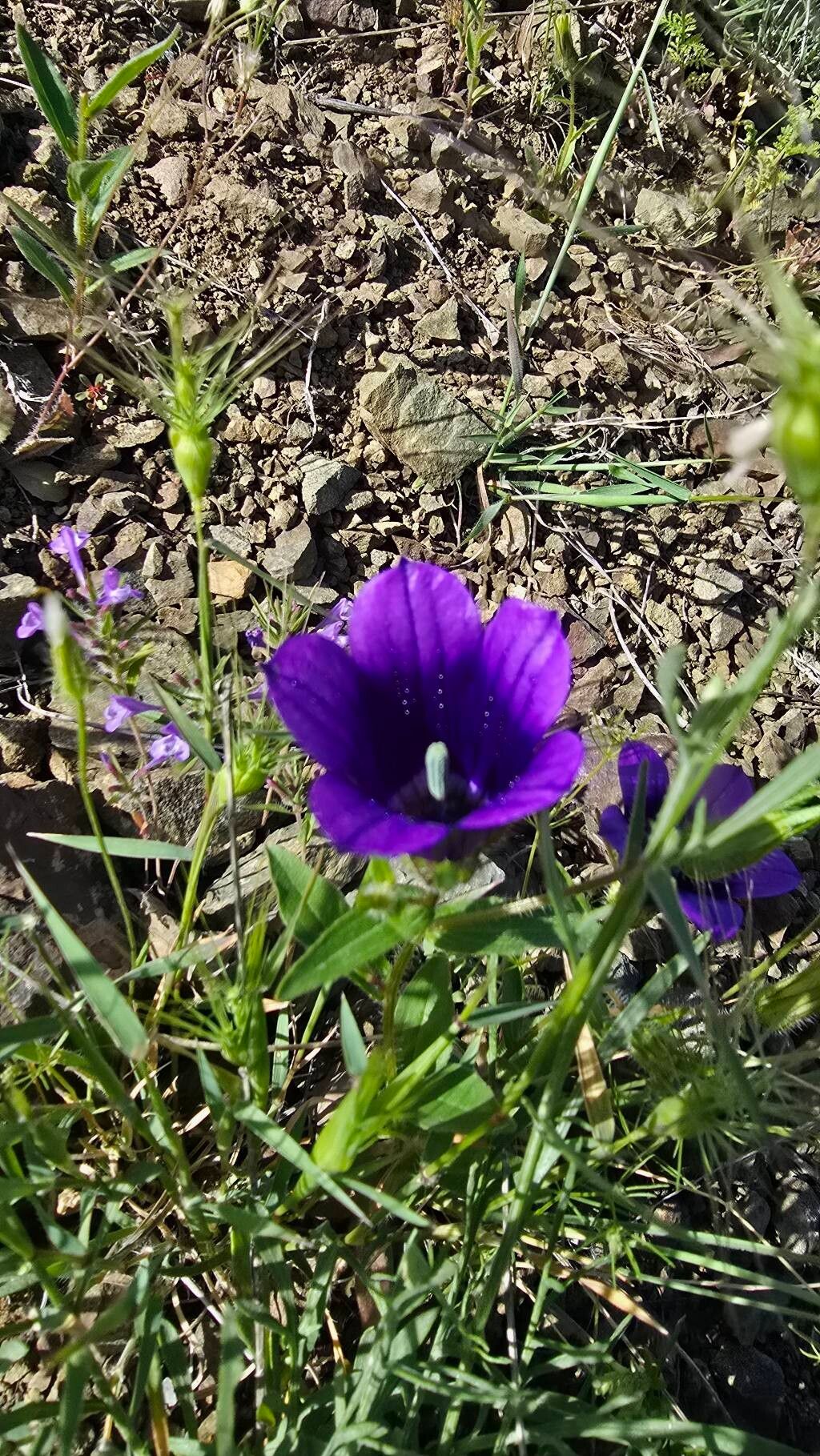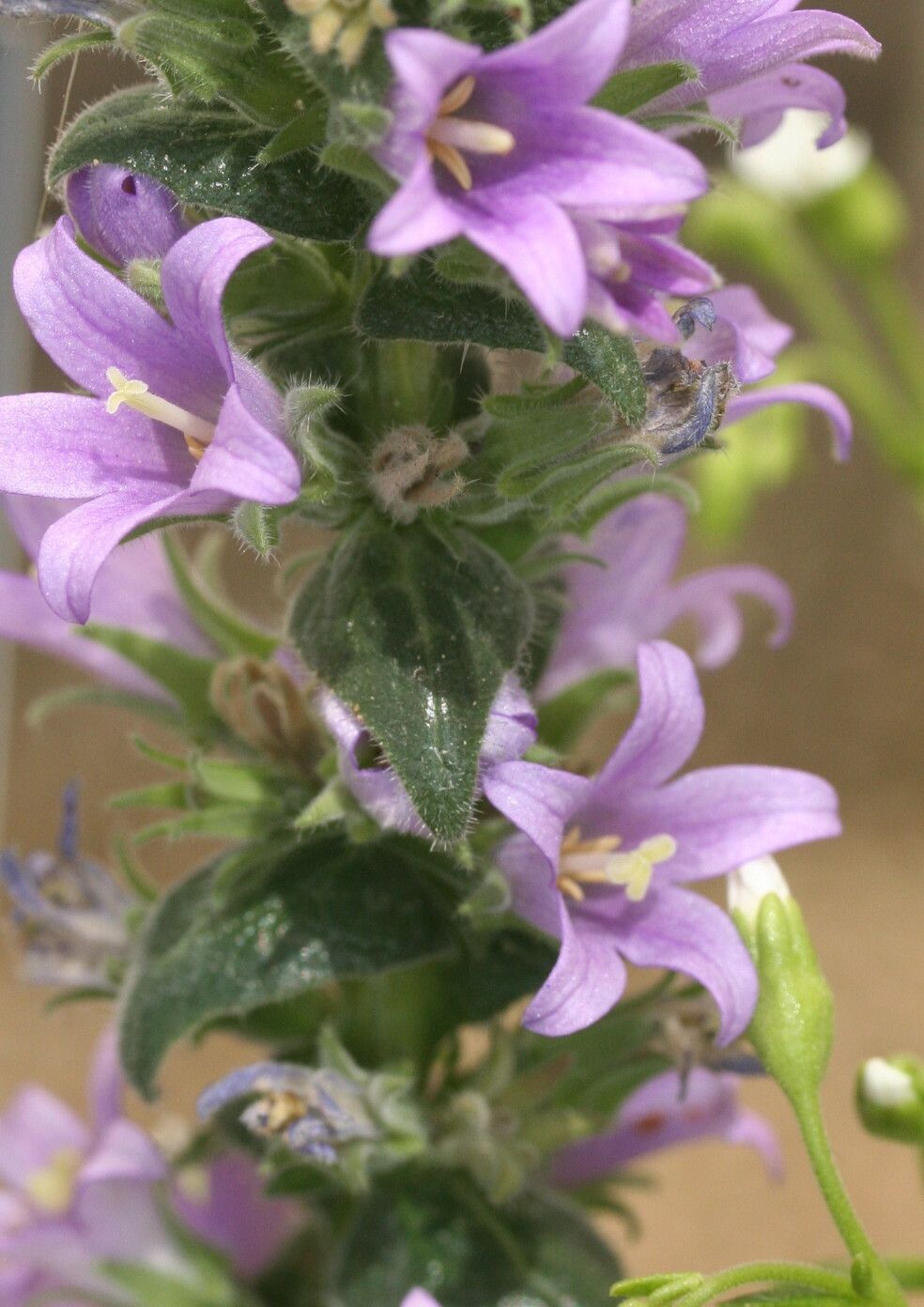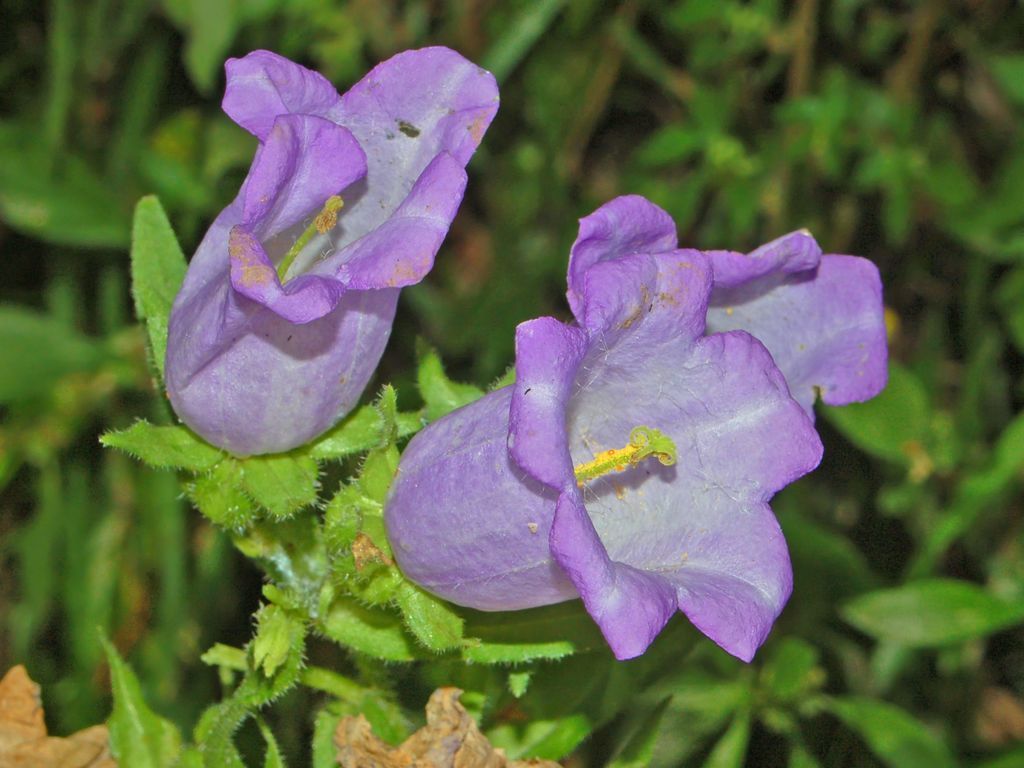
Campanula medium, common name Canterbury bells, is an annual or biennial flowering plant of the genus Campanula, belonging to the family Campanulaceae. In floriography, it represents gratitude, or faith and constancy.
Canterbury bells has good resistance to disease and is generally not prone to illnesses. However, it can be affected by pests and diseases present in its surroundings. These infections are usually mild. Regarding care, this plant requires moderate maintenance. It should be pruned regularly to maintain an attractive appearance and healthy growth. Fertilizing can also help encourage flowering. Canterbury bells is suitable for anyone with an outdoor area, such as a garden or patio, and does not require much care experience. It may need more attention when grown indoors.
How to keep Campanula Medium.
Light
Canterbury bells strongly prefers abundant sunlight, which encourages healthy growth and a display of lively flowers. Still, it can also do well in spots with moderate sunlight. Excessive sun can overly dry out Canterbury bells, while too little sun may prevent it from blooming vibrantly.
Water
Canterbury bells thrive in moderate climates with consistent moisture. They prefer soil that is evenly moist and can tolerate only slight drought conditions. To maintain lush growth, water them weekly, particularly during the active growing season, to support vigorous development.
Humidity
This plant will thrive in moderate humidity, which is probably the level in your home. However, misting it a few times a week can be very beneficial. Make sure the room has good ventilation.
Temperature
Canterbury bells are native to temperate environments and prefer temperatures between 68 and 95°F (20 to 35℃). Seasonal adjustment may be necessary to maintain these conditions in different climates.
Fertilizer
Canterbury bells need consistent fertilization to encourage flowering but are sensitive to excess. They require small, frequent applications of fertilizer throughout their entire life cycle, particularly during the peak period of active growth and while they are flowering. Keep feeding your Canterbury bells until they stop blooming.
Pruning
Canterbury bells are a type of biennial plant known for their bell-shaped flowers. To encourage growth and abundant blooms, it's best to prune them in early spring or late winter. During pruning, remove any damaged leaves and spent stems to enhance the plant's appearance and help it focus its energy on healthy growth. Regular pruning not only reduces the risk of disease but also boosts the plant's vigor. Be sure to use clean, sharp tools for the best results.
Pot & Repot
When repotting Canterbury bells, choose a pot about 1–2 inches (2.5–5.1 cm) larger in diameter that provides good drainage. Use a well-draining potting mix and consider mixing in perlite for added drainage. Repot in spring or early summer, water thoroughly afterward, and keep the plant in a shaded spot initially.
Toxicity
Canterbury bells are non-toxic flowering plants. They do not have any reported toxic traits to either humans or pets.
Further reading →
The toxicity and danger assessments provided are for reference only. We do not assure their accuracy, so it's crucial not to depend on them. Seek professional advice when necessary for accurate guidance.
Botanical profile.
- Plant Type
- Herb
- Life Cycle
- Biennial, Perennial, Annual
- Genus
- Campanula
- Family
- Campanulaceae
- Hardiness Zone
- 4-10
- Mature Height
- 0.1 m to 1.22 m
- Mature Spread
- 30 cm to 46 cm
- Leaf Color
- Green
- Leaf Type
- Evergreen, Deciduous
- Flower Color
- Lavender, Purple, White, Pink
- Flower Size
- 3.05 cm to 5.08 cm
- Bloom Time
- Late spring, Early summer, Mid summer
- Planting Time
- Spring, Summer
- Harvest Time
- Mid summer
- Native Area
- France, Italy
Other names.
Reader questions.
How should I water my Canterbury bells?
To properly water your Canterbury bells, it is best to use filtered water at room temperature. Tap water may contain harmful particles that can adversely affect the plant's health. It is important to use water that is at room temperature or slightly warmer because the Canterbury bells come from warm environments and cold water can shock the plant. Additionally, avoid overhead watering as it can lead to problems with the foliage. Instead, gently apply your filtered room temperature water directly to the soil until it is fully saturated. This will benefit the plant by ensuring that the roots are well-moistened and can continue to spread through the soil to absorb necessary nutrients.
Why should I put fertilizer on my Canterbury bells?
Properly fertilizing flowering plants like Canterbury bells is crucial for their vibrant growth and brilliant blooms. Since these plants are known for their abundant flowers, they require ample fertilizer to replenish the necessary nutrients for healthy development. Specifically, nitrogen is essential as it stimulates early vegetative growth and maintains the foliage's green color by aiding in photosynthesis and chlorophyll production. Phosphorus plays a vital role in improving flower formation, increasing stem strength, and facilitating the capture and conversion of sunlight into usable energy for growth. Additionally, potassium is important as it helps in moving water, nutrients, and sugars within the plants, transporting them from the roots to the shoots. It also supports root growth and enhances drought tolerance during the summer months.
What are the sunlight requirements for Canterbury bells?
Canterbury bells require extensive exposure to sunlight for healthy growth and a vibrant bloom. They flourish under full sun conditions, which means they need more than 6 hours of sunlight daily. However, they can also grow in partial sun, receiving about 3-6 hours of sunlight per day. It's important to monitor the sunlight patterns in your garden, choosing spots that offer a mix of light and shade to ensure the plants' well-being.
What is the native environment of Canterbury bells?
Canterbury bells (Campanula medium) are native to temperate environments. They thrive best in a temperature range of 68 to 95°F (20 to 35°C), which indicates a need for seasonal adjustments to accommodate this preference in varying climates. Despite this, Canterbury bells exhibit strong cold resistance, making special frost protection measures unnecessary in most winter scenarios. However, in cases where winter temperatures are expected to drop below -30°C, it's crucial to protect the plants from the cold by covering them with soil or straw and watering them abundantly before the first freeze in autumn to keep the soil moist and prevent drought and water scarcity during winter and early spring.
What should I do if I give my Canterbury bells too much water or too little water?
Overwatering is a common issue for Canterbury bells plants, and it can cause wilting, yellowing of leaves, and diseases like root rot, mold, and mildew. Underwatering is less common, but it can still occur and result in brittle, brown leaves. Pay attention to signs of overwatering and take action promptly to avoid irreversible damage. Reduce watering if you notice early signs and consider improving the soil drainage by using a loose, well-draining potting mix. If your Canterbury bells show signs of receiving too little water, increase the watering frequency until the symptoms improve.
When should I fertilize my Canterbury bells for the best results?
Canterbury bells have a consistent appetite for fertilizer, but they don't need to be overwhelmed. It's best to give them light doses of fertilizer regularly throughout their life cycle, especially during their peak growth and blooming periods. Only stop feeding them when they stop blooming. Keep in mind that container-grown plants require more frequent fertilization compared to plants in the ground because their root zone is smaller and they have limited access to nutrients.
How should I address sunlight exposure for indoor Canterbury bells?
Indoor Canterbury bells need adequate lighting, especially when natural sunlight is scarce, such as during winter or in less sunny spaces. Artificial lighting, like LED lights, can be a good solution. These lights should mimic natural sunlight in terms of intensity and duration, with full sun plants needing 30-50W/sq ft, partial sun 20-30W/sq ft, and full shade plants 10-20W/sq ft. Place the light source 12-36 inches above the plant and ensure it receives 8-12 hours of light per day to promote healthy growth.
How do Canterbury bells respond to low temperatures?
Canterbury bells display a remarkable tolerance to cold temperatures, thriving best when the thermometer reads above 20°C. Throughout the winter, it's advisable to keep the temperature above 0°C for optimal growth. In extreme cases, where the temperature plummets below -30°C, the plant typically shows no noticeable changes during the winter months. However, such low temperatures can lead to decreased sprouting or complete failure to sprout in the spring. The solution for the spring season is to remove any parts of the plant that have failed to sprout, fostering healthier growth for the remainder of the plant.
How frequently should I give water to my Canterbury bells?
If your plant is in a pot, the most precise way to determine if your Canterbury bells needs watering is to check the soil moisture by sticking your finger into the soil. If you find that the top two to three inches of soil are dry, it's time to water the plant. If you have Canterbury bells planted outdoors in the ground, you can use a similar method to check the soil moisture. When you notice the top few inches of soil have dried out, it's time to water the plant. Typically, during spring and early fall, you'll need to water this plant about once a week using this approach. However, during extremely hot weather, it may be necessary to water twice or more per week. It's worth noting that mature and well-established Canterbury bells have a good ability to tolerate drought.
When is the best time to not put fertilizer on my Canterbury bells?
If the Canterbury bells plant is stressed or struggling with diseases or insect problems, it's not a good idea to fertilize it. Fertilizer can actually make things worse by weakening the plant's defenses and making it more susceptible to other issues. It's also important to avoid fertilizing when the soil is dry or hardened because it can cause root burn. Instead, water the soil to moisten it before applying fertilizer. Lastly, if the plant goes dormant during hot weather, it's best to hold off on fertilizing until it starts growing again.
What symptoms indicate inadequate light for Canterbury bells?
Symptoms of inadequate light in Canterbury bells include smaller new leaves, leggy or sparse growth, faster leaf drop, slower or halted growth, and lighter-colored or yellowing leaves indicating chlorosis. Overexposure to sunlight can cause symptoms like sunscald, leaf curling, wilting, and leaf scorching. These signs indicate the plant's struggle with either too much or too little sunlight, affecting its health and development.
How do Canterbury bells react to high temperatures?
When facing the summer heat, Canterbury bells should ideally be kept below 35°C to avoid stress. Temperatures soaring above 41°C may cause the plant's leaves to lighten in color, become prone to curling, and suffer from sunburn; in severe cases, the plant may entirely wilt and dry out. To mitigate these high-temperature effects, it's recommended to trim away the sunburned and dried-up parts. Furthermore, relocating the plant to a shaded area or using a shade cloth to provide protection during the peak sun hours is beneficial. Additionally, watering the plant during the cooler morning and evening hours helps maintain soil moisture and supports plant health.