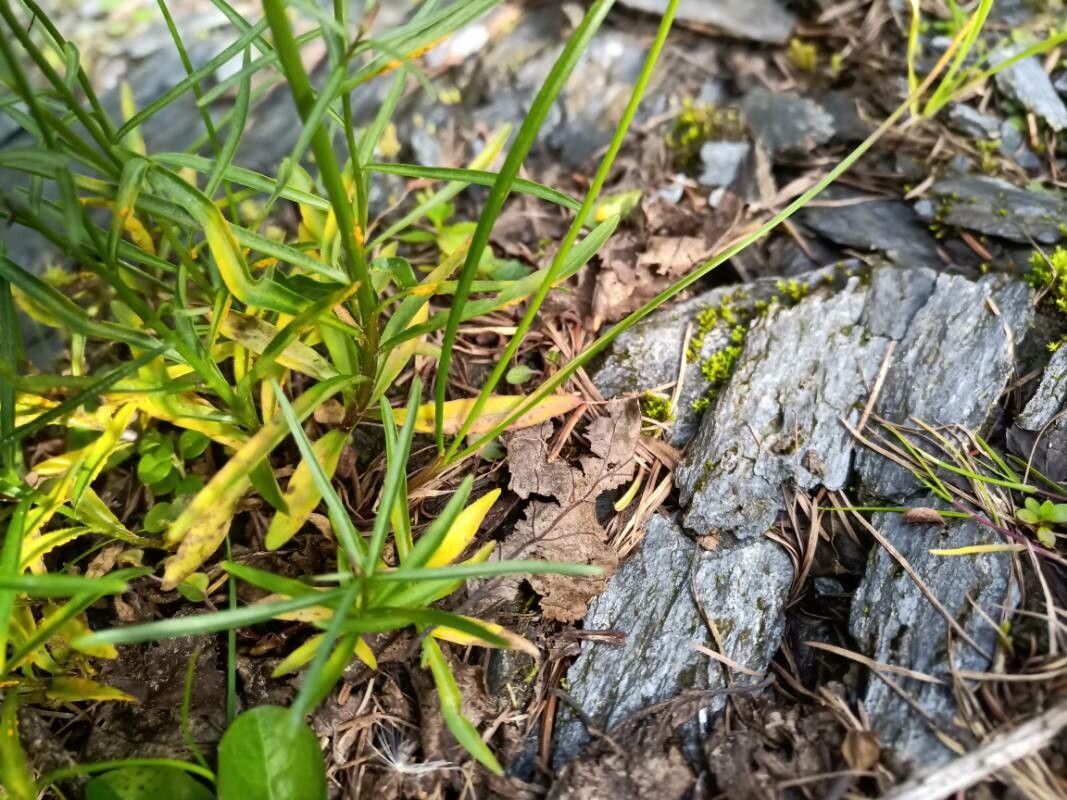
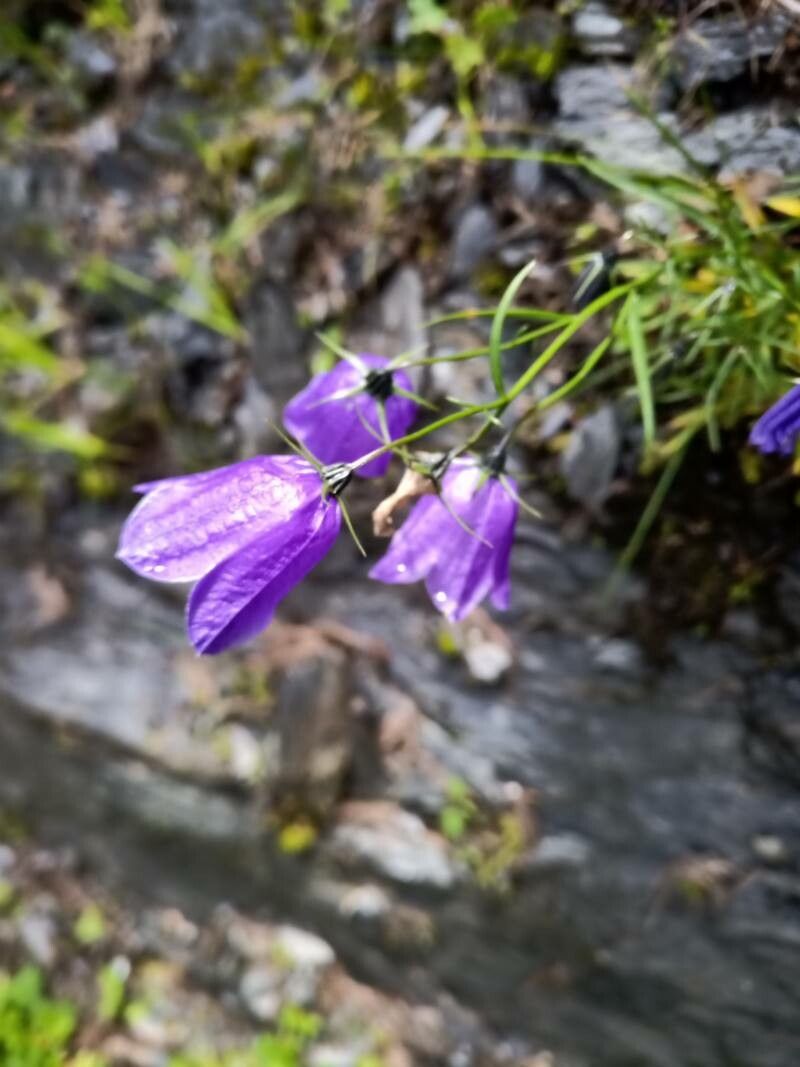
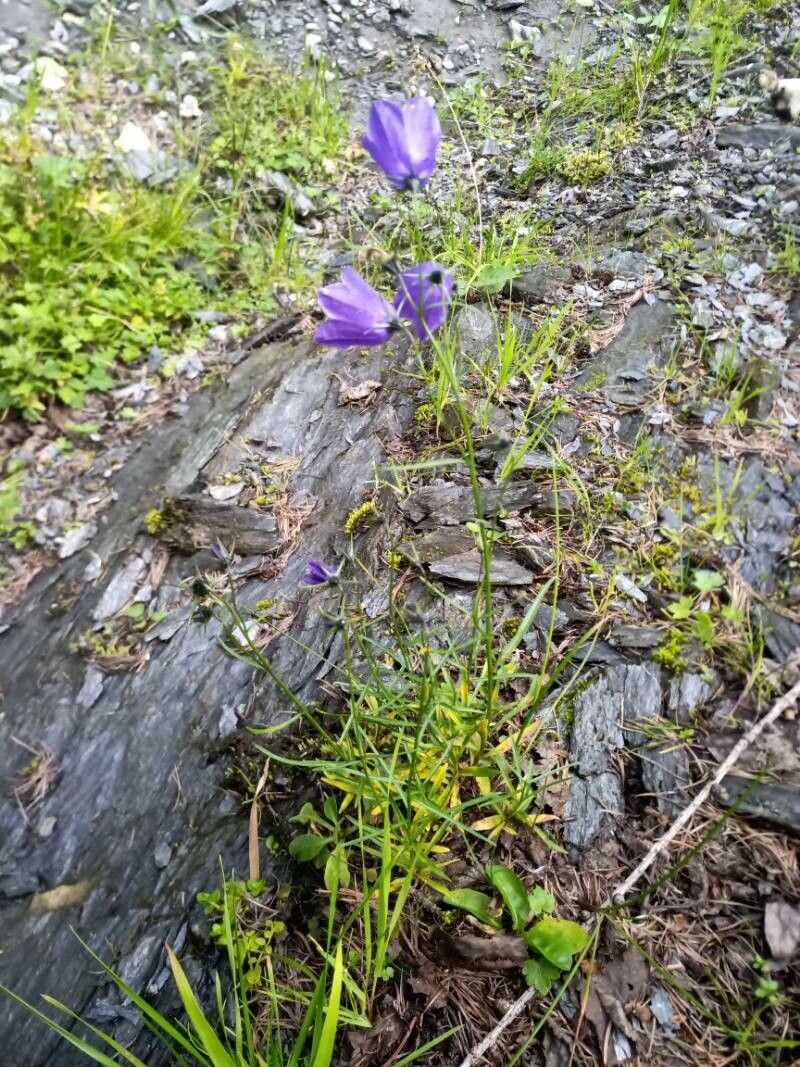
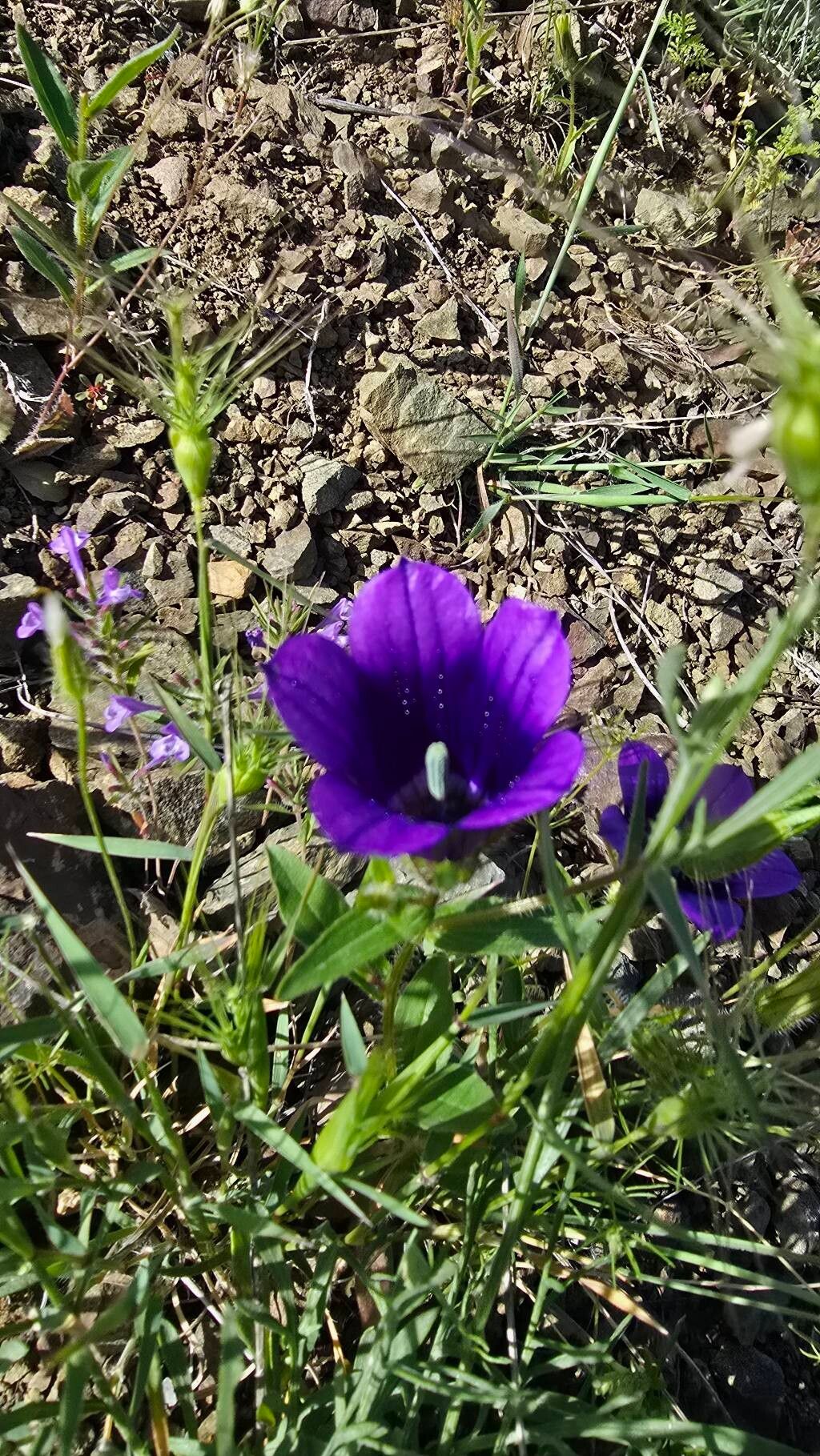
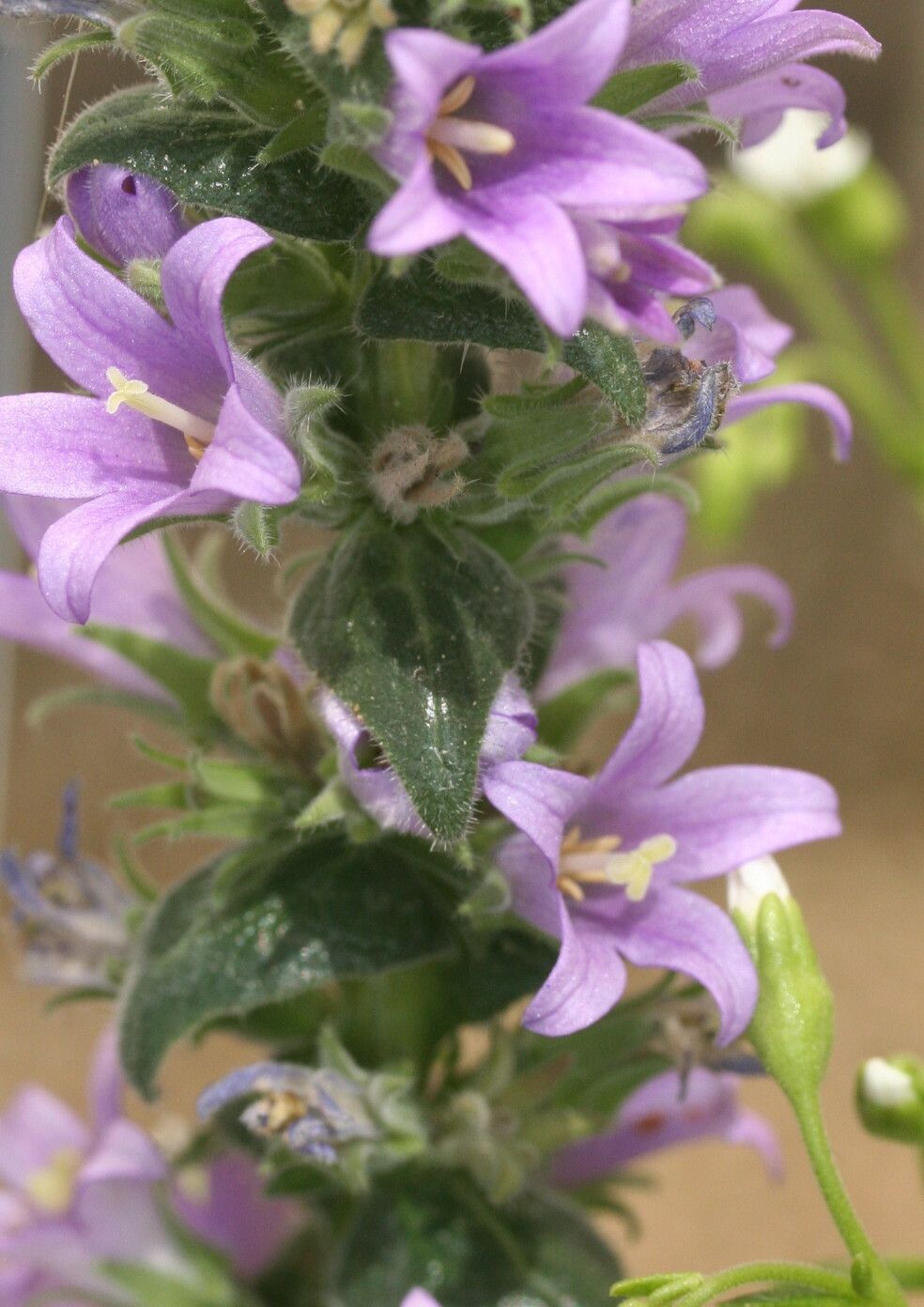
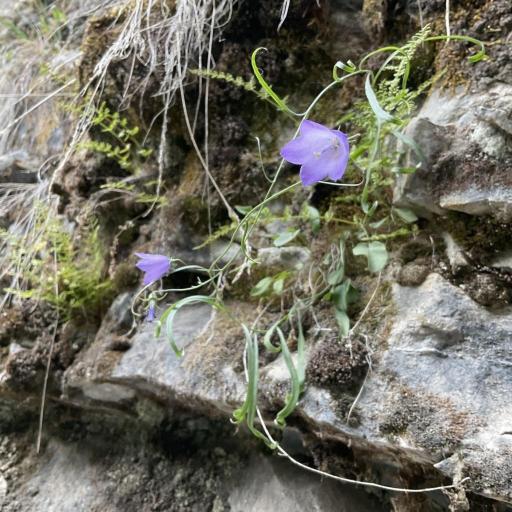
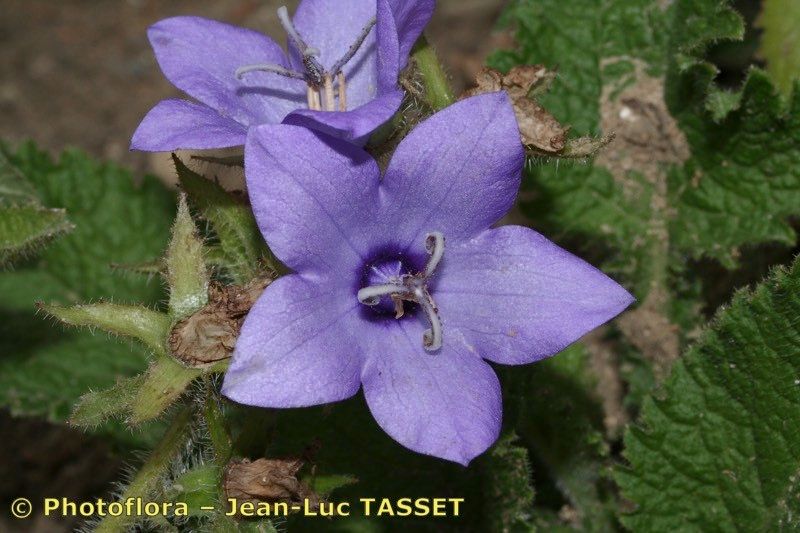
Harebell has strong disease resistance and is usually not likely to suffer from illnesses. Still, it can be affected by pests and diseases that exist in its environment. Such infections are generally mild. Regarding care, this plant needs a moderate level of attention. It should be pruned regularly to preserve a neat appearance and encourage healthy growth. Applying fertilizer can also aid in enhancing flowering. Harebell is appropriate for anyone with outdoor areas like a garden or patio and does not demand extensive gardening experience. It may need more attentive care when cultivated indoors.
How to keep Campanula Giesekiana.
Light
Harebell is a sun-loving perennial herbaceous plant native to open habitats, frequently thriving in meadows and grasslands. It prefers full sun but can also tolerate partial sun.
Water
To thrive and produce vibrant, bell-shaped flowers, the harebell requires regular watering, particularly in warm climates. Ideally, water it twice a week, keeping the soil slightly moist but not waterlogged or dry.
Temperature
Harebell can tolerate a wide range of temperatures, yet its distribution may still be constrained by specific combinations of moisture and heat. It does best in warm summer climates with sufficient rainfall or watering. Extended periods of cloudy, rainy weather, as well as prolonged high temperatures, raise the likelihood of Harebell dying. In winter, appropriate protection from cold can improve the plant's survival.
Fertilizer
The best time to fertilize a Harebell is in early spring, when it is coming out of dormancy and entering active growth. Fertilization supplies essential nutrients for healthy development. Although a Harebell has relatively low fertilizer needs, annual fertilization can improve its survival and promote healthier, longer-lasting flowers.
Pruning
The Harebell plant showcases delicate, bell-shaped flowers and benefits from careful pruning in early spring. To promote air circulation, remove dead stems and thin out overcrowded areas. Be cautious not to prune too heavily, as this can reduce the number of blooms. Consistent, light pruning helps maintain the plant's health and vibrancy, while also preventing disease and enhancing its appearance.
Botanical profile.
- Plant Type
- Herb
- Life Cycle
- Perennial
- Genus
- Campanula
- Family
- Campanulaceae
- Hardiness Zone
- 3-7
- Mature Height
- 5 cm to 10 cm
- Mature Spread
- 10 cm to 15 cm
- Leaf Color
- Green, Dark Green
- Leaf Type
- Deciduous
- Flower Color
- Lavender
- Flower Size
- 1.02 cm to 2.03 cm
- Bloom Time
- Early summer, Mid summer
- Planting Time
- Spring, Summer, Autumn
- Harvest Time
- Late summer, Early fall
- Native Area
- Russia, Norway, Sweden, Denmark, Iceland, Finland
Reader questions.
What are the sunlight requirements for Harebell (Campanula giesekiana)?
Harebell (Campanula giesekiana) thrives in environments that cater to its distinct sunlight requirements. Full sun exposure, defined as receiving above 6 hours of sunlight daily, is crucial for its optimal growth. Alternatively, it can also grow under partial sun, which means about 3-6 hours of sunlight. It's important to observe the way sunlight moves through your garden throughout the day. Choosing locations that provide a harmonious balance of light and shade will ensure your Harebell plants are happy and healthy.
What is Harebell?
Harebell, known botanically as Campanula giesekiana, is a plant with no specified details provided on its essentials or symptoms in the available data.