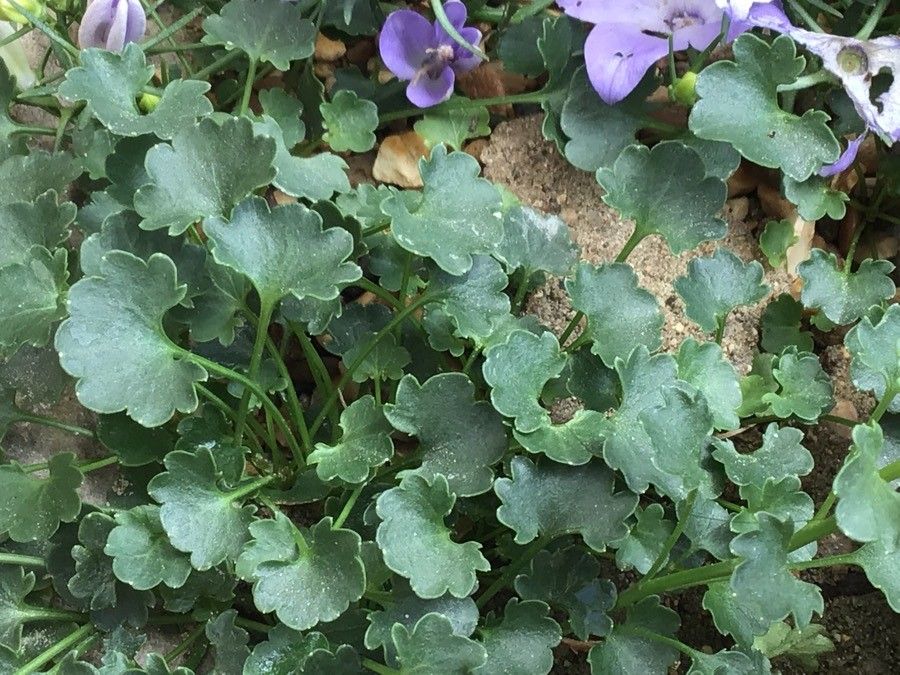
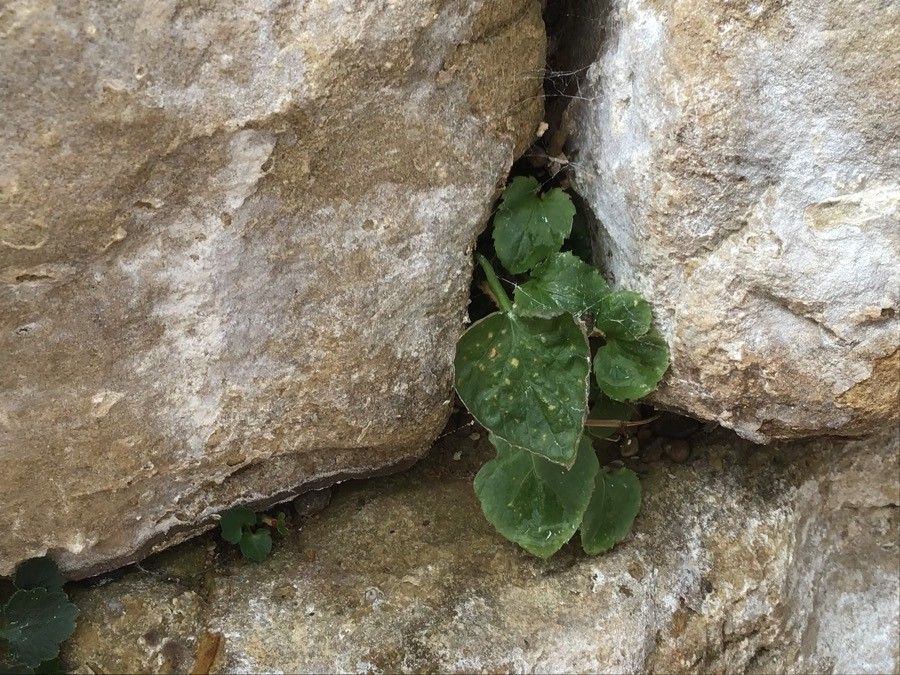
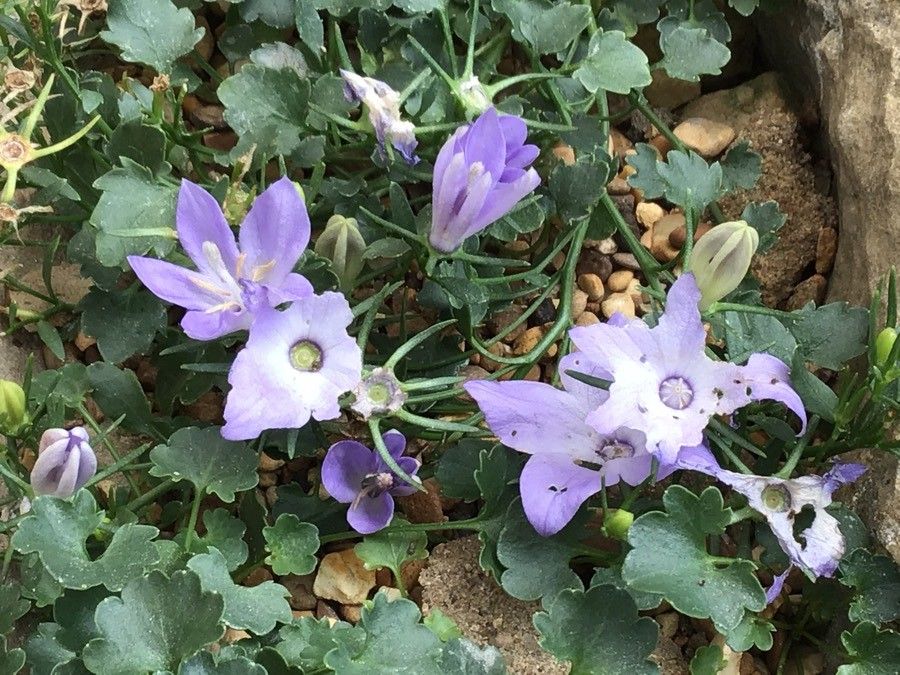
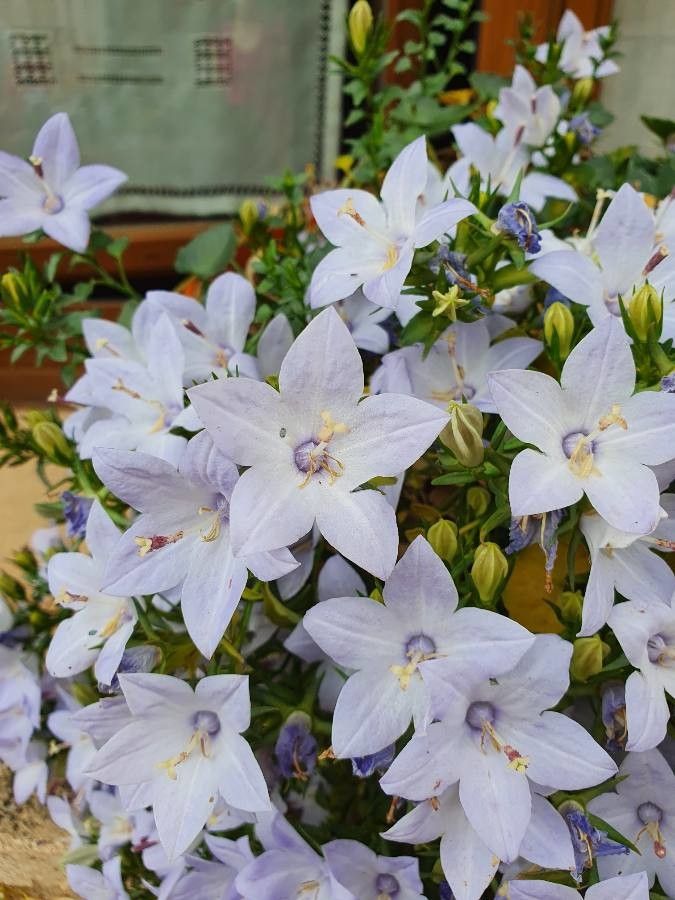
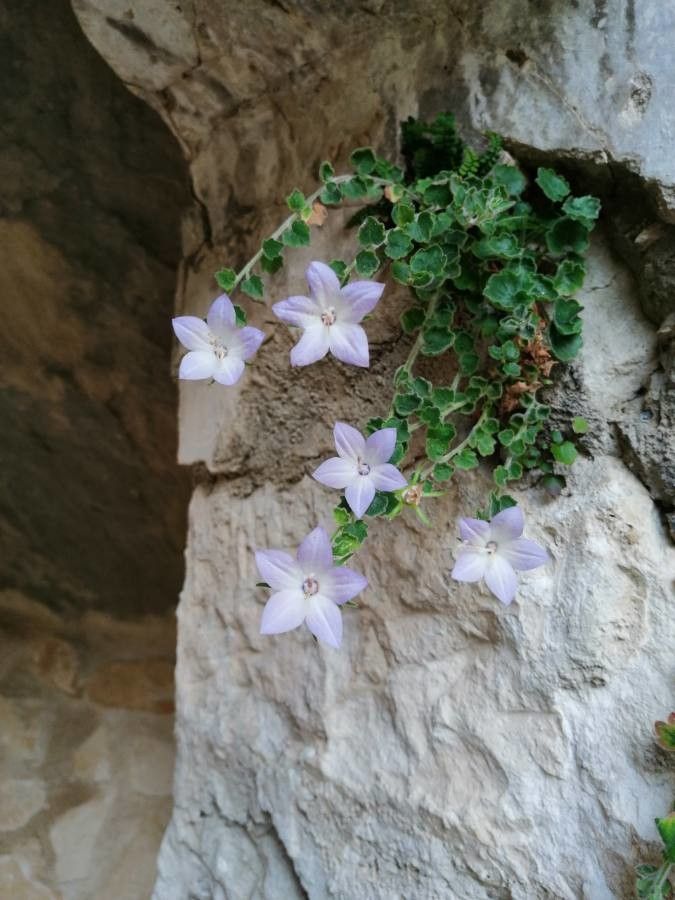
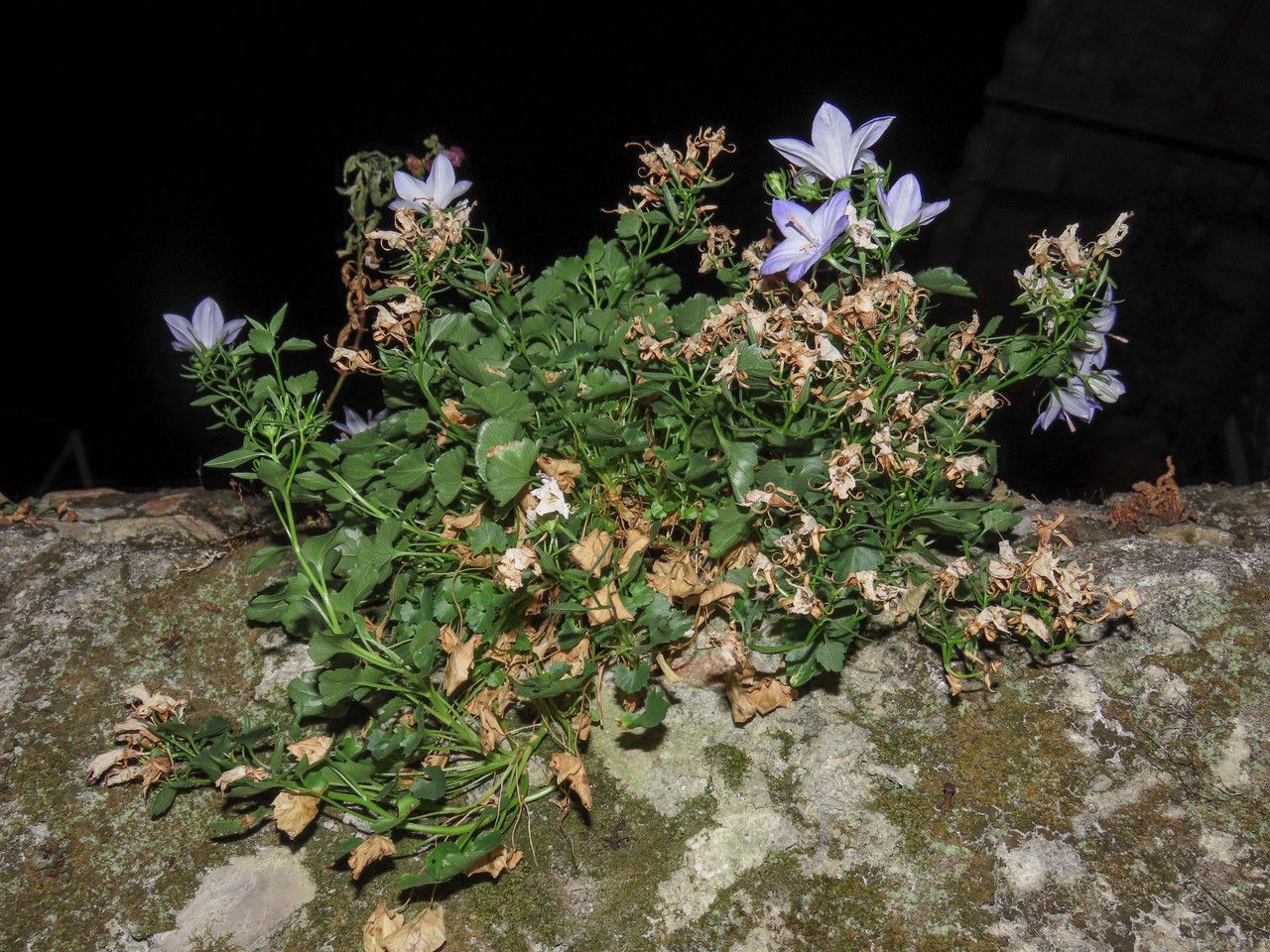
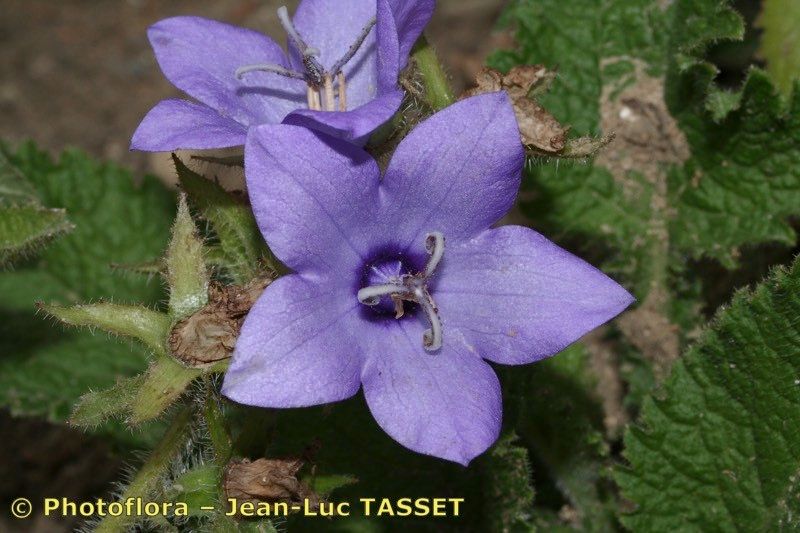
Italian bellflower has strong resistance to disease and is typically not very susceptible to illnesses. That said, it can be affected by pests and diseases present in its environment, though such infections are generally mild. Regarding care, the plant needs moderate upkeep. It should be pruned regularly to preserve a neat appearance and encourage healthy growth. Applying fertilizer can also aid in enhancing flowering. Italian bellflower is appropriate for anyone with outdoor areas like a garden or patio and does not demand extensive gardening experience. When cultivated indoors, it may require additional care.
How to keep Campanula Fragilis.
Temperature
The Italian bellflower can tolerate a wide variety of temperatures, though its range may still be restricted by particular mixes of moisture and heat. It does best in warm summer conditions with enough rainfall or regular watering. Long spells of cloudy, rainy weather or extended high temperatures increase the chance of the Italian bellflower dying. In winter, protecting the plant from cold boosts its survival prospects.
Fertilizer
Usually one fertilizer treatment in spring is enough for Italian bellflower, though repeated feedings can help it grow to its fullest. Feed it about every month to every month and a half. Fertilizing improves the leaves' appearance and function, maintaining even color and a healthy texture. It also encourages root development and nutrient uptake, supporting the plant's long-term health.
Botanical profile.
- Plant Type
- Herb
- Life Cycle
- Perennial
- Genus
- Campanula
- Family
- Campanulaceae
- Hardiness Zone
- 3-10
Other names.