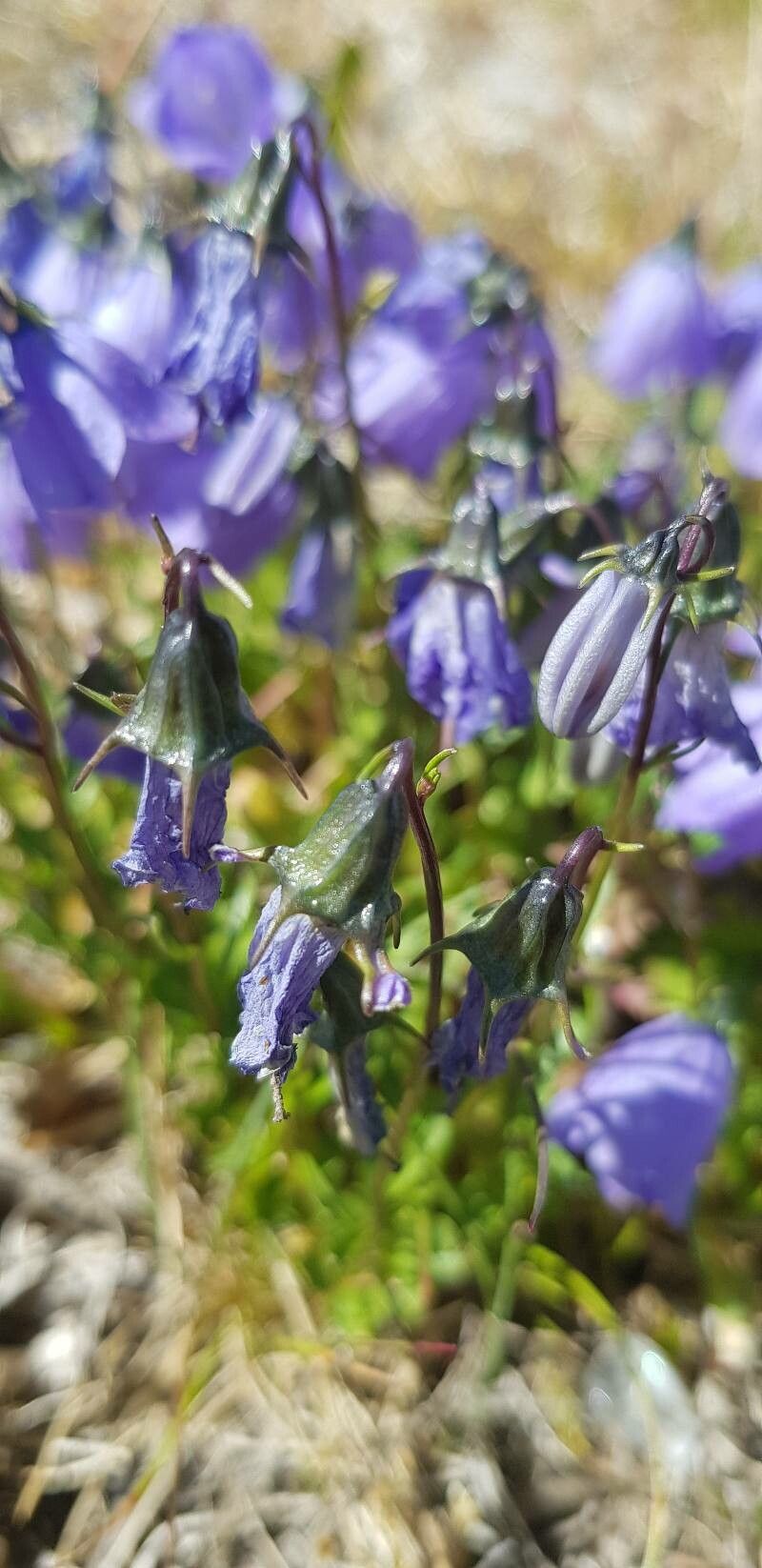
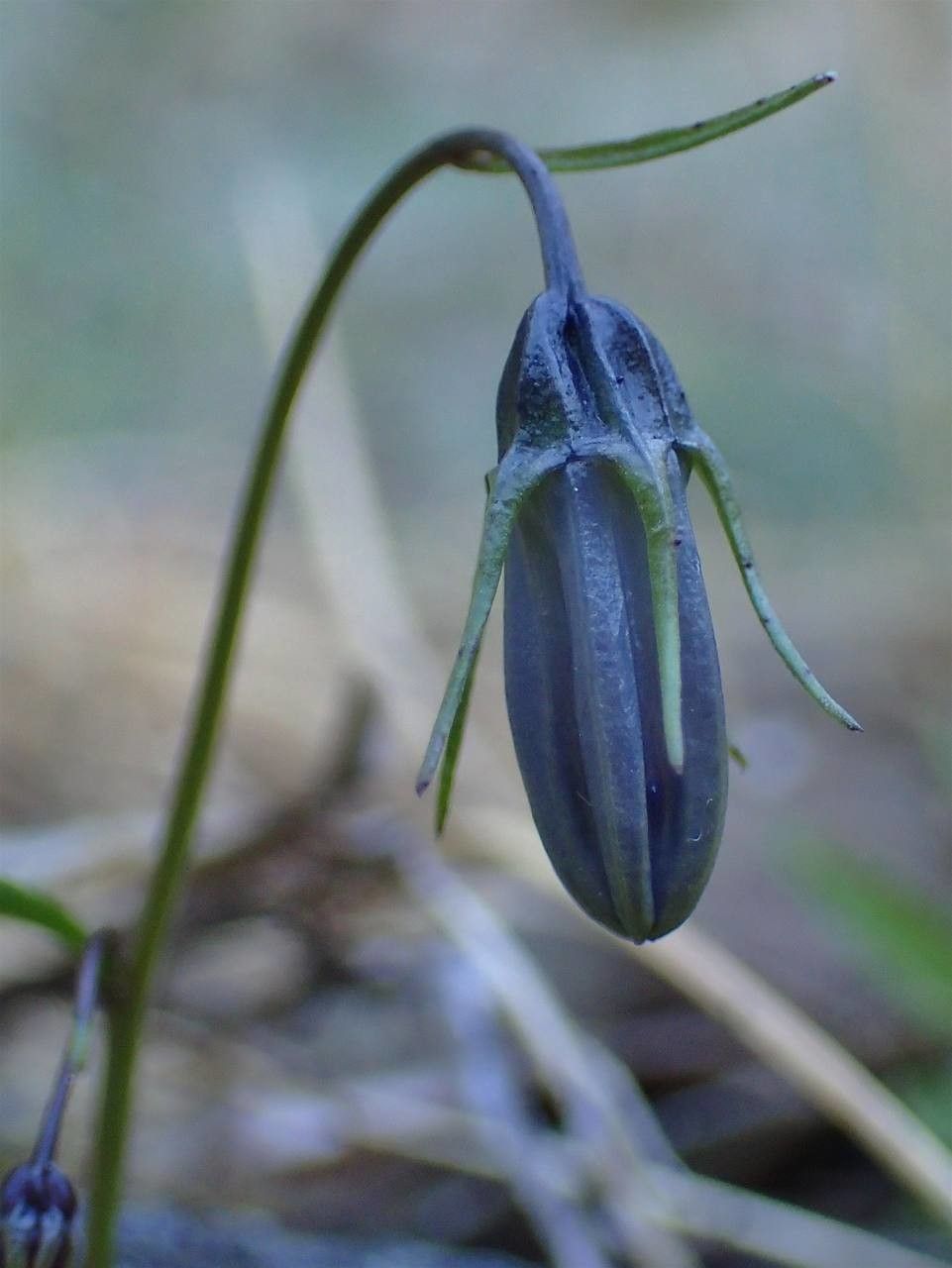
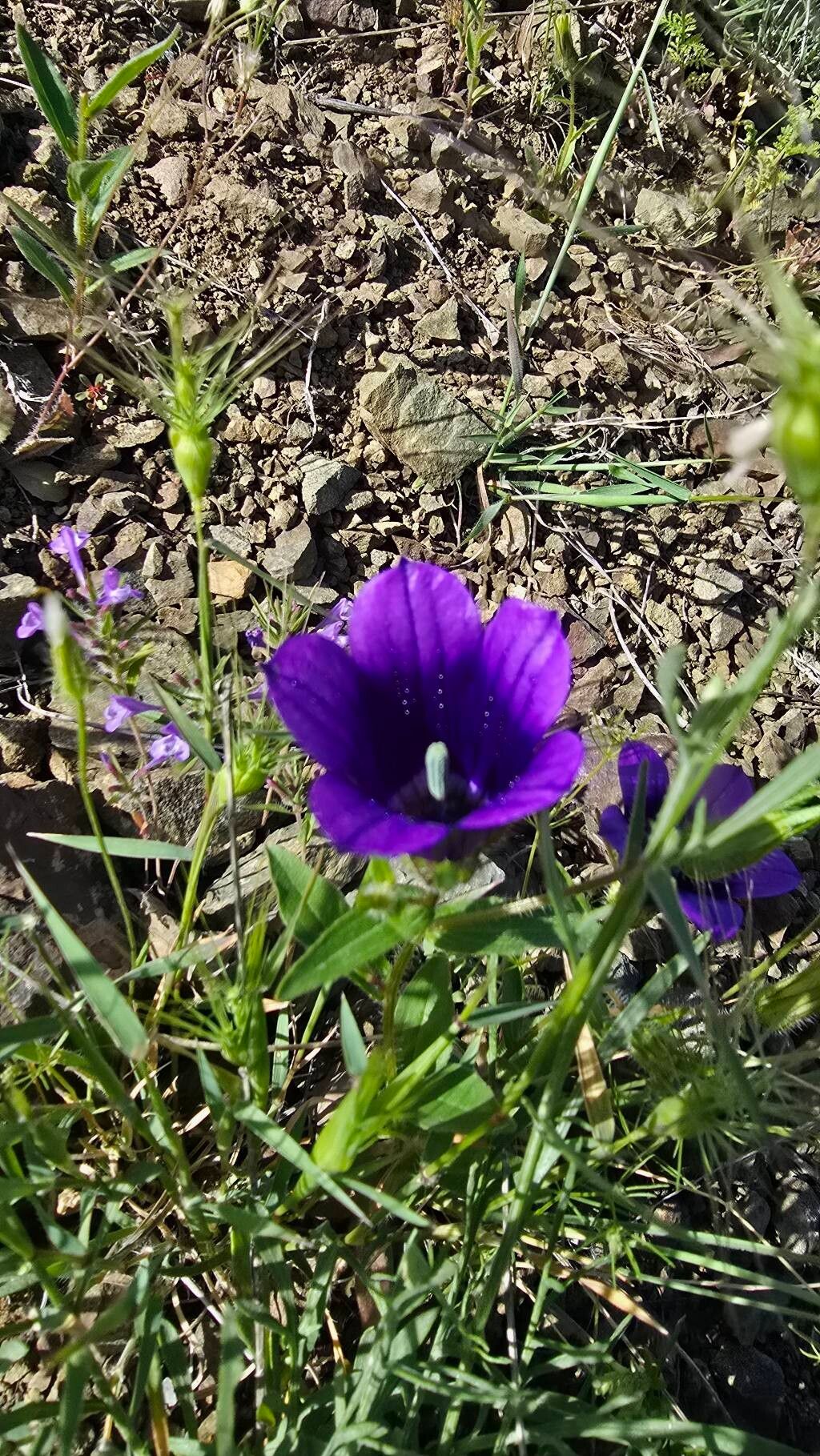
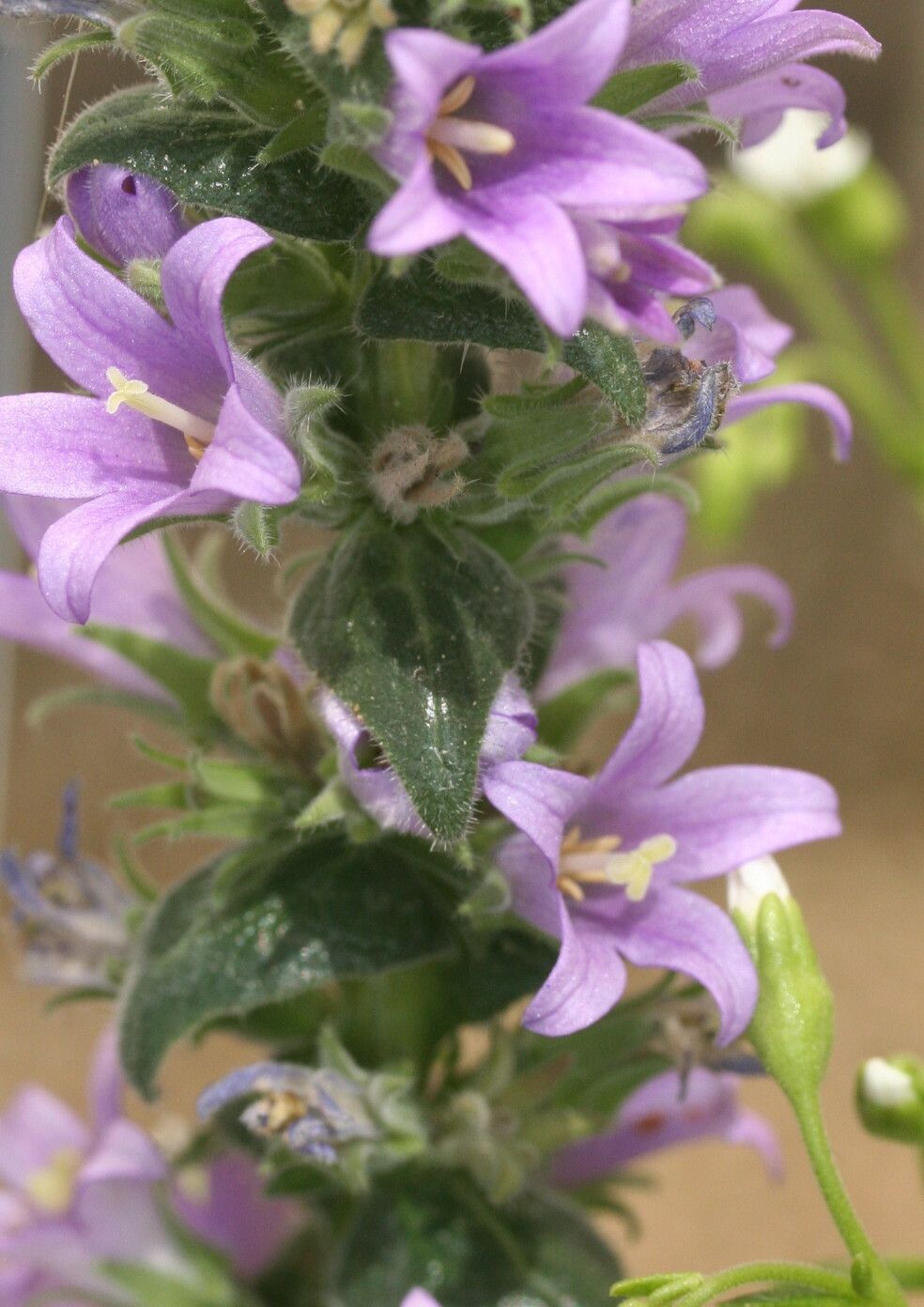
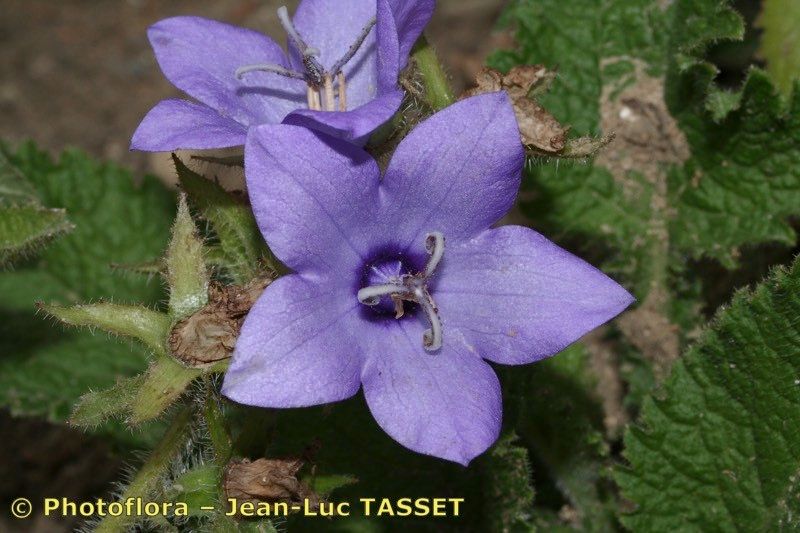
Campanula cochleariifolia, commonly known as the Fairy's Thimble or the Spoon-leaved Bellflower, is a low-growing perennial plant in the Campanulaceae family. Native to Europe and Asia, it thrives in rocky areas, meadows, and forests.
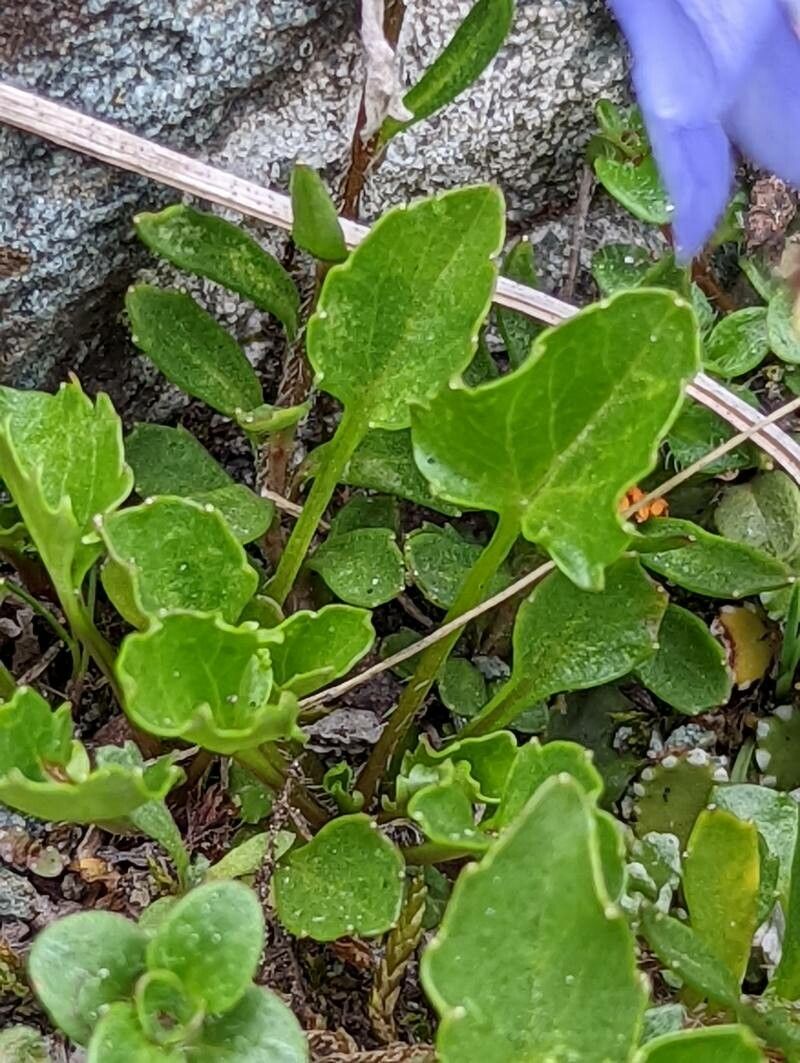
The plant features spoon-shaped leaves that are dark green and grow up to 2 cm long. It produces delicate, bell-shaped flowers that are pale blue or white with a yellow center, blooming from late spring through summer.
This easy-to-grow plant prefers well-drained soil with moderate moisture levels. While it can tolerate partial shade, it thrives best in full sun exposure. Campanula cochleariifolia requires minimal maintenance, though it benefits from regular deadheading of spent blooms.
Due to its low-growing habit and attractive blooms, the Fairy's Thimble is an excellent choice for rock gardens, borders, or as ground cover. Moreover, it attracts pollinators such as bees and butterflies, enhancing any garden ecosystem.
In summary, Campanula cochleariifolia is a beautiful perennial with delicate, bell-shaped flowers that add charm to any garden setting. Its minimal maintenance requirements make it an excellent choice for both novice gardeners and experienced horticulturists alike.
Earleaf bellflower has good disease resistance and is generally not prone to illnesses. However, it can be affected by pests and diseases present in its environment. These infections are typically mild. For care, this plant requires moderate maintenance. It should be pruned regularly to keep a tidy appearance and support healthy growth. Fertilizing can also help encourage flowering. Earleaf bellflower is suitable for anyone with outdoor space, such as a garden or patio, and does not require extensive care experience. It may demand more attention when grown indoors.
How to keep Campanula Cochleariifolia.
Light
Earleaf bellflower prefers sites that get plenty of daylight. It can also cope in places where the sun’s rays are partially blocked. Both of these situations support the plant’s vigorous growth. However, too much light can cause it to burn, while too little will make it grow weakly.
Water
The Earleaf bellflower, a plant native to mountainous regions, flourishes in humid environments with consistently moist soil and shows some tolerance to drought. For best results, water the plant weekly, especially during its active growing season. It adapts well to cooler climates and needs regular moisture to maintain optimal health.
Temperature
Earleaf bellflower naturally occurs in temperate regions where temperatures fall between 41 and 95°F (5 to 35℃). It performs best in these moderate conditions and should be protected from extreme cold or heat to achieve optimal growth.
Fertilizer
For Earleaf bellflower, the primary time to apply fertilizer is in early spring while the flowers are forming. The appropriate fertilizer promotes improved blooms and helps the Earleaf bellflower produce attractive flowers. Fertilizing in early spring ensures strong flowers during the season and supplies energy for dormant growth phases.
Pruning
To ensure healthy growth and good air circulation, prune earleaf bellflower in early to late spring by removing any damaged stems. After the plant has finished flowering, trim it back to maintain its shape and encourage more blooms. Be sure to use sharp, clean tools to prevent harm to the plant, helping the earleaf bellflower thrive throughout the growing season.
Botanical profile.
- Plant Type
- Herb
- Life Cycle
- Perennial
- Genus
- Campanula
- Family
- Campanulaceae
- Hardiness Zone
- 5-9
- Mature Height
- 10 cm to 15 cm
- Mature Spread
- 30 cm to 61 cm
- Leaf Color
- Green
- Leaf Type
- Deciduous
- Flower Color
- Lavender
- Flower Size
- 2.54 cm to 5.08 cm
- Bloom Time
- Summer
- Planting Time
- Spring, Summer, Autumn
- Harvest Time
- Late summer, Early fall, Mid fall
- Native Area
- Germany, Austria, Italy, Spain, Switzerland, Serbia, Slovakia, Montenegro, Bulgaria, Poland, Albania, Romania, Croatia, Slovenia, France
Other names.
Reader questions.
How should I water my Earleaf bellflower plant in the best way?
When watering the Earleaf bellflower, it is recommended to use filtered water at room temperature. Tap water may contain harmful particles, so filtered water is preferred. The plant is accustomed to warm environments, so using cold water can be a shock to its system. To avoid complications with foliage, it is best to avoid overhead watering. Instead, pour filtered room temperature water onto the soil until it is fully soaked. This helps moisturize the roots and enables them to spread and absorb the necessary nutrients from the soil.
Why is it important to fertilize my Earleaf bellflower plant?
Fertilization is important for the Earleaf bellflower because it provides essential nutrients for growth above and below the ground. Although the overall fertilization needs for this plant are relatively low, annual fertilization can greatly benefit its survival and promote the production of longer-lasting flowers. Therefore, those interested in maintaining the best appearance for their Earleaf bellflower should make sure to fertilize it annually.
What are the sunlight requirements for the Earleaf bellflower?
The Earleaf bellflower thrives in locations that receive full sun, which means it requires above 6 hours of sunlight daily, but it also grows well in partial sun, around 3-6 hours of sunlight. It's essential to observe the movement of sunlight through your garden to choose the optimal spots for planting, ensuring a balance of light and shade to support the plant's health.
What is the native climate for Earleaf bellflower?
Earleaf bellflower, botanically known as Campanula cochleariifolia, is native to temperate climate environments where temperatures range from 41 to 95°F (5 to 35°C). It flourishes under these mild conditions and requires protection from extreme temperatures for optimal growth. Although the plant has strong resistance to cold and does not usually need special frost protection measures, if winter temperatures are expected to plummet below -25°C, providing some form of cold protection using soil or straw can be beneficial. To help the plant through winter and early spring, it is advisable to water it abundantly before the first freeze in autumn, ensuring the soil remains moist and enters the frozen state prepared.
What do I do if I give my Earleaf bellflower too much or too little water?
Overwatering can be harmful to your Earleaf bellflower's health, and it is a more common issue compared to underwatering. When the plant receives excess water, its stems and leaves may wilt and turn yellow. Prolonged overwatering can also lead to diseases like root rot, mold, and mildew, which can be fatal to the plant. Underwatering is less common but still possible for the Earleaf bellflower, although the plant has decent drought tolerance. When underwatering occurs, the leaves may become brittle and brown. It is important to recognize the signs of overwatering early on when caring for your Earleaf bellflower. Some diseases caused by overwatering, such as root rot, may not be reversible if not addressed promptly. If you notice early signs of overwatering, reduce your watering schedule and assess the soil quality. If the soil drains poorly, replace it with loose, well-draining potting mix. In the case of underwatering, simply increase your watering frequency until the signs subside.
When should I fertilize my Earleaf bellflower?
The best time to fertilize an Earleaf bellflower is in late winter to early spring when it is coming out of dormancy and starting to grow. Fertilizing during this time promotes healthy growth and helps the plant thrive throughout the season. It is also possible to fertilize in the fall, although spring is generally more advantageous. However, it is not recommended to fertilize in summer or winter.
How does sunlight exposure affect the growth of Earleaf bellflower?
Sunlight plays a crucial role in the growth of the Earleaf bellflower, favoring abundant daylight for robust growth. While the plant can tolerate some shade, both excessive and insufficient light can lead to adverse effects. Too much direct sunlight can cause the plant to burn, whereas too little sunlight results in weak growth. It's essential to find a balance to maintain the plant's health.
How does Earleaf bellflower react to low temperatures?
Earleaf bellflower shows a remarkable tolerance to cold, thriving best when temperatures are kept above 5°C. During the winter months, it is crucial to maintain temperatures above -20°C for the plant's well-being. However, if temperatures dip below -25°C, the plant may not exhibit any noticeable changes during the winter but could face difficulties in sprouting, or fail to sprout at all in spring. The solution for any non-sprouting parts in spring is simply to remove them to encourage healthier growth.
How often do I need to water my Earleaf bellflower?
If your Earleaf bellflower plant is in a pot, the most precise way to determine if it needs water is by checking the soil. Simply stick your finger into the soil and if you find that the top two to three inches are dry, it's time to water it. For those growing the Earleaf bellflower outdoors in the ground, you can use a similar method to test the soil. Once again, if the top few inches of soil are dry, then it's time to give it some water. During the spring and early fall, following this method will typically result in watering once a week. However, when the weather is extremely hot, you may need to water it two or more times a week. It's worth mentioning that mature, well-established Earleaf bellflowers have a remarkable ability to withstand drought.
When should I not use fertilizer on my Earleaf bellflower?
To avoid overfertilization and its complications, it is best to fertilize your Earleaf bellflower only in late winter and early spring. This plant has low fertilization needs, so a single annual feeding is sufficient. If you didn't fertilize in spring, you can feed it in fall. During the growing season, refrain from fertilizing, including winter when the plant is in a dormant phase and doesn't produce new growth.
Can artificial lighting be used for Earleaf bellflower, and if so, how?
Yes, artificial lighting can be used to support the growth of Earleaf bellflower, especially when natural sunlight is insufficient, like during winter or in less sunny spaces. LED lights are recommended due to their ability to provide specific wavelengths needed by plants. The intensity and distance of the light should mimic natural sunlight conditions, with full sun plants requiring 30-50W/sq ft, partial sun plants 20-30W/sq ft, and shade plants 10-20W/sq ft. The light source should be placed 12-36 inches above the plant, ensuring it receives 8-12 hours of light per day to promote healthier growth.
How does Earleaf bellflower react to high temperatures?
In the summer, it's vital to ensure that the Earleaf bellflower does not get exposed to temperatures above 35°C. Exposure to temperatures exceeding 38°C can cause the plant's leaves to lighten in color, become prone to curling, suffer from sunburn, and in severe situations, the plant may wilt and dry out completely. To mitigate these effects, trim away sunburned and dried parts of the plant. Moving the plant to a shaded area or utilizing a shade cloth can protect it from the harsh midday and afternoon sun. Additionally, watering the plant in the morning and evening is recommended to maintain soil moisture and support the plant's well-being under high temperatures.