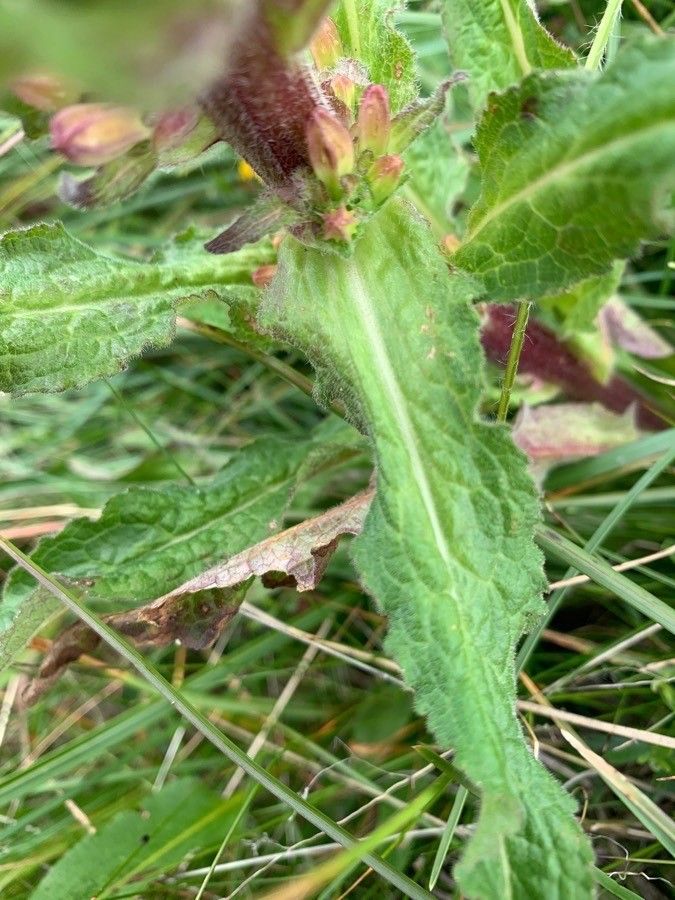
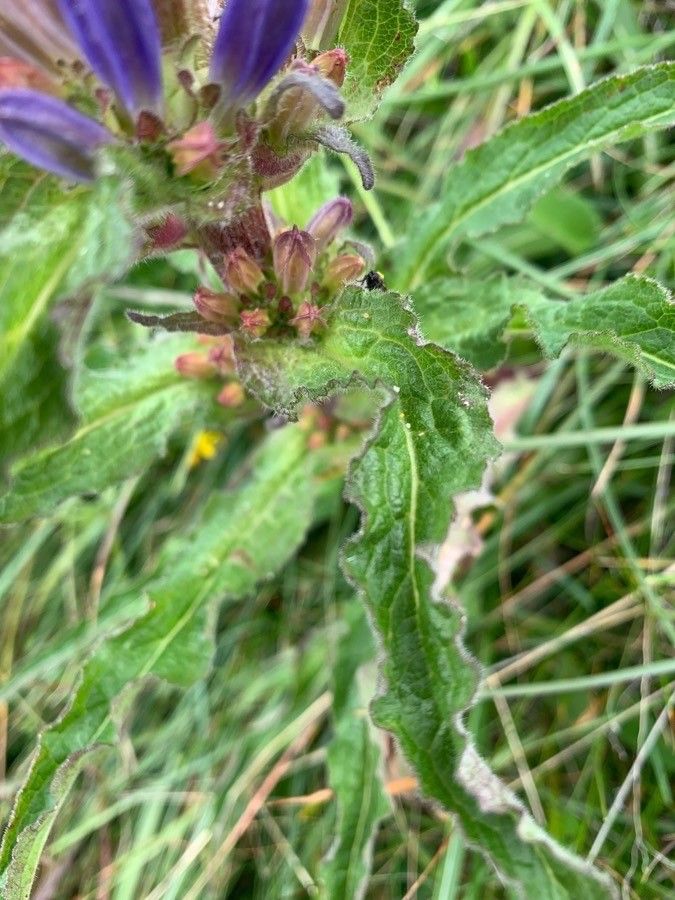
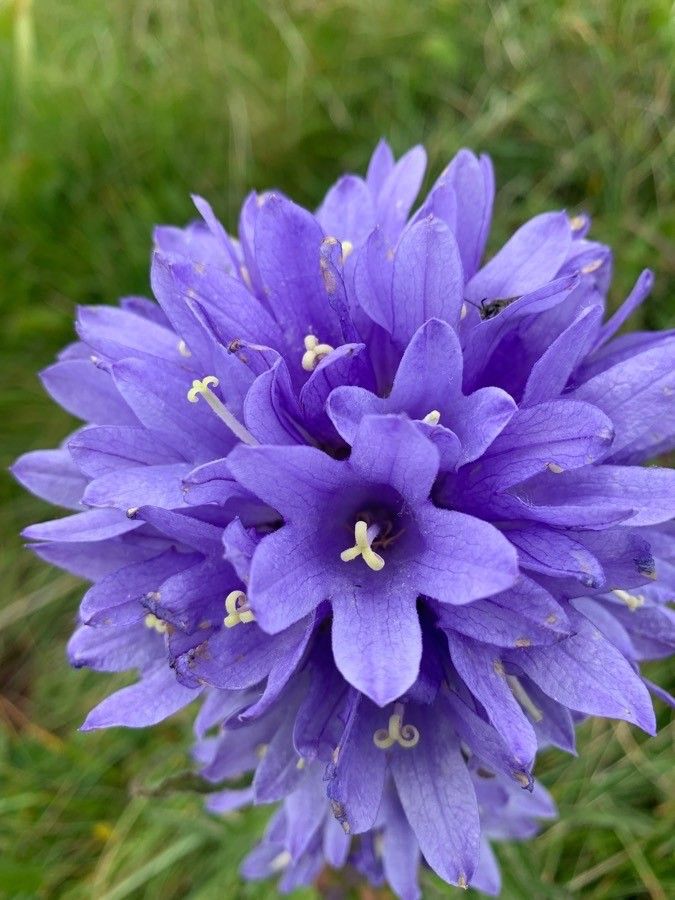
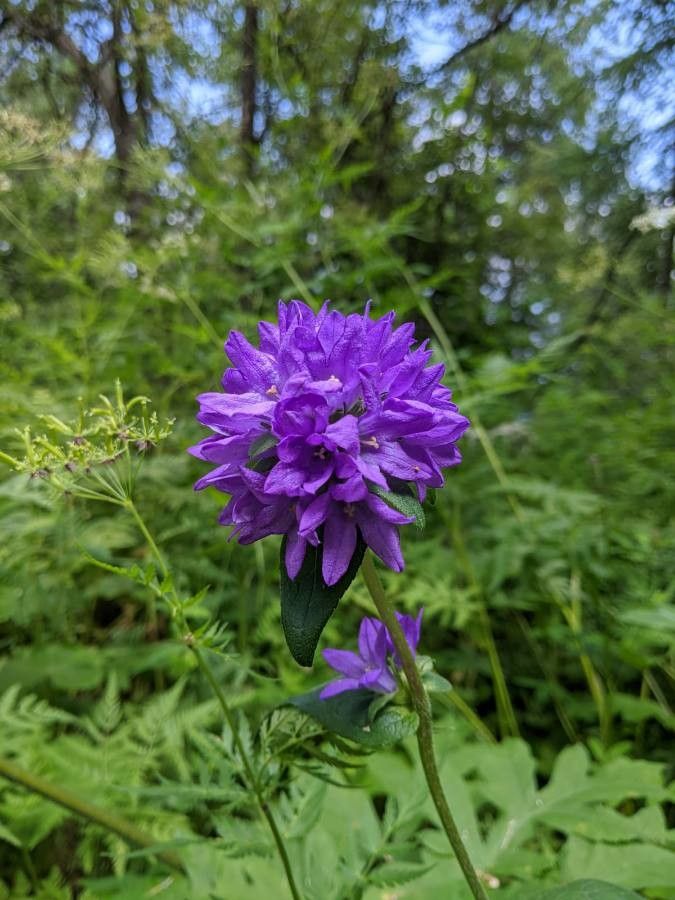
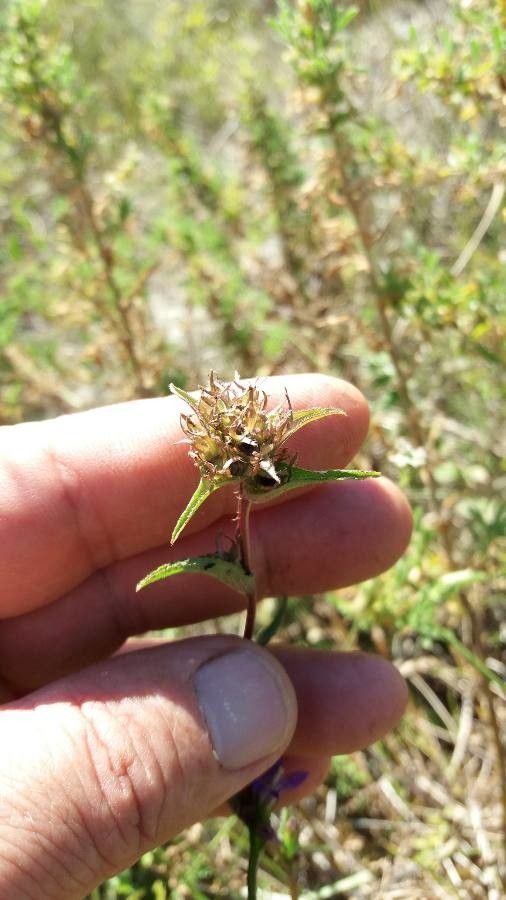
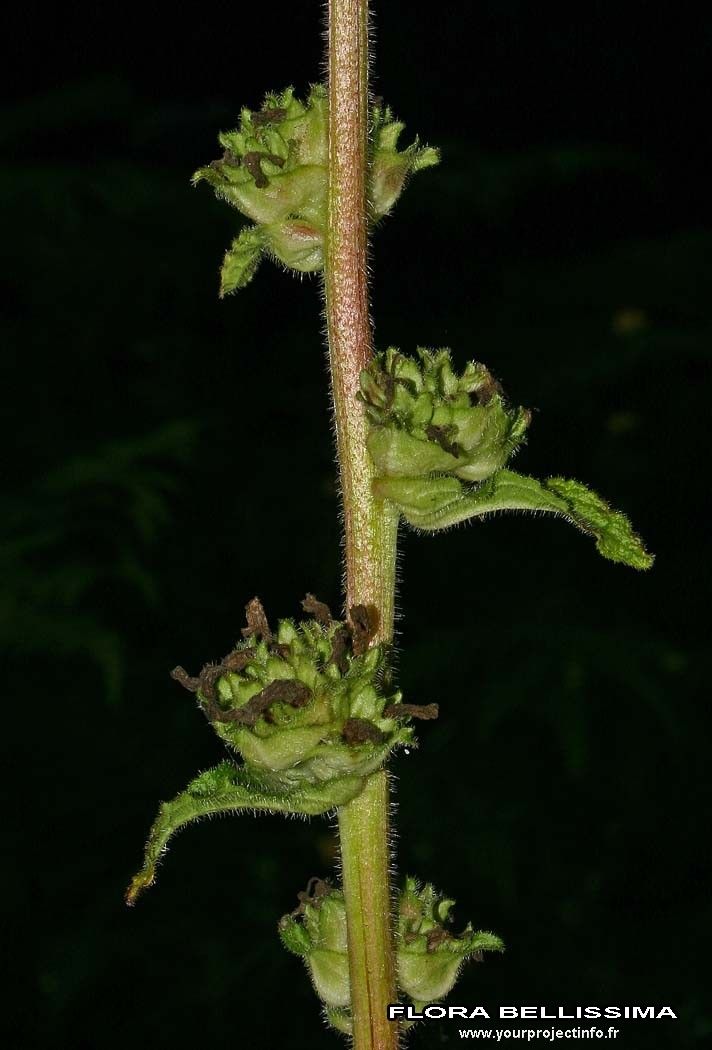
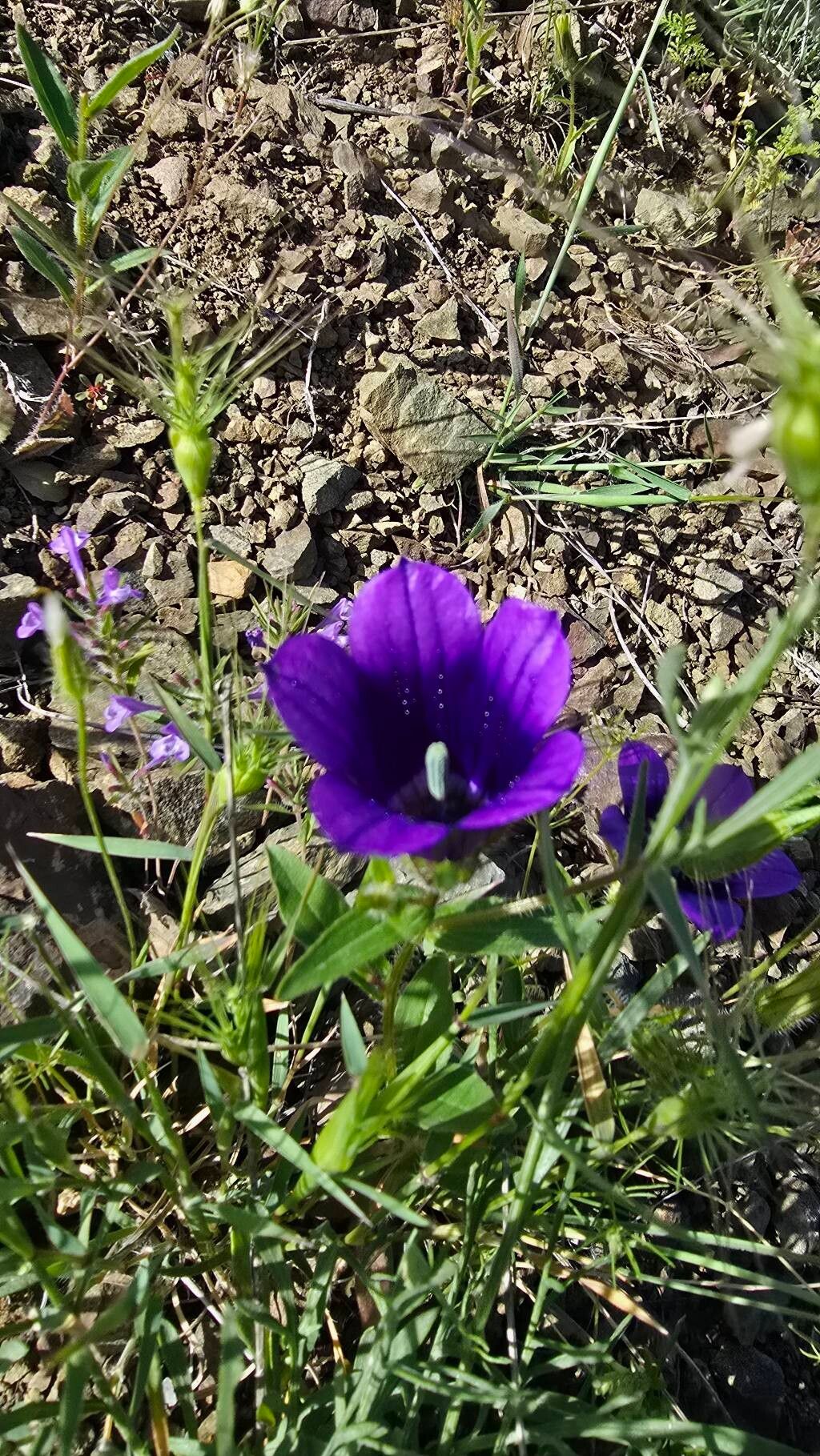
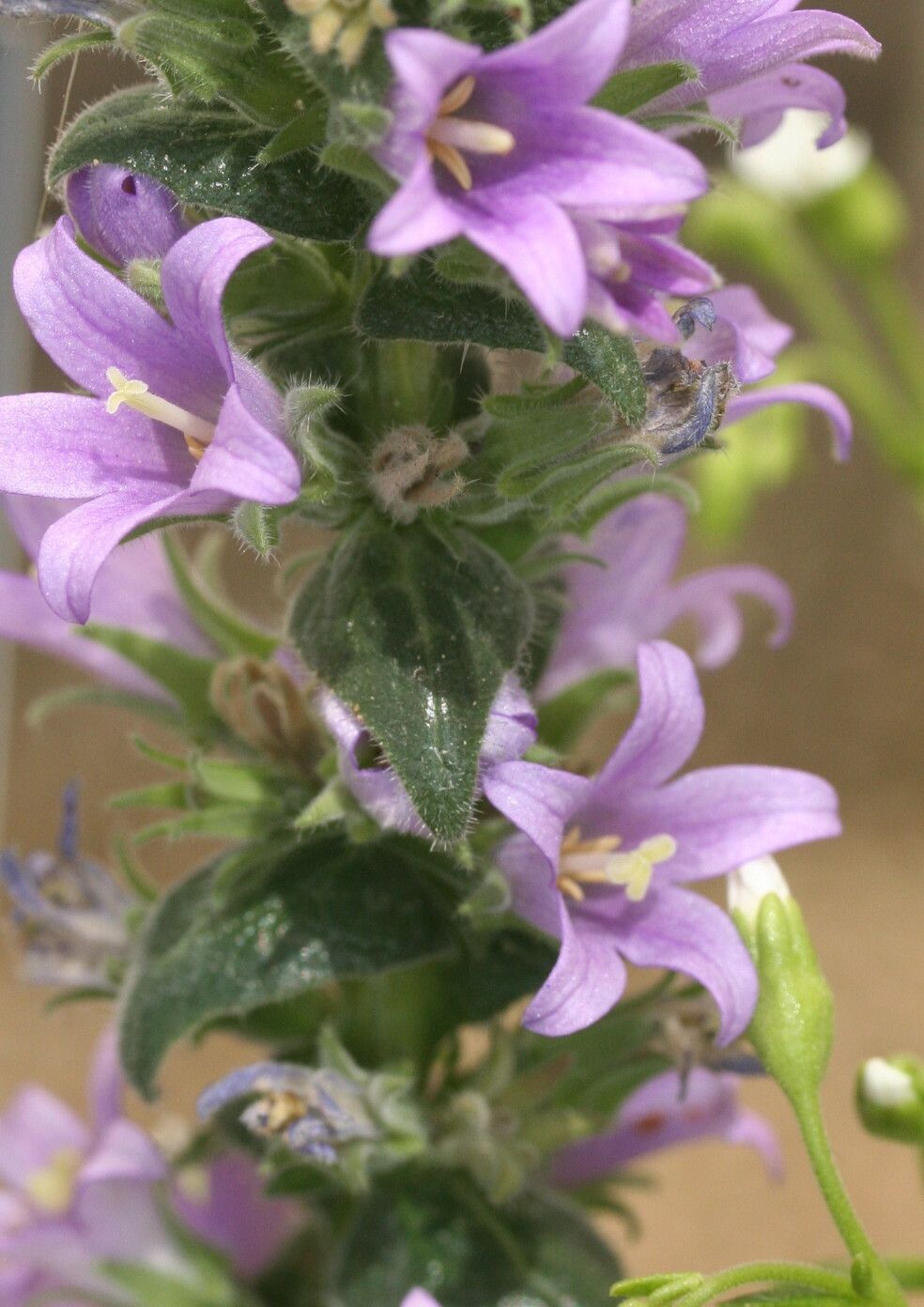
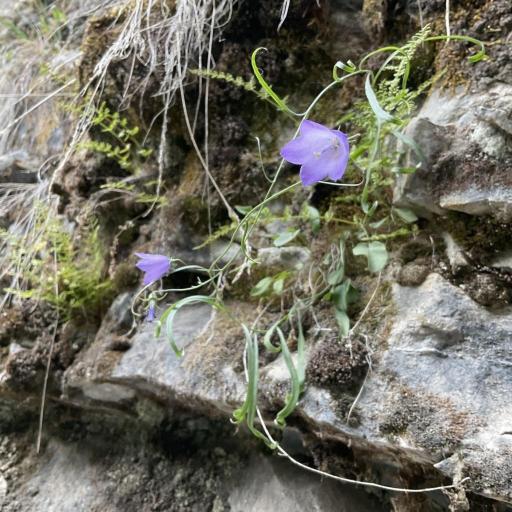
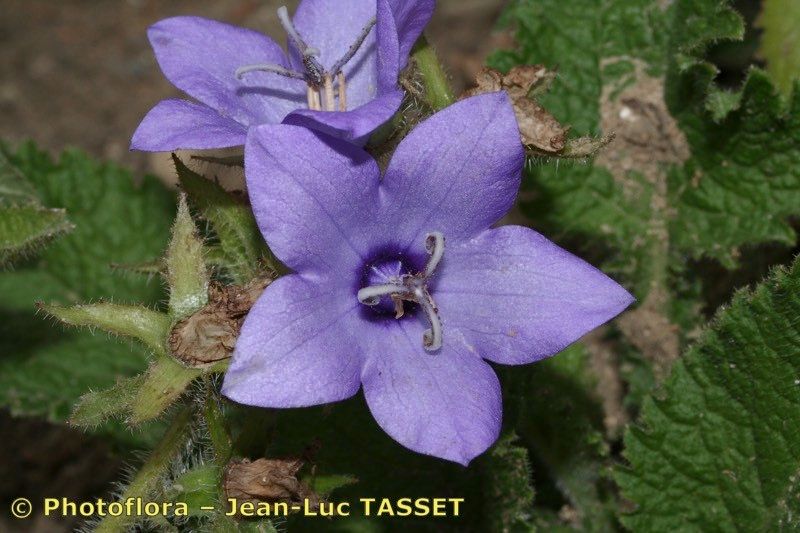
Campanula cervicaria, the bristly bellflower, is a species of flowering plant in the bellflower family Campanulaceae. The plant is roughly hairy and the flowers are about 1–2 centimetres (0.4–0.8 in) long, light blue and are grouped together.
Throatwort has good resistance to disease and is generally not prone to illnesses. However, it can be vulnerable to pests and diseases present in its environment. These infections are usually minor. In terms of care, this plant requires moderate maintenance. It should be pruned regularly to maintain an attractive appearance and healthy growth. Fertilizing can also help encourage flowering. Throatwort is suitable for anyone with outdoor space, such as a garden or patio, and does not demand extensive care experience. It may need more attention when grown indoors.
How to keep Campanula Cervicaria.
Light
Throatwort hails from bright, open habitats and flourishes in full sun. It can tolerate partial sun but favors direct sunlight for the best growth. This annual and biennial plant is recognized for its sun-loving character.
Water
Throatwort, native to temperate regions, thrives in moderate moisture conditions. It grows best with weekly watering, ensuring it maintains balanced hydration. As an herbaceous perennial, throatwort needs more water during its active growing season to promote lush flowering.
Temperature
Throatwort is native to temperate regions and performs best in temperatures of 68 to 95 °F (20 to 35 °C). For optimal growth, recreate that climate by adjusting indoor heating or shade levels to match each season.
Fertilizer
Throatwort requires regular feeding to encourage flowering but is sensitive to overfeeding. It needs light, frequent doses of fertilizer throughout its life cycle, especially during peak active growth and while it is flowering. You should feed your Throatwort until they stop blooming.
Pruning
Throatwort, known for its bell-shaped flowers and attractive foliage, thrives when carefully pruned from early to late spring. To enhance flowering and maintain its shape, start by removing any dead or damaged stems. Next, trim back overgrown shoots to improve air circulation and promote overall plant health.
Botanical profile.
- Plant Type
- Herb
- Life Cycle
- Biennial
- Genus
- Campanula
- Family
- Campanulaceae
- Hardiness Zone
- 3-9
- Mature Height
- 30 cm to 91 cm
- Mature Spread
- 20 cm to 40 cm
- Leaf Color
- Green, Dark Green
- Leaf Type
- Deciduous
- Flower Color
- Lavender
- Flower Size
- 1.27 cm to 2.03 cm
- Bloom Time
- Early summer, Mid summer
- Planting Time
- Spring, Summer, Autumn
- Harvest Time
- Late summer, Early fall
- Native Area
- Sweden, Austria, Czech Republic, Slovakia, Montenegro, Bulgaria, Poland, Greece, Croatia, Slovenia, Belarus, Serbia, Russia, Lithuania, Norway, Hungary, Germany, Italy, Kazakhstan, Switzerland, Denmark, Estonia, Finland, Albania, Romania, Latvia, Belgium, France
Other names.
Reader questions.
What are the sunlight requirements for Throatwort (Campanula cervicaria)?
Throatwort (Campanula cervicaria) has specific sunlight requirements to thrive. It needs full sun, which is defined as receiving above 6 hours of sunlight per day, or partial sun, meaning it should get about 3-6 hours of sunlight daily. It's important to observe the patterns of sunlight movement through your garden to identify spots that offer the perfect balance of light and shade. This careful observation ensures that your Throatwort plants will be happy and healthy in their environment.
What is the native climate for Throatwort?
Throatwort, botanically known as Campanula cervicaria, is native to temperate regions. It thrives best in temperatures ranging from 68 to 95 °F (20 to 35 °C). To achieve ideal growth for Throatwort, it's important to mimic this climate. This can be done by adjusting indoor heating or shade levels according to the season to closely replicate its native temperature conditions.