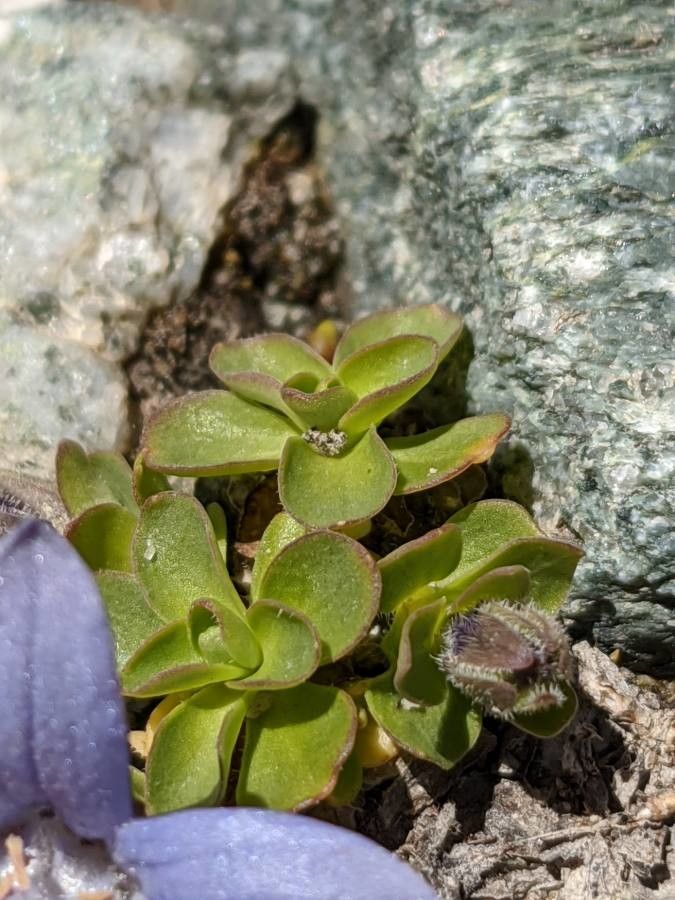
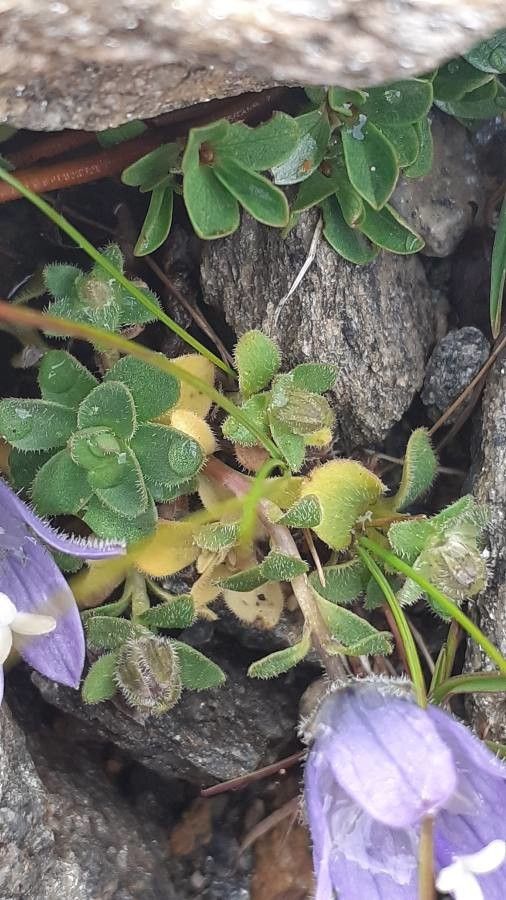
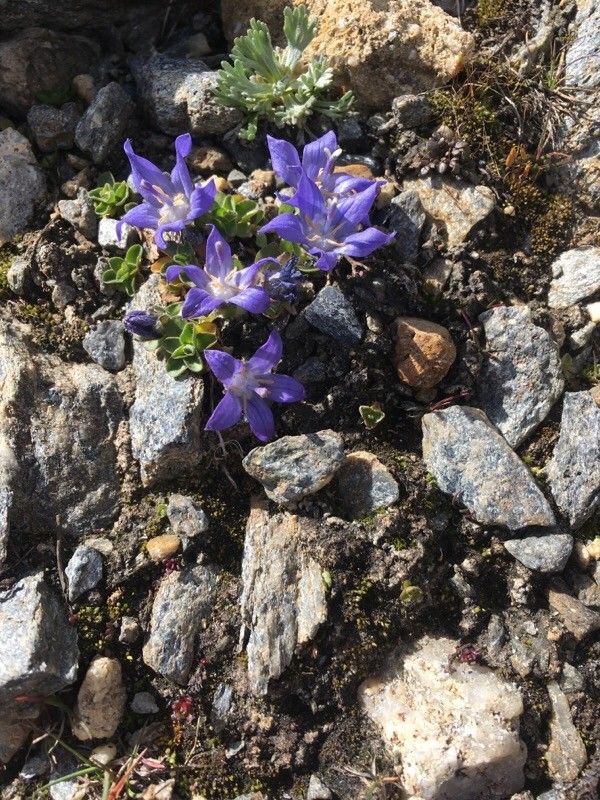
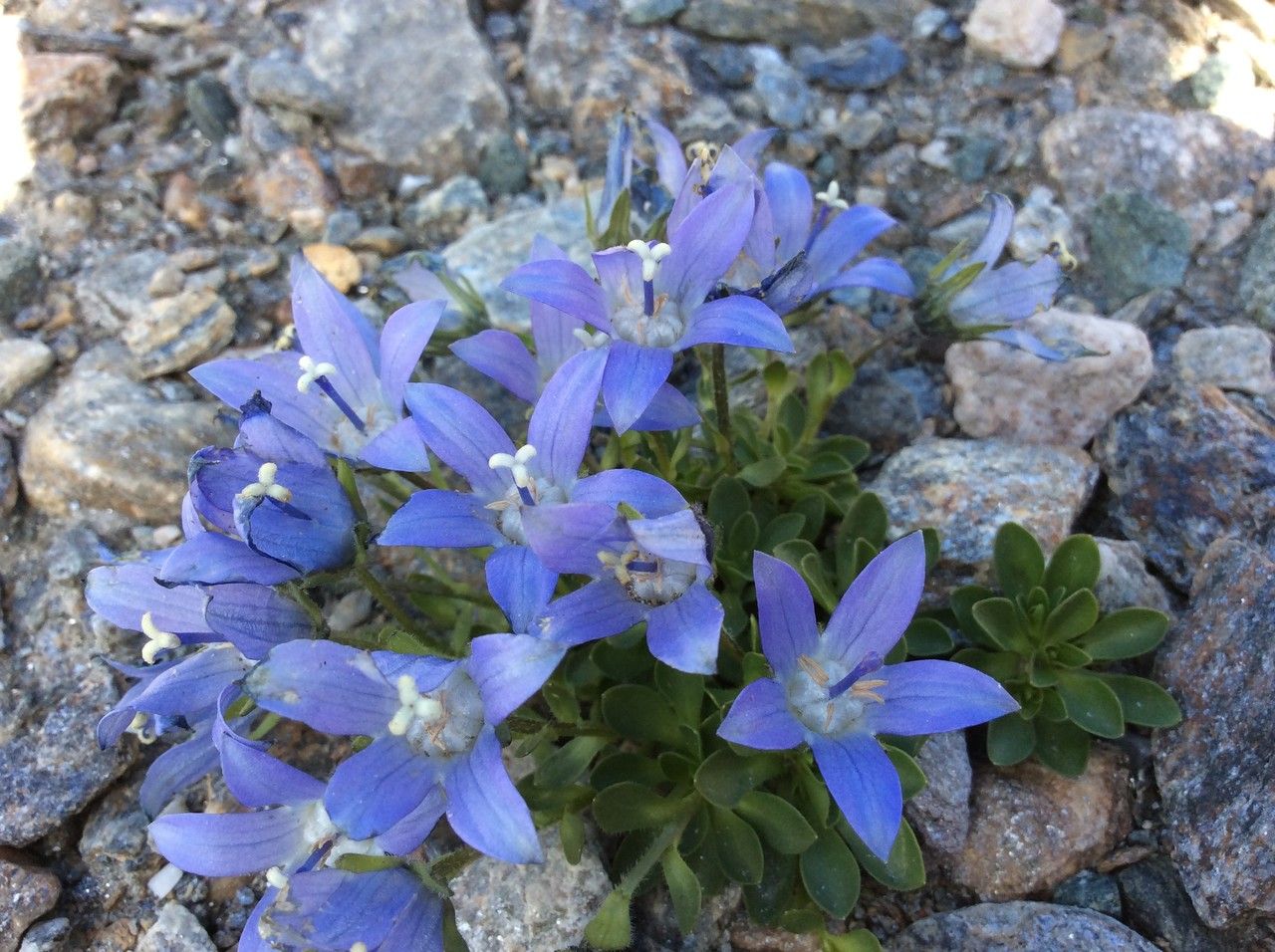
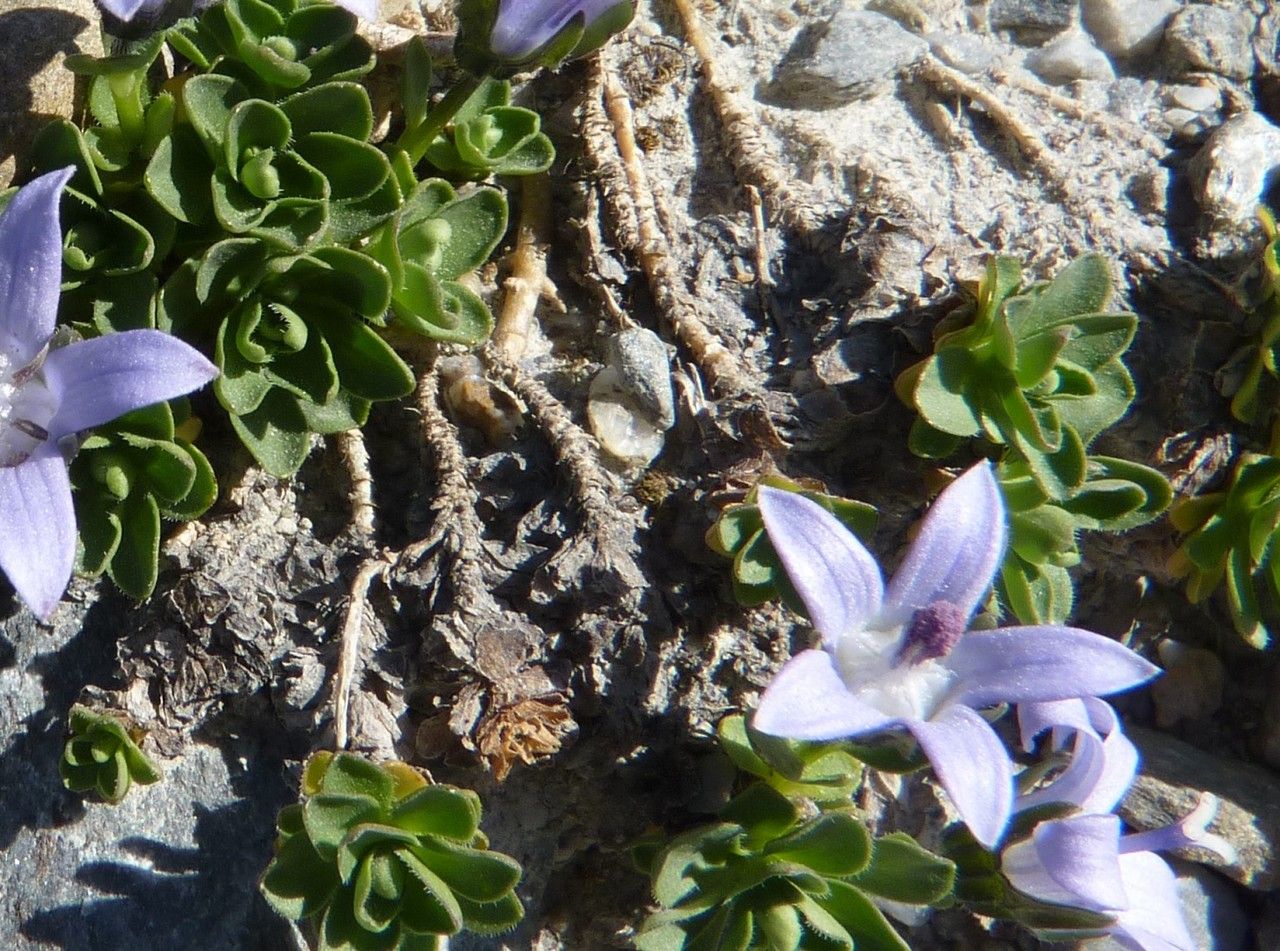
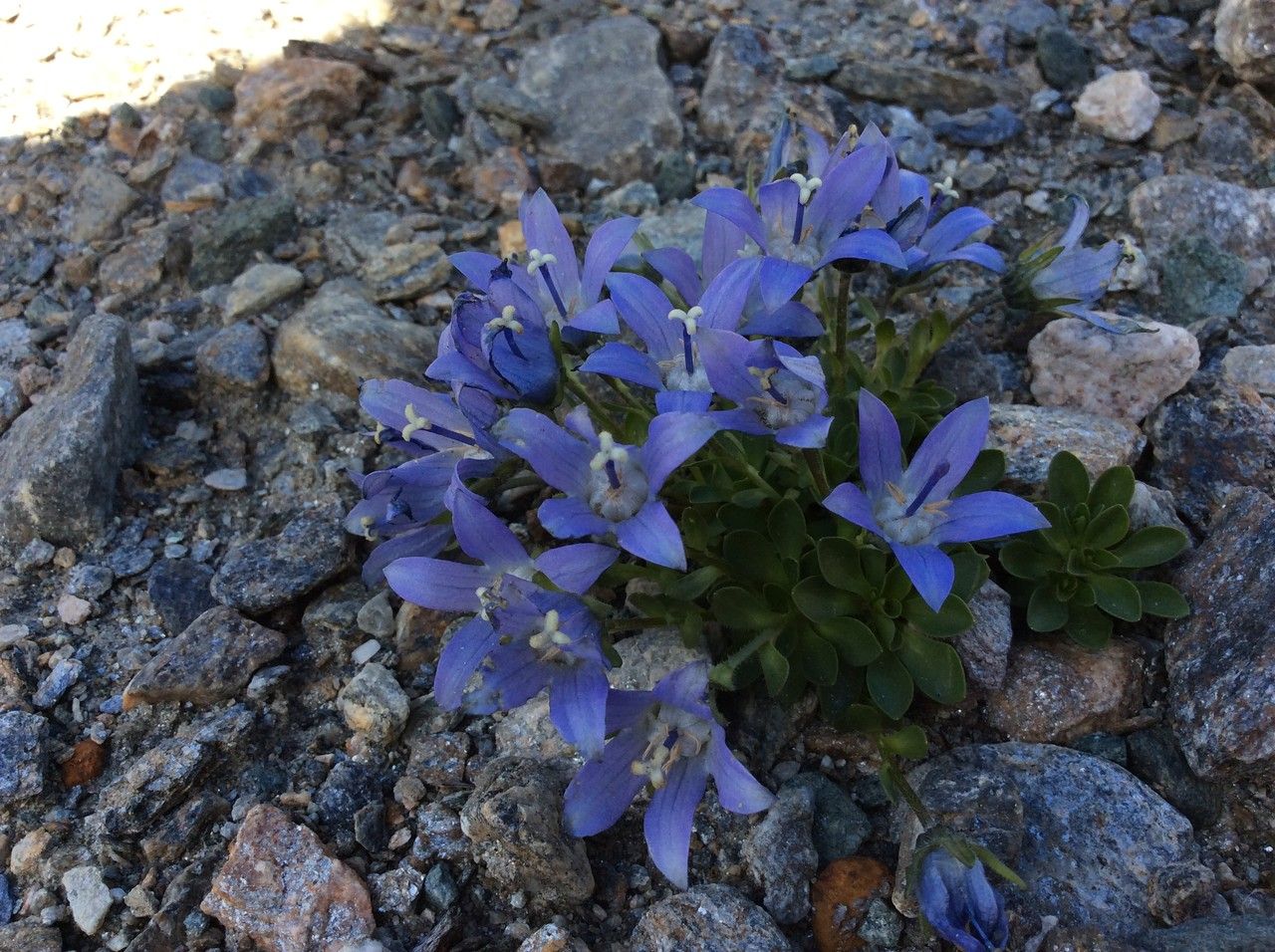
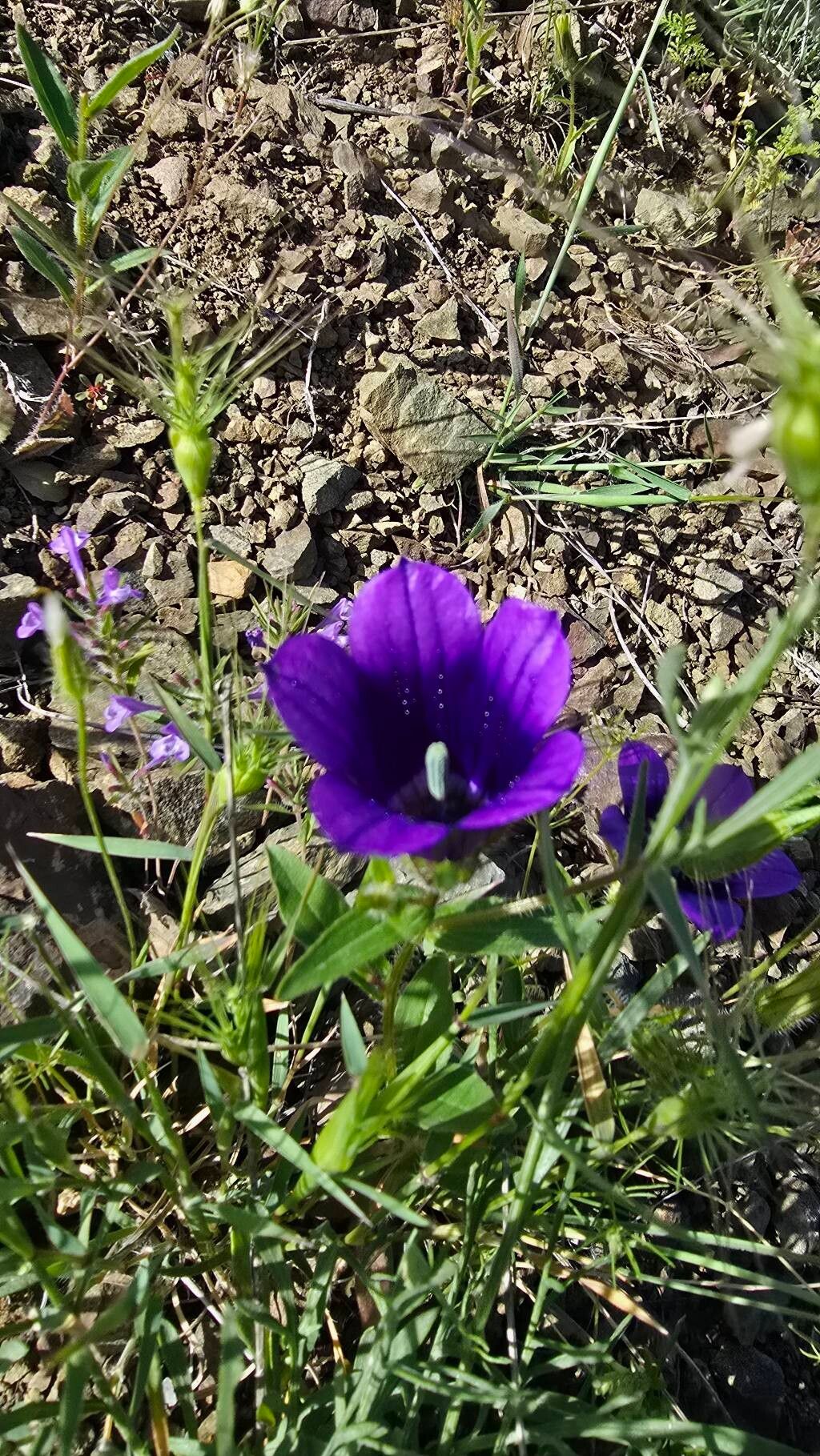
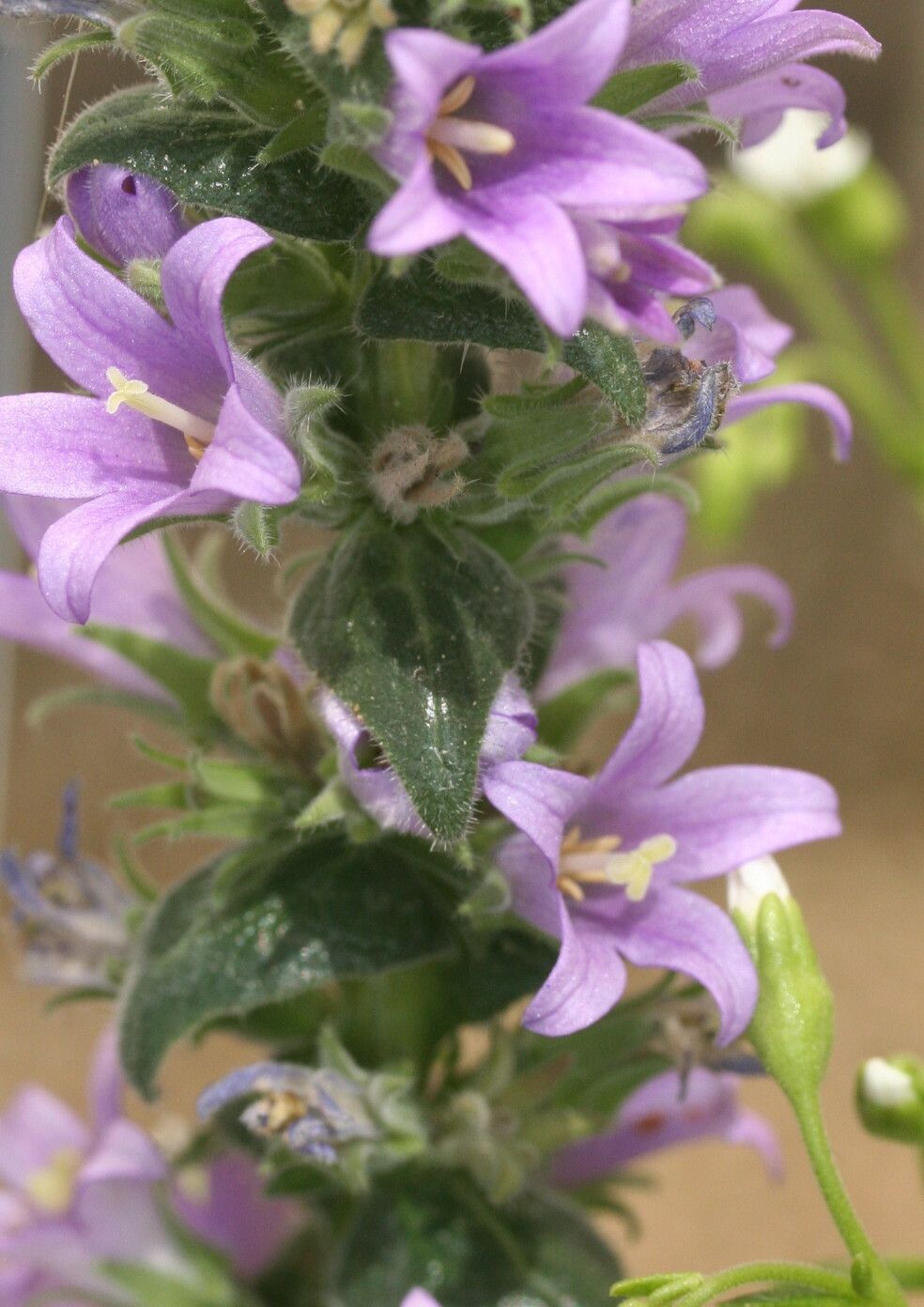
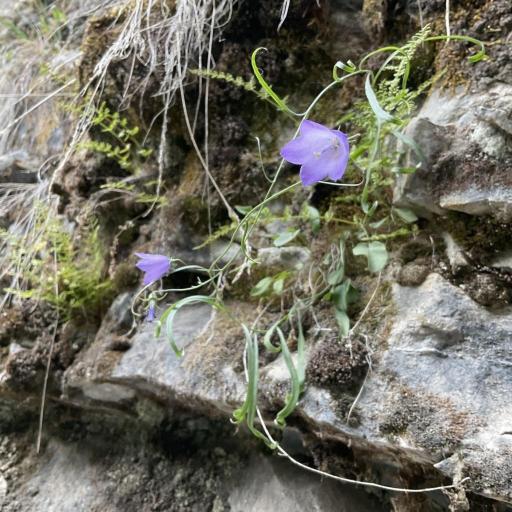
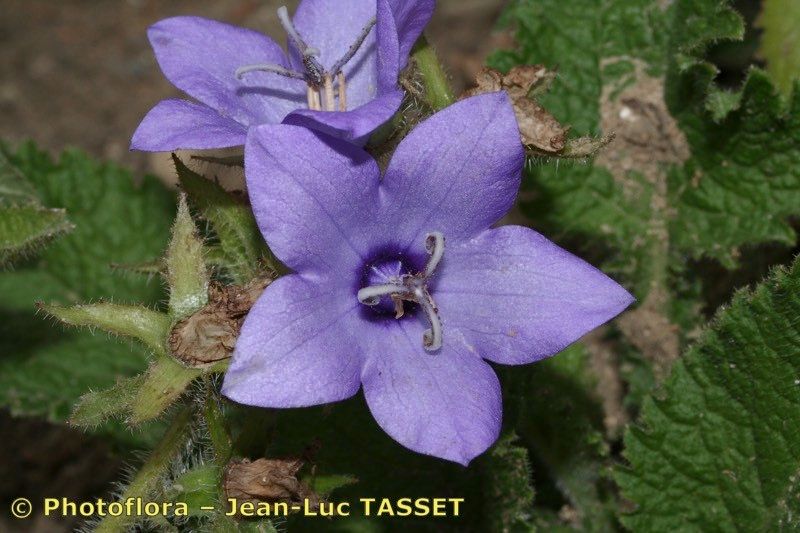
Mount cenis bellflower is fairly disease-resistant and generally not prone to ailments. However, it can be vulnerable to pests and diseases present in its environment. Such infections are typically not severe. Care-wise, this plant needs a moderate level of maintenance. It should be pruned regularly to maintain a neat appearance and healthy growth. Fertilizing can also encourage flowering. Mount cenis bellflower is suitable for anyone with an outdoor area, like a garden or patio, and does not demand extensive care experience. It may require more attention if grown indoors.
How to keep Campanula Cenisia.
Light
The Mount Cenis bellflower prefers abundant sunlight, which is essential for its healthy development. Its native habitat is characterized by generous illumination, although it can tolerate somewhat reduced light. However, too much sun can cause scorching, while too little light may impede its growth.
Water
Adapted to the rocky alpine terrains, the Mount Cenis bellflower thrives best with moderate moisture and can tolerate short periods of dryness. To support its growth, especially during its active season, it should be watered weekly. When grown outdoors, it's important to account for natural rainfall to ensure the plant receives the right amount of water.
Fertilizer
For Mount cenis bellflower, the primary time to fertilize is early spring while the flowers are forming. The appropriate fertilizer promotes stronger blooms and helps Mount cenis bellflower produce attractive flowers. Applying fertilizer in early spring supports excellent flowering through the season and supplies energy for dormant growth phases.
Pruning
The Mount Cenis bellflower is a low-growing perennial known for its delicate, bell-shaped flowers. For best results, prune the plant from early to late spring and lightly trim it after blooming to maintain its shape. Removing spent flowers will encourage continuous blooming. Be sure to use sharp, clean tools, and consider its alpine habitat for optimal care.
Botanical profile.
- Plant Type
- Herb
- Life Cycle
- Perennial
- Genus
- Campanula
- Family
- Campanulaceae
- Hardiness Zone
- 3-7
- Mature Height
- 2 cm to 5 cm
- Mature Spread
- 5 cm to 10 cm
- Leaf Color
- Green, Blue
- Leaf Type
- Semi-evergreen
- Flower Color
- Lavender, Purple
- Flower Size
- 1.02 cm to 2.03 cm
- Bloom Time
- Early summer, Mid summer
- Planting Time
- Summer, Autumn
- Harvest Time
- Late summer, Early fall
- Native Area
- Italy, Switzerland, Austria, France
Other names.
Reader questions.
How should I water my Mount Cenis bellflower plant?
To properly care for the Mount Cenis bellflower plant, it's best to use filtered water at room temperature. Tap water may contain harmful particles. Since the bellflower comes from a warm environment, it's important to avoid using cold water as it can be a shock. Overhead watering should be avoided to prevent foliage problems. Instead, water the plant by applying filtered room temperature water to the soil until it is fully soaked. This will help moisten the roots and support their growth and nutrient absorption.
What are the sunlight requirements for the Mount Cenis Bellflower?
The Mount Cenis Bellflower requires full sun, meaning it thrives best in locations that receive more than 6 hours of sunlight daily. However, it can also tolerate partial sun conditions, with about 3-6 hours of sunlight. It's essential to watch how sunlight moves through your garden to provide your plants with the ideal balance of light and shade, ensuring they grow healthy and strong. In its natural habitat, the bellflower is accustomed to generous illumination, although it has some tolerance for less sunny conditions. Excessive sun can lead to leaf scorching, while insufficient sunlight may impede its growth.
What is the name of the plant?
The name of the plant is Mount Cenis Bellflower.
If I give my Mount cenis bellflower too much or too little water, what should I do?
Overwatering and underwatering can both harm the health of your Mount cenis bellflower, but overwatering is more common. Giving this plant too much water can cause the stems and leaves to wilt and turn yellow. Over time, overwatering can also lead to diseases like root rot, mold, and mildew, which can be fatal for your plant. Underwatering is less likely to happen because the Mount cenis bellflower can tolerate dry conditions well. However, it is still possible, and when it occurs, you will notice that the leaves become brittle and brown. It is important to recognize the signs of overwatering early when taking care of your Mount cenis bellflower. Some diseases caused by overwatering, such as root rot, may be irreversible if not addressed promptly. If you see these early signs, you should reduce your watering immediately. It's also a good idea to check the quality of the soil where your Mount cenis bellflower is planted. If the soil doesn't drain well, replace it with a loose, well-draining potting mix. On the other hand, if your bellflower shows signs of insufficient water, simply increase the frequency of watering until those signs improve.
How can artificial lighting be used for indoor Mount Cenis Bellflowers?
For indoor Mount Cenis Bellflowers, artificial lighting can be a crucial solution when natural sunlight is insufficient, especially in winter or less sunny spaces. LED lights are recommended because they can be customized to offer the specific wavelengths needed by plants. Full sun plants require 30-50W/sq ft of artificial light, partial sun plants 20-30W/sq ft, and full shade plants 10-20W/sq ft. The artificial light source should be placed 12-36 inches above the plants to mimic natural sunlight conditions. Most plants will need 8-12 hours of artificial light per day to mimic the length of natural daylight hours effectively.
What is the botanical name of Mount Cenis Bellflower?
The botanical name of Mount Cenis Bellflower is Campanula cenisia.
How often do I need to water my Mount cenis bellflower plant?
If your Mount cenis bellflower is in a pot, the most precise way to determine if it needs water is by feeling the soil with your finger. If the top two to three inches of soil are dry, it's time to water it. If you're growing your Mount cenis bellflower outdoors in the ground, you can use the same method to test the soil. Once you find that the top few inches of soil are dry, it's time to water it. Typically, during spring and early fall, you'll need to water this plant about once a week using this method. However, during extremely hot weather, you may need to increase watering to twice a week or more. It's worth noting that mature, well-established Mount cenis bellflowers have shown an impressive ability to withstand drought.
What are the symptoms of inadequate lighting for the Mount Cenis Bellflower?
When Mount Cenis Bellflower is exposed to inadequate lighting, several symptoms may appear, including smaller new leaves, leggy or sparse growth, faster leaf drop, slower or no new growth, and lighter-colored new leaves indicating a lack of chlorophyll. Additional symptoms under extreme light conditions can involve chlorosis (leaves turning yellow due to chlorophyll breakdown), sunscald, leaf curling as a defense mechanism against excessive sunlight, wilting from increased water loss, and leaf scorching characterized by brown, dry edges on leaves.
How much water does my Mount Cenis bellflower plant need?
When watering your Mount Cenis bellflower, don't be shy with the amount of water. Wait until the top two to three inches of soil are dry, then give the plant a thorough watering. Make sure to water enough to completely saturate the soil and allow excess water to drain out through the pot's drainage holes. If you don't see excess water draining, you may not be watering enough. Avoid letting water accumulate in the soil, as this can harm the plant. On the other hand, if water doesn't drain through the pot, it could indicate poorly draining soil, which is bad for the plant's health. If the plant is outside, one inch of rain per week should be enough.
What are the solutions to light-related problems for the Mount Cenis Bellflower?
To address light-related issues with the Mount Cenis Bellflower, a gradual adjustment to sunlight is crucial. For indoor plants, move them weekly to sunnier locations until they receive at least 6 hours of direct sunlight daily, utilizing a south-facing window and keeping curtains open during daylight. If moving the plant is not feasible, consider artificial lighting, ensuring it's on for at least 8 hours per day. Outdoors, progressively shift plants to areas with better sunlight, avoiding abrupt changes to prevent sunburn. Obstructions like tree branches may need pruning to improve sunlight access. If dealing with smaller plants, consider transplanting during their dormant period (late winter or early spring) to a sunnier location with good drainage.
How do I water my Mount Cenis bellflower as it grows?
The water needs of the Mount cenis bellflower can change depending on its growth stages. In the first few years of its life and when it is first transplanted to a new location, it needs more water than usual. During these stages, the bellflower focuses on sprouting new roots, which require extra moisture for optimal growth. As the plant matures, it will require less water. Additionally, during the bloom period, the flower development may require additional moisture, so you may need to provide more water at this time.
How do I water my Mount cenis bellflower at different times of the year?
The Mount cenis bellflower has different water needs during different seasons. In the hottest months of summer, it will need watering more frequently, possibly even more than once per week. However, during the winter, the plant goes dormant and needs much less water. In fact, you may not need to water it at all during the winter months. If you do decide to water it, make sure to do so only about once per month. Overwatering in winter can increase the chances of the plant getting a disease.