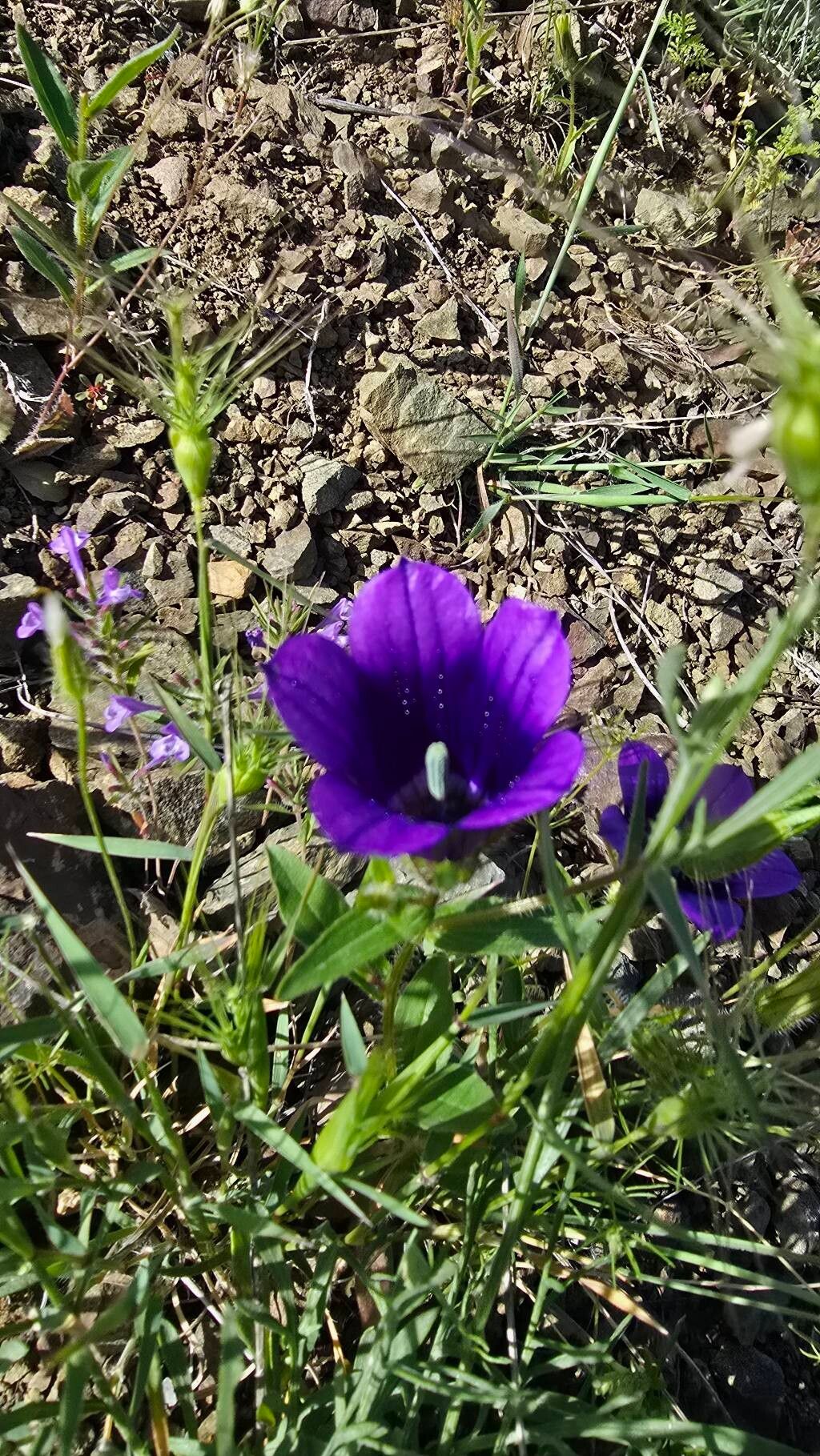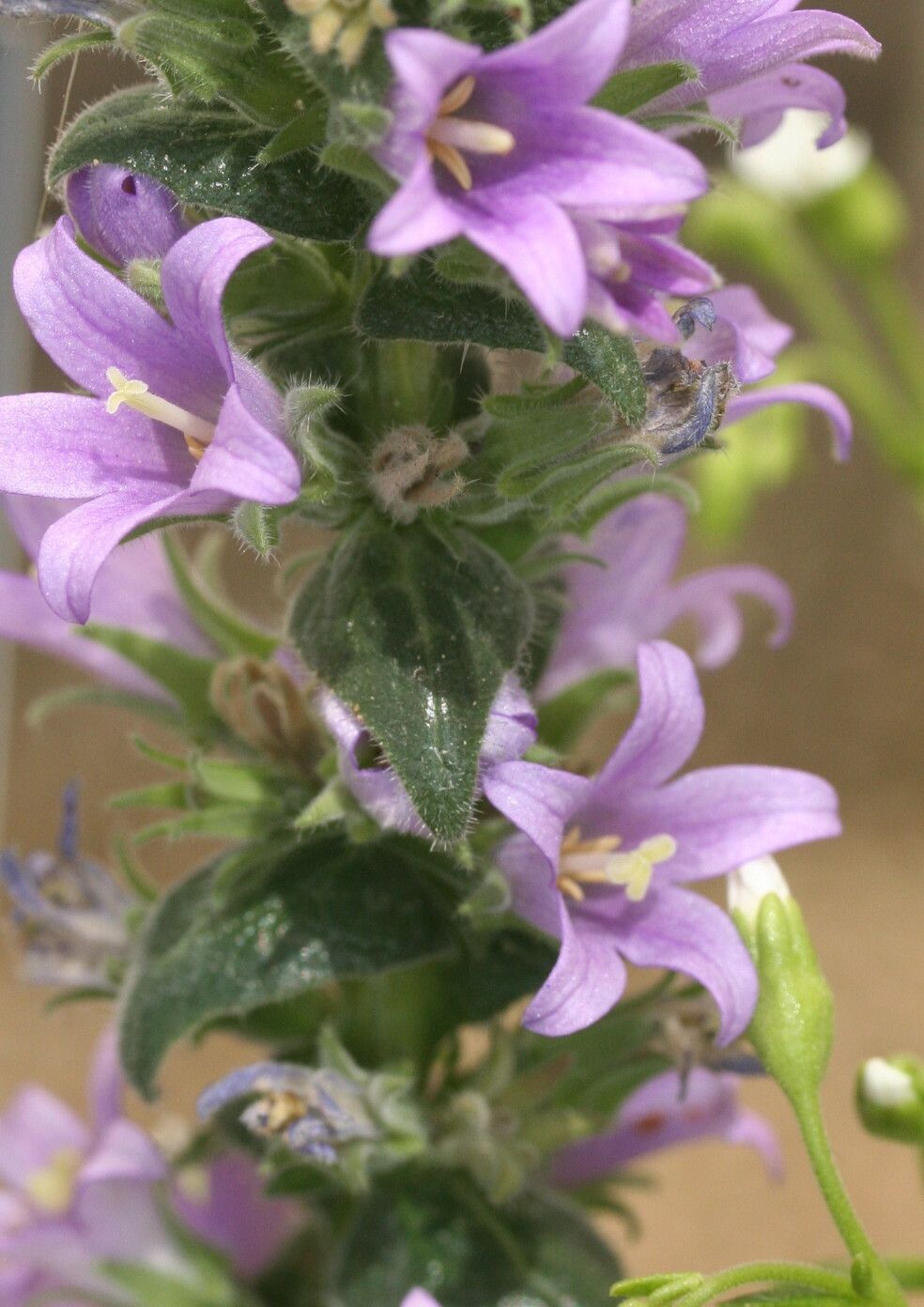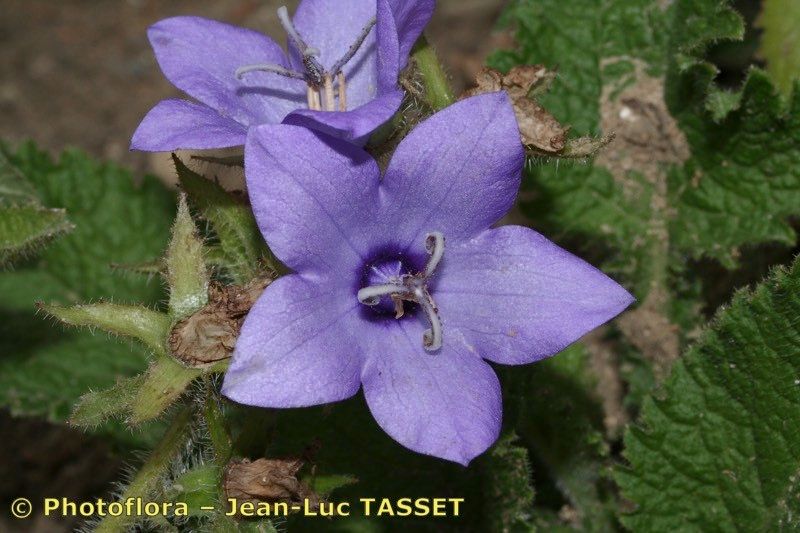
Campanula carpatica, commonly known as the Carpathian bellflower, is a perennial flowering plant indigenous to the Carpathian Mountains in Central Europe. This plant is popular in gardens because of its appealing blue or white bell-shaped flowers, which bloom from late spring to early summer. It typically grows up to 30 cm in height and features dark green, heart-shaped leaves with toothed edges.
Campanula carpatica thrives in well-drained soil and can be grown in full sun or partial shade. It is easy to cultivate and requires minimal maintenance, making it an excellent choice for novice gardeners. Additionally, the plant's flowers attract bees and butterflies, making it a valuable addition to pollinator gardens.
Tussock bellflower is fairly resistant to disease and usually does not suffer from illnesses. Still, it can be vulnerable to pests and diseases present in its surroundings. These problems are typically not serious. In terms of care, this plant needs moderate maintenance. Regular pruning is needed to keep a neat appearance and healthy growth. Fertilizing can also help encourage flowering. Tussock bellflower is suitable for anyone with outdoor space, such as a garden or patio, and does not demand extensive horticultural experience. It may require more attention when grown indoors.
How to keep Campanula Carpatica.
Light
Tussock bellflower does best in full sunlight, which promotes robust healthy growth, though it can also tolerate moderate sun. Both excessive and insufficient light can impede its development or health. It comes from habitats where sun exposure is ample and consistent.
Water
The tussock bellflower thrives in environments with consistent moisture and moderate humidity. It needs to be watered weekly, but be careful not to overwater. To help retain soil moisture during its active growing season, apply mulch around the plant. This practice mimics the natural balance of rainfall and drainage found in the plant's native mountainous habitat.
Temperature
Tussock bellflower grows best in its native habitat at temperatures of 15 to 35 ℃ (59 to 95 ℉). It prefers warm, sunny spots and soils that drain well. To accommodate seasonal temperature changes, water adequately during hot summers to prevent wilting. In colder winters, protect the plant from frost by covering it with a protective layer.
Fertilizer
The best time to feed a Tussock bellflower is in early spring, as it comes out of dormancy and starts active growth. Fertilizing supplies essential nutrients needed for healthy development. Even though Tussock bellflower requires relatively little fertilizer, applying it once a year can improve its survival and encourage stronger, longer-lasting blooms.
Pruning
The tussock bellflower, with its delicate purple or blue blossoms, thrives when given thoughtful care and attention. To encourage healthy growth, it is important to prune the plant strategically. Begin by trimming it in early spring, which helps remove any winter damage and stimulates new growth. Later, in the spring, deadheading—removing spent flowers—will extend the blooming period. Remember to use sharp, sterilized tools throughout this process to ensure the plant remains healthy and vigorous, resulting in a more robust display.
Pot & Repot
When repotting Tussock bellflower, choose a pot 1–2 inches (2.5–5.1 cm) larger with ample drainage. Use a well-draining potting mix. Repot in spring or fall, ensuring the root ball sits slightly below the rim of the pot. Water thoroughly after repotting and place it in a warm spot with indirect sunlight.
Botanical profile.
- Plant Type
- Herb
- Life Cycle
- Perennial
- Genus
- Campanula
- Family
- Campanulaceae
- Hardiness Zone
- 8-9
- Mature Height
- 15 cm to 30 cm
- Mature Spread
- 15 cm to 30 cm
- Leaf Color
- Green
- Leaf Type
- Deciduous
- Flower Color
- White
- Flower Size
- 2.54 cm to 7.62 cm
- Bloom Time
- Early summer, Mid summer
- Planting Time
- Spring
- Harvest Time
- Mid summer
- Native Area
- Slovakia, Ukraine, Poland, Romania
Other names.
Reader questions.
How should I water my Tussock bellflower plant?
When watering the Tussock bellflower, it's best to use filtered water at room temperature or slightly warmer. Tap water may contain harmful particles for the plant, hence why filtered water is preferable. The reason for using room temperature water is that the Tussock bellflower is accustomed to warm environments and cold water can be a shock to its system. Additionally, it's advised to avoid overhead watering as it can cause issues with the plant's foliage. Instead, apply filtered room temperature water directly to the soil until it is completely saturated. This method benefits the plant by providing moisture to the roots and aiding their spread in the soil, helping them collect necessary nutrients.
Why should I put fertilizer on my Tussock bellflower?
Fertilization is important for the Tussock bellflower and other plants as it provides essential nutrients for growth above and below ground. Although the Tussock bellflower's fertilization needs are generally low, regular fertilization can significantly benefit the plant's survival and promote the development of longer-lasting flowers. Therefore, those looking to enhance the appearance of their Tussock bellflower should prioritize annual fertilization.
What are the sunlight requirements for Tussock Bellflower?
Tussock Bellflower requires full sun, which means it needs more than 6 hours of sunlight per day, but it can also tolerate partial sun, receiving about 3-6 hours of sunlight daily. Ensuring the right balance of light and shade is crucial for the happiness and health of your plants. Pay attention to how sunlight moves through your garden to choose the best spots for your Tussock Bellflower.
What are the ideal growing conditions for Tussock Bellflower?
Tussock Bellflower, or Campanula carpatica, thrives in a native growth environment where temperatures range from 15 to 35°C (59 to 95°F). It prefers warm, sunny locations and well-drained soils. To adjust to changing temperatures across different seasons, it's important to provide adequate water during hot summers to prevent wilting. During colder winters, when temperatures are forecasted to drop below -5°C, protective measures such as covering the plant with a layer of plastic film, fabric, or other materials are necessary to protect it from frost. In conditions above -5°C, the Tussock Bellflower has some cold tolerance and does not typically require any additional protective measures.
What do I do if I give my Tussock bellflower too much or too little water?
Overwatering is a common problem for Tussock bellflowers and can cause wilting and yellowing of the stems and leaves. It can also lead to diseases like root rot, mold, and mildew, which can be fatal for the plant. Underwatering is less common but can cause brittle, brown leaves. It's important to recognize the signs of overwatering early on and reduce watering immediately. If the soil drains poorly, it should be replaced with well-draining potting mix. If there are signs of underwatering, simply increase watering until the signs improve.
When should I fertilize my Tussock bellflower?
The best time to fertilize a Tussock bellflower is in the late winter to early spring when it is transitioning from dormancy to active growth. Fertilizing at this time promotes healthy growth and helps the plant thrive for the season. Fertilizing during the fall is also acceptable, but it is not recommended to feed the plant during summer and winter.
How should I care for Tussock Bellflower in terms of sunlight exposure?
Tussock Bellflower thrives best under full daylight conditions, which supports its thriving and healthy development. However, it can also manage well with moderate sun exposure. Both excessive and insufficient light can negatively impact the plant's growth and health. Originating from places with abundant sun exposure, it's crucial to mimic such conditions as closely as possible. In scenarios where natural sunlight is not sufficient, especially during winter or in darker spaces, utilizing artificial lighting can be beneficial. LED lights, offering specific wavelengths, are recommended, with the intensity varying based on the plant’s natural sunlight requirements.
How does Tussock Bellflower respond to low temperatures?
Tussock Bellflower has a moderate tolerance to low temperatures and thrives best when the temperature remains above 15°C. During winter, ensuring the temperature stays above -5°C is vital. If the temperature falls below -10°C, the leaves may begin to droop, and in severe cases, they might wilt and eventually fall off. The best solution to protect Tussock Bellflower from low temperatures is to trim off any frost-damaged parts, wrap the plant with materials like non-woven fabric or cloth, and construct a wind barrier to protect it from the cold wind.
How frequently should I water my Tussock bellflower?
If your Tussock bellflower plant is in a pot, the most precise way to determine if it needs water is by checking the soil. Stick your finger into the soil and if you find that the top two to three inches are dry, it's time to water it. If you're growing your Tussock bellflower plant outdoors directly in the ground, you can use a similar method. When the first few inches of soil have dried out, it's time to give it some water. In the spring and early fall, you'll typically need to water this plant about once a week using this method. However, during extremely hot weather, you might need to water it twice or even more per week. It's worth mentioning that mature and well-established Tussock bellflower plants have the impressive ability to endure periods of drought.
When is it not a good idea to fertilize my Tussock bellflower?
To properly care for your Tussock bellflower, it is best to fertilize it in late winter or early spring. This plant only requires one feeding per year because it has low fertilization needs. Over-fertilizing in spring, summer, or fall can cause problems, except if you missed fertilizing in spring, then you can feed it in fall. During the growing season, it is best to avoid fertilizing altogether. Additionally, there is no need to fertilize during the winter when the plant is in a dormant phase and not producing new growth.
What are the symptoms of incorrect lighting for Tussock Bellflower?
Symptoms of incorrect lighting for Tussock Bellflower include small leaves, leggy or sparse growth, faster leaf drop, slower or no new growth, lighter-colored new leaves, chlorosis (leaves turning yellow), sunscald, leaf curling, wilting, and leaf scorching. These symptoms indicate that the plant is either receiving too much or too little sunlight, affecting its ability to carry out photosynthesis effectively and maintain healthy growth.
What should I do if my Tussock Bellflower experiences high temperatures?
During summer, it's crucial to keep the Tussock Bellflower's surrounding environment below 35°C. If the temperature climbs above 38°C, the color of the leaves might lighten, tips may dry out and wither, leaves might curl, and the plant becomes more susceptible to sunburn. To mitigate these issues, trim away any sunburned or dried-up parts of the plant. Move the plant to a shaded location or use a shade cloth to protect it from midday and afternoon sun. Additionally, watering the plant in the morning and evening helps to maintain soil moisture and prevent overheating.