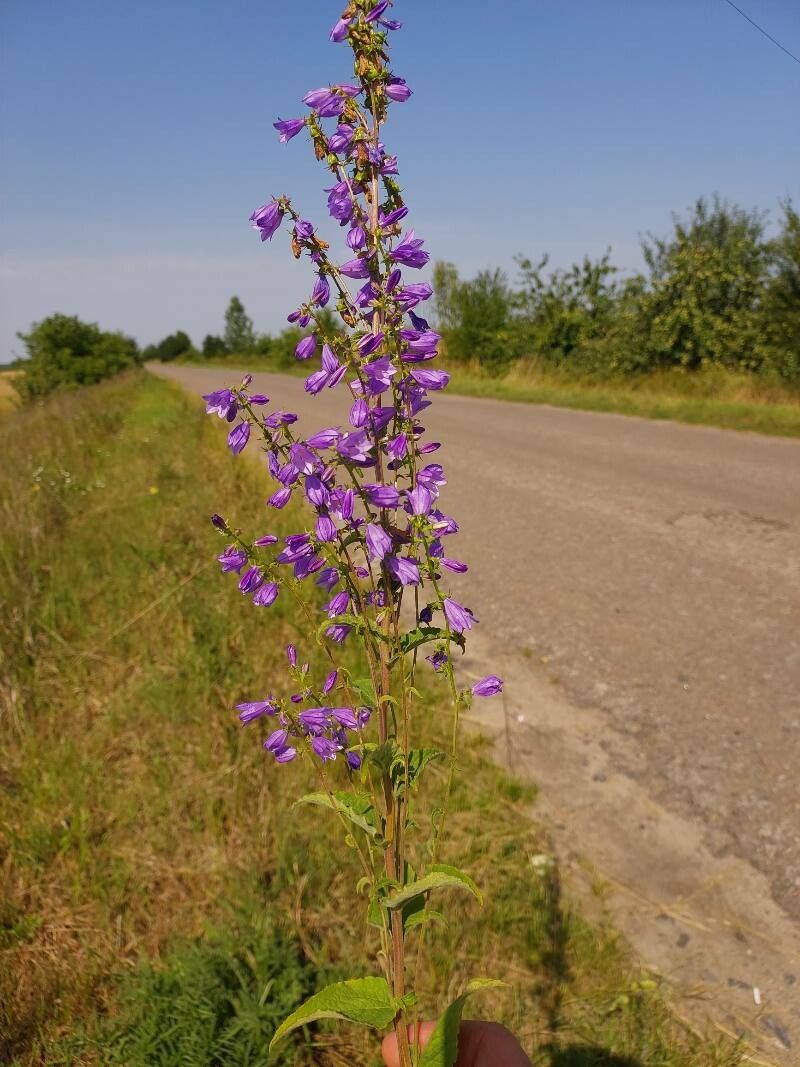
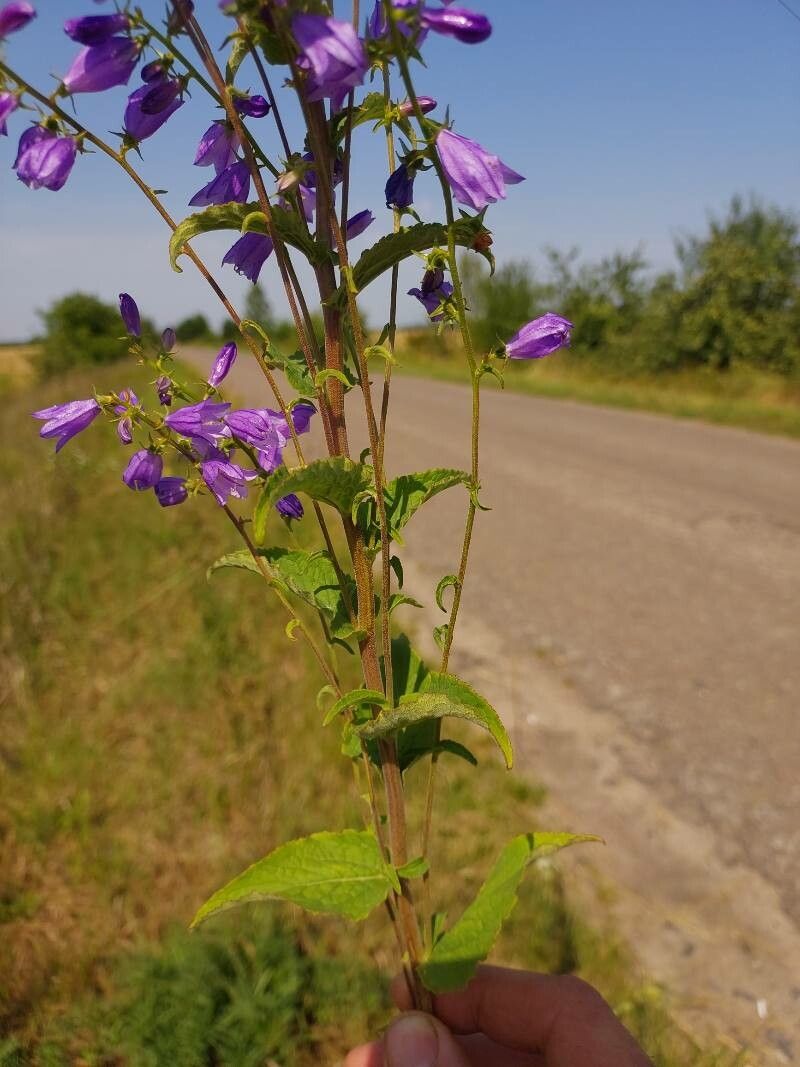
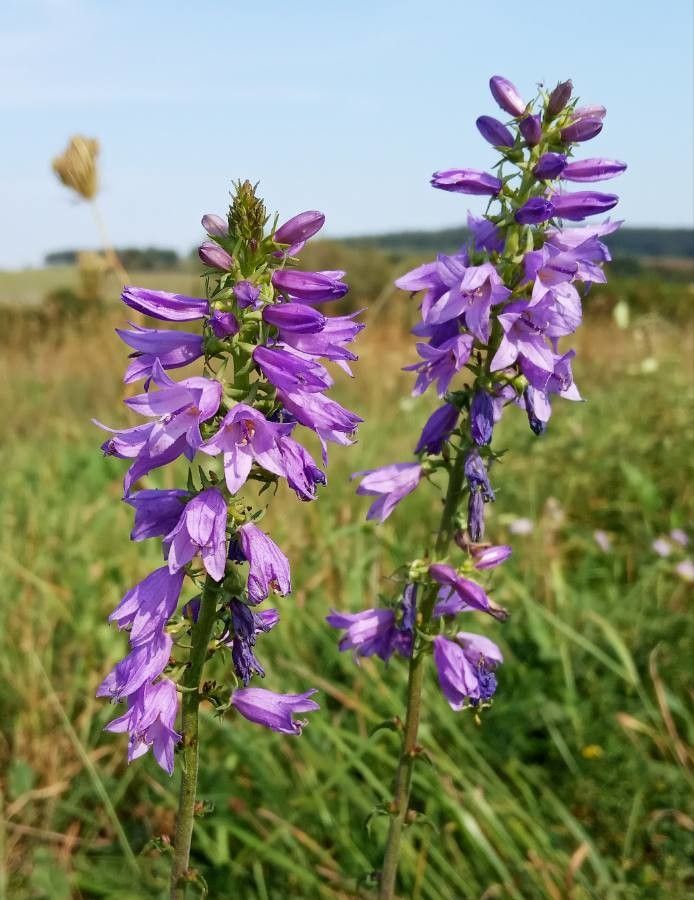
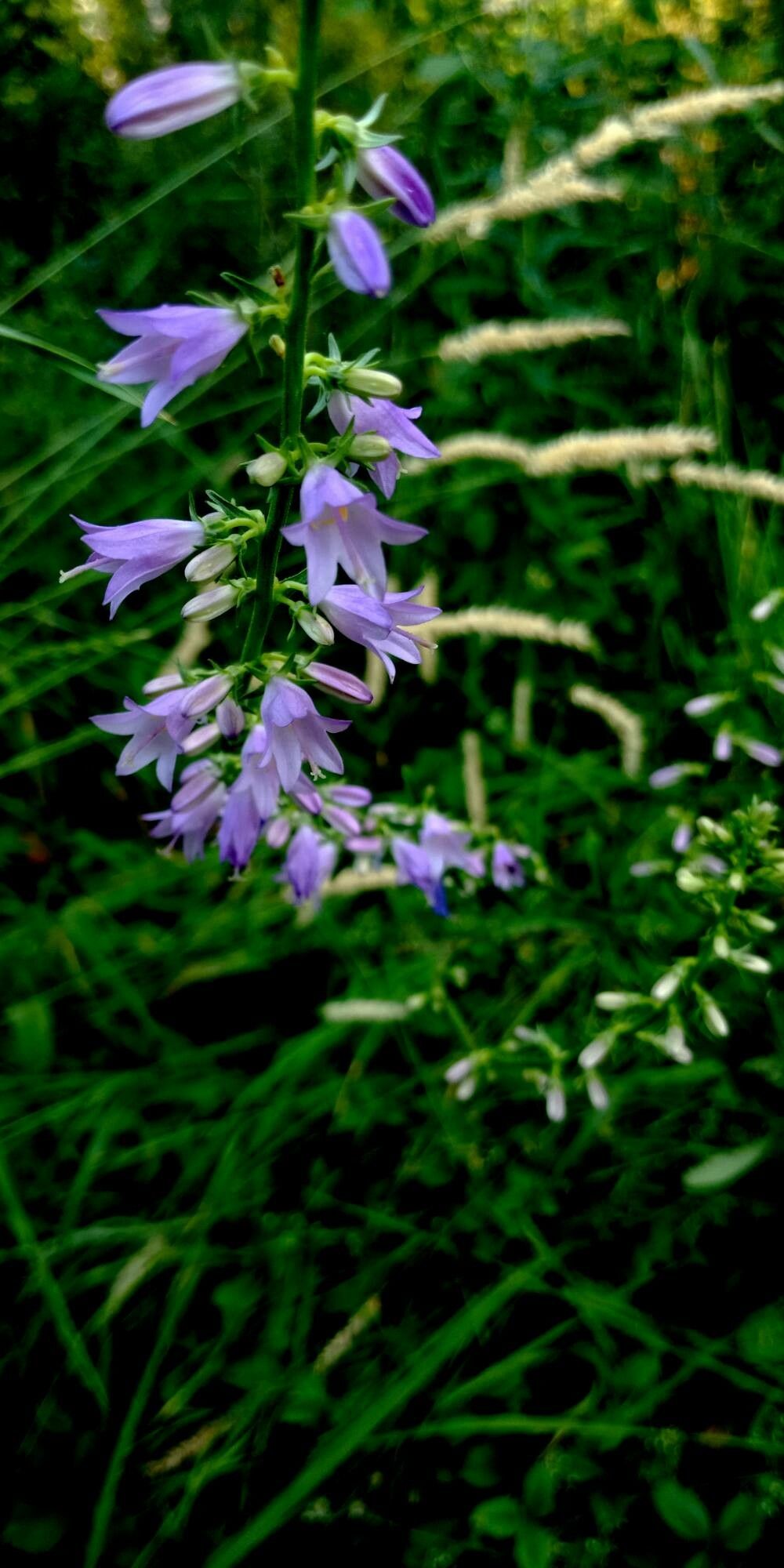
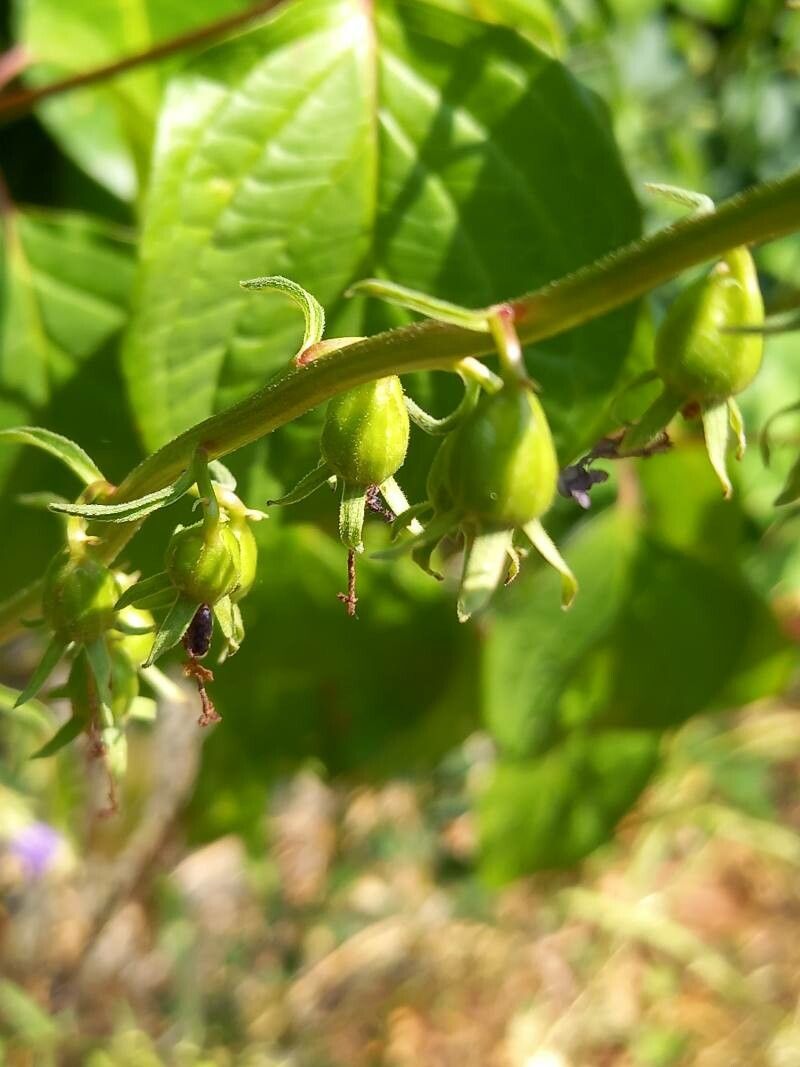
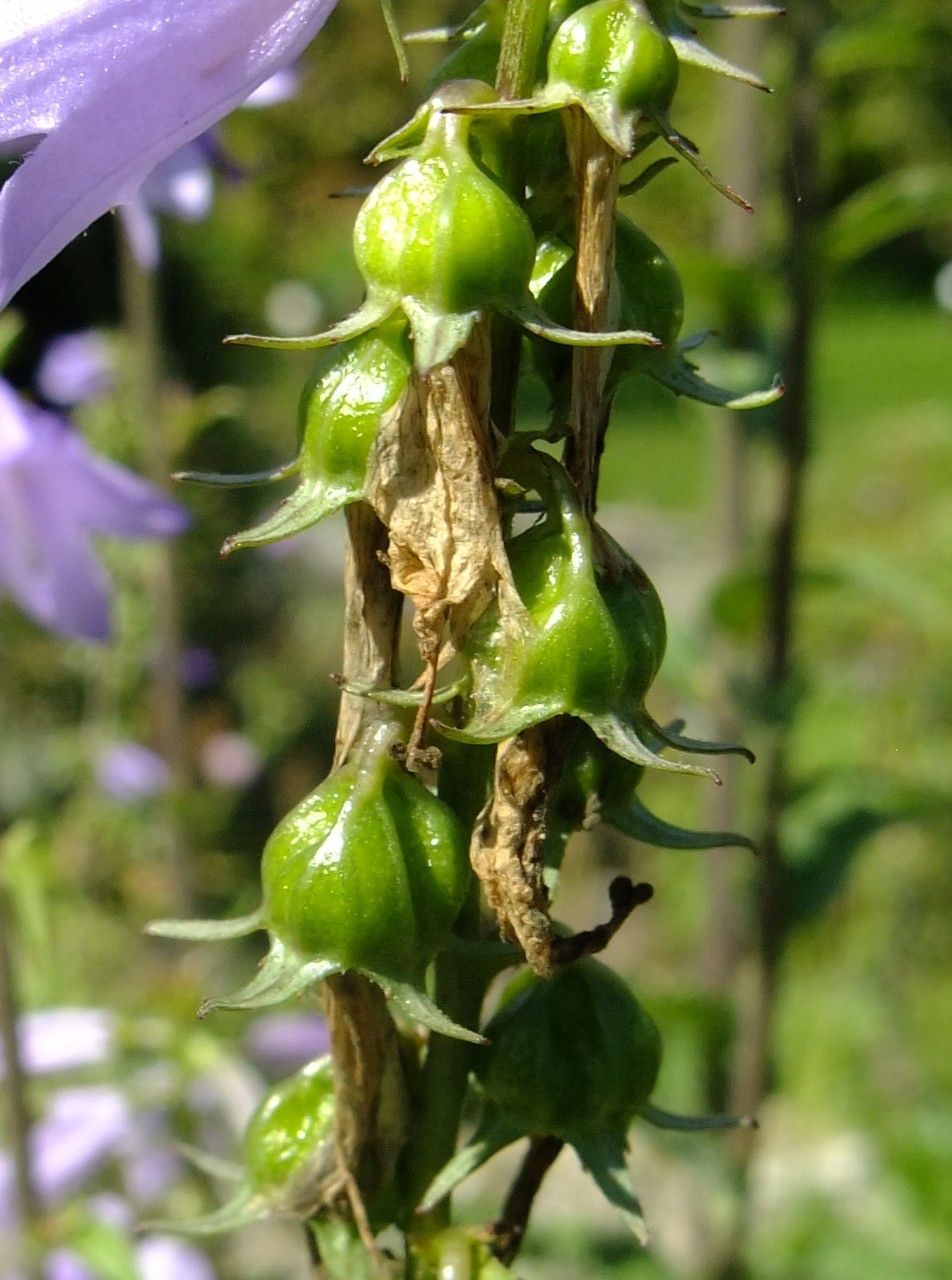
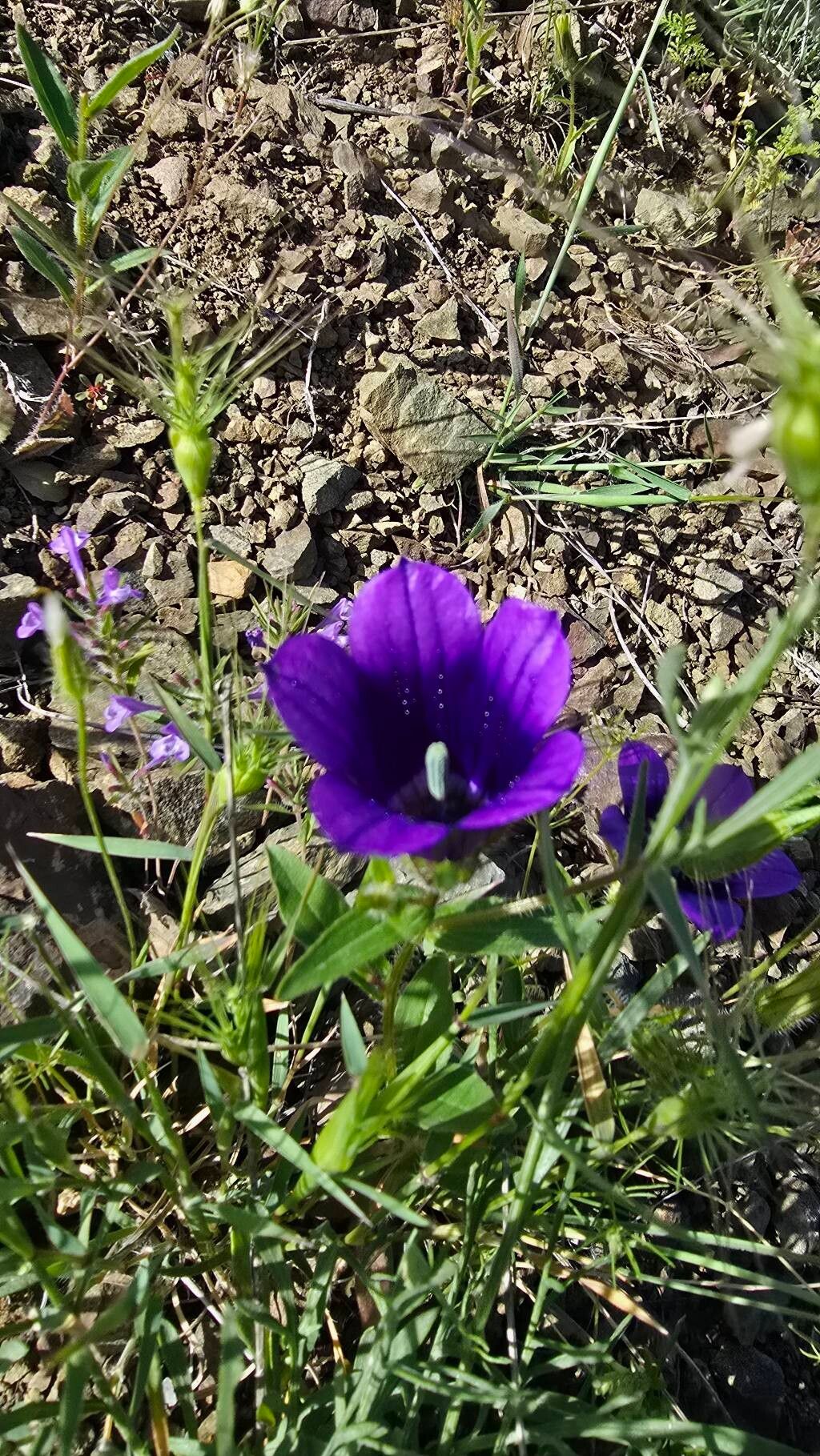
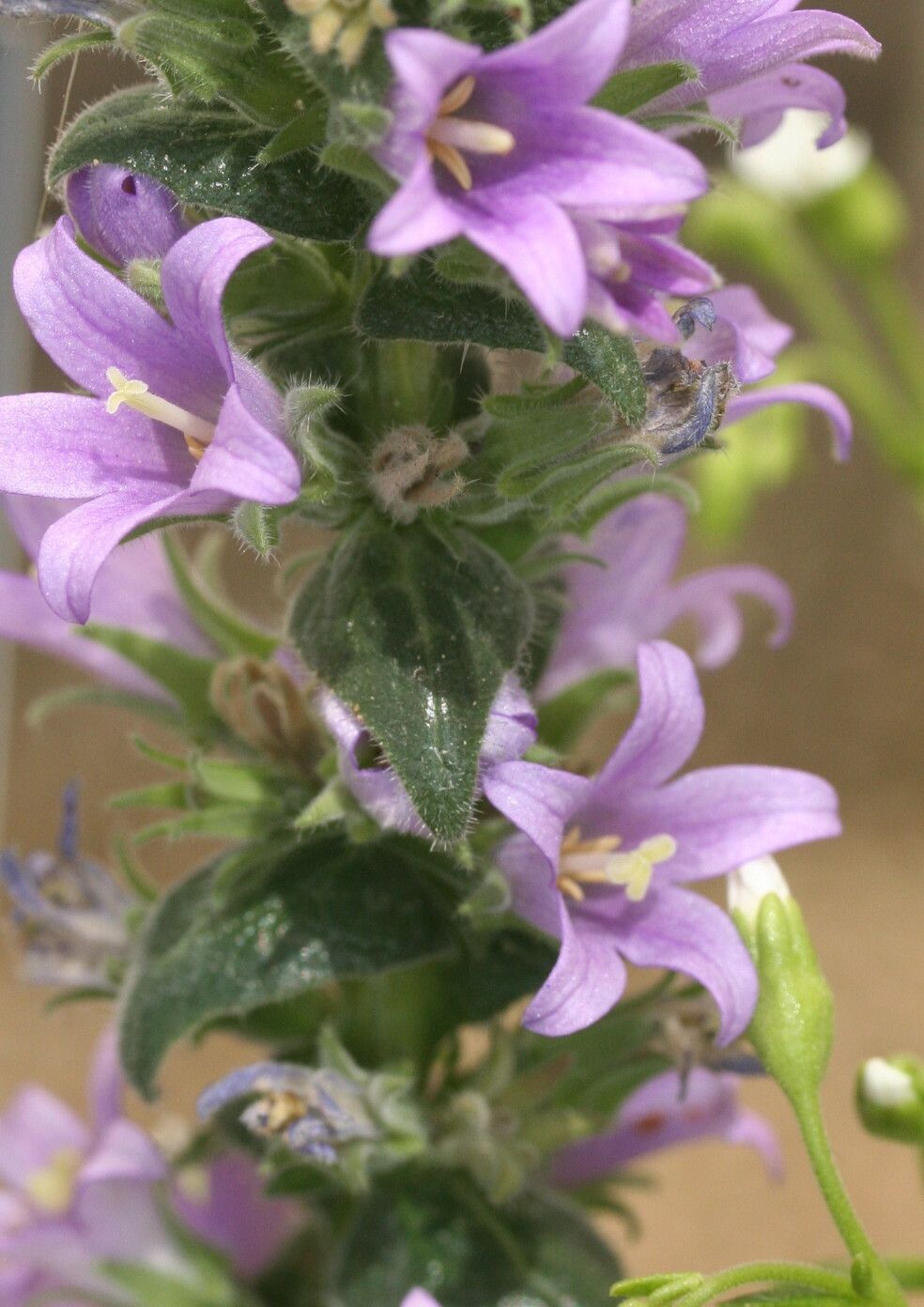
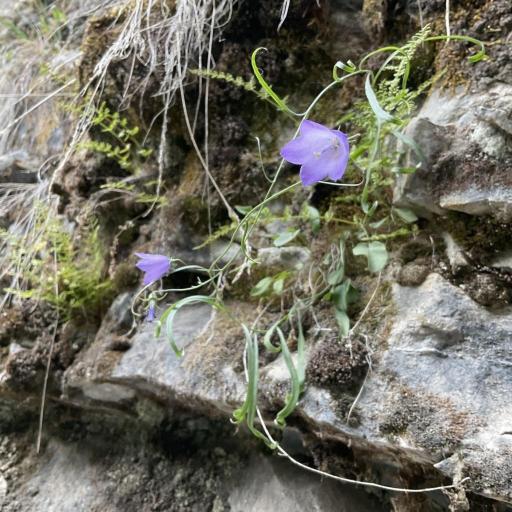
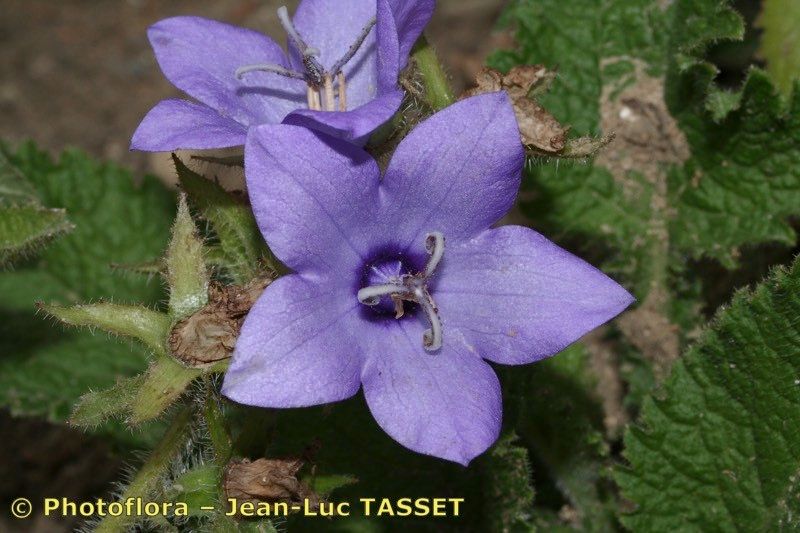
Campanula bononiensis is a species of flowering plant belonging to the family Campanulaceae.Its native range is France to Kazakhstan.
The European bellflower is fairly disease-resistant and is typically not prone to ailments. However, it can be affected by pests and diseases present in its surroundings. Such infections are generally mild. In terms of care, the plant requires moderate maintenance. Regular pruning is needed to maintain a tidy appearance and support healthy growth. Fertilizing can also encourage flowering. The European bellflower is suitable for anyone with outdoor space, such as a garden or patio, and does not demand extensive care experience. It may need more attention when grown indoors.
How to keep Campanula Bononiensis.
Light
The European bellflower is a sun-loving perennial herbaceous species that comes from open habitats and is often found growing in meadows and grasslands. It prefers full sun but can also tolerate partial sun conditions.
Water
The European bellflower thrives best in its native climate, which is mild. It prefers evenly moist soil, although it can tolerate moderate drought. For optimal growth, it is recommended to water it weekly. During its active growth periods, you should increase the frequency of watering to encourage lush foliage and vibrant flowering, similar to what is typical for herbaceous perennials grown outdoors.
Temperature
European bellflower originates from habitats with temperatures between 59 and 95°F (15 to 35°C). It favors this moderate warmth, which is typical of its native surroundings. In colder seasons, consider relocating it to maintain its optimal temperature.
Fertilizer
The ideal time to fertilize a European bellflower is in early spring, when it is coming out of dormancy and beginning active growth. Fertilizing supplies essential nutrients for healthy development. Although European bellflower has relatively low fertilizer needs, an annual application can improve its survival and encourage better, longer-lasting flowers.
Pruning
To maintain the shape and encourage healthy growth of European bellflowers, it's best to lightly prune them between early and late spring. By removing spent blooms and dead stems, you can promote more flowering and reduce the risk of disease. Pruning also improves air circulation and prevents the plants from becoming leggy, ensuring vibrant blooms throughout the growing season.
Botanical profile.
- Plant Type
- Herb
- Life Cycle
- Perennial
- Genus
- Campanula
- Family
- Campanulaceae
- Hardiness Zone
- 8-9
- Mature Height
- 61 cm to 91 cm
- Mature Spread
- 30 cm to 46 cm
- Leaf Color
- Green, Dark Green
- Leaf Type
- Deciduous
- Flower Color
- Lavender
- Flower Size
- 1.02 cm to 2.03 cm
- Bloom Time
- Summer
- Planting Time
- Spring, Summer, Autumn
- Harvest Time
- Late summer, Early fall, Mid fall
- Native Area
- Turkey, Austria, Czech Republic, Slovakia, Montenegro, Bulgaria, Armenia, Poland, Greece, Croatia, Slovenia, Belarus, Ukraine, Serbia, Russia, Lithuania, Hungary, Germany, Italy, Kazakhstan, Switzerland, Iran, Albania, Azerbaijan, Romania, France
Other names.
Reader questions.
What are the sunlight requirements for the European Bellflower (Campanula bononiensis)?
The European Bellflower, scientifically known as Campanula bononiensis, thrives under specific sunlight conditions to ensure its growth and happiness. It requires full sun exposure, meaning the plant should receive above 6 hours of sunlight daily, to flourish. However, it can also tolerate partial sun conditions, which consist of about 3-6 hours of sunlight daily. It's important to observe how sunlight moves through your garden throughout the day to find spots that offer the perfect balance of light and shade. This careful placement helps ensure your European Bellflowers grow healthy and vibrant.
What is the native temperature range for the European bellflower?
The European bellflower, scientifically known as Campanula bononiensis, thrives in environments with temperatures ranging from 59 to 95°F (15 to 35°C). This temperature range reflects the moderate warmth typical of its native habitats. To ensure the optimal growth conditions, it may be necessary to adjust its location during colder seasons to maintain this preferred temperature range.