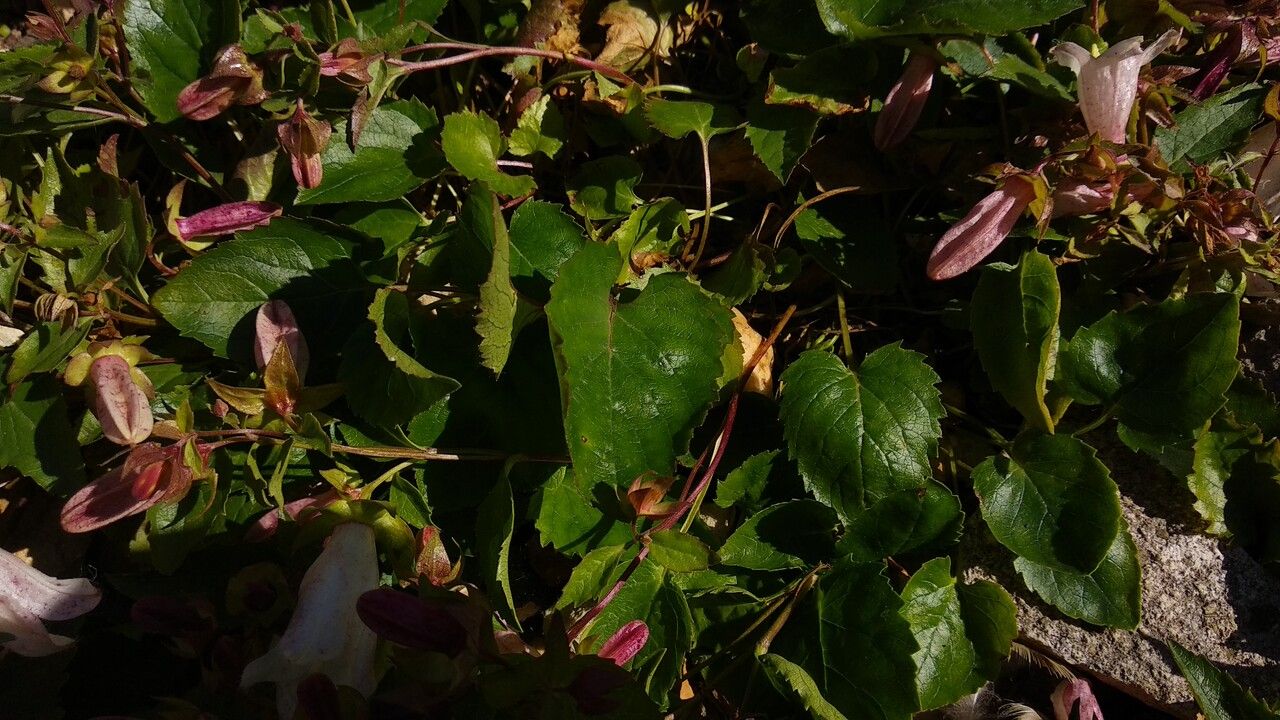
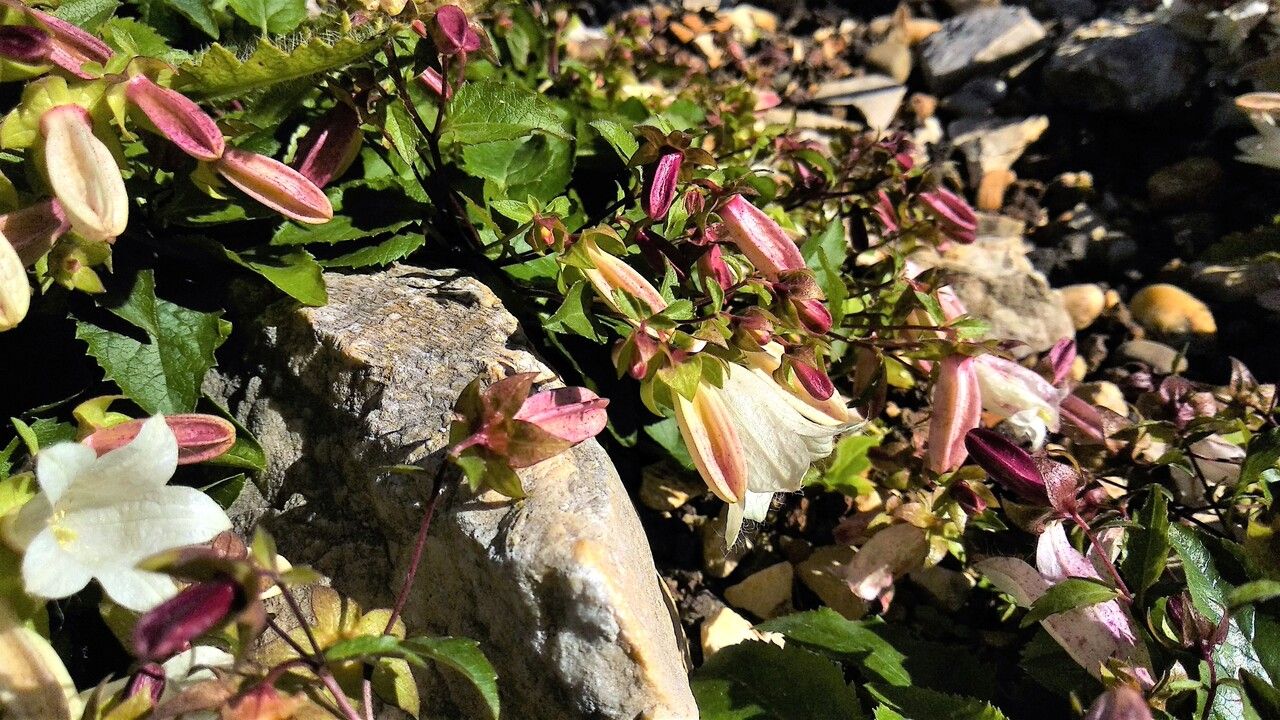
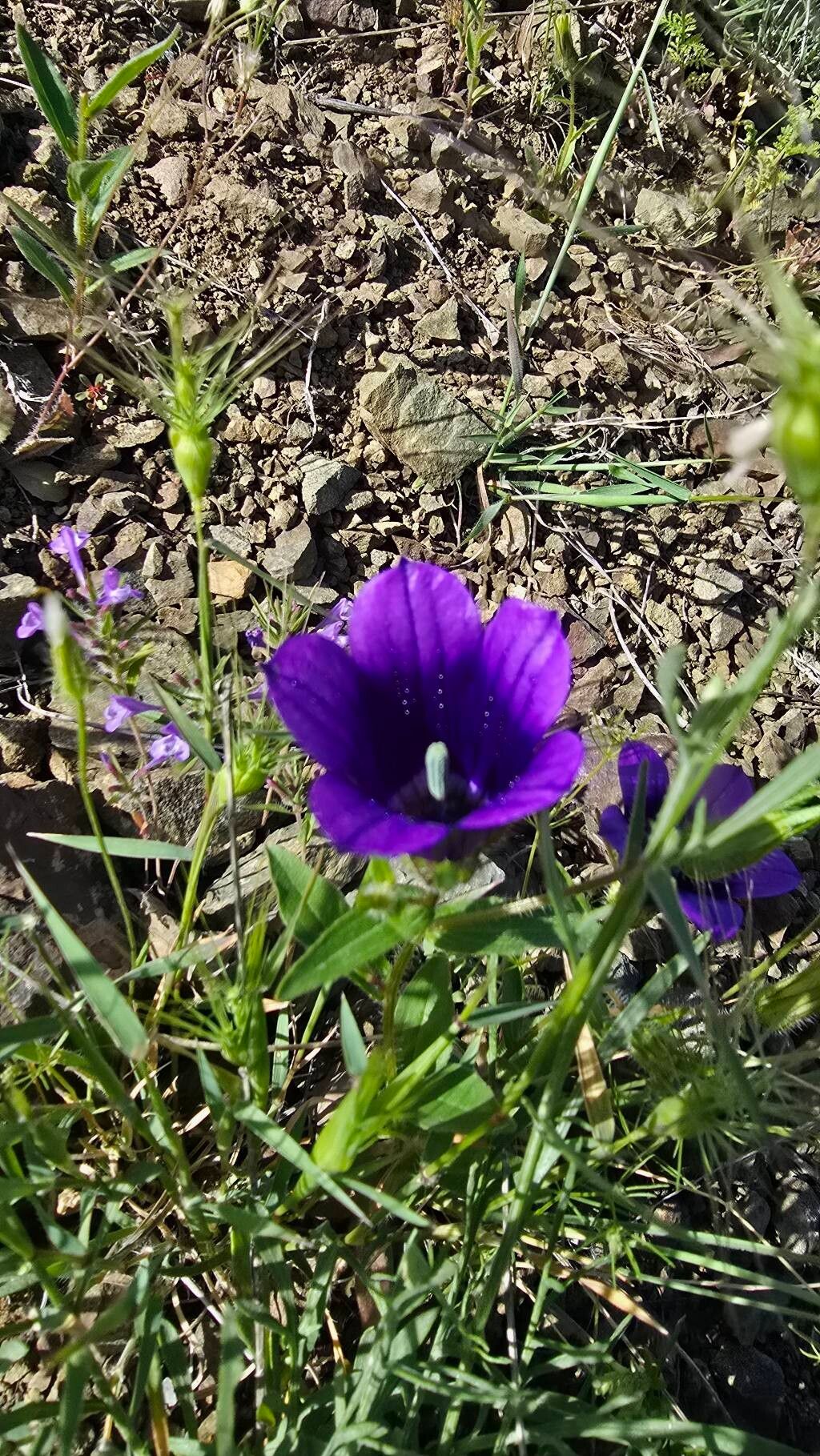
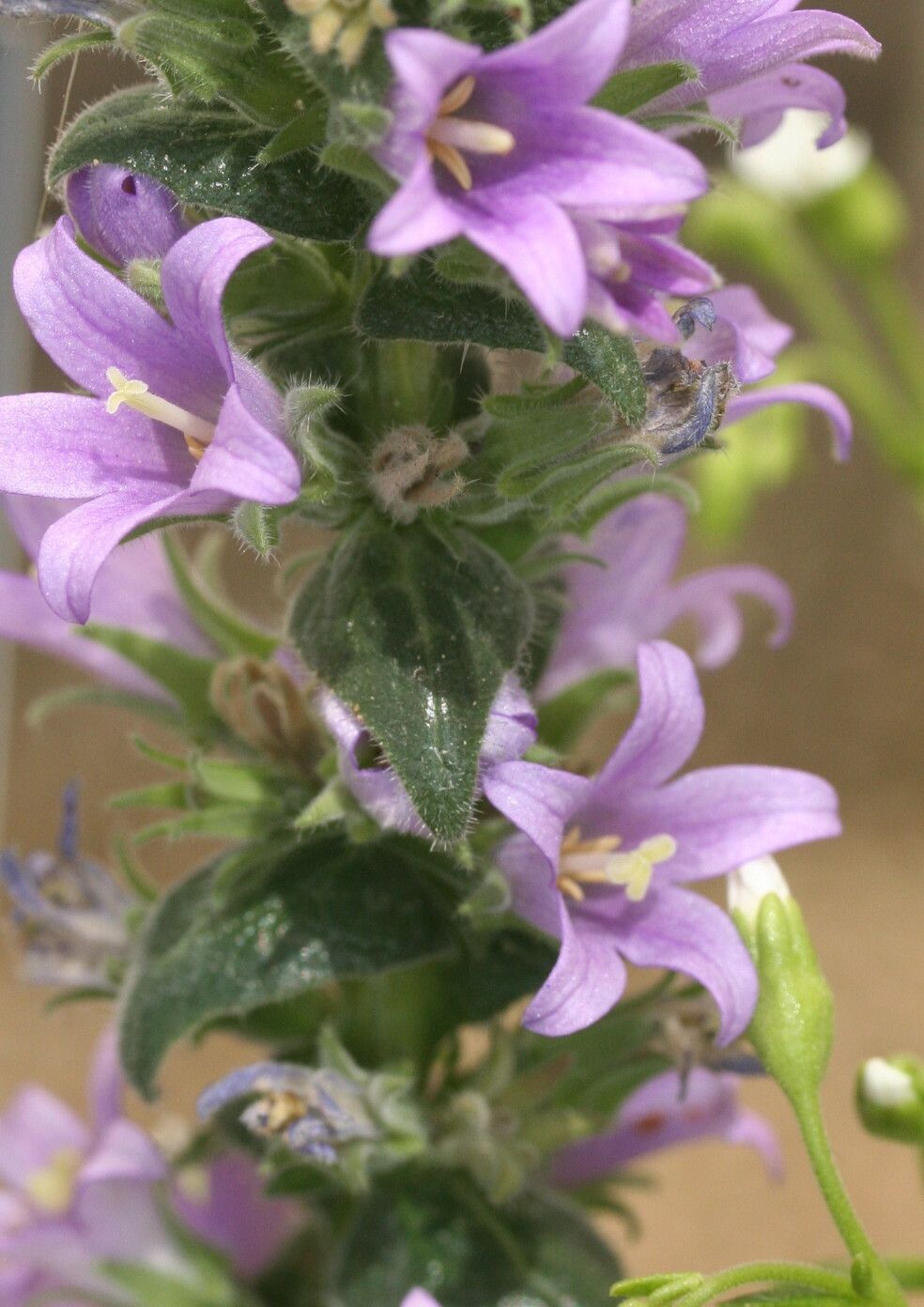
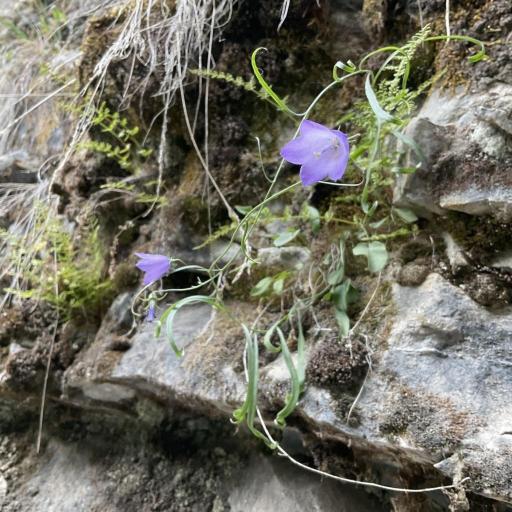
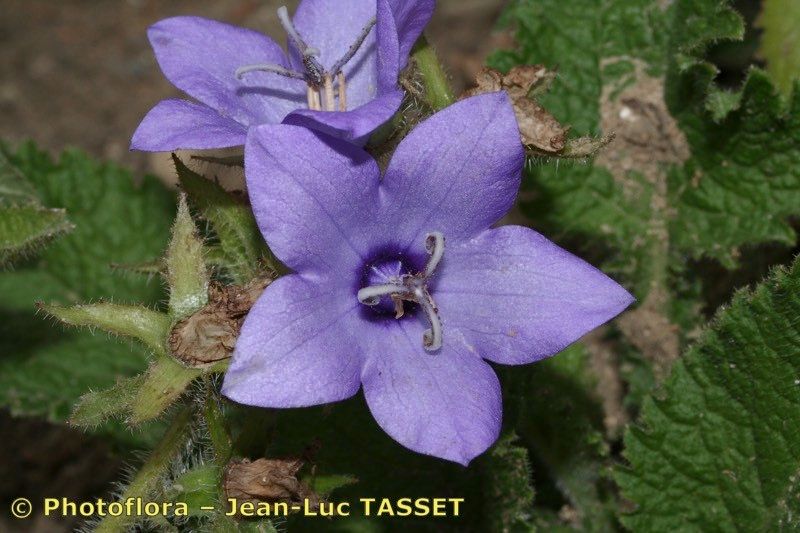
Campanula betulifolia, the birch-leaved bellflower, is a flowering plant in the family Campanulaceae, native to Turkey, where it grows in crevices in volcanic cliffs. The plant was named in 1850 by the German botanist Karl Koch, following plant-collecting expeditions to the Caucasus.A small clump-forming herbaceous perennial growing to 10 cm (3.9 in) tall by 50 cm (20 in) wide, it has dark green birch-like leaves. In late Spring, clusters of narrow pink buds open to white bell-shaped flowers. There is also a pink-flowered form. As it has a cascading habit and requires sharp drainage it is suitable for planting in an elevated position in a rockery or alpine garden.In cultivation in the UK this plant was accorded the Royal Horticultural Society’s Award of Garden Merit in 1993.
Campanula betulifolia has strong disease resistance and is generally not prone to illnesses. That said, it can be vulnerable to pests and diseases present in its environment. These problems are typically not severe. In terms of care, the plant requires moderate maintenance. It needs regular pruning to keep a good appearance and support healthy growth. Fertilizing can also help promote flowering. Campanula betulifolia is well suited to anyone with outdoor space, such as a garden or patio, and does not demand extensive gardening experience. It may need more attention when grown indoors.
How to keep Campanula Betulifolia.
Light
Campanula betulifolia is a perennial herbaceous plant that favors sunny conditions and naturally occurs in open habitats, commonly found in meadows and grasslands. It prefers full sun but can also tolerate partial sun.
Water
Originating from moderate climates, Campanula betulifolia prefers a stable level of moisture without becoming waterlogged, which means it benefits from weekly watering. While it is moderately drought-resistant, this plant thrives best outdoors in well-draining soil. Such conditions support its growth cycles and prevent excess moisture retention.
Fertilizer
Usually one spring application of fertilizer is enough for Campanula betulifolia, though several feedings can maximize its growth. Apply feedings about every month to a month and a half. Fertilizing improves the leaves’ appearance and function, maintaining even color and a healthy texture. It also encourages root development and better nutrient uptake, supporting the plant’s long-term health.
Pruning
Pruning Campanula betulifolia in the spring, from early to late, can significantly improve its health and appearance. Start by removing any dead stems and lightly shaping the plant to maintain its form and promote air circulation. This reduces the risk of disease. Make sure to use clean, sharp tools for precise cuts, which will encourage strong new growth and vibrant blooms.
Pot & Repot
When repotting Campanula betulifolia, select a pot 1–2 inches (2.5–5.1 cm) larger with good drainage. Use a well-draining potting mix. Repot in spring or fall, making sure the root ball sits slightly below the rim of the pot. Water thoroughly after repotting and place it in a warm spot with indirect sunlight.
Botanical profile.
- Plant Type
- Herb
- Life Cycle
- Perennial
- Genus
- Campanula
- Family
- Campanulaceae
- Hardiness Zone
- 3-10
- Mature Height
- 30 cm
- Mature Spread
- 49 cm
- Leaf Color
- Green
- Leaf Type
- Evergreen
- Flower Color
- White, Pink
- Native Area
- Turkey
Reader questions.
What are the sunlight requirements for Campanula betulifolia?
Campanula betulifolia, also known by its botanical name Campanula betulifolia, thrives in areas that meet specific sunlight conditions to ensure its growth and happiness. The plant requires 'Full sun' which is classified as receiving above 6 hours of sunlight daily. Alternatively, it can also flourish under 'Partial sun,' needing about 3-6 hours of sunlight each day. It's important to observe how sunlight moves through your garden throughout the day. Identifying the perfect spot that offers a balance of light and shade can significantly affect the plant's health and flowering. This careful placement ensures the plant receives the adequate amount of light it needs to grow beautifully.