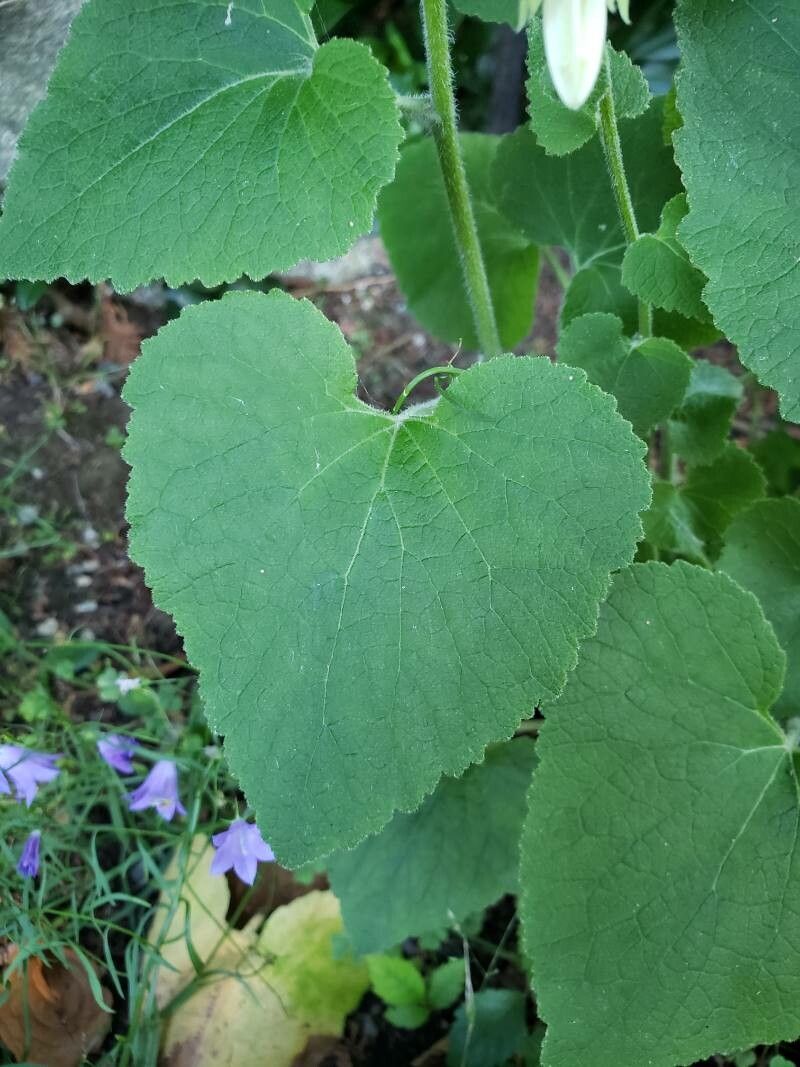
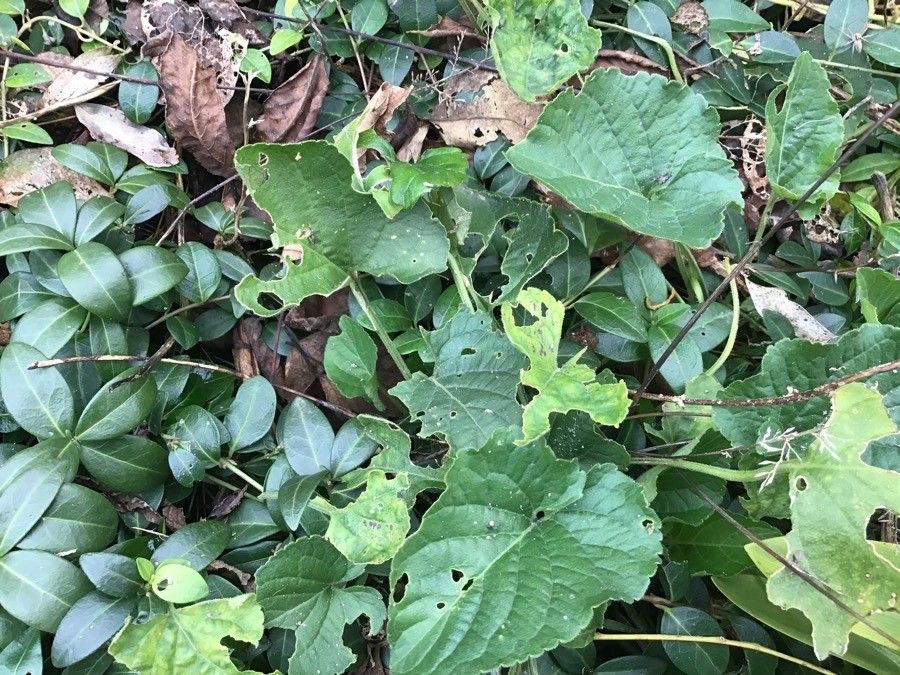
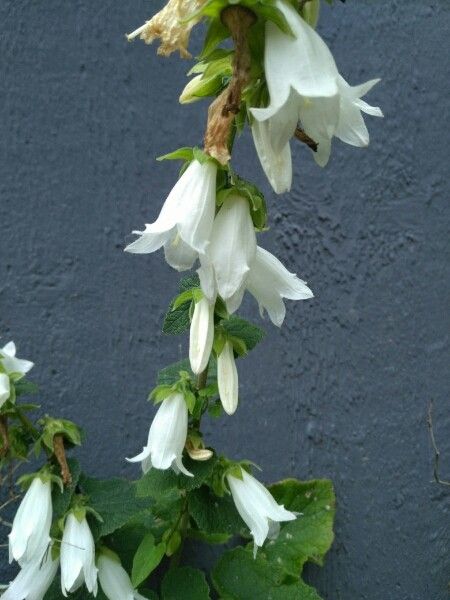
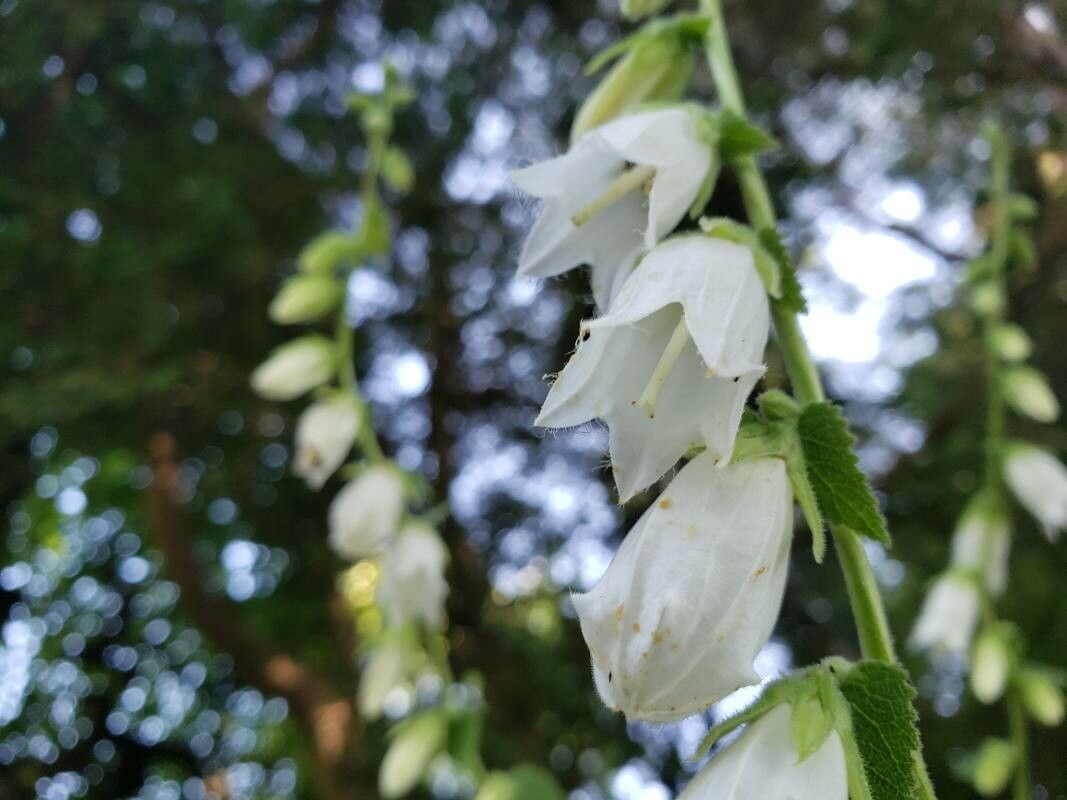
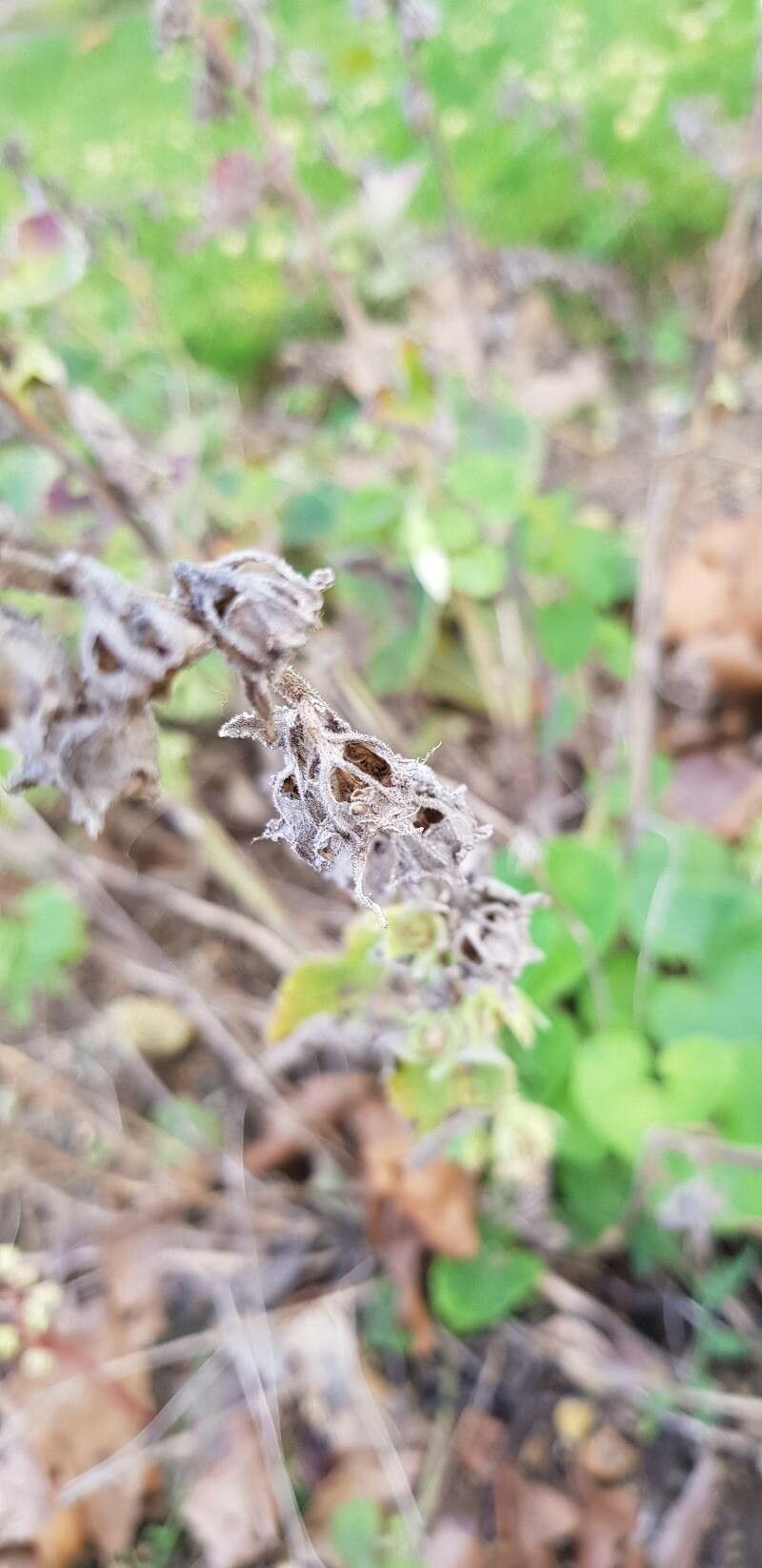
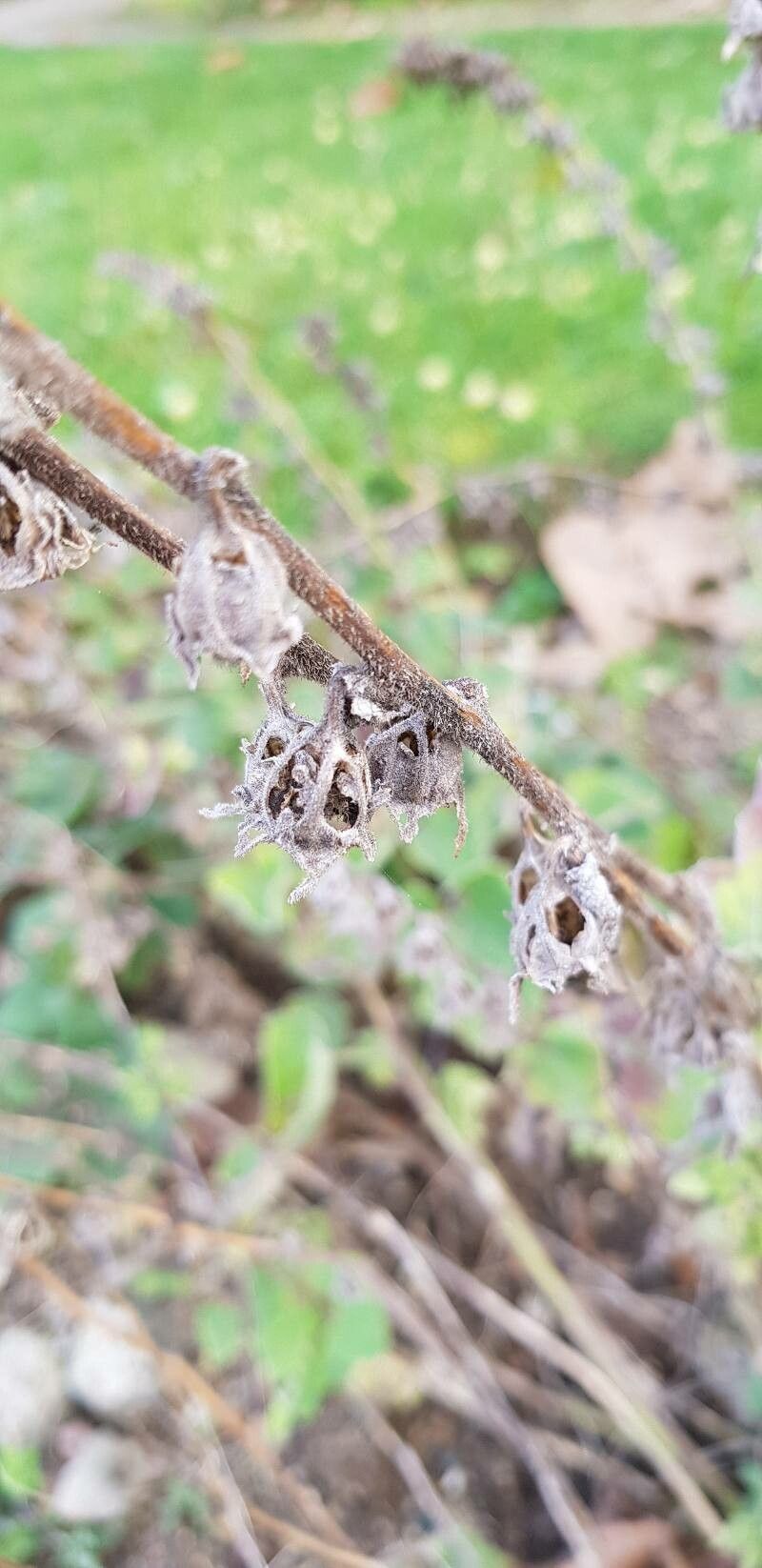
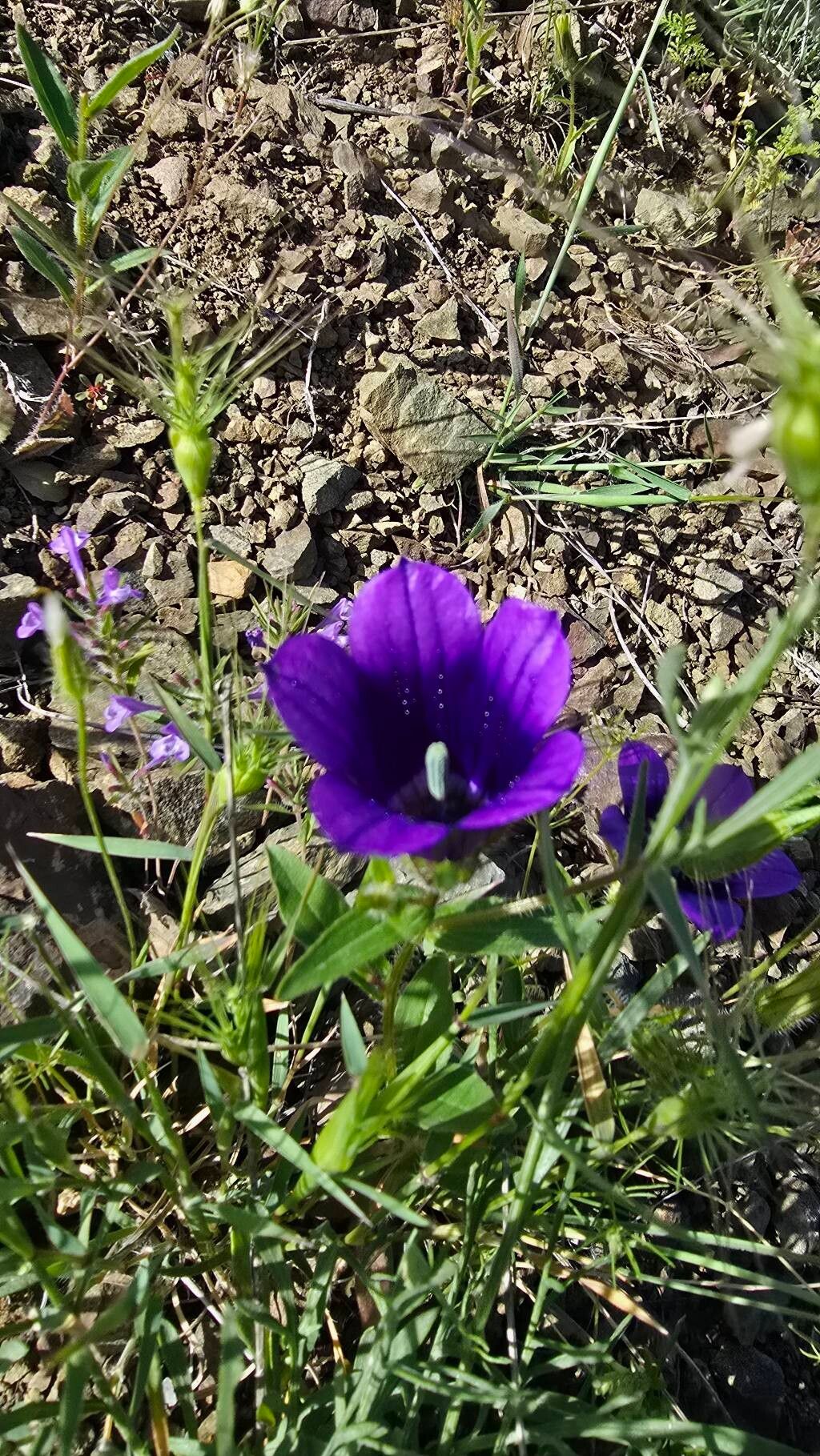
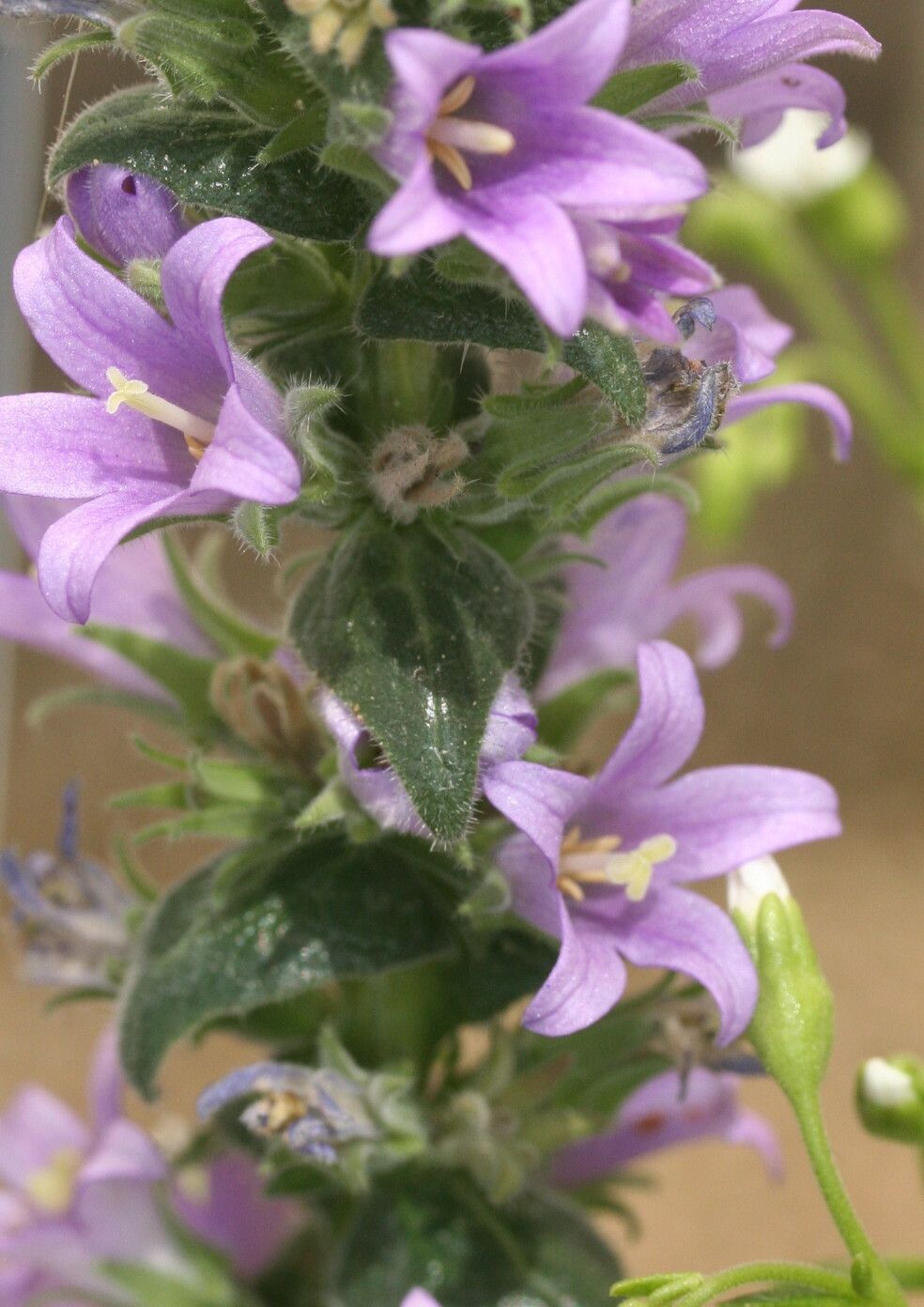
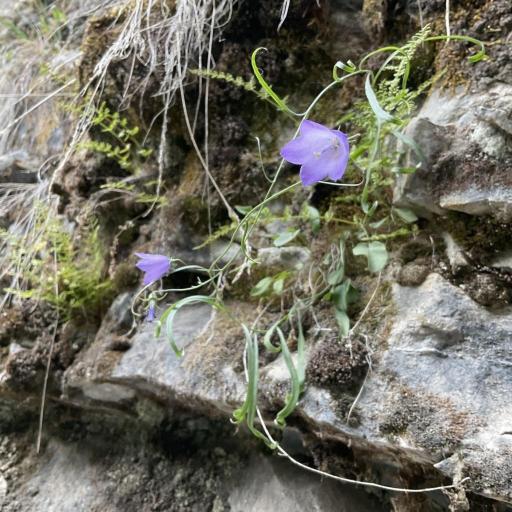
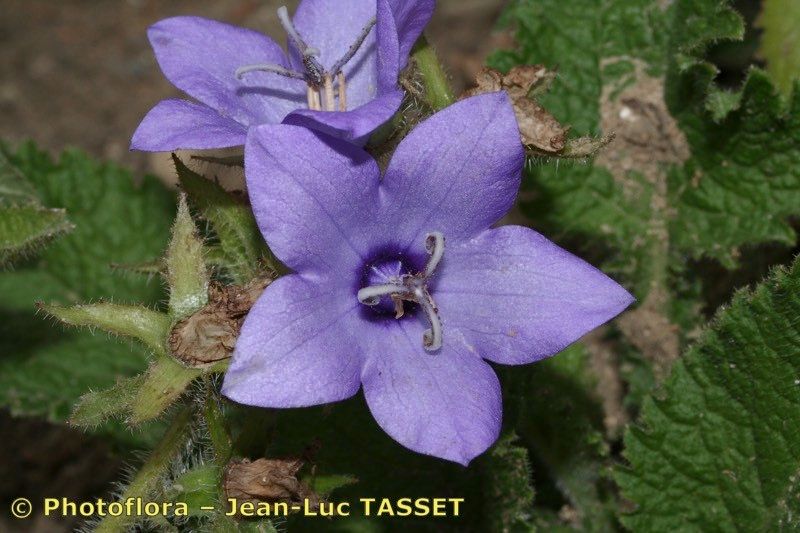
Campanula alliariifolia is a species of flowering plant in the bellflower family Campanulaceae. It is native to the Caucasus and Turkey and it is grown as an ornamental plant. Common names include Cornish bellflower.It is a vigorous, clump-forming perennial with heart-shaped, toothed, gray hairy basal leaves that are 3 inches long. It has tubular-bell shaped white flowers, which are 2 cm. long with pointed petals. Campanula alliariifolia can grow from 12- 24 inches and spreads up to 18 inches. It is in the USDA Hardiness Zones 3-7 and can live in heat zones up to 7.
The Cornish bellflower has strong disease resistance and is generally not prone to illnesses. However, it can be vulnerable to pests and diseases present in its surroundings. These problems are usually mild. In terms of care, this plant needs moderate maintenance. It should be pruned regularly to keep a neat appearance and healthy growth. Fertilizing can also help encourage flowering. The Cornish bellflower is suitable for anyone with an outdoor area, such as a garden or patio, and does not demand extensive care experience. It may need more attention when cultivated indoors.
How to keep Campanula Alliariifolia.
Water
The Cornish bellflower thrives in moist environments with steady humidity, thanks to its adaptation for efficient water absorption. Watering it weekly helps maintain its health, and during the growing season, rainwater improves its natural water intake. This makes it well-suited for outdoor conditions.
Fertilizer
Generally, a single spring application of fertilizer is adequate for Cornish bellflower, although repeated feedings can maximize growth. Feed every month to every month and a half. Fertilization improves the leaves' appearance and function, encouraging even color and a healthy texture. It also promotes root development and nutrient uptake for long-term plant health.
Pruning
The Cornish bellflower, known for its delicate bell-shaped blossoms, benefits from pruning between early and late spring. Important techniques involve removing dead stems and trimming back faded flowers to encourage continuous blooming. Shaping the plant properly improves airflow and reduces the risk of disease, leading to healthier growth and more vibrant blooms.
Botanical profile.
- Plant Type
- Herb
- Life Cycle
- Perennial
- Genus
- Campanula
- Family
- Campanulaceae
- Hardiness Zone
- 3-10
- Mature Height
- 61 cm
- Mature Spread
- 46 cm
- Leaf Type
- Deciduous
Other names.