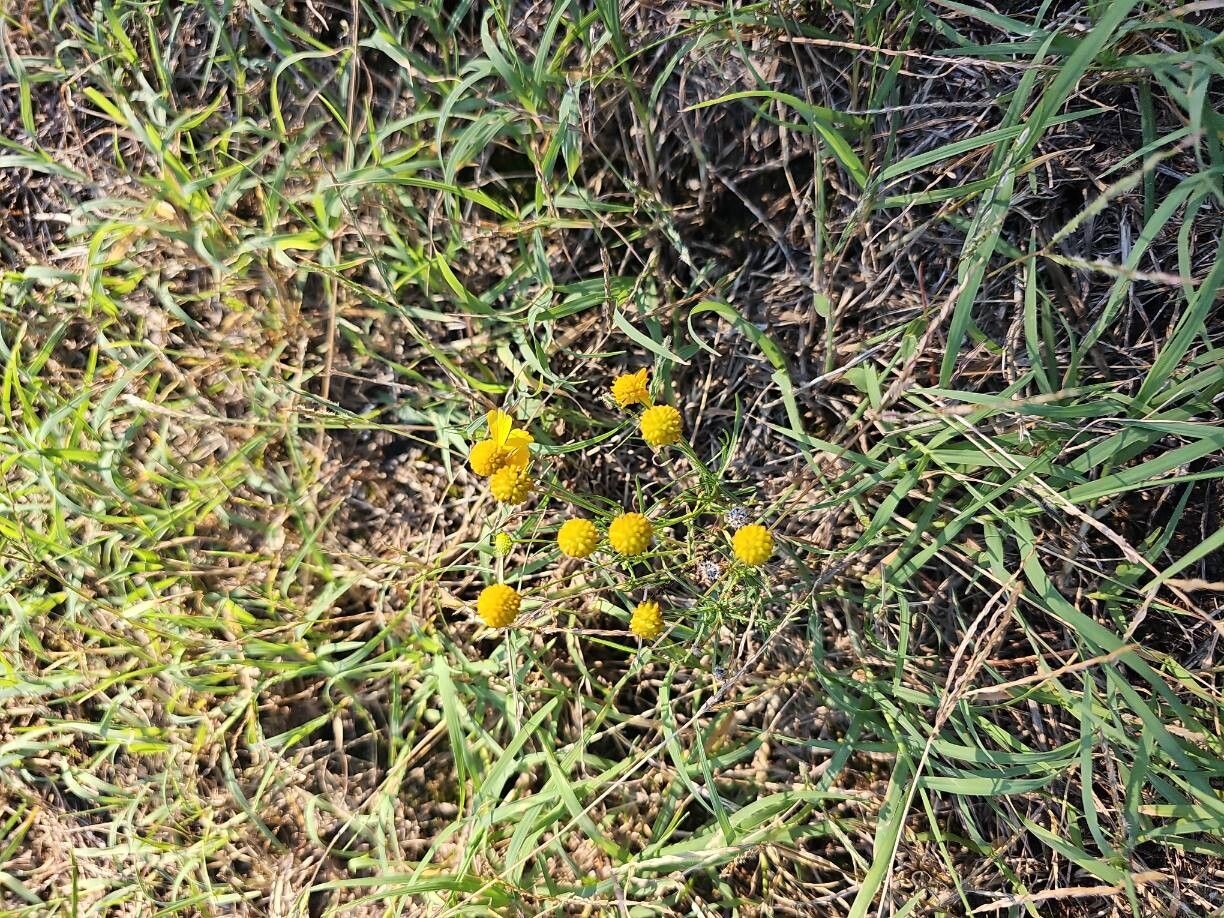
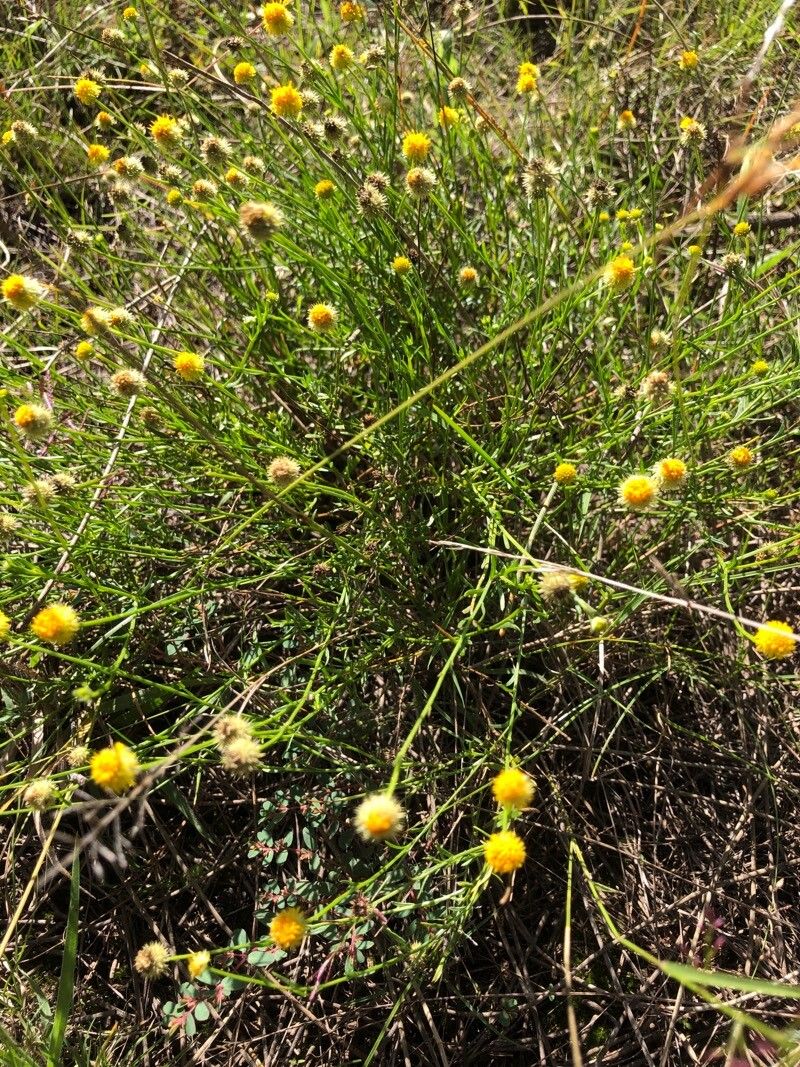
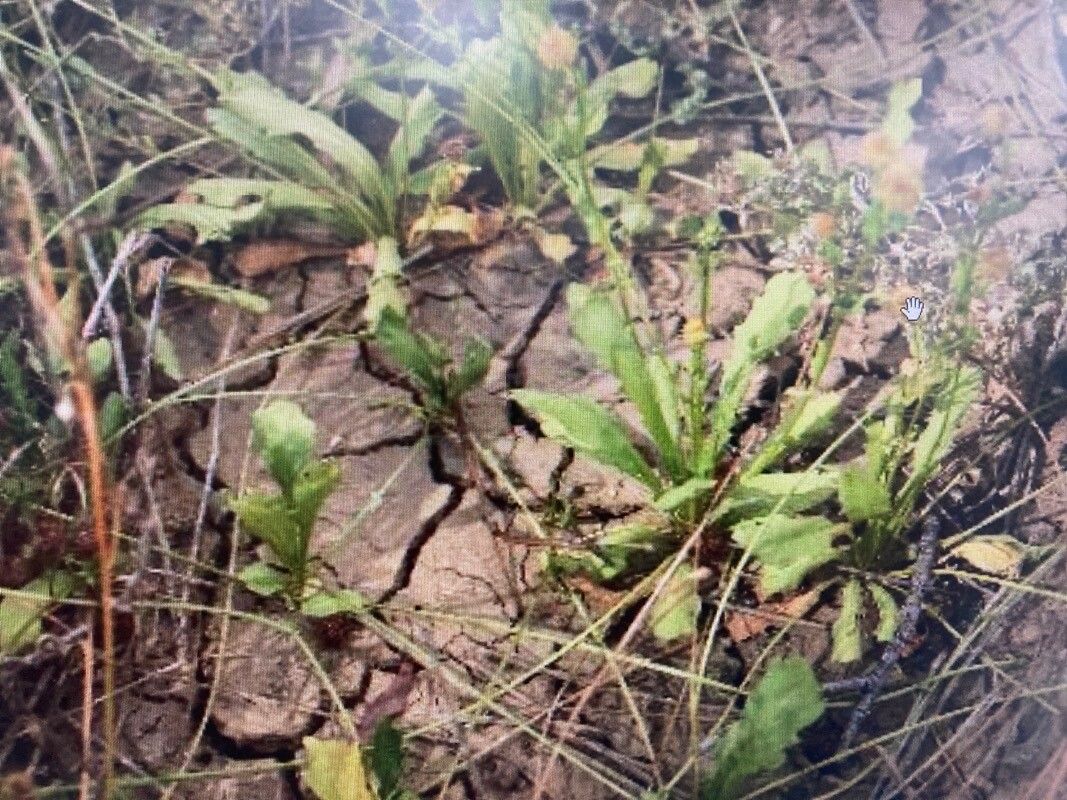
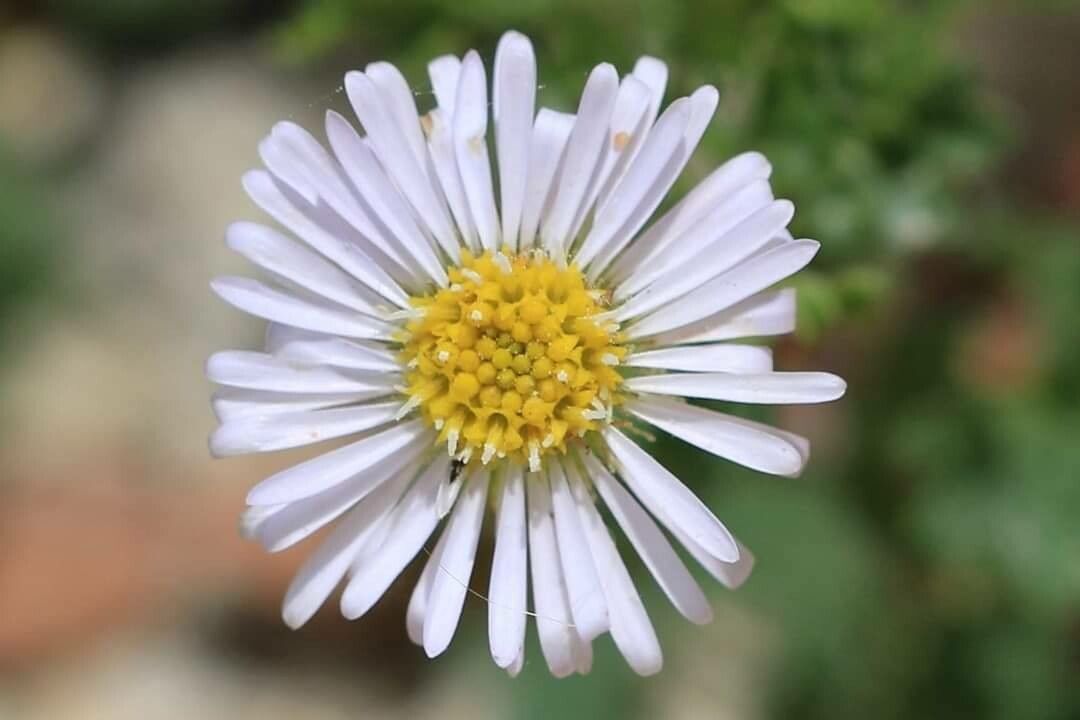
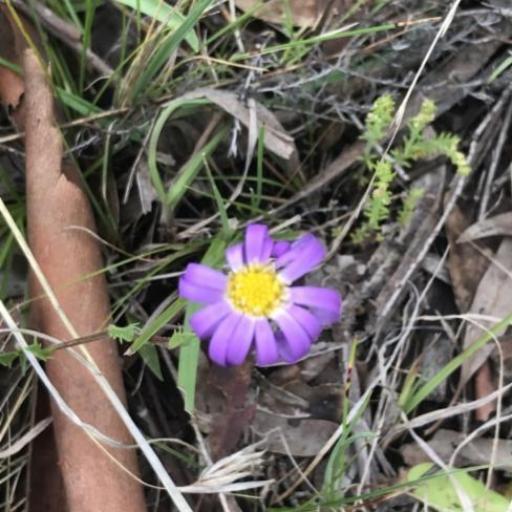
Calotis lappulacea, commonly known as the yellow burr-daisy, is a flowering plant in the family Asteraceae found in many parts of mainland Australia. It is a small, perennial herb with yellow globular flower-heads.
Bur daisy is fairly disease-resistant and generally not prone to illnesses. Still, it can be affected by pests and diseases present in its surroundings. These problems are usually mild. As for care, the plant requires moderate maintenance. It should be pruned regularly to maintain a neat appearance and support healthy growth. Fertilizing can also help encourage flowering. Bur daisy is suitable for anyone with outdoor space, such as a garden or patio, and does not demand extensive gardening experience. It may need more care when grown indoors.
How to keep Calotis Lappulacea.
Light
The Bur daisy hails from bright, open landscapes where it grows best in full sunlight. While it can withstand semi-shaded conditions, full sun is its preference for ideal growth. This plant, which is an annual and biennial, is celebrated for its affinity towards sunlight.
Temperature
The Bur daisy possesses the capacity to adjust to various temperature conditions. However, its dispersion could still be constrained by diverse mixtures of thermal and hydration conditions. It flourishes primarily in temperate climates during the summer months, with sufficient rainfall or hydration. Extended spells of overcast and wet weather, along with prolonged elevated temperatures, can heighten the chances of the Bur daisy perishing. During winter, appropriate safeguards against the cold can enhance the plant's probability of surviving.
Fertilizer
Bur daisy does well with regular, dilute applications of fertilizer to encourage healthy leaf development. You should feed Bur daisy about once a month during the summer months. Nitrogen is important for foliage, and adding nitrogen-rich sources helps Bur daisy thrive.
Botanical profile.
- Plant Type
- Herb
- Life Cycle
- Annual
- Genus
- Calotis
- Family
- Asteraceae
- Hardiness Zone
- 8-11
- Mature Height
- 30 cm to 61 cm
- Mature Spread
- 30 cm to 49 cm
- Leaf Color
- Green
- Leaf Type
- Evergreen
- Flower Color
- Purple, Violet
- Flower Size
- 1.02 cm to 1.52 cm
- Bloom Time
- Late summer, Early fall, Mid fall
- Planting Time
- Spring, Summer
- Harvest Time
- Mid fall, Late fall, Early winter
Other names.