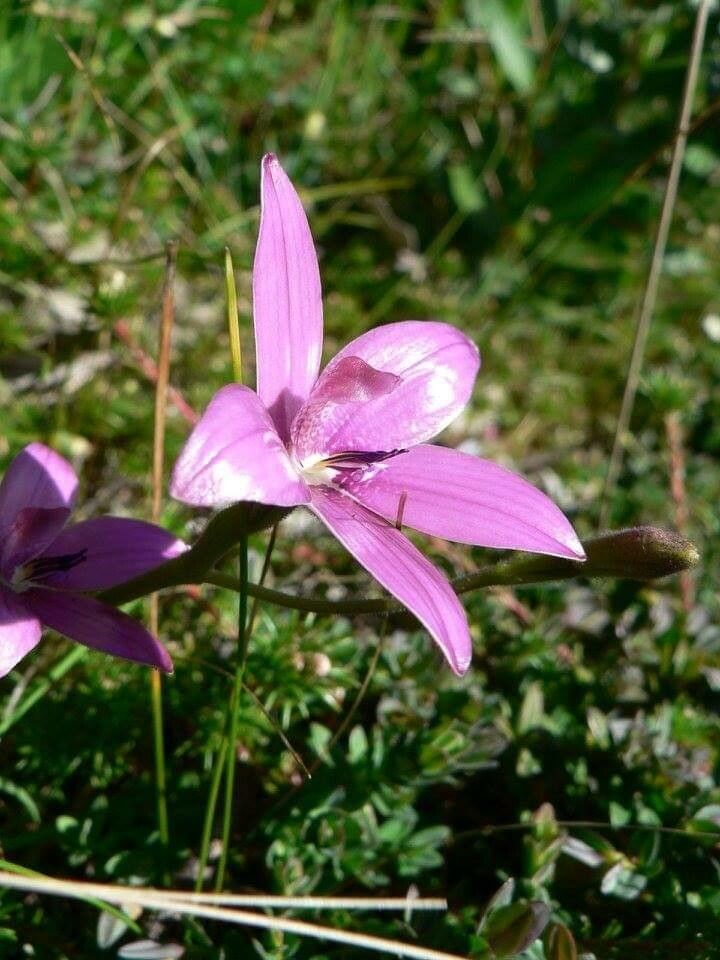
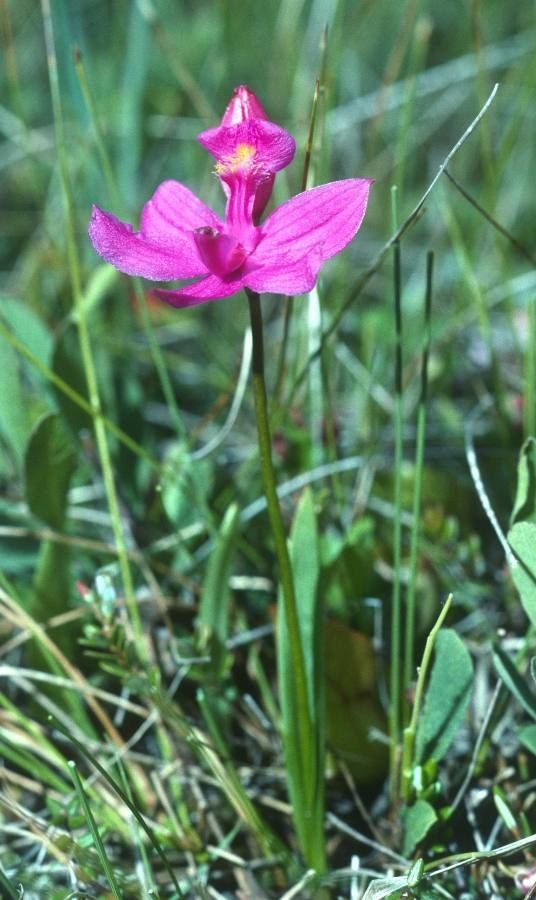
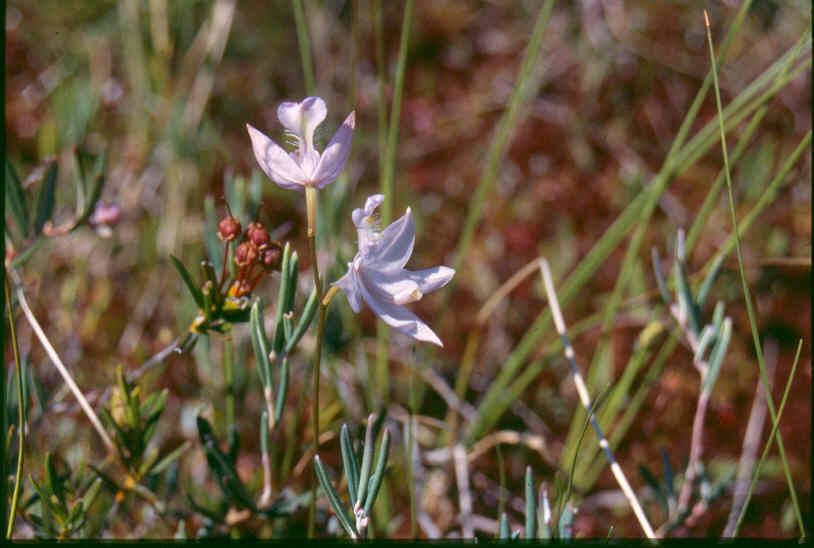
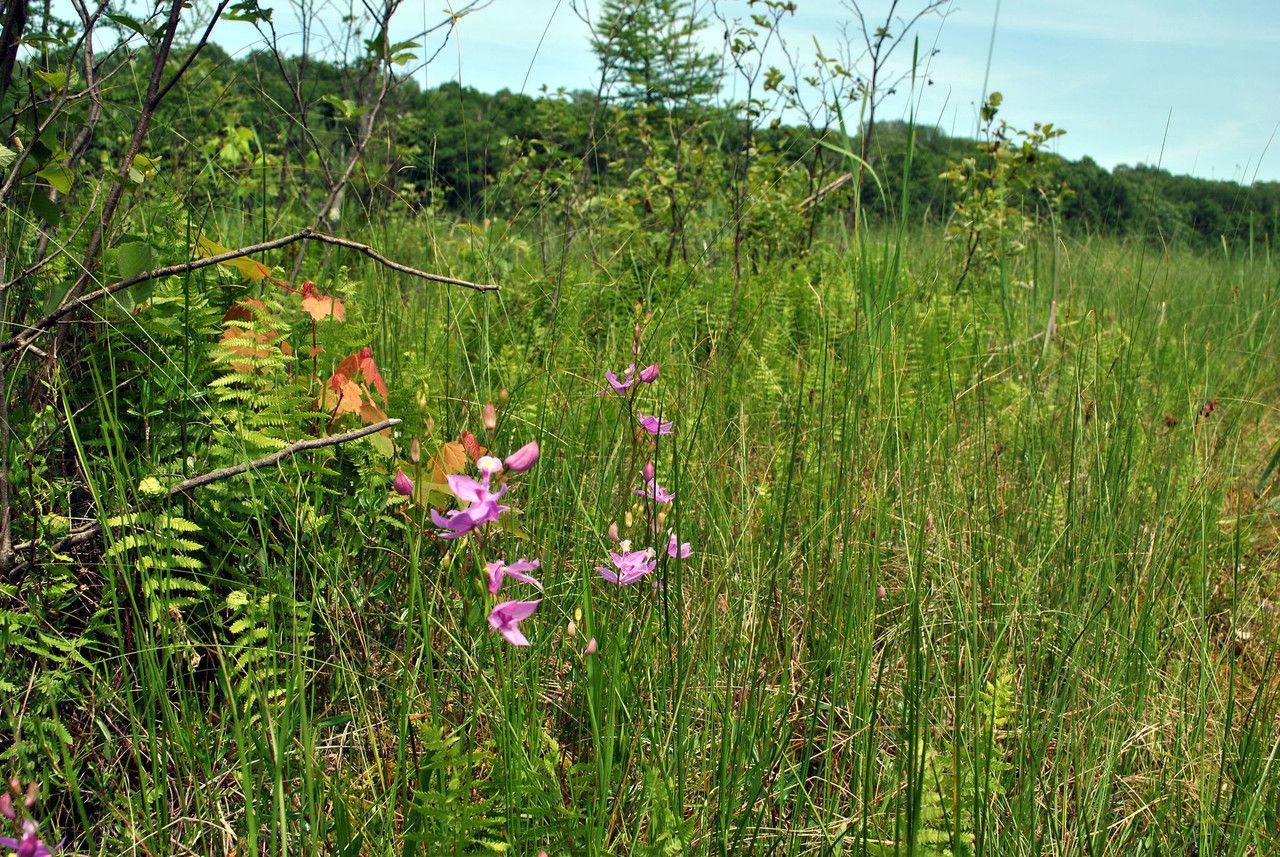
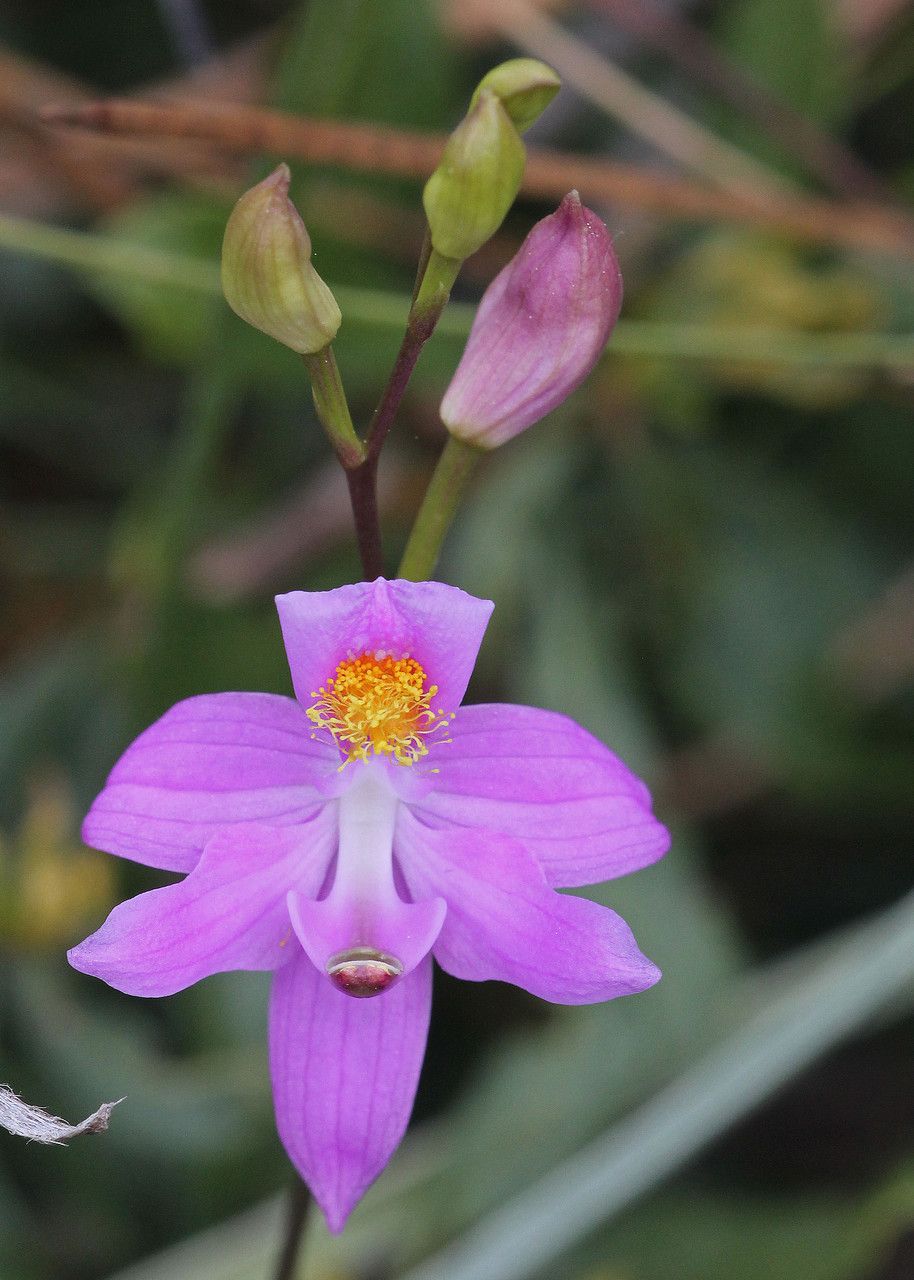
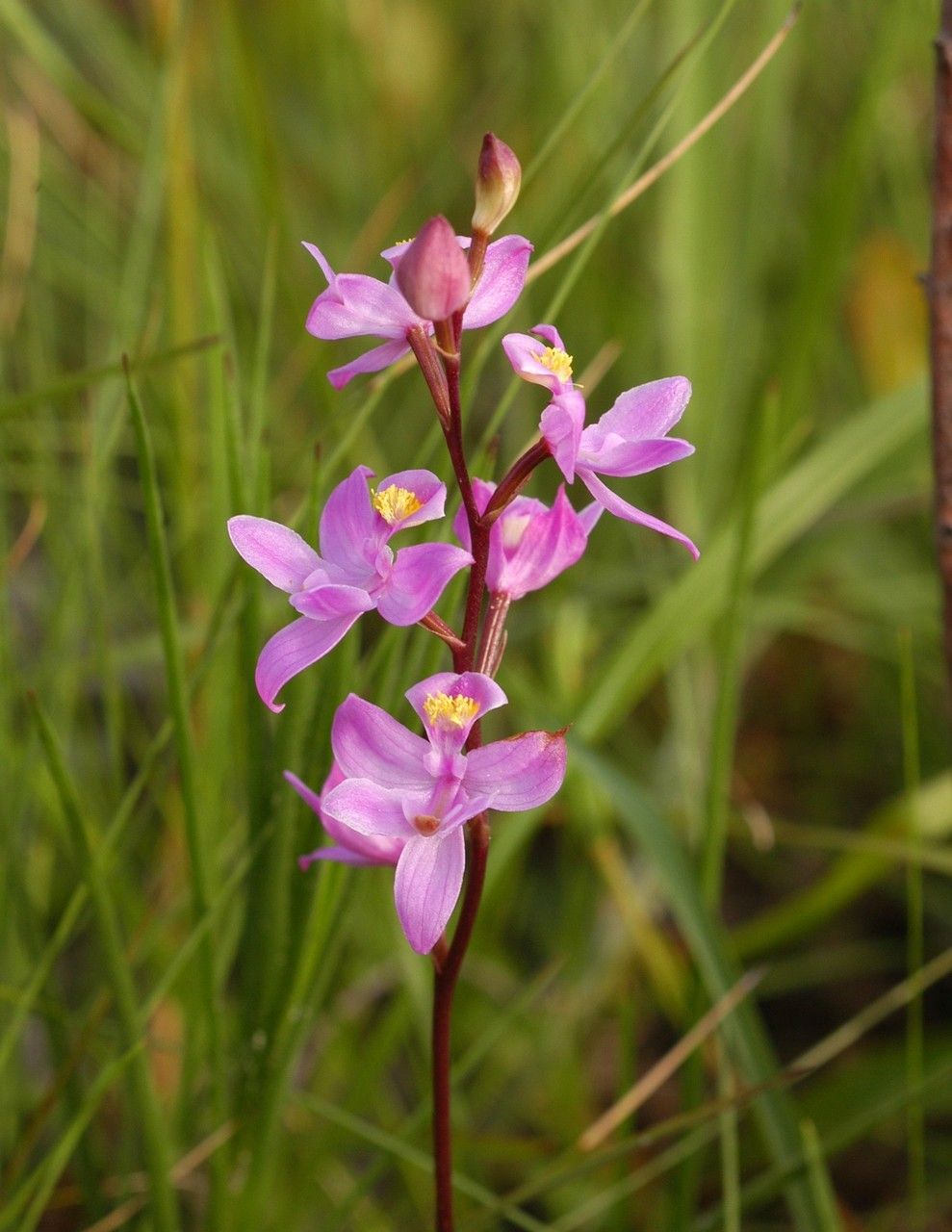
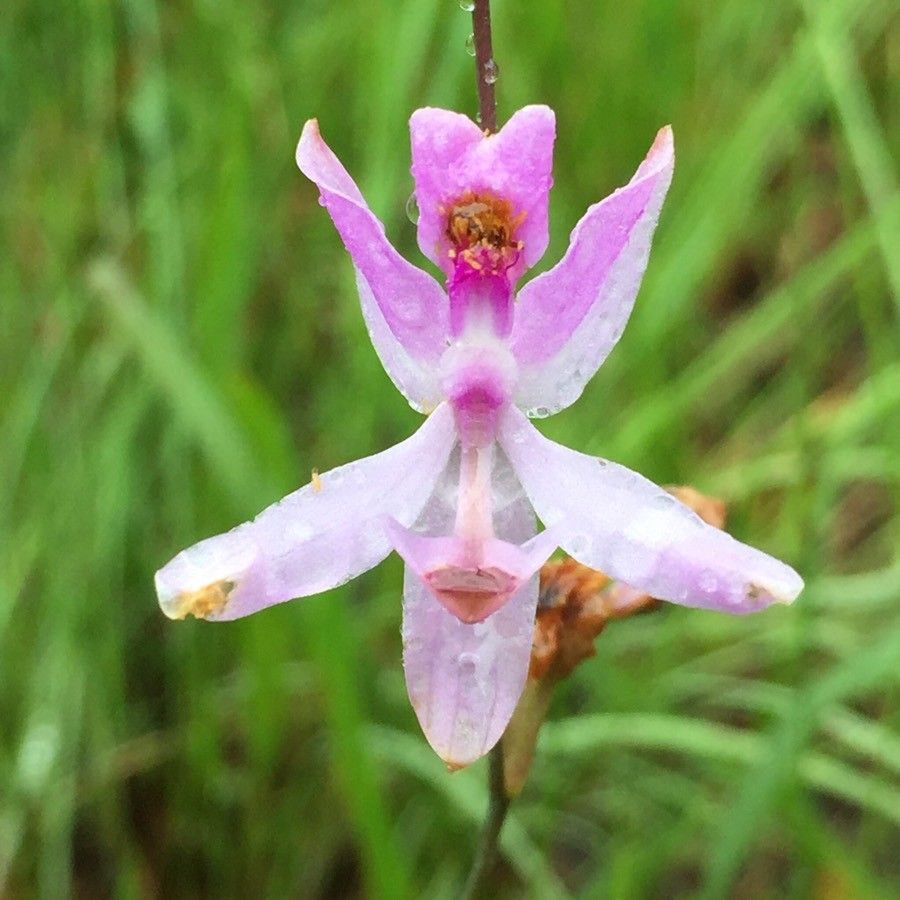
Calopogon tuberosus, the tuberous grass pink, is an orchid native to eastern North America.
Tuberous grasspink is generally resistant to disease and has relatively few insect pests. Its care is considered difficult because it needs high humidity along with good ventilation and an environment with few harmful pathogens. Too much watering can cause root rot. While anyone can grow Tuberous grasspink, keeping it healthy and getting it to bloom again requires more growing experience.
How to keep Calopogon Tuberosus.
Light
The tuberous grasspink, tuberous grasspink, flourishes most effectively when it is exposed to plentiful light. Originating from habitats known for strong sunlight, the tuberous grasspink takes up more nutrients under those lighting conditions. During its different stages of growth, light is a key factor in its wellbeing. Exposure to too much or too little light can be harmful, causing wilting or, respectively, stunted growth.
Water
The tuberous grasspink flourishes in moist conditions, needing regular weekly watering to prevent waterlogging. As an herbaceous perennial, it benefits from natural rainwater during its active growing season, which coincides with local climate and rainfall patterns.
Temperature
Tuberous grasspink is a plant that naturally grows in temperatures ranging from 32 to 95 °F (0 to 35 ℃). It's important to modify its environment with seasonal changes, especially during very cold or very hot conditions.
Fertilizer
For Tuberous grasspink, the primary time to fertilize is in early spring when the flowers are forming. The right fertilizer promotes stronger blooms and helps Tuberous grasspink produce attractive flowers. Fertilizing in early spring ensures excellent flowers during the season and supplies energy for dormant growth phases.
Pruning
The Tuberous Grasspink is known for its striking purple flowers and thrives in wet, acidic conditions. To encourage new growth, prune the plant between early and late spring. Carefully trim any dead foliage, and remove the spent flower stems once blooming has finished. This gentle maintenance helps enhance the plant's vigor and improves the quality of its blooms, resulting in robust and healthy plants.
Pot & Repot
When repotting Tuberous grasspink, select a marginally larger pot with good drainage, ideally a clear orchid pot. Use a well-draining, orchid-specific mix that includes bark or moss. Carefully clean the roots and remove any that are dead or rotting. Repot after flowering, typically in spring or fall, water well, and place in bright, indirect light. Once repotted, avoid disturbing the roots.
Botanical profile.
- Plant Type
- Herb
- Life Cycle
- Perennial
- Genus
- Calopogon
- Family
- Orchidaceae
- Hardiness Zone
- 3-9
- Mature Height
- 20 cm to 55 cm
- Mature Spread
- 30 cm to 61 cm
- Leaf Color
- Green
- Leaf Type
- Deciduous
- Flower Color
- White, Pink, Purple, Red
- Flower Size
- 2.54 cm to 5.08 cm
- Bloom Time
- Late spring, Early summer
- Planting Time
- Spring, Summer, Autumn
- Harvest Time
- Mid summer, Late summer
- Native Area
- Bahamas, Cuba
Other names.
Reader questions.
How should I water my Tuberous grasspink plant?
The way you water the Tuberous grasspink depends on whether it's actively growing or not. During active growth, water the soil and occasionally water from above if it's warm. In winter or cool/wet weather, only water the soil. Signs that your plant needs more water include thin/dry roots and leaves or discoloration. Over-watered Tuberous grasspink will look mushy and limp. Use a pot with good drainage and water it multiple times a week during the growing season. The size of the pot determines how often to water it. Rainwater or distilled water that matches the air temperature is best for this plant.
Why should I put fertilizer on my Tuberous grasspink plant?
The Tuberous grasspink relies on its leaves for structure and function. Fertilization is key to keeping these leaves looking great and functioning properly. By fertilizing correctly, you can ensure that the leaves maintain consistent color and a healthy texture. Fertilization also has benefits below the soil's surface, aiding in the growth of new roots and the maintenance of existing ones. This not only keeps the plant healthy in the present, but also improves its ability to absorb nutrients from the soil in the future.
What are the sunlight requirements for Tuberous Grasspink?
Tuberous Grasspink requires above 6 hours of sunlight to thrive optimally. It's crucial to observe the movement of sunlight through your garden and choose spots that offer a perfect balance of light and shade, ensuring the plants' happiness. Originating from environments with abundant solar illumination, Tuberous Grasspink assimilates more nutrients under such conditions, playing a central role in its growth and prosperity. Both excessive and scarce light exposure can lead to issues such as wilting or stunted growth.
What temperature conditions are essential for the growth of Tuberous grasspink?
Tuberous grasspink thrives in temperature ranges from 32 to 95 °F (0 to 35 °C). It's important to adjust its environment with the seasonal changes to protect it from extreme cold and hot conditions. The plant has strong cold resistance, so special frost protection measures are usually not necessary. However, for temperatures expected to drop below -35°C, providing cold protection by covering the plant with materials like soil or straw is recommended. Additionally, watering the plant abundantly before the first freeze in autumn helps keep the soil moist and prevents drought during winter and early spring.
What should I do if I give my Tuberous grasspink too much or too little water?
To keep your Tuberous grasspink plant healthy, it's important to find the right balance when it comes to watering. While the plant needs regular watering during its active growth phase, it also requires well-draining soil. Overwatering can lead to root rot, so if you notice mushy roots, carefully remove them with sterile pruning shears. Afterward, make sure to repot the plant in a container with good drainage and fill it with a fast-draining potting mix. However, Tuberous grasspink doesn't respond well to excessive repotting, so it's important to water correctly. If you notice the plant starting to shrivel and become dry, it may be underwatered. In this case, increase your watering frequency.
When should I fertilize my Tuberous grasspink plant?
If you grow your Tuberous grasspink outdoors, it will send out new growth in early spring. This is when you should start fertilizing it for the year. Typically, one application of fertilizer in the spring is enough. However, if you want to maximize its growth, you can fertilize it multiple times during the spring and early summer. In this case, you can feed it every month to a month and a half.
How can artificial lighting benefit indoor Tuberous Grasspink plants?
Artificial lighting is essential for Tuberous Grasspink's optimal growth indoors, especially when natural sunlight is insufficient, like in winter or less sunny spaces. Choosing the right type of artificial light, such as LED lights, which can be customized to provide specific wavelengths needed by your plants, is crucial. Full sun plants require 30-50W/sq ft of artificial light, partial sun plants need 20-30W/sq ft, and full shade plants need 10-20W/sq ft. The light source should be placed 12-36 inches above the plant, mimicking natural sunlight, while the duration should replicate the length of natural daylight hours, with most plants needing 8-12 hours of light per day.
How does Tuberous grasspink react to low temperatures, and what measures should be taken?
Tuberous grasspink is cold-tolerant and grows best when temperatures are above 0°C. During winter, it should be kept above -30°C to prevent damage. If temperatures fall below -35°C, there might not be noticeable changes during winter but a decrease in sprouting or no sprouting at all might occur during spring. In spring, it's advisable to remove any parts of the plant that have failed to sprout as a precautionary measure against these low-temperature effects.
How frequently do I need to water my Tuberous grasspink?
To keep your Tuberous grasspink healthy, here's how you should water it throughout the year. During the active growth stage in spring and summer, water it about once or twice per week. If it's especially hot and dry, increase the frequency to three times per week or more. In winter, you'll still need to water the grasspink, but not as much. Aim for two to three times per month to keep it alive during the colder months. However, if you keep the grasspink indoors during winter, be aware that indoor locations can cause the soil to dry out faster. So, you might need to water it more frequently. Use fall as an opportunity to gradually reduce watering from the summer schedule to the lower winter watering schedule.
When is the best time to not fertilize my Tuberous grasspink?
During the late fall and winter, your Tuberous grasspink goes into a dormant phase where it stops growing. It's important not to fertilize it during this time. In the spring and summer, if you decide to fertilize, gradually decrease the amount as summer approaches, since your grasspink's growth rate will also slow down. It's never a good idea to fertilize your grasspink during extremely hot weather or when the soil is very dry, as this can stress the plant and cause it to die sooner than expected.
What are the common symptoms of inadequate lighting for Tuberous Grasspink?
Tuberous Grasspink may exhibit several symptoms when exposed to inadequate lighting, including smaller new leaves, leggy or sparse growth, faster leaf drop, slower or no new growth, and lighter-colored new leaves. Other symptoms include chlorosis (leaves turning yellow due to the breakdown of chlorophyll), sunscald (damage from intense sunlight exposure), leaf curling (a defense mechanism against overexposure), wilting (loss of turgor pressure), and leaf scorching (brown, dry edges on leaves due to excessive sunlight). These signs indicate a need for adjusting the plant's light exposure.
What are the effects of high temperatures on Tuberous grasspink and how can they be mitigated?
During the summer, it is crucial to ensure that Tuberous grasspink does not get exposed to temperatures above 35°C. Exposure to temperatures exceeding 38°C could result in the leaves becoming lighter, curling, prone to sunburn, and in severe cases, the entire plant wilting and drying out. To mitigate these effects, sunburned and dried parts should be trimmed away. The plant should be moved to a location with shade during the midday and afternoon sun or covered with a shade cloth. Additionally, watering the plant in the morning and evening helps keep the soil moist and reduces the risk of high temperature damage.