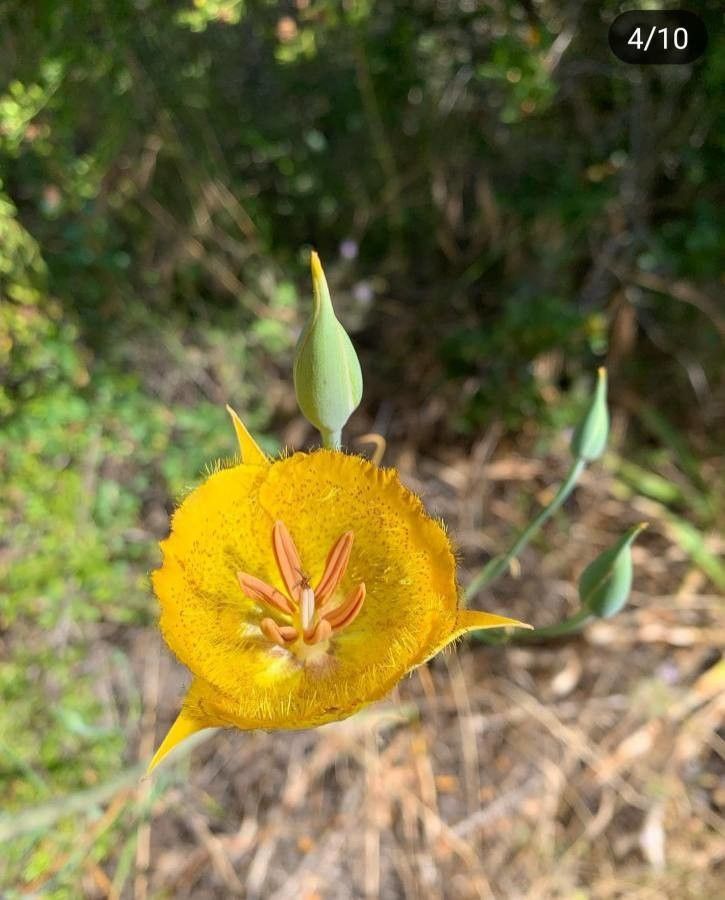
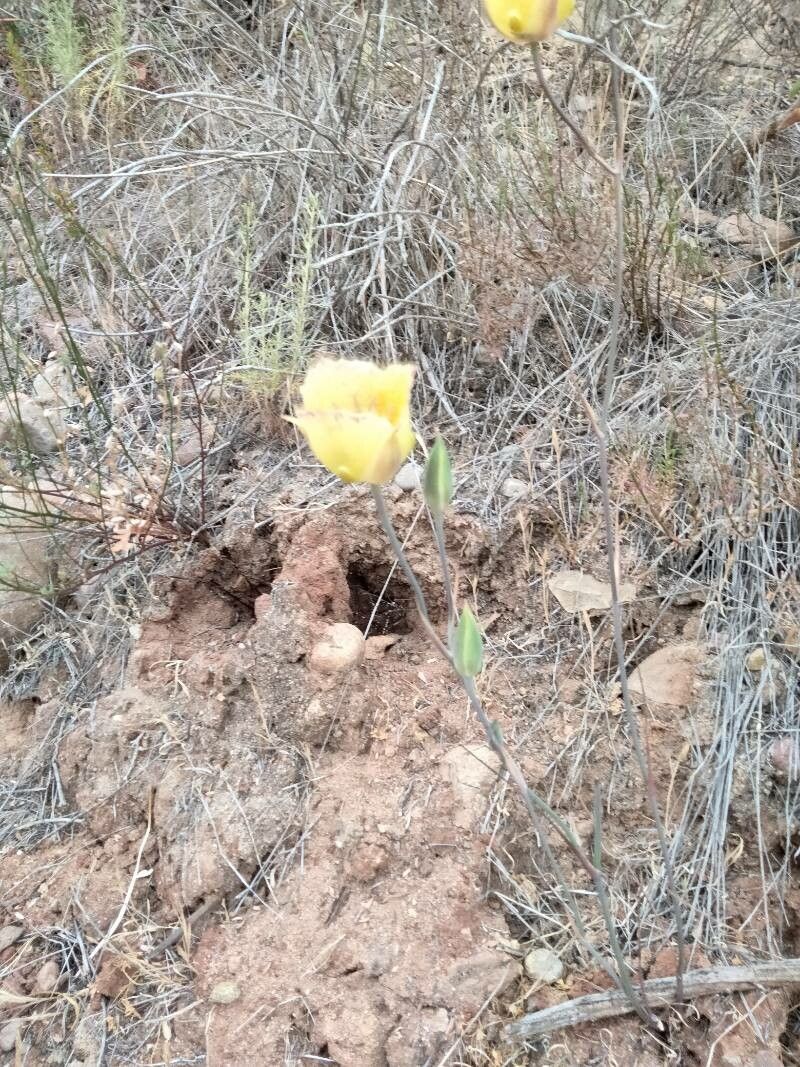
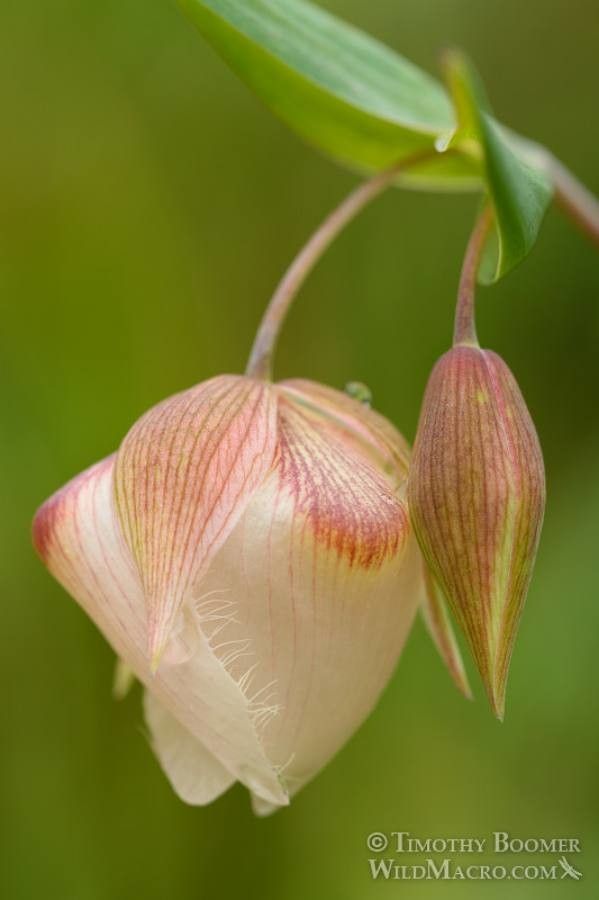
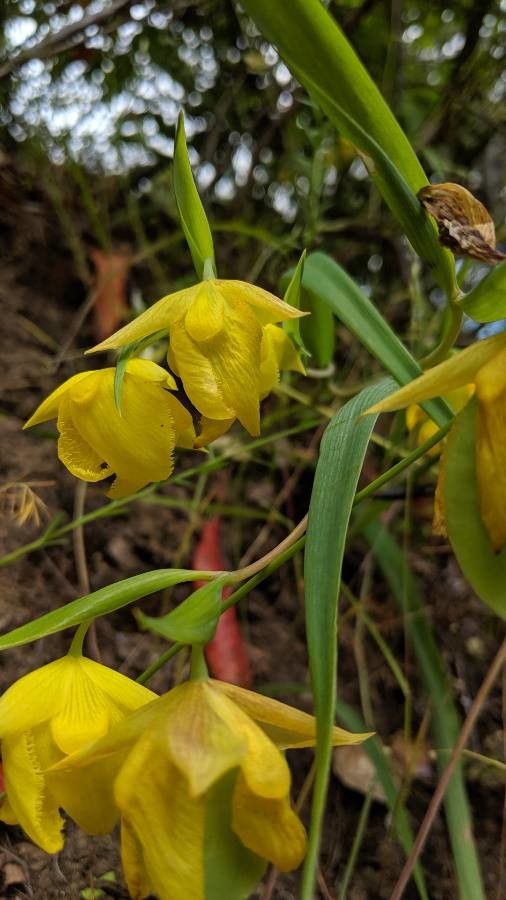
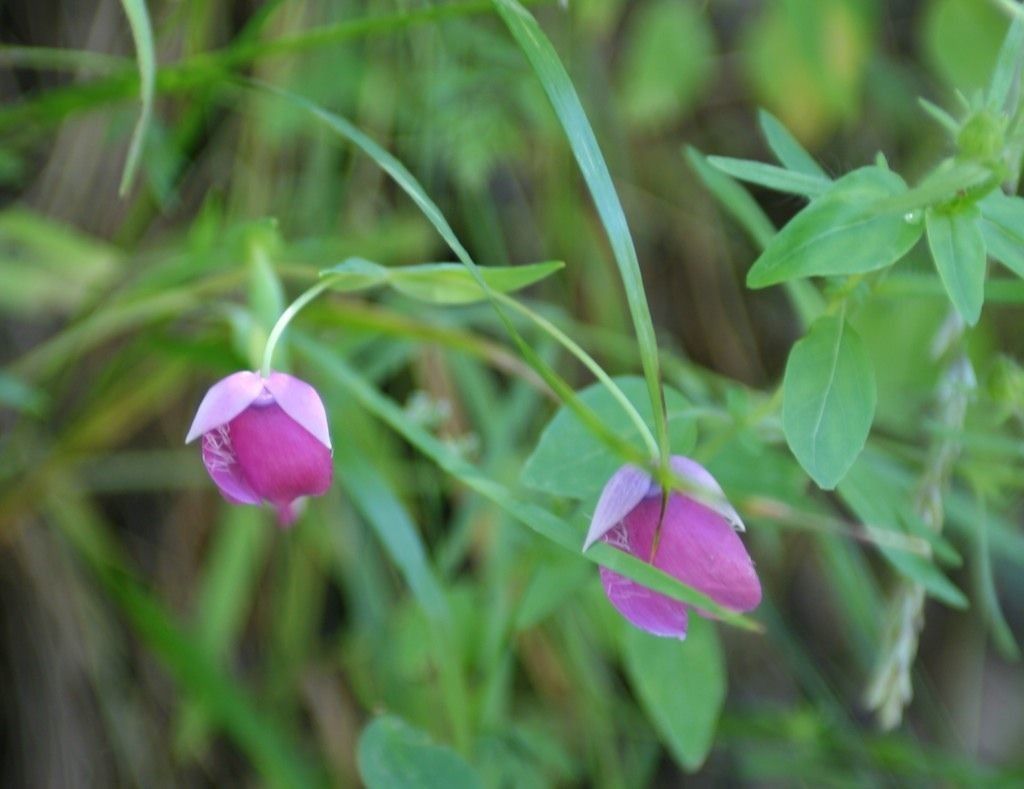
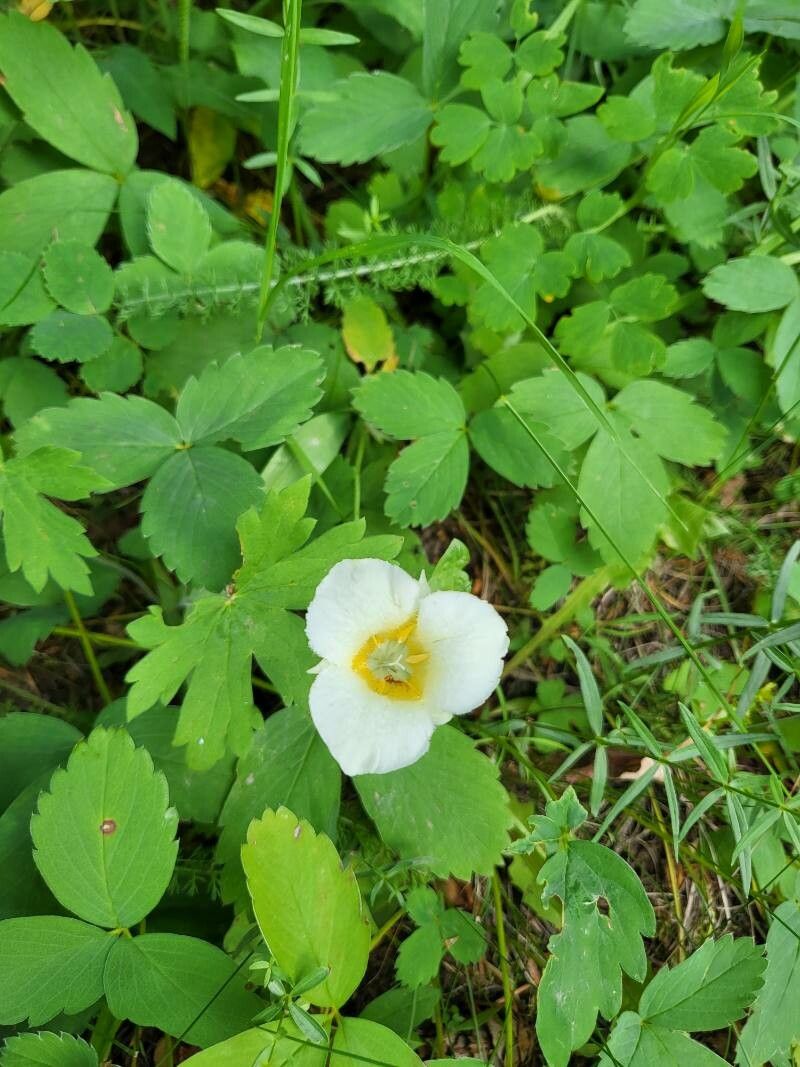
Calochortus weedii is a North American species of flowering plants in the lily family known by the common name Weed's mariposa lily.It is native to the Outer Southern California Coast Ranges and the Transverse Ranges in Southern California, and the Peninsular Ranges in Southern California and Baja California. It is a member of the chaparral flora. Most of the California locales occur between Santa Barbara County and San Diego County, but there is a report of an isolated population along Salmon Creek in southern Monterey County.
Weed's mariposa lily has strong disease resistance and is typically not vulnerable to illnesses. Still, it can be affected by pests and diseases present in its environment. Such infections are generally mild. Regarding care, this plant needs moderate attention. Regular pruning is necessary to preserve an attractive appearance and support healthy growth. Applying fertilizer can also encourage blooming. Weed's mariposa lily is appropriate for anyone with outdoor areas like a garden or patio and does not demand extensive gardening experience. It may need extra attention when cultivated indoors.
How to keep Calochortus Weedii.
Light
Weed's mariposa lily does best in full sun, which encourages healthy growth, particularly during its crucial growth stages. Its native habitat had abundant sunlight, though it can tolerate less-than-full sun. Too much shade can slow its development and produce health problems, while too much direct exposure can scorch the leaves.
Water
Weed's mariposa lily is well-suited for arid environments due to its strong drought tolerance and low water requirements. To prevent soil saturation, it should be watered only once a week. This lily thrives in full sun and well-draining soil, making it perfect for xeriscaping or rock gardens that prioritize water conservation.
Temperature
Weed's mariposa lily is native to habitats with temperatures ranging from 59 to 100.4 °F (15 to 38 ℃). It prefers these temperate conditions. Depending on seasonal fluctuations, temperature control may be necessary to replicate its natural environment.
Fertilizer
The primary time to fertilize Weed's mariposa lily is in early spring when the flowers are developing. The proper fertilizer promotes stronger blooms and helps Weed's mariposa lily produce attractive flowers. Fertilizing in early spring ensures excellent flowers during the season and supplies energy for dormant growth phases.
Pruning
The mariposa lily, also known as Weed's mariposa lily, boasts striking flowers and a bulbous structure. It requires minimal pruning, mostly in early to late spring. By removing dead foliage, you can encourage blooms and enhance the plant's vigor. Be careful not to prune too heavily, as this can promote flowering and improve air circulation, which helps reduce the risks of diseases and pests.
Botanical profile.
- Plant Type
- Herb
- Life Cycle
- Perennial
- Genus
- Calochortus
- Family
- Liliaceae
- Hardiness Zone
- 8-11
- Mature Height
- 30 cm to 91 cm
- Mature Spread
- 15 cm
- Leaf Color
- Green
- Leaf Type
- Deciduous
- Flower Color
- Lavender, Yellow, Brown
- Flower Size
- 3.81 cm to 5.08 cm
- Bloom Time
- Late spring, Early summer, Mid summer
- Planting Time
- Spring, Summer
- Harvest Time
- Late summer, Early fall, Mid fall
- Native Area
- Mexico
Other names.
Reader questions.
How should I water my Weed's mariposa lily?
To properly water the Weed's mariposa lily, use filtered water that is at room temperature or slightly warmer. Tap water may contain harmful particles, so filtered water is preferred. The plant is accustomed to a warm environment, so it's important to avoid using cold water, which can shock its system. Additionally, overhead watering should be avoided as it can cause issues with the foliage. Instead, gently pour the filtered room temperature water onto the soil until it is completely saturated. This helps moisten the roots and allows them to spread and absorb the necessary nutrients from the soil.
What are the sunlight requirements for Weed's mariposa lily?
Weed's mariposa lily thrives under full sun exposure for optimal growth, typically above 6 hours of direct sunlight daily. However, it can also tolerate partial sun, which amounts to about 3-6 hours of sunlight. Originating in habitats with significant sun exposure, the plant is somewhat adaptable but may suffer from excessive shading or overly intense sun. Inadequate sunlight can lead to health issues and hinder development, while too much can cause leaf scorching. To ensure your mariposa lily's happiness and health, it's crucial to find the right balance of light and shade in your garden.
What is the ideal temperature range for Weed's mariposa lily?
Weed's mariposa lily thrives in temperature conditions ranging from 59 to 100.4 °F (15 to 38 °C). It has a strong preference for these temperate environments, which mimic its natural habitat. It's important to moderate temperature conditions based on seasonal variations to ensure the plant continues to grow healthily.
What should I do if I give too much or too little water to my Weed's mariposa lily plant?
Taking care of your Weed's mariposa lily requires attention to watering. Both overwatering and underwatering can harm your plant, but overwatering is more common. If your mariposa lily gets too much water, its stems and leaves may wilt and turn yellow. Overwatering for a long time can also cause diseases like root rot, mold, and mildew, which can kill the plant. Underwatering is less likely but still possible. If your mariposa lily is underwatered, its leaves will become brittle and brown. It's important to recognize the signs of overwatering early on. Some diseases caused by overwatering, like root rot, cannot be fixed if you wait too long. If you notice early signs of overwatering, reduce your watering schedule right away. Check the soil quality as well. If it drains poorly, replace it with loose, well-draining potting mix. On the other hand, if your mariposa lily appears to be receiving too little water, increase your watering frequency until the signs improve.
What are the essential care tips for growing Weed's mariposa lily indoors?
For indoor cultivation, adequate lighting is crucial for Weed's mariposa lily. When natural sunlight is insufficient, especially in locations that get less sun exposure or during winter months, artificial lighting can provide a viable solution. LED lights are recommended due to their ability to offer specific wavelengths needed for plant growth. Depending on the plant's natural sunlight requirements - full sun plants need 30-50W per square foot, partial sun plants require 20-30W per square foot, and full shade plants need 10-20W per square foot. It’s vital to correctly position the artificial lights, ideally 12-36 inches above the plant, and mimic natural daylight conditions, typically providing 8-12 hours of light per day. Following these guidelines can promote healthier and faster growth.
How does Weed's mariposa lily react to temperatures below -5°C?
Weed's mariposa lily possesses some degree of cold tolerance and generally does not require any special care when temperatures stay above -5°C. However, if temperatures are expected to fall below -5°C, it's essential to implement temporary cold protection measures. This can include wrapping the plant with materials like plastic film, fabric, or anything similar. Once temperatures rise again, these protective layers should be promptly removed to prevent any potential damage to the plant.
How often should I give water to my Weed's mariposa lily?
If your Weed's mariposa lily is in a pot, you can use a simple method to check if it needs water. Just stick your finger in the soil, and if the top two to three inches feel dry, it's time to water it. For those who have their Weed's mariposa lily planted outdoors in the ground, you can use the same method to test the soil. When you find that the top few inches of soil have dried out, it's a sign that it needs water. Typically, during the spring and early fall, watering once a week is sufficient. However, in extremely hot weather, you may need to increase the frequency to twice a week or more. It's worth mentioning that mature, well-established Weed's mariposa lily plants have the ability to withstand drought and don't require frequent watering.
How can you identify if Weed's mariposa lily is receiving inadequate light?
Symptoms of inadequate light exposure in Weed's mariposa lily include smaller new leaves, leggy or sparse growth, higher rates of leaf drop, slowed or halted growth, paler new leaves, and the onset of chlorosis, where leaves lose their green hue. On the other end, excessive sunlight can lead to sunscald—manifesting as pale or necrotic spots on leaves or stems, leaf curling as a water-saving measure during intense sunlight, wilting due to increased transpiration and resultant water loss, and leaf scorching characterized by brown or crispy leaf edges. Observing these signs can help in adjusting the plant's exposure to light accordingly.
What should you do if Weed's mariposa lily experiences low temperatures?
In case Weed's mariposa lily is exposed to temperatures below 15°C, especially during winter where it should be maintained above -5°C, proactive measures are needed. If the temperature dips below -10°C, the leaves might droop, and in severe cases, wilt and fall off. The best approach is to trim off the frost-damaged parts and, before the cold hits again, wrap the plant with non-woven fabric or cloth and set up a wind barrier to shield it from cold winds.
How much water does my Weed's mariposa lily require?
When watering your Weed's mariposa lily, it's important to be generous with the amount of water you provide. Make sure the top two to three inches of soil are dry before watering thoroughly. The goal is to saturate the soil completely, allowing excess water to flow out through the drainage holes in the pot. If you don't observe excess water draining, you may have not given enough water. Avoid letting water accumulate in the soil, as it can harm the plant. Additionally, if water doesn't drain well from the pot, it suggests poor soil drainage, which isn't good for the plant's health. If the plant is outside, receiving 1 inch of rain per week should be enough.
What solutions are available for managing light exposure for Weed's mariposa lily?
To manage light exposure for Weed's mariposa lily effectively, gradual relocation to sunnier spots is advisable, aiming for at least 6 hours of direct sunlight a day. For indoor plants, utilizing a south-facing window or artificial light sources such as desk lamps or professional grow lights can help maintain adequate light levels. When transitioning plants outdoors, it’s crucial to avoid abrupt exposure changes to prevent sunburn. If sunlight is obstructed, consider measures like pruning to enhance light penetration or transplanting smaller plants to more suitable locations. Keep in mind that some parts of the plant may not recover post-translocation, but new growth should reflect healthier conditions following adjusted light exposure.
How do high temperatures affect Weed's mariposa lily?
Weed's mariposa lily can be negatively affected by high temperatures, especially during the summer when it's best kept below 38°C. Temperatures exceeding 43°C can lead to lighter leaf color, drying and withering of leaf tips, leaf curling, and an increased risk of sunburn. To mitigate these issues, it's advisable to trim away the sunburned and dried-up parts of the plant. Moving the plant to a shaded location or using a shade cloth for protection from the midday and afternoon sun can help. Moreover, watering the plant in the morning and evening will keep the soil moist and help the plant stay hydrated.