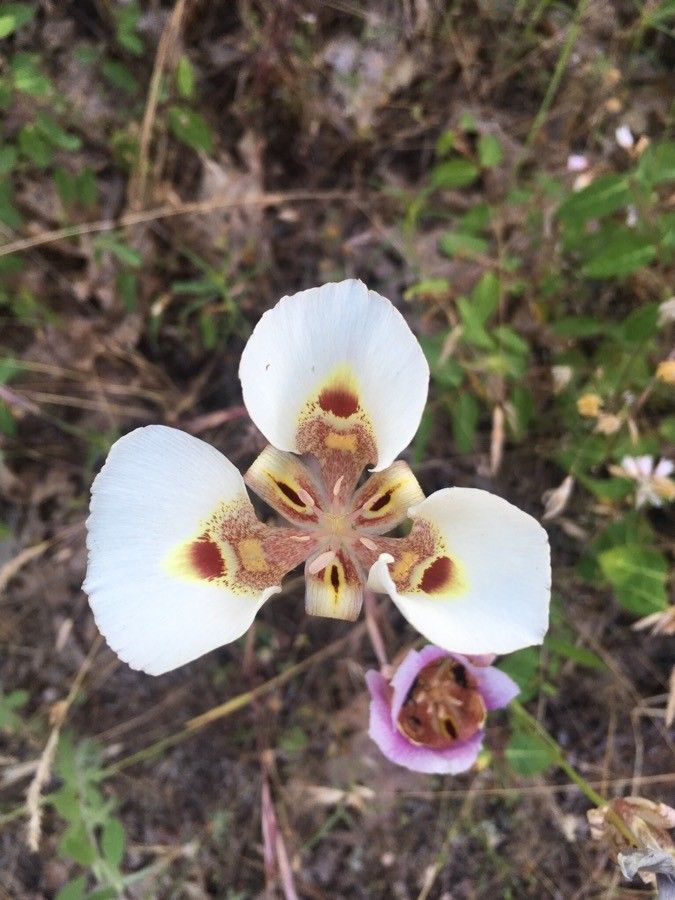
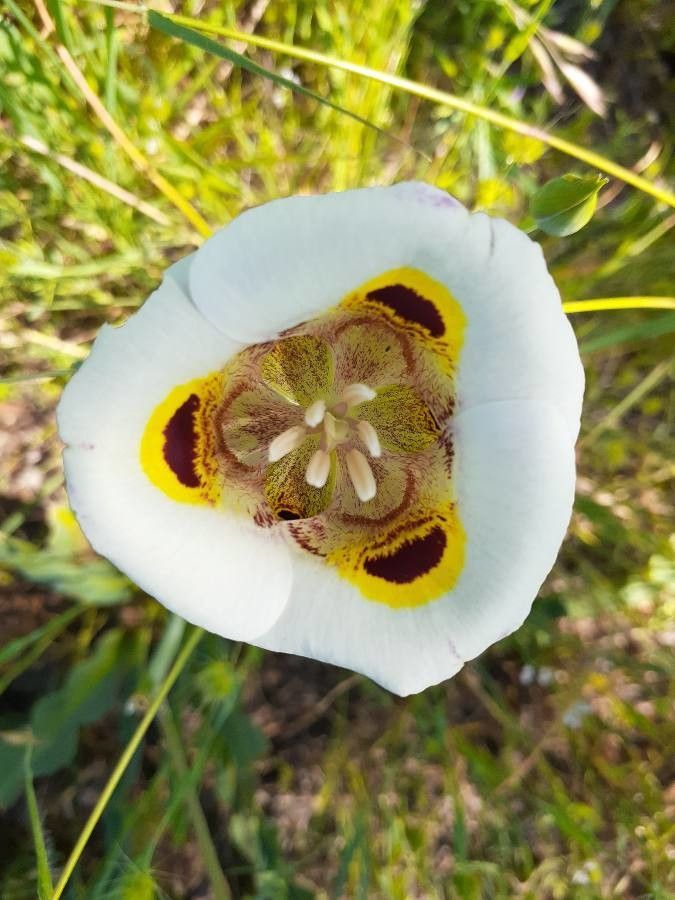
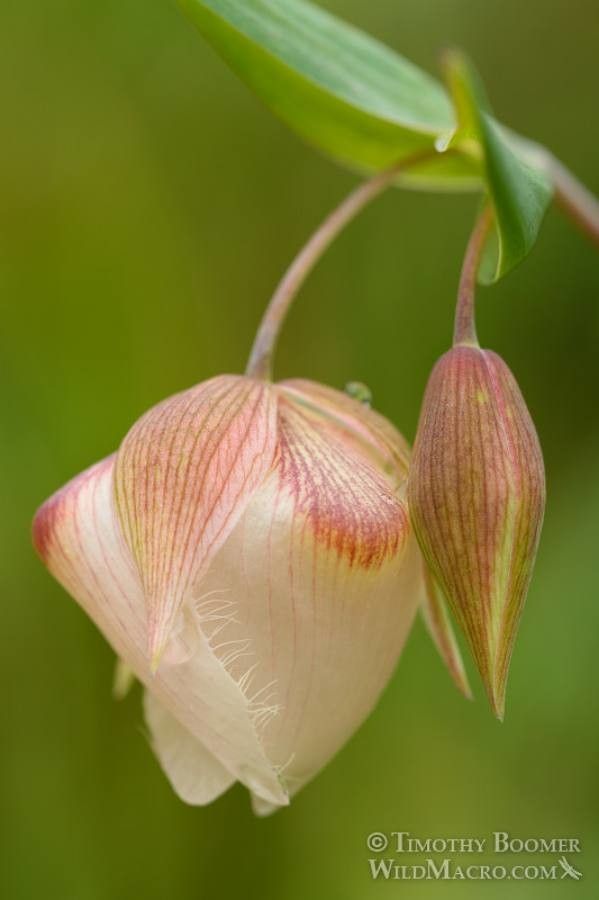
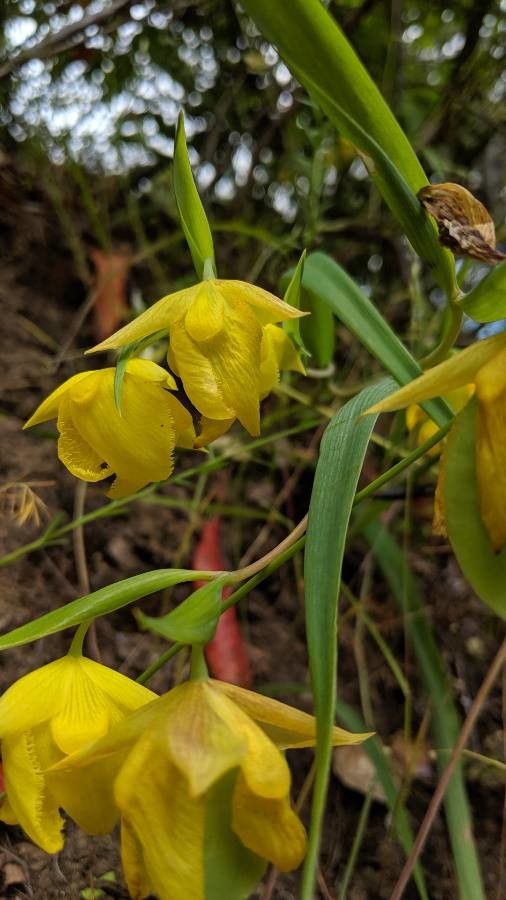
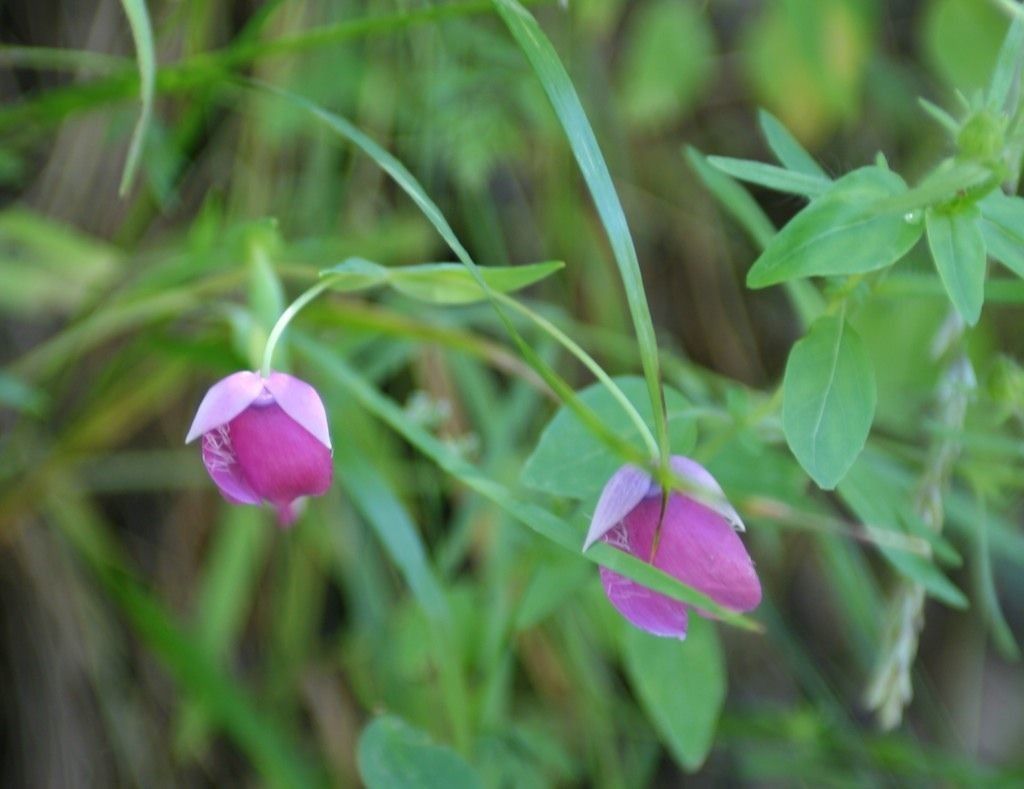
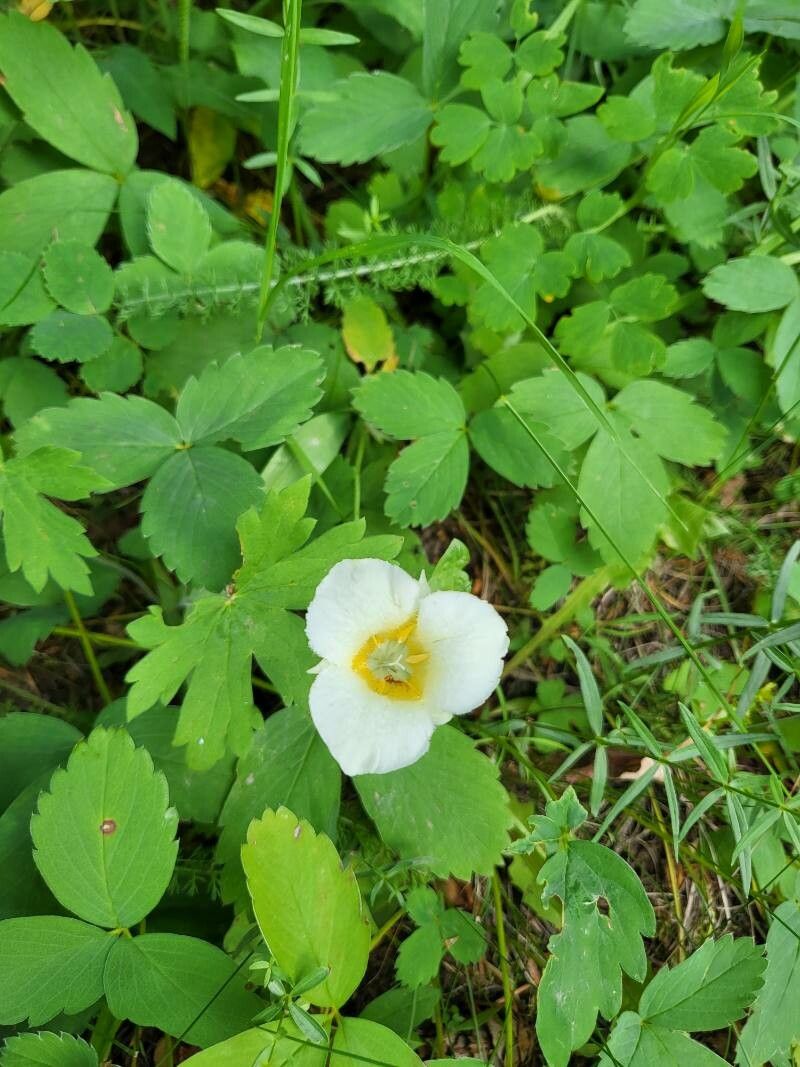
Calochortus superbus is a North American species of flowering plants in the lily family known by the common name superb mariposa lily. It is endemic to California, a common member of the flora in several types of habitat across much of the state. It is most abundant in the Coast Ranges and in the Foothills of the Sierra Nevada.
Yellow mariposa has strong resistance to diseases and generally is not susceptible to illnesses. Nevertheless, it can be affected by pests and diseases that occur in its environment. Such infections are usually mild. Regarding care, this plant needs moderate maintenance. It should be pruned regularly to preserve a good appearance and support healthy growth. Fertilizing can also help encourage flowering. Yellow mariposa is suitable for anyone with an outdoor area, like a garden or patio, and does not require extensive gardening experience. It may need more attention if grown indoors.
How to keep Calochortus Superbus.
Light
The yellow mariposa plant does best when given abundant sunlight. Its requirement for sunlight is strong and is essential for its healthy growth and vigor. However, its natural hardiness does not call for any special tolerance to different light levels. The yellow mariposa originates from areas where sunlight is plentiful, reflecting its preference for those conditions. Too much or too little sun does not greatly affect its overall well-being.
Water
The yellow mariposa prefers moderate moisture and thrives with consistent watering, as long as it avoids becoming waterlogged. Watering it once a week helps maintain its health and vigor. When grown outdoors, the yellow mariposa responds well to natural rainfall and exhibits remarkable growth during its active season.
Temperature
Yellow mariposa naturally occurs in habitats where temperatures range from 50 to 95 °F (10 to 35 ℃). It attains optimal growth within this range and requires seasonal adjustments to meet this temperature preference.
Fertilizer
For Yellow mariposa, the primary time to apply fertilizer is early spring when the flowers are beginning to form. Using the appropriate fertilizer promotes better blooms and helps Yellow mariposa produce attractive flowers. Fertilizing in early spring ensures strong flowering during the season and supplies energy for dormant growth phases.
Pruning
Pruning yellow mariposa plants from early to late spring encourages reblooming and removes dead foliage, which enhances air circulation and reduces the risk of disease. Additionally, thinning out congested areas lets in more light, improving the plant's aesthetic appeal and supporting vigorous growth.
Pot & Repot
Repot yellow mariposa plants every 2-3 years during late winter or early spring to encourage growth. Choose a deep container to accommodate their bulbous roots, and make sure to use well-draining soil. After repotting, be careful not to overwater, as this will help the plant grow robustly and stay healthy.
Botanical profile.
- Plant Type
- Herb
- Life Cycle
- Perennial
- Genus
- Calochortus
- Family
- Liliaceae
- Hardiness Zone
- 6-9
- Mature Height
- 30 cm
- Mature Spread
- 10 cm
- Leaf Color
- Green
- Leaf Type
- Deciduous
- Flower Color
- White
- Flower Size
- 3.56 cm to 5.08 cm
- Bloom Time
- Mid spring, Late spring
- Planting Time
- Spring
- Harvest Time
- Early summer, Mid summer
Other names.
Reader questions.
What are the sunlight requirements for Yellow mariposa?
Yellow mariposa requires above 6 hours of sunlight per day to thrive optimally, flourishing best in full sun conditions. It is important to observe the movement of sunlight through your garden to find spots that offer a perfect balance of light and shade for the plants, ensuring their well-being. Originating from regions with abundant sunlight, the Yellow mariposa shows a preference for such environments, although its health is not drastically affected by excessive or insufficient sunlight.
What is the native temperature range for optimal growth of Yellow Mariposa?
Yellow Mariposa, botanically known as Calochortus superbus, thrives best in environments where temperatures fluctuate between 50 to 95°F (10 to 35°C). This temperature range is essential for its optimal growth, with necessary seasonal adjustments to cater to this preference. Despite its strong cold resistance, meaning special frost protection measures usually aren't needed during winter, precautions should still be taken if temperatures are expected to drop below -25°C. To protect the plant in such cold, covering it with soil or straw is recommended, along with ensuring the soil is abundantly watered before the first freeze in autumn to keep it moist and prevent drought and water scarcity during the winter and early spring.
How do artificial lighting requirements vary for indoor Yellow mariposa plants?
For indoor Yellow mariposa plants, when natural sunlight is insufficient, artificial lighting becomes essential for their growth, especially during winter or in less sunny areas. It's advised to opt for LED lights as they can be customized to provide specific wavelengths needed by the plant. Full sun plants like Yellow mariposa require 30-50W/sq ft of artificial light. The artificial light source should be placed 12-36 inches above the plant, and mimic natural daylight hours, with most plants needing 8-12 hours of light per day.
How does Yellow Mariposa react to temperatures below its optimal range?
Yellow Mariposa exhibits strong cold tolerance, performing best when temperatures are above 10°C. However, during winter, it's crucial to keep the plant above -15°C to avoid adverse effects. Should temperatures fall below -25°C, Yellow Mariposa may not show noticeable changes immediately, but it could lead to a decrease in sprouting or even failure to sprout by springtime. In such cases, removing any parts that have failed to sprout in spring is the advised solution.
What are the signs of insufficient light for Yellow mariposa and how can it be managed?
Indications of insufficient light in Yellow mariposa include smaller new leaves, leggy or sparse growth, faster leaf drop, slower or no new growth, and leaves developing pale or irregular color patterns. To manage insufficient light, gradually move plants to locations with at least 6 hours of direct sunlight daily, use a south-facing window for natural light, or employ artificial lighting solutions for at least 8 hours daily. Adjustments should be made gradually to prevent stress, ensuring healthy new growth in better-lit conditions.
What should be done if Yellow Mariposa is exposed to high temperatures?
During the summer months, it's important to maintain Yellow Mariposa's environment at temperatures below 35°C to ensure its health. Exposure to temperatures above 38°C can cause the leaves to lighten in color, become prone to curling, suffer from sunburn, and in severe cases, may result in the entire plant wilting and drying out. To mitigate these issues, any sunburned and dried-up parts of the plant should be trimmed away. Moving the plant to a shaded location away from the midday and afternoon sun or using a shade cloth to create shade is recommended. Additionally, watering the plant in the morning and evening helps keep the soil moist and supports the plant's well-being.
What are the symptoms of excessive sunlight in Yellow mariposa and how can they be treated?
Symptoms of excessive sunlight in Yellow mariposa include chlorosis, sunscald, leaf curling, wilting, and leaf scorching. To alleviate these issues, it is essential to provide protection from intense sunlight by gradually acclimating the plant to its ideal light conditions and ensuring it receives the correct amount of sunlight daily. For outdoor plants, finding the best spot with adequate sunlight and avoiding sudden changes in light exposure is crucial to prevent sunburn. Additionally, reducing obstructions and considering transplanting can help manage sunlight exposure effectively.