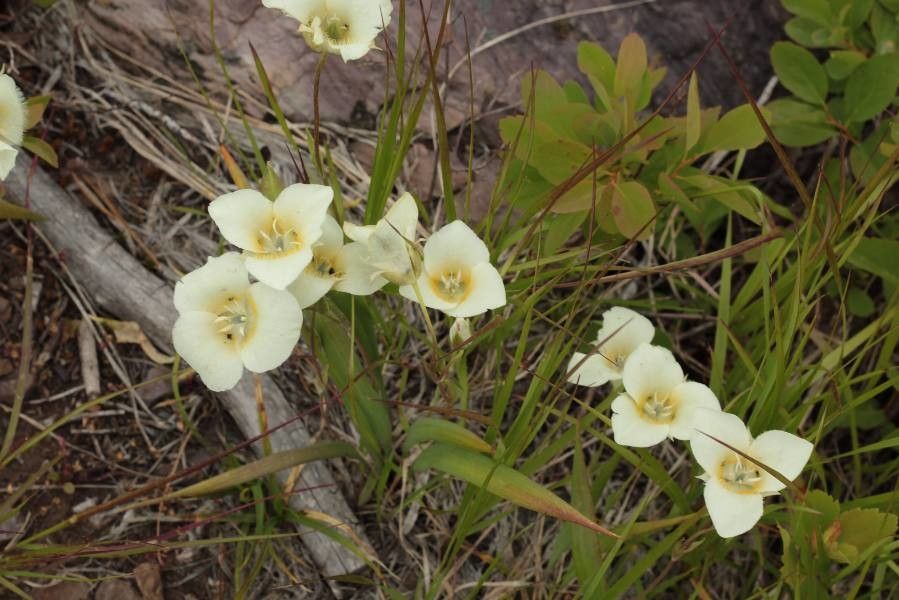
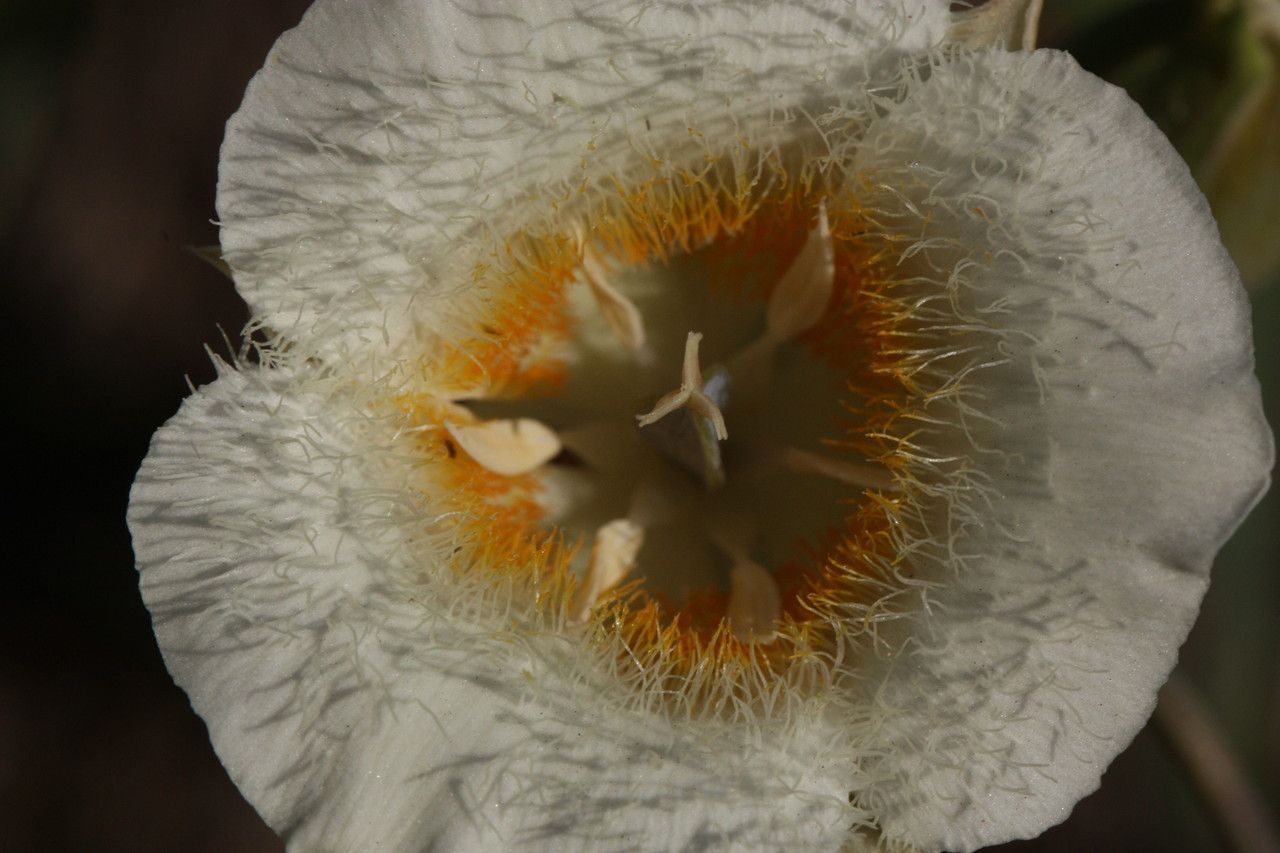
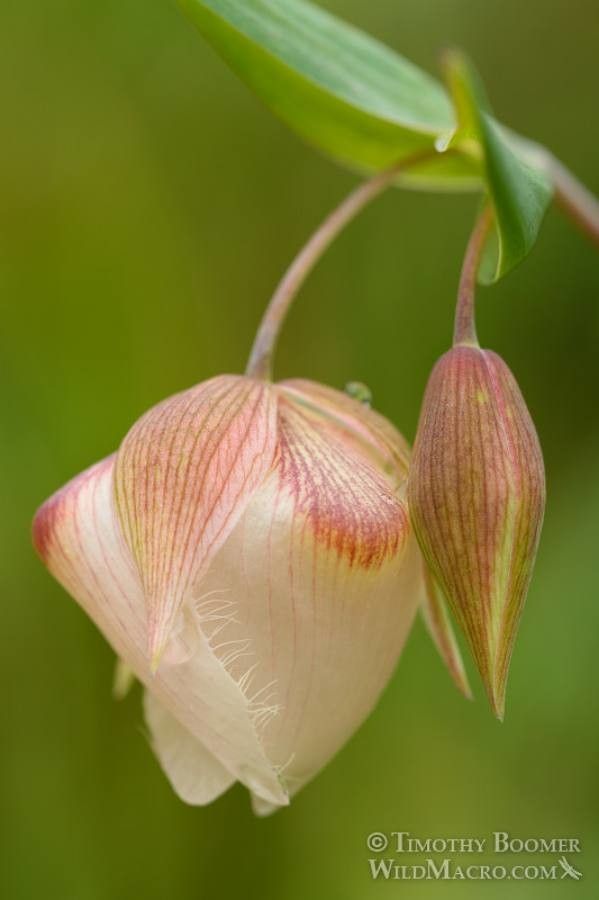
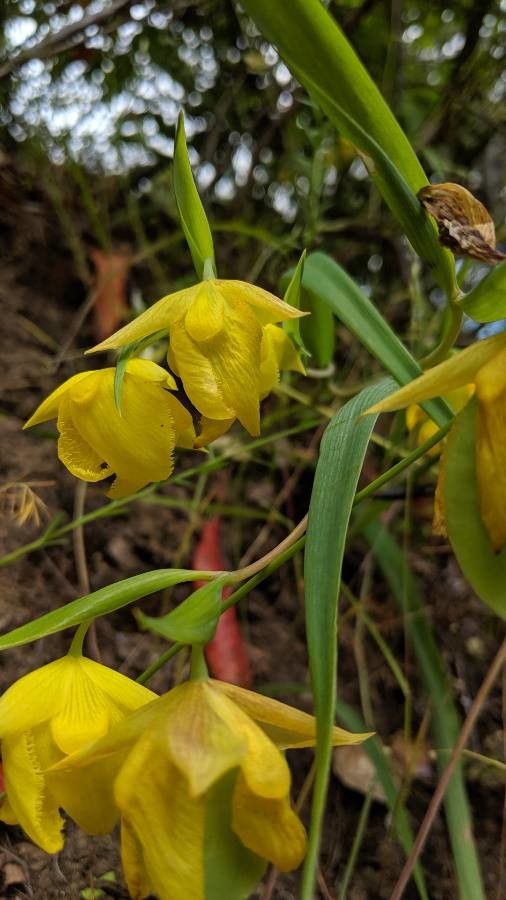
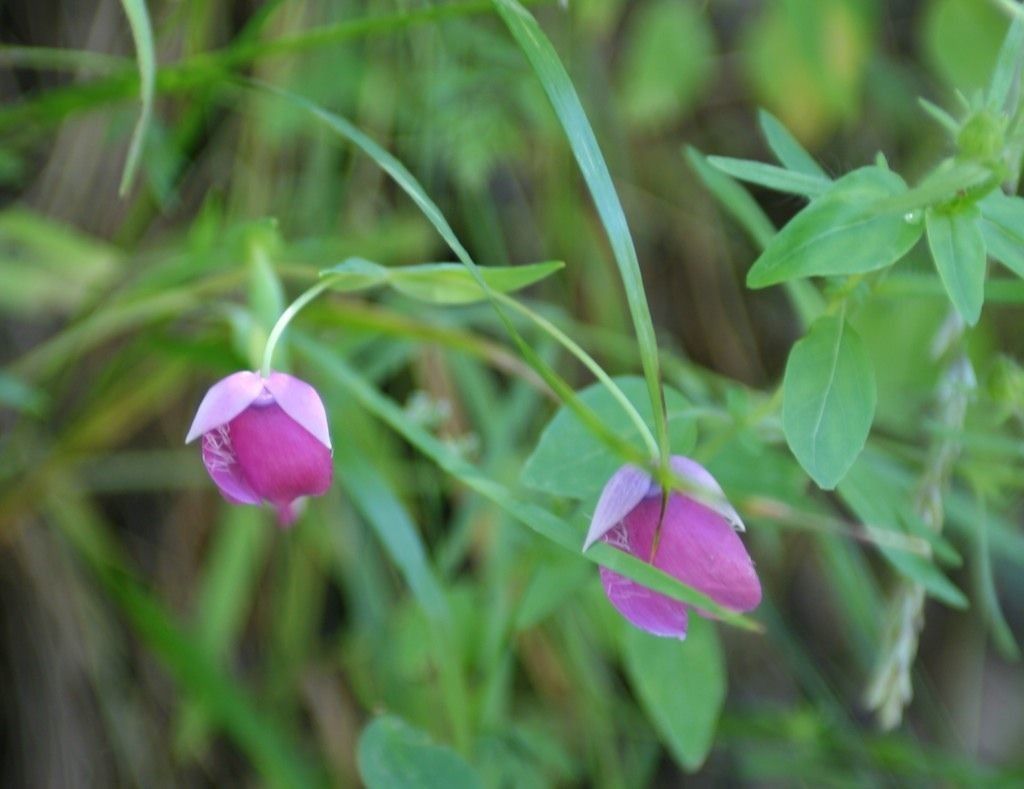
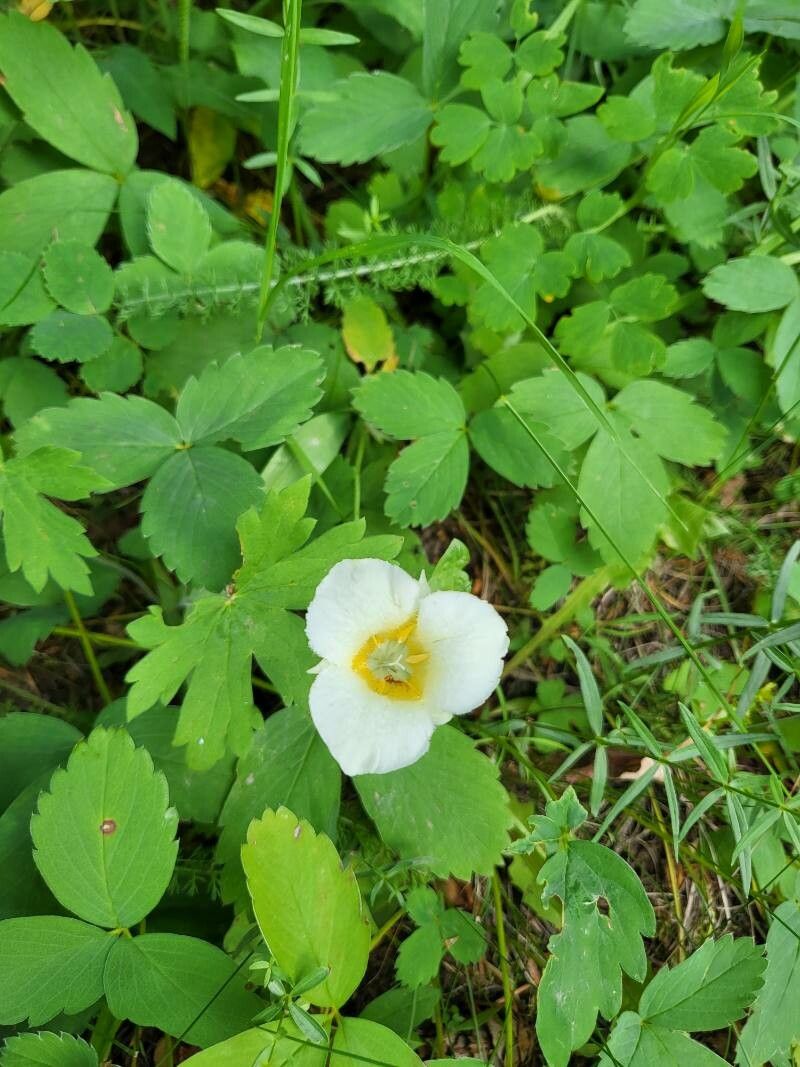
Calochortus subalpinus, the subalpine mariposa lily, is a North American species of flowering plants in the lily family native to the northwestern United States (States of Washington and Oregon).
Subalpine mariposa lily shows strong resistance to diseases and is generally unlikely to suffer from them. Still, it can be affected by pests and diseases present in its environment. Such infections are generally mild. Regarding maintenance, this plant requires a moderate level of care. Regular pruning is necessary to preserve its appearance and support healthy growth. Applying fertilizer can also encourage blooming. Subalpine mariposa lily is appropriate for anyone with outdoor areas like a garden or patio and does not demand extensive gardening experience. It may need more attentive care if grown indoors.
How to keep Calochortus Subalpinus.
Light
The subalpine mariposa lily grows best in plentiful sunlight, though it can also tolerate locations with moderate light. Sunlight is essential to its development and well-being. Its native environment is characterized by considerable sun exposure. Still, too little or too much sun can adversely affect its growth.
Water
The subalpine mariposa lily flourishes in high-altitude meadows, demonstrating remarkable resilience by balancing hydration and drought tolerance. For optimal growth, it is best to water it weekly. As an alpine plant, it efficiently stores water, making it an excellent choice for rock gardens or xeriscapes.
Temperature
Subalpine mariposa lily originates from cooler alpine habitats and does best in temperatures ranging from 50 to 89.6 °F (10 to 32 °C). During periods of extreme temperatures, it is recommended to provide a shade cover or move it indoors to maintain optimal growth.
Fertilizer
For Subalpine mariposa lily, the primary time to fertilize is early spring, when flowers are forming. The proper fertilizer promotes better blooms and helps the Subalpine mariposa lily produce attractive flowers. Fertilizing in early spring ensures excellent flowers during the season and supplies energy for dormant growth phases.
Pruning
To maintain a thriving subalpine mariposa lily, it's important to prune from early to late spring. Focus on removing dead foliage and shaping the plant for healthy growth. Make sure to use clean tools to prevent the spread of disease. Properly timed pruning encourages flowering and helps control pests. Additionally, respecting the plant's natural growth cycle ensures a vibrant display.
Botanical profile.
- Plant Type
- Herb
- Life Cycle
- Perennial
- Genus
- Calochortus
- Family
- Liliaceae
- Hardiness Zone
- 6-8
- Mature Height
- 20 cm
- Mature Spread
- 10 cm to 20 cm
- Leaf Color
- Green
- Leaf Type
- Deciduous
- Flower Color
- White
- Flower Size
- 2.79 cm to 3.81 cm
- Bloom Time
- Early summer, Mid summer
- Planting Time
- Spring, Summer
- Harvest Time
- Late summer, Early fall
Other names.
Reader questions.
What are the sunlight requirements for Subalpine mariposa lily?
The Subalpine mariposa lily flourishes best under abundant sunlight but can also endure moderate sunlight. Originating from habitats with substantial sunlight exposure, it requires full sun, over 6 hours of sunlight daily, to thrive. However, it can survive in partial sun, about 3-6 hours of sunlight. Be mindful of the plant's environment, observing how sunlight moves through your garden to find the optimal balance of light and shade, ensuring the plant's happiness and health. Lack or excess of sunlight can negatively impact its growth.
What is the native environment and preferred temperature range for Subalpine mariposa lily?
Subalpine mariposa lily, botanically known as Calochortus subalpinus, is native to cooler alpine environments. It prefers temperatures within the range of 50 to 89.6 °F (10 to 32 ℃). For optimal growth, during seasons with extreme temperatures, it's recommended to provide shade cover or bring the plant indoors.
How can artificial lighting support indoor growth of Subalpine mariposa lily?
When natural sunlight is insufficient, especially during winter or in less sunny spaces, artificial lighting can be pivotal for the indoor growth of Subalpine mariposa lily. LED lights, which can be customized to provide specific wavelengths needed for plant growth, are a popular choice for indoor plant lighting. Full sun plants like the Subalpine mariposa lily need 30-50W/sq ft of artificial light. It's important to place the light source 12-36 inches above the plant and mimic natural daylight hours, ensuring most plants receive 8-12 hours of light per day for optimal growth.
How does Subalpine mariposa lily handle cold temperatures and frost?
Subalpine mariposa lily has strong cold resistance and usually does not require special frost protection measures during winter. However, if winter temperatures are expected to drop below -25°C, it is important to protect the plant against the cold. This can be done by covering it with soil or straw. Additionally, watering the plant abundantly before the first freeze in autumn helps keep the soil moist and prevents drought and water scarcity during winter and early spring.
What are the symptoms of incorrect lighting for Subalpine mariposa lily?
Incorrect lighting can trigger several symptoms in Subalpine mariposa lily, including small and lighter-colored new leaves, indicating insufficient sunlight and lack of chlorophyll. Leggy growth or faster leaf drop suggests low light conditions, conserving resources for new leaves. Excessive sunlight can lead to chlorosis, where leaves turn yellow, sunscald with damaged tissues, leaf curling as a defense mechanism, wilting from loss of water, and leaf scorching with brown edges due to too much light. Monitoring these symptoms helps gauge the plant's light needs.
What are the signs of low temperature stress in Subalpine mariposa lily, and how can it be managed?
Subalpine mariposa lily is cold-tolerant and thrives best when temperatures are above 10°C, remaining healthy down to -15°C. However, when temperatures fall below -25°C, there may not be noticeable changes during winter, but a decrease in sprouting or even a failure to sprout during spring might occur. To manage this, remove any parts that have failed to sprout in the spring.
What solutions can help manage sunlight exposure for Subalpine mariposa lily?
To manage sunlight exposure for Subalpine mariposa lily, gradually increase light by moving plants to sunnier spots each week until they achieve at least 6 hours of direct sunlight, ideal for their growth. For indoor plants, use a south-facing window or invest in artificial lighting such as plant grow lights, keeping them on for about 8 hours daily. Outdoors, avoid sudden light intensity changes to prevent sunburn. Reducing obstructions, pruning trees or moving smaller plants to sunlit areas with good drainage can improve outdoor sunlight exposure. Note that parts of the plant affected by insufficient light may not recover, but new growth should be healthy after adjusting light exposure.
How does Subalpine mariposa lily react to high temperatures, and what are the solutions?
During summer, the Subalpine mariposa lily should be kept below 32°C. Exposure to temperatures exceeding 35°C may result in lighter-colored leaves, prone to curling and sunburn. In severe cases, the entire plant may wilt and dry out. If this occurs, trim away the sunburned and dried-up parts of the plant. Relocate the plant to a shaded location or use a shade cloth to protect it from midday and afternoon sun. Additionally, watering the plant in the morning and evening helps keep the soil adequately moist.