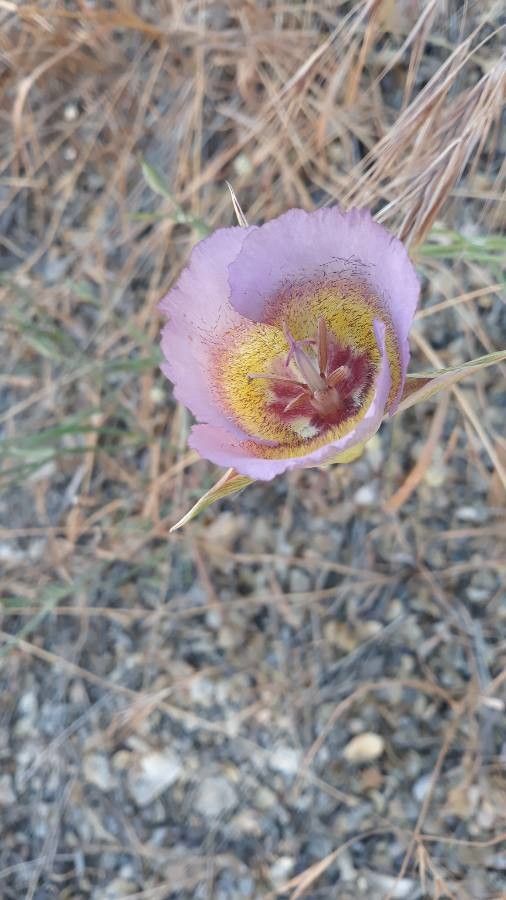
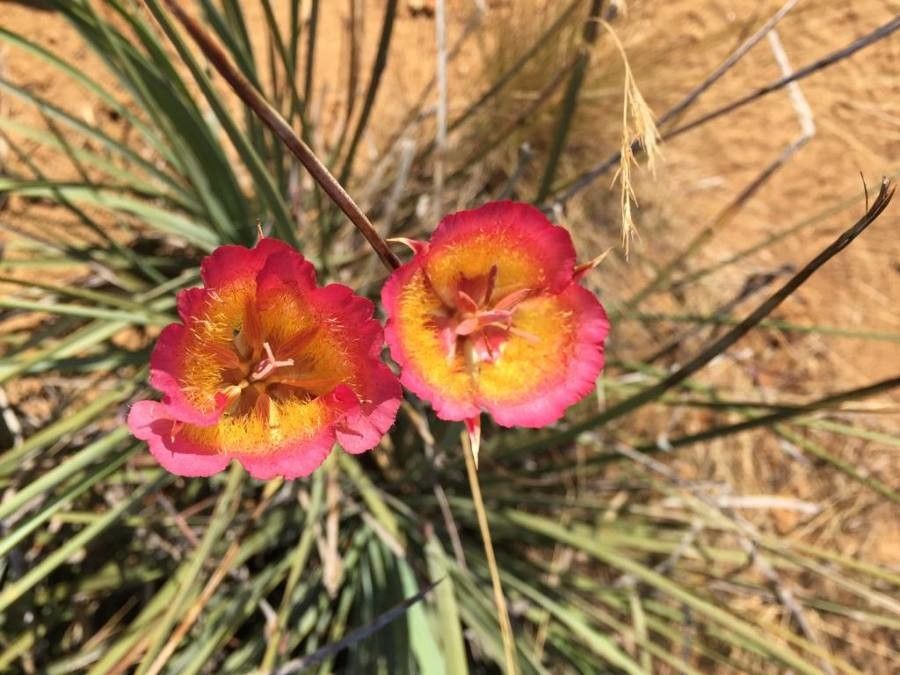
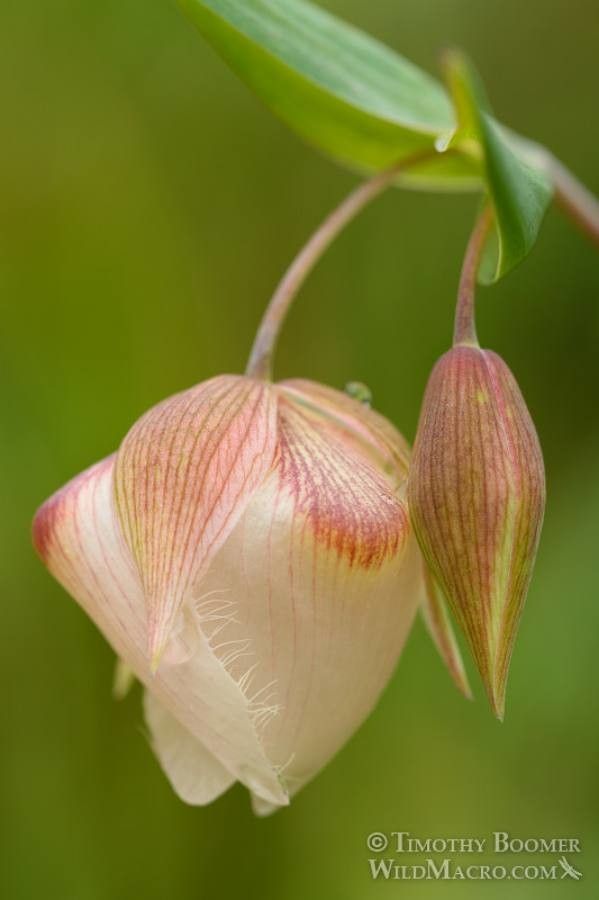
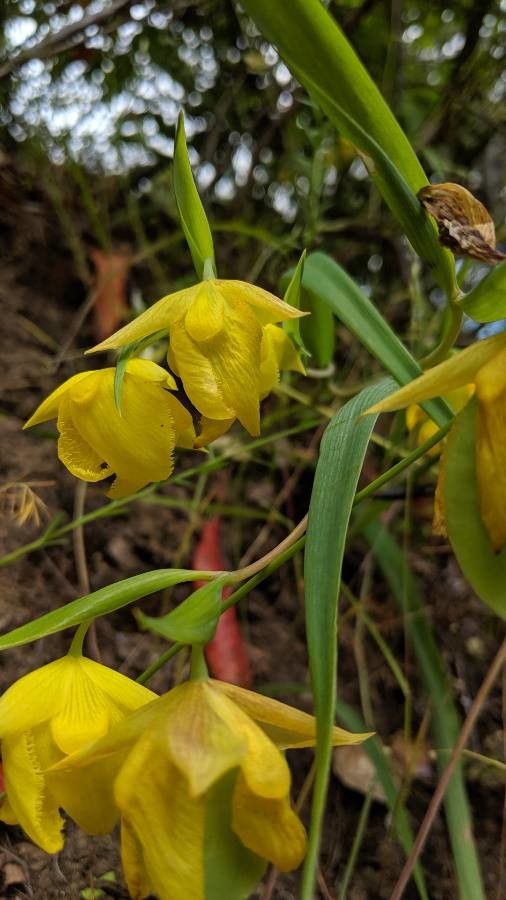
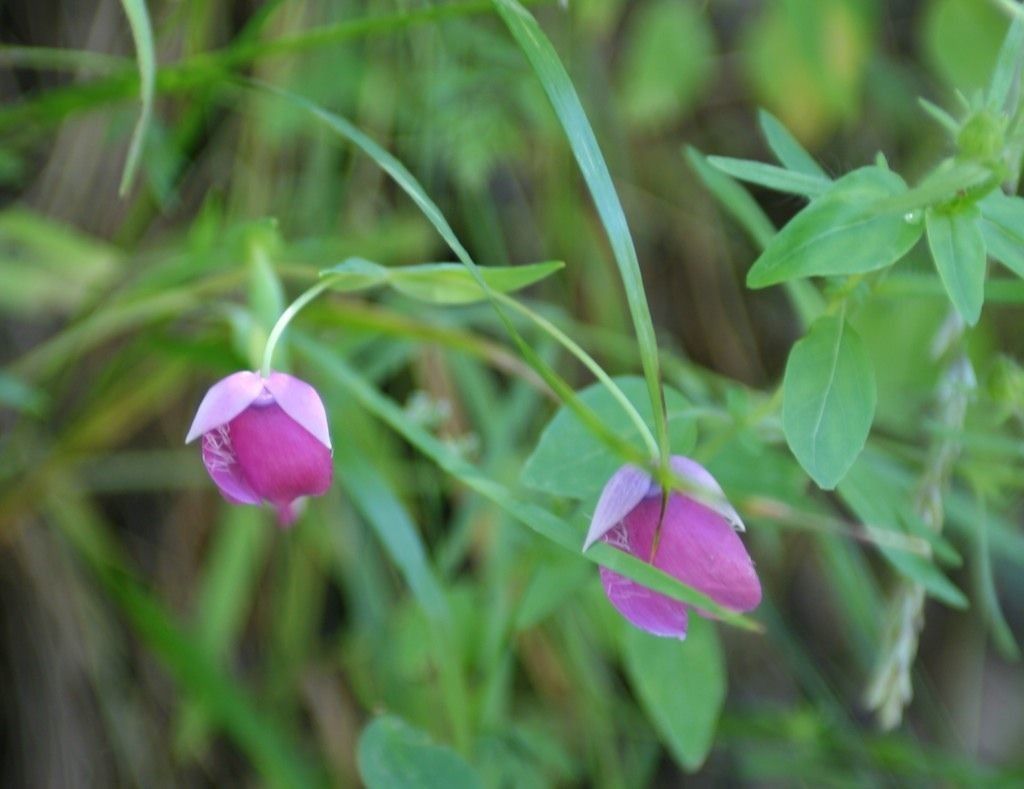
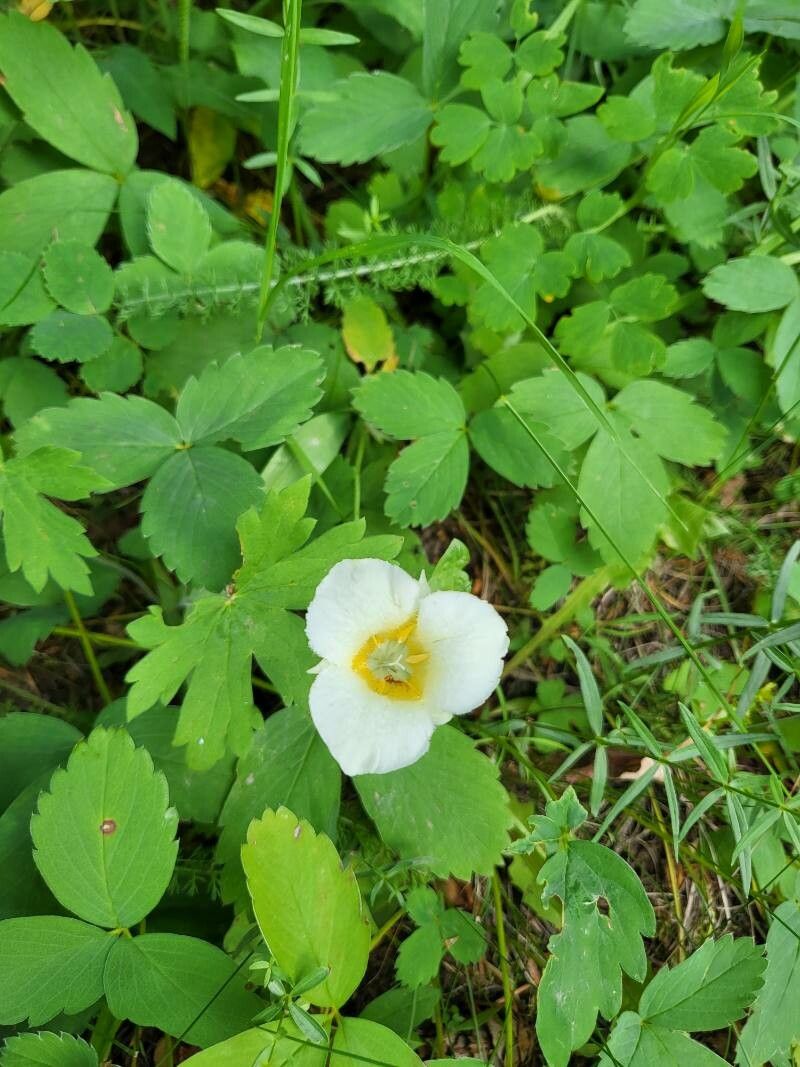
Calochortus plummerae is a species of mariposa lily known by the common name Plummer's mariposa lily.It is endemic to Southern California where it is found along the coast, inland hills, and some Transverse Ranges and Peninsular Ranges. It is a member of the chaparral, grasslands, and lower montane coniferous forest plant communities.The species is named in honor of American botanist Sara Plummer Lemmon (1836 – 1923).
Plummer's mariposa lily is fairly resistant to disease and usually not prone to illness. However, it can be affected by pests and diseases present in its surroundings. These problems are typically not serious. In terms of care, the plant requires moderate maintenance. It should be pruned regularly to maintain a tidy appearance and support healthy growth. Fertilizing can also encourage more flowering. Plummer's mariposa lily is suitable for anyone with outdoor space, such as a garden or patio, and does not require extensive care experience. It may need more attention when grown indoors.
How to keep Calochortus Plummerae.
Light
Plummer's mariposa lily is a sun-loving, perennial herbaceous species native to open habitats and commonly found in meadows and grasslands. It prefers full sun but can also tolerate partial sun.
Water
Plummer's mariposa lily flourishes in moderate climates with consistent moisture. It prefers regular hydration but should be kept from becoming waterlogged. Watering once a week helps maintain its health. As an outdoor plant found in open woodlands, it adapts to seasonal rainfall by maximizing water uptake during wet periods and conserving resources during dry spells.
Temperature
Plummer's mariposa lily prospers in its native surroundings, where temperatures range from 59 to 95 °F (15 to 35 ℃). Adjusting the plant for seasonal changes requires careful regulation of temperature within this range.
Fertilizer
For Plummer's mariposa lily, the primary time to fertilize is in early spring when the flowers are developing. The correct fertilizer promotes better blooms and helps Plummer's mariposa lily produce attractive flowers. Fertilizing in early spring ensures strong flowering during the season and supplies energy for dormant growth phases.
Pruning
The Plummer's mariposa lily is known for its beautiful and delicate flowers. To encourage growth and flowering, prune the spent blooms and dead leaves from early to late spring. Regular pruning not only enhances the plant's health and prevents disease but also maintains its aesthetic appeal. For the best practices, consult horticultural guides.
Botanical profile.
- Plant Type
- Herb
- Life Cycle
- Perennial
- Genus
- Calochortus
- Family
- Liliaceae
- Hardiness Zone
- 7-9
- Mature Height
- 30 cm to 91 cm
- Mature Spread
- 10 cm to 15 cm
- Leaf Color
- Green
- Leaf Type
- Deciduous
- Flower Color
- Lavender, Pink
- Flower Size
- 4.32 cm to 6.35 cm
- Bloom Time
- Late spring, Early summer
- Planting Time
- Spring, Summer
- Harvest Time
- Mid summer, Late summer
Other names.
Reader questions.
How should I water my Plummer's mariposa lily?
To effectively water the Plummer's mariposa lily, it is recommended to use filtered water at room temperature. Tap water may contain harmful particles that can negatively impact the plant's health. It is important to use room temperature or slightly warmer water because the Plummer's mariposa lily is accustomed to warm environments, and cold water may shock its system. Instead of watering from above, which can lead to problems with the foliage, it is best to apply filtered room temperature water directly to the soil until it is completely saturated. This method allows the roots to absorb the necessary nutrients and ensures their healthy spread throughout the soil.
What are the sunlight requirements for Plummer's mariposa lily?
Plummer's mariposa lily thrives in full sun, requiring more than 6 hours of sunlight daily, but it can also tolerate partial sun conditions, which means about 3-6 hours of sunlight. It's essential to observe how sunlight moves through your garden to find spots that offer the ideal balance of light and shade, ensuring the plants' well-being.
What is the ideal temperature range for Plummer's mariposa lily?
Plummer's mariposa lily thrives in its native environments, which are typically within a temperature range of 59 to 95 °F (15 to 35 °C). For successful growth and adaptation to different seasons, maintaining the temperature within this range is crucial. The plant possesses strong cold resistance, making special frost protection measures unnecessary in most cases during winter, unless temperatures are forecasted to drop below -15°C. To prepare for cold seasons, it's advised to water the plant generously before the first freeze of autumn to ensure the soil stays moist and enters a frozen state, helping prevent drought and water scarcity for the plant during winter and early spring.
What should I do if I give my Plummer's mariposa lily too much or too little water?
Overwatering is a common issue that can harm your Plummer's mariposa lily. If it receives too much water, the stems and leaves may wilt and turn yellow. Overwatering for a long time can also cause diseases like root rot, mold, and mildew that can kill the plant. Underwatering is less common because this plant can tolerate drought. But if it happens, the leaves may become brittle and brown. It's important to recognize the signs of overwatering early. Some of the diseases caused by overwatering, like root rot, cannot be fixed if you wait too long. If you see early signs of overwatering, reduce your watering immediately. Check the quality of the soil. If it drains poorly, replace it with a loose, well-draining potting mix. In case of underwatering, water more regularly until the signs subside.
What are the essentials for growing Plummer's mariposa lily?
Plummer's mariposa lily is a perennial herbaceous plant that loves the sun. It originates from open habitats and often flourishes in meadows and grasslands. For those growing it indoors, artificial lighting can be critical, especially in less sunny spaces or during winter. LED lights, mimicking natural sunlight conditions by adjusting the light's distance (12-36 inches above the plant), and duration (8-12 hours per day) are recommended to promote healthy growth. Full sun plants need 30-50W/sq ft, partial sun plants need 20-30W/sq ft, and full shade plants need 10-20W/sq ft of artificial light.
How does Plummer's mariposa lily react to low temperatures?
Plummer's mariposa lily is cold-tolerant, preferring temperatures above 15°C and should ideally be kept above -10°C during winter. If temperatures fall below -15°C, the plant may not show noticeable changes throughout the winter. However, a decrease in springtime sprouting or even a complete lack of sprouting can occur. If, after the cold season, parts of the plant have failed to sprout, these should be removed during spring as part of the plant care routine.
How often do I need to water my Plummer's mariposa lily?
If your Plummer's mariposa lily is in a pot, you can determine if it needs water by checking the soil. Simply stick your finger into the soil and if the top two to three inches are dry, then it's time to water. If your Plummer's mariposa lily is planted outdoors in the ground, you can also use this method to check the soil moisture. When the top few inches are dry, it's time to water. Typically, this plant needs watering once a week during spring and early fall. However, in hot weather, you may need to water it twice a week or even more. It's important to note that mature and well-established Plummer's mariposa lilies have a good tolerance for drought.
What are the symptoms of light deficiency in Plummer's mariposa lily?
Light deficiency in Plummer's mariposa lily manifests through various symptoms including smaller new leaves, leggy or sparse growth, premature leaf drop, slower or halted growth, paler new leaves, and specific conditions such as chlorosis, sunscald, leaf curling, wilting, and leaf scorching. These symptoms indicate the plant's struggle with inadequate lighting, underscoring the importance of ensuring sufficient sunlight or artificial light exposure.
What should I do if Plummer's mariposa lily is exposed to high temperatures?
During summer, it is important to keep the Plummer's mariposa lily's environment below 35°C. Exposure to temperatures above 38°C can lead to the leaves lightening in color, becoming prone to curling, suffering from sunburn, and in severe instances, the entire plant may wilt and dry out. To mitigate these effects, you should trim away any sunburned and dried-up parts of the plant. Moving the plant to a shady location, especially one protected from the midday and afternoon sun, or using a shade cloth to create shade, can help. Additionally, ensuring the plant is watered in the morning and evening will keep the soil moist and help the plant stay hydrated.
How much water does my Plummer's mariposa lily require?
To properly water your Plummer's mariposa lily, you should not hesitate to give it a generous amount of water. Make sure the first two to three inches of soil are dry before watering. It's beneficial to thoroughly soak the soil, allowing excess water to flow out through the drainage holes in the pot. If there is no excess water draining, it means you have not given enough water. However, be careful not to let water accumulate in the soil as it can harm the plant. If there is no water draining through the pot, it may indicate poorly draining soils, which is not good for the plant's health. In outdoor settings, one inch of rain per week is adequate.
How can I address light deficiency symptoms in Plummer's mariposa lily?
To address light deficiency, gradually increase your Plummer's mariposa lily's sunlight exposure or use artificial light sources. For indoor plants, move them to a sunnier location weekly until they receive at least 6 hours of direct sunlight, or use a desk or ceiling lamp for at least 8 hours daily. For outdoor plants, avoid sudden light intensity changes to prevent sunburn. Minimize obstructions by pruning or relocating the plant to a sunnier spot. Remember, affected parts may not recover, but new growth should be healthy after adjusting light exposure.
How do I water my Plummer's mariposa lily as it grows?
The watering needs of the Plummer's mariposa lily can vary depending on its growth stages. In the early years or after transplanting, it's important to provide more water than usual. During this time, the plant puts a lot of energy into developing new roots for future growth, which requires extra moisture. As the plant matures, it will require less water. Additionally, during the bloom period, the flower development requires a significant amount of moisture, so it may be necessary to increase watering at this time.