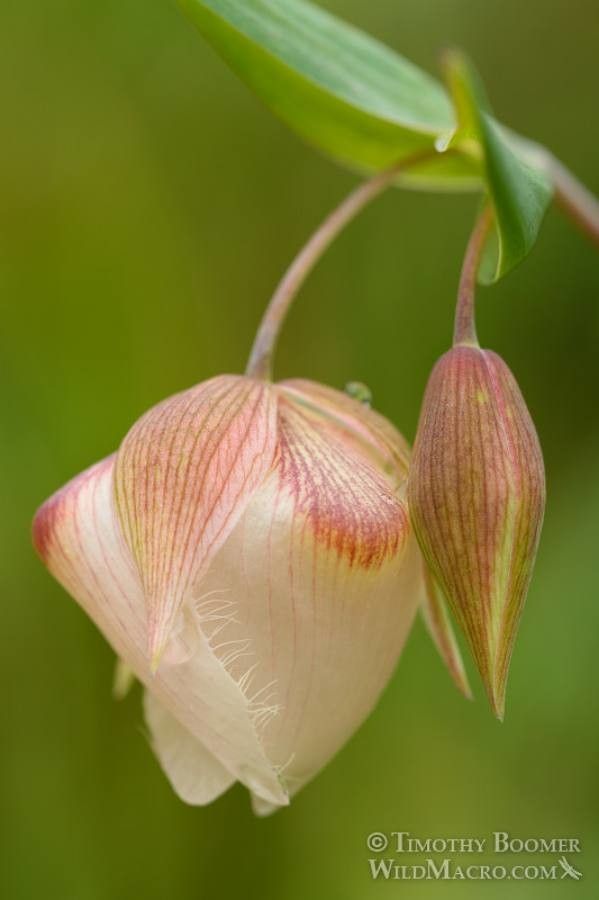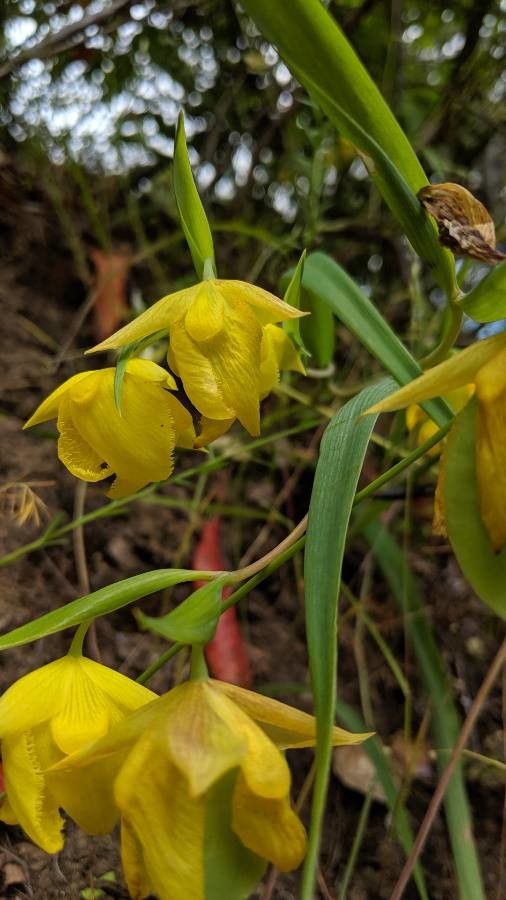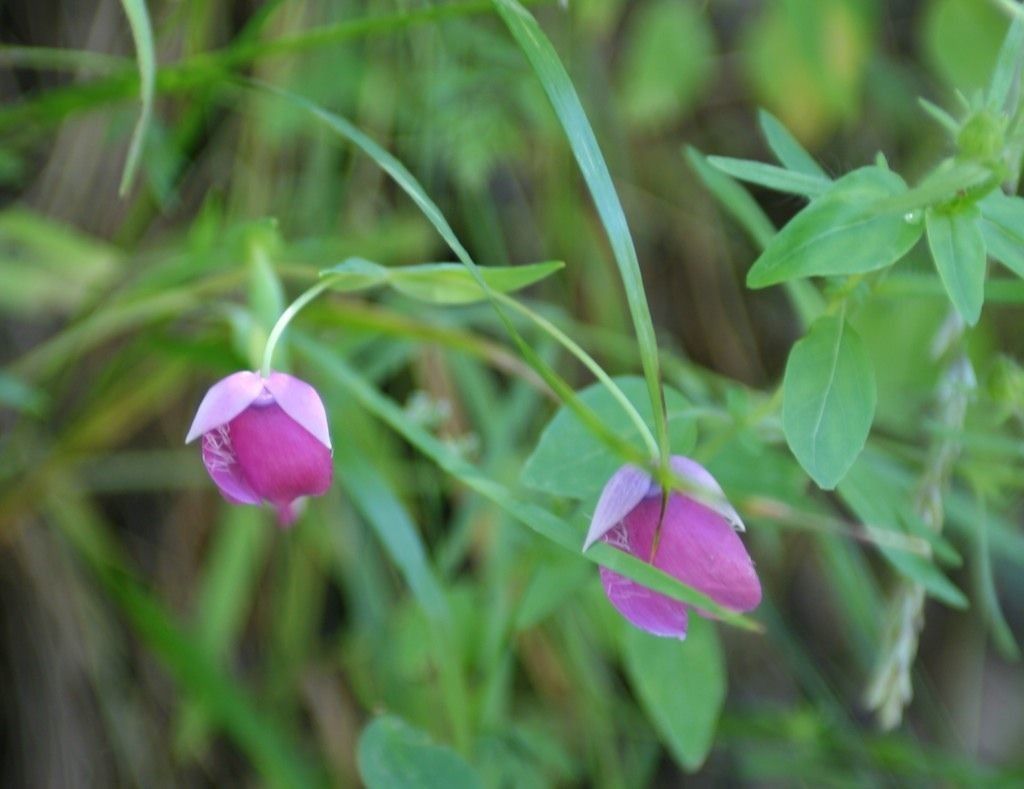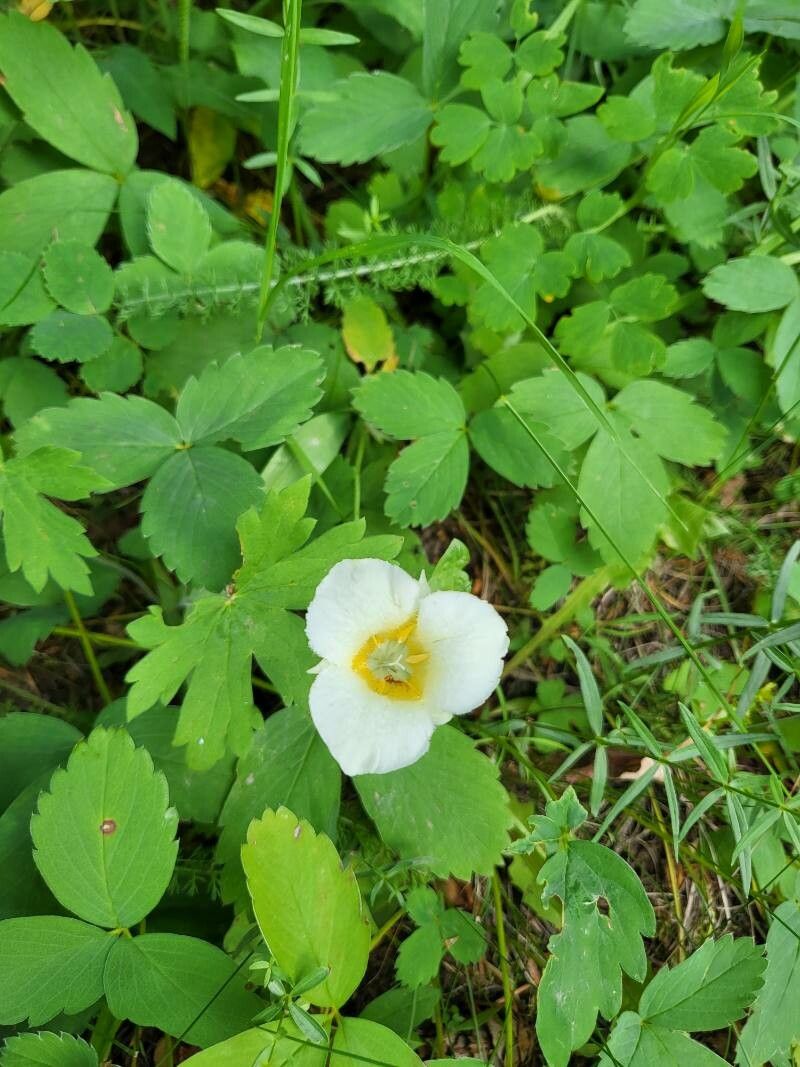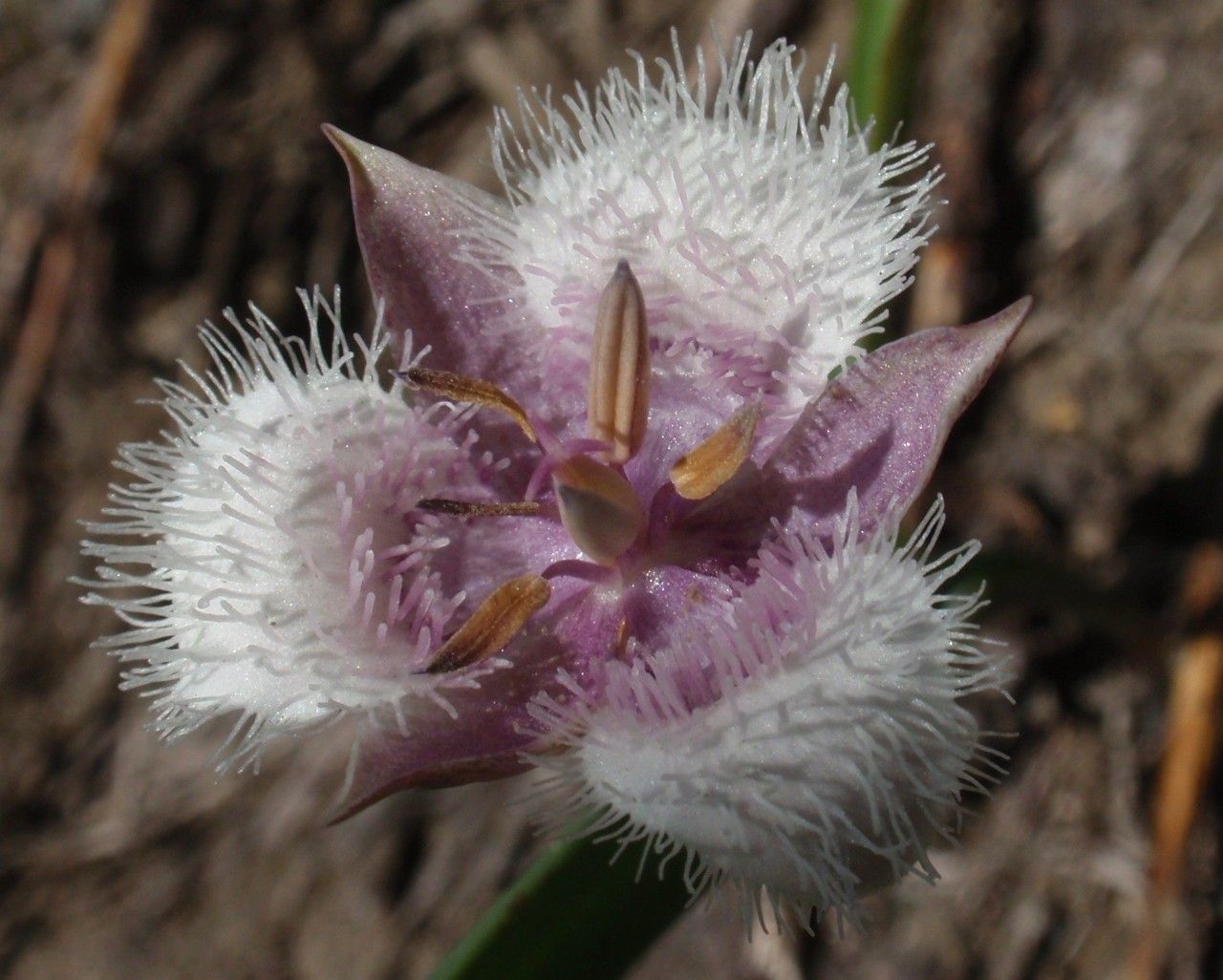
Calochortus coeruleus, often misspelled as Calochortus caeruleus, is a bulbous plant of the lily family. It is known by the common name beavertail grass or blue star tulip.
Beavertail grass has good resistance to disease and is generally unlikely to suffer from illnesses. However, it can be vulnerable to pests and diseases present in its surroundings. These infections are usually not severe. In terms of care, this plant requires a moderate level of maintenance. It should be pruned regularly to keep a neat appearance and support healthy growth. Fertilizing can also help encourage flowering. Beavertail grass is suitable for anyone with outdoor space, such as a garden or patio, and does not demand extensive care experience. It may need more attention when grown indoors.
How to keep Calochortus Coeruleus.
Light
Beavertail grass originates in habitats like forest understories or rocky areas, where it grows in natural shade. It favors partial sun but can tolerate full sun or complete shade, demonstrating its hardy, adaptable nature.
Temperature
Beavertail grass can tolerate a wide range of temperatures, though its distribution may still be constrained by particular combinations of moisture and heat. It does best in warm summer conditions with adequate rainfall or irrigation. Extended periods of cloudy, rainy weather, as well as prolonged high temperatures, can increase the likelihood of Beavertail grass dying. In winter, shielding it from cold can improve the plant's chance of survival.
Fertilizer
For Beavertail grass, the ideal time to fertilize is early spring when the flowers start to form. The proper fertilizer promotes improved blooms and helps Beavertail grass produce attractive flowers. Fertilizing in early spring ensures strong flowering during the season and supplies energy for dormant growth phases.
Pruning
Beavertail grass is an herbaceous perennial known for its blue-lavender flowers and grass-like foliage. To keep it healthy and attractive, it's beneficial to prune it in early spring. Pruning at this time removes dead foliage and encourages new, healthy growth, resulting in a more appealing appearance. Regular pruning also promotes denser growth, preventing the development of leggy stems and helping the plant maintain a compact form.
Botanical profile.
- Plant Type
- Herb
- Life Cycle
- Perennial
- Genus
- Calochortus
- Family
- Liliaceae
- Hardiness Zone
- 6-9
- Mature Height
- 15 cm to 30 cm
- Mature Spread
- 10 cm to 20 cm
- Leaf Color
- Green
- Leaf Type
- Deciduous
- Flower Color
- Lavender
- Flower Size
- 2.03 cm to 3.05 cm
- Bloom Time
- Mid spring, Late spring
- Planting Time
- Spring, Summer
- Harvest Time
- Early summer, Mid summer