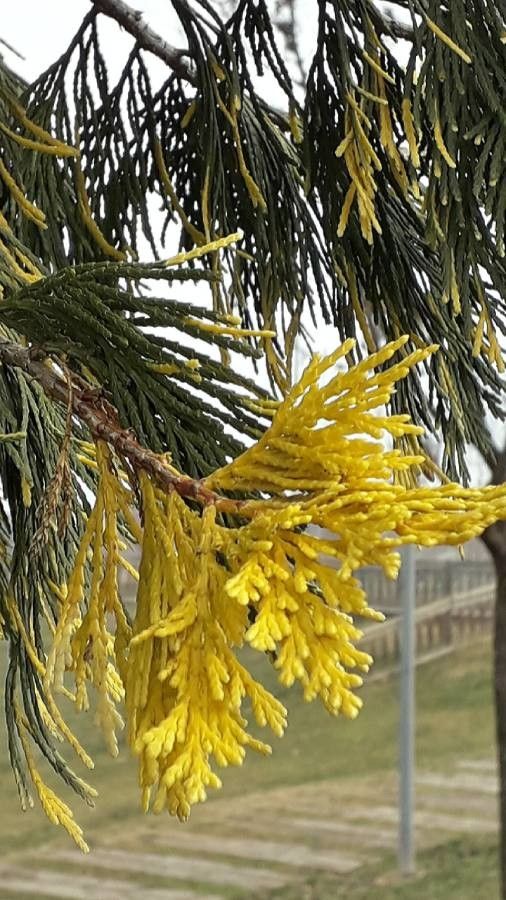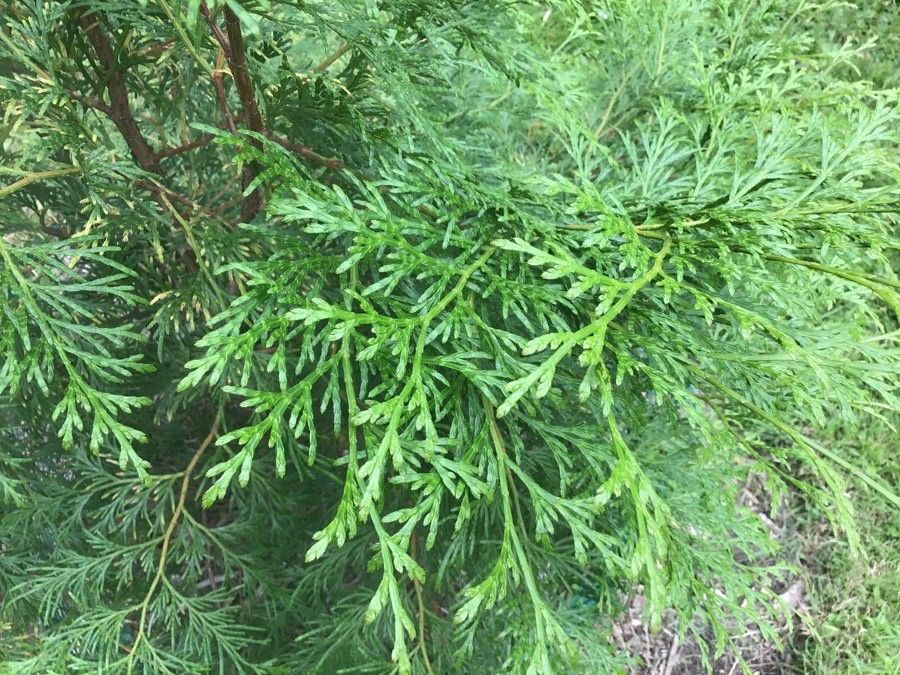
Calocedrus formosana (syn. C. macrolepis var. formosana (Florin) W.C.Cheng & L.K.Fu; Taiwan Incense-cedar; Chinese: 臺灣肖楠; pinyin: tái wān xiào nán or 臺灣翠柏) is a conifer endemic to Taiwan.
Taiwan incense-cedar is resistant to disease and is generally not prone to illnesses. Regarding care, this plant is relatively low-maintenance. When grown outdoors it needs little watering, and larger specimens usually do not require pruning. Smaller plants, however, should be pruned after they have bloomed. Taiwan incense-cedar is suitable for anyone with an outdoor space, such as a garden or deck, and does not require much care experience.
How to keep Calocedrus Formosana.
Light
Taiwan incense-cedar comes from open environments, such as sunny meadows and forest edges, which provide abundant light. It prospers in Full Sun but can also tolerate Partial Sun, adapting well to a range of sunlight conditions.
Water
The Taiwan incense-cedar thrives in environments with variable moisture levels, requiring watering every 1-2 weeks. It prefers the soil to dry out slightly between waterings. Consistent conditions without drastic fluctuations in moisture are essential for its health. This plant is best suited for outdoor growth in well-draining soil that closely mimics its native habitat.
Temperature
Taiwan incense-cedar is well adapted to heat, able to tolerate higher temperatures and wide temperature fluctuations. In hot conditions, it’s important to monitor watering and provide appropriate shading to prevent sunburn. On the other hand, it has relatively poor cold tolerance; while it can endure some cold, excessively low temperatures may cause frost damage.
Fertilizer
Taiwan incense-cedar has specific nutrient needs and does not require heavy fertilization. Spring is the best time to apply fertilizer for optimal growth. Providing nutrients enhances its health, increases its resistance to pests and diseases, and helps maintain a long lifespan.
Pruning
Prune Taiwan incense-cedar during the dormant season, from early to late winter, to maintain its shape and health. Start by removing any dead or damaged branches. Thinning crowded areas will improve air circulation, which helps reduce the risk of disease. Make sure your cuts are clean and angled to promote structural integrity and encourage vigorous new growth. These techniques are essential for optimal plant care.
Botanical profile.
- Plant Type
- Tree
- Life Cycle
- Perennial
- Genus
- Calocedrus
- Family
- Cupressaceae
- Hardiness Zone
- 7-10
- Mature Height
- 20.12 m to 24.99 m
- Mature Spread
- 14.94 m
- Leaf Color
- Green
- Leaf Type
- Evergreen
- Flower Size
- 0.51 cm
- Bloom Time
- Early spring, Mid spring
- Planting Time
- Spring, Summer
- Harvest Time
- Late summer, Early fall, Mid fall
- Native Area
- China
Other names.
Reader questions.
What are the sunlight requirements for Taiwan incense-cedar?
Taiwan incense-cedar thrives in environments that offer ample sunlight, such as sunny meadows and forest edges. The ideal condition for this plant is full sun, which means it should receive above 6 hours of sunlight daily. However, it can also adapt and grow well in partial sun conditions, requiring about 3-6 hours of sunlight. It's important to observe how sunlight moves through your garden to choose the best spots that offer a balance of light and shade, ensuring the plants' well-being.
How can artificial lighting support plant growth indoors?
When natural sunlight is not sufficient, especially during winter or in less sunny spaces, artificial lighting becomes essential for plant growth. Indoor plants benefit from artificial lights as they can promote faster, healthier growth. Selecting the right type of artificial light, such as LED lights, is crucial because they can be customized to provide specific wavelengths needed by the plants. For full sun plants, 30-50W/sq ft of artificial light is needed, partial sun plants require 20-30W/sq ft, and full shade plants need 10-20W/sq ft. The light source should be placed 12-36 inches above the plant to mimic natural sunlight, and most plants will thrive with 8-12 hours of artificial light daily.
What are the signs of light deficiency in Taiwan incense-cedar?
Taiwan incense-cedar, when not receiving adequate sunlight, may exhibit several symptoms indicating light deficiency. New leaves might grow smaller than usual, and the plant can have leggy or sparse growth due to longer spaces between leaves or stems. Faster leaf drop is another sign, as the plant sheds older leaves early to conserve resources. There can be slower or no new growth as the plant goes into survival mode, and leaves might develop lighter colors or appear pale. Moreover, symptoms like chlorosis, sunscald, leaf curling, wilting, and leaf scorching can occur, showcasing the plant's struggle with extreme sunlight conditions or insufficient light.
How can you alleviate symptoms of light deficiency or excessive sunlight exposure for Taiwan incense-cedar?
To address light deficiency or excessive sunlight exposure, gradually moving the plants to a location with appropriate sunlight levels is crucial. For indoor plants, this could mean positioning them nearer to a south-facing window or using artificial light sources like desk lamps or professional plant grow lights for at least 8 hours daily, ensuring they receive the necessary light. Outdoors, transitioning the plants to sunnier spots weekly helps them acclimatize without risking sunburn. Reducing obstructions such as pruning trees or transplanting smaller plants during their dormant period to sunnier areas with good drainage is advised for ground plants. It's important to note that while parts of the plant affected by insufficient sunlight may not recover, ensuring new growth receives adequate light will result in healthy development.