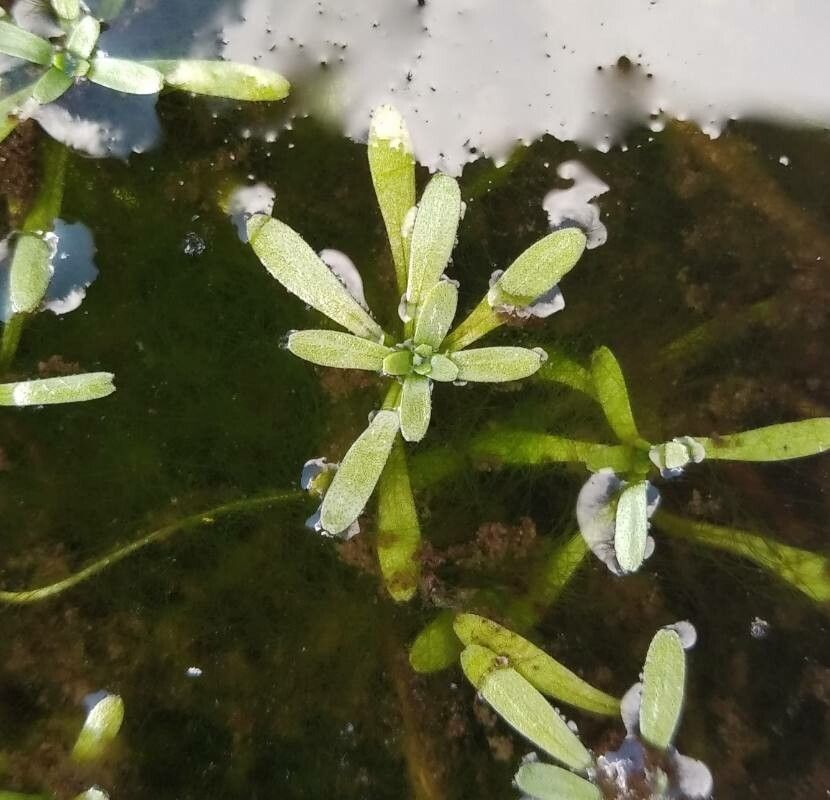
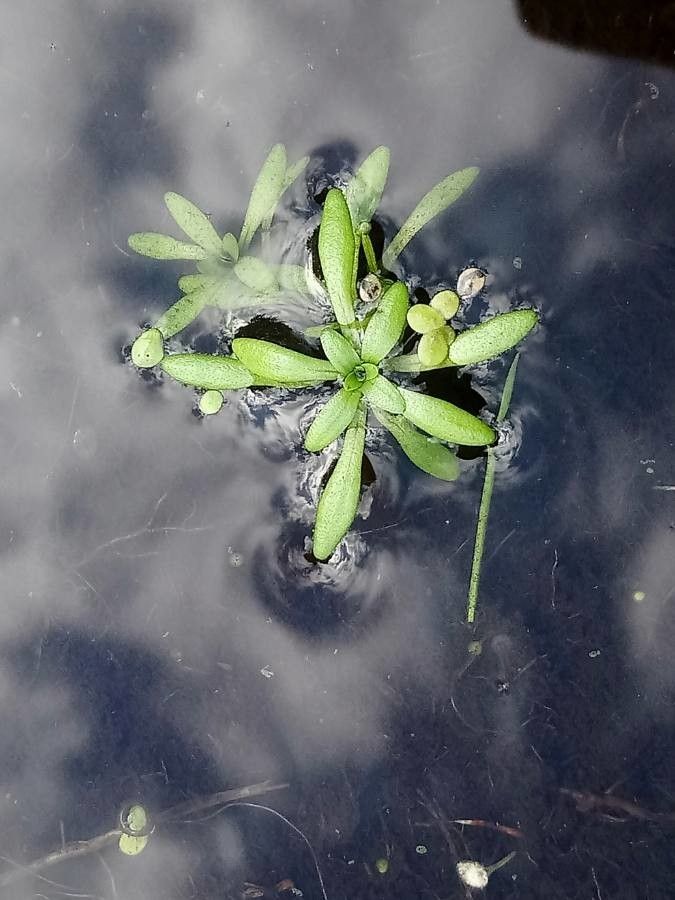
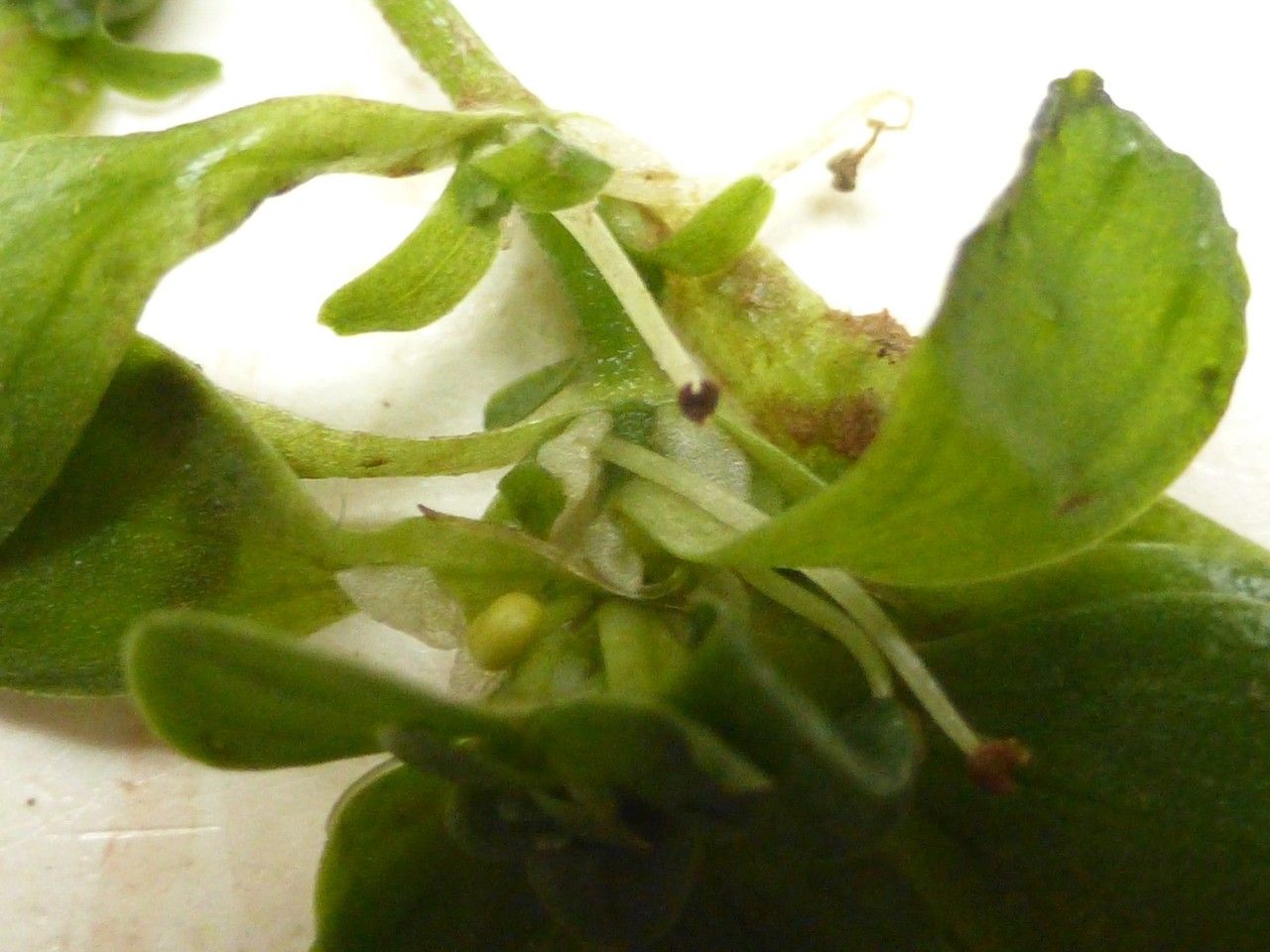
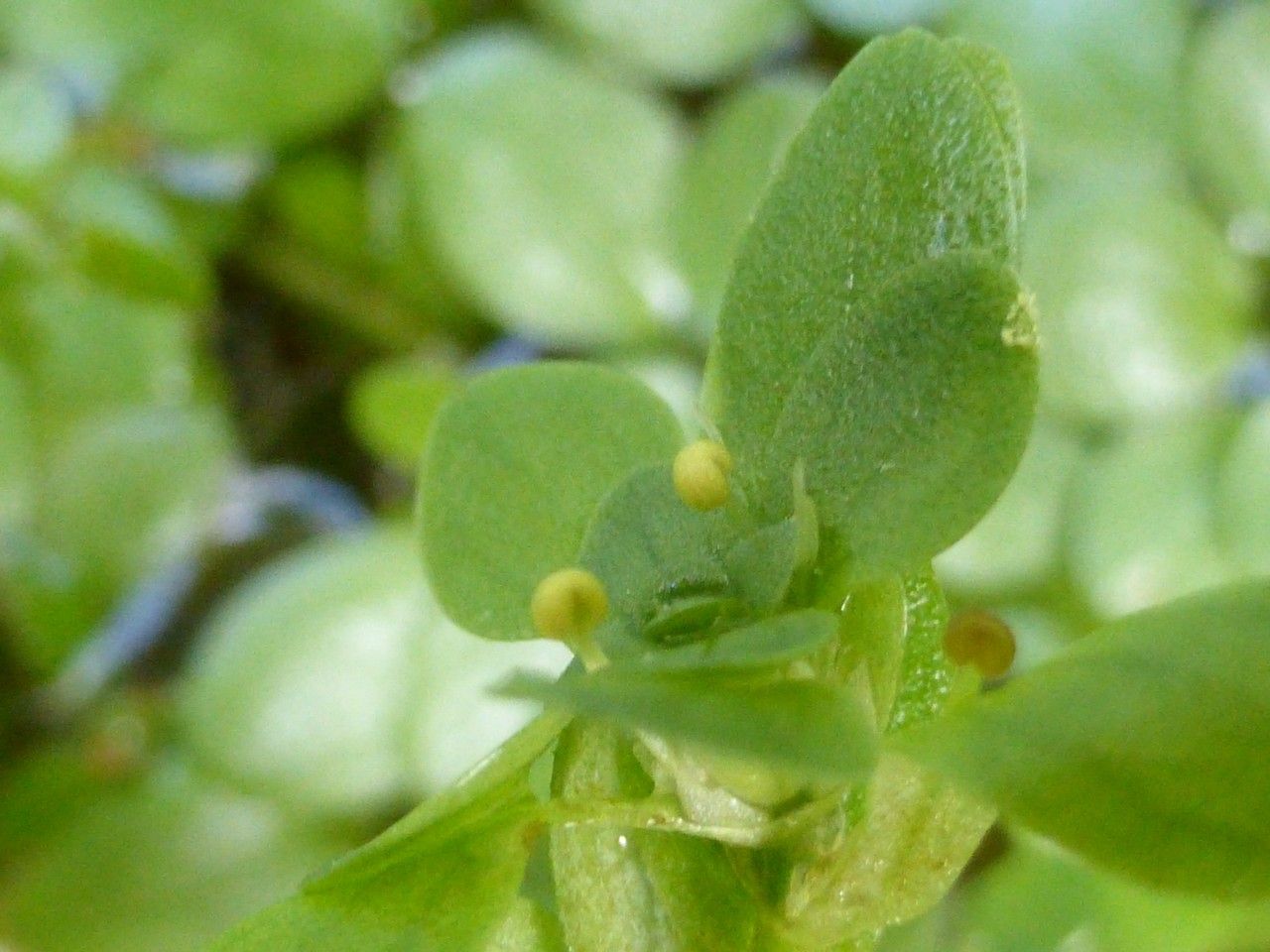
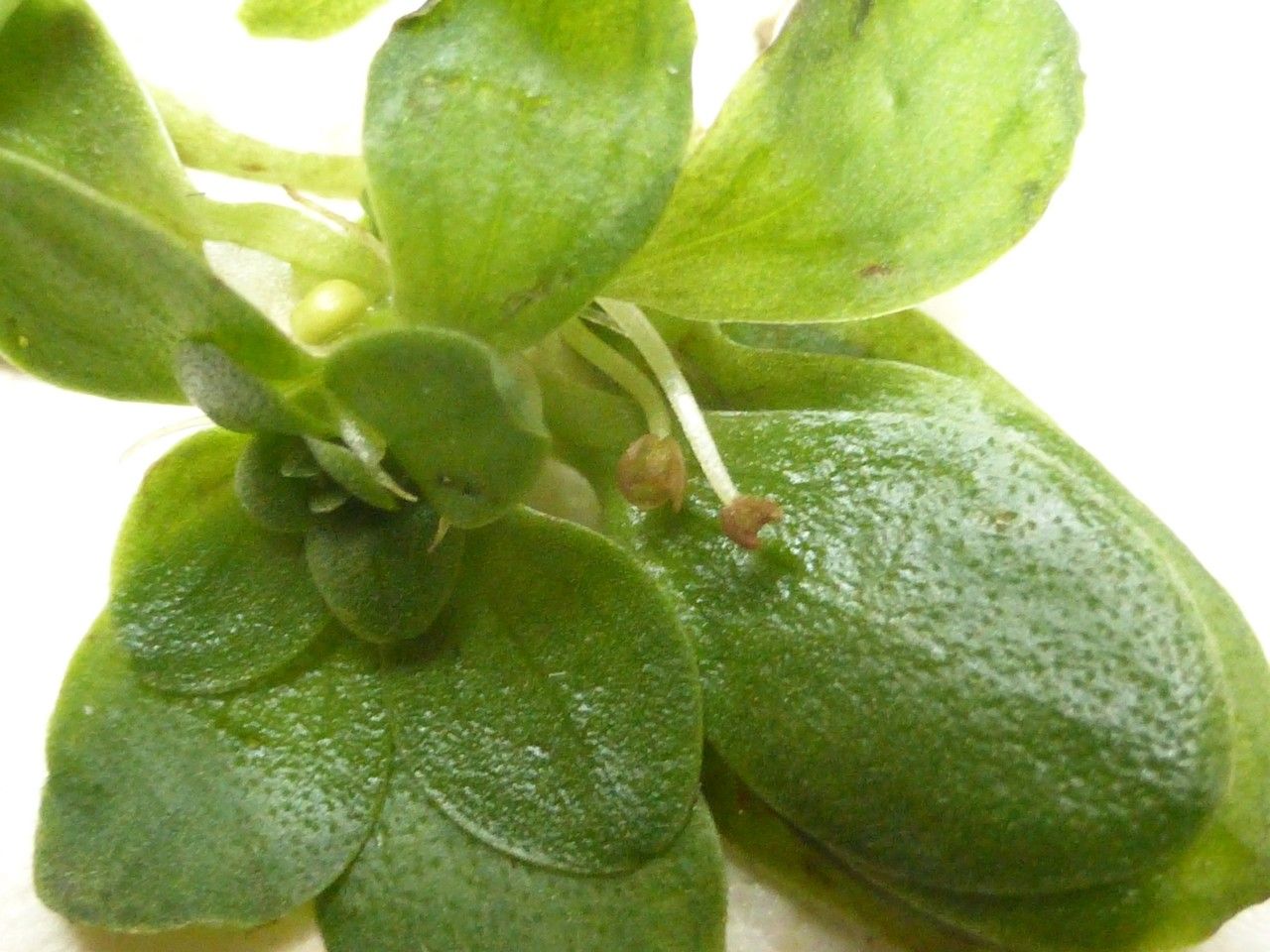
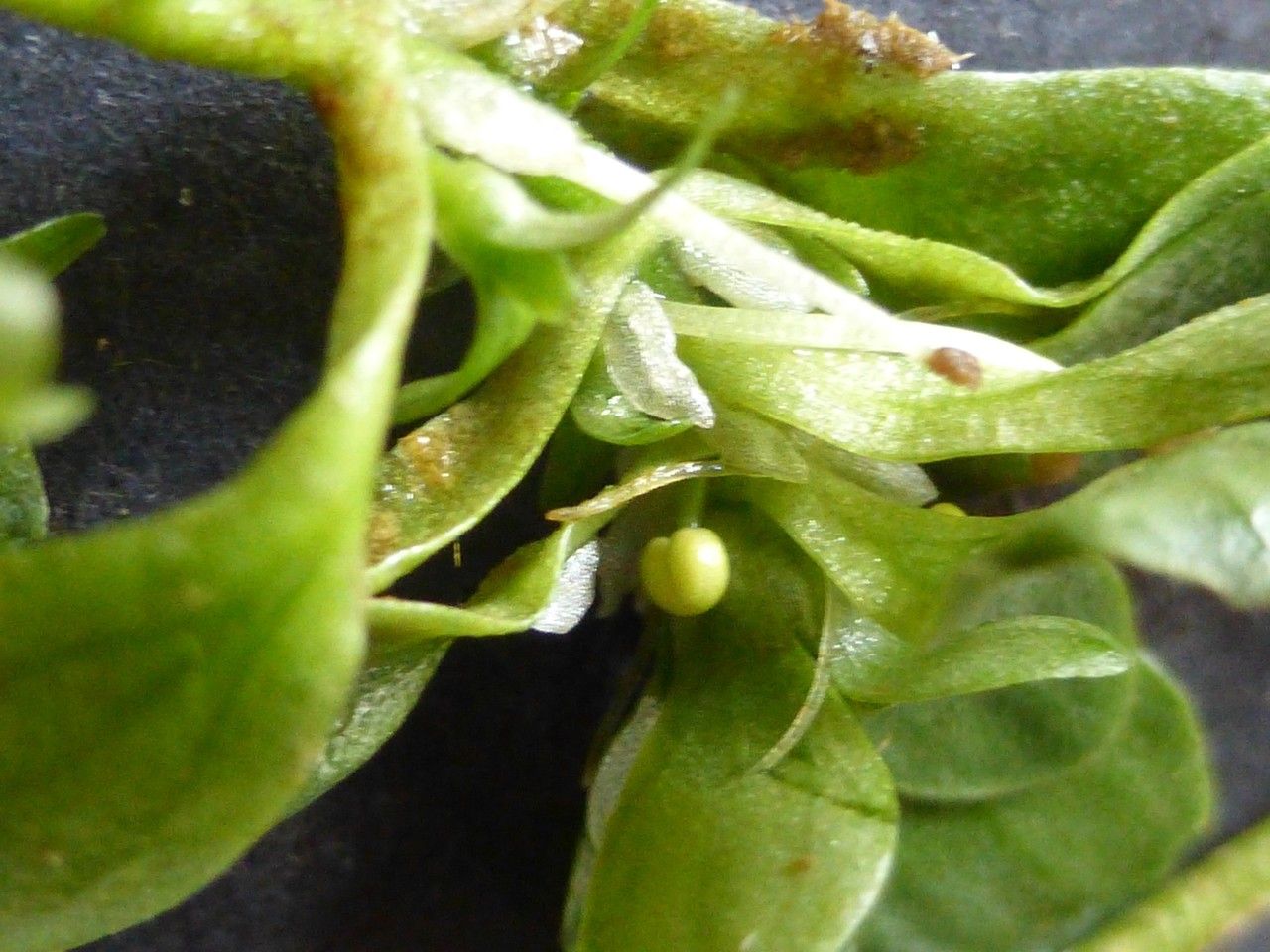
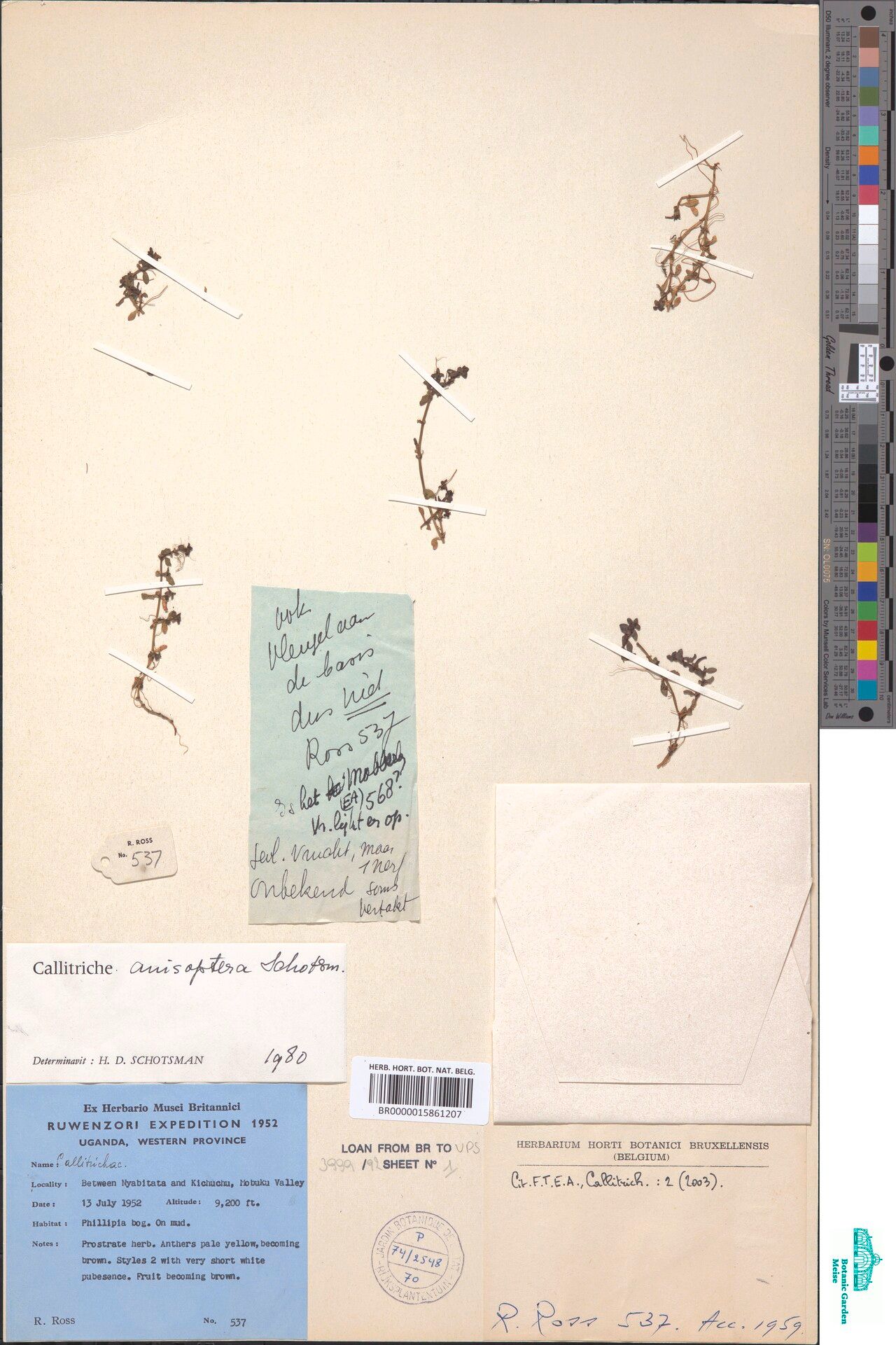
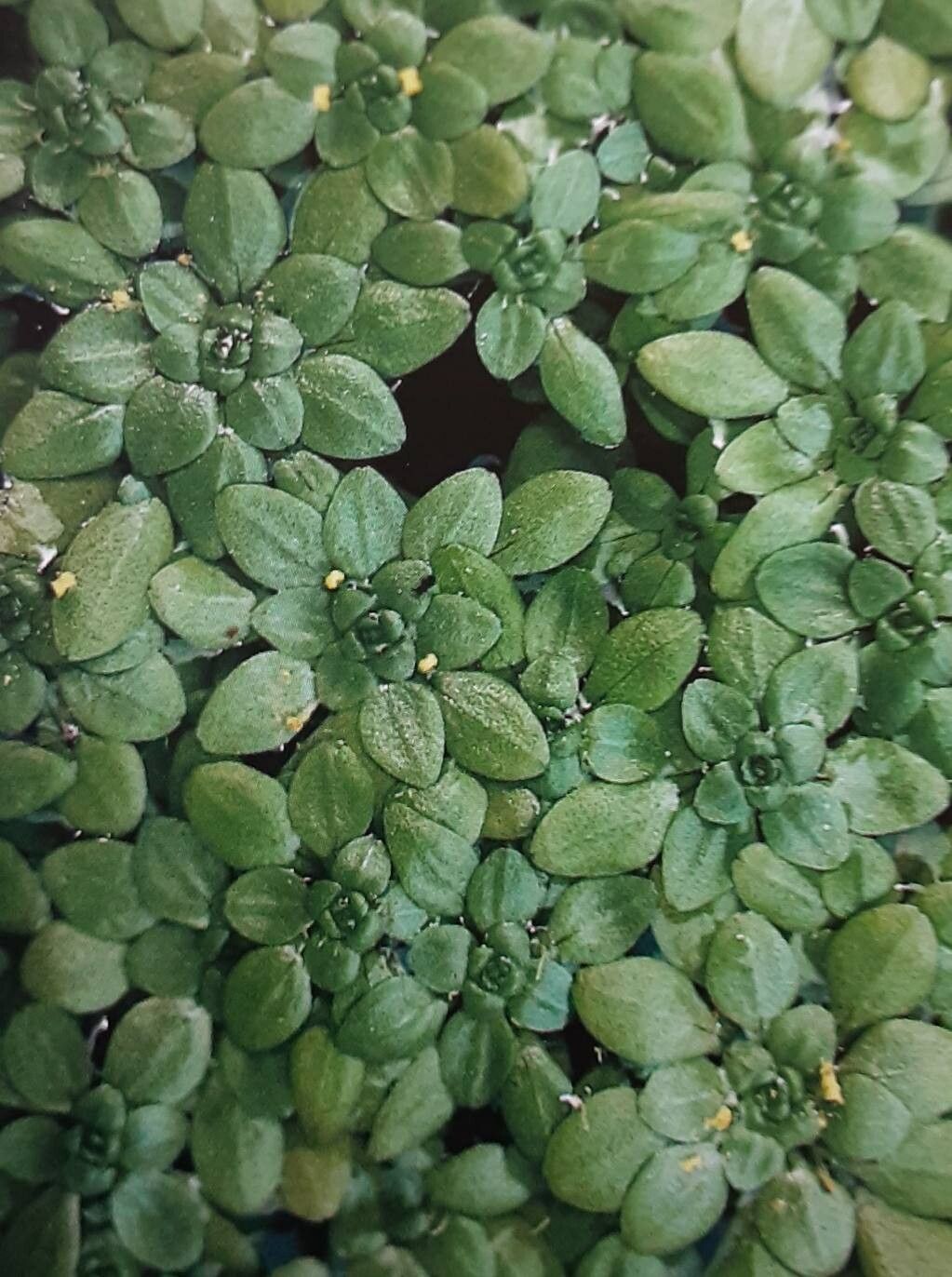
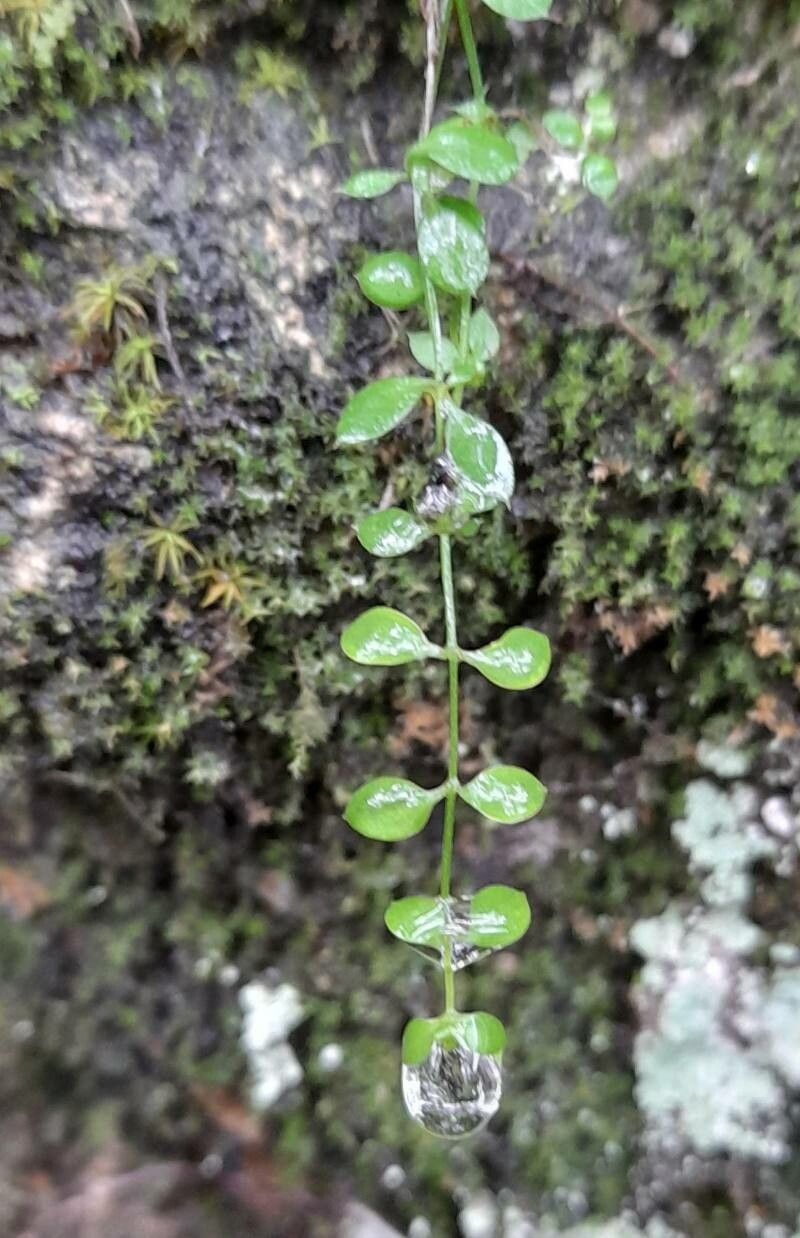
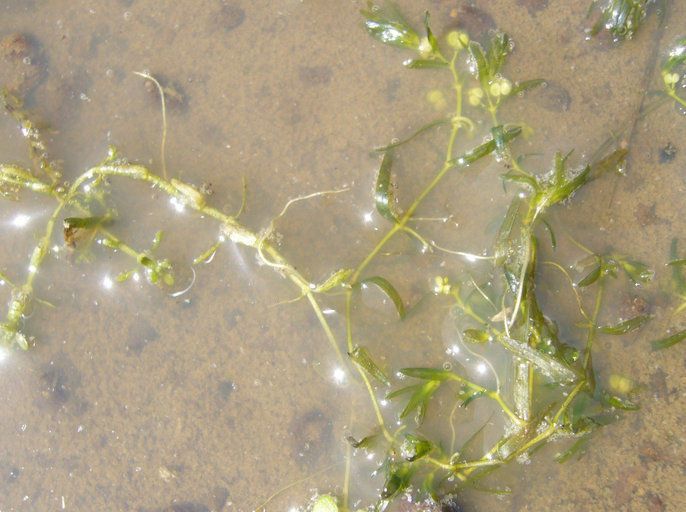
Callitriche brutia, the pedunculate water-starwort, is a submerged/floating-leaved aquatic plant in the family Plantaginaceae (though sometimes placed in its own family – Callitrichaceae). It is found in aquatic environments in Europe.
Pedunculate water starwort demonstrates good resistance to disease and is generally not susceptible to illnesses. With regard to care, this plant is relatively low-maintenance. Planted outdoors it needs minimal watering, and larger specimens typically do not require pruning. Smaller plants, however, should be pruned after they have finished blooming. Pedunculate water starwortt is suitable for anyone with outdoor space, such as a garden or deck, and does not require extensive plant-care experience.
How to keep Callitriche Brutia.
Light
Pedunculate water starwort is native to sunny habitats, such as the shallow margins of ponds and lakes. It prefers full sun but can also tolerate partial sun.
Water
Pedunculate water starwort thrives in aquatic environments, adapting well to consistent moisture with a high tolerance for being submerged in water. It only needs watering once every three weeks and thrives outdoors in regions where seasonal rainfall adequately meets its growth requirements, eliminating the need for frequent human intervention.
Temperature
Pedunculate water starwort is highly adaptable to a variety of climatic conditions, from sweltering summers to freezing winters. Nevertheless, it has a preferred temperature range for healthy growth. If temperatures become too high, the plant is vulnerable to heat and humidity stress, which can cause it to die. In areas where temperatures approach the lower limit of its cold tolerance, providing insulation is important to protect the plant.
Pruning
Pedunculate water starwort flourishes in aquatic environments and requires minimal pruning. In early spring, trim dead or overcrowded leaves just above a node to encourage growth. Proper pruning improves water circulation and light penetration. Always use clean tools during maintenance to prevent the spread of pathogens and to support a healthy aquatic ecosystem.
Botanical profile.
- Plant Type
- Vine
- Life Cycle
- Perennial
- Genus
- Callitriche
- Family
- Plantaginaceae
- Hardiness Zone
- 6-9
- Mature Height
- 10 cm to 49 cm
- Mature Spread
- 5 cm to 15 cm
- Leaf Color
- Light Green, Olive Drab
- Leaf Type
- Evergreen
- Flower Size
- 0.10 cm to 0.20 cm
- Bloom Time
- Mid spring, Late spring, Summer, Early fall
- Planting Time
- Spring, Summer, Autumn
- Harvest Time
- Summer, Fall
Other names.
Reader questions.
What are the sunlight requirements for Pedunculate water starwort?
Pedunculate water starwort thrives in conditions that mimic its native open environments, such as sunny meadows and forest edges. It requires full sun, which is defined as above 6 hours of sunlight per day, but can also tolerate partial sun, about 3-6 hours of sunlight per day. It's essential to observe how sunlight moves through your garden to choose spots that offer the right balance of light and shade for the plants, ensuring they remain healthy and happy.
Can Pedunculate water starwort be grown indoors with artificial lighting?
Yes, Pedunculate water starwort can be grown indoors using artificial lighting when natural sunlight is insufficient, especially during winter or in less sunny spaces. Artificial lights, particularly LED lights, can be customized to provide the specific wavelengths of light the plants need. Full sun plants require 30-50W/sq ft of artificial light, while partial sun plants need 20-30W/sq ft. The light source should be placed 12-36 inches above the plant to mimic natural sunlight, ensuring the plants receive 8-12 hours of light per day for optimal growth.
What are the symptoms of insufficient sunlight in Pedunculate water starwort?
When Pedunculate water starwort doesn't receive enough sunlight, it may exhibit signs such as smaller new leaves, leggy or sparse growth, faster leaf drop, slowed or halted growth, and lighter-colored or irregularly patterned new leaves. Excessive sunlight can lead to chlorosis, where leaves turn yellow due to chlorophyll breakdown, sunscald, leaf curling as a defense mechanism to reduce surface area exposure, wilting from increased water loss, and leaf scorching characterized by brown, dry edges on leaves.
How can I address sunlight-related issues in Pedunculate water starwort?
To address sunlight deficiencies in Pedunculate water starwort, gradually move plants to a sunnier location each week until they receive at least 6 hours of direct sunlight daily. For indoor plants, consider using a south-facing window or artificial light sources, such as desk lamps or professional grow lights, to ensure they get enough light. Outdoors, avoid sudden changes in light intensity to prevent sunburn. Reducing obstructions like pruning branches or transplanting to sunnier spots can also help. Note that parts of the plant damaged by insufficient sunlight may not recover, but increased light exposure will promote healthy new growth.